REVIEW · POKHARA
Exhilarating Pokhara-Kathmandu Bus Journey Experience
Book on Viator →Operated by Nepal Vehicle Hiring Pvt Ltd · Bookable on Viator
This bus ride feels like slow motion scenery. The Pokhara to Kathmandu tourist ride is interesting because it combines air-conditioned comfort with nonstop views of green hills, villages, rivers, and even occasional mountain glimpses. For many people, it’s the simplest way to move between the two biggest Nepal bases without overthinking logistics.
I also like that the journey is built for real travel needs: comfortable seating, cooperative onboard staff, and scheduled breaks for restrooms and meals along the way. The main drawback to keep in mind is that the ride can run long and you might not always get the exact bus you expected—one reported trip clocked in around 9 hours with a late departure and very short stops.
In This Review
- Key Things You’ll Notice on This Pokhara–Kathmandu Bus Ride
- Pokhara to Kathmandu at 6:45am: A Start Time That Changes Everything
- Inside the Bus: What Air-Conditioning and Seating Really Mean
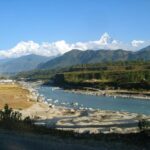
- The Route View: Hills, Villages, Rivers, and Occasional Peaks
- Restroom and Meal Breaks: Plan for Timing, Not Just Inclusion
- Boarding and Arrival: Mobile Ticket, Small Group, Clear End Point
- Price and Value: Paying $15 for an 8–9 Hour Ride
- Who This Bus Ride Is Best For (and Who Might Struggle)
- Should You Book This Pokhara–Kathmandu Bus Ride?
- FAQ
- How long is the Pokhara to Kathmandu bus journey?
- What time does the bus depart from Pokhara?
- Where is the drop-off point in Kathmandu?
- Is the bus air-conditioned?
- Are restroom and meal stops included?
- What is the price and booking timing?
- Is this trip refundable if plans change?
- Is it suitable for most travelers and are service animals allowed?
Key Things You’ll Notice on This Pokhara–Kathmandu Bus Ride
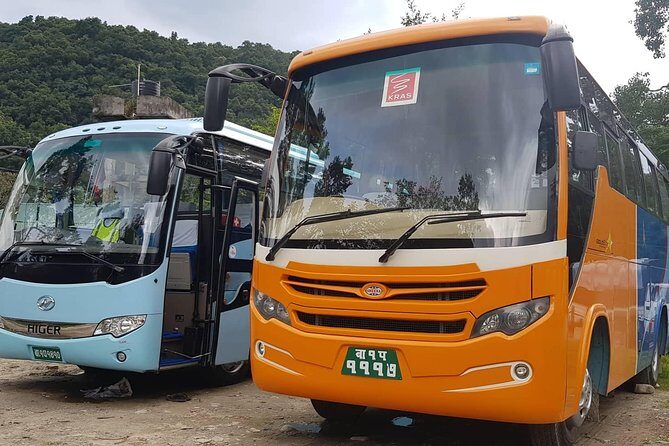
- 6:45am departure from Tourist Bus Park in Pokhara, so you start your day early
- Air-conditioned comfort on a deluxe tourist bus for a long 7–8 hour route
- Scenery stops working in your favor, with hills, small villages, rivers, and occasional mountains
- Restroom and meal breaks included during the drive (timing can vary with traffic)
- Mobile ticket for a smoother boarding process
- Small group size (max 20), which usually makes the ride feel more orderly
Pokhara to Kathmandu at 6:45am: A Start Time That Changes Everything
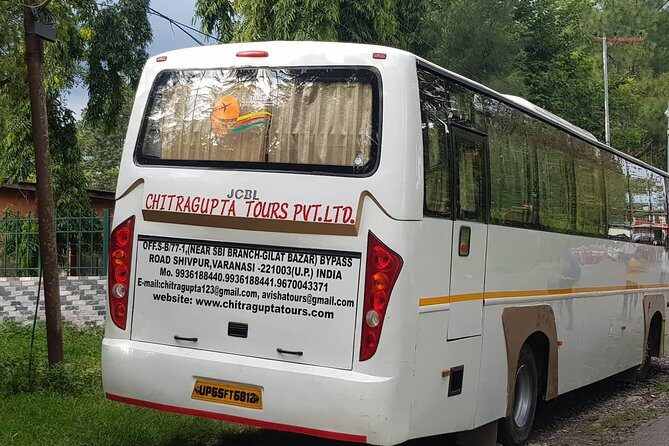
Your day starts early: the bus leaves at 6:45am from Tourist Bus Park, Pokhara. That matters because it gives you daylight on the road. And with this route offering green hills, villages, and river views, daylight really helps you enjoy the trip instead of just enduring it.
You’re looking at an 8–9 hour travel window in practice. The schedule estimate is about 7–8 hours, but traffic and road conditions can stretch that. If you’re planning a same-day activity in Kathmandu, I’d give yourself padding—think “late lunch” rather than a tight morning appointment.
Also, this is a tourist bus experience with a set endpoint: you finish at Tourist Bus Garage in Bālāju–16, Chamti/Vishnumati river left bank side. That’s not a random drop. It’s a clear arrival zone, so you can plan your onward transport from the Balaju/Chamti area instead of scrambling when you step off.
If you're still narrowing it down, here are other tours in Pokhara we've reviewed.
Inside the Bus: What Air-Conditioning and Seating Really Mean
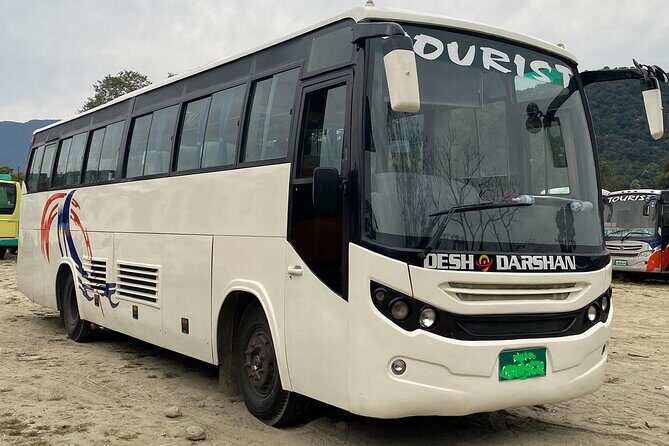
The headline feature is the air-conditioned bus ticket. For a long drive, that’s not a luxury detail—it’s comfort insurance. Even when the scenery is great, heat and cramped space make the hours feel longer. Air-con helps you stay relaxed, so the ride feels like transportation, not punishment.
Seating is described as comfortable, and the bus is set up as a tourist vehicle (not a local run). That usually means you can settle in, keep your essentials within reach, and focus on the road views. You’ll also have staff onboard who are described as cooperative and professional, which matters most for small-but-important needs—like when you want to know what’s next or when the next break is coming.
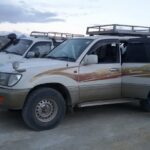
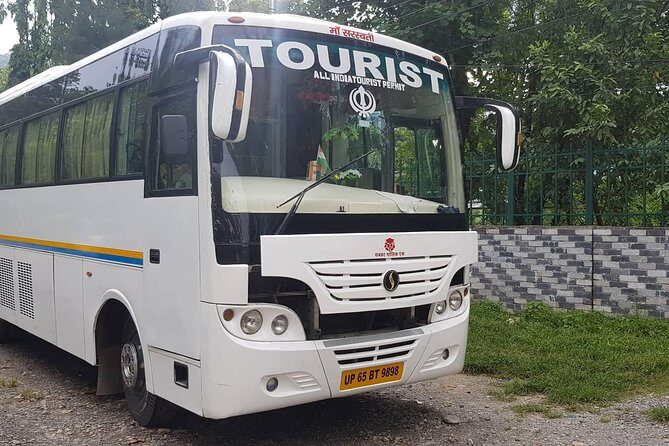
One consideration: equipment and execution can vary. One reported experience said the bus arrived late (about 45 minutes) and wasn’t the vehicle expected; the ride lasted roughly 9 hours with very short stops. That doesn’t mean every trip is like that, but it’s a good reminder to stay flexible when you’re relying on road travel.
The Route View: Hills, Villages, Rivers, and Occasional Peaks
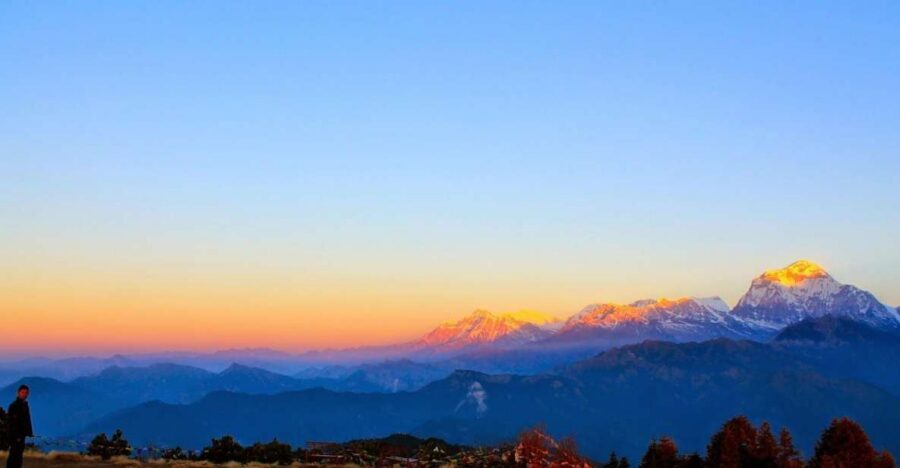
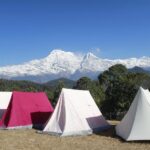
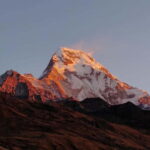
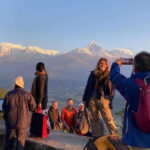
This ride is popular partly because it turns the drive into a moving viewpoint. Along the way, you get green hills, small villages, rivers, and occasional mountain views. That’s a mix that works well for different kinds of travelers—people who love nature and people who just want something interesting to watch besides the same stretch of road.
A key practical point: scenery is best early and when you’re not stuck in traffic. If the drive slows down near the bigger areas, the view might narrow and you’ll feel less like you’re sightseeing and more like you’re waiting. The good news is that the route is described as scenic over a long stretch, so it’s not just a short “pretty segment.”
If you want to make the most of it, grab a seat where you can comfortably watch out for long stretches. Also, consider bringing a light layer—even on air-conditioned buses, it can swing between cool and warm depending on how long the bus door stays open during breaks.
Restroom and Meal Breaks: Plan for Timing, Not Just Inclusion
You’ll have stops for restrooms and meals during the journey. On paper, that’s exactly what you want for a multi-hour bus ride—especially on a Pokhara–Kathmandu route where your comfort depends on pacing.
In real life, timing is the variable. One described experience included very short stops, which can be frustrating if you were counting on time for a proper meal or a longer restroom break. So yes, breaks are included, but you should still treat them like “opportunities,” not guarantees of a relaxed timetable.
Here’s how I’d handle it:
- Eat before you board if you can, so your first break doesn’t become your main meal.
- Keep water handy and use the restroom during breaks rather than waiting for the last moment.
- If you’re sensitive to motion or schedule changes, pack simple motion-comfort items (like a light snack and something for nausea prevention), because road travel timing can shift.
Boarding and Arrival: Mobile Ticket, Small Group, Clear End Point
The ticketing is described as mobile. That’s a genuine convenience for modern travel: less paper juggling, easier access for the driver or staff checking you in. Just make sure you can access your ticket offline or on your phone’s screen without fighting spotty network.
This trip also has a maximum group size of 20 travelers. Smaller groups can mean quicker organization at breaks and boarding. It also tends to feel calmer than large mass departures, especially when everyone is trying to find their seat, settle their bags, and get ready for the long haul.
When you finish, you arrive at Tourist Bus Garage in Kathmandu (Balaju–16, Chamti area by the Vishnumati River left bank). That’s helpful because it gives you a recognizable location for onward plans. It also means you’ll likely want to have a plan for the last mile to your hotel—either a prearranged taxi or some quick local transport.

Price and Value: Paying $15 for an 8–9 Hour Ride
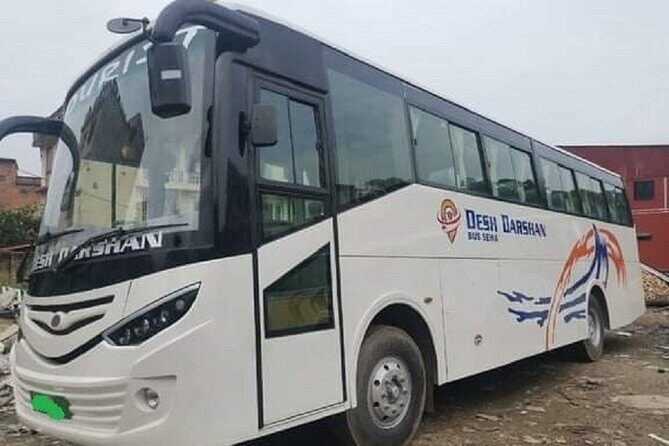
At $15 per person, this is priced like value travel. That’s the point: you’re not paying for a private car; you’re buying comfort and convenience at a budget-friendly cost. For many people, that makes the bus the best option when you want to stay flexible and avoid higher transport costs.
But here’s the honest “value math” I’d use. You get:
- Air-conditioned comfort
- comfortable seating
- breaks for restrooms and meals
- a scenic drive
You’re not paying for:
- control over exact bus equipment
- control over traffic delays
- a tight schedule you can rely on to the minute
So if your priority is comfort per dollar, the price looks strong. If your priority is absolute timing certainty and a guaranteed “exact bus, no surprises,” you might want a backup plan for arrival time.
Also, it’s commonly booked about 20 days in advance. That usually signals steady demand. If you have fixed plans in Kathmandu, booking ahead is smart.
Who This Bus Ride Is Best For (and Who Might Struggle)
This is a good fit if you want a straightforward, low-cost way to travel between Pokhara and Kathmandu with air-conditioned comfort and scenery. It’s also a practical choice if you’re the type who actually enjoys the journey, not just the destination—watching hills and villages roll by can make the hours pass more smoothly.
It may also suit people who want a simpler boarding experience with a mobile ticket and a max 20 group size.
I’d be more cautious if:
- You’re traveling with a strict appointment right after arrival in Kathmandu (the trip can stretch to around 9 hours).
- You’re very sensitive to delays or to short breaks.
- You expect the bus brand/model to match your mental picture perfectly (since one reported experience said the assigned bus wasn’t the one expected).
Should You Book This Pokhara–Kathmandu Bus Ride?
Yes, you should consider booking if you want an affordable air-conditioned tourist bus with scenic road views and rest/meal breaks. The price-to-comfort ratio is hard to beat, and the 6:45am departure gives you a better chance at enjoying the scenery in daylight.
But book with the right expectations. Roads and scheduling can change. Plan your Kathmandu timing with buffer, keep essentials for a long ride, and don’t build a fragile day around arrival at an exact minute. If you do that, this ride can feel less like commuting and more like slow sightseeing between two major hubs.
FAQ
How long is the Pokhara to Kathmandu bus journey?
The ride is approximately 7–8 hours, and it can take 8–9 hours depending on traffic conditions.
What time does the bus depart from Pokhara?
The start time is 6:45am from Tourist Bus Park, Pokhara.
Where is the drop-off point in Kathmandu?
You end at Tourist Bus Garage in Balaju–16, Chamti, Vishnumati river left bank side, Kathmandu 44600.
Is the bus air-conditioned?
Yes. The included ticket is for an air-conditioned tourist bus.
Are restroom and meal stops included?
Yes. The journey includes stops for restrooms and meals during the trip.
What is the price and booking timing?
The price is $15.00 per person and it’s commonly booked about 20 days in advance.
Is this trip refundable if plans change?
No. It’s non-refundable and can’t be changed for any reason. If you cancel, the amount paid is not refunded.
Is it suitable for most travelers and are service animals allowed?
Most travelers can participate, and service animals are allowed.