REVIEW · POKHARA
Pokhara: 3-Day Ghorepani, Poon Hill & Ghandruk Guided Trek
Book on GetYourGuide →Operated by Snow Peak Tours and Travels pvt. ltd. · Bookable on GetYourGuide
Sunrise at Poon Hill steals the show. I love the Annapurna and Dhaulagiri panorama at first light and the cozy teahouse nights with genuinely warm hospitality, and you’ll also get culture in Ghandruk; the only real catch is the early start and the fact that day hikes can feel long at altitude.
This is a short trek that still feels like a real mountain trip: rhododendron forests, terraced stone stair paths, and village walking without week-long commitment. The guide makes it easier to enjoy it (and notice the small stuff like mountain names, monkeys in the trees, and beehives on rock walls), but you should be ready for cold mornings and variable weather.
In This Review
- Key highlights worth marking on your map
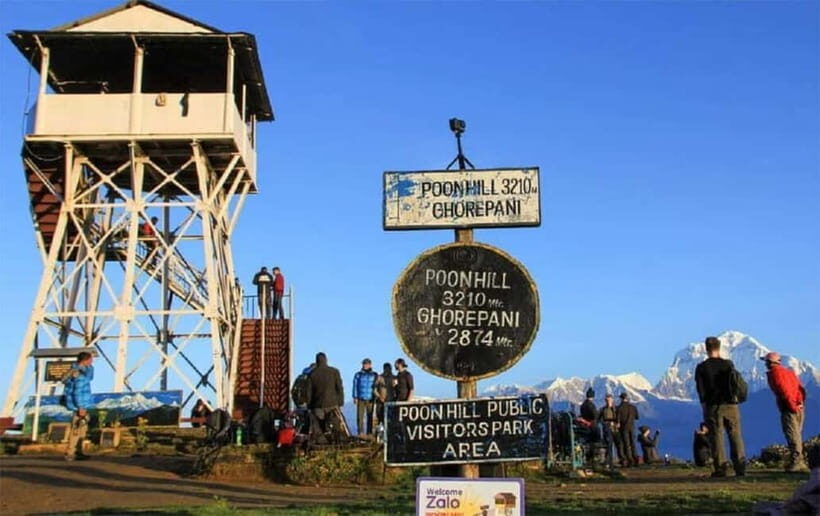
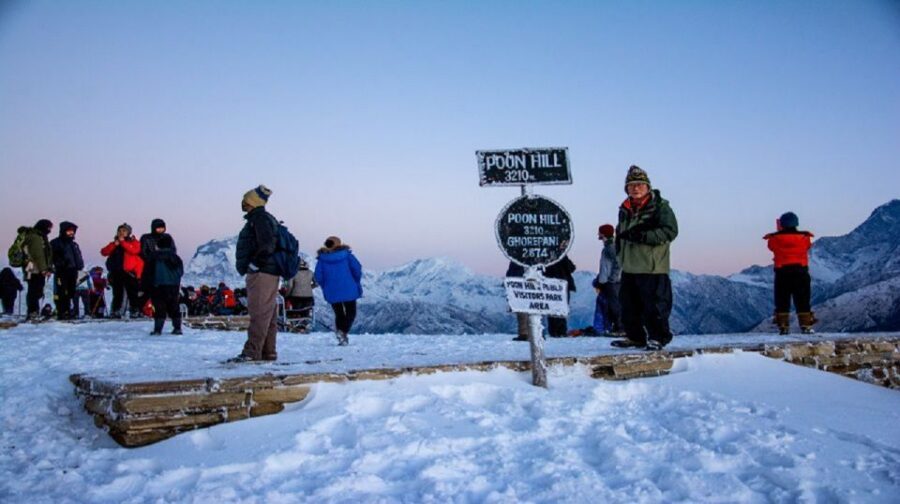
- Why Poon Hill Sunrise at 3,210 m feels like a front-row seat
- Day 1: From Pokhara hills to Ghorepani’s teahouse base (2,874 m)
- Day 2: Poon Hill at sunrise, then ridges to Tadapani or Ghandruk
- Day 3: Slow morning in Ghandruk and a smooth drive back to Pokhara
- Teahouses and meals: the comfort is real, but watch the meal plan
- Guides make the difference: the names you might hear and the details you’ll notice
- Permits, paperwork, and what’s already handled for you
- What to pack (and what matters most for cold mornings)
- Fitness and weather reality for a 3-day shortcut
- Price and value: why $179 can be fair for the work involved
- Should you book this Pokhara to Poon Hill and Ghandruk trek?
- FAQ
- FAQ
- What are the main stops on the trek?
- How long is this trek?
- What’s the highest point you’ll reach?
- Does the price include meals and accommodation?
- What is included in the $179 price?
- What is not included?
- Do I need to bring a passport for permits?
- What languages are the guides available in, and is pickup included?
Key highlights worth marking on your map
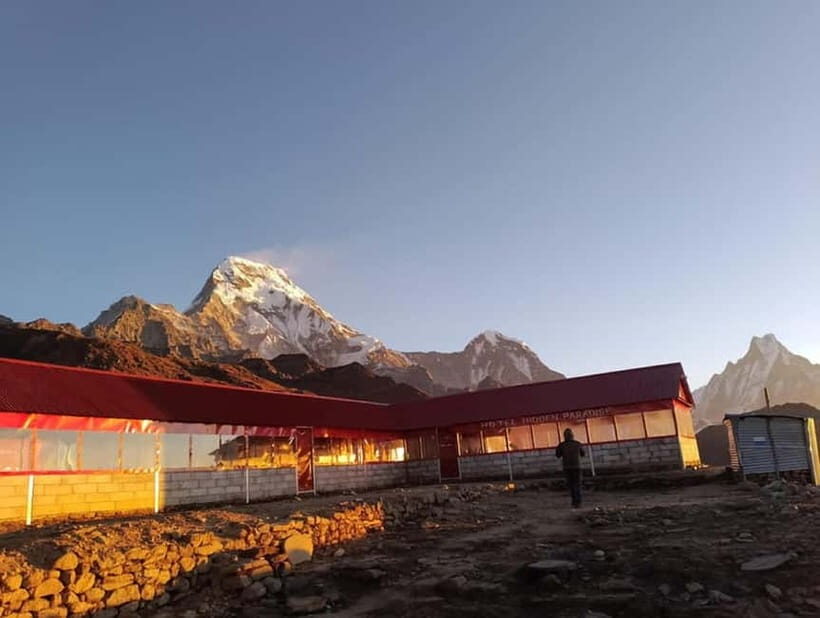
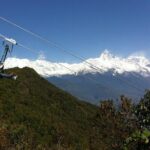
- Poon Hill sunrise with wide views of Annapurna, Dhaulagiri, Machhapuchhre, and surrounding peaks
- Rhododendron forest walks and ridge trails that mix shade, stairs, and viewpoints
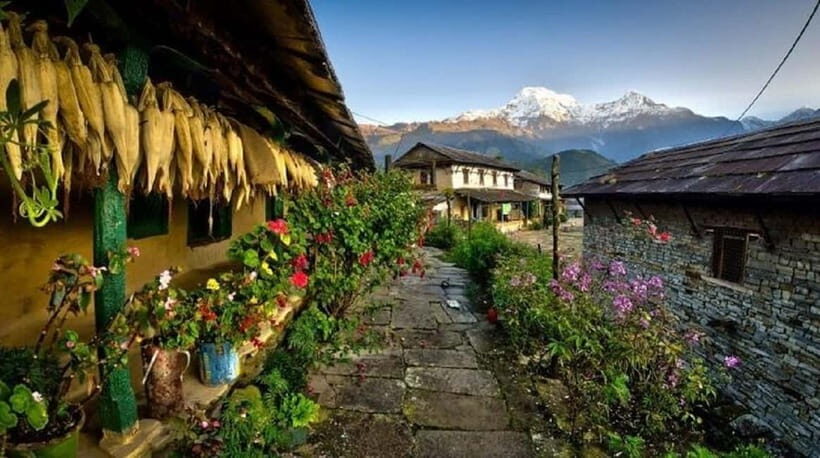
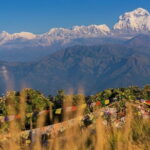
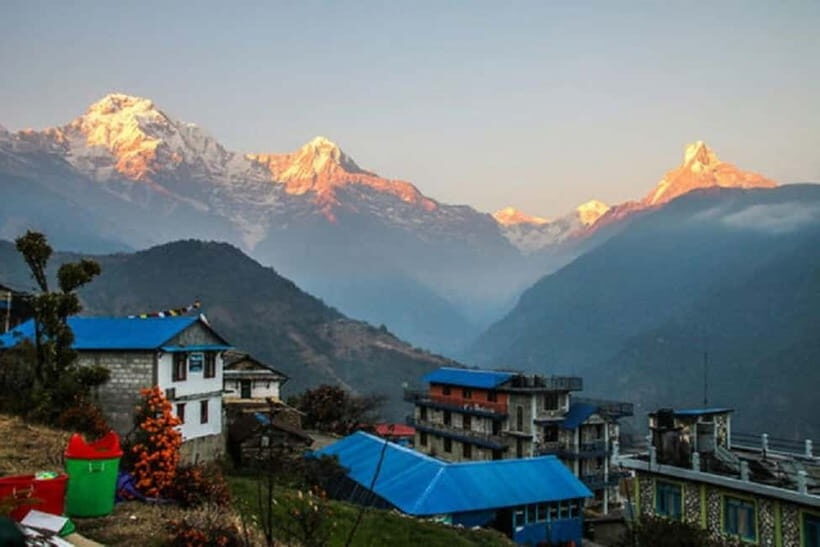
- Gurung village culture in Ghandruk, with mountain views from the village itself
- Warm teahouse stays in Ghorepani and again on day two
- A guide-led experience in a private group, with explanations in English, Hindi, or Nepali
- Comfortable pacing for a “big views” trek, with manageable daily walking hours
Why Poon Hill Sunrise at 3,210 m feels like a front-row seat
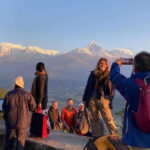
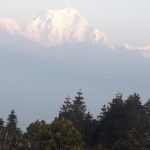
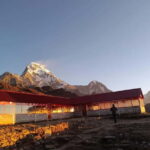
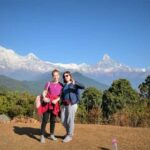
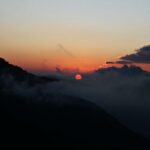
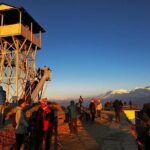
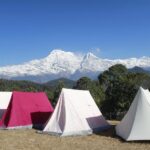
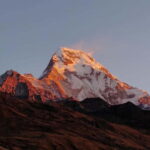
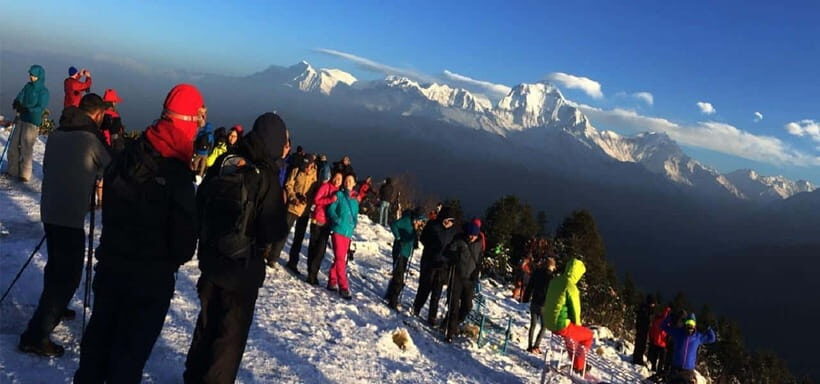
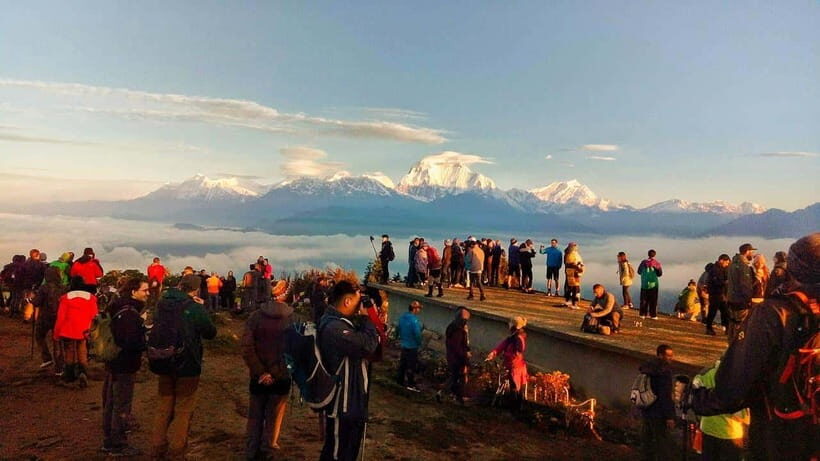
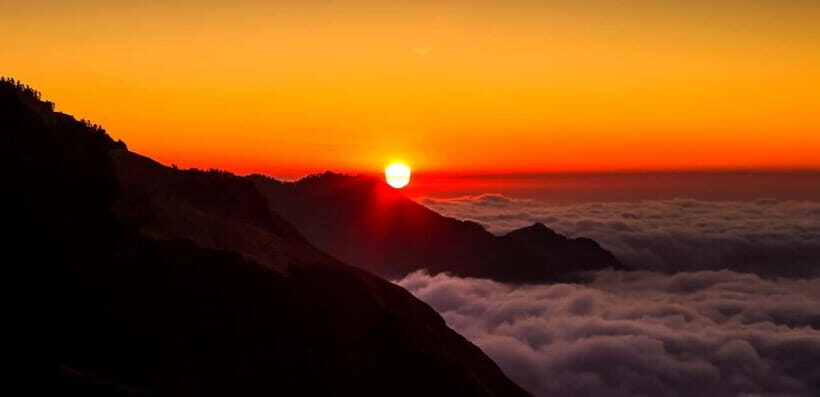
Poon Hill is the reason people pick this trek. You start very early, hike for about 45–60 minutes up to the viewpoint at around 3,210 m, and then watch the morning sky unfold across the Annapurna region. The payoff is a classic broad panorama: Annapurna, Dhaulagiri, Machhapuchhre, plus other peaks that seem to appear one by one as the light strengthens.
The practical part: sunrise hikes reward you for being ready and calm. Warm layers matter more than you think, because temperatures are often sharp at early hours and higher elevations. If you’re the type who likes photography, this is one of the best places on short notice—views are big, and you don’t need technical climbing to get them.
Other Ghorepani and Poon Hill treks in Pokhara
Day 1: From Pokhara hills to Ghorepani’s teahouse base (2,874 m)
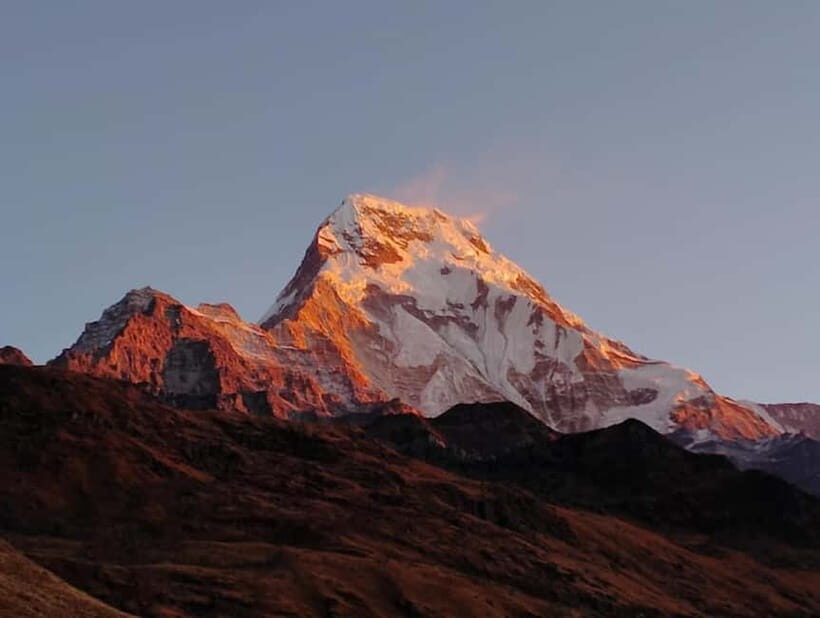
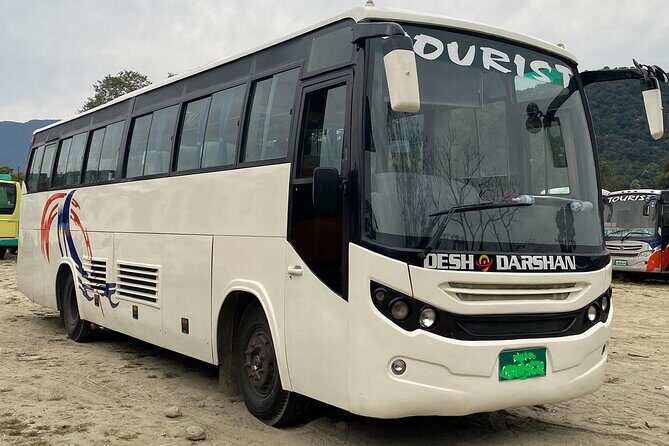
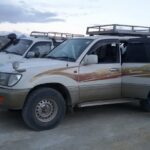
Your trek begins with a drive out of Pokhara—about 3 hours by bus/coach or closer to 2 hours by jeep/SUV—aimed at Tikhedhunga/Ulleri. From there, you switch into walking mode with an uphill grind through villages and forest trails. The hike to Ghorepani (2,874 m) typically takes about 5–6 hours, so this is your “set the rhythm” day rather than a gentle stroll.
A couple things make this day memorable. First, the route climbs through landscapes that change as you gain elevation. Second, Ulleri and surrounding paths are often where you start noticing details: how villages are arranged on the slopes, how trails weave around stone, and how the forest feels when you’re moving at walking pace instead of rushing.
At the end of day one, you sleep in a teahouse in Ghorepani. These aren’t luxury hotels, but that’s the point. You get simple rooms, warm hospitality, and a chance to recover before the early morning push.
Day 2: Poon Hill at sunrise, then ridges to Tadapani or Ghandruk
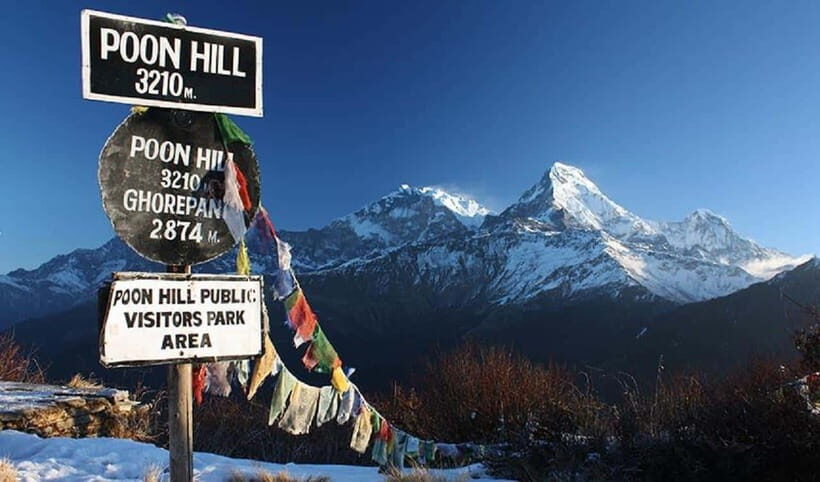
Day two is where the trek earns its reputation. You wake up early for the short climb to Poon Hill, then return for breakfast before your main hiking stretch. After you take in sunrise (and yes, plan for cold fingers and lots of camera time), you head out again along forest and ridge trails.
From there, you’ll continue toward Tadapani (2,630 m) or Ghandruk (1,940 m), depending on the route choice. The hiking time is again about 5–6 hours. If you’re feeling good, the ridge sections can feel rewarding—wide sightlines, alternating sun and shade, and the sense that you’re moving through multiple “mini worlds” as the day progresses.
Two considerations for this day:
- You’re doing a second big effort after the early wake-up, so keep your pace steady.
- The route is scenic and varied, but the walking can still be demanding—especially if you rush uphill.
When you reach the next teahouse for the night, it’s a relief in the best way: hot drinks, a warm room, and time to talk with your guide about what you saw on the trail.
Day 3: Slow morning in Ghandruk and a smooth drive back to Pokhara
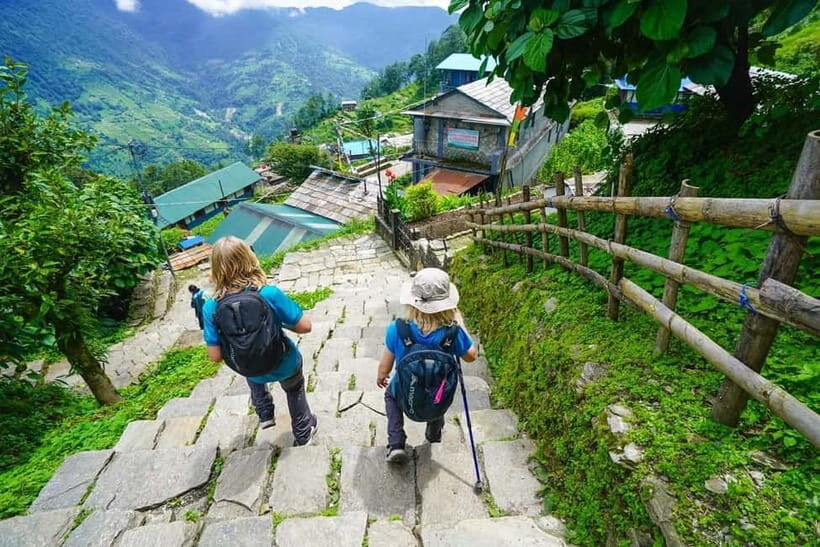
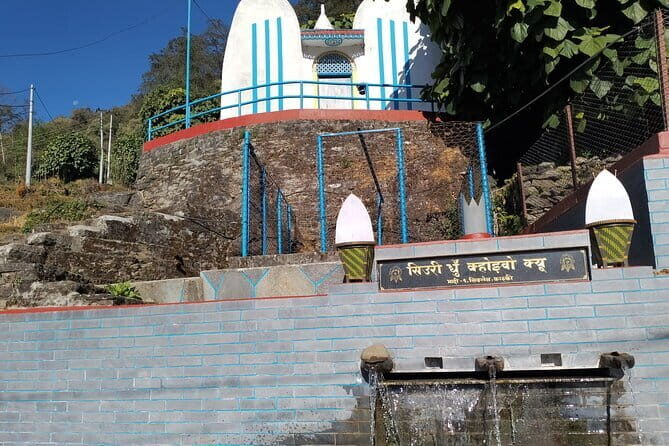
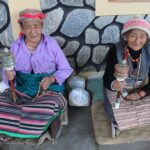
On the final day, you shift from hiking to exploring. You spend time around Ghandruk village, where Gurung culture is a major part of the experience. This is the moment you see the trek as more than viewpoints—it’s also a living community that has built its identity around mountain life and hospitality.
You’ll also get mountain viewpoints from the village area, and the walk around is shorter than the previous days. After that, the trek ends with a drive back to Pokhara (about 3 hours).
The best part of day three is the pacing. Instead of stacking another long climb, you can take your time, enjoy conversations, and still return to Pokhara on the same day—helpful if you’re combining this trek with lakeside time.
Teahouses and meals: the comfort is real, but watch the meal plan
Staying in teahouses is one of the main reasons this trek feels authentic. The cabins are simple, but the hospitality is what people remember: a warm welcome, a place to eat together, and the kind of comfort that matters after a cold sunrise hike. You’ll sleep in Ghorepani and again on day two (either Tadapani or Ghandruk), which gives you that classic mountain rhythm.
Meals are included depending on the option you choose. This is where you should pay attention to cost structure. One useful heads-up: the meal plan can be expensive. I saw an example where the meal plan was described as NR 40,000 for 3 days, and the note was that it could cost about half if you paid directly at tea houses. I wouldn’t treat that as a guarantee, but it’s a strong signal to compare your meal-plan price with what you expect to eat in the teahouses.
Practical tip: plan on cash and keep it simple. Tea houses often run on menu-style ordering, and having your budget ready prevents decision fatigue after long walks.
Other Ghandruk village treks in Pokhara
Guides make the difference: the names you might hear and the details you’ll notice
This trek runs with a certified trekking guide in a private group format. You can get help in English, Hindi, or Nepali, which matters a lot when you want more than just directions.
From past experiences shared with this trip, guides have been praised for friendliness and clarity. Names that came up include Jeet, Anil, and Sanjay. What they reportedly did well wasn’t just safety or pacing—it was teaching you how to look at the trail. That includes calling out Himalayan peak names you can see from the ridges, pointing out small wildlife like monkeys hiding in the trees, and noticing things most people miss, like beehives built on rock walls.
That’s the real value of guided trekking on a short schedule: you don’t have time to figure out everything yourself, and you shouldn’t have to.
Permits, paperwork, and what’s already handled for you
One of the smoother parts is that the trek includes all required permits and fees, plus the guide’s own expenses. You also get luggage storage in Pokhara, which is helpful if you want to keep your main bag in town while hiking with essentials.
There’s one piece of paperwork you should treat seriously: you’ll need to submit a copy of your passport (or ID card) at least one day before the trek so the permits can be arranged. Do it early. Late submissions can become stressful fast.
Also included: a first aid kit, and trekking gear like trekking sticks and sleeping bags as needed. You still need to bring the basics (more on that next), but it reduces what you must carry from Pokhara.
What to pack (and what matters most for cold mornings)
Your comfort here depends more on layering than on fancy gear. Based on the recommended packing list, bring:
- Passport or ID card
- Comfortable shoes and hiking shoes
- Jacket, plus a hat
- Change of clothes
- Camera
- Cash
- Hiking pants
- Hair tie
- Trekking gear (if you need anything beyond what’s provided)
For this specific trek, the big wearable priorities are your jacket and warm layers for early mornings at higher elevation. Even if you start the day in mild weather, the temperature can drop as you move toward sunrise at Poon Hill.
If you’re prone to cold hands, plan for it. A sunrise hike is short, but the cold is the only thing that can slow you down.
Fitness and weather reality for a 3-day shortcut
This is a short trek, not a trivial one. The walking time each trekking day is about 5–6 hours, and you’ll climb from low starting elevations up toward 2,874 m and 3,210 m. The experience is described as physically demanding for some people, so be honest about your fitness before you commit.
Weather can vary. Higher altitudes are often very cold, so bring clothing for both warmth and cold. Also remember that mornings can be harsh, and afternoon conditions can shift—so you’ll want layers you can adjust rather than one “set it and forget it” outfit.
Finally, travel insurance is mandatory for safety and peace of mind, and emergency rescue services are available if needed. That’s not a scare tactic—it’s just how mountain travel works.
Price and value: why $179 can be fair for the work involved
The price is listed at $179 per person for a 3-day guided trek. For a short mountain trip, this is usually a good value when you compare what’s included:
- Round-trip transportation between your Pokhara hotel/airport and the trek start
- Meals throughout the trek depending on the option
- Teahouse accommodation (simple lodges)
- Certified trekking guide and guide expenses
- Permits and fees
- Trekking gear like sticks/sleeping bag as needed
- Luggage storage in Pokhara
- First aid kit
What’s not included helps you budget: travel insurance, personal snacks/drinks, and emergency rescue services. A porter is optional at $20 per day if you want extra help carrying your load.
The value question comes down to how much you want to “buy back time and hassle.” With permits, transport, a guide, and sleeping sorted, you can focus on walking and views. If you’re the kind of person who loves negotiating food costs and moving independently, you might watch the meal-plan pricing more closely—especially since at least one prior experience flagged the meal plan as potentially high compared with buying directly at tea houses.
Should you book this Pokhara to Poon Hill and Ghandruk trek?
Book it if you want big Himalayan views in a short window. The Poon Hill sunrise is the headline, and the balance of forests, ridge walks, and village culture gives the trek more meaning than a one-day stop.
Consider skipping or switching plans if:
- You’re not comfortable with an early start and cold mornings.
- Long hikes (about 5–6 hours) are a challenge right now.
- You’d rather manage meal spending independently (meal-plan pricing may not fit every budget).
If you’re aiming for a first-time Annapurna trek that’s still very real—without taking a week off—this is a strong option.
FAQ
FAQ
What are the main stops on the trek?
You’ll walk from Pokhara to Ghorepani, hike up to Poon Hill for sunrise, then continue toward Tadapani or Ghandruk, with time to explore Ghandruk before driving back to Pokhara.
How long is this trek?
It’s a 3-day guided trek.
What’s the highest point you’ll reach?
Poon Hill is listed at about 3,210 m.
Does the price include meals and accommodation?
Meals throughout the trek and accommodation in simple teahouses or lodges are included, depending on the option you select.
What is included in the $179 price?
It includes round-trip transportation between your hotel/airport and the trek starting point, meals (depending on option), teahouse accommodation, a certified guide, permits and fees, guide expenses, trekking gear as needed (trekking sticks and sleeping bags), luggage storage in Pokhara, and a first aid kit.
What is not included?
Travel insurance, personal expenses like snacks and beverages, emergency rescue services, and a porter if you choose one (listed at $20 per day).
Do I need to bring a passport for permits?
Yes. You’re asked to submit a copy of your passport at least one day before the trek so the permits can be arranged.
What languages are the guides available in, and is pickup included?
The guide offers English, Hindi, and Nepali. Pickup is included from Pokhara Lakeside area hotels, the Sarangkot area, and Pokhara International Airport.