REVIEW · POKHARA
From Pokhara: 3-Day Ghorepani Poon Hill Trek with Guide
Book on GetYourGuide →Operated by Linkage Tour & Travel · Bookable on GetYourGuide
Poon Hill sunrise is the whole point. This short trek in Nepal’s Annapurna region delivers big mountain drama without weeks of hiking, plus you get local culture on the way. I like the easy rhythm for a 3-day itinerary and the fact that guides like Bidur and Dipak help you pace smart, not just push uphill. One thing to consider: it’s not a flat walk, and you’ll earn the views with a lot of stairs and real climbing early on.
I also love how many different small moments stack up: villages, forest trails, and tea house stops that make the trek feel human. Since it’s a private group with an English-speaking trekking guide, you can keep your pace comfortable and ask questions as you go. If you want a light, stroll-like outing, this may feel more challenging than you expected—just an important mismatch to plan around.
In This Review
- Key Points to Know Before You Book
- Why the Ghorepani Poon Hill Trek Works in Only 3 Days
- Day 1: Pokhara to Ulleri and the Real Meaning of Short Trek
- Day 2: Ulleri to Ghorepani Through Forest and Village Stops
- Day 3: The Early Rise to Poon Hill, Then a Long Descent
- Guides, Pace, and the Difference Between Trying and Doing
- The Included Stuff That Makes the Trek Feel Plug-and-Play
- What the $162 Price Means for Value
- What to Pack (Based on What You’re Told to Bring)
- Who This Trek Suits Best
- Should You Book This 3-Day Ghorepani Poon Hill Trek?
- FAQ
- What is the main highlight of the Ghorepani Poon Hill trek?
- How long is the trek?
- Where does the trek start and end?
- Are permits included?
- Do I get a guide?
- Are meals included?
- What do I need to bring?
Key Points to Know Before You Book
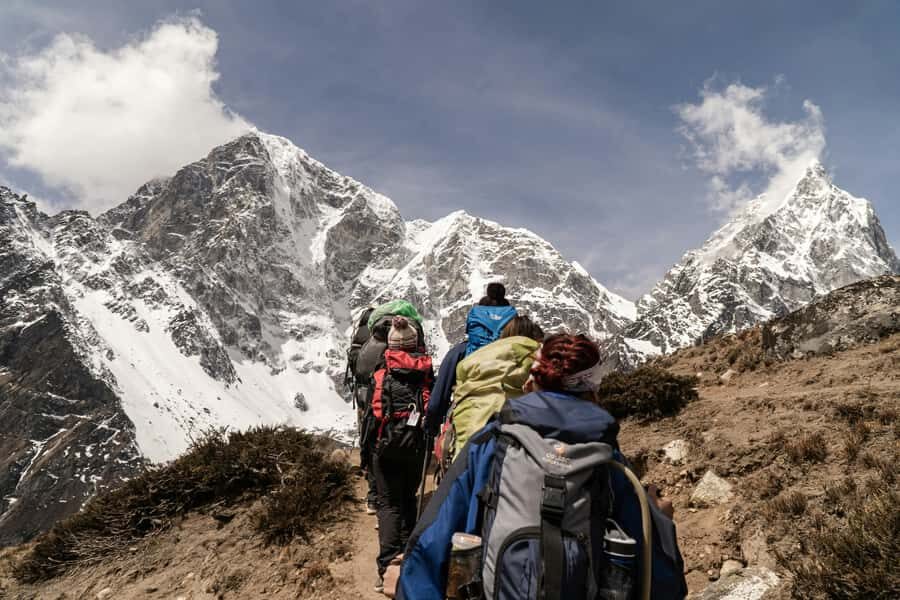
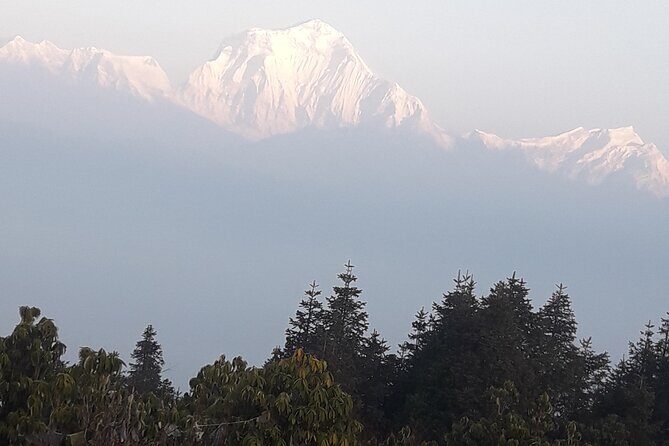
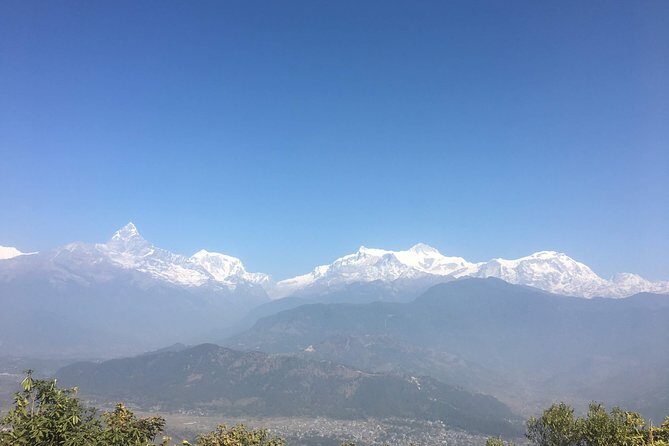
- Poon Hill at sunrise is the main payoff, with wide panoramic views of the Annapurna and Dhaulagiri ranges.
- Stairs and elevation add up: expect tough sections by Nepal standards, even though the trek is short.
- Your guide really matters: named guides from this experience include Bidur, Dipak, Paras, Santosh, Sandesh, and Mukunda, and the common theme is pacing plus local insight.
- You’ll sleep in standard tea-house style lodging, not luxury, but it’s included and organized by the tour.
- Permits are handled: you get the Annapurna Conservation Area permit plus required trekking permits.
- Food options depend on your package: meals are included only if you choose the premium meal option; otherwise you’ll buy as you trek.
Why the Ghorepani Poon Hill Trek Works in Only 3 Days
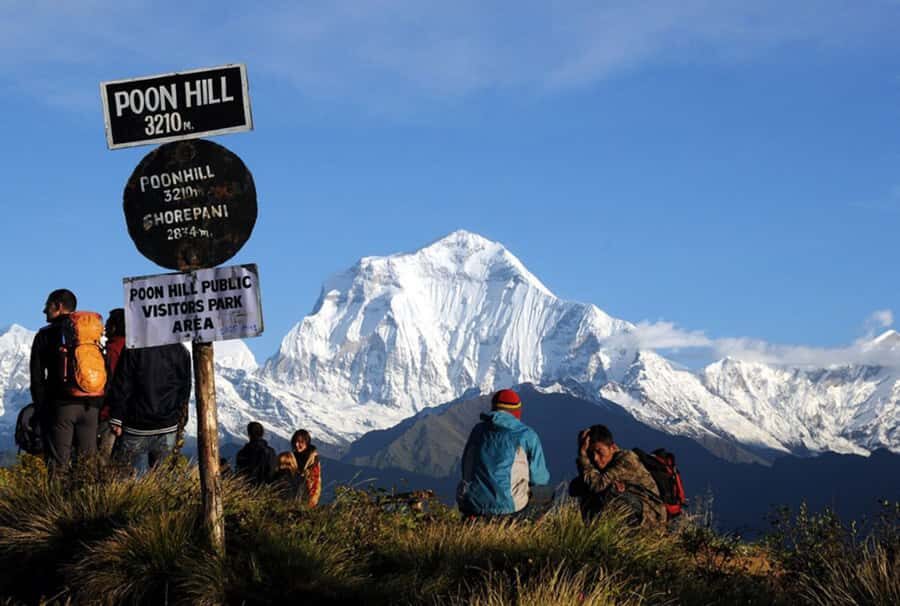
The Ghorepani Poon Hill trek is popular for a reason: it’s short enough for a tight schedule, but it still climbs high enough to deliver those famous wide views. In practice, that means you get a sunrise moment that feels like a reward for the hike, not a bonus after you’re exhausted.
I like that this trek gives you a clean “arc” across the three days. Day 1 is about getting your legs moving and settling into the rhythm of the trail. Day 2 builds toward the viewing area with more time on the path and a better sense of the region. Day 3 is early and focused: wake up, hike up to Poon Hill, then descend for the rest of the day.
You also get a guide-driven experience, not a random route. This matters because tea houses, break timing, and pacing can turn a good hike into a comfortable one. A strong guide (the kind people mention by name here, like Bidur, Dipak, and Paras) helps you keep your energy for the sunrise instead of spending it all on the first climbs.
Other Ghorepani and Poon Hill treks in Pokhara
Day 1: Pokhara to Ulleri and the Real Meaning of Short Trek
You start with a drive from Pokhara to Nayapul, usually around 1 to 2 hours, then shift into trekking right away. The first trekking day runs from Nayapul up through Tikhedhunga and onward to Ulleri, with roughly 3 to 4 hours for the first stretch and another 2 to 3 hours continuing to your overnight spot.
This is the day that teaches you what “manageable” really means. It’s short on paper, but you’ll walk a lot of steps. One runner-up detail from the experience notes is that people often describe the route as easy for Nepal, not easy-easy. You’re looking at a lot of stairs and a solid elevation gain across the first two days, so plan on taking breaks and moving at a steady pace.
Why Ulleri is a smart overnight stop: you’re not trying to do everything on day 1. You reach a place to rest, eat, and reset before the longer day 2. Also, staying overnight in Ulleri keeps day 3 from feeling brutally long, since Poon Hill is the early focus.
Logistics that make day 1 simpler:
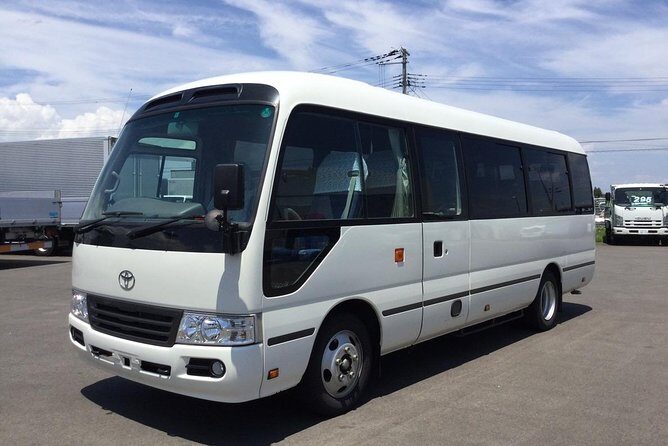
- Roundtrip transportation is included.
- Private accommodation in standard lodging is included.
- Luggage handling in Pokhara is included (so you’re not hauling your whole life up the trail).
Day 2: Ulleri to Ghorepani Through Forest and Village Stops
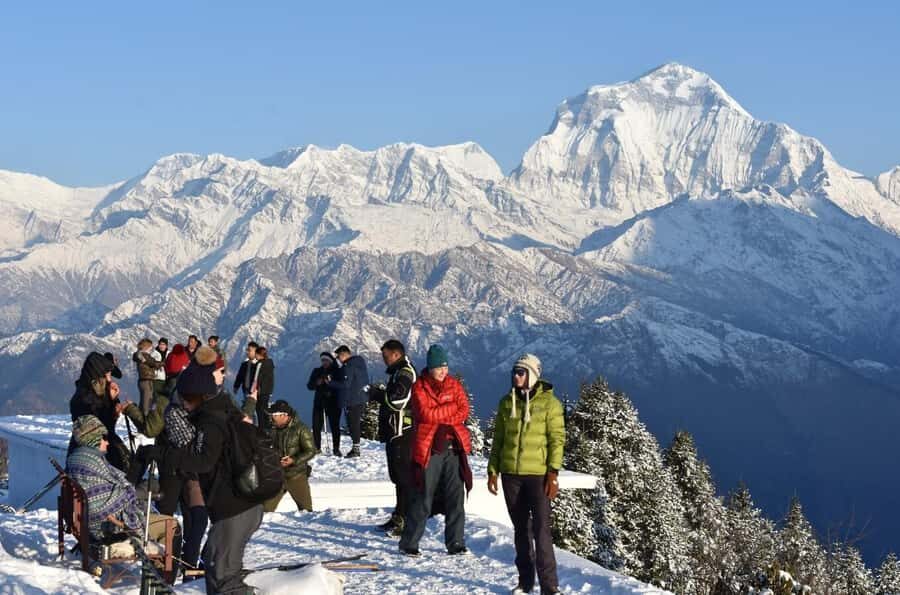
Day 2 is the longest trekking block. You head from Ulleri to Ghorepani, with about 5 to 6 hours on the trail. This stretch is where the Annapurna region starts to feel layered: forest sections, village crossings, and repeated chances to pause without falling behind.
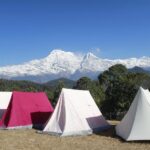
You’ll often see the mountains in pieces rather than all at once. That’s part of what makes the day feel worthwhile even if the clouds or mist hide some peaks. The trek keeps you moving forward while still giving you moments to look up, adjust, and take photos.
Ghorepani is a key sleep stop because it puts you in position for the sunrise day. It also sets up an important “wake up early” decision. The guide usually helps make that feel easy—choosing the right tea house timing, making sure you’re ready with the right layers, and keeping the day 3 climb from feeling chaotic.
A practical note: many tea house stays are basic but functional. In the experience notes, people mention that some tea houses have amenities like toilets and showers, and that rooms are European-standard but not luxury. So yes, it’s comfortable enough to recover, but don’t expect a resort.
Day 3: The Early Rise to Poon Hill, Then a Long Descent
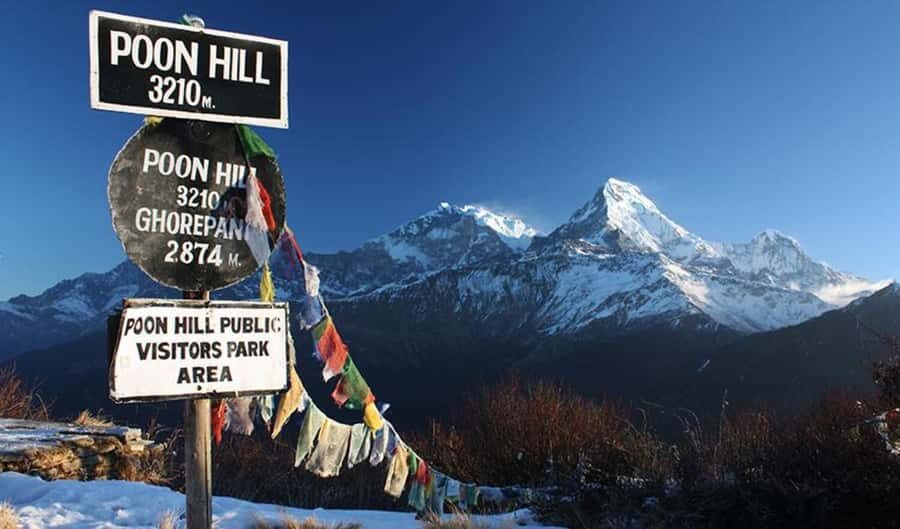
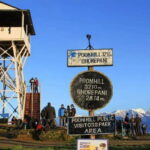
Day 3 is built around Poon Hill at sunrise. You do an early morning hike (about 1 to 2 hours) up to the viewpoint, then trek back down to Ghorepani for breakfast, and continue downhill to Nayapool (about 4 to 5 hours). After that, you drive back to Pokhara (around 1 to 2 hours).
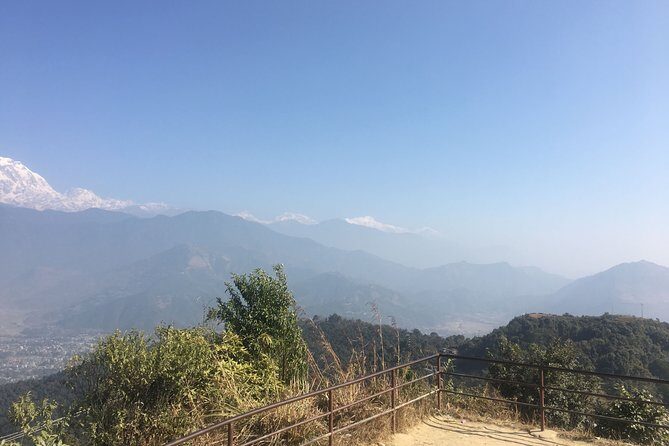
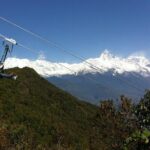
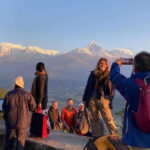
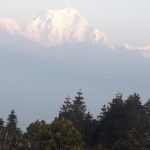
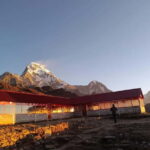
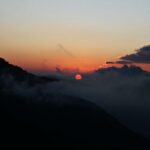
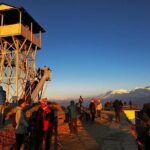
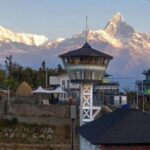
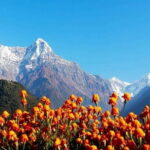
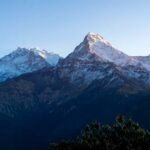
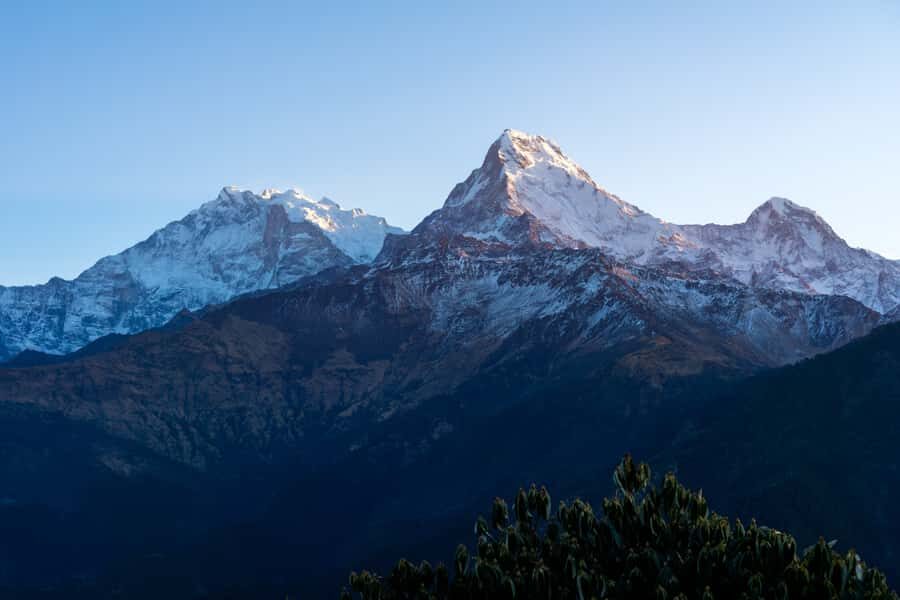
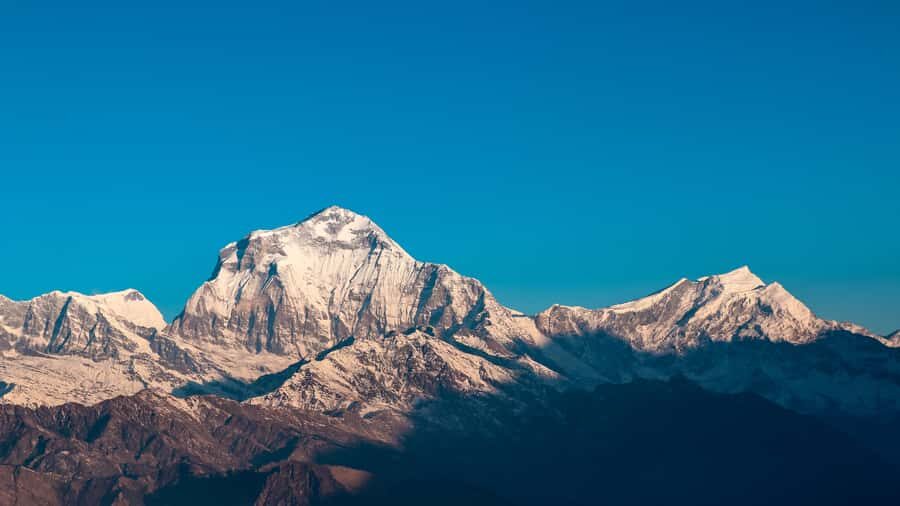
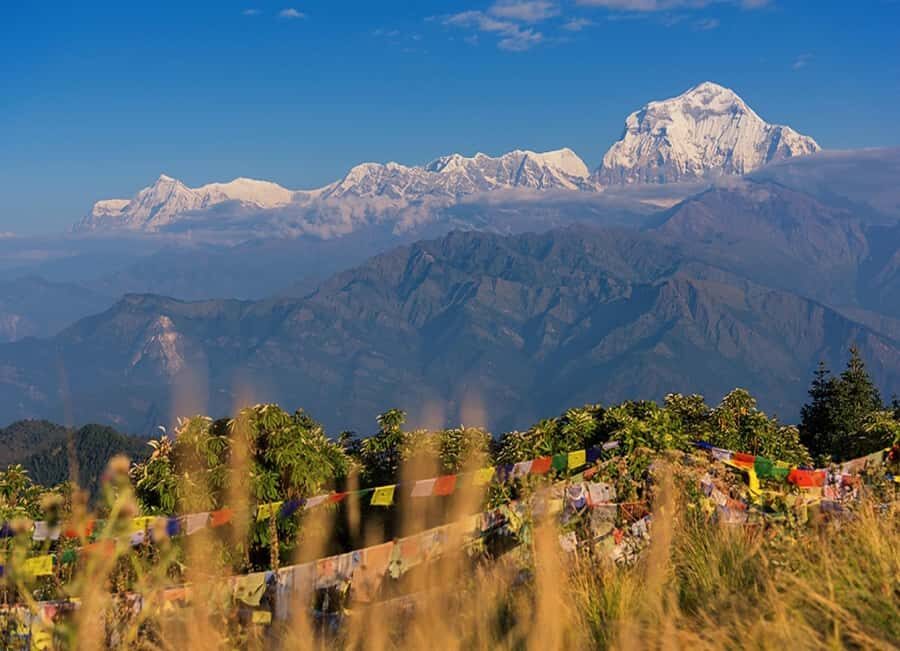
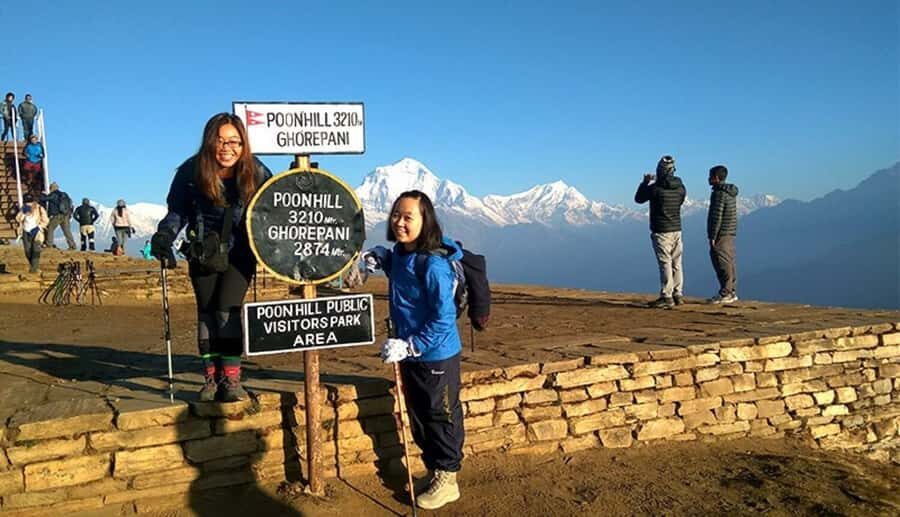
This is the day that people remember most, and for good reason. Poon Hill delivers panoramic views of the Annapurna and Dhaulagiri ranges, and it’s a payoff that feels immediate: you walk uphill early, and soon you’re staring at a wide Himalayan scene.
A realistic expectation: sunrise views depend on weather. Still, going early is the whole trick because you’re catching the best chance of clear skies. Guides often handle the timing and help you manage energy so you don’t show up too tired to enjoy it.
Then comes the contrast: after the sunrise, you switch from uphill effort to downhill work. That can be surprisingly demanding on your knees and legs, so treat the descent as part of the trek, not as “just walking.” It’s also why the day 3 plan is nice and orderly: you’re not forced to rush, and you’re already set for pickup back to Pokhara once you hit Nayapool.
Guides, Pace, and the Difference Between Trying and Doing
The experience is priced in a way that includes a real support role: a trekking guide plus first aid kits. You’re not only paying for route knowledge—you’re paying for pace control and smooth logistics.
What shows up again and again in the experience notes is guide quality. Names you’ll see associated with this trek include Bidur, Dipak, Ram, Mukunda, Paras, Santosh, Sandesh, and Pujan Thapa. Even when guides differ in style, the common thread is that they:
- keep you moving at a pace that fits your group
- encourage you without turning the trek into a race
- explain what you’re seeing and help with small trail decisions
- manage tea house stops so you’re not guessing
Why you should care: Poon Hill is an early-morning effort. If you start day 1 too fast, you’ll feel it day 3. A good guide helps you spend your energy on the views rather than on suffering.
If you’re thinking about adding help, the standard option notes that you can purchase porter services for $15 per day. That can be a huge comfort upgrade if you’re bringing more than a light day pack or if stairs are already your weak point.
Other guided tours in Pokhara


The Included Stuff That Makes the Trek Feel Plug-and-Play
Here’s what you’re getting with this 3-day setup, and why it’s practical:
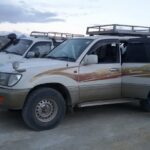
- Pickup and drop-off: Pokhara to Nayapul and back again is covered.
- Permits: you receive the Annapurna Conservation Area permit and all required trekking permits.
- Accommodation: private lodging in standard places along the route.
- Guide: an English live trekking guide.
- Trekking gear support: trekking pole and a duffel bag are included.
- Safety basics: first aid kits included.
- Luggage storage: facilities in Pokhara included (so you’re not carrying everything).
Meals are the one variable. If you choose the premium meal option, all meals are included; otherwise, you may purchase meals during the trek. Either way, you’ll be stopping frequently at tea houses, so you aren’t stuck with a “pack it all” plan.
What the $162 Price Means for Value
$162 per person is not a budget price, but it also isn’t inflated for what you get. You’re paying for a guide, private group handling, permits, lodging, and transportation—plus basic gear items like poles and a duffel bag.
To judge value, look at what this would cost if you tried to DIY:
- hiring a guide,
- arranging permits,
- securing lodging on specific nights,
- and handling the Pokhara–trail logistics.
Even if you personally enjoy planning, DIY adds time and stress right when you’d rather be walking. The private group element also matters: you can move at a pace that fits your group and still hit sunrise without turning it into a forced team workout.
If you’re traveling on a tight budget, the main lever is meals. Standard options let you buy meals during the trek, while the premium option bundles them. If you like flexibility and don’t mind paying per stop, standard may fit better.
What to Pack (Based on What You’re Told to Bring)
The essentials the trek plan asks for are straightforward:
- a passport or ID card
- warm clothing
- hiking shoes
That matters because sunrise at Poon Hill can feel cold, and you’ll be outside early. If you’re tempted to bring just one hoodie, don’t. Go for layers that you can adjust as you hike and as the air cools.
Also think about your footwear. This route includes lots of stairs. Good grip and comfort matter more than fashion.
Who This Trek Suits Best
This is a strong fit for:
- first-time trekkers who want a short route with a clear payoff
- people with limited time in Nepal who still want a real mountain view moment
- travelers who like having a guide manage logistics and pacing
It’s also suitable for experienced trekkers who want a lighter, faster itinerary—just don’t mislabel it as easy. One recurring consideration from the experience notes is that even though it’s short, it’s still physically demanding due to stairs and elevation gain.
Should You Book This 3-Day Ghorepani Poon Hill Trek?
I’d book it if you want a high-reward hike that’s realistically doable in a short window. The sunrise at Poon Hill is the kind of experience that makes the effort feel focused, and the guide support makes day 1 and day 2 feel smoother so you can enjoy day 3.
I’d think twice if you’re looking for a mostly flat walk, or if early starts aren’t your thing. The trek rewards effort, not speed, but the stairs are real.
If you do book, my best advice is simple: go slow on day 1, let your guide set the pace, and treat the sunrise day as a priority. Your legs will thank you—and your eyes will remember the view.
FAQ
What is the main highlight of the Ghorepani Poon Hill trek?
The big highlight is reaching Poon Hill early morning for sunrise, with panoramic views of the Annapurna and Dhaulagiri ranges.
How long is the trek?
This experience runs for 3 days, typically covering two nights and three days of trekking.
Where does the trek start and end?
It starts in Pokhara with transportation to Nayapul, and you return by trekking back to Nayapool and then driving to Pokhara.
Are permits included?
Yes. The Annapurna Conservation Area permit and all required trekking permits are included.
Do I get a guide?
Yes. You get an English-speaking live tour guide and trekking guide included, and the group is private.
Are meals included?
Meals depend on the option you choose. If you select the premium option, all meals are included. If you select the standard option, you may purchase meals during the trek.
What do I need to bring?
You should bring a passport or ID card, warm clothing, and hiking shoes.