REVIEW · POKHARA
10 Days Private Guided Annapurna Basecamp Trek via Poon Hill
Book on Viator →Operated by MTA Trekking · Bookable on Viator
Stone steps and sunrise views in 10 days. This private Annapurna Base Camp trek via Poon Hill strings together Gurung and Magar villages, rhododendron and bamboo forest days, and two big summit moments: Poon Hill sunrise and the Annapurna Base Camp panorama. I love how the plan is paced around the highlights, and I love the private guiding that keeps you moving at a human speed. One possible drawback: the first couple of days include lots of stone steps, so if stairs wipe you out, you’ll feel it early.
You’ll also like that logistics are mostly handled for you, with pickup in Pokhara, scheduled trekking days, and a clear meal plan. Trekking poles are included, and there’s even a hot-spring recovery stop at Jhinu Danda to help your legs reset.
In This Review
- Key Things I’d Zoom In On
- Why This Annapurna Route Makes Sense
- Day 1: Pokhara to Ulleri and Those Stone Steps
- Day 2: Ghorepani Climb, Ulleri Recovery, and Tea-House Life
- Day 3: Poon Hill Sunrise (Around 5:15–6:15 am)
- Day 4: Chhomrong and the Kimrong Khola Rhythm
- Day 5: Down to Chomrong Khola, Suspension Bridge, Forest Walking
- Day 6: Bamboo Forest to Hinku Cave, Then Deurali Teahouse Nights
- Day 7: Up the Modi Khola Valley to Annapurna Base Camp (4,130 m)
- Day 8: A Long Mostly-Downhill Return to Deurali
- Day 9: Kuldighar Uphill, Chomrong Steps, Then Jhinu Danda Hot Spring
- Day 10: Nayapul Back to Pokhara
- Private Guidance and the Little Details That Matter
- Price and Value: What $800 Covers (and What Doesn’t)
- Who This Trek Fits Best
- Should You Book This Annapurna Base Camp via Poon Hill Trek?
- FAQ
- Where does the trek start and end?
- How long is the trek?
- Is this a private guided experience?
- Is pickup included in Pokhara?
- How much does the trek cost?
- What meals are included?
- Are trekking poles included?
- Is Jhinu Danda hot spring included?
- What is not included in the package?
- What is the cancellation window for a full refund?
Key Things I’d Zoom In On
- Poon Hill sunrise timing (about 5:15–6:15 am) for the best chance at that classic first-light look.
- Care-focused guides shown in past trips, including guides named Lalit and Kajidai who stayed attentive to comfort and pace.
- Meals and trekking poles included, so you start each day knowing what’s covered.
- Jhinu Danda hot spring included (about 1 hour) after the hardest leg of the return.
- No porter included, meaning you carry your own load even though guidance is private.
- Pokhara pickup and drop-off reduce stress on both ends of the trek.
Why This Annapurna Route Makes Sense
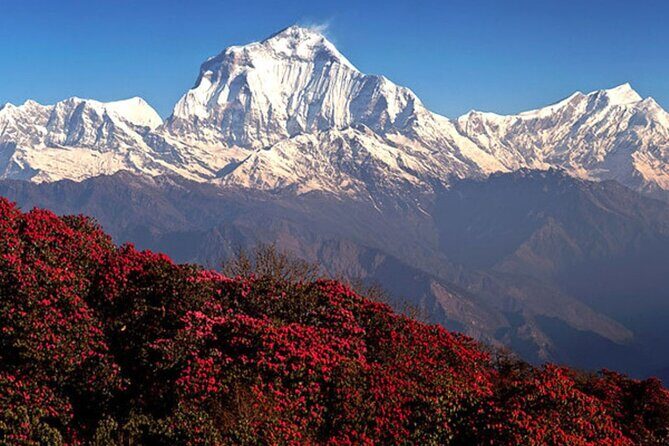
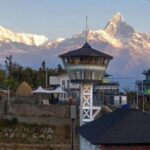
If you want Annapurna without choosing between epic views and a smooth, guided plan, this route is built for that. You get the classic “morning light” hit at Poon Hill and the big-altitude goal at Annapurna Base Camp at 4,130 meters (13,550 feet). That combination matters because Poon Hill is shorter and often feels like a reward for getting through the first days.
You also get a natural rhythm: early stair climbs that build stamina, a couple of calmer village and forest days, then a push toward the Base Camp area. The trek is known for being popular, which is why the teahouse-style setup works well and why meal schedules are dependable.
The other smart piece is how the days are arranged for recovery. After reaching Base Camp, the plan brings you into a longer return day (mostly downhill), then finishes with a hot spring stop before driving back to Pokhara.
Other Annapurna Base Camp treks reviewed in Pokhara
Day 1: Pokhara to Ulleri and Those Stone Steps
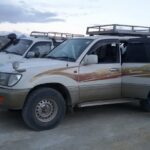
Day 1 starts with a drive from Pokhara to Nayapul (around 2 hours). Then the trek begins toward Ulleri, and yes, the big theme here is stairs—over 3,000 stone steps on the ascent. It’s a lot for the legs, especially if your body is still waking up from travel.
The upside is that these steps set you up for success later. You learn how your pace should feel on climbs and you get accustomed to the rhythm of trekking days. If you tend to start too fast, Day 1 is a good place to practice restraint, because you’ll likely pay for it on Day 2.
Practical tip: start slow on the steps. Keep your breathing steady, and don’t wait until you’re tired to adjust your pace. You’ll thank yourself when Day 2 includes more hiking time.
Day 2: Ghorepani Climb, Ulleri Recovery, and Tea-House Life
On Day 2 you’re looking at about 6–7 hours walking to Ghorepani. You’ll climb many stone steps again until you reach Ulleri, and then the route becomes more relaxed.
This matters because Ghorepani is your base for the next morning’s Poon Hill walk. If you arrive tired, you’ll still see sunrise—but you’ll feel it more. With private guiding, you can usually set a pace that keeps you functional for the early start.
You’ll likely notice the trekking day “in-between” feeling here: not the hardest day on paper, but the day where you start preparing for an early wake-up and a short, steep morning hike.
Day 3: Poon Hill Sunrise (Around 5:15–6:15 am)
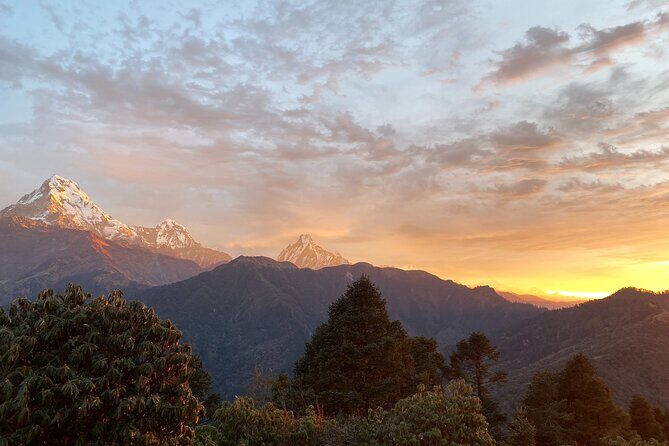
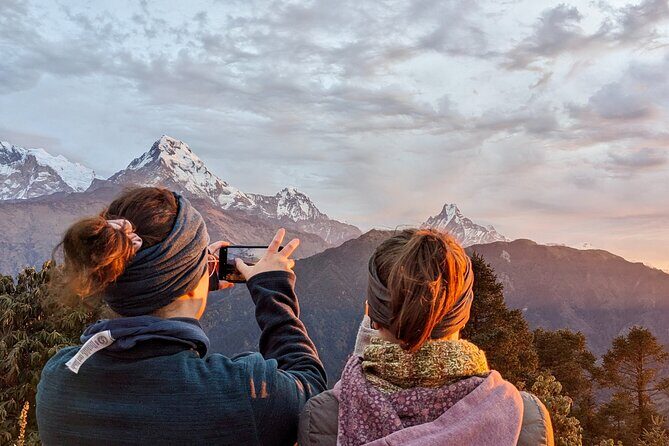
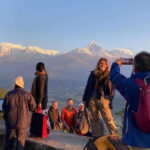
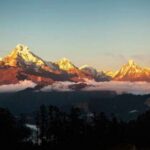
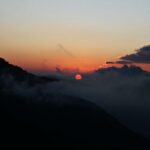
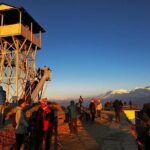
Day 3 is the big payoff for the route. You’ll rise early and take about a 1.5-hour trek up to Poon Hill. The sunrise window is given as roughly 5:15 am to 6:15 am, so the timing is built around catching light on the Annapurna range.
At the top, you might find a warm cup of tea or coffee available right there, which is exactly what you want after a cold, early start. This is one of the reasons Poon Hill is so popular: it’s not only about the view. It’s about getting that view without needing a full day of grinding.
One practical consideration: sunrise mornings can be chilly and your body may feel sluggish before you climb. Bring layers you can peel off after you warm up, and keep moving even if your legs feel sleepy. Once the light hits, the effort clicks into place.
Day 4: Chhomrong and the Kimrong Khola Rhythm
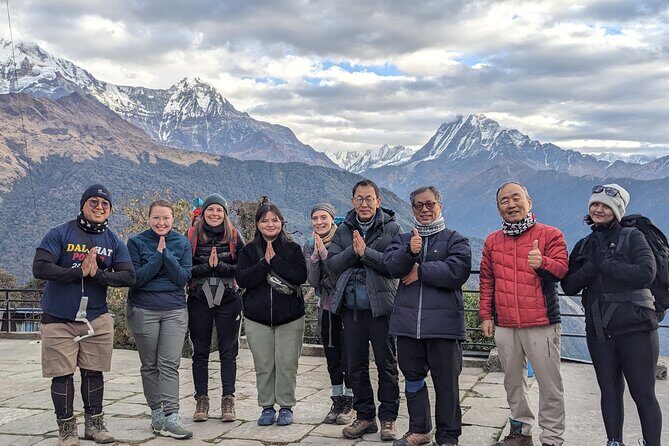
Day 4 is a more “easy-going” day at about 5 hours. You start with a light climb, then descend to Kimrong Khola, followed by another gentle ascent.
This kind of day is valuable because it supports acclimatization without constantly punishing your body. It’s also where the trek feels more human—village life, trail conversation, and the steadier pace you can maintain without watching every step for hours.
Chhomrong is a strong place to settle for the night because it sets you up for the next day’s shift into forest and bridge scenery.
Other Ghorepani and Poon Hill treks in Pokhara
Day 5: Down to Chomrong Khola, Suspension Bridge, Forest Walking
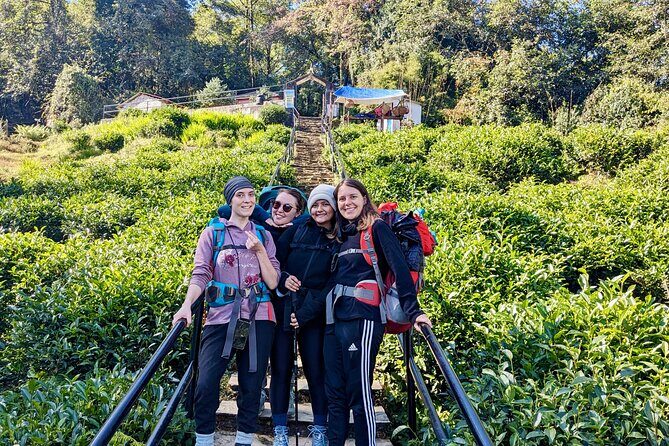
Day 5 brings you about 6 hours of trekking. You’ll head down to Chomrong Khola, cross a suspension bridge, and then move through bamboo, rhododendron, and oak forests.
That bridge moment is more than scenic—it’s a mental reset. After a full day of climbing and descending, changing terrain feels like a break. And forest walking can feel easier on your eyes and your mind, especially when the trail isn’t just stone steps.
Still, Day 5 has its own load on your legs. Suspension bridges mean slow careful steps, and forest trails can be muddy depending on conditions. Private guiding helps here because your guide can adjust pace to the ground and your comfort level.
Day 6: Bamboo Forest to Hinku Cave, Then Deurali Teahouse Nights
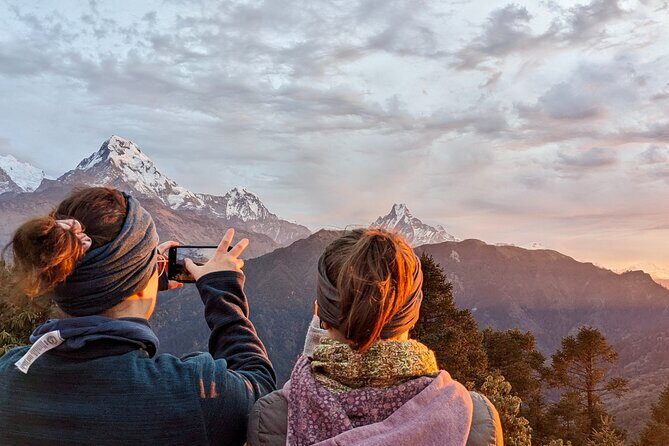
Day 6 is about 4 hours total, and it includes a noticeable change in scenery. You trek through bamboo forest, climb a steep hill to Hinku Cave, and then head down to Deurali.
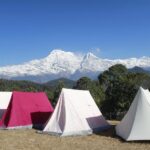
Here’s the key tradeoff: the plan notes that Deurali is mainly a group of teahouses for trekkers rather than a place for standout mountain views. That’s not a problem if you treat Deurali as a rest-and-recharge stop. Your goal now is saving energy for the Base Camp push.
Also, that shorter day length can be a relief if you’ve been accumulating fatigue. Use it to rest, eat well, and keep your body ready for the next ascent toward Annapurna Base Camp.
Day 7: Up the Modi Khola Valley to Annapurna Base Camp (4,130 m)
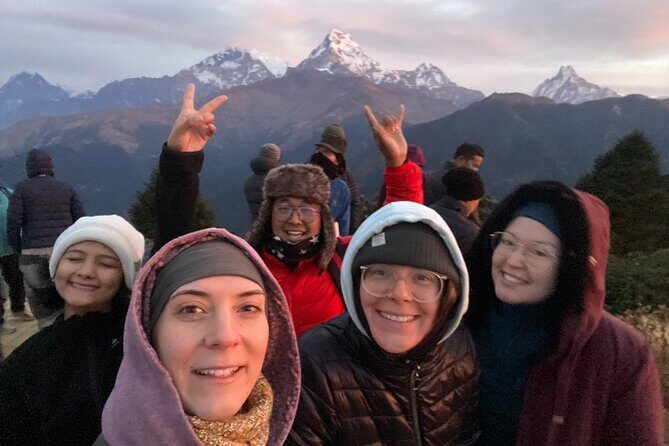
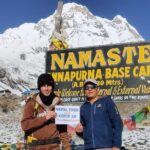
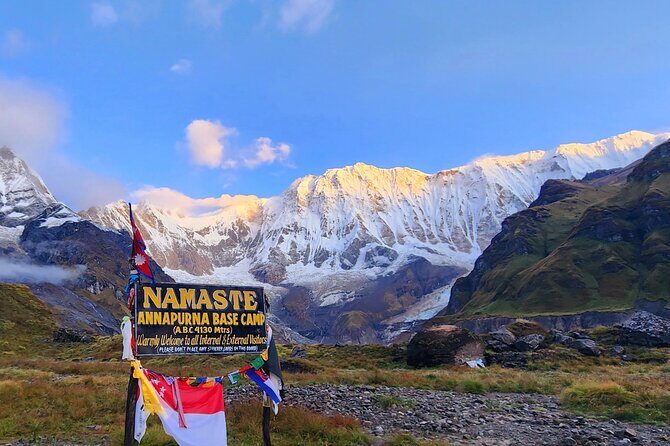
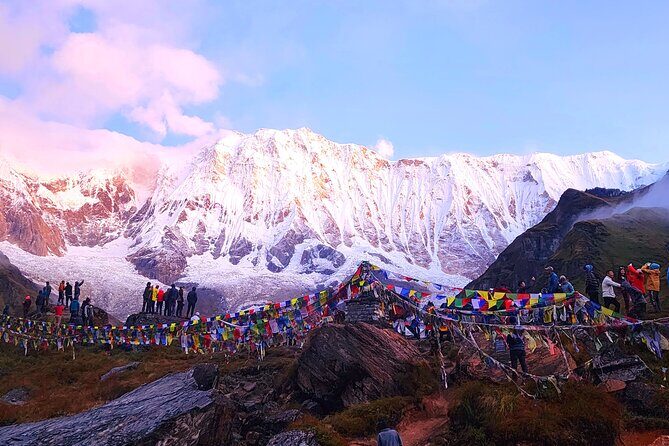
Day 7 is your climb into the headline moment: Annapurna Base Camp. The trek is about 6 hours and goes through the narrow Modi Khola Valley.
This day is also described with timing that matters. You’ll experience sunsets over Fishtail and sunrises over Annapurna I, with a glacier in view as you head to Base Camp. Even if cloud cover changes what you see, the planning focus is clear: this is when the trek becomes more than a walk.
At 4,130 meters, altitude can slow you down. Private guiding helps because you can keep your pace controlled and avoid overexertion. If you’re the type who wants to rush to the top, Day 7 is where you should resist that urge and stay steady.
Day 8: A Long Mostly-Downhill Return to Deurali
Day 8 is about 8 hours and described as mostly downhill. That’s where trek strategy shifts.
Downhill days can be tricky because your body takes a different kind of strain. Your knees and quads do extra work, and fatigue can build even if you’re not climbing. Trekking poles (included in this package) can help you protect your legs here, especially on steep sections.
You’ll likely feel the distance more than the elevation. This is a day to keep your steps controlled and your breaks short but regular.
Day 9: Kuldighar Uphill, Chomrong Steps, Then Jhinu Danda Hot Spring
Day 9 is about 6 hours to reach Jhinu Danda, plus an included hot spring visit of about 1 hour. The day starts with an uphill trek to Kuldighar, then goes down to the Chomrong River and includes stone steps back to Chomrong before heading down to Jhinu Danda.
That combination is classic Annapurna: a climb to keep your legs working, then multiple descents that test your recovery. By the time you reach Jhinu Danda, a soak isn’t a luxury. It’s a practical reset.
The hot spring is included and it’s described as a natural hot spring along the Modi Khola river. After days of stepping, the warm water can make a real difference in how you feel the next morning and on the final drive day.
Day 10: Nayapul Back to Pokhara
Day 10 returns you to Nayapul and then drives you back to Pokhara. The trekking portion is about 5 hours, and the end goal is drop-off at your preferred location in Pokhara.
This day is where you finish the story. It’s not as technical as the early stair days, but it still needs patience. Your legs might feel better after the hot spring, but that doesn’t mean you’re suddenly fresh. Keep your pace steady, and treat the last walking hours as the final section of recovery, not a sprint.
Private Guidance and the Little Details That Matter
This is a private trek, meaning it’s only your group. That changes the feel immediately. You’re not squeezing into a group pace, and you can adapt your day to how you’re feeling.
In past experiences with this trekking provider, guide names like Lalit and Kajidai come up for being kind, attentive, and well caring. One review also highlighted that the guide and porter support can feel like family, with help for people who move slower or wake up late.
That last point is more practical than it sounds. Annapurna treks punish aggressive pacing, and starting too fast is a common beginner mistake. With a private guide, you can correct pace before it becomes a problem.
Also, one helpful detail from a past trip: if you forget something like trekking poles, there’s a chance equipment can be lent. Don’t rely on that as a plan, but it’s a good sign for flexibility from the team.
Price and Value: What $800 Covers (and What Doesn’t)
The price is $800 per person for a roughly 10-day private guided trek in the Annapurna region from Pokhara.
For that money, you get a lot that affects comfort:
- Trekking poles included
- Meals covered: dinner for 10 days, lunch for 10 days, and breakfast for 9 days
- Jhinu Danda hot spring included (about 1 hour)
- Pickup offered in Pokhara and drop-off at the end
- A mobile ticket and private guiding setup
- Group discounts may apply, depending on your party size
What’s not included is important for planning:
- Porter (you carry your own load)
- Trekking insurance
- Hot water, hot shower, WiFi, battery charge during trekking
- Tips
So the value question becomes: do you like a plan that covers logistics and meals, but leaves some comfort items and weight management to you? If you’re okay carrying your own bag and you’re prepared for teahouse-style basics, the $800 can feel fair for a private arrangement. If you want a porter, you’ll need to plan that separately.
Who This Trek Fits Best
This trek is best for people with moderate physical fitness who want a structured climb toward Annapurna Base Camp. The route includes long walk days like Day 8 (about 8 hours) and repeated stair climbing in the early stage.
It also fits well if you enjoy:
- sunrise-view goals like Poon Hill
- village and forest trail days
- teahouse nights with predictable meals
- a final recovery stop at Jhinu Danda
If you hate cold mornings, uphill starts, and stairs, Annapurna Base Camp via Poon Hill may feel like too much. But if you’re willing to use poles, pace smart, and take short rests, it’s a very doable adventure with clear milestones.
Should You Book This Annapurna Base Camp via Poon Hill Trek?
I’d book it if you want private guiding, a route that includes both Poon Hill sunrise and Annapurna Base Camp, and a plan that covers most of the practical pieces like poles and meals. You’re paying for reduced stress and clear day-to-day structure.
I would hesitate if you strongly want a porter included, or if you need hot showers, WiFi, and battery charging during the trek. This plan is built for trekking reality, not hotel comfort.
If you match the fitness level and you travel prepared for basics, this is a solid way to do Annapurna without guessing the details.
FAQ
Where does the trek start and end?
The trek starts from Nayapul after a drive from Pokhara and it ends when you return to Nayapul, then drive back to Pokhara for drop-off.
How long is the trek?
It runs for about 10 days.
Is this a private guided experience?
Yes. It’s a private tour/activity, so only your group participates.
Is pickup included in Pokhara?
Pickup is offered, and you’re also dropped off in Pokhara at your preferred location at the end.
How much does the trek cost?
The price is $800.00 per person.
What meals are included?
Dinner is included for 10 days, lunch for 10 days, and breakfast for 9 days.
Are trekking poles included?
Yes. Trekking poles are included.
Is Jhinu Danda hot spring included?
Yes. Jhinu Danda Hot Spring is included for about 1 hour.
What is not included in the package?
Not included are porter, trekking insurance, hot water/hot shower, WiFi, and battery charge during the trekking. Tips are also not included.
What is the cancellation window for a full refund?
You can cancel up to 3 days in advance for a full refund. If you cancel less than 3 days before the start, the amount paid is not refunded.