REVIEW · POKHARA
Annapurna Base Camp Trek from Pokhara 7 Days
Book on Viator →Operated by My Dream Adventure (MDA) · Bookable on Viator
Few hikes give both peaks and village life. This 7-day Annapurna Base Camp trek from Pokhara mixes river walks through small communities with serious mountain payoffs—big views of the Annapurna range, Machhapuchhre, and even the striking Ablation Valley. I especially like the English-speaking guide support (names like Biru, Dadi, Bikram, Prakash, and Krishna come up often) and the way the route keeps you moving between real Nepalese stops and high-altitude highlights.
I also like the practical side: you get hotel pickup and drop-off, sharing-jeep transfers, plus your trekking permits and TIMS card are handled. The main consideration is physical: the schedule asks for moderate fitness, and the downhills—especially the descent from Base Camp toward Bamboo—can be tough on knees.
In This Review
- Key Things I’d Bookmark Before You Go
- Pokhara Start: Getting to the trail without stress
- Jhinu Danda to Chhomrong: River mornings and forest steps
- Deurali Day: A lunch stop with real mountain drama
- Annapurna Base Camp and Ablation Valley: Why Machhapuchhre steals the show
- Base Camp to Bamboo: The descent that tests your knees
- Jhinu Danda hot springs and the long valley walk back
- Final morning: Farmland, Nayapul, and back to Pokhara
- Price and Logistics: Is $395 good value for what’s included?
- Guides and pacing: What you’ll feel day-to-day
- What to pack (based on the trek’s demands)
- Who should book this Annapurna Base Camp trek?
- Should you book? My honest take
- FAQ
- How long is the Annapurna Base Camp trek from Pokhara?
- Where does the trek start and where do you end?
- Is hotel pickup and drop-off included?
- Are trekking permits and the TIMS card included?
- Do you get an English-speaking guide?
- What kind of accommodation is provided during the trek?
- Is this tour private or shared with other groups?
- What fitness level do you need?
- Is there free cancellation?
Key Things I’d Bookmark Before You Go
- Pokhara pickup and sharing jeep transfers: fewer logistics headaches at the start and end
- Permits and TIMS card included: you’re not scrambling at the last moment
- A route built for gradual acclimation: villages early, Deurali, then Base Camp
- Base Camp day includes an admission ticket: plan around that day’s timing
- Hot spring reward in Jhinu Danda: a legit reset after downhill trekking
- Guides known for kindness and patience: helpful with pacing and even photos
Pokhara Start: Getting to the trail without stress
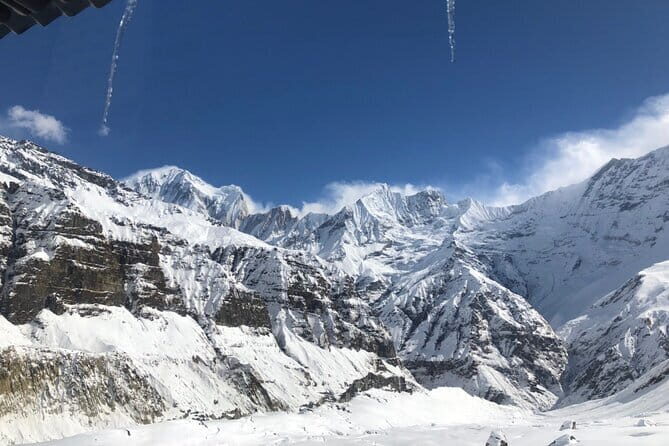
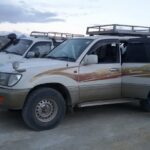
Most Annapurna adventures start with a choice: handle all logistics yourself, or let a guide company take the first punch. Here, you get hotel pickup in Pokhara and a sharing jeep ride to the trek’s starting area. That matters because the first day is when you want to be calm, not hunting for transport or paperwork.
Right after pickup, you’ll get your gear together, then you’ll have your permits checked before you start hiking along the Modi Khola River. That’s the kind of detail that saves time and nerves. It also means you start the trek with a clear plan instead of guessing what comes next.
Other Annapurna Base Camp treks reviewed in Pokhara
Jhinu Danda to Chhomrong: River mornings and forest steps
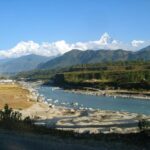
Your first walking day focuses on getting into rhythm. You start trekking along the Modi Khola River, passing through small villages as you head toward Jhinu Danda. The trek time is listed as about 9 hours, so think of this day as your warm-up-plus. You’re building stamina, not chasing speed.
Then comes the bigger second day push toward Chhomrong, one of the largest villages along the route. You’ll hike uphill and spend time moving through dense forest areas before reaching a guest-house stop for your second night. Expect real effort here: the Annapurna region isn’t flat, and the early climb is a good way to test your gear and your breathing.
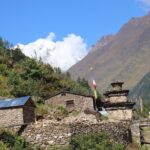
One reason I like this first stretch is that it gives you variety fast. You’re not just walking; you’re walking with changing scenery, villagers, and trail textures that keep your attention up. Also, village guest houses help you learn what the trek will feel like day-to-day.
Deurali Day: A lunch stop with real mountain drama
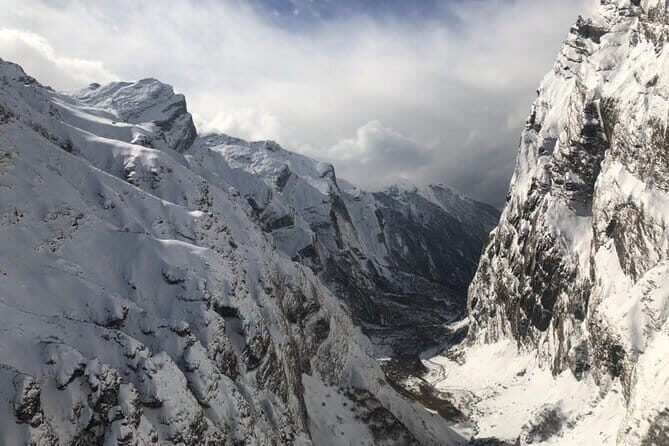
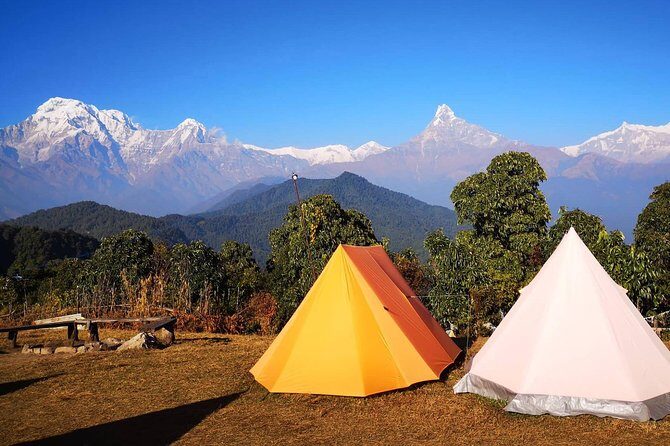
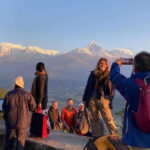
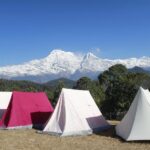
On day three, the trek shifts toward a more leisurely pace as you head to Deurali. You’ll still be moving through forest areas, but the key difference is how the day is framed: you’ll get scenic views of the Annapurna range, and the lunch stop is positioned for mountain sightlines.
Deurali is a smart place to spend the night because it keeps the progression toward Base Camp gradual. That gradual feel is important on this kind of trek. Even when you’re not told the altitude numbers, the “slow and steady” structure helps your body adjust.
If you tend to get restless on long hikes, this is one of the easier-feeling days—at least in comparison to the Base Camp approach and the later descents. And if you’re the kind of traveler who likes taking photos, this is also where having a guide who helps with timing can be a big deal. Several people specifically praised guides for being patient and useful with pictures.
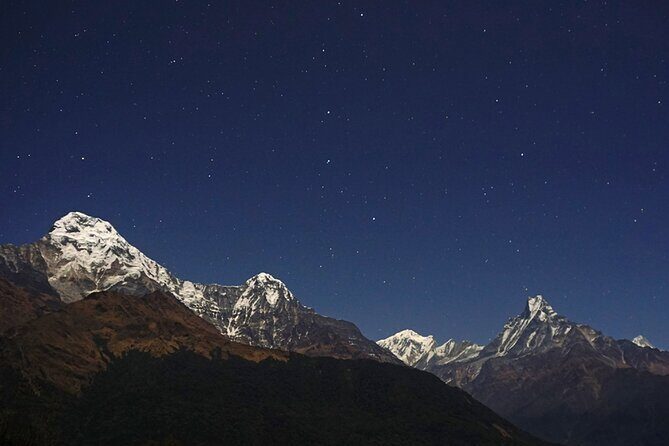
Annapurna Base Camp and Ablation Valley: Why Machhapuchhre steals the show
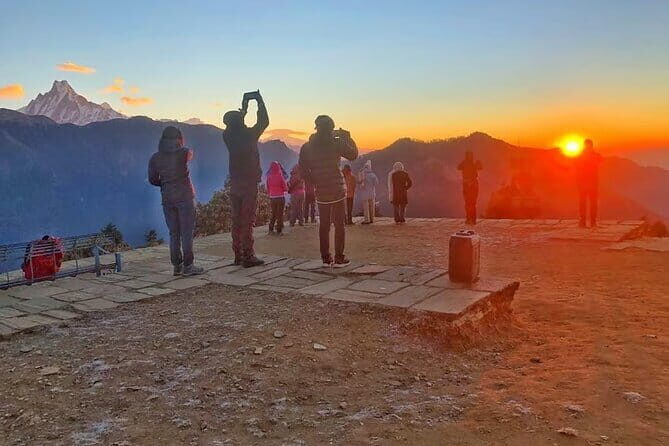
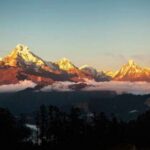
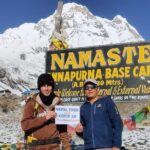
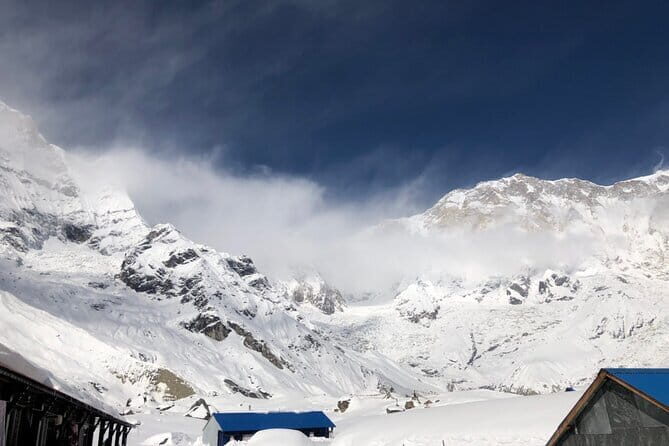
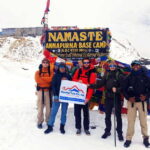
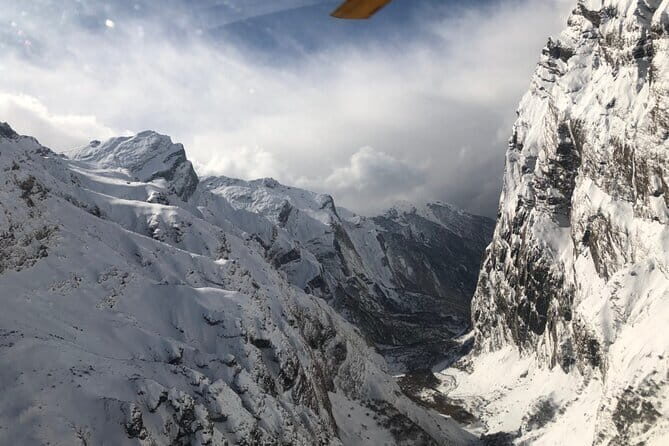
Day four is the big goal. You’ll follow the trail across several streams and work your way toward Machhapuchhare Base Camp. Then you hike to Ablation Valley, described as a hollow corridor between the glacier and the mountain, before you cross onward to reach Annapurna Base Camp.
What makes this day special is not only the endpoint—it’s the route details. Stream crossings, changing trail views, and the “corridor” feeling at Ablation Valley all build toward the moment when the Base Camp area finally opens up.
Also, this is one of the days with an admission ticket included. So if you like to keep your day flexible, build a little extra breathing room into your plans.
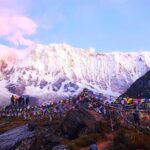
Most people remember Base Camp for the views, of course. But I also think you’ll remember it for how your body feels when you get there—warmed up from effort, then suddenly quiet because the mountains take over the mind. If you’re traveling alone, this is where having an experienced guide makes a difference: you’re not navigating alone, and you can focus on actually enjoying the moment.
Base Camp to Bamboo: The descent that tests your knees
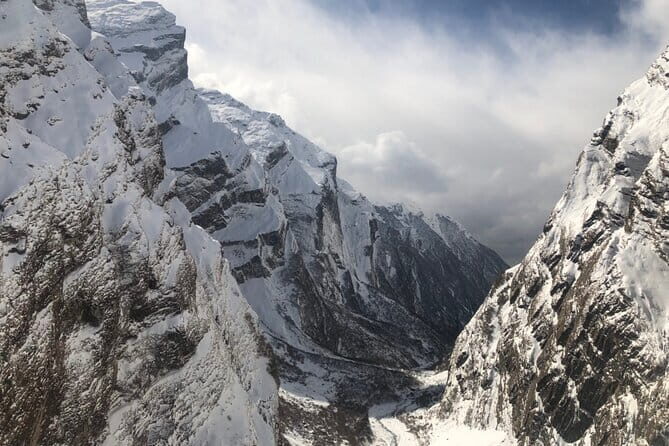
After the high point, day five turns into a reality check. You’ll hike down from Annapurna Base Camp to Bamboo, listed as about 1,600 meters lower. The trek time is around 6 hours, but don’t let the number fool you. Downhill days can feel longer, and your knees will know within minutes.
This is the day I’d call out if you’re budgeting your energy carefully. Descents can turn small mistakes—like taking long steps or skipping rest breaks—into real soreness. The upside is that the downhill also restores your breath and gives you a chance to steady your pace.
Staying overnight in Bamboo keeps the route moving and sets you up for the final descent toward Jhinu Danda and the chance to use the hot springs.
Other hiking tours in Pokhara
Jhinu Danda hot springs and the long valley walk back
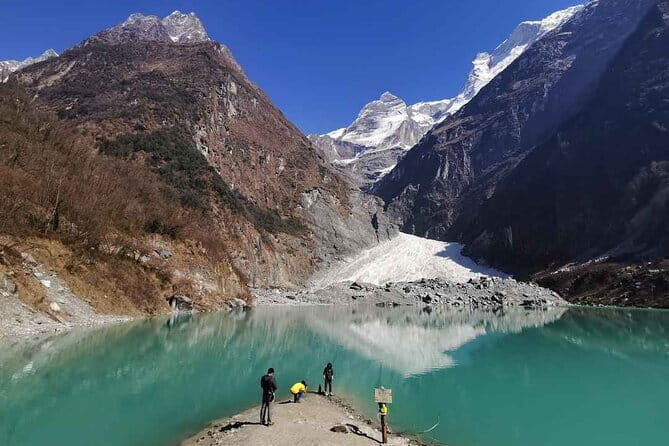
Day six continues the downhill flow, with panoramic views as you work down the valley. You’ll descend to Chhomrong and then down toward Jhinu Danda again. Trek time is listed as about 6 hours, and the payoff comes at the end: you get time to rest in hot spring baths in Jhinu.
That hot spring stop isn’t a small extra. It’s one of the best “recovery tools” you’ll have on a trek like this, because it helps you feel human again when your legs want to complain. If you’re going to be serious about enjoying your final trekking day, plan for the hot springs as part of your recovery, not as an optional bonus.
From a practical standpoint, a hot bath stop also helps you transition mentally from “trek mode” into “wrap-up mode.” That’s huge on a multi-day hike where fatigue quietly creeps in.
Final morning: Farmland, Nayapul, and back to Pokhara
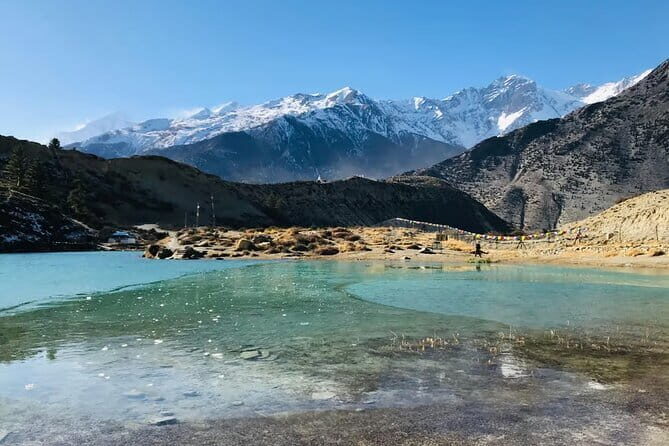
The last day keeps things lighter. You take a short morning trek through farmland along the river, then you reach Nayapul. From there, you return to Pokhara for your drop-off at the end of the trek.
Listed trek time is about 7 hours, but this day tends to feel different because you’re not pushing toward a major new elevation goal. You’re finishing. And even when it’s still time on your feet, the final walk tends to feel more like a farewell stroll than a grind.
If you’re the kind of traveler who likes to close the loop—shower, dinner, and a long look at your photos—this last-day structure works well.
Price and Logistics: Is $395 good value for what’s included?
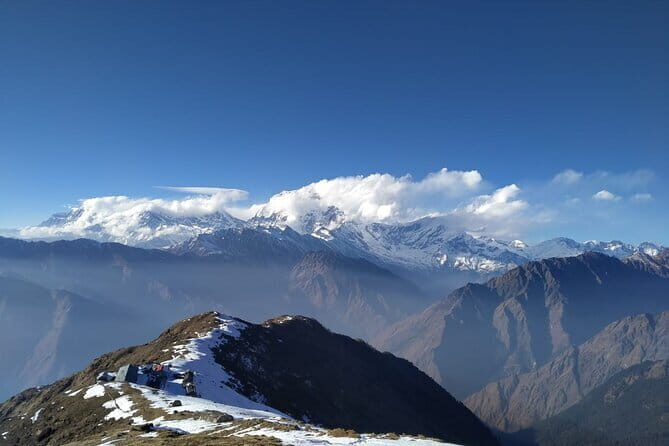
At $395 per person for a roughly 7-day trek, the value depends on what you’d otherwise pay and manage yourself. Here’s what’s included that matters most:
- Hotel pickup and drop-off in Pokhara
- Round trip transfer by sharing jeep
- English-speaking trekking guide
- Trekking permit and TIMS card
- Accommodation in guest house
- Private trip for your group
To me, the standout value isn’t just the guide—it’s the permits/TIMS handling and the transport organization. Permits and timing can be confusing in Nepal if you’re on your own. Having it bundled means your trek starts smoothly and your days aren’t interrupted by paperwork issues.
What’s not included is also pretty standard: personal expenses and optional gratitude. If you’re budgeting, set aside money for snacks, hot drinks, and any extra comforts you want at guest houses. Those costs add up when you’re hiking all day.
One more note: the features say there are group discounts and that you may receive a mobile ticket. Since this is a private trip, I’d treat it as: great if you’re traveling with a friend or small group, and possibly better value than booking everything separately.
Guides and pacing: What you’ll feel day-to-day
The trek is listed as private, and that matters for pacing. Instead of following a huge crowd, you can usually expect the guide to match your group’s speed and comfort level. That’s especially helpful if you’re not a “fast hiker.”
English-speaking guides are part of the package, and the guides that show up in people’s stories—Biru, Dadi, Bikram, Prakash, and Krishna—are described as helpful, kind, and experienced. I’d take that seriously. A guide who’s patient with new trekkers can make the difference between feeling overwhelmed and feeling confident.
You’ll also benefit from having someone who can help with practical moments: where to pause for views, when to push, and how to handle photo stops without slowing the whole day.
The trek is recommended for people with moderate physical fitness. That doesn’t mean easy. It means you should be comfortable walking for hours, climbing uphill sections, and handling a long day in the mountains with some sore-leg inevitability.
What to pack (based on the trek’s demands)
The trek includes multiple days of sustained walking, plus a sharp downhill on day five. So pack for comfort and knee protection, not just for temperature.
Here’s what I’d prioritize based on how this route runs:
- Good hiking boots with solid grip for uneven trail and stream areas
- Layers you can adjust as forests shift into open views
- Something for rain or mist (streams and mountain weather can change fast)
- A trekking pole setup if you use them; they can be a big help on descents
- Simple photo basics (and assume you’ll appreciate a guide’s patience for pictures)
Also remember: accommodation is in guest houses, so you’ll likely want a small travel towel, plus basic personal items for daily washing and comfort.
If you’re prone to knee pain, consider training before you go. Even a short practice routine—stairs, downhill walking, and mobility—can reduce the misery later.
Who should book this Annapurna Base Camp trek?
This is a strong choice if you want:
- A guided Annapurna Base Camp trek with permits/TIMS handled
- Guest-house nights instead of camping
- A route that includes villages like Chhomrong and a recovery stop at Jhinu hot springs
- The structure of a 7-day plan that guides you from Pokhara into the high country
It’s less ideal if you:
- Struggle with long downhill walking and knee pain
- Want lots of free time to explore on your own without guidance
- Prefer a very light trek with minimal effort (this route has uphill days and challenging descents)
If you’re traveling with a friend or small group, the private setup plus potential group discounts can also make it feel like a thoughtful balance of control and support.
Should you book? My honest take
Yes, I’d book this Annapurna Base Camp trek if you like a real, guided mountain hike and you want the logistics handled from Pokhara onward. The combination of pickup + permits/TIMS + English-speaking guide + guest-house nights is the kind of package that lets you focus on the trail and the views instead of paperwork.
Just go in with a knee-aware mindset. Plan for the descent from Base Camp to Bamboo, and treat the Jhinu hot springs as part of your recovery plan, not a casual bonus.
If that sounds like your style of travel—walking, learning, and collecting big Himalayan memories—then this trek is a solid, good-value way to do Annapurna Base Camp.
FAQ
How long is the Annapurna Base Camp trek from Pokhara?
The trek is listed as about 7 days.
Where does the trek start and where do you end?
It starts in the Annapurna region from the Pokhara area after hotel pickup, and you end back in Pokhara after reaching Nayapul.
Is hotel pickup and drop-off included?
Yes. Hotel pickup and drop-off are included.
Are trekking permits and the TIMS card included?
Yes. Trekking permit and TIMS card are included.
Do you get an English-speaking guide?
Yes. An English-speaking trekking guide is included.
What kind of accommodation is provided during the trek?
You stay in guest houses during the trek.
Is this tour private or shared with other groups?
It’s listed as a private tour/activity, so only your group will participate.
What fitness level do you need?
The trek recommends a moderate physical fitness level.
Is there free cancellation?
Yes. Free cancellation is available up to 24 hours in advance for a full refund.