REVIEW · POKHARA
Pokhara: Full-Day Sharing Bus Tour on 7 Iconic Destination
Book on GetYourGuide →Operated by My Dream Adventure · Bookable on GetYourGuide
One day in Pokhara, seven big stops.
This full-day shared bus route strings together holy sites, dramatic nature, and underground cave time in a tight circuit that’s easy to manage when you only have a single day. You’ll start with hotel pickup in Lakeside, then work through iconic landmarks like the Shiva Idol (Pumdikot) and World Peace Stupa before moving into Pokhara’s cave country.
I really like how efficiently this tour packs in major sights without feeling like a full-on grind. For $12, hotel pickup plus transport on a shared bus makes it one of the simplest ways to see a lot around Pokhara. I also like that the day runs on a clear clock: you get a structured route, then explore independently during each timed window.
One thing to think about: the cave stops mean this isn’t a good fit if you have claustrophobia, and it’s also not suitable for wheelchair users or people with back problems. If you hate tight spaces, plan something above ground instead.
In This Review
- Key things to know before you go
- A shared bus day that hits Pokhara’s big icons
- Hotel pickup in Lakeside: the easiest start option
- Pumdikot’s Shiva Idol: the first stop that sets the tone
- World Peace Stupa: calm vibes with big-sky views
- Devi’s Waterfall and Mahadev Cave: a nature hit before the underground
- Mahendra Cave and Gupteswor Cave: stalactites, stalagmites, and sacred atmosphere
- Seti River banks: the city-wound moment you’ll remember
- Bindabasini Temple: the calm finish that feels earned
- The bus loop: how the route actually feels in practice
- Price and value: US$12 plus about US$4 in entry fees
- What to bring (and what to skip)
- Who should book this Pokhara full-day bus tour?
- Should you book it or pass?
- FAQ
- How long is the Pokhara full-day sharing bus tour?
- Where does hotel pickup happen?
- Is the tour truly guided at every stop?
- Are entrance fees included in the price?
- Is food included?
- What should I bring?
- Is it suitable for claustrophobia or back problems?
Key things to know before you go
- Hotel pickup in Lakeside: You’ll be collected with a name card and dropped back near Fewa Lake at the end.
- A set route with timed stops: You explore on your own at each place, then return to the bus when your time is up.
- Cave time is real: Mahendra Cave plus the other cave experiences make this more than just temples and views.
- Seti River is a highlight: Watching the river cut through the city is a rare urban-natural moment.
- Entry fees aren’t included: You should budget roughly US$4 for monument/cave entry.
- Good value if you’re short on transport: For many people, the shared bus is the easiest way to cover Pokhara in one shot.
A shared bus day that hits Pokhara’s big icons
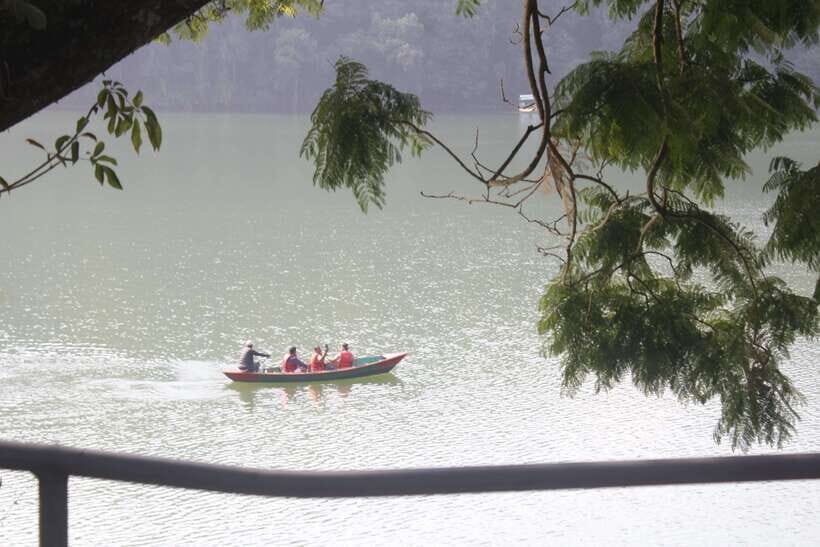
If you want a one-day Pokhara loop, this is the kind of plan that removes decision fatigue. You don’t need to hire your own driver, study routes, or juggle different tickets across town. The bus does the heavy lifting while you focus on enjoying each stop—temples above ground, then caves, then the Seti River area.
This kind of route also works well when you like variety. One moment you’re at a world-famous peace site, the next you’re in a cave atmosphere where stalactites and stalagmites take over the scene. After that, you get the more open-air feeling of riverside walking and temple calm.
The day is built for momentum. That’s great if you like to see a lot. It can feel full if you prefer long, slow hangs at one place—so keep your expectations matched to a “cover major sights” style.
Other Pokhara highlights and iconic-destination tours
Hotel pickup in Lakeside: the easiest start option
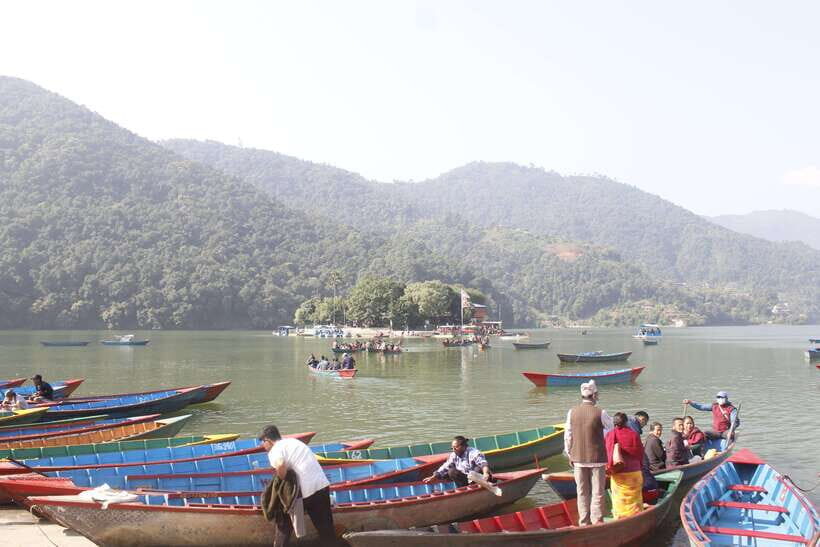
The tour includes hotel pickup and drop-off within Lakeside. If you’re staying in the main tourist strip, that’s a big practical win. You hand over your name at pickup with the name card method, then you’re on the bus without needing to figure out local transport at the start of the day.
In real-world terms, the biggest difference is stress level. If you’ve ever tried to coordinate taxis or bikes before a busy day of sightseeing, you know how quickly logistics can steal your energy. This one is set up to prevent that.
Also, expect that the “6 hours” on paper can stretch a bit depending on traffic and how long people actually take at each stop. Build in buffer time for that. Your comfort comes from going with the flow rather than treating the schedule like a train timetable.
Pumdikot’s Shiva Idol: the first stop that sets the tone
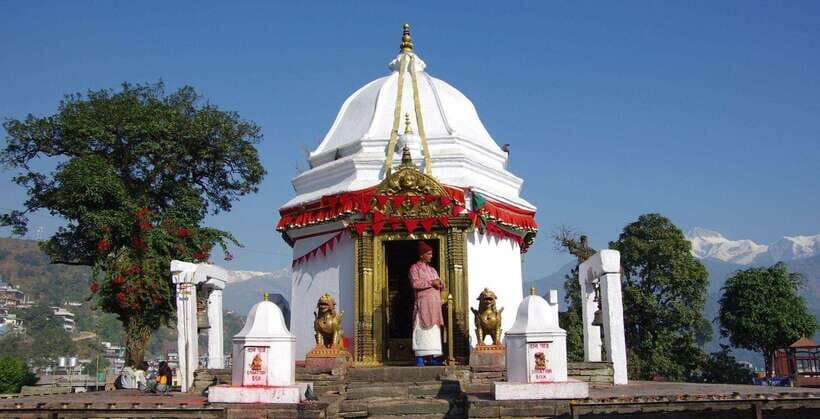
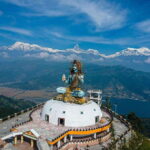
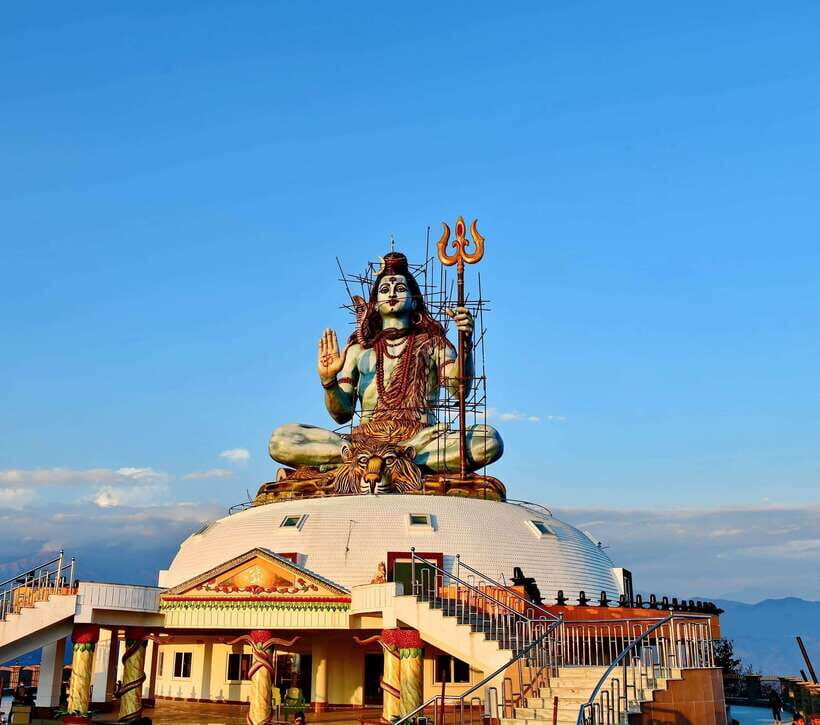
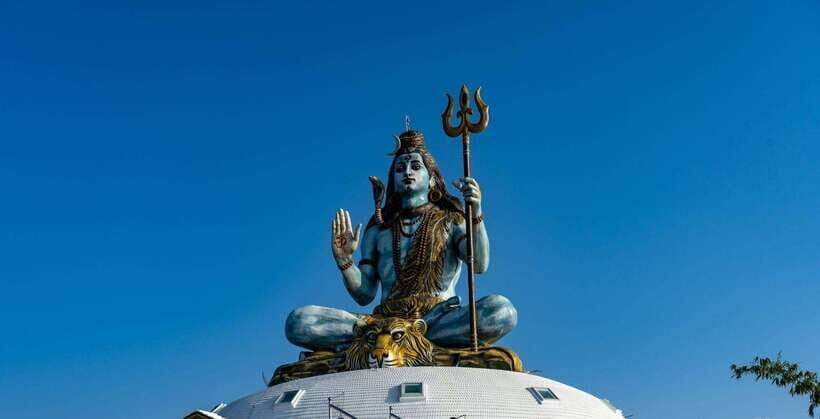
The day usually starts at the Shiva Idol in Pumdikot, then moves on to the World Peace Stupa. This first stop matters because it’s a spiritual warm-up before the rest of the day turns more nature-and-cave heavy.
You’re not just looking at a statue—you’re stepping into Pokhara’s blend of religion and community space. It’s an early chance to orient yourself, take photos, and shift into sightseeing mode. If you’re the type who likes a calm start, this is a nice way to get the day rolling without immediately rushing into underground spaces.
Practical tip: wear comfortable shoes and keep your camera ready. Early viewpoints and outdoor walks can be quick, and you’ll want to capture the moment without rushing your footing.
World Peace Stupa: calm vibes with big-sky views
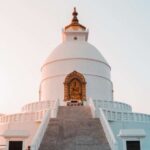
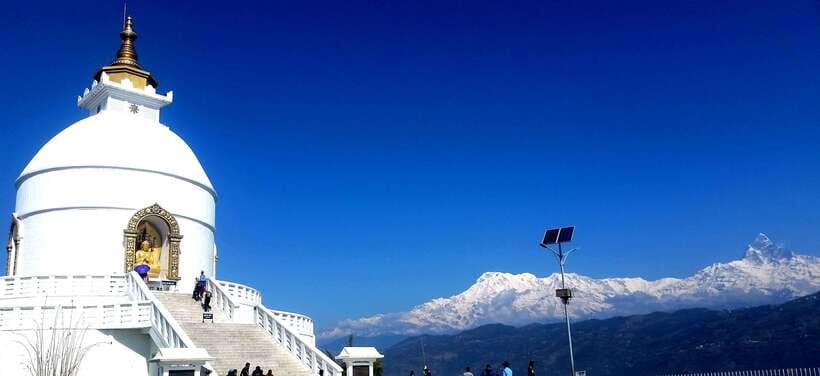
Next up is the World Peace Stupa, one of the most recognizable spiritual stops in the Pokhara region. This stop gives you contrast. After the bus ride, it’s a calmer pause that feels designed for reflection and photos—especially when light is good and the air is clear.
Even if you’re not a temple person, I think you’ll appreciate this stop because it’s a “breather” in the middle of a day packed with caves and river time. You can take a few minutes to simply stand, look around, and reset your pace.
Important practical note: you’re likely to have a set amount of time here. So don’t plan on a long, slow meditation session. Plan for a short visit, a few photos, and then back to the bus when the schedule calls you.
Devi’s Waterfall and Mahadev Cave: a nature hit before the underground
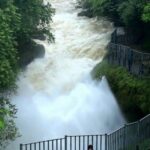
Then the route moves into the Devi’s Water Fall area (often discussed in the same breath as David Falls in Pokhara), plus a Mahadev Cave stop as part of the early cave/nature sequence.
This is where the day starts leaning into raw nature. Waterfalls tend to be noisy and slippery in places, so you’ll want the right shoes and a careful approach around edges. It’s a good time to hydrate too, especially if you’re coming from a hotel room that has you moving too slowly for the first hour.
What I like about placing this before the deeper cave portion: it’s a natural “sensory ramp.” You go from open air and sound to underground textures afterward. Your body adapts faster when you don’t jump straight into caves without a warm-up in the fresh air.
If the waterfall portion isn’t operating exactly as expected due to seasonal conditions, rain, or timing, the rest of the circuit typically still delivers. But be flexible about this portion if weather is rough.
Other sharing-bus sightseeing tours in Pokhara
Mahendra Cave and Gupteswor Cave: stalactites, stalagmites, and sacred atmosphere
Now you get to the main event: Mahendra Cave. Expect time underground where the focus is on the cave formations—stalactites and stalagmites—and the overall atmosphere that feels darker, cooler, and more “otherworldly” than the streets outside.
The highlights also include Gupteswor Cave, mentioned for its sacred history. Even if you’re not studying the myths in detail, you’ll feel the intention behind the place. In caves like this, people tend to treat the visit more like a respectful walk than just a sightseeing stop.
And yes, there’s another cave element in the mix: the Bat Cave experience is part of the cave sequence too. The cave theme is consistent—darkness, confined corridors, and the sense that you’re stepping into Pokhara’s underground world rather than just passing through it.
Now the important caution: this tour is not suitable for claustrophobia. Even if you can handle caves, you should think about how you feel in tight spaces and how you handle slow moving crowds in a dark environment. Bring patience, keep your pace steady, and expect you’ll be moving under time pressure to get back to the bus.
Seti River banks: the city-wound moment you’ll remember
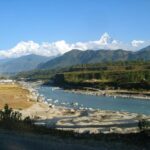
After the underground stops, the tour shifts back to open air with a stroll along the Seti River. This is one of those “only in Pokhara” moments: you see water moving with force through the city area, shaping the landscape around it.
What I love about this stop is that it adds a dynamic element to the day. Temples give you stillness. Caves give you quiet and texture. The river gives you movement and noise, plus that feeling of watching nature work in real time.
It’s also a great place for a mid-day recharge. You’ll often come out of caves ready to stretch your legs. Riverside walking lets you reset your body after tighter paths underground.
Bring water and take it slow on uneven ground. Some stretches can be slippery, especially after rain.
Bindabasini Temple: the calm finish that feels earned
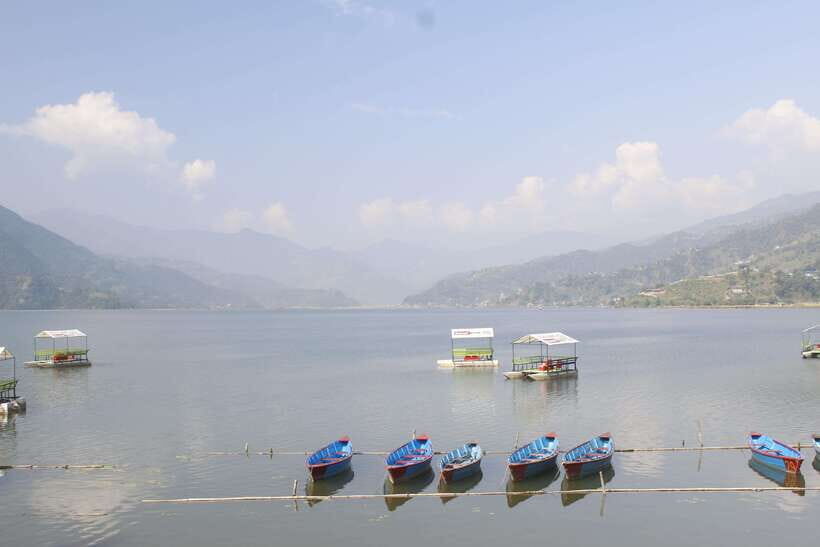
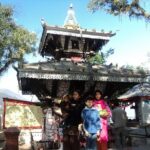
The day’s spiritual landing is Bindabasini Temple, described as intricately designed. This stop is where the tone shifts from active sightseeing into a more grounded moment.
If you’ve been hopping between caves and bus rides all day, a temple visit at the end can feel like a reward. You can sit, look at the details, and let your mind catch up with everything you saw.
Because the tour is time-managed, think of this as a focused visit rather than a long worship session. Still, that short window can be exactly what you need to end the day on a peaceful note instead of feeling like you’re just rushing toward the drop-off.
The bus loop: how the route actually feels in practice
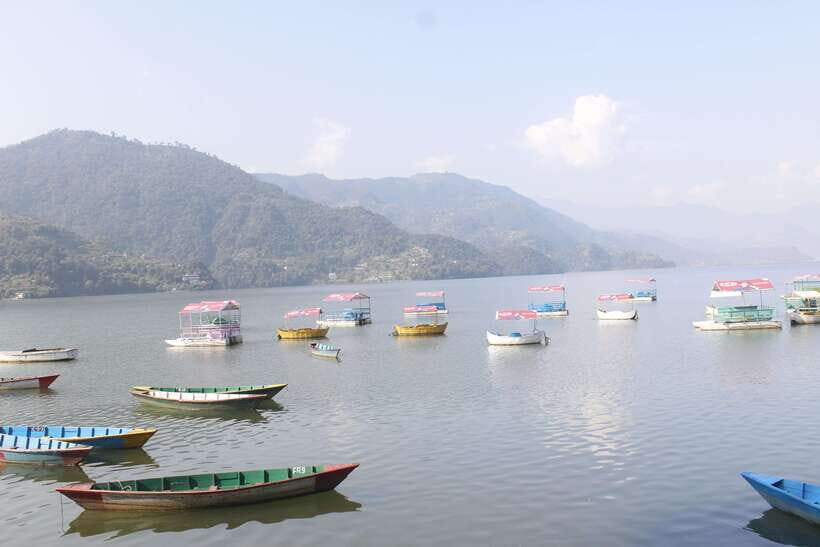
This is a shared bus tour with a guide on the day, but the sightseeing time at each stop is structured. You’re not expecting a long, museum-style lecture at every location. Instead, you follow the route, then explore on your own within the scheduled time.
That style can be a big plus if you like independence. You can choose what to photograph, how long to linger at a formation or an altar, and when to check back with the group. It’s also a social setup: you’ll share the bus with other people, and it’s easy to chat casually along the way.
A couple of real practical touches show up in past experiences—like tea offered by the tour person—and the driver often gets praised for safe, professional driving. On hot days, there’s even a chance your transportation is upgraded to AC, but you shouldn’t count on it as a guarantee.
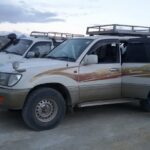
Transportation note: this is a local bus feel. If you’re expecting a private van experience, adjust your expectations. The value is in covering the route cheaply and efficiently, not in luxury comfort.
Price and value: US$12 plus about US$4 in entry fees
The listed price is US$12 per person, and you’re getting hotel pickup/drop-off within Lakeside plus sightseeing transport by shared bus for a full day. For Pokhara, that’s strong value when you consider how much it would cost to solve transport on your own for multiple sites.
What’s not included is key: entry fees to monuments are about US$4, and food and drink aren’t included. That means your true cost is a bit higher than $12, but still usually reasonable for a day that covers multiple major stops.
My practical advice: carry a little cash for entry fees and plan how you’ll handle meals. If you want lunch, pick a plan before you get hungry—either bring a snack or plan to buy something during the day if there’s time. Don’t assume meals are included just because the day feels organized.
What to bring (and what to skip)
Bring:
- Comfortable shoes (you’ll walk on mixed surfaces, plus cave steps)
- Camera (you’ll want it for caves and river stops)
- Sunscreen (some time is outdoors)
- Water (especially on warm days)
Not allowed:
- Smoking
- Alcohol and drugs
If you’re packing for a cave day, think about modest, comfortable clothing and shoes with grip. You’ll be happier if your feet stay stable and your hands stay free for photos.
Who should book this Pokhara full-day bus tour?
This is a great match if you:
- Have limited time in Pokhara and want a lot of major sights in one day
- Don’t want to arrange your own transport
- Like independence at each stop (you explore during timed windows)
- Want a mix of temples + caves + river
It’s not the best choice if you:
- Have claustrophobia
- Have back problems
- Use a wheelchair (not suitable based on the tour notes)
Also, if you’re traveling with very young kids or you need a very slow pace, the schedule could feel packed. The caves and transit rhythm mean you’ll be moving fairly consistently.
Should you book it or pass?
Book it if your priority is value and coverage: one day, a lot of Pokhara highlights, and you don’t have to do the transport puzzle yourself. The $12 price point works best when you’re okay with timed stops and exploring independently.
Pass or pick a different style if you need long stays at fewer places, you hate tight spaces, or you want a fully guided experience at each site. The cave portion is the make-or-break factor for comfort.
If you’re unsure, focus on this: can you comfortably handle underground spaces and keep up with a schedule that aims to hit many sights in a single day? If yes, this tour is an easy “get it done” option.
FAQ
How long is the Pokhara full-day sharing bus tour?
The duration is 6 hours.
Where does hotel pickup happen?
Pickup is included for hotels within the Lakeside area of Pokhara.
Is the tour truly guided at every stop?
The tour is described as having sightseeing with a guide on the trip, but monument/cave time is handled as scheduled stops, so you should expect to explore each location during the allotted time.
Are entrance fees included in the price?
No. Entry fees to monuments are approximately US$4 and are not included.
Is food included?
No. Food and drink are not included.
What should I bring?
Bring comfortable shoes, a camera, sunscreen, and water.
Is it suitable for claustrophobia or back problems?
No. It’s not suitable for people with claustrophobia, back problems, or wheelchair users.