REVIEW · POKHARA
Pokhara City Tour in Sharing Bus
Book on Viator →Operated by Swami Narayan Travels Pvt Ltd · Bookable on Viator
Pokhara can feel like a blur of sights. This sharing minibus tour strings together the main stops fast, with Lakeside pickup and a simple, no-fuss day plan. You’ll jump between temples, lakes, and famous cave-and-water spots in about 6 to 7 hours, starting at 9:40 am.
I like two things most: first, the value is hard to beat at $10.29 per person, especially for a full circuit that covers multiple top Pokhara icons in one go. Second, the tour feels more like moving with locals than doing a private bubble, because it’s a basic shared mini bus with up to 22 people.
One consideration: this is a basic sharing setup, so don’t expect a high-touch, highly guided experience at every stop. Also, several of the famous sites have entrance fees that aren’t included, so bring a little cash or plan ahead.
In This Review
- Key things to know before you go
- Price and value: what $10.29 buys you in Pokhara
- Getting around Pokhara by sharing minibus (and why it works)
- Stop 1: Shree Bindhyabasini Temple (30 minutes, free entry)
- Stop 2: Mahendra Cave (20 minutes, entrance not included)
- Stop 3: Begnas Lake (about 1 hour, free entry)
- Stop 4: Devi’s Fall (25 minutes, entrance not included)
- Stop 5: Gupteshwor Mahadev Cave (45 minutes, entrance not included)
- Stop 6: Phewa Tal (finish near your hotel area, about 5 minutes)
- Group size, comfort, and the “like locals” feeling
- The itinerary pacing: good for highlights, not for slow travel
- Who should book this Pokhara city tour by sharing bus
- Quick practical tips to make the most of this tour
- Should you book this Pokhara city tour by sharing bus?
- FAQ
- What is the start time for the Pokhara city tour in a sharing bus?
- Where will I be picked up?
- How long does the tour last?
- Is the entrance fee included in the price?
- What is included in the $10.29 price?
- Can I cancel for a full refund?
Key things to know before you go
- Sharing mini bus, max 22 travelers: You’ll be in a small crowd, not a huge coach.
- Lakeside pickup and drop: Convenient if you’re staying around Pokhara’s main lakeside area.
- Packed highlights in 6–7 hours: Temples, lakes, caves, and Devi’s Fall in one day.
- Some sites are free, some are not: Temple and lake stops are free, cave and fall entrances are typically extra.
- Mobile ticket and confirmation at booking: Helps reduce day-of scrambling.
Price and value: what $10.29 buys you in Pokhara
At $10.29 per person, this is the kind of Pokhara day tour you book when you want highlights without overpaying. The big “value” isn’t just the low price. It’s the fact that your money goes toward actual transportation—one seat in a basic sharing mini bus, plus pickup and drop from Lakeside—while the schedule covers several major sights.
That said, budget tours are budget tours. The price implies a basic transport experience and an efficient route, not a long, comfortable, slow-paced day. If you’re hoping for lots of downtime between stops, this is not that. The day is built for seeing a lot.
Also keep entrance fees in mind. Some stops are free, but others (especially caves and Devi’s Fall) are listed as not included. So your final “all-in” cost depends on what you pay at each paid location.
Other Pokhara city sightseeing tours reviewed
Getting around Pokhara by sharing minibus (and why it works)
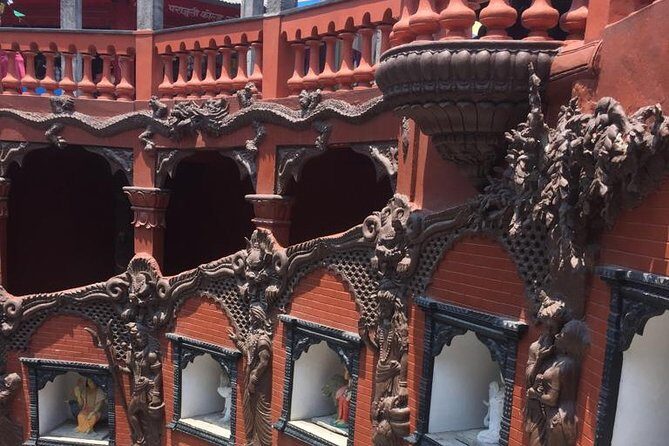
This tour runs like a local-style circuit using a sharing basic mini bus. With a maximum group size of 22 travelers, you’re usually not stuck in a crowd that feels claustrophobic. But you are sharing the vehicle, so the rhythm is set by the route and the timing of multiple passenger pick-ups or drop-offs within the Lakeside area.
The start time matters: 9:40 am. That’s helpful because it gets you out before the late-day surge energy kicks in. In a 6–7 hour window, it’s better to hit the first sightseeing areas earlier, then finish near your hotel.
You’ll also want to manage expectations about “guide style.” One guest noted the bus was very basic and that it felt more like a conducted tour than a guided tour. Other guests said the sharing guide was good and that they covered everything in one day. Translation for you: be ready to follow along and ask questions if you want details, but don’t assume every stop will feel like a private lecture.
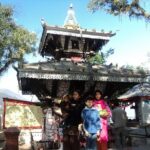
Stop 1: Shree Bindhyabasini Temple (30 minutes, free entry)
Your first sightseeing stop is Shree Bindhyabasini Temple, a Hindu temple with free admission and about 30 minutes on-site.
This is a smart opening stop. It gives you quick context for Pokhara’s spiritual side before you shift into the more touristy, photo-heavy nature stops. Temple areas are also a good place to stretch your legs after pickup, and you get a taste of local daily life—people praying, walking through the area, and treating the place as part of normal routine.
What to do with your time: keep it simple. Take a few photos if you’d like, observe how people move through the space, and then move on. In a timed circuit, you don’t want to burn your whole day here—save energy for the outdoor sights later.
Stop 2: Mahendra Cave (20 minutes, entrance not included)
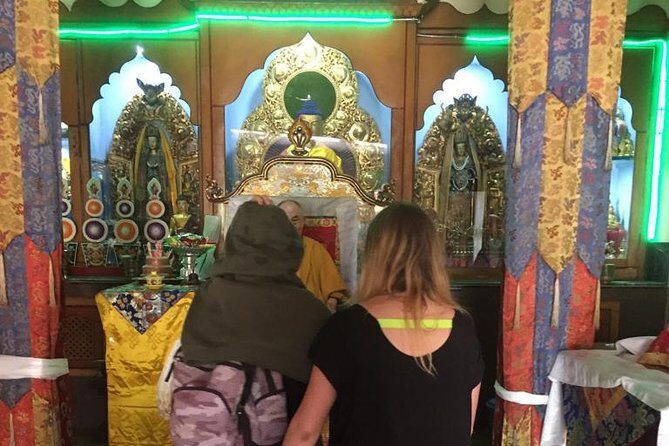
Next up is Mahendra Cave, listed for about 20 minutes, with admission not included.
Caves are always a “fast stop” style attraction in tours like this, and 20 minutes sounds short because you’re not just viewing—you’re also getting in, navigating the space, and getting out before the bus moves on. Plan for tight, darker conditions where you’ll want to take photos quickly rather than spend 10 minutes perfecting angles.
The practical tip: wear footwear you’re comfortable moving in, and keep your phone ready but don’t expect a lot of time for elaborate shots. If you’re sensitive to confined spaces, you might want to pause before committing to a long cave visit. But here, the schedule keeps it short.
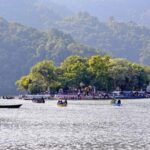
Stop 3: Begnas Lake (about 1 hour, free entry)
Then you shift from cave interiors to open air: Begnas Lake. You get about 1 hour, and admission is free.
This is one of the best “breathing moments” in the tour. After temples and caves, a lake stop gives you space to reset your pace. Even if you don’t plan a boat ride (not listed as part of the tour), you can still enjoy the slowdown: walk a little, take in views, and enjoy a calmer rhythm.
What makes it valuable on this tour is timing. Begnas sits mid-route, so it breaks up the day and helps you avoid the fatigue that comes with doing nothing but stops with hard-to-follow timing.
What to watch for: the tour is still a schedule. Use your hour well, but don’t assume you’ll have extra time if the bus is delayed. In a shared tour, you ride with the schedule.
Other sharing-bus sightseeing tours in Pokhara
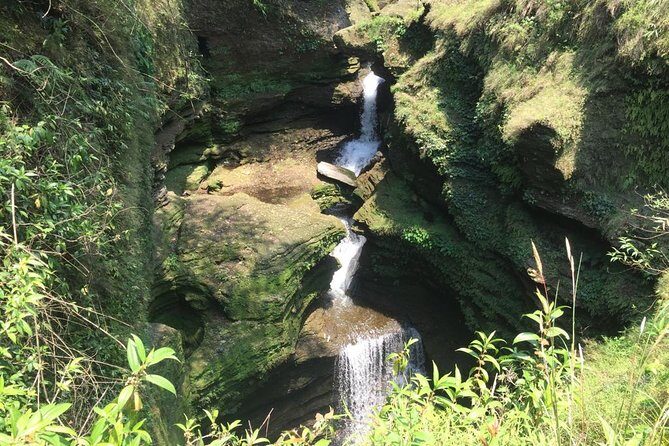
Stop 4: Devi’s Fall (25 minutes, entrance not included)
After Begnas, you’ll head to Devi’s Fall for around 25 minutes, with admission not included.
Devi’s Fall is famous for the way water moves dramatically through the area, and this stop leans into the “quick but memorable” style. The time is short enough that you’ll likely see the main viewpoints and walk through the standard areas without getting bogged down in crowds or wandering too long.
One reason this works in a shared itinerary is the pace: you get a strong sight in a compact window. If you’re the type who likes one “wow” stop each day, Devi’s Fall delivers without consuming your entire schedule.
Practical note: since the fall entry is listed as not included, budget separately for it. Also, keep an eye on your footing around wet areas.
Stop 5: Gupteshwor Mahadev Cave (45 minutes, entrance not included)
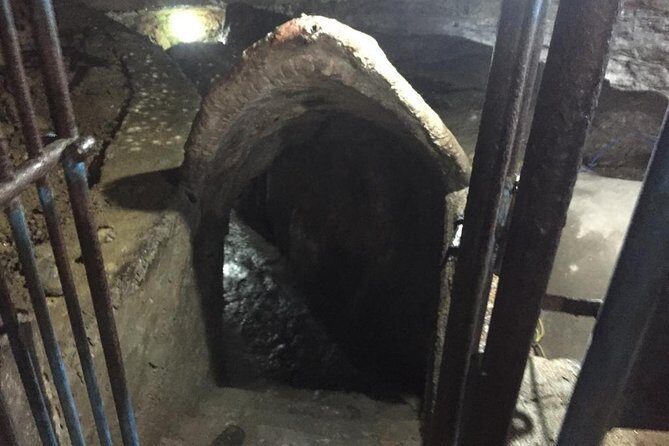
Next is Gupteshwor Mahadev Cave with about 45 minutes, again with admission not included.
This is the longest stop on the tour besides the lake. That extra time matters because caves don’t just take time to enter; they take time to view. With 45 minutes, you can explore more than you could at a shorter cave visit.
Gupteshwor Mahadev is a limestone cave type experience, and the longer time lets you appreciate the change from the Devi’s Fall water moment into a cave moment. It’s a nice contrast: nature forces in two different forms.
What to consider: cave lighting and crowding can affect your experience. If you want better photos, arrive ready to move when your turn comes. If you just want a calm look, take slower pauses as you walk, but don’t wait too long if the flow of the group starts moving.
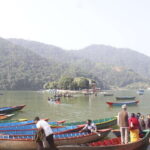
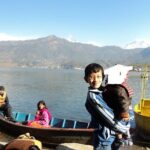
Stop 6: Phewa Tal (finish near your hotel area, about 5 minutes)
The tour’s final stop is Phewa Tal. It’s listed for about 5 minutes, and admission is free. The best part for you: the tour ends near your hotel area, described as walkable distance from here.
This ending is practical. After a full day, you don’t want to be dropped far away from where you’ll actually relax. Phewa Tal is a central lakeside hub, so walking back or taking a short ride is usually the simplest way to recover.
What you can do in just 5 minutes: think of it as a photo stop and a reset point. Don’t expect a full lakeside hangout here. Save the real Phewa Tal linger for later—this tour’s role is to get you close, not to replace an evening stroll.
Group size, comfort, and the “like locals” feeling
This tour caps at 22 travelers, which helps keep the experience manageable. You’re not crammed into a huge bus, and you generally get enough space to move when you’re off the vehicle.
Comfort-wise, the bus is described as basic. In practical terms, you should expect simple seating and not a high-comfort lounge. If you’re used to longer, more comfortable coach rides, this may feel a bit spare. But the trade-off is speed and price.
The local-style part is real: you’re not just hopping between far-flung places with a private driver; you’re doing it in a shared vehicle with a route that covers the core highlights. That’s the key to why some people like it: it helps you feel like you’re part of the movement of Pokhara, not just observing from outside.
Also, one guest specifically thanked Mr. Ravi for arrangement. That’s a hint that the operator’s team can matter, especially on a shared tour where you’re relying on someone to keep the timing realistic.
The itinerary pacing: good for highlights, not for slow travel
This is a “see a lot” schedule. In 6–7 hours you hit: temple, cave, lake, fall, cave, and a lakeside finish. That’s great if you have limited time in Pokhara and want to check off multiple major spots.
The drawback is that you won’t have hours in any one place. If you’re the type who likes to wander freely, sit and read, or do side quests off the main route, you may want to pair this with another lighter day. Use this day to cover the must-sees, then come back later to linger where you felt the most pull.
One more pacing point: entrance fees not included can create a small “pause” in your day. It’s not a dealbreaker, but it affects your budget and sometimes your cash planning. If you’d rather not handle it on the spot, plan ahead.
Who should book this Pokhara city tour by sharing bus
This tour fits best if you:
- Want Pokhara highlights in one day without spending much
- Are staying around Lakeside and like easy pickup/drop
- Prefer a shared, local-feeling transport approach
- Like quick photo-and-look stops at major sights
It’s also a decent choice if you’re traveling with friends or simply don’t mind sharing the day with others. The tour notes that most travelers can participate, which suggests it’s not built for one extreme niche.
If you hate the idea of basic seating, short stop times, or optional entrance fees, you might be happier with a more comfort-focused or all-inclusive option. But if your priority is value and efficiency, this tour is doing its job.
Quick practical tips to make the most of this tour
- Bring a small amount of cash for entrance fees at Mahendra Cave, Devi’s Fall, and Gupteshwor Mahadev Cave.
- Wear shoes you can move in comfortably for cave areas and wet spots near waterfalls.
- Keep your day pack light. Short stops mean you want quick movement.
- Ask questions when you have them. In a shared tour, you often get the best info by prompting your guide rather than waiting for a long briefing.
- After you finish near Phewa Tal, plan an unhurried evening back at your hotel area. This tour doesn’t replace a full lakeside hang.
Should you book this Pokhara city tour by sharing bus?
I’d book it if you want the smartest, budget-friendly way to hit major Pokhara icons in a single outing. At $10.29, with Lakeside pickup and a route that covers temple, lake, caves, and Devi’s Fall, you’re paying mainly for transportation and a tight highlights circuit.
I’d skip it if you’re looking for a comfy, slow, deeply guided experience. The bus is basic, the stop times are tight, and several entrances are not included. In other words: this is a tool for getting value and checking items off, not a full-day luxury immersion.
If that sounds like your style, this Pokhara sharing bus tour is a very reasonable choice for making your limited time count.
FAQ
What is the start time for the Pokhara city tour in a sharing bus?
The tour starts at 9:40 am.
Where will I be picked up?
Pickup is offered from the Lakeside area of Pokhara, and you’ll also get dropped back there.
How long does the tour last?
The duration is approximately 6 to 7 hours.
Is the entrance fee included in the price?
No. Entrance fees are not included. Some stops are free (like Shree Bindhyabasini Temple and the lake stops), while others are listed as not included (like Mahendra Cave, Devi’s Fall, and Gupteshwor Mahadev Cave).
What is included in the $10.29 price?
You get one seat in a basic sharing mini bus, plus pickup and drop from Lakeside area of Pokhara.
Can I cancel for a full refund?
Yes. You can cancel up to 24 hours in advance of the experience start time for a full refund.