REVIEW · POKHARA
Pokhara: City Sightseeing Group Bus Tour
Book on GetYourGuide →Operated by Pokhara Adventure Nepal · Bookable on GetYourGuide
A white stupa and a bus schedule in one day. This Pokhara group tour is built for people who want the highlights without planning routes, and the best pay-off is the viewpoint from the World Peace Pagoda over Pokhara Valley and the lake. I like how the day strings together big sights you can recognize fast, from waterfall to cave interiors, with a structure that keeps you moving.
What I also like is the practical value: the bus tour cost is budget-friendly, and the pickup-dropoff system works well if you’re already based in Lakeside. The main drawback to keep in mind is that this can feel more like a shuttle with timed stops than a guided lecture, so you may get clear explanations on some days and mostly location instructions on others.
In This Review
- Key things to know before you go
- Price and logistics: $8 buys a bus day, not the whole trip
- How the day is paced from Lakeside pickup to Phewa Lake return
- Pumdikot Mahadev and the World Peace Pagoda viewpoints
- Davis Falls: the waterfall that disappears underground
- Gupteshwor Cave, plus Mahendra and Bat Cave for a full underground block
- Seti River Gorge and Bindabasini Temple: religion and river drama
- Phewa Lake at the end: your easiest self-guided time
- Group-bus reality check: what “sharing bus” feels like in practice
- What to bring and how to make the caves and temples easier
- Who should book this Pokhara bus tour, and who should skip it
- Should you book it?
- FAQ
- How long is the Pokhara City Sightseeing group bus tour?
- What is included in the $8 price?
- Are entrance fees included?
- What stops are included during the day?
- How does pickup and drop-off work?
- Is this tour wheelchair-friendly?
- What should I bring, and what’s not allowed?
Key things to know before you go
- You’re paying for transportation and timed access, not a full guide service.
- World Peace Pagoda is your big panoramic moment, with Pokhara Valley views.
- Davis Falls plus Gupteshwor and other caves keeps the middle of the day busy and physical.
- Entrance fees are extra (about US$7 per person), so budget for that.
- Short visits add up: several stops are 15–45 minutes.
- Ask about seating early if you care about comfort in a small, shared bus.
Price and logistics: $8 buys a bus day, not the whole trip
This is a 7-hour sharing bus city tour in Pokhara, priced at $8 per person. For that money, you get hotel pickup within the Lakeside area and a seat on a group vehicle sized for about 30 people. You do not get meals or a guide service included.
Entrance fees are not included, and they’re listed as roughly US$7 per person. That means the true cost is still pretty reasonable, but it’s not a zero-cost day once you add caves and attractions. If you’re trying to stick to a tight budget, bring cash or be ready for the entrance-payment method the tour uses that day.
Pickup is built around multiple Lakeside hotels, and drop-off also returns you to Lakeside locations. You’ll want to be ready to move quickly at each stop, because the day is organized around short visits rather than long hangs.
Other Pokhara city sightseeing tours reviewed
How the day is paced from Lakeside pickup to Phewa Lake return
Your day starts with pickup options in Lakeside and then moves by bus to the first viewpoint area. After that, the tour alternates between bus rides and quick sightseeing slots, finishing back at Phewa Lake so you can continue on your own.
This pacing is a double-edged sword. On the plus side, you cover a lot of ground without needing a driver or extra transport tickets between sites. On the trade-off side, you won’t have time to linger at every photo spot, shop, or side path.
The final stop near Phewa Lake matters because Lakeside is walkable from there. The tour ends with you able to reset: grab food, walk the lakeshore, or catch your next ride without having to re-organize anything.
Pumdikot Mahadev and the World Peace Pagoda viewpoints
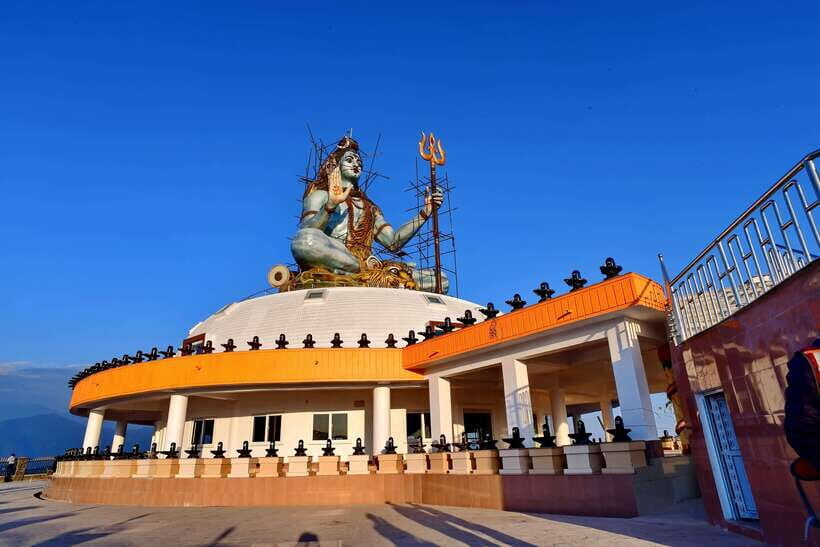
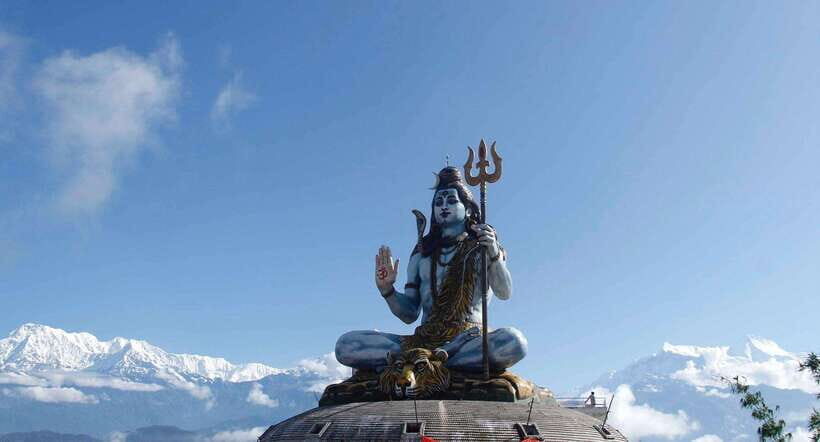
The first religious stop on the route is the Pumdikot Mahadev Lord Shiva Idol, where you get about 30 minutes. This is a straightforward, quick stop: a place to look around, understand the local religious meaning of the site, and catch the area’s views if the timing lines up with clear weather.
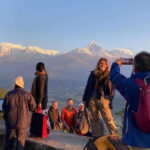
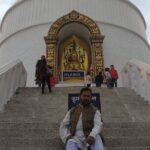
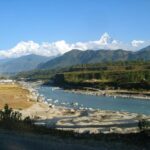
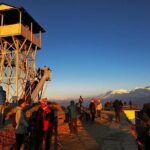
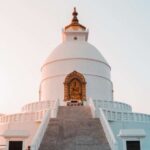
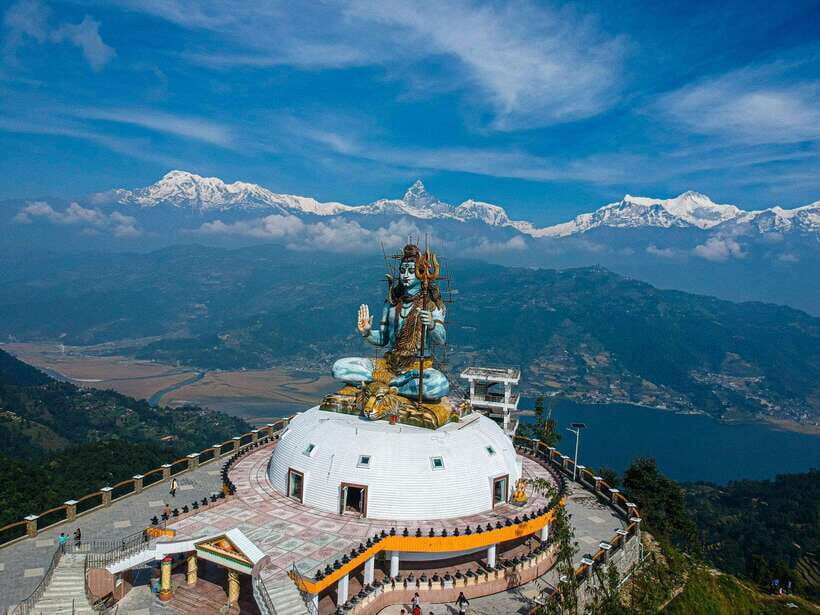
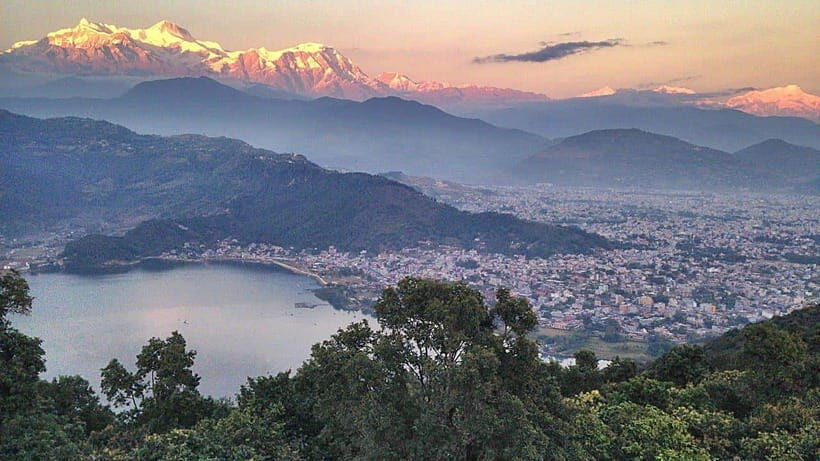
Then you head to the main “wow” viewpoint: the World Peace Pagoda. You’ll get around 45 minutes here, which is usually enough time to walk to key viewpoints, take photos, and absorb the scale of Pokhara Valley and the mountain backdrop.
This pagoda stop is also where the tour feels less like errands and more like a real change in perspective. Even if you’ve seen photos online, it’s the kind of place where the height and angles make you understand why Pokhara attracts so many visitors.
Davis Falls: the waterfall that disappears underground
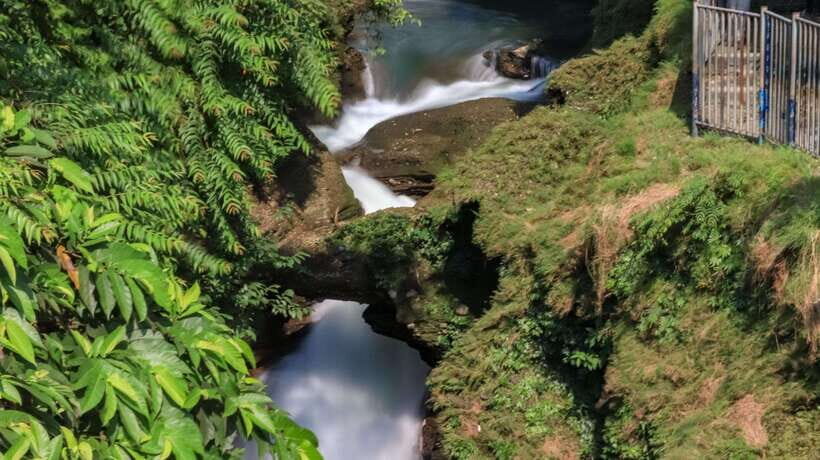
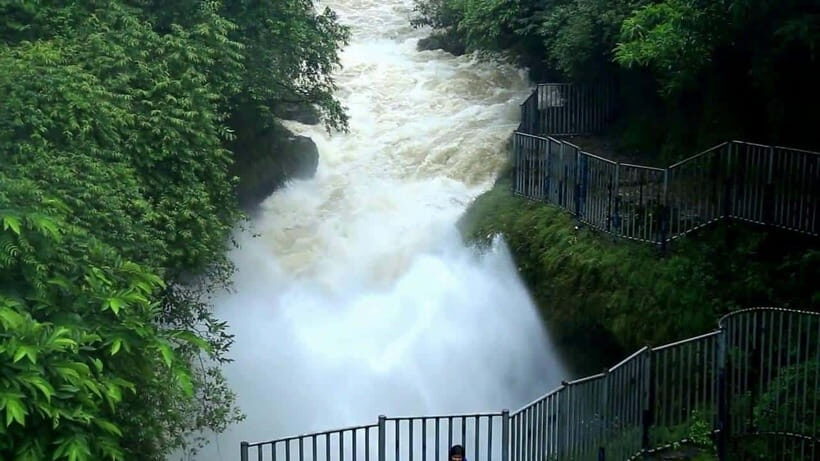
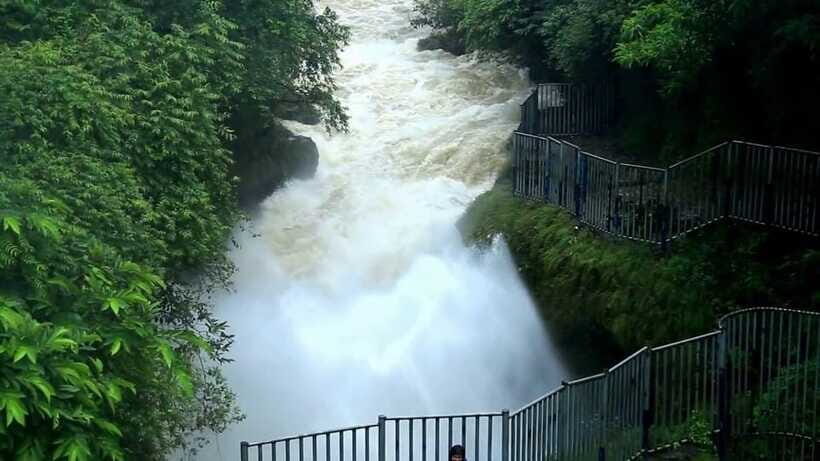
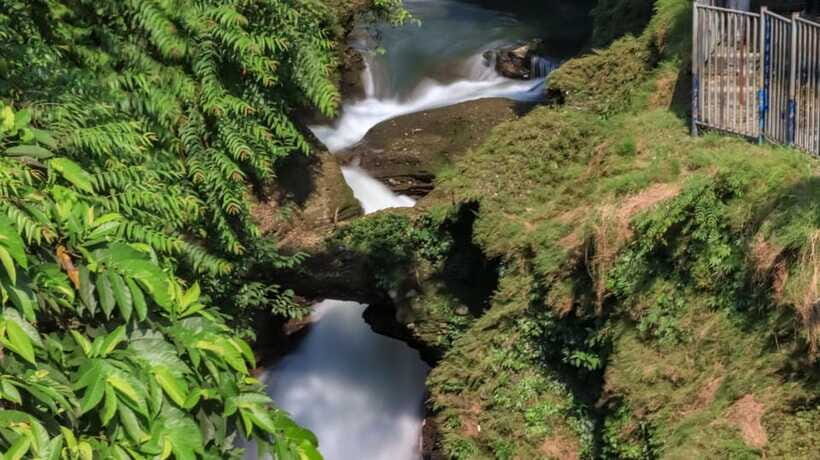
From the viewpoints, the tour shifts to a natural spectacle: Davis Falls. Plan on a short visit of about 15 minutes. That can feel fast, but the fall’s action is nonstop, so you’re not waiting around for it to happen.
A standout detail here is the setting: the water plunges into an underground cave system. When you arrive, you’ll be able to see the dramatic drop and follow where the water goes, and you’ll usually hear the local legend tied to the area if your guide provides any explanation.
If you’re visiting in warm or dry season, the flow can look different than what you expect from dramatic waterfall videos. Go anyway with flexible expectations, and focus on the way the falls interact with the rock and the path you can safely access.
Gupteshwor Cave, plus Mahendra and Bat Cave for a full underground block
Right after Davis Falls, there’s a short on-foot connection to Gupteshwor Mahadev Cave (about 25 minutes on site). This cave is a natural limestone cave, and the highlight is the inside formations—stalactites and stalagmites—and a sacred Shiva Lingam you can see within the cave space.
The cave sequence continues with Mahendra Cave (about 25 minutes) and then Bat Cave (about 20 minutes). Together, these stops make the middle of the day more physical than it looks on paper. Even if the walking is mostly short, cave entrances can mean uneven ground, stairs, and cooler air.
One useful tip from a very specific piece of feedback: for the bat cave stop, there was a suggestion that swapping the order of entry and exit would improve the visitor flow. Whether that happens or not, you should still go in with the mindset that caves are timed and route-shaped, not choose-your-own-adventure.
If you get motion sickness easily, or if you’re uncomfortable in low-light environments, take that seriously before you join a multi-cave block. Also note that the tour is not suitable for wheelchair users, and a medical condition can matter here because the schedule assumes you can manage cave steps and uneven paths.
Other sharing-bus sightseeing tours in Pokhara
Seti River Gorge and Bindabasini Temple: religion and river drama
Next comes Seti River Gorge, with about 20 minutes. This stop gives you a chance to see the area’s water and rock relationship from a different angle than the falls. It’s also a good breather between caves and temples, because you’re usually outdoors for at least part of the visit.
Then you reach Bindabasini Temple for about 45 minutes. This is one of the longer stops in the day, which is a hint that it’s meant to be more than a quick photo. You get time to look around, respect the religious setting, and take in how the temple fits into the larger Pokhara area.
If you’re traveling with friends and want one place where you can separate briefly to explore then meet back up, this is often the best stop. The length of the visit gives you breathing room compared with the 15–25 minute hits.
Phewa Lake at the end: your easiest self-guided time
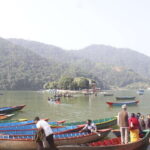
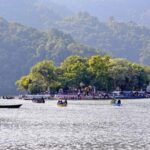
The day finishes with a quick visit to Phewa Lake (around 15 minutes). Don’t overthink it. The real value is that you end back where you want to be: Lakeside is walkable from the lake area, so you’re set up to eat, relax, and keep exploring on your own time.
This is where you can extend the experience in the way a group schedule won’t allow. If you want to browse, take a slower walk, or just enjoy the lake views without a bus departure looming, you can.
For many people, ending by the lake is a smart design choice: it turns the tour day into a practical platform, not a forced finish line.
Group-bus reality check: what “sharing bus” feels like in practice
A sharing bus tour can range from smooth and informative to a little chaotic, and this one seems to land in the middle depending on the guide that day. Some people found the guide attentive and the timing polished, especially with managing visits within the allotted minutes and coordinating vehicle movement. Others felt it was mostly drop-offs with limited sight-by-sight information.
So here’s your best mindset: plan for the bus route and the time windows, but don’t assume you’ll get a running commentary at every stop. If you want context for the caves and temples, come ready to read a little on signage, or ask questions at each location before you’re rushed to board.
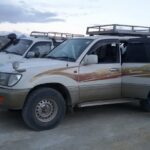
Also, seating can matter. One review described a smaller local bus and a tight seat situation that made personal comfort harder, especially for a solo female traveler. If you care about seat comfort, speak up early at pickup and during the first boarding moment while there’s still time to adjust.
Finally, timing and lateness can shape the day. The tour is strict enough that latecomers may not get the same flexibility, even if exceptions sometimes happen. Arrive early to your pickup point so you’re not testing patience.
What to bring and how to make the caves and temples easier
This tour is mostly manageable, but the terrain changes fast: bus rides, outdoor viewing spots, and then cave interiors. Pack for the combo, not just for photos.
Bring:
- Comfortable shoes (caves and uneven ground)
- Water and a light snack plan for hunger between short stops
- Sun protection like sunglasses, a sun hat, and sunscreen
- Comfortable clothes you don’t mind getting slightly dusty
Don’t bring:
- Drones
- Alcoholic drinks in the vehicle
If you’re sensitive to cold air inside caves, carry a light layer. And if you’re a careful walker, take your time at cave entrances so you don’t rush and slip.
Who should book this Pokhara bus tour, and who should skip it
This tour is a strong fit if you:
- Want an efficient day covering major Pokhara sights without negotiating transport
- Are staying in Lakeside and can use pickup and drop-off easily
- Prefer a structured route with short, varied stops
It’s not a great match if you:
- Use a wheelchair or need step-free access
- Have pre-existing medical conditions that could be affected by stairs, uneven cave floors, or longer outdoor walking
- Need lots of guided interpretation and storytelling at each stop
If your priority is deep, slow travel at each location, you’ll probably prefer a private guide or separate local transport segments. But if your priority is seeing a lot with minimal planning, this is the right style.
Should you book it?
I’d book this tour if you’re in Lakeside, you want a low-cost way to cover the top Pokhara highlights, and you’re okay with short visits and a schedule that stays firm. The combination of World Peace Pagoda views plus the cave-and-temple circuit can be a satisfying full day, even with the quick timing.
Skip or reconsider if you strongly want a guide-heavy experience, need lots of time at each stop, or you know cave terrain will be a problem for you. If you do go, show up early, wear good shoes, and treat it as a transport-first plan with optional learning along the way.
FAQ
How long is the Pokhara City Sightseeing group bus tour?
It runs for 7 hours.
What is included in the $8 price?
The price includes hotel pickup within the Lakeside area of Pokhara and sightseeing by sharing bus with a group (around 30 people).
Are entrance fees included?
No. Entrance fees are not included and are listed as approximately US$7 per person.
What stops are included during the day?
The tour includes Pumdikot Mahadev Lord Shiva Idol, World Peace Pagoda, Davis Falls, Gupteshwor Mahadev Cave, Mahendra Cave, Bat Cave, Seti River Gorge, Bindabasini Temple, and ends at Phewa Lake.
How does pickup and drop-off work?
Pickup is included from hotels in the Lakeside area, and drop-off returns you to multiple Lakeside locations. The exact options include stops such as Pushpa Guest House, Hotel Crystal Palace, Pokhara Cottage, Pokhara Backpackers Hostel, Hotel My Dream, Hotel Glory Garden, Hotel Middle Path & Spa, and Lakeside (exact pickup/drop set is provided in the activity details).
Is this tour wheelchair-friendly?
No. It is not suitable for wheelchair users.
What should I bring, and what’s not allowed?
Bring comfortable shoes, water, sunglasses, a sun hat, and sunscreen. Drones and alcoholic drinks in the vehicle are not allowed.