REVIEW · POKHARA
Australian Base Camp Hike For Sunrise over the Himalayas
Book on GetYourGuide →Operated by Snow Peak Tours and Travels pvt. ltd. · Bookable on GetYourGuide
Early mornings in Nepal pay off fast, especially with a 360-degree sunrise over Annapurna. This hike takes you from Pokhara’s pickup roads up to Australian Base Camp in time to watch the Annapurna range light up from above the clouds.
What I like most is the mix of simple logistics and a well-paced hike with time at the viewpoint. I also like that the experience is guided—expect help with the best photo spots and explanations along the trail. The main drawback to plan for is that the early start means you’re hiking before full daylight, and the climb is described as vigorous enough that you’ll want to take breaks when you need them.
In This Review
- Key things to know before you go
- Why Australian Camp Sunrise Feels Like It’s Above Pokhara
- The 5-Hour Flow: Pickup, Kande, Camp Sunrise, and Back
- Getting Started at Kande: Small Village, Big Morning Energy
- The Hike Up: Forest Trail, Village Pass-Throughs, and a Pace You Can Control
- Australian Base Camp: Sunrise Over Annapurna South, Machhapuchhre, and Hiunchuli
- The Descent: Faster Legs, Same Views, Then Back to Pokhara
- Guides, Private Group Style, and Why It Matters on Sunrise Hikes
- Price and Value: What $64 Covers for a Morning with Annapurna Views
- What to Bring (So You Don’t Lose Time at the Door)
- Who Should Book This Sunrise Hike (and Who Might Think Twice)
- Should You Book This Australian Camp Sunrise Hike?
- FAQ
- Where is the hike located?
- How long does the experience take?
- What is the difficulty like?
- How long is the uphill hike?
- How long is the downhill?
- What time do you start?
- What kind of views will I see?
- Is the group private?
- What’s included in the price?
- Is lunch included?
- FAQ
- What languages does the guide speak?
- Do I need an ID?
- Where are the pickup and drop-off locations?
- Is free cancellation available?
- Can I reserve without paying right away?
Key things to know before you go
- 360-degree sunrise viewpoint at Australian Base Camp, framed by the Annapurna range
- Hike through forests and villages on the way up, with a moderate climb and wildlife possibilities
- Iconic Machhapuchhre (Fishtail) featured in the sunrise panorama
- Time to rest and refresh at the camp area, with teahouses for a break
- A private, English-speaking guide who can adjust pace and help with photos
Why Australian Camp Sunrise Feels Like It’s Above Pokhara
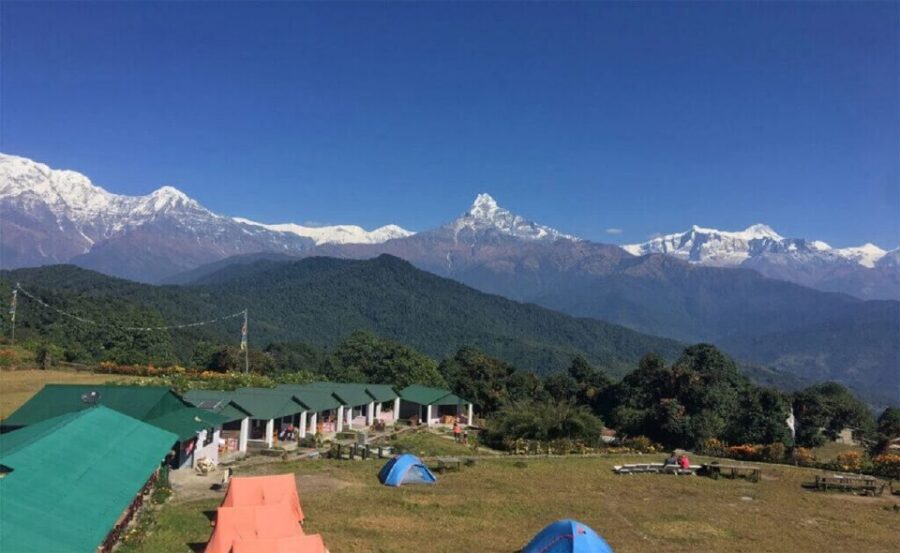
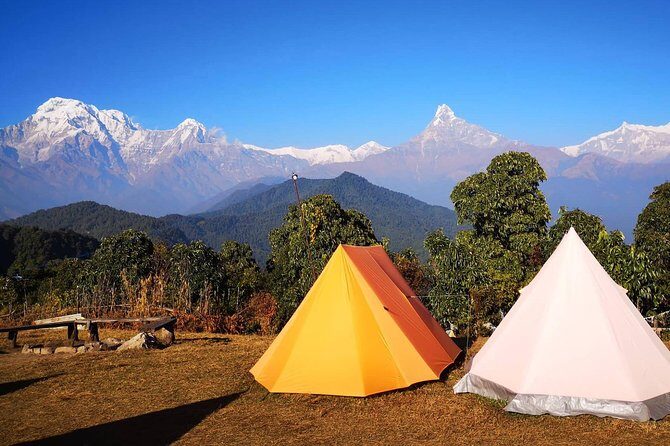
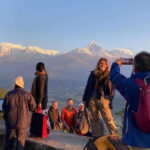
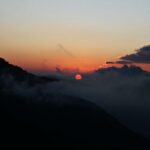
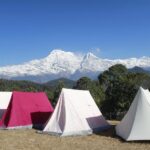
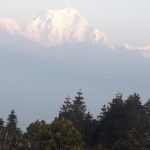
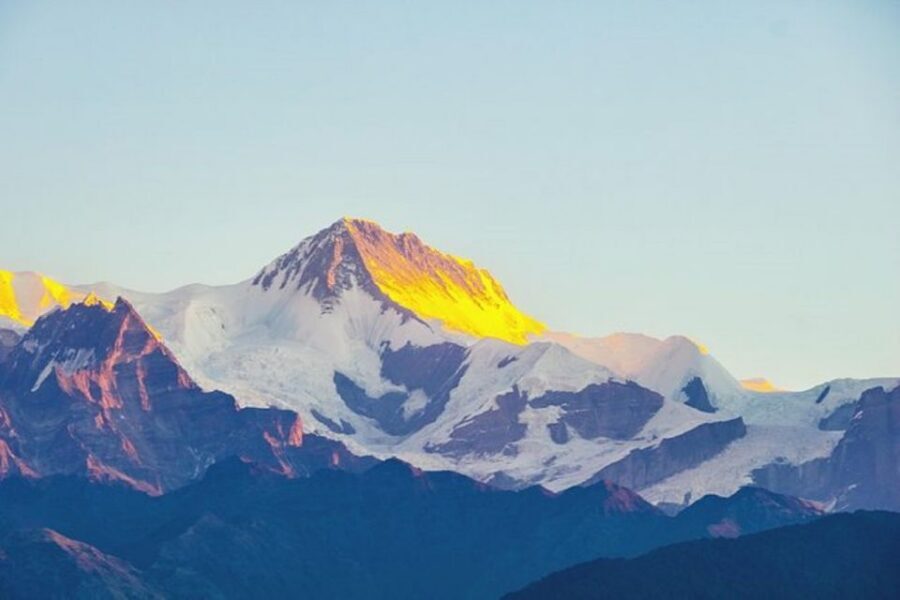
The Australian Base Camp viewpoint puts you in a rare spot: high enough to watch the Pokhara valley fog roll by, but not so high that you need technical climbing. When sunrise arrives, the Annapurna range has that layered look—front ridges, middle peaks, and the big silhouettes getting color one section at a time.
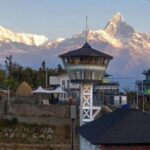
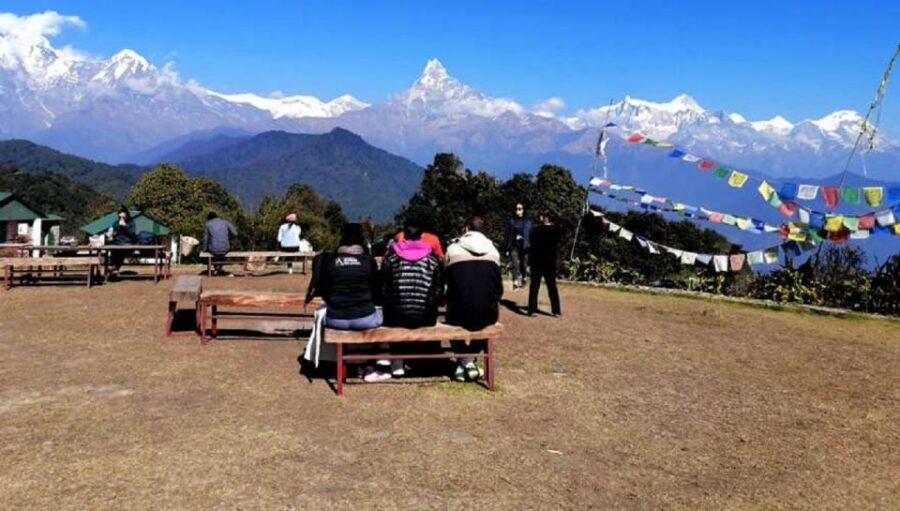
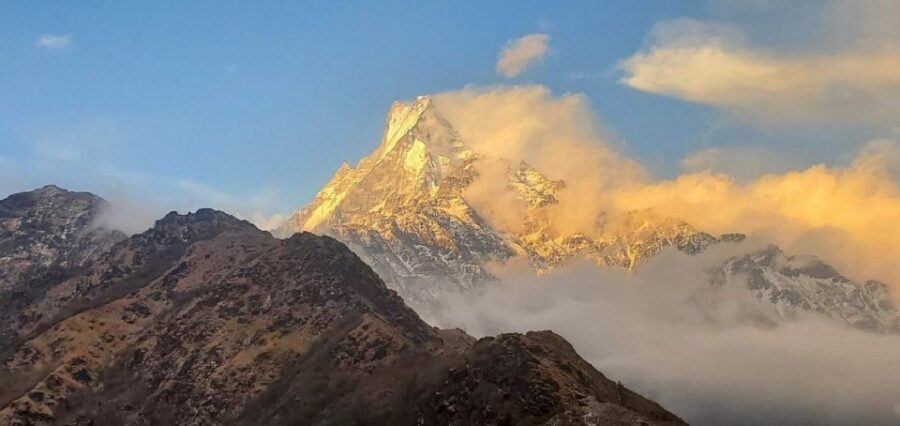
This is also a 360-degree kind of moment. Even if you’re focused on the main sunrise arc, you can turn and see the ridgelines and valleys around you. It’s the sort of viewpoint where the first calm breath is followed quickly by the urge to line up photos—Machhapuchhre (Fishtail) is a big reason why.
Other Australian Camp and Dhampus hikes in Pokhara
The 5-Hour Flow: Pickup, Kande, Camp Sunrise, and Back
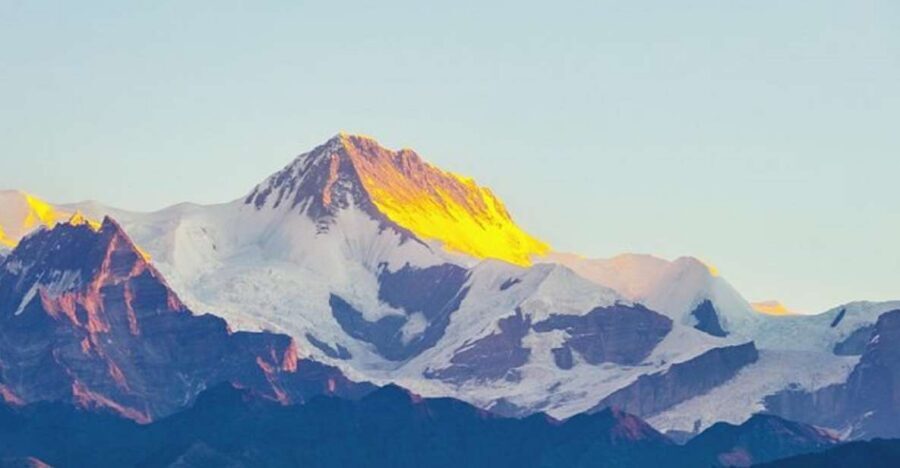
This runs about 5 hours total, with the exact departure time tied to sunrise. You’ll start with hotel pickup in the Lakeside and Sarangkot areas, then ride toward Kande, which takes about 30 to 40 minutes.
Once you arrive at Kande, the day becomes a hike. The uphill portion takes roughly 1 to 1.5 hours depending on your pace, and the descent back down takes about 1 hour. You’ll then return to Pokhara by private vehicle, with drop-off back in the Lakeside area.
The center of gravity is the camp viewpoint window. At Australian Base Camp, you’ll spend time for sunrise, photos, and sightseeing, with a break that can last around 1.5 hours.
Getting Started at Kande: Small Village, Big Morning Energy
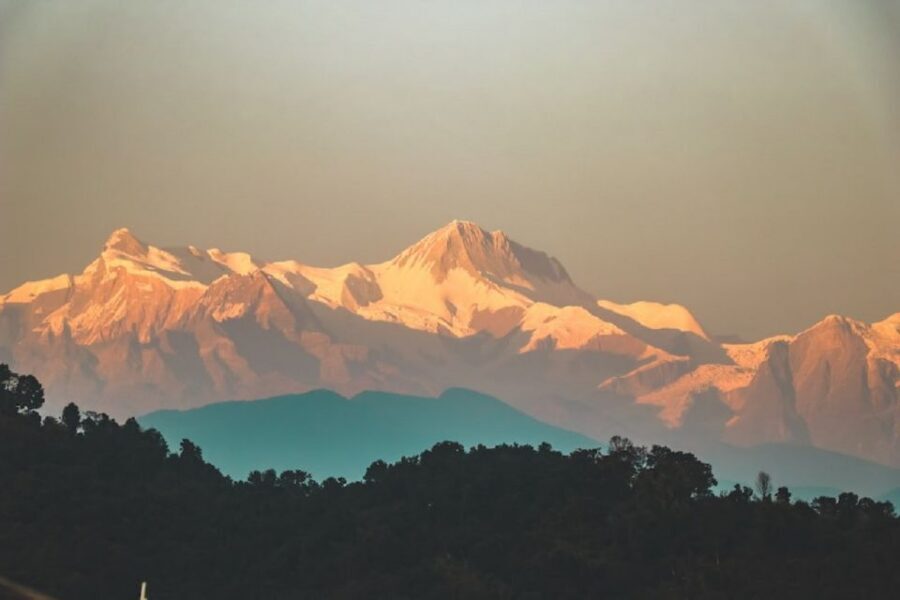
Kande is your starting point, right on the scenic route between Pokhara and the Australian Camp area. You don’t just “arrive”—you transition from car time into foot time, which helps the day feel structured instead of rushed.
If you’re an early bird, this is also a nice psychological start. The morning air and quiet village feel different from the bustle in Pokhara. And because you start early, you might spot wildlife along the ascent, since the route passes through natural areas before the day gets fully awake.
The Hike Up: Forest Trail, Village Pass-Throughs, and a Pace You Can Control
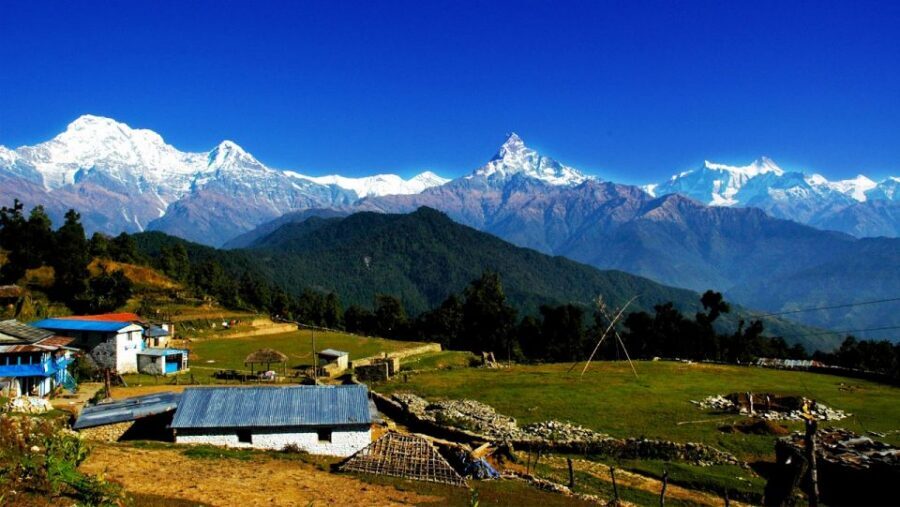
The climb from Kande to Australian Camp is described as relatively moderate. You’re walking uphill for about 1 to 1.5 hours, and that time stretches depending on how often you stop for photos, views, or just catching your breath.
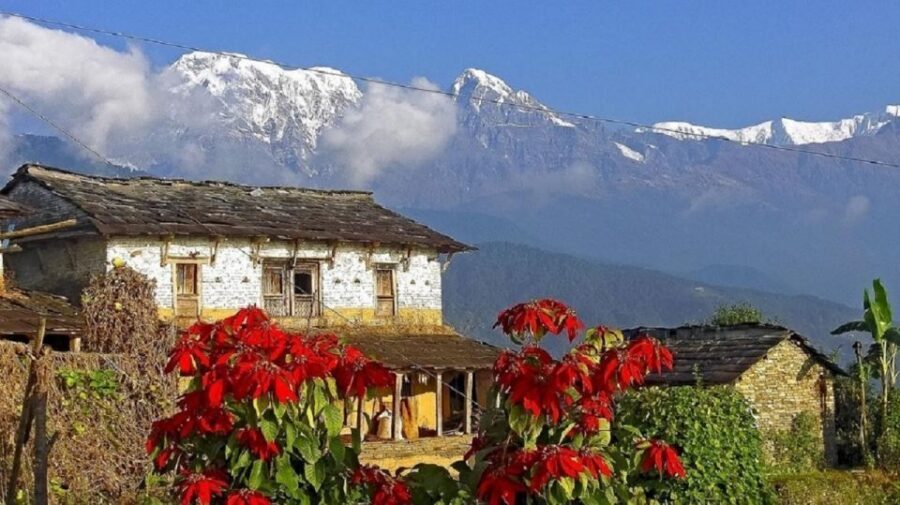
The trail mixes lush forest sections with charming villages and terraced fields. That matters because the hike isn’t just a straight line to a viewpoint—you get small shifts in scenery and a bit of local life along the way. The best part is that you can enjoy the journey without treating it like a race.
Plan your effort like this: steady pace up, frequent small breaks if needed, then a longer pause at the top for sunrise. One guide experience that stands out here is pace-awareness—if you get Moti Thapa, the approach is to anticipate what works for you and stop when it feels right.
Australian Base Camp: Sunrise Over Annapurna South, Machhapuchhre, and Hiunchuli
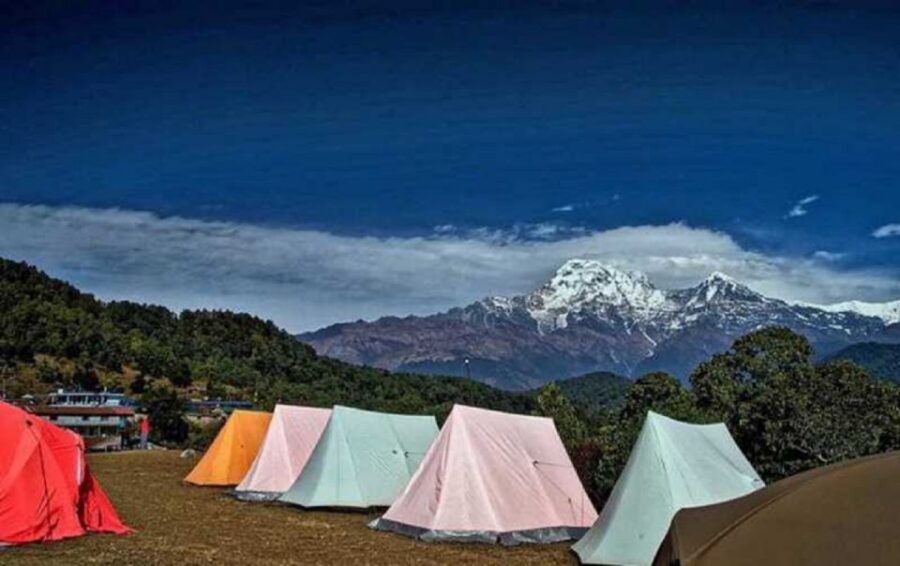
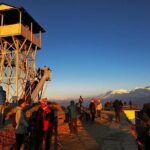
This is the payoff point. Approaching Australian Base Camp, the views start opening quickly, and then the full panoramic scene settles in when you reach the viewpoint.
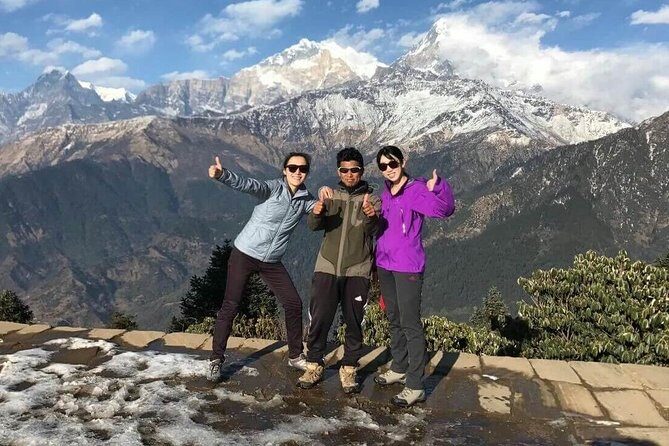
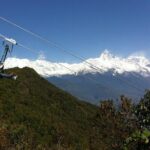
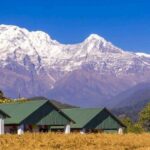
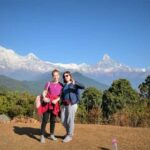
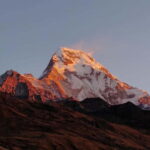
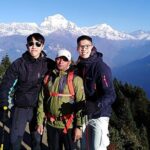
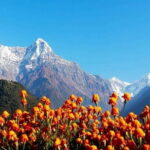
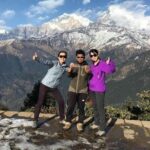
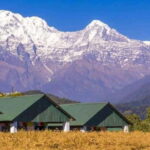
You’re looking toward major faces of the Annapurna region, including Annapurna South, Machhapuchhre (Fishtail), and Hiunchuli. Watching the light travel across peaks is the kind of thing you remember months later—not because it’s flashy, but because it’s calm, slow, and detailed.
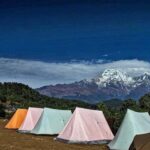
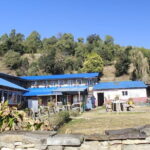
At the camp area, you get time to actually enjoy it. The plan includes a break with photo stops and guided sightseeing, and you’ll also have access to teahouses where you can warm up, refresh, and sit for a bit. This is helpful because sunrise viewing can make your legs feel like they’re moving in slow motion—rest is part of the rhythm.
If you care about photography, pay attention to how your guide helps with positioning. Moti Thapa is specifically praised for knowing the best spots for pictures, and he’s also the type to help you take photos without awkward setup time eating your best light.
Other hiking tours in Pokhara
The Descent: Faster Legs, Same Views, Then Back to Pokhara
After you enjoy the sunrise panorama and spend the allotted time at Australian Base Camp, you hike back down toward Kande. Downhill is generally easier and quicker, and the descent is about 1 hour.
This return phase is where you shift from “peak focus” back to “comfort focus.” You’re still surrounded by the same mountain walls, but the urgency is lower. The ride back to Pokhara finishes the experience, with hotel-area drop-off again around the Lakeside zone.
Guides, Private Group Style, and Why It Matters on Sunrise Hikes
This is a private group experience, which changes the feel of an early hike. You’re not trying to match different walking styles in the dark, and your guide can pace things around the group you’re with.
Your guide is local, professional, and government-certified, and the working language is English, Hindi, or Nepali. That language support is practical on a sunrise hike, because the viewpoint is short and information helps you notice what you’re actually seeing.
One thing that repeatedly comes up in guide quality here is pace management. Moti Thapa is described as anticipating the speed that works for someone and taking breaks when the group needs them. If you want a calmer, more human pace rather than a strict grind, that’s a strong sign.
Another small-but-real advantage: there’s often a helper who can carry a bag for you. That’s not about luxury—it’s about making the final part of the climb and the return feel easier when your arms are otherwise busy with cameras and straps.
Price and Value: What $64 Covers for a Morning with Annapurna Views
At $64 per person, this is positioned as a budget-friendly way to get a top sunrise viewpoint without cobbling together multiple pieces. For the money, you get hotel pickup and drop-off within the Lakeside and Sarangkot areas, plus the private transfers needed to reach Kande and return to Pokhara.
You also get a government-certified English-speaking guide, permits and fees, and a bottle of water per participant. A first aid kit is included too, which is the sort of detail you appreciate more when you’re tired at 3 a.m. than when you’re reading the description at noon.
Lunch and extra drinks are not included, so if you think you’ll want snacks or beverages after the hike, plan to cover those yourself. Still, for a 5-hour guided sunrise outing with transport and permits handled, the value is strong—especially if you’re aiming for the Annapurna range and Machhapuchhre in one shot.
What to Bring (So You Don’t Lose Time at the Door)
You only have one specific requirement listed: bring a passport or ID card. That’s the kind of detail that can be easy to forget when you’re focused on waking up early.
Since lunch and beverages during the trek aren’t included, bring or budget for personal snacks and drinks if you’ll want them. Water is included, so you don’t need to start the hike worrying about basic hydration.
Finally, keep your morning schedule flexible. The departure time depends on sunrise, so you’ll be following the guide’s timing rather than a fixed clock.
Who Should Book This Sunrise Hike (and Who Might Think Twice)
This suits you if you want a big payoff view with a manageable effort level. The hike is described as relatively moderate overall, and the uphill time is short enough to make sunrise feel achievable rather than heroic.
It also fits photographers and anyone who enjoys guides who talk about what you’re seeing. The guide-led approach can help you catch better photo angles and understand the Annapurna region features from the viewpoint.
Think twice if you’re not comfortable with early departures. It’s an early morning start by design, and the hike is described as vigorous by at least one participant—though breaks are allowed and the guide can adapt.
Should You Book This Australian Camp Sunrise Hike?
Yes, if your main priority is a sunrise view of the Annapurna range—especially Machhapuchhre (Fishtail)—with transport, permits, and a guide already organized. The private format helps the hike feel smoother, and the time at Australian Base Camp gives you more than a quick stop.
I’d say go for it if you want more than scenery. A guide who can manage pace, help with photos, and point out things along the way makes sunrise hikes far more satisfying than simply walking uphill in silence.
Book with extra confidence if you’re the type who wants structure. Pickup from the Lakeside/Sarangkot area, a short ride to Kande, a timed window at the top, and an arranged return to Pokhara means you can focus on the only thing that matters: watching the mountains change color.
FAQ
Where is the hike located?
It’s in the Annapurna region near Pokhara, starting from Kande and going to Australian Base Camp in the Pashchimanchal area, Western Region, Nepal.
How long does the experience take?
The total duration is about 5 hours.
What is the difficulty like?
The hike from Kande to Australian Camp is described as relatively moderate in difficulty, with a vigorous feel noted by one participant. You can take breaks as needed.
How long is the uphill hike?
The hike from Kande to Australian Camp takes about 1 to 1.5 hours depending on your pace.
How long is the downhill?
The descent back to Kande takes about 1 hour.
What time do you start?
Morning departure starts very early, and the exact pickup time depends on sunrise.
What kind of views will I see?
You’ll get a sunrise panoramic view of the Annapurna mountain range, including peaks such as Annapurna South, Machhapuchhre (Fishtail), and Hiunchuli. The viewpoint can feel like you’re above the clouds.
Is the group private?
Yes, it’s a private group.
What’s included in the price?
Included are hotel pickup and drop-off within Lakeside and Sarangkot areas, a local English-speaking guide, private vehicle transfers, permits and fees, bottle of water for each participant, government taxes and charges, and a first aid kit.
Is lunch included?
No. Lunch and beverages during the trek are not included.
FAQ
What languages does the guide speak?
The live guide speaks English, Hindi, and Nepali.
Do I need an ID?
Yes. You need a passport or ID card.
Where are the pickup and drop-off locations?
Pickup and drop-off are listed around Lakeside Road, including Lakeside Rd 6, and within Lakeside and Sarangkot areas.
Is free cancellation available?
Cancellation is free up to 24 hours in advance for a full refund.
Can I reserve without paying right away?
Yes. It offers a reserve now & pay later option.