REVIEW · POKHARA
From Pokhara: Guided Tour to Visit 4 Himalayas View Point
Book on GetYourGuide →Operated by Snow Peak Tours and Travels pvt. ltd. · Bookable on GetYourGuide
Four viewpoints can feel like a sprint—this one flows. You get Sarangkot sunrise and Dhampus village with guided photo stops and real context, so the morning is both scenic and well paced. One thing to consider: it’s an 8-hour day, and the roads out to the hills can be bumpy, so the right vehicle helps.
I also like that this is a private group experience with hotel pickup/drop-off in Pokhara and a live English/Hindi guide. The price point feels fair because transportation and commentary are included, but food, drinks, and any entry tickets are not.
In This Review
- Key things I’d circle before you go
- Why this 4-viewpoint day tour from Pokhara makes sense
- Sarangkot sunrise: the timing you actually need
- Dhampus village: Gurung terraces, village lanes, and mountain backdrops
- Pumdikot Hill and the Shiva statue: big peak views with cultural context
- World Peace Pagoda: a quiet stupa stop with meaning
- Price and value: what $93 buys you on a guided 8-hour circuit
- Getting around: when a car feels wrong, and a 4×4 makes sense
- Who this tour is best for
- Should you book this Sarangkot–Dhampus–Pumdikot–World Peace Pagoda tour?
- FAQ
- Where does the tour pick up and drop off in Pokhara?
- How long is the tour?
- What languages are spoken by the guide?
- Is this a private group tour?
- What is included in the price, and what is not?
- Can I cancel or pay later?
Key things I’d circle before you go
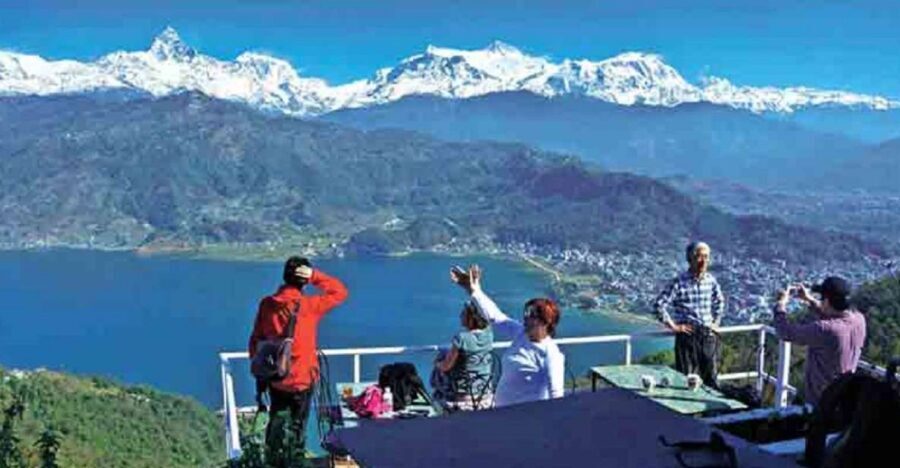
- Sarangkot sunrise, built into the schedule with photo stops and about 1.5 hours for the light and views
- Dhampus walk with local village time including guided touring and free time to explore at your own speed
- Pumdikot Hill includes the Shiva statue stop plus panoramic sightlines toward the Annapurna and Dhaulagiri ranges
- World Peace Pagoda adds a calmer finish with guided context and time for quieter hilltop views
- A guide who plans the stops instead of rushing you from one random spot to another
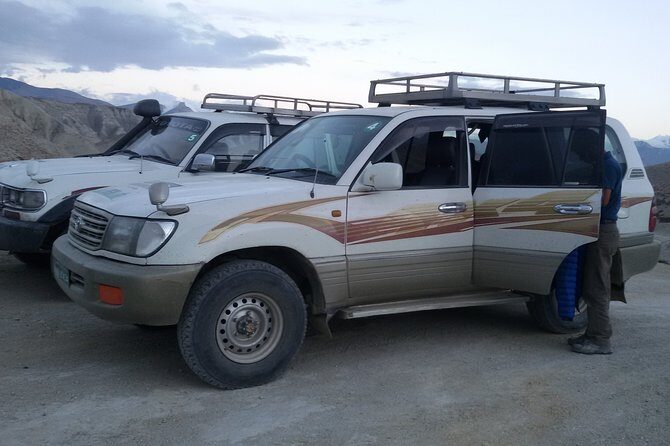
- Vehicle choice matters on this route; a car can feel shaky on rough road sections, while a 4×4 is often the better call
Why this 4-viewpoint day tour from Pokhara makes sense
If you’re basing yourself in Pokhara and want Himalaya views without having to piece together a half-day plan, this tour is practical. It strings together four different viewpoint moods: sunrise big sky, village-life streets, viewpoint + temple landmark, then a peaceful pagoda finish.
The best part is that it’s not just a drive-by. You get scheduled photo stops, guided walking time at Dhampus, and guided stops at both Pumdikot and the World Peace Pagoda. That makes the day feel like a guided story of the area rather than a checklist.
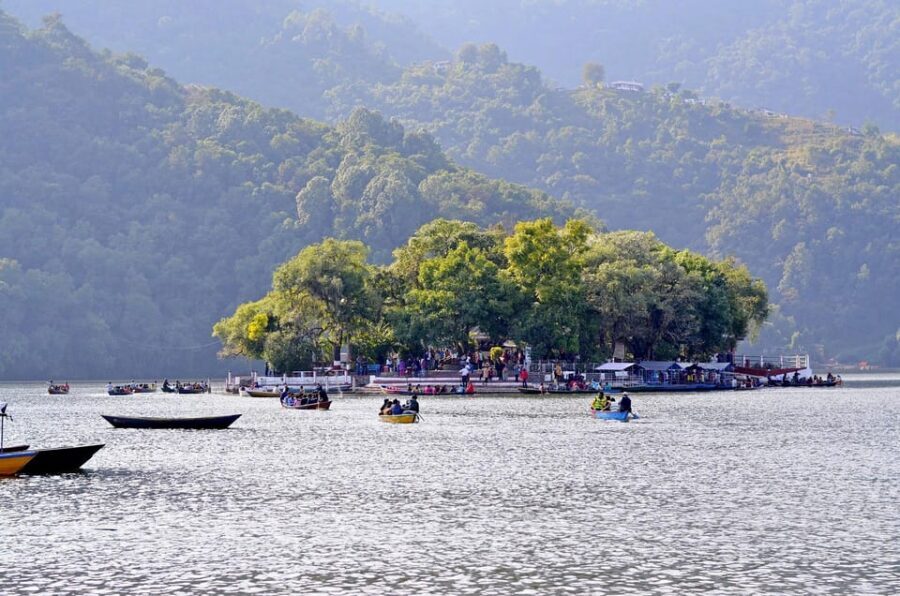
For first-timers, this is also a smart way to get oriented. You’ll see how quickly the scenery shifts from lakeside Pokhara to hill viewpoints, terraces, and religious sites within a short drive.
Other guided tours in Pokhara

Sarangkot sunrise: the timing you actually need
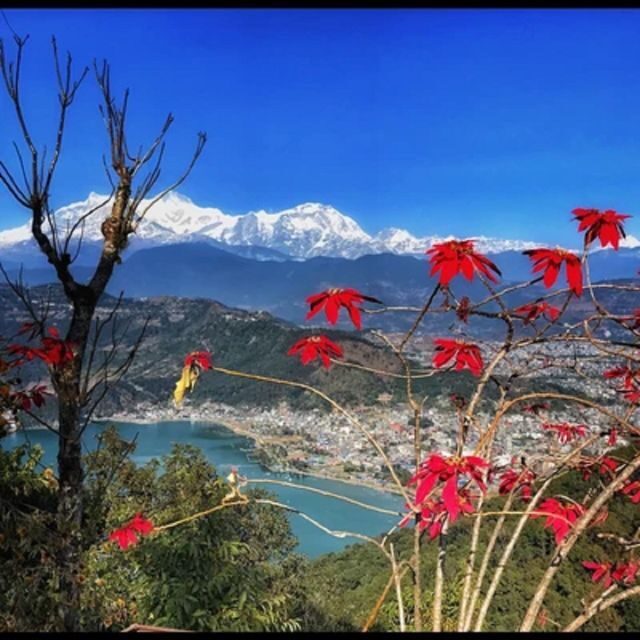
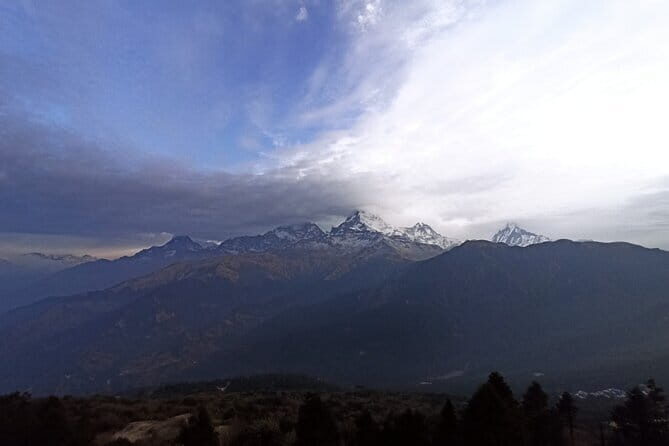
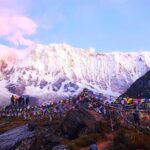
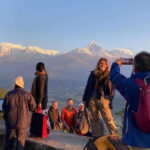
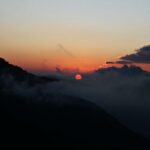
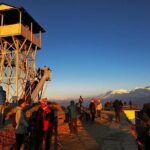
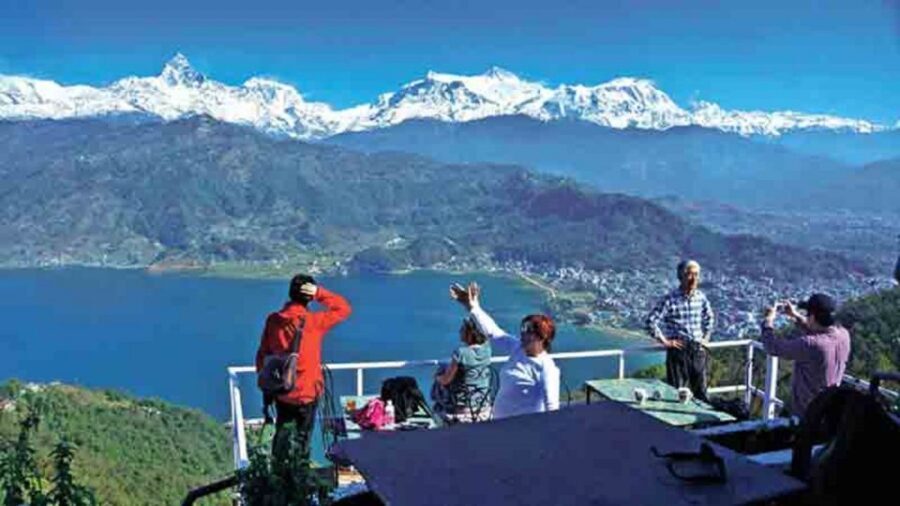
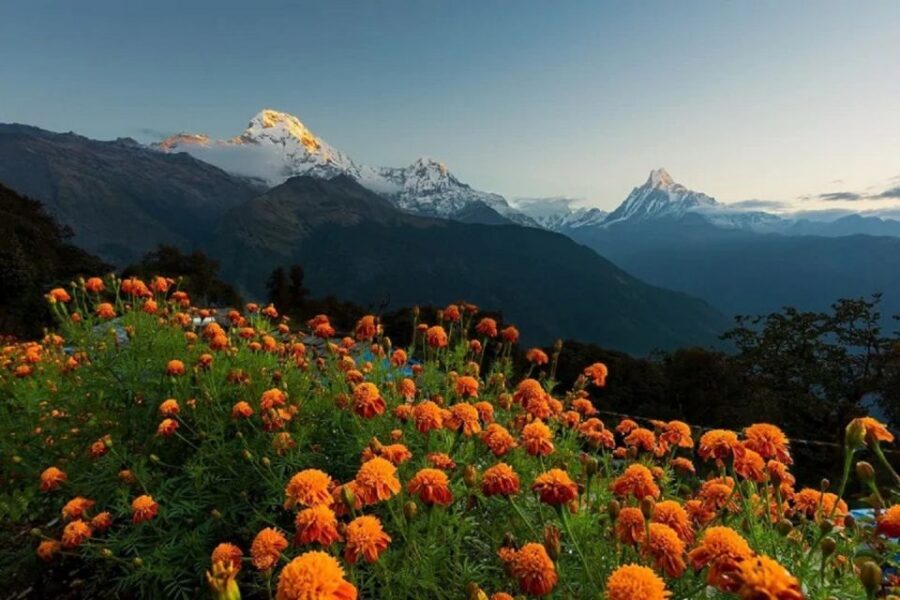
Sarangkot is famous for sunrise, and the schedule here gives you enough time to experience it without stress. You’ll start at Sarangkot with photo stop time, sightseeing, and about 1.5 hours that includes the sunrise moment.
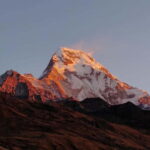
What to expect: the peaks turn from dark silhouettes to lighter tones as the light rises. Even if you’ve seen sunrise photos before, the real thing has a different feeling—more depth and more movement in the colors as clouds and haze shift.
My practical tip: go ready for temperature swings. Early morning in the hills can feel colder than you expect, so bring a warm layer even if daytime in Pokhara is mild. Also, if your phone camera struggles in low light, don’t panic—use a few test shots early, then switch to your more stable settings once the light improves.
The one “watch out” with sunrise viewpoints is weather. The tour can’t control cloud cover, so your best strategy is to arrive early, stay alert for breaks in the sky, and use your allotted time well.
Dhampus village: Gurung terraces, village lanes, and mountain backdrops
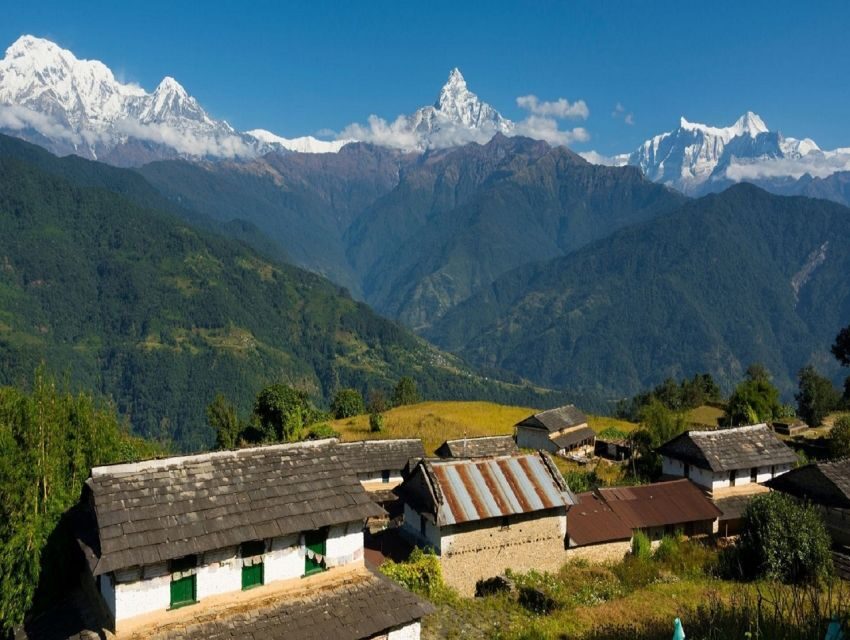
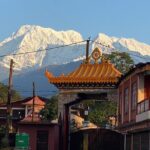
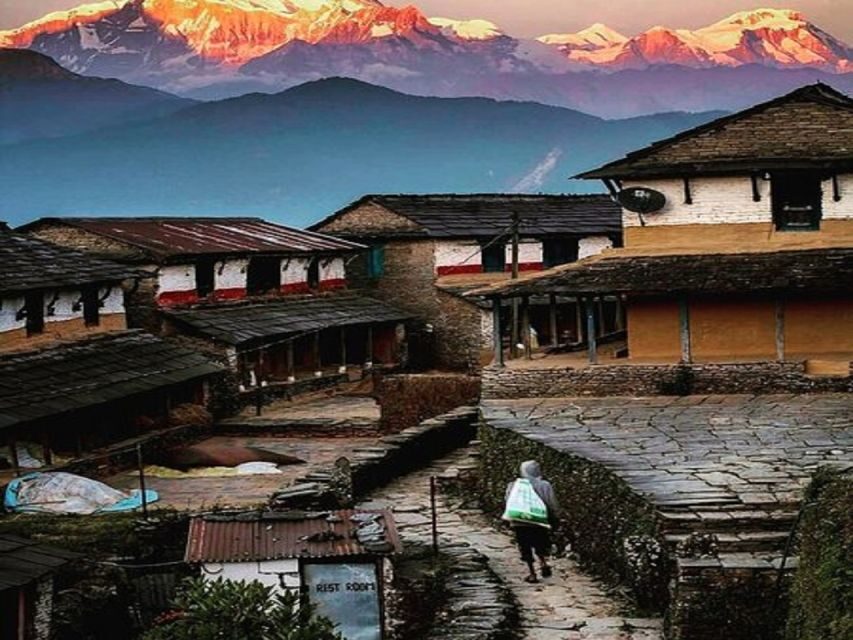
After Sarangkot, the tour moves to Dhampus, a traditional Gurung village set among terraced fields and forested slopes. The schedule includes break time, a photo stop, a guided tour, free time, and a walk, plus scenic views on the way.
This stop works because Dhampus isn’t only about views. You get a chance to slow down and see village life—paths, homes, and daily scenes with mountain scenery as the backdrop. It’s a nice counterbalance after the early start.
What I like about this kind of village stop is that it helps you understand the area. The hills around Pokhara are lived-in, not just photographed. A guided walk can also help you notice details you might otherwise miss, like how the terraces shape the land and how the village layout takes advantage of slope and sightlines.
How to make the most of your free time: dress comfortably for walking, take your time with photos (especially in shaded lanes where light changes), and ask questions if your guide offers them. Even basic explanations about village life can make your photos feel more meaningful later.
Pumdikot Hill and the Shiva statue: big peak views with cultural context
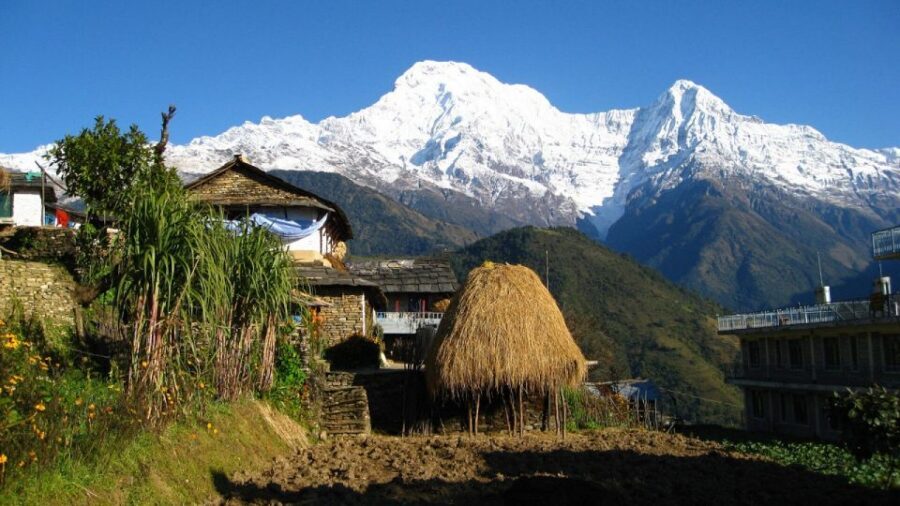
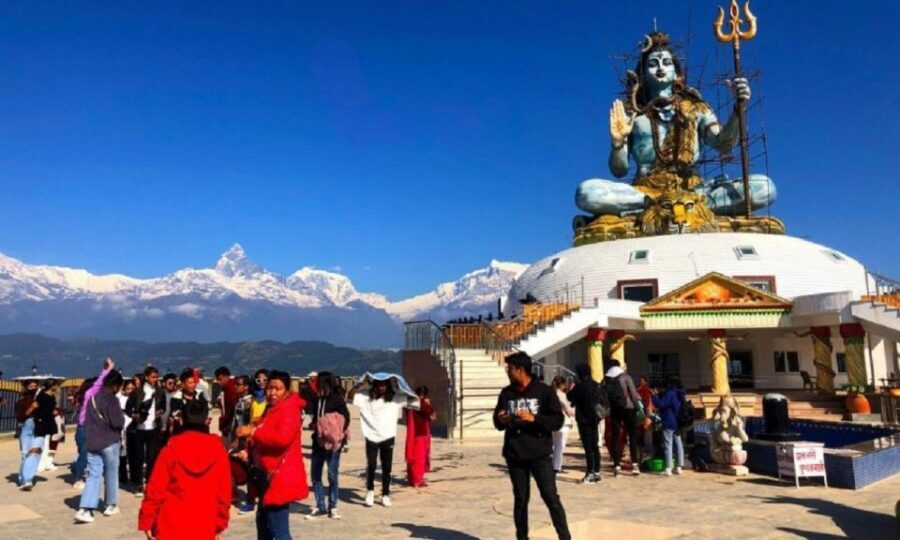
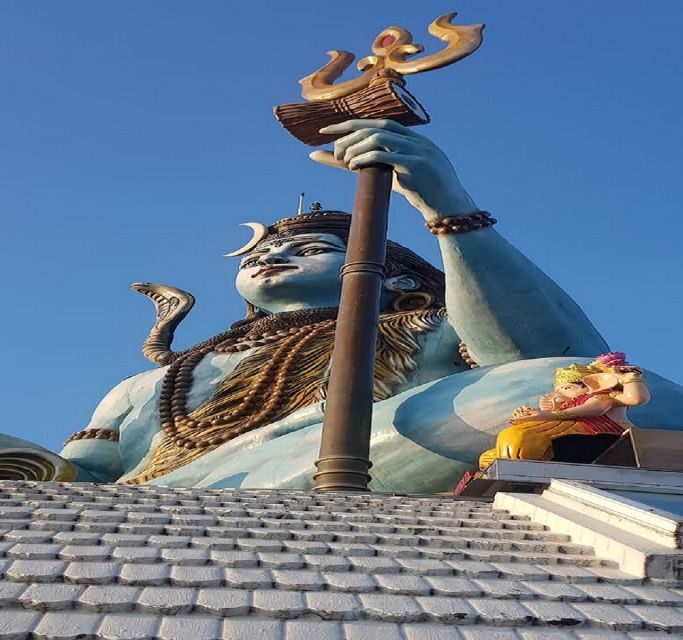
Pumdikot is where the tour adds a strong landmark element to the viewpoint experience. The stop includes a visit to the Shiva statue area, with scenic views, photo opportunities, guided time, and about 1 hour total.
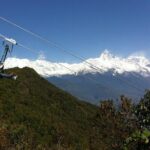
You’ll have panoramic sightlines toward major Himalayan ranges—specifically the Annapurna and Dhaulagiri ranges are called out for this stop. That matters because it links the photo moment to something bigger than just a pretty view: you’re looking in the direction of some of the region’s best-known peaks.
The other key detail here is cultural. You’ll learn about the significance of the largest statue of Hindu god Shiva (as described for this stop). For many visitors, this is the moment when a viewpoint tour stops feeling purely scenic and starts feeling connected to how people interpret the mountains.
A practical note: statues and viewpoints can mean stairs and uneven ground depending on where you pause for photos. Wear shoes you’re comfortable walking in, and keep a steady pace—your best photos often come when you’re not rushing.
World Peace Pagoda: a quiet stupa stop with meaning
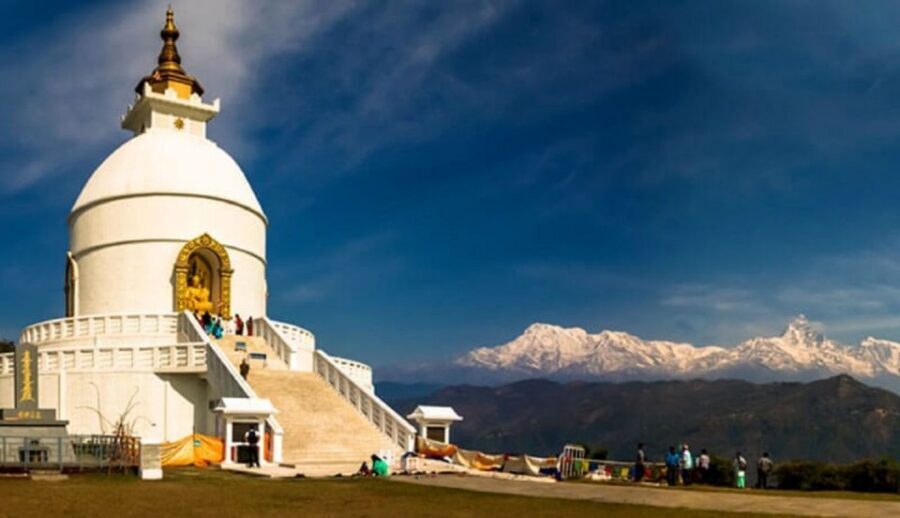
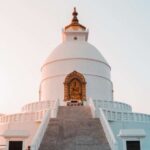
The final major viewpoint is the World Peace Pagoda, described as a serene stupa on the hills. Your tour includes a break time, photo stop, guided tour, and about 1 hour to enjoy the area.
This stop is different from the earlier ones. After sunrise and village walking, the pagoda setting gives you a calmer rhythm—time to breathe, look out over the surroundings, and absorb the spiritual context your guide explains. The tour focuses on the Buddhist pagoda element and the significance of this site in Nepal.
What you’ll likely appreciate most: the mood shift. Sarangkot is about the big sky and the show of morning light. Dhampus is everyday life and slow village movement. Pumdikot mixes views with a major religious landmark. And then the World Peace Pagoda gives you a chance to end without rushing your mind back into motion.
My advice for this last stop: treat it like a reset. Let the noise fade, take fewer photos than you think you need, and focus on one good view plus whatever context the guide shares. Your photos will look better because you’re calmer when you take them.

Price and value: what $93 buys you on a guided 8-hour circuit
At $93 per person, this tour sits in a reasonable range for a full day from Pokhara—especially because it includes hotel pickup and drop-off, transportation throughout the route, and a professional guide with commentary.
Here’s how I’d think about value for your money:
- You’re paying for more than driving. The schedule builds in time for sunrise, walking time in Dhampus, and guided context at Pumdikot and the World Peace Pagoda.
- You’re paying for convenience. Pickup/drop-off in Pokhara saves time and reduces decision fatigue, which is worth a lot on an early morning schedule.
- You’re paying for coordination. The order of stops matters in a day like this, and having someone plan photo timing and walking segments keeps you from wasting time.
What’s not included is also important for budgeting: food and beverages, personal expenses, and any entry tickets to applicable viewpoints/cultural sites. Travel insurance isn’t included either.
If you bring snacks or plan simple meals, you’ll feel the day much more comfortably. And if you’re traveling with camera gear, remember you’ll want to keep your hands free during walks and photo stops, which is easier when you’re not hungry and distracted.
Getting around: when a car feels wrong, and a 4×4 makes sense
One practical consideration stands out: road conditions can be rough on parts of this route. A car may feel unsuitable, and a 4×4 is often the better fit for these hill roads.
You don’t need to panic about this. Just go into the day knowing that:
- The schedule assumes you’ll reach hill viewpoints on time.
- Comfort on bumpy roads matters more than you might think, especially early in the day.
If you’re sensitive to motion or rough driving, pack accordingly. Bring water, and if you get car-sick easily, consider taking precautions before you leave the lakeside.
Who this tour is best for
This is a strong choice if you:
- Want a guided day with four structured viewpoint stops rather than a self-planned route
- Are short on time in Pokhara and want sunrise plus cultural moments
- Prefer someone else handling timing, directions, and explanations
- Like a mix of nature views and religious/cultural context
It might be less ideal if you:
- Hate early mornings (sunrise means you start before the day feels fully awake)
- Want a totally relaxed, slow-paced trip with no walking segments
- Don’t do well on uneven roads or long hill drives
Should you book this Sarangkot–Dhampus–Pumdikot–World Peace Pagoda tour?
I’d book it if you want a well-timed day that balances scenery with meaning, and you like having a guide plan the stops so you don’t waste hours figuring it out. The combination of Sarangkot sunrise, a village walk in Dhampus, major viewpoint time at Pumdikot, and a calmer ending at the World Peace Pagoda makes the day feel like a complete circuit rather than a random collection of photos.
If you’re flexible about timing and you come prepared for early morning cold and hill roads, this private guided day can be a satisfying introduction to the Pokhara region’s high-viewpoint culture.
FAQ
Where does the tour pick up and drop off in Pokhara?
Pickup and drop-off are available at two Pokhara locations: Pokhara International Airport (PIA), Lakeside-6, Pokhara.
How long is the tour?
The tour duration is 8 hours. Starting times can vary, so you’ll need to check availability for the specific start time.
What languages are spoken by the guide?
The live tour guide speaks English and Hindi.
Is this a private group tour?
Yes, it’s listed as a private group.
What is included in the price, and what is not?
Included: hotel pickup and drop-off in Pokhara, a professional guided tour to the viewpoints, guide commentary, transportation, and opportunities for photos and panoramic views. Not included: food and beverages, personal expenses, entry tickets to applicable viewpoints/cultural sites, and travel insurance.
Can I cancel or pay later?
You can cancel up to 24 hours in advance for a full refund. You can also reserve now and pay later, with the option to pay nothing today.