REVIEW · POKHARA
From Pokhara: Budget 2 Night 3 days Poon hill trek
Book on GetYourGuide →Operated by couch adventure nepal (CAN) · Bookable on GetYourGuide
Golden Himalayan dawn is the real payoff. This quick Poon Hill trek is interesting because it gives you a serious mountain moment in just three days, with cozy teahouse stays and warm local hospitality along the way. You’ll get standout panoramas too, including Machhapuchhre (Fishtail), Hiunchuli, Annapurna South, and Dhaulagiri, all without needing camping gear. One consideration: it starts early, and the pre-dawn climb can feel chilly and steep before the sunrise.
I also like the human side of this trek: you’re not just shuffled onto a trail. You get a professional, English-speaking trekking guide, and your trip is run as a private group, which keeps the pace comfortable and the logistics calm. Guides I’ve seen on this kind of route include Prakash, Birendra Thapa, Amrit, Kabindra, Milan, Bikram, and Gobinda/Govinda, and the common thread is practical help plus steady encouragement.
The main drawback to plan for is effort. This is moderate trekking, so you’ll be hiking most days, and weather can shift fast in the mountains. If you’re pregnant, using a wheelchair, or not comfortable with early starts, this route likely won’t be your friend.
In This Review
- Key things to know before you go
- Why this Pokhara-to-Poon-Hill trek works when you only have 3 days
- The full route in plain English (Pokhara → Kilu → Tadapani → Ghorepani → Poon Hill → Ulleri)
- Day 1: Pokhara lakeside pickup, drive to Kilu, and the Ghandruk-to-Tadapani transition
- Day 2: Tadapani to Ghorepani through Deurali Pass, plus early-evening sunrise prep
- Day 3: Pre-dawn Poon Hill hike (3,210m), Machhapuchhre views, then Ulleri steps back to Pokhara
- Teahouses, meals, and the kind of comfort you actually get
- Guides, permits, and what’s included in the $179 price
- Weather, best season, and the reality of cold mornings
- Who should book this Poon Hill trek (and who should skip it)
- Money-smart packing list for Poon Hill comfort
- So, should you book this 2 nights / 3 days Poon Hill trek?
- FAQ
- How long is the Poon Hill trek from Pokhara?
- What are the main trekking days and key places you’ll hike?
- What’s included in the price for $179 per person?
- Is food included during the trek?
- Where does the pickup happen in Pokhara?
- Is this trek suitable for everyone?
Key things to know before you go
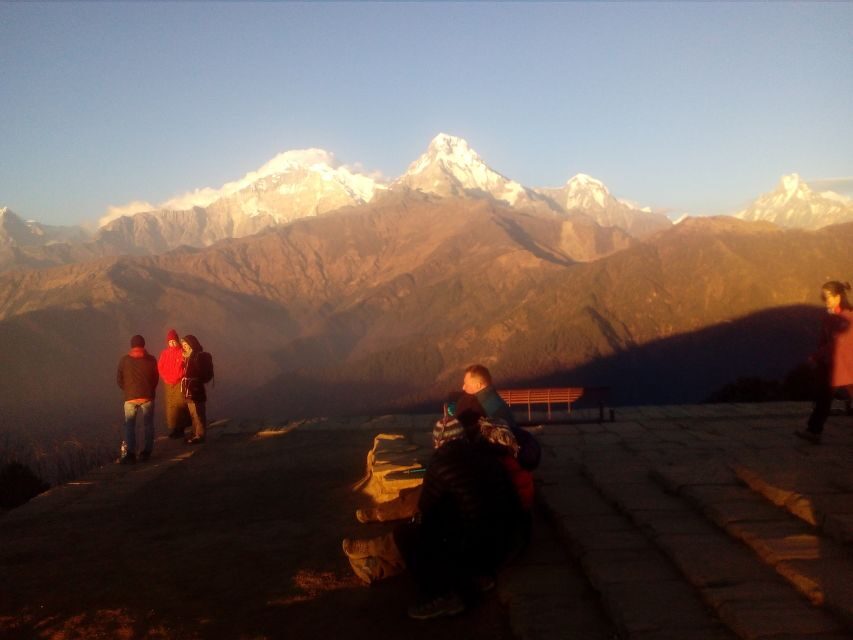
- Poon Hill sunrise from 3,210m is the headline, with views across Annapurna and Dhaulagiri
- Rhododendron forests and village trekking make the hike feel like a journey, not just a slog
- Teahouse nights keep you off camping logistics while still feeling local
- Guides matter here, and many people highlight guides like Prakash and Kabindra for pacing and care
- Value is stronger than it looks since permits, Poon Hill entrance fees, and key transfers are included
- Bring cash and extra layers because food is not included and mornings can be cold
Why this Pokhara-to-Poon-Hill trek works when you only have 3 days
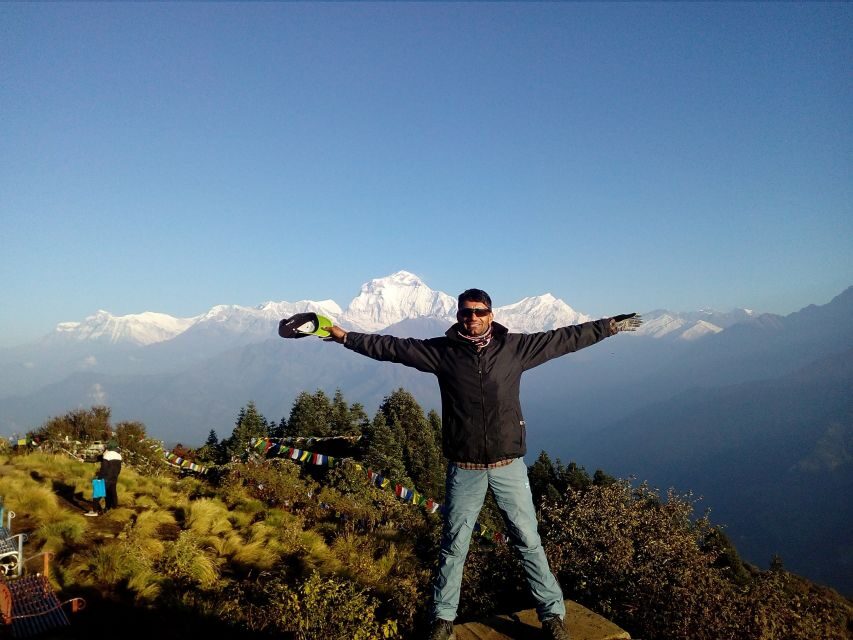
If you want the Annapurna area but you don’t want a long trek, Poon Hill is a smart target. It’s famous for one reason: at sunrise you can look across a wide spread of peaks, with the Annapurna Massif and the Dhaulagiri range in the same view line. That’s rare in the Himalaya, where days often feel like you’re staring at one mountain at a time.
This specific 3-day plan also avoids the most common beginner stress: you’re not trying to figure out transport, permits, and overnight stops while your legs are negotiating with gravity. You start with a drive from Pokhara to Kilu, you sleep in guest houses each night, and you end back in Pokhara via shared jeep or local bus from Ulleri. That flow is the difference between a “hike I survived” and a “trip I remember.”
The other big win is variety. You’ll move from forests (including rhododendron and oak) to ridgelines, then into village life around places like Ghandruk and Ulleri. Even if you’re chasing sunrise photos, you’re still getting human-scale Nepal: terraced fields, small settlements, and local tea house rhythms.
Other Ghorepani and Poon Hill treks in Pokhara
The full route in plain English (Pokhara → Kilu → Tadapani → Ghorepani → Poon Hill → Ulleri)
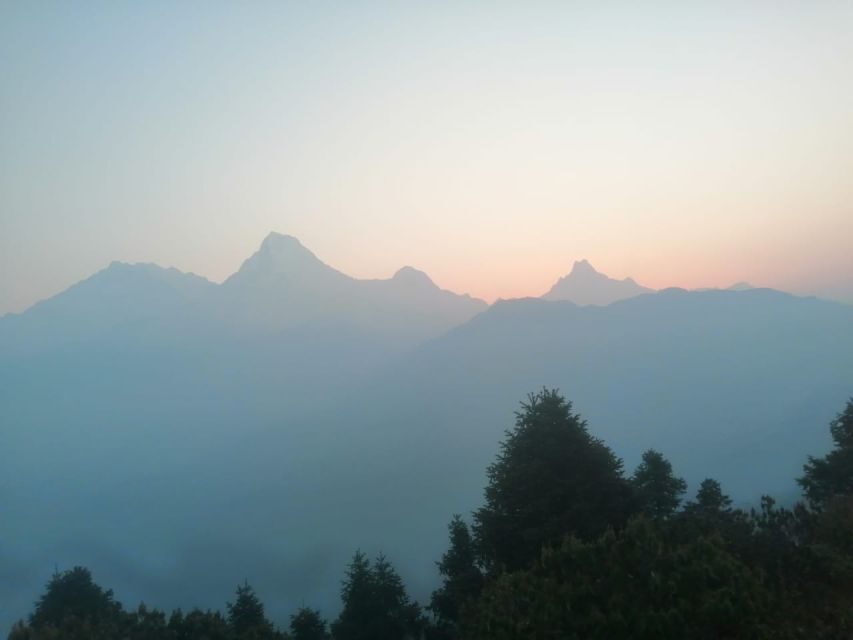
Here’s the skeleton of the itinerary and why it matters:
Day 1: Pokhara to Kilu by private vehicle, then trek to Tadapani
You’ll walk a longer first day (5–6 hours) after the 2–3 hour drive. That’s useful because it sets your pace early and gets you to a higher viewpoint zone by evening.
Day 2: Tadapani to Ghorepani
This is another 5–6 hour trek, with a climb toward Deurali Pass and then a slide down slightly into Ghorepani. That structure helps you build altitude steadily without a dramatic overnight jump.
Day 3: Ghorepani → Poon Hill sunrise → downhill to Ulleri → drive back to Pokhara
The pre-dawn hike up to Poon Hill is short (45 minutes to 1 hour), but it’s uphill. After sunrise, you hike downhill through villages and stone steps, then take a shared jeep or local bus back to Pokhara.
Also, altitude is handled in a way that feels beginner-friendly. You’re generally moving from around 2,630m (Tadapani) to 2,850m (Ghorepani), then up to 3,210m for the sunrise. No glacier travel. No technical terrain described. Just good old uphill and downhill.
Day 1: Pokhara lakeside pickup, drive to Kilu, and the Ghandruk-to-Tadapani transition
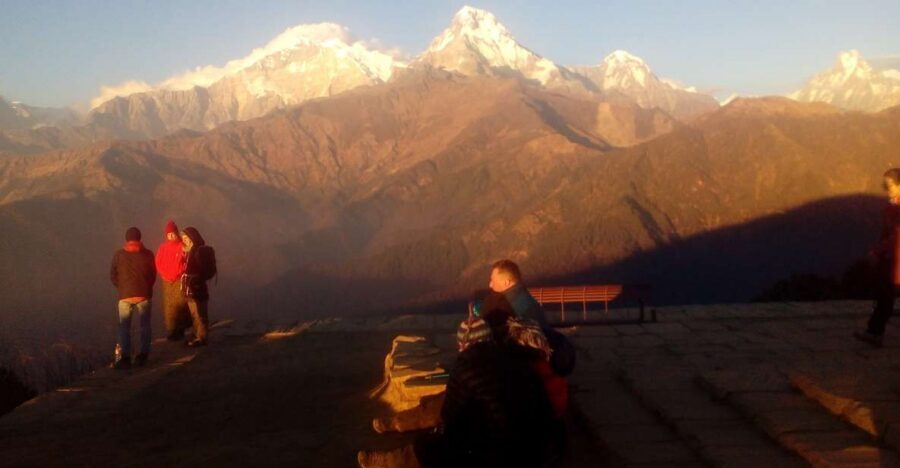
Your day starts with pickup in Pokhara’s lakeside areas. The operator picks you up at your hotel (they’ll use a name card), then drives you about 2–3 hours to Kilu, where the trek begins. This matters because it gets you out of the city quickly while you still have energy.
The drive itself is part of the preview. You’ll pass terraced fields, rivers, and traditional villages, so you get a “this is Nepal beyond the lake” introduction before you even put on your boots.
Then you start trekking. The route goes through lush rhododendron and oak forests, which is a real mood-setter. Forest walking is easier on your eyes and often a bit gentler on your mind than staring at endless ridges. You’ll also pass Ghandruk, one of the well-known Gurung villages in the Annapurna region. Ghandruk is valuable as a stop because it gives you culture and scale—you’re seeing how people live up here, not just hiking between viewpoints.
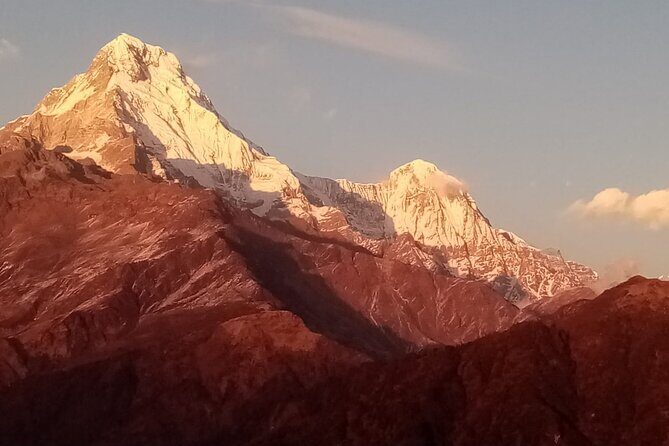
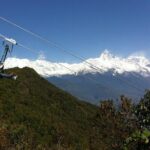
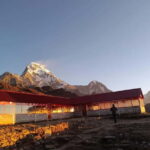
In the afternoon you keep ascending through dense forest. Along the way you can get occasional glimpses of Machhapuchhre (Fishtail) and Annapurna peaks, so you’re not hiking blindly. By evening you reach Tadapani (2,630m), a quieter hilltop village with panoramic views of Annapurna South, Machhapuchhre, and Hiunchuli.
Teahouse check-in is the next step. You’ll eat a warm meal, check in for the night, and rest. You’re not stuck planning dinner or hunting for a place to sleep—this is one of the most practical parts of this trek.
Small drawback: day 1 is a long walking day (5–6 hours). If you’re new to trekking, take your time and lean on your guide’s pacing rather than trying to “keep up.”
Day 2: Tadapani to Ghorepani through Deurali Pass, plus early-evening sunrise prep
Day 2 is all about rhythm. You wake up, get breakfast, and start hiking toward Ghorepani (2,850m). The trek time is again about 5–6 hours, so you’ll want to settle into steady effort rather than sprinting sections that feel flat.
The trail continues through rhododendron forests and across ridges with small settlements. If you trek in spring, this area can be especially pretty because blooming rhododendron flowers can decorate the path. That’s not guaranteed year-round, but the forest type is consistent, and it helps break up the day visually.
You’ll pass Deurali Pass during the ascent. Pass crossings matter because they tend to concentrate wind and expose you to temperature changes. If the weather turns, your layers and your wind protection matter more than you think.
Later, you descend slightly into Ghorepani. Ghorepani is where the sunrise plans get real. You check into a teahouse, then you rest and eat early, because the classic move on day 3 is the pre-dawn hike to Poon Hill. This structure is smart: you’re not exhausted while trying to decide what to do next. You already know your plan.
One practical note from experience on similar routes: Ghorepani evenings can feel long because you’re waiting for the next morning’s big show. Use that time to hydrate, eat enough dinner to help your legs, and get your layers ready.
Day 3: Pre-dawn Poon Hill hike (3,210m), Machhapuchhre views, then Ulleri steps back to Pokhara
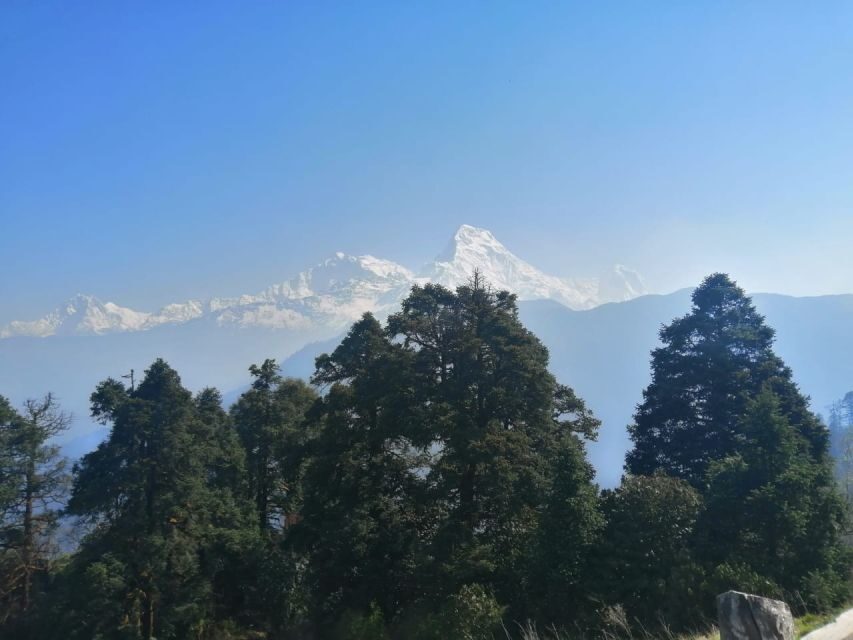
This is the payoff day.
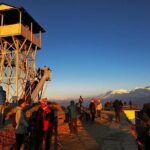
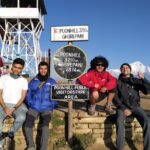
You start the pre-dawn hike from Ghorepani to Poon Hill (3,210m), which takes about 45 minutes to 1 hour. It’s short, but it’s uphill. The goal isn’t speed. The goal is getting your body warm enough to enjoy the moment without feeling wiped out.
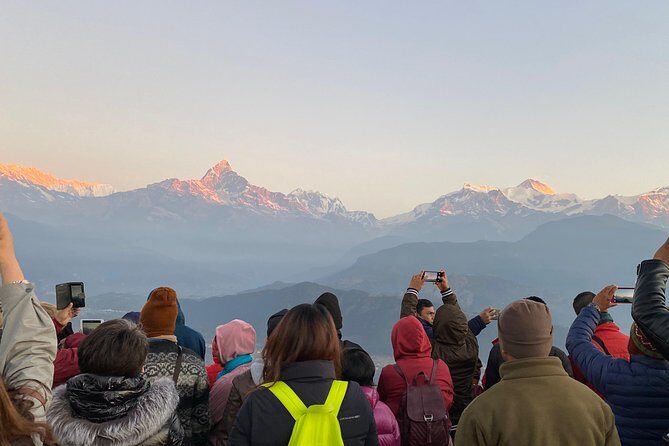
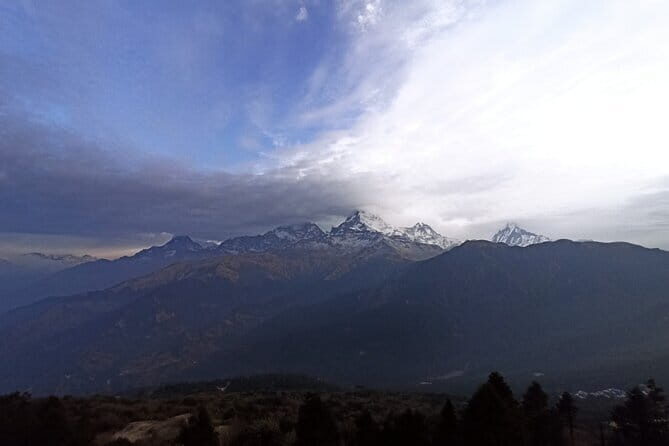
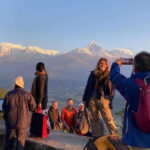
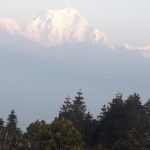
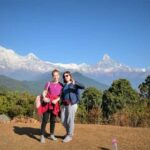
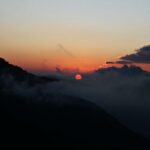
Once you arrive, you wait for sunrise over the Annapurna and Dhaulagiri ranges. This is where you’ll get the panoramic spread that makes Poon Hill worth the effort: Annapurna South, Hiunchuli, Machhapuchhre (Fishtail), and Dhaulagiri are specifically called out on this trek. When the sky changes color, it’s not just the mountains that feel alive—you’ll notice the light shift across ridgelines and valleys.
After sunrise, you head back downhill to Ghorepani for breakfast. Then the rest of day 3 is a descent through villages, including stops near Nangethanti and Banthanti before reaching Ulleri.
Ulleri is a traditional Magar village with stone-paved steps, which can be charming and also a little unforgiving on knees if you rush. If your legs are feeling it, slow down on the downhills. This is also where your guide’s role is useful, because they can keep you moving at a pace that matches how you’re actually feeling, not how you planned to feel.
Finally, you take a shared jeep or local bus from Ulleri back to Pokhara, arriving by late afternoon. If you’re thinking about energy for the drive: good news. You’re already mostly finished with the hard part.
Other evening experiences in Pokhara

Teahouses, meals, and the kind of comfort you actually get
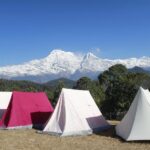
On this trek, the accommodation is in guest houses/teahouses, and that’s a key part of what makes the route beginner-friendly. You get a place to sleep each night without carrying a tent, and you can usually count on a hot meal and a warm indoor space after hiking.
What’s not included is food and drinks. That means you’re making small purchases along the way. The upside is flexibility. The downside is you need a modest budget for meals during the trek.
From the field, you’ll want to bring cash. Multiple guides and trekkers emphasize the practicality of carrying cash for tea house meals. Also bring warm clothing even if Pokhara feels mild, because mountain mornings can bite.
If you’re trying to pack less: focus on layers rather than heavy single items. You want to be able to adjust quickly, especially during pre-dawn starts and after sunrise.
Guides, permits, and what’s included in the $179 price
This trek is priced at $179 per person. For a 3-day/2-night experience in the Annapurna area, that price is doing more work than it might look at first glance because it bundles key items that often add up separately:
Included highlights:
- English-speaking trekking guide (experience and care are repeatedly emphasized in guide feedback)
- Trekking permit and official documents
- Guest house accommodation during the trek
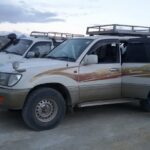
- Pokhara to Kilu transfer by private vehicle
- Ulleri to Pokhara transfer by shared jeep or bus
- Private tour with a private group setup
- Emergency first aid kit with the guide
- Entrance fees at Poon Hill
- Hotel pickup and drop-off in Pokhara’s lakeside areas
So what are you really paying for? Not just walking. You’re paying for the structure: transport to the trail, permits handled properly, and the “where do we sleep tonight” problem removed. You’re also paying for a guide who can help with pacing, village navigation, and accommodation coordination.
Guide names that show up in this route’s feedback include Prakash (helpful and deeply connected with nature), Birendra Thapa (kind and attentive), Amrit (comfortable pace and accommodation communication), Kabindra (attentive and safety-focused), Milan (professional), Bikram (encouraging and steady), and Gobinda/Govinda (motivating and positive). Even with different personalities, the pattern is clear: guides keep the trek running smoothly and help you enjoy it.
Weather, best season, and the reality of cold mornings
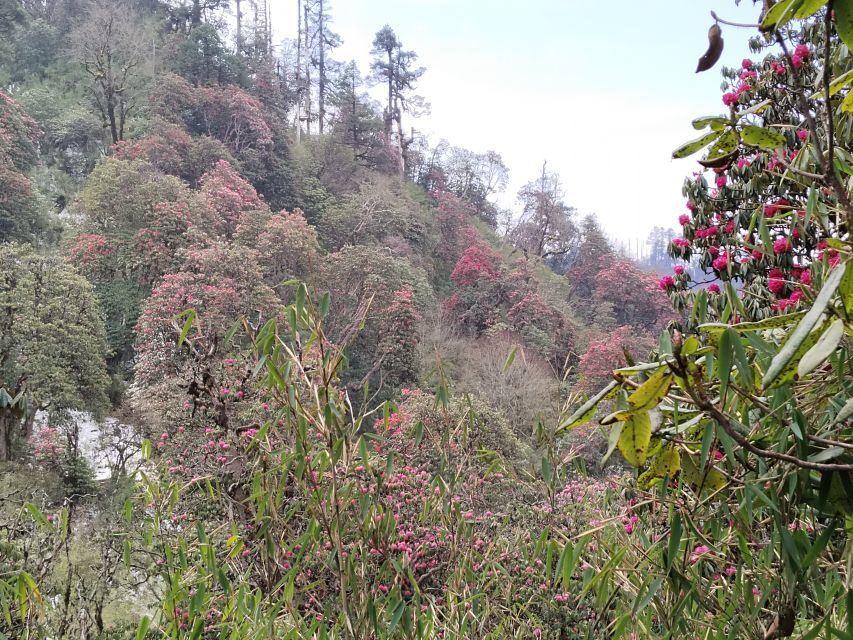
You can trek Poon Hill throughout the year, but the best windows are spring (March to May) and autumn (September to November). Those seasons tend to offer more stable weather and clearer mountain views.
That said, weather in the mountains can be unpredictable. On day 3 in particular, you want your sunrise plan to be flexible in your mind. If clouds roll in, you’ll still hike beautiful trails and reach the viewpoint—but your photos might be different than you imagined.
If you’re traveling in rainier conditions, be extra honest about footing and layers. Trekking on rainy days can be riskier, and it can also reduce visibility. You’ll still have an amazing experience if your attitude is right and you’re prepared.
Who should book this Poon Hill trek (and who should skip it)
This trek fits people who want a moderate walking route with big rewards, especially if you’re a beginner, short on time, or traveling with family. The daily hikes are long enough to feel like trekking, but not described as technical.
You should also consider it if you value:
- A guide-run plan with documents and permits handled
- Teahouse comfort instead of camping
- Sunrise as a central moment of the trip
Skip it (or choose a different route) if:
- You’re pregnant (not suitable)
- You need wheelchair accessibility (not suitable)
- You’re traveling with pets (not allowed)
- You’re not comfortable with early starts and cold mornings
Money-smart packing list for Poon Hill comfort
The info you’re given is simple and it works:
- Passport or ID card (for permits/official documents)
- Warm clothing (especially for pre-dawn)
- Comfortable shoes (you’ll do many hours of walking and downhill steps)
- Cash (food/drinks are not included, and tea house purchases are part of the trek)
If you want one extra tip that repeatedly saves people: bring extra layers for the sunrise window and cold return walks.
So, should you book this 2 nights / 3 days Poon Hill trek?
If you want the Annapurna sunrise experience without committing to a week of trekking, I think this is a strong choice. The value looks good because key pieces are included: permits, guide, teahouse nights, entrance fees, and the main transfers from Pokhara and back. You also get the kind of guidance that makes the difference between feeling stressed on the trail and feeling supported.
Book it if:
- You want a beginner-friendly, moderate trek
- You care about comfort (teahouses) and clear mountain payoff (Poon Hill)
- You prefer a private group setup with an English-speaking guide
Wait or reconsider if:
- Early pre-dawn hiking and cold mornings are a dealbreaker
- You need accessibility options that this route can’t provide
- You prefer full board meals (food and drinks aren’t included)
If your plan includes spring or autumn, you’ll likely get the clearest mountain views. And if the weather isn’t perfect, the route still delivers a genuine trekking day with rhododendron forest walking and village scenery plus a viewpoint experience you’ll remember.
FAQ
How long is the Poon Hill trek from Pokhara?
It’s a 3-day trek with 2 nights in guest houses/teahouses.
What are the main trekking days and key places you’ll hike?
Day 1 is from Kilu to Tadapani. Day 2 is from Tadapani to Ghorepani (via Deurali Pass). Day 3 includes a sunrise hike to Poon Hill, then trekking downhill to Ulleri before returning to Pokhara.
What’s included in the price for $179 per person?
Included are hotel pickup and drop-off in lakeside Pokhara areas, a professional English-speaking trekking guide, trekking permits and official documents, guest house accommodation, Pokhara to Kilu private vehicle transfer, Ulleri to Pokhara shared jeep or bus transfer, a private tour, an emergency first aid kit with the guide, and Poon Hill entrance fees.
Is food included during the trek?
No. Food and drinks are available for purchase along the way.
Where does the pickup happen in Pokhara?
Pickup is included from your hotel in the lakeside areas of Pokhara (they use a name card).
Is this trek suitable for everyone?
It’s not suitable for pregnant women or wheelchair users. Pets are also not allowed.