REVIEW · POKHARA
Pokhara: 4-Day Ghorepani, Poonhill & Ghandruk Mountain Trek
Book on GetYourGuide →Operated by Snow Peak Tours and Travels pvt. ltd. · Bookable on GetYourGuide
Sunrise over Nepal feels close enough to touch. This short trek packs in that classic Himalaya moment, plus easy-to-manage days through forests and villages, with Annapurna and Dhaulagiri views acting like a backdrop most of the way. I also like that it’s built for real people time: early starts when it counts, then hours of walking that feel doable.
Poon Hill sunrise is the headline, but Ghandruk village life is the part that lingers after the photos. You’ll get both big-mountain drama and genuine village rhythm in just four days.
One consideration: you’ll be up early on purpose, and the cold nights in the tea houses can catch you off guard if you only pack summer layers.
In This Review
- Key points to know before you go
- Pokhara to Ghorepani in 4 days: why this route works
- Poon Hill sunrise: the main event you plan around
- Day 1: Nayapul to Ulleri and the Magar welcome
- Day 2: rhododendron forests, Nangethati lunch, and the road to Ghorepani
- Day 3: Poon Hill at dawn, then the descent into Ghandruk
- Day 4: Ghandruk down to Nayapool and back to Pokhara
- Tea houses and food: what simple lodging really means
- Guides: the real difference isn’t the route, it’s the human pacing
- Fitness and weather: how to pack so you’re comfortable at night
- Price and value: what $181 per person is really buying
- Should you book this Pokhara to Poon Hill and Ghandruk trek?
- FAQ
- FAQ
- What’s the pickup area for this trek?
- What days and type of trek does this cover?
- How long are the walking days?
- Is a guide included?
- Are meals included?
- What kind of accommodation will I have?
- Are permits and fees included?
- Do I need travel insurance?
- Do I need to submit passport details before the trek?
- Is a porter available, and how much does it cost?
- What should I bring for the trek?
Key points to know before you go
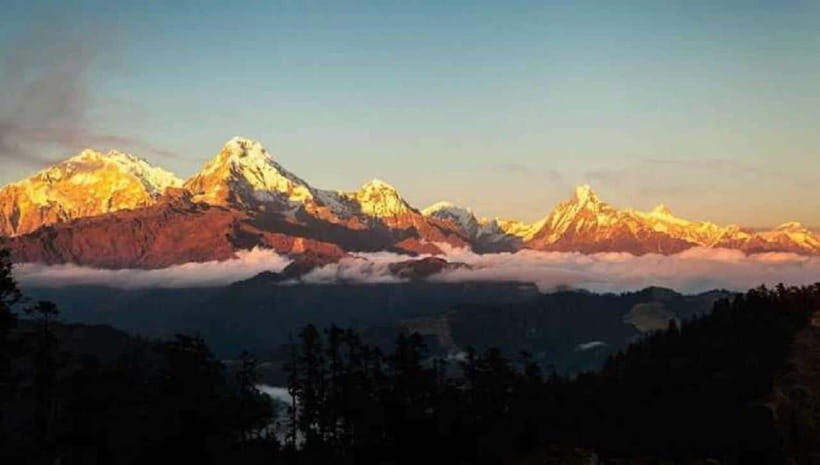
- Poon Hill at dawn (about 3,210 m): the main reason most people choose this route.
- Rhododendron forest walks: color in the trail, plus a decent chance of wildlife sightings.
- Ghandruk’s Gurung culture: you’ll slow down and feel village traditions up close.
- Tea house logistics done for you: lodging, meals, permits, and guide planning reduce stress.
- Private group feel: more pace control with a certified guide in English, Hindi, or Nepali.
Pokhara to Ghorepani in 4 days: why this route works
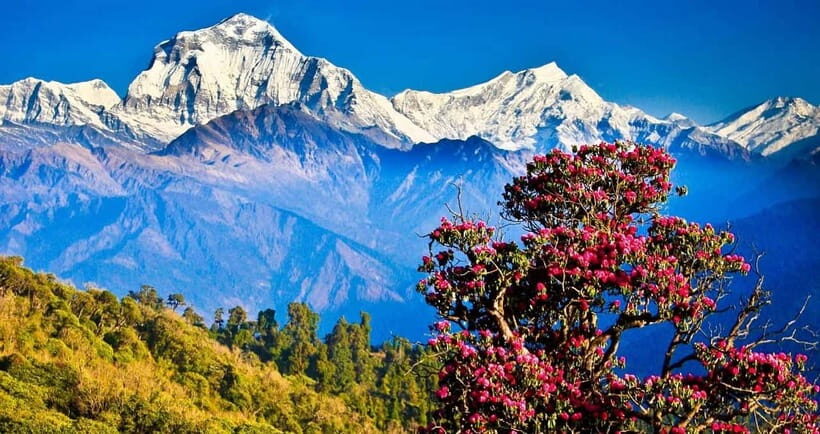
This trek is a smart choice if you want a true Himalayan hiking feel without committing to a longer trek. Day hikes are long enough to matter, but the route stays in the “short trek” zone where you can still enjoy the journey instead of just grinding miles.
The Pokhara base also helps. You’re starting from a comfortable city, and you end back near Pokhara with an actual vehicle transfer, not a surprise multi-day scramble.
Other Ghorepani and Poon Hill treks in Pokhara
Poon Hill sunrise: the main event you plan around
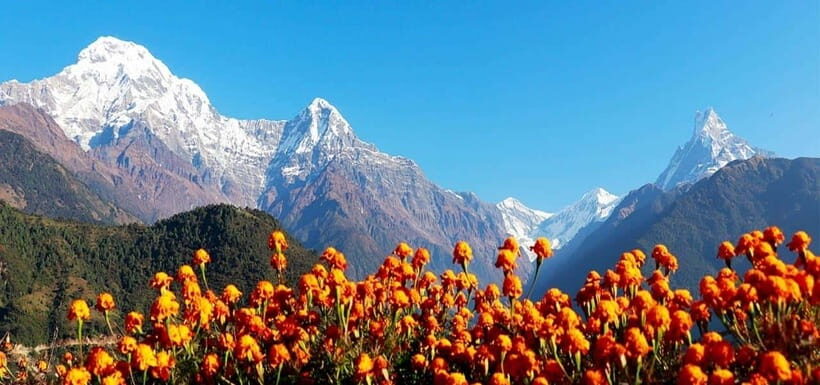
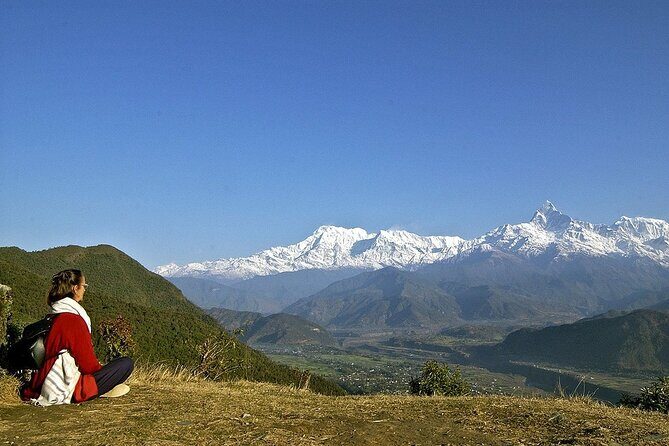
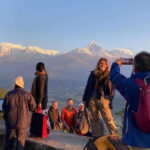
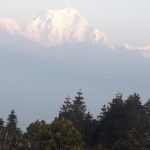
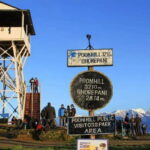
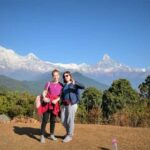
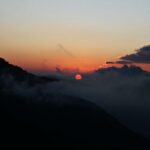
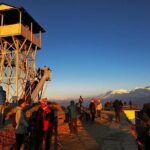
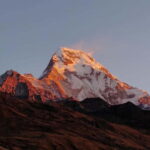
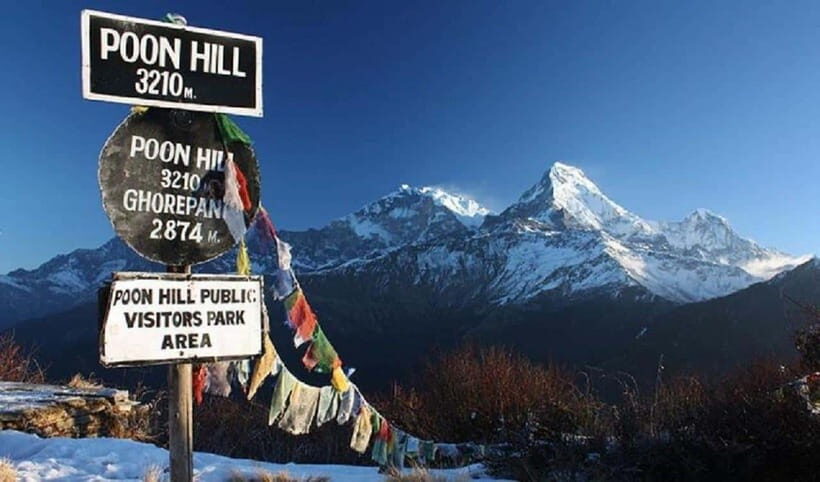
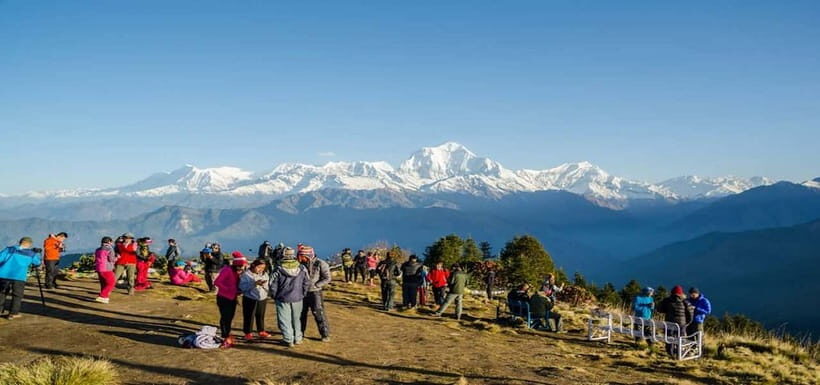
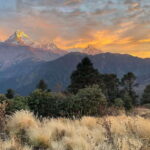
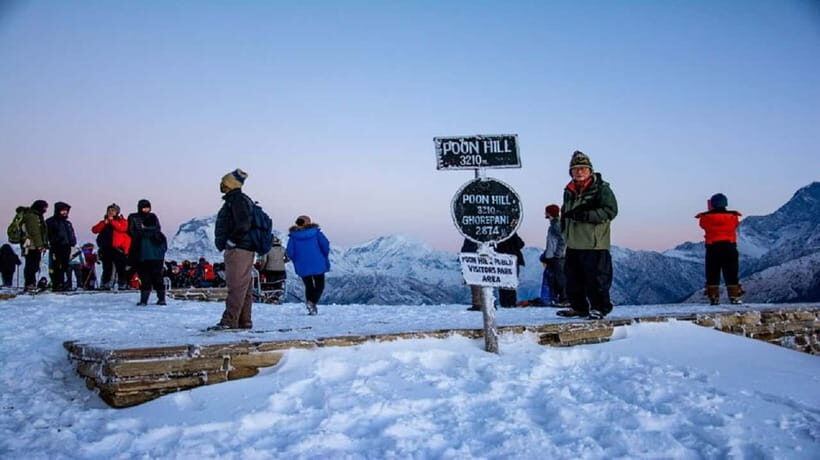
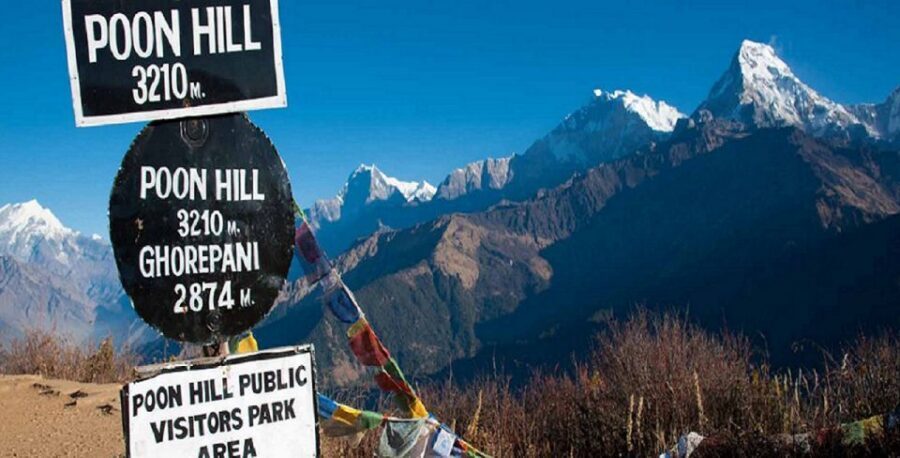
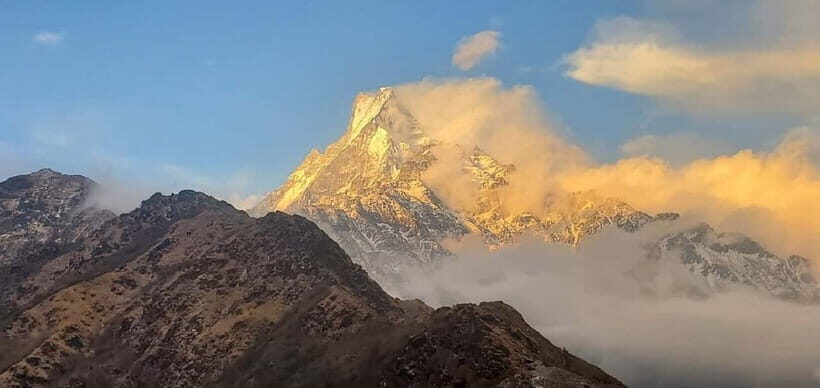
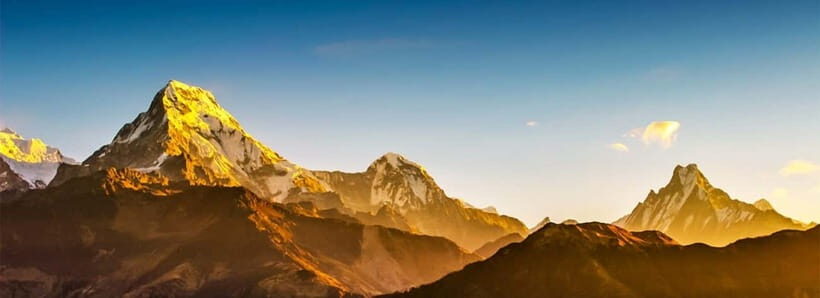
Poon Hill is famous for a reason: you wake up in the dark, climb briefly, and watch the peaks light up. On clear mornings, the Annapurna and Dhaulagiri ranges can turn into a golden panorama that feels unreal for something you can reach in a few days.
From the reviews and the way guides run the morning, the practical trick is timing and patience. You’ll want to be at the viewpoint early enough to settle in, and you’ll likely wait a bit while the sky does its thing. If you’re the type who needs to “see it now,” this is a good test of relaxing for ten more minutes.
Bring layers for the morning. Even when the day warms up later, dawn at altitude can be sharp enough to make you grateful for a warm hat and gloves.
Day 1: Nayapul to Ulleri and the Magar welcome
Your day begins with a drive out from Pokhara to Nayapool, followed by a steady trek toward Ulleri. The walking time is roughly 5–6 hours, which is long enough to warm up your legs, but not so long that you’re destroyed before dinner.
Along the way, you pass through communities tied to local culture, including the Magar settlements. Ulleri is one of those places where you’ll see the guesthouse life up close and settle into a routine: tea, a meal, and sleep that comes fast when you’ve walked all day.
A small but important win here is the pacing. Guides keep the day manageable, and many past trekkers called out that the guide helped them keep going even if they weren’t super fit when they started.
Day 2: rhododendron forests, Nangethati lunch, and the road to Ghorepani
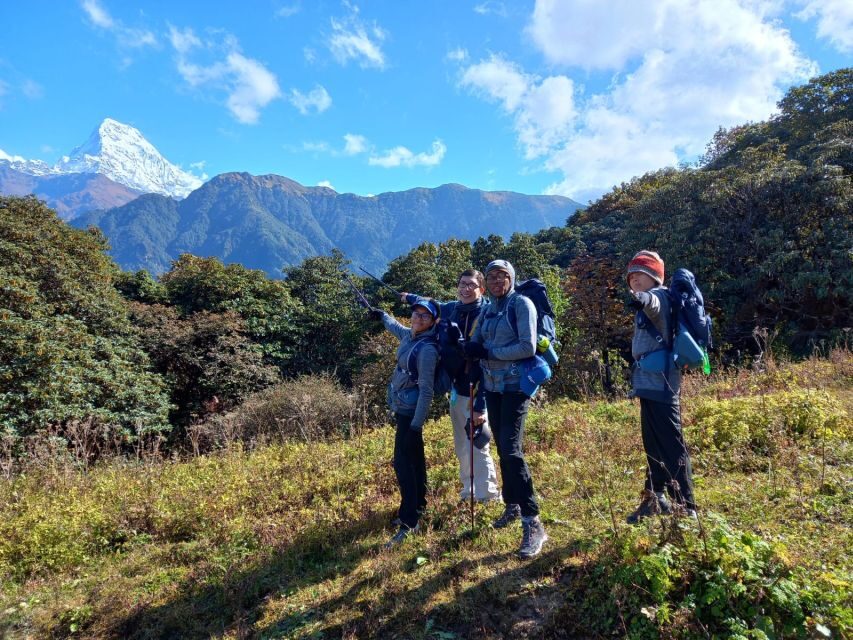
Day two shifts into a greener, more forested feel. You’ll walk about 4–5 hours toward Ghorepani, and rhododendron forests can make the trail look different every hour.
There’s a practical rhythm here: morning breakfast, then a stretch of uphill and switchbacks, then a lunch stop around Nangethati before you continue on. This matters because it breaks the day into segments you can mentally handle.
Wildlife is possible on this route, especially in the forest sections. Past groups described spotting things like monkeys, and the program specifically positions the trail as a place where you might encounter Himalayan fauna. Don’t count on it, but keep your eyes up between viewpoints and tea stops.
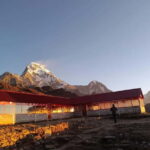
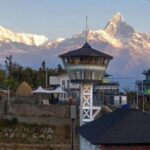
Ghorepani is where you’ll feel the “basecamp for sunrise” vibe. It’s a working hiking town—busy in the small-scale way that teahouses are busy—so you’re not alone in your excitement, even if you’re tired.
Day 3: Poon Hill at dawn, then the descent into Ghandruk
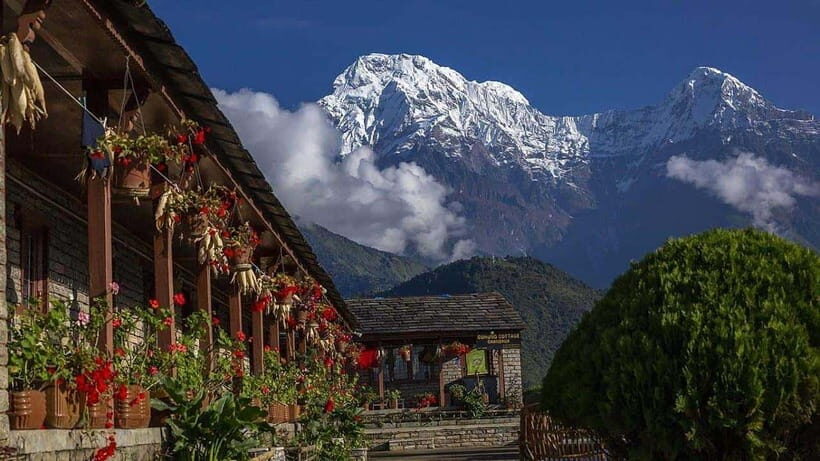
Day three is the day people remember most—not because it’s dramatic the whole time, but because it gives you two different moods.
First comes sunrise at Poon Hill. After the viewpoint moment, you go back for breakfast and then keep walking toward Ghandruk. This part of the trek adds quieter stretches, including a stop area like Tadapani where you can take in the calm and eat lunch before continuing.
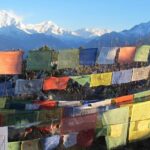
Then you arrive in Ghandruk, a village known for Gurung culture. This is where the trek stops feeling like a corridor and starts feeling like a place. You’ll spend the remainder of the day in the village, which gives you time to experience daily life instead of checking in and rushing out.
In plain terms: this is the “people part” of the trek. Even if your main goal is the mountains, the cultural time in Ghandruk is what makes the photos feel connected to real life.
Other Ghandruk village treks in Pokhara

Day 4: Ghandruk down to Nayapool and back to Pokhara
Your final day is a descent back toward Nayapool, followed by a drive to Pokhara. The walking time for the downhill segment is about 4 hours, which usually feels easier than the earlier uphill days, though your knees may still have opinions.
You’ll have time to eat breakfast in Ghandruk before you head out. Then it’s the familiar end-of-trek pattern: walk, reach the meeting point, and switch back into vehicle mode with the city waiting nearby.
This is a big part of the value of this 4-day setup. You don’t end the trek with uncertainty. You end it with transport and the chance to sleep in a proper bed again.
Tea houses and food: what simple lodging really means
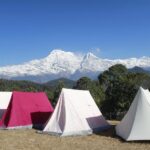
You’ll sleep in simple tea houses or lodges along the route. “Simple” here isn’t a warning label—it’s a description of the deal. Expect shared common areas, basic rooms, and a lot of comfort coming from hot meals and warm layers more than from luxury facilities.
Meals are included as part of the package depending on the option you choose, and most of the value is that you don’t have to negotiate food stops mid-hike. You’ll also have a first aid kit provided and gear support like trekking sticks and sleeping bags as needed.
One thing I really like about this setup is that it keeps you focused on walking and enjoying your time. When the planning is handled, you can spend your brainpower on weather timing and water, not on figuring out what to eat in a mountain town.
Guides: the real difference isn’t the route, it’s the human pacing
This trek lives and dies by the guide. A certified trekking guide means your pace is managed, your stops make sense, and your questions get answered without you having to guess.
Names that show up in past bookings include Jeet Bhadur Nepali, Chandra, Santosh, Bala, and Purushottam. While you may not get the exact same person, the pattern matters: guides are described as supportive, upbeat, and tuned into different fitness levels.
What you gain isn’t just facts about the mountains. You gain smoother timing—especially for sunrise day—and better choices on where to eat and when to rest. Several past trekkers also mentioned the guide keeping the group together without steamrolling slower walkers, which is a huge deal on a short trek where every hour feels precious.
Fitness and weather: how to pack so you’re comfortable at night
This trek can be challenging for some people, mainly because altitude and steep sections add up. The walking hours listed each day are a good guide for expectations, but your comfort will depend on your fitness, trekking shoes, and how you handle cold nights.
Temperatures are typically cold after sunset. Many trekkers pointed out that blankets and covers in lodges can be enough for comfortable sleep if you come prepared, but it helps to bring a warm layer system and a sun hat too.
For your pack, the essentials are clearly stated:
- Passport or ID card
- Warm clothing
- Sun hat
- Camera
- Hiking shoes
- Comfortable clothes
- Travel insurance
- Sleeping bag
- Cash
If you forget something small, you can often buy basics in trekking areas, but your best bet is to show up ready. In the hills, your comfort is built from small decisions.
Price and value: what $181 per person is really buying
At $181 per person for a 4-day trek, the value is mostly in coordination. You’re not just paying for walking time—you’re paying for permits and fees handled, transportation between Pokhara and the trek start points, and a guide who takes care of meals and lodging planning.
Included items that make the price feel more fair:
- Round-trip transportation between your Pokhara lodging and the trek start point
- Meals throughout the trek (depending on your selected option)
- Accommodation in simple tea houses or lodges
- Certified trekking guide
- Permits and fees
- Luggage storage facilities in Pokhara
- First aid kit
- Trekking sticks and sleeping bags as needed
What isn’t included is equally important for your budget. Travel insurance is mandatory for safety, personal expenses like snacks and beverages are on you, and emergency rescue services aren’t included. If you want a porter, it’s an extra $20 per day.
My practical take: if you’d otherwise have to figure out permits, transport, route timing, and lodge bookings yourself, this package is a strong time-saver. If you already love organizing everything solo and you can handle cold-night lodging with zero support, you might compare costs—but for most people, the bundled planning is what makes $181 feel reasonable.
Should you book this Pokhara to Poon Hill and Ghandruk trek?
I’d book it if you want a short trek with a clear payoff: Poon Hill sunrise, rhododendron forest walking, and a real village stop in Ghandruk for Gurung culture. It also suits you if you like having a guide who helps with pacing and keeps the days moving without stress.
I’d think twice if you’re not comfortable with early starts and cold nights, or if your fitness level is low and you’re worried about steep sections. In that case, you can still do it, but go in with honest expectations and pack warm gear.
If you can handle a few long walking days and you’re excited by sunrise views, this 4-day route is one of the best “Nepal in a hurry” options that still feels genuinely Himalayan.
FAQ
FAQ
What’s the pickup area for this trek?
Pickup is included from Pokhara hotel locations in the Lakeside area, the Sarangkot area, and from Pokhara International Airport (PIA).
What days and type of trek does this cover?
It’s a 4-day trek that includes walking from the Pokhara area toward Ulleri and Ghorepani, a sunrise trip to Poon Hill, and a stop at Ghandruk, then a return to Nayapool and back to Pokhara.
How long are the walking days?
Based on the schedule: Day 1 is about 5–6 hours of trekking; Day 2 is about 4–5 hours; Day 4 includes about 4 hours of trekking during the descent. Day 3 includes a sunrise morning and then continued trekking to Ghandruk.
Is a guide included?
Yes. You get a certified trekking guide, and the guide can speak English, Hindi, and Nepali.
Are meals included?
Meals are included throughout the trek depending on the option you select.
What kind of accommodation will I have?
You’ll stay in simple tea houses or lodges along the route.
Are permits and fees included?
Yes, all required permits and fees are included.
Do I need travel insurance?
Travel insurance is mandatory for your safety and peace of mind.
Do I need to submit passport details before the trek?
Yes. You should submit a copy of your passport at least one day prior to the trek so permits can be obtained.
Is a porter available, and how much does it cost?
A porter is available if needed. The cost is listed as $20 per day.
What should I bring for the trek?
Bring an ID or passport, warm clothing, a sun hat, hiking shoes, comfortable clothes, camera (optional), travel insurance, a sleeping bag, and cash.