REVIEW · POKHARA
Full-Day Tibetan Cultural Tour to Tibetan Settlements Pokhara
Book on Viator →Operated by The Tibetan Encounter Day Tours P. Ltd · Bookable on Viator
Tibetan monasteries near Pokhara feel strangely close. This full-day Tibetan cultural tour brings you into Tibetan settlements around Pokhara with a local guide, Mr. Thupten Gyatso, and plenty of room for real questions. I especially liked the personal guidance from a Tibetan community insider and the home-style Tibetan food stop, both of which make the day feel less like sightseeing and more like understanding people. One possible drawback: if you want a tight, balanced focus on the current situation in Tibet itself, you may find the conversation leans more toward life in exile than that specific topic.
You’ll spend about 8 hours on the move, in a small group (up to 15), with hotel transfers within Pokhara, lunch, afternoon tea, snacks, and bottled water included. You’ll also visit multiple monasteries and monasteries-in-village settings, so the spiritual side of Tibetan Buddhism is front and center, not an afterthought.
In This Review
- Key Points I’d Plan Around
- A Tibetan Culture Day You Can Actually Talk Through
- Price and Logistics: What $85 Covers (and Why It’s Fair)
- Start Time 9:00 AM: How the Day Moves
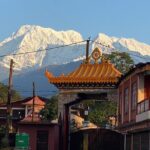
- Stop 1: Shree Gaden Dhargay Ling Monastery
- Stop 2: Tashi Ling Tibetan Village and the Reality of Exile
- Stop 3: Pema Ts’al Sakya Monastic Institute
- Stop 4: Jangchub Choeling Tibetan Monastery and Afternoon Prayer Chanting
- Stop 5: Tashi Palkhel Settlement Home Visit and Tibetan Food
- The Best Part: A Guide Who Can Answer the “Why” Questions
- Who This Tour Is Best For (and Who Might Skip It)
- What I Think You Should Bring
- Should You Book the Tibetan Cultural Tour to Tibetan Settlements in Pokhara?
- FAQ
- How long is the Tibetan Cultural Tour in Pokhara?
- Is hotel pickup and drop-off included, and is it only within Pokhara?
- What’s included in the price?
- Can I get vegetarian or gluten-free food?
- What group size is this tour?
- Is free cancellation available?
- What isn’t included?
Key Points I’d Plan Around
- Small group (max 15) means easier conversation with your guide, not just a crowd shuffle.
- Local Tibetan guide, Mr. Thupten Gyatso, offers day-to-day context on Tibetan culture and life in Nepal.
- Multiple monastery stops, including an afternoon prayer/chants session with instruments.
- Village walk + school and community focus, not just temple photos.
- A Tibetan family home food experience, where you learn what you’re eating and why it matters.
A Tibetan Culture Day You Can Actually Talk Through
Pokhara has plenty of big-name attractions, but this is the kind of day trip that changes how you see the region. You’re not just walking through religious sites; you’re meeting the people and rhythms that keep Tibetan culture alive in Nepal.
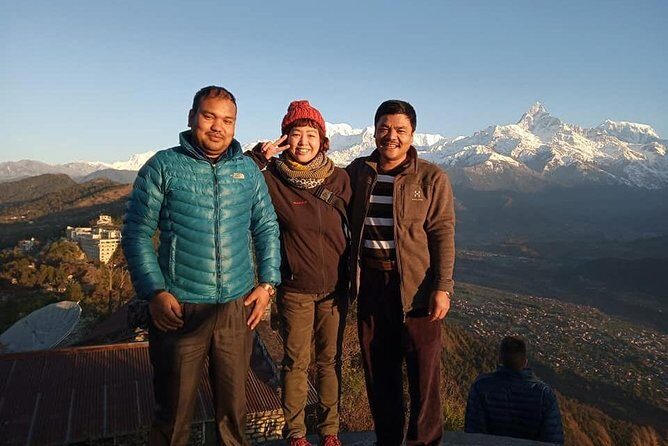
The heart of the experience is your guide. Mr. Thupten Gyatso is from the community, and the tone of the day reflects that: questions are welcomed, and cultural details come with context—religion, daily practice, and the refugee experience that shapes community life.
Other Tibetan settlement and cultural tours in Pokhara
Price and Logistics: What $85 Covers (and Why It’s Fair)
At $85 per person for roughly 8 hours, this tour can feel like a good deal because the big expenses are handled for you. You get hotel pickup and drop-off within Pokhara, plus lunch, snacks, and afternoon tea/coffee or tea. Bottled water is included too, which sounds small until you’re halfway through a long day outside.
Another value point: the stops are built around free admissions for the sites you visit. That doesn’t mean the experience is “free”—it means you’re paying for guiding, access, and time. With a maximum group size of 15 and group discounts available, the day is designed so your guide can keep the flow human-sized.
Two practical notes for your comfort:
- Wear shoes you can walk in. The day includes a village walk, not just short temple stops.
- Plan for a packed schedule of short visits. You’ll see a lot, but it’s a rhythm, not a relaxed stroll.
Start Time 9:00 AM: How the Day Moves
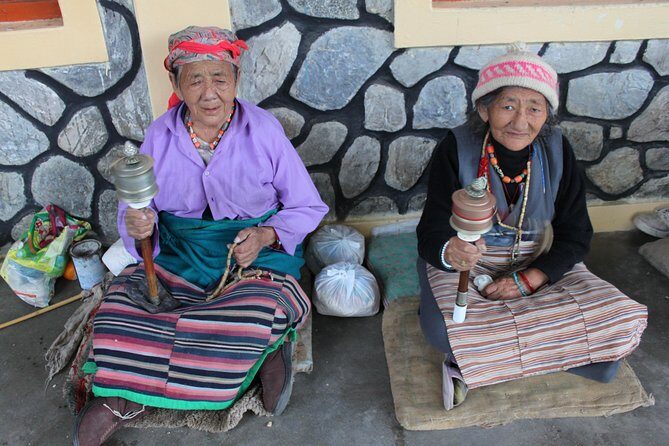
The tour begins at 9:00 am. That’s early enough to feel productive, but late enough that you’re not fighting morning rush before your day even starts.
Expect a steady series of stops—monastery, settlement, monastery, settlement—so you get both religious practice and community life. The “small-group” part matters here because the guide can adjust the pace when people have questions, especially around culture, religion, and everyday Tibetan life in Nepal.
Also, you’ll have a vegetarian option available if you request it when booking. Gluten-free food is supported too, which is a genuine relief on food-focused days.
Stop 1: Shree Gaden Dhargay Ling Monastery
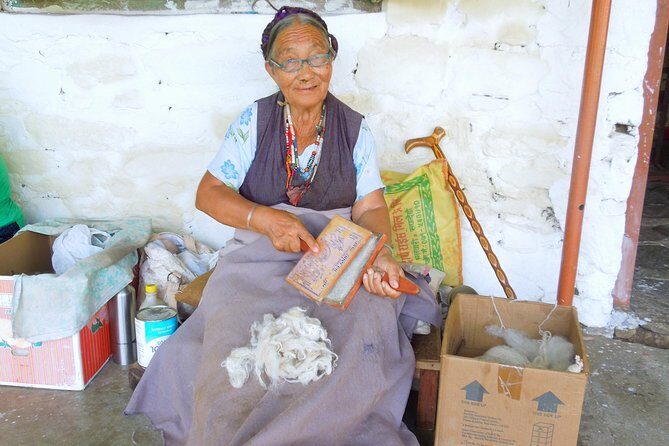
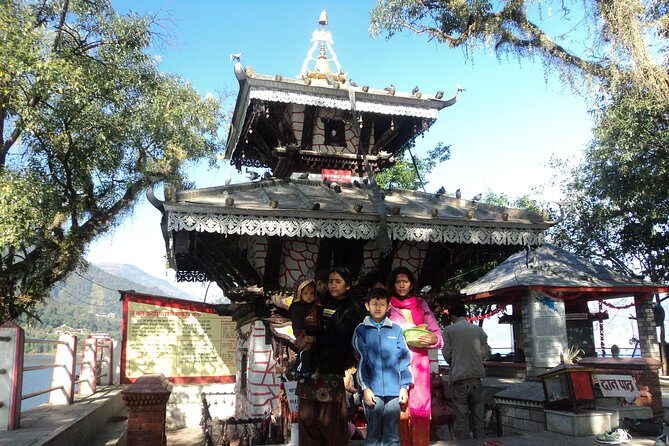
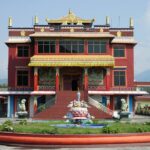
This is your first window into Tibetan Buddhist practice in Nepal. The Shree Gaden Dhargay Ling Monastery stop is where the day begins to connect culture to lived experience.
You’ll be guided through what the monastery represents and what you’re seeing. The tour context is not just spiritual; it also touches the refugee life angle, which helps explain why these places matter beyond religion alone. If you’re coming in with basic questions—what monks do in daily life, how worship works, what Tibetan Buddhism looks like outside Tibet—this is the right time to ask.
Practical tip: at monasteries, keep your energy steady. You’ll likely be moving between areas and listening to explanations, so avoid arriving with low battery or heavy jetlag if you can.
Stop 2: Tashi Ling Tibetan Village and the Reality of Exile
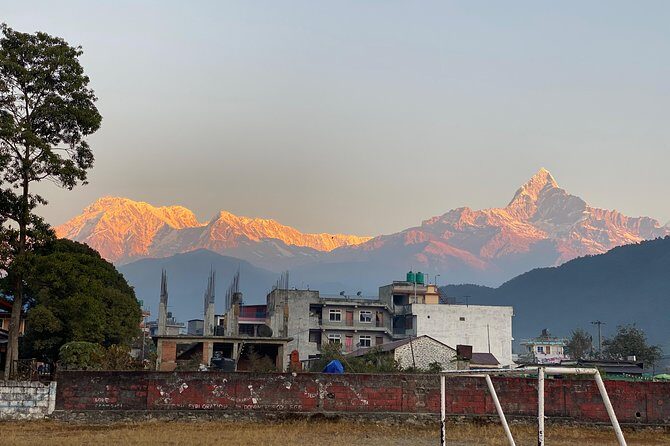
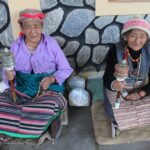
The Tashi Ling Tibetan Village stop is one of the most important sections of the day because it shifts the focus from temples to people and systems. This is a Tibetan refugee settlement, so the meaning of the day changes quickly—from cultural curiosity to human context.
Here’s what makes this stop especially valuable:
- You learn about Tibet and Tibetan people living in Nepal.
- You get a view of Buddhist culture as something taught and practiced, not just observed.
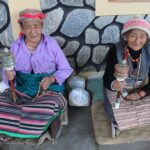
- You walk around the village, which gives you a sense of layout, community spaces, and daily movement.
- You also hear about Tibetan schools and their educational system.
If you care about education as cultural survival, this part will land. It also answers an unasked question you might have: how does a community keep language, faith, and identity alive when the homeland is far away? In this village, education is part of the answer.
Time note: this is a longer stop (about 4 hours), so it’s also where the day’s “feel” becomes more grounded and less ceremonial.
Other historical tours in Pokhara
Stop 3: Pema Ts’al Sakya Monastic Institute
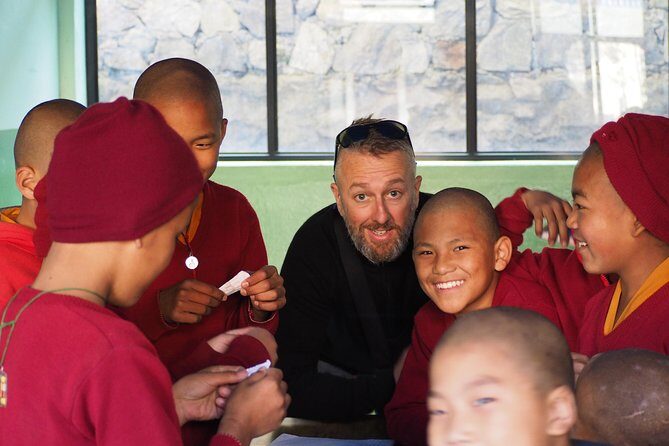
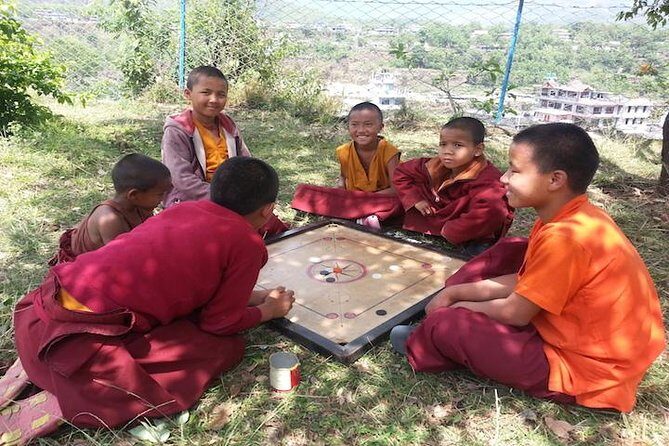
Next comes Pema Ts’al Sakya Monastic Institute, and this stop feels like a bridge between observing worship and understanding monastic education. You’ll visit a monastery and meet a young monk who’s interested in sharing what monastic life and education look like from inside.
This is often where the day becomes personal fast. When you can talk to someone who is still in the learning process, you hear how the rules work in real life—study, discipline, and daily routines—and you can ask follow-up questions without feeling like you’re interrupting a performance.
What I’d do: come with one or two simple questions. Things like how they spend their day, what studying looks like, or what training is like can lead to a better conversation than big abstract questions.
Also note: your visit includes an interactive element. You won’t just stand and watch; you’ll have time to talk.
Stop 4: Jangchub Choeling Tibetan Monastery and Afternoon Prayer Chanting
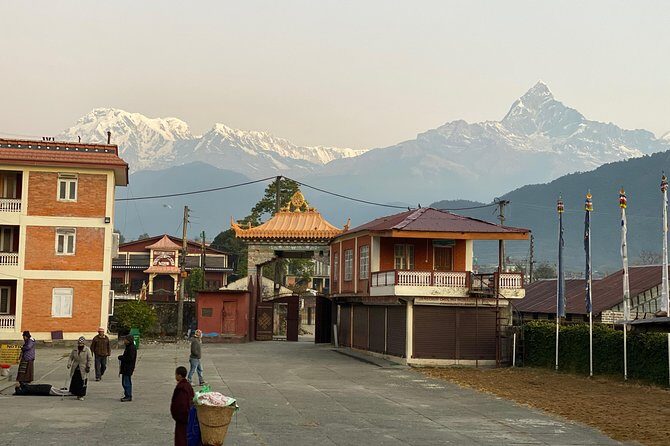
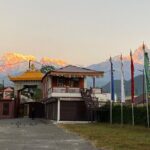
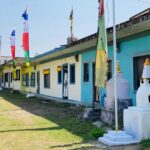
If you want sound and rhythm instead of just explanations, this stop delivers. Jangchub Choeling Tibetan Monastery is located inside the Tibetan village, and you’ll attend the afternoon prayer chanting with the monks.
The description includes instruments like horns, drums, and conch shell sounds. That matters because Tibetan Buddhist practice often isn’t silent. It’s structured, communal, and sensory, and this is the moment when you feel that.
One more thing: the setting being inside the village changes the vibe. It’s not a museum-like temple visit where everything feels separated from daily life. The chanting is part of village routine, so it connects practice to the community’s calendar.
Consideration: chant sessions can be loud and time-specific. If you’re sensitive to sound or you don’t like fixed schedules, keep your expectations realistic: you’re going to be present during a ritual moment.
Stop 5: Tashi Palkhel Settlement Home Visit and Tibetan Food
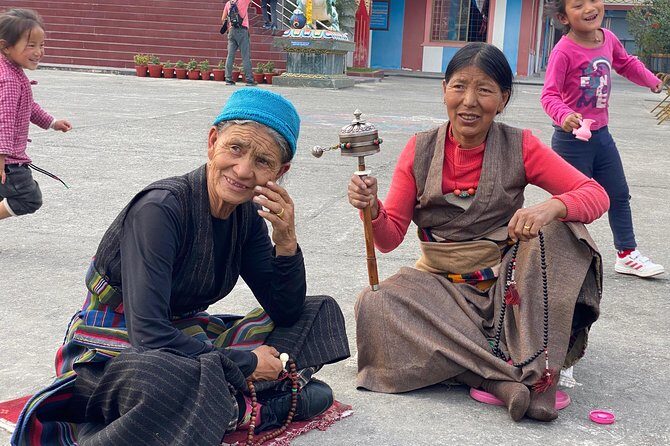
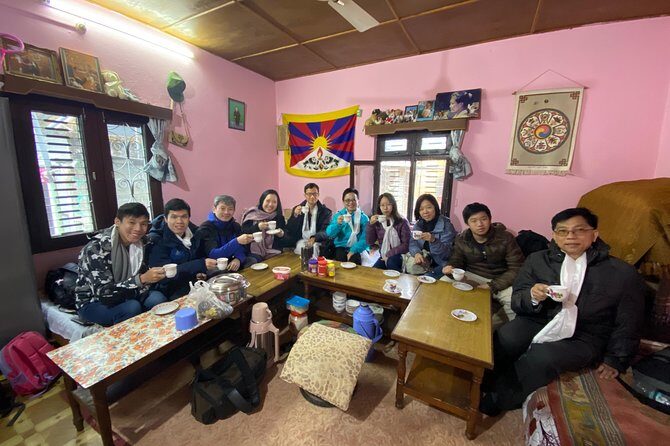
This is the stop that tends to stick in your memory. At the Tashi Palkhel Tibetan Settlement, you visit a local Tibetan family’s home and try traditional Tibetan food.
The key isn’t only taste. Your guide introduces the food—history and context are part of the experience—so you’re not just eating; you’re learning what you’re eating and why it’s meaningful to the family and community.
Expect conversation, observation, and a more intimate feel than the monastery stops. Home visits do that naturally. If you’re the type who learns best through food—ingredients, habits, daily table culture—this section will be a highlight.
If you have dietary needs, request vegetarian or gluten-free at booking. The tour notes those options are available, and it’s much easier for the provider to plan ahead than to improvise later.
The Best Part: A Guide Who Can Answer the “Why” Questions
Across the day, your guide role is huge. The tour is described as intimate and small-group, and that shows up in the kind of answers you get.
You’ll hear about:
- Tibetan culture and religion
- The refugee life in Nepal
- Tibetan Buddhist practices and monastic education
- Tibetan schools and how identity continues through learning
- Tibetan cuisine, including what you’re eating at the home visit
I like this format because it respects questions. It also helps you separate what you’re seeing from what it means. A temple photo is fine, but it doesn’t explain why that temple exists where it does—or how it supports community identity after displacement.
Who This Tour Is Best For (and Who Might Skip It)
This tour fits you best if you want more than sightseeing and you like human-scale learning. It’s a strong match for:
- Families who want a day that’s educational and interactive
- People who enjoy cultural and religious context
- Anyone curious about Tibetan Buddhism and community life in Nepal
- Visitors who like meeting people, asking questions, and learning through conversation
You might be less excited if:
- You prefer very long breaks and slow pacing
- You only want modern political updates about Tibet itself (this day clearly spends its energy on culture and exile life in Nepal)
- You dislike structured time in chanting or religious settings
What I Think You Should Bring
This is a practical day, so pack like you’re going to walk a bit and sit in a few different environments:
- Comfortable walking shoes
- A light layer (religious sites and shade can vary)
- Sun protection
- Any dietary notes clearly stated when booking (vegetarian or gluten-free)
If you’re the souvenir type, there’s also a chance to buy crafts during the village-focused part of the day, so leave a little room for small purchases.
Should You Book the Tibetan Cultural Tour to Tibetan Settlements in Pokhara?
I’d book this if you want an honest, culture-first day trip that’s built around conversation and real community spaces—monasteries, schools, and a home meal. The combination of hotel transfers, included meals and tea, a small group up to 15, and a guide like Mr. Thupten Gyatso makes it feel efficient and respectful, not rushed.
But I’d think twice if you’re primarily chasing neutrality about current events in Tibet and want that topic treated as the center of the day. This tour is designed around Tibetan cultural survival in Nepal, so if that’s not your priority, you may prefer a different kind of itinerary.
If you want a day in Pokhara that teaches you more than it entertains you, this one is a solid choice.
FAQ
How long is the Tibetan Cultural Tour in Pokhara?
The tour runs for about 8 hours.
Is hotel pickup and drop-off included, and is it only within Pokhara?
Yes. Hotel pickup and drop-off are included, within Pokhara.
What’s included in the price?
Lunch, snacks, afternoon tea, coffee and/or tea, bottled water, and a professional guide with a driver are included.
Can I get vegetarian or gluten-free food?
Yes. A vegetarian option is available if you advise at booking, and gluten-free food is also offered.
What group size is this tour?
It has a maximum of 15 travelers.
Is free cancellation available?
Yes. You can cancel for a full refund up to 24 hours before the experience’s start time.
What isn’t included?
A DVD (available to purchase) of Tibetan music is not included.