REVIEW · POKHARA
Pokhara: Private Half-Day Tour and Tibetan Culture Tour
Book on GetYourGuide →Operated by Snow Peak Tours and Travels pvt. ltd. · Bookable on GetYourGuide
Four stops, one focused Pokhara route. This private half-day is built for big variety in just a few hours: the International Mountain Museum gives you mountain context, and Gupteshwor Mahadev Cave adds a spiritual stop with serious rock shapes.
I especially like how the schedule mixes viewpoints and stories, not just check-the-box photos. The Devi’s Falls stop is quick but memorable, and the Tibetan culture portion gives you a real sense of daily life beyond the usual sightseeing.
The main drawback to plan for is cost creep. Entrance fees are not included, and some people end up feeling the tour is mostly transport plus ticket-buying—so it’s worth confirming what you’re paying for and how much the guide will explain.
In This Review
- Key things I’d plan around
- Private A/C rides and the “half-day” tempo in Pokhara
- International Mountain Museum: your fastest route to Himalayan context
- Devi’s Falls: a waterfall stop with a real underground twist
- Gupteshwor Mahadev Cave: Shiva shrine and cave rock drama
- Tibetan Refugee Camp Pokhara: monastery time plus handicraft shopping
- Price and logistics: $24 can be a deal or a letdown
- Timing surprises: why your tour may feel shorter than expected
- Guide quality is the difference between “OK” and “excellent”
- Who this Pokhara half-day tour suits best
- Should you book this Pokhara private half-day tour?
- FAQ
- How long is the Pokhara private half-day tour?
- Where are the pickup and drop-off locations?
- What’s included in the tour price?
- Are entrance fees included for the attractions?
- Which languages is the guide available in?
- What should I bring with me?
- Can I cancel and how flexible is booking?
Key things I’d plan around
- Private guide attention (when they’re truly hands-on) can make the caves and museum feel like a story, not a drive-by.
- International Mountain Museum is your best “context per minute” stop if you want to understand the Himalayas and mountaineering.
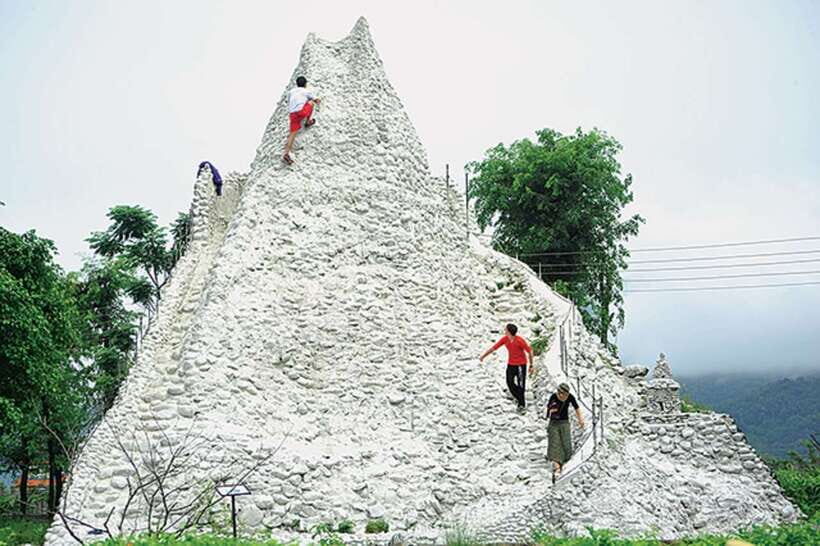
- Devi’s Falls + Gupteshwor Cave are close together, so you can do waterfall + shrine without wasting time.
- Tibetan Refugee Camp time includes a monastery visit and a handicraft center where you can shop.
- Admission fees extra can change the value fast, especially if you’re comparing to cheap local taxis or scooters.
- Tour length can run short, so build in buffer if you care about extra add-ons.
Private A/C rides and the “half-day” tempo in Pokhara
This tour is designed as a compact circuit through Pokhara’s top nearby sites. You get private A/C transportation from a pickup point in Pokhara city limits, plus a local guide who’s there to provide commentary and keep the flow smooth. Bottled water is included, and you’ll have a few photo stops along the way.
What matters with any half-day in Pokhara is time management. Even with a tight itinerary, a “3-hour” tour can feel different depending on how long tickets and short walks take, plus traffic and how quickly you move through each site. One good thing: it’s a private group, so you’re not locked to the slowest pace in a bigger crowd.
Also, the itinerary includes a short on-foot stretch (about 10 minutes). It’s not a hike, but you should still be comfortable with uneven surfaces and stairs around caves and temple areas—especially at Gupteshwor Mahadev Cave.
If you’re using this tour as your first day in town, it’s a smart way to get your bearings: museum background, waterfall drama, cave shrine atmosphere, then a cultural stop that explains a different chapter of Nepal’s modern story.
Other Tibetan settlement and cultural tours in Pokhara
International Mountain Museum: your fastest route to Himalayan context
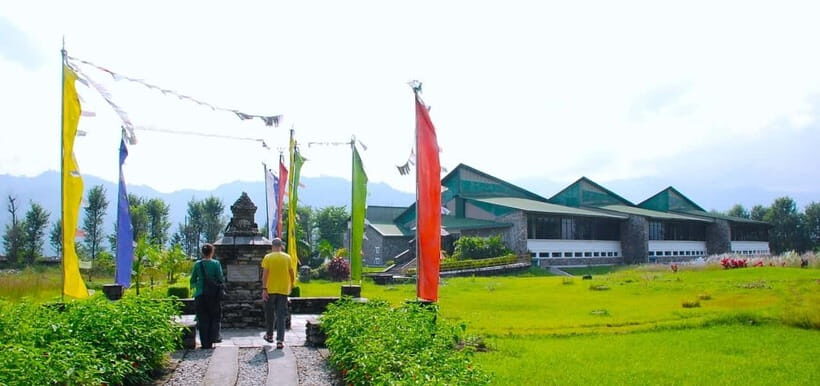
The day starts at the International Mountain Museum, typically with about an hour for a guided visit and sightseeing from the scenic drive approach. This is the part of the tour that helps non-mountain people feel oriented fast.
The museum’s focus is exactly what you’d hope from the name: exhibits connected to the Himalayan mountains, mountaineering history, and the broader cultures of the region. Even if you’re not a climbing geek, this is useful because it puts Pokhara’s big mountain identity into words—so when you see views around the city later, they connect to something real.
The best-case scenario is a guide who talks through what you’re seeing rather than just pointing. In one positive experience, guide Rajkumar Lamichhane was praised for taking his time and making the visit feel informative, including calling out details you might otherwise miss. Another guide, kiran, was also described as learning-focused—so the museum becomes more than a building.
Possible snag: admission fees are not included, so you’ll need to budget extra. And if your guide is more chauffeur than guide, the museum can shrink into “look, take photos, move on.” If museum understanding matters to you, ask your guide a couple of specific questions at the start—something simple like what exhibit connects best to Pokhara’s mountain culture.
Devi’s Falls: a waterfall stop with a real underground twist
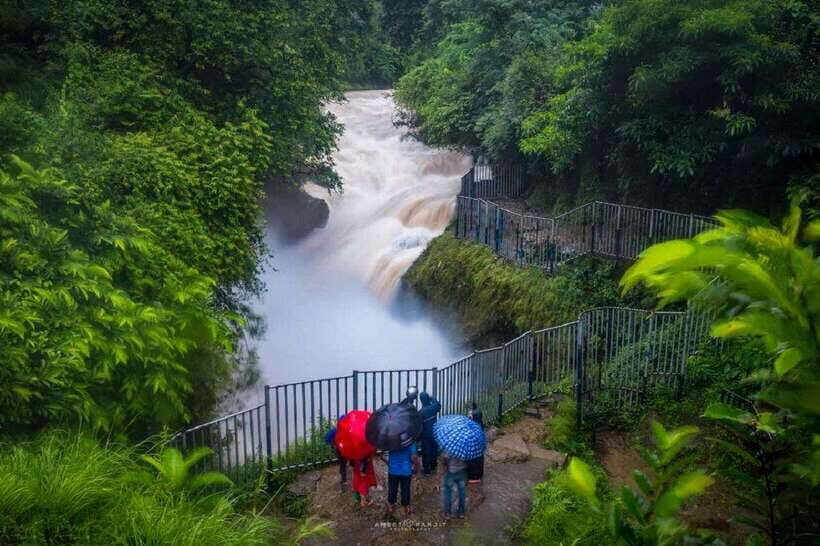
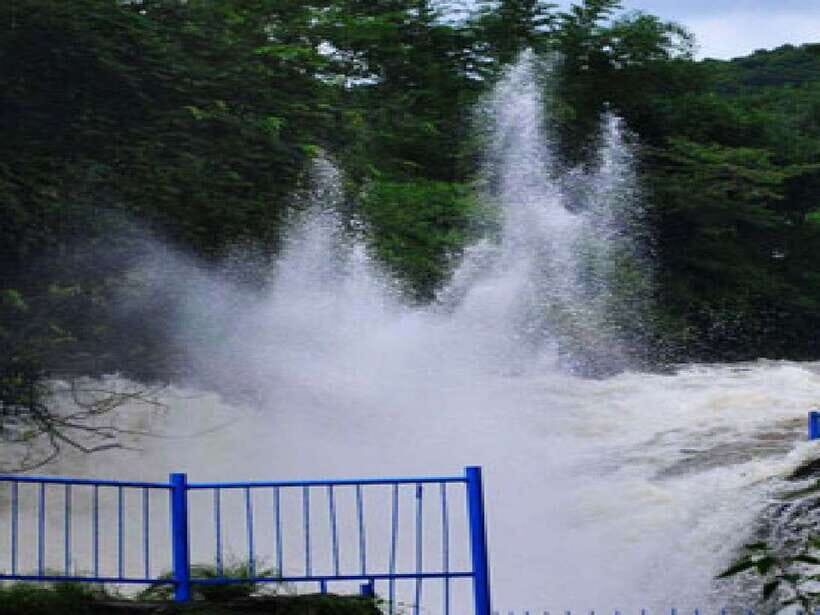
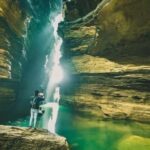
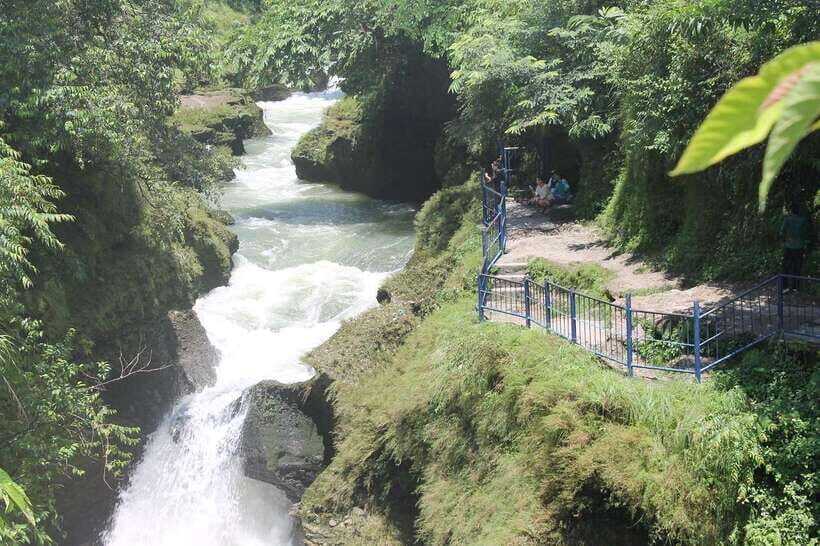
Next comes Devi’s Falls (often called Davis Falls in some tour materials). Your visit is mostly a photo stop plus a guided walk-through and sightseeing, with about 30 minutes allotted.
The hook here is the odd water story. Devi’s Falls is known for its waterfall that flows in a way that ties into an underground route. You’ll be able to stand in viewpoints designed for seeing how the water disappears and reappears through the local geography. It’s the kind of site where photos work, but the explanations are what turn it from pretty to memorable.
This is also one of those stops where timing matters. If the morning pace runs ahead, you’ll get time to look carefully and ask questions. If the tour compresses, you’ll do quick pictures and keep moving.
Practical note: wear grippy shoes. Even when it’s not rainy, the areas near waterfalls can feel slick. And because this is a short stop, go in knowing what you want: a scenic shot, a few minutes to read the signage, or an explanation of how the water behaves.
Gupteshwor Mahadev Cave: Shiva shrine and cave rock drama
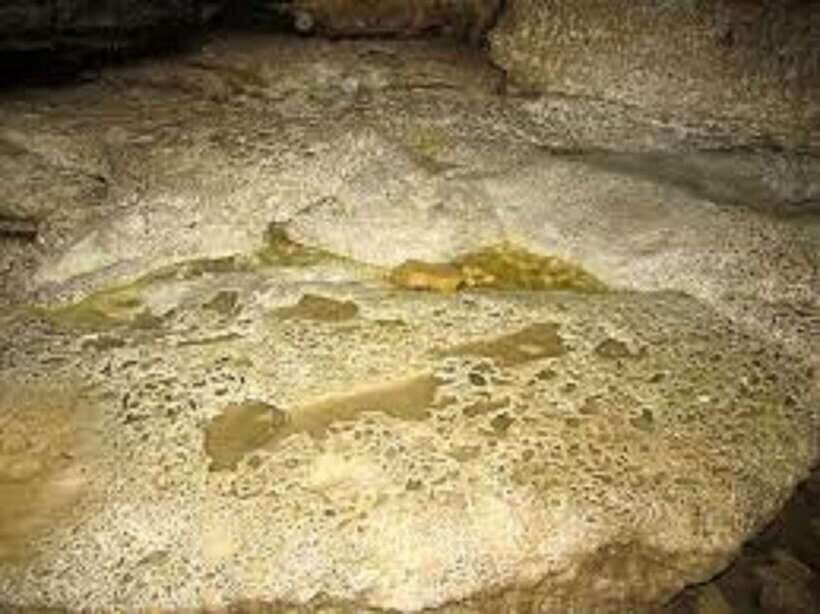
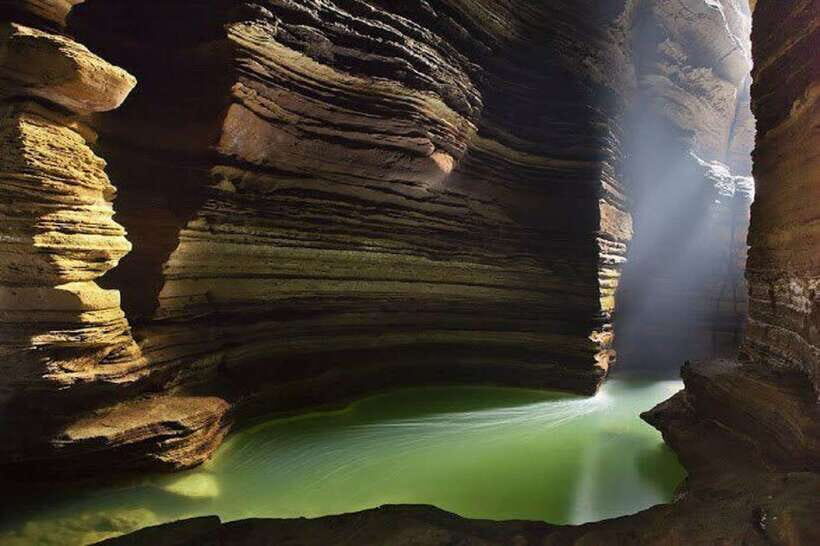
From Devi’s Falls, you head on foot for a short transfer and then arrive at Gupteshwor Mahadev Cave. This is one of the most satisfying parts of the whole route because you’re not only looking at nature—you’re also stepping into a living religious space.
Your time here is about an hour, including a photo stop, guided visit, and sightseeing. The key features you should expect are the impressive rock formations and a revered shrine dedicated to Lord Shiva. People who like caves for the visuals usually end up enjoying this more because the site has an active devotional feel, not just geology.
In a very positive experience, Rajkumar Lamichhane was specifically praised for pointing out the temple inside the cave. That’s exactly what turns a standard “go inside” moment into something you actually understand.
Because caves can vary in lighting and footing, keep your phone ready for low-light photos, but also focus on what you can see clearly without rushing. If you feel the tour pace is too fast, slow down here—you’ll thank yourself later.
And yes, expect extra cost since admission fees aren’t included. Bring the amount you’ll need ahead of time so you’re not hunting for cash on a tight schedule.
Tibetan Refugee Camp Pokhara: monastery time plus handicraft shopping
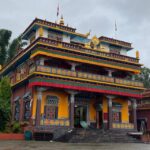
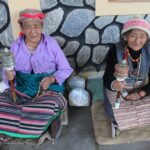
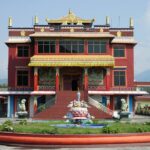
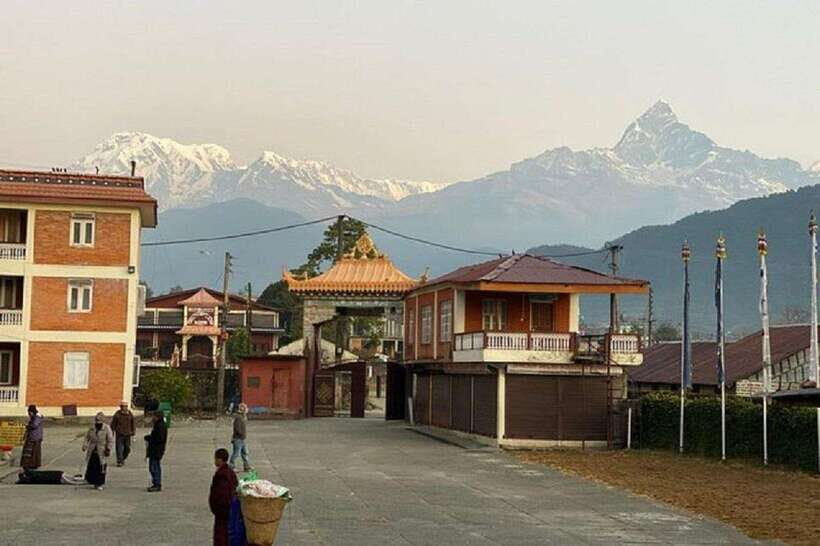
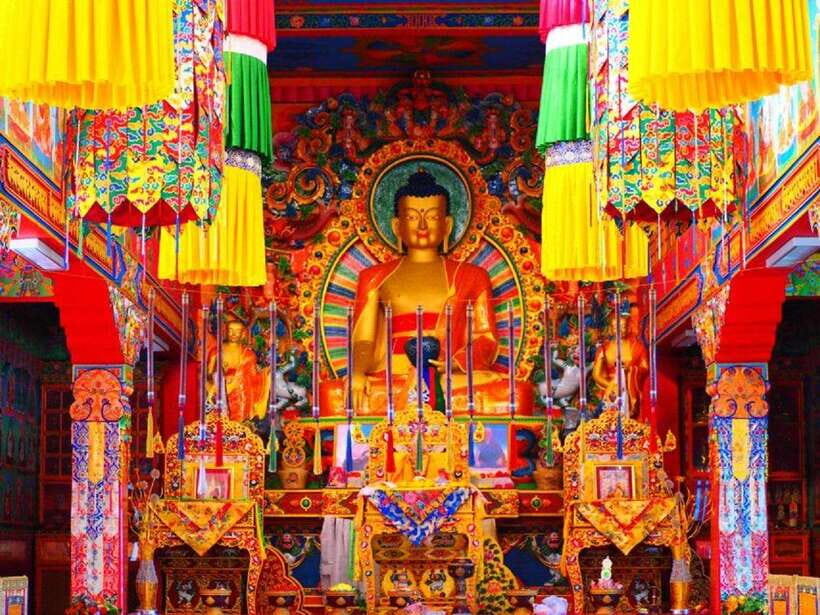
The final major stop is the Tibetan Refugee Camp Pokhara, with about 45 minutes allotted for photo stops, a guided tour, and free time. This is the part of the itinerary that broadens the story beyond Nepal’s mountains into the lived experience of Tibetan communities in Nepal.
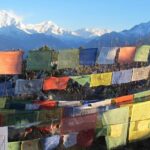
You can expect a monastery visit and a chance to explore a handicraft center. There’s time to shop for Tibetan artifacts and souvenirs, and you’ll have a little walking time while you look around. This is also where conversations with your guide can pay off—culture stops work best when you ask questions about daily life, traditions, and what the community wants visitors to understand.
A couple of guide experiences stand out here: Prakash Ghimire was praised for kindness and adapting to the group’s pace, and Prakash was praised for both history knowledge and helping with photos. Those details matter. In a place like this, it’s easy for a tour to turn into “walk fast, shop, leave.” A guide who slows down a bit helps you notice what’s happening around you.
One caution based on real-world experiences: if you’re planning to spend money at the handicraft center, do it thoughtfully. Decide what you want before you arrive, and don’t feel pressured to buy just because time is short.
Other private tours in Pokhara
Price and logistics: $24 can be a deal or a letdown
At $24 per person, this tour looks like strong value for a private guide, private A/C transport, and bottled water. In theory, it’s a smart way to cover multiple top Pokhara sites without coordinating taxis and figuring out routes.
But here’s the catch: admission fees aren’t included for the attractions. That means the final price can jump quickly, especially if you’re visiting four paid sites close together. One traveler reported paying roughly €50 extra for entry across the stops and felt that, once you include those fees, the value compared poorly to using cheap local scooter or taxi options.
So how do you decide if this price works for you?
- If you mainly want convenience and someone to handle the flow, the base price can still be worth it—even after adding admissions.
- If you’re price-sensitive and also confident about getting around, you might question the value once ticket costs pile up.
- The “real” comparison isn’t $24 versus taxis. It’s $24 plus guide knowledge and timing versus you doing it yourself.
Also keep in mind: some people experienced the guide as more of a driver who handled tickets and basic logistics, with limited explanation. Others had the opposite experience with guides who actively shared history and helped with photos. That’s the big variable.
Timing surprises: why your tour may feel shorter than expected
The tour is listed as about 3 hours, but real experiences show it can run closer to 2 hours in some cases. That matters because every stop has two timing components: time spent at the site and time spent on the drive between them. When the schedule tightens, the museum and cave are the first places that often feel rushed.
If you want a slower pace, it’s smart to say so early. Private tours give you more control, but only if the driver/guide treats it as a guided experience rather than a timed checklist.
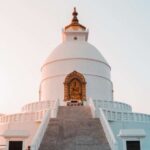
There’s another lesson: add-on stops may cost extra. One negative example described an attempt to tack on the World Peace Pagoda (only a short drive away) and being offered it for an additional $30. Even if you don’t plan add-ons, this is a good reminder to ask about any extra request up front.
My practical advice: confirm the visit depth you want at each stop before you get moving. Simple questions work:
- Will we have time to go inside the cave properly?
- Will the museum be a guided walk with explanations?
- Is the Tibetan cultural stop mainly shopping, or do you include monastery time and context?
Guide quality is the difference between “OK” and “excellent”
This is a private tour, so the guide isn’t a minor detail. It’s the whole experience.
From positive experiences, guides like Prakash were praised for careful driving and for knowing local history at the sites, plus even helping with photos. Rajkumar Lamichhane was praised for taking time, sharing history, and specifically highlighting the temple inside the cave. Prakash Ghimire was noted for kindness and adapting pace. kiran was described as giving a lot of learning value.
From negative experiences, you can run into a different pattern: a guide who mostly drives, buys tickets, and doesn’t provide much explanation during visits. In those cases, the tour can feel like you’re paying for transportation plus a ticket handover, not for cultural insight.
So how can you tilt the odds?
- When you meet your guide, ask them one direct question about each stop. If they can’t answer or don’t explain, you’ll feel it quickly.
- Use the communication method they offer. One traveler mentioned easy coordination through WhatsApp, which is useful for adjusting pickup timing without stress.
- If the tour feels too fast, speak up immediately. In a private setting, you have more leverage than on a group bus.
Who this Pokhara half-day tour suits best
This works best if you want a tight, organized Pokhara circuit that includes both nature and culture.
You’ll likely enjoy it if:
- You want a first-time Pokhara overview without spending half a day figuring out transport.
- You like short guided stops where the guide gives context fast (museum + culture) and you get scenic moments (waterfall + cave).
- You want to see a Tibetan cultural setting and have time for a monastery visit plus a handicraft center.
You might skip it if:
- You hate the idea of paying extra at each site on top of the base price.
- You’re mainly looking for freedom and you’d rather rent a scooter/taxi route yourself.
- You strongly care about timing precision and don’t want a tour that can run shorter.
This isn’t an all-day excursion. It’s a “hit the main highlights fast” plan, and it rises or falls based on guide involvement.
Should you book this Pokhara private half-day tour?
If you go in expecting convenience plus a mix of mountain context, a memorable waterfall, a Shiva cave shrine, and a Tibetan community visit, it can be a great half-day use of your time.
I’d book it if you:
- Want private A/C transport and a guide handling the flow.
- Care about the museum and cave being explained, not just photographed.
- Are okay budgeting for attraction entrance fees on top of the tour price.
I’d think twice if:
- You’re trying to keep total costs very low and prefer self-guided routes.
- You’re worried the guide might act like a driver only. In that case, set expectations early and ask pointed questions at the first stop.
FAQ
How long is the Pokhara private half-day tour?
It’s listed as a 3-hour tour. Some real experiences reported shorter time in practice, so it helps to be flexible and not schedule another strict commitment right after.
Where are the pickup and drop-off locations?
Pickup and drop-off are within Pokhara city limits, with two options: Pokhara Lakeside or Pokhara.
What’s included in the tour price?
The tour includes private A/C transportation, an expert local guide, bottled water, and hotel pickup and drop-off within Pokhara city limits.
Are entrance fees included for the attractions?
No. Admission fees for the sites mentioned in the itinerary are not included, so you should expect to pay extra on the day.
Which languages is the guide available in?
The live tour guide is available in English and Hindi.
What should I bring with me?
You should bring a passport or ID card.
Can I cancel and how flexible is booking?
You can cancel up to 24 hours in advance for a full refund, and you can reserve now and pay later to keep plans flexible.