REVIEW · POKHARA
Half Day Tibetan Cultural tour Pokhara
Book on Viator →Operated by The Tibetan Encounter Day Tours P. Ltd · Bookable on Viator
Tibetan life in Pokhara, in four hours. You’ll walk a Tibetan refugee settlement with real daily routines, then add monastery visits where Buddhist symbols like prayer wheels and flags make sense in context. I also really loved the chance to see carpets being woven by hand, not just looking at finished products. One consideration: you’ll spend most of your time on your feet, so wear comfortable shoes and plan for a steady pace.
This tour runs about 4 hours 30 minutes, starting at 9:00 am with hotel transfers included. You’ll go with Mr. Thupten Gyatso, and the group stays small (max 8, with the overall activity capped at 15), which helps you ask questions and actually talk. At $63.52 per person, it’s priced like a cultural add-on, so it works best if you want depth on religion, refugees, and everyday life rather than quick sightseeing.
In This Review
- Quick Reasons This Half-Day Tour Works
- A Half-Day Into Tibetan Life in Pokhara
- Getting There: 9:00 Start, Hotel Transfers, and the Group Size
- Refugee Settlement Walk: Daily Life You Can Actually Read
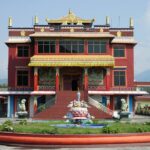
- Monastery Visits: Prayer Wheels, Flags, and Stupas Made Practical
- Carpet Workshop and Showroom: Handwork, Not Souvenirs
- Tibetan Schools and a Photo Gallery of Refugee History
- Tibetan Medicine: Pulse Reading with a Local Doctor
- Tibetan Lunch and Sample Flavors: Momo and Thukpa Energy
- Price and Value: Why $63.52 Makes Sense for This Day
- Who Should Book This Tour (and Who Might Pass)
- Should You Book the Half Day Tibetan Cultural Tour?
- FAQ
- What time does the Half Day Tibetan Cultural Tour start?
- How long is the tour?
- Is hotel pickup or transfer included?
- How big is the group?
- What are the main places you visit?
- Does the tour include lunch?
- What food options are available?
- Is Tibetan cuisine included beyond lunch?
- Is cancellation free?
Quick Reasons This Half-Day Tour Works
- Small-group format (max 8): better conversation time and fewer distractions.
- Refugee settlement walk: see how people live, not just read about it.
- Monastery symbols explained: prayer wheels, prayer flags, stupas—put into daily use.
- Carpet workshop hands-on time: watch the process, and you may get a chance to try a bit of rug making.
- Tibetan doctor visit with pulse reading: a memorable, personal look at Tibetan medicine.
- Lunch at a Tibetan restaurant: momos and thukpa-style flavors are part of the day.
A Half-Day Into Tibetan Life in Pokhara
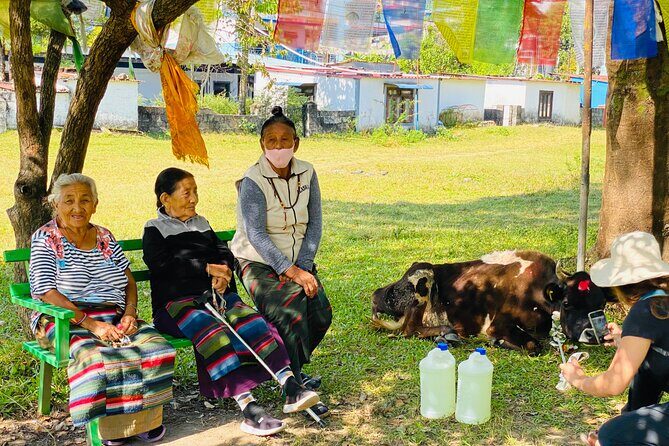
Pokhara isn’t just lakes and trekking views. This tour is your shortcut into Tibetan culture in Nepal—especially the refugee side that shapes daily life here. In a few hours, you’re taken from homes and schools to religious meaning, crafts, and medicine.
What I like most is how the day mixes practical sights with real context. You’re not rushing from one photo spot to another. Instead, you get a guided story behind what you see: why certain symbols matter, how skills like weaving get passed on, and what refugee life looks like on the ground.
Other Tibetan settlement and cultural tours in Pokhara
Getting There: 9:00 Start, Hotel Transfers, and the Group Size
You’ll start at 9:00 am and come back around 2:00 pm. Hotel pickup and transfers are included, which saves you from the usual Pokhara hassle of figuring out transport for a half-day plan.
Group size matters here because the tour is built around interaction: questions for the guide, conversation with locals, and time at different stops. The small-group size is max 8 (with a broader cap at 15 for the activity), so the vibe tends to feel more like a focused outing than a crowded drive-by tour.
Tip: since it’s a half-day and you’ll be walking in village and monastery settings, plan for modest, comfortable clothing and shoes you can trust.
Refugee Settlement Walk: Daily Life You Can Actually Read
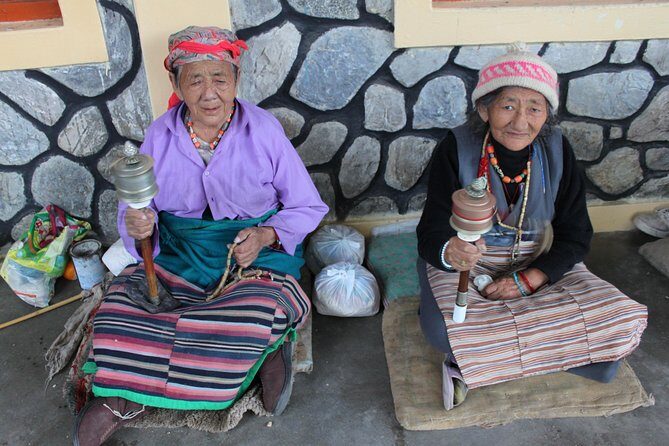
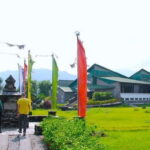
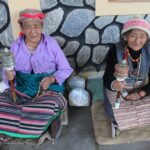
The day begins with a Tibetan refugee settlement visit, and then you walk around the village to see everyday routines. This is the part that changes your perspective fast. You get to observe daily life in a place where culture, faith, and community support still matter in a new country.
The best value of this stop is the guided framing. You’re not left to guess what you’re looking at. Your guide helps connect the physical setting—homes, streets, community spaces—to the larger story of Tibetan displacement.
You’ll also get time to meet and talk in a way that feels human-scale. One of the strongest themes from this tour is learning about life as it is now, not life as it used to be.
Monastery Visits: Prayer Wheels, Flags, and Stupas Made Practical
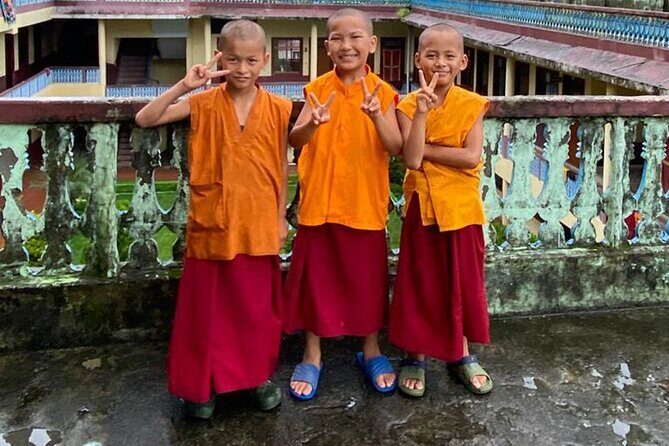
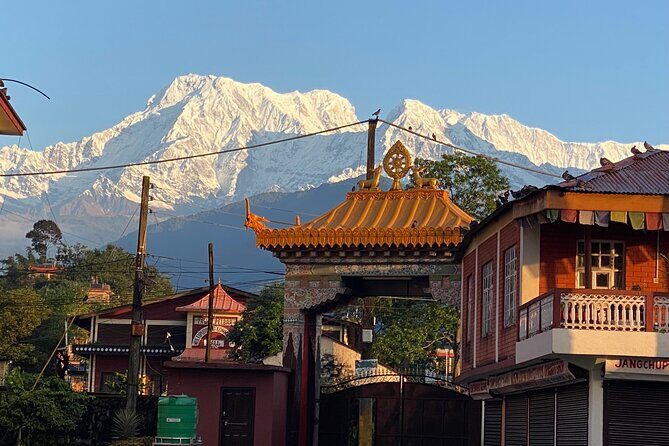
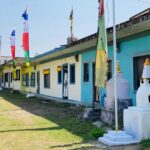
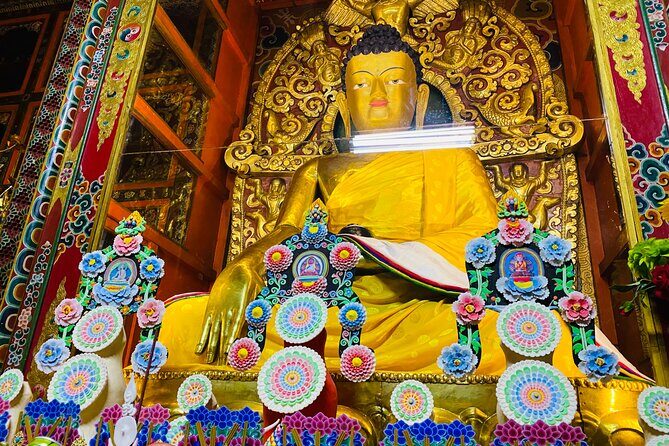
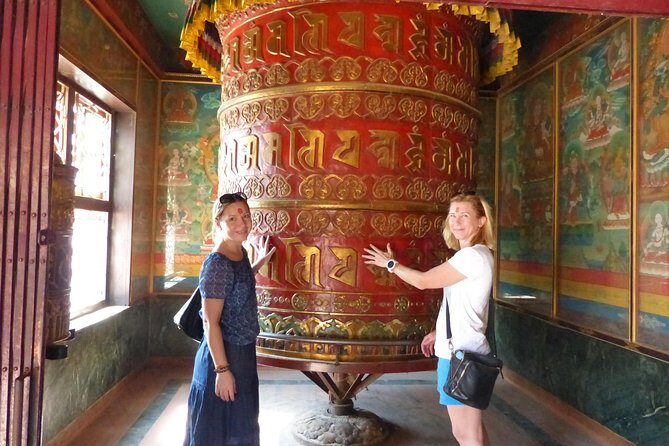
A Buddhist monastery visit is part of the route, and the guide doesn’t treat it like a checklist of ornaments. Instead, you learn the meanings behind everyday Buddhist signs and symbols that people live with daily.
That matters, because it turns what could be “pretty stuff” into something you can interpret. Prayer wheels, prayer flags, stupas—these aren’t random decorations. They connect to practice, belief, and the rhythm of community life.
If you enjoy spiritual history but get bored by lecture-style tours, you’ll likely like this one. You see the symbols, then the explanation makes them usable—almost like learning vocabulary before reading a story.
Carpet Workshop and Showroom: Handwork, Not Souvenirs
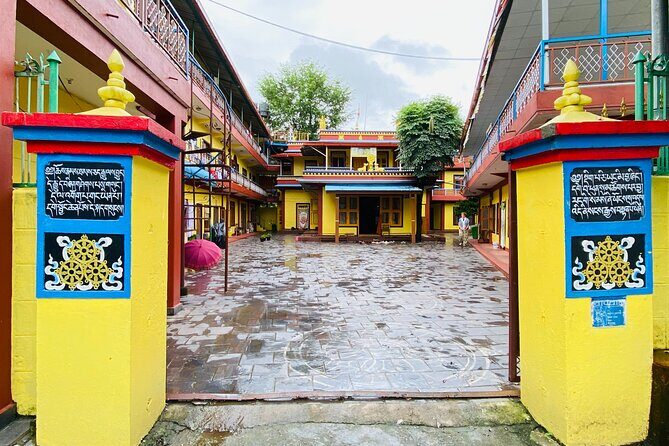
The carpet part of this tour is more than a shop stop. You visit a carpet workshop where carpets are made by hand, and you’re walked through the process step-by-step.
This is a practical craft visit. You’ll see what goes into the work and why Tibetan carpets can have such distinctive designs and color choices. And later, there’s a showroom where you can explore a range of styles and colors at a calmer pace.
One nice detail: you might get some time to practice a little rug-making work with the group. That’s often the difference between watching something and actually understanding the effort behind it.
Keep an eye on how you feel about shopping. This experience naturally puts you near buying options, so decide your budget in advance. The workshop explanation is the main payoff, whether or not you buy a carpet.
Other historical tours in Pokhara
Tibetan Schools and a Photo Gallery of Refugee History
Two stops help connect the day’s craft and faith to the broader refugee story. First, you learn about Tibetan schools and how their educational system works. Then you visit a photo gallery focused on the history of Tibetan refugees.
These stops give you the “why” behind what you’ve already seen. When you understand schooling and community structures, monasteries and village life stop feeling like separate worlds. They become part of the same ongoing effort to preserve culture after displacement.
I like these because they’re not abstract. Schools are where the future is formed, and the photo gallery helps you place present-day life inside a timeline.
Tibetan Medicine: Pulse Reading with a Local Doctor
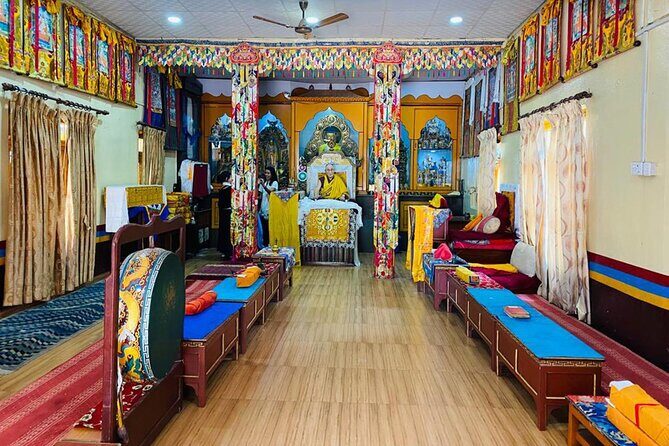
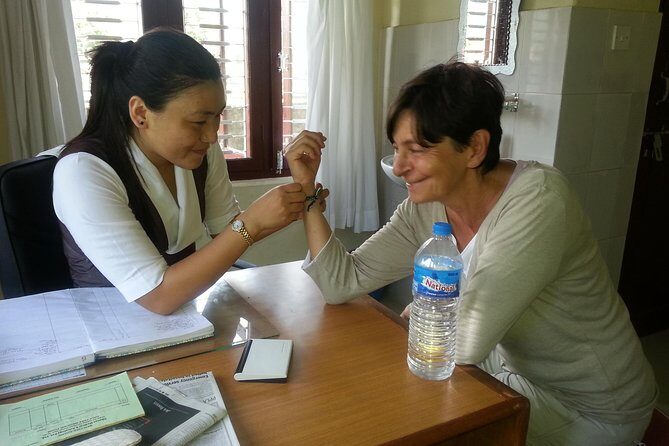
One of the most memorable parts of the itinerary is the visit with a Tibetan doctor. You learn about Tibetan medicine, and you get first-hand experience of pulse reading.
Even if you’re skeptical about traditional medicine styles, this stop is valuable for the human connection and the explanation of how diagnosis can be approached differently. It’s also a moment where your guide’s cultural context really matters—you’re not just watching; you’re trying to understand.
This visit tends to stand out in people’s memories because it’s personal and interactive. It also adds balance to the day. You get faith, crafts, community education, and then a medical perspective—four lenses on the same culture.
Tibetan Lunch and Sample Flavors: Momo and Thukpa Energy
Lunch is at a local Tibetan restaurant, and the tour also includes sampling Tibetan cuisine like momos and thukpa-style dishes. That’s a smart addition for a half-day plan: you get a real taste of everyday food rather than ending with nothing but snacks.
Food accommodations are built in. A vegetarian option is available, and gluten-free food includes plain rice and veg or non-veg curry (you’ll want to tell the operator when booking if you have a specific need). For me, that kind of clarity matters on short tours—there’s less stress and more time enjoying the day.
If you’re hungry by late morning (common in Pokhara if you start early), this timing works well. You’ll feel satisfied without losing the second half of the experience.
Price and Value: Why $63.52 Makes Sense for This Day
At $63.52 per person, this tour isn’t a bargain in the cheap-and-cheerful sense. It’s priced like a guided cultural package with several real stops: settlement walk, monastery visit, workshop and showroom time, a history gallery, and a doctor visit.
Here’s the value logic I see:
- You’re paying for a local guide from the Tibetan community (Mr. Thupten Gyatso), and the explanations are part of the product.
- You’re getting access to experiences you can’t easily DIY—especially the doctor and pulse reading.
- Hotel transfers are included, which is often where half-day tours sneak in hidden costs.
Also, it’s booked fairly far in advance (about 86 days on average). That’s a clue that people treat it as a true highlight rather than an afterthought.
Who Should Book This Tour (and Who Might Pass)
This tour is a great fit if you:
- want more than scenic Pokhara and prefer culture with context
- like religion and symbols, but want explanations you can use
- enjoy crafts when there’s a real process involved, not just a showroom
- are curious about Tibetan medicine and open to hands-on learning
You might choose a different plan if you:
- hate walking or you want a very relaxed day with long sit-down time
- are only looking for a light, surface-level overview
For most people doing a short Pokhara stay, this makes a solid half-day anchor—especially if you’re spending other time on lakeside wandering and want one day to feel deeply local.
Should You Book the Half Day Tibetan Cultural Tour?
I’d book it if you want a compact cultural education with several authentic touchpoints: settlement life, monastery symbols, handcraft work, and a doctor visit with pulse reading. The guide-led structure makes the information practical, and the small-group size keeps it from turning into a fast-moving lecture.
One last practical nudge: this is a $63.52 plan, so treat it like an experience with intention. If you show up curious—about refugees, Buddhism, medicine, and craft—you’ll leave with more than photos.
And yes, there’s free cancellation up to 24 hours in advance, so you can book without sweating every minute of your schedule.
FAQ
What time does the Half Day Tibetan Cultural Tour start?
It starts at 9:00 am and returns at about 2:00 pm.
How long is the tour?
The duration is approximately 4 hours 30 minutes.
Is hotel pickup or transfer included?
Yes, hotel transfers are included.
How big is the group?
It runs as a small group (max 8), and the activity has a maximum of 15 travelers.
What are the main places you visit?
You’ll visit a Tibetan refugee settlement, a Buddhist monastery, a carpet workshop and showroom, a photo gallery about refugee history, and meet a Tibetan doctor. You also stop for lunch.
Does the tour include lunch?
Yes. You’ll enjoy an authentic Tibetan lunch at a local Tibetan restaurant.
What food options are available?
A vegetarian option is available if you request it at booking. Gluten-free food such as plain rice and veg or non-veg curry is also mentioned.
Is Tibetan cuisine included beyond lunch?
Yes, you’ll sample Tibetan cuisine such as momos and thukpa.
Is cancellation free?
Yes—free cancellation is offered up to 24 hours before the experience start time for a full refund.
If you’d like, tell me what days you’ll be in Pokhara and your hotel area (Lakeside, etc.), and I’ll help you fit this into your schedule with minimal backtracking.