REVIEW · POKHARA
4 Days Mardi Himal Base Camp Trek from Pokhara
Book on Viator →Operated by Nomad Mountain Club - NMC · Bookable on Viator
Four days can feel like a cheat code in the Himalaya. This trek gives you less-crowded trails and big elevation gains in a short window, so you get serious mountain time without a long grind. You’ll climb to around 4,500 meters and work your way through rhododendron forests, evergreen jungle-like stretches, and ridge viewpoints.
What I like most is the mix of pace and scenery. The route is built for steady walking with clear milestones, from early forest days to a sunrise-focused finish at Mardi Himal Base Camp and panorama stops like Badal Danda. One consideration: the trek is short, but it’s still real hiking with ups and downs, plus permits that require a passport photo and digital copy ahead of time.
In This Review
- Key Highlights You’ll Actually Feel
- Four Days, Fewer Crowds, Real Mountain Time
- Forest-to-Ridge Itinerary: What Each Day Feels Like
- Day 1: Forest Camp through farmlands and rhododendron
- Day 2: Mardi Himal forest day with evergreen jungle feel
- Day 3: Mardi Himal Base Camp sunrise day, then Badal Danda panorama
- Day 4: Sidhing thick forests, steeper descent, back toward lakeside
- Machhapuchhre and Badal Danda: When the Views Hit Fast
- Tea Houses, English Guides, and Real-World Logistics
- Price and Value: What $299 Really Buys You
- Who This Trek Suits (and Who Might Rethink It)
- Should You Book This 4-Day Mardi Himal Base Camp Trek?
- FAQ
- How long is the 4-day Mardi Himal Base Camp trek from Pokhara?
- What altitude does this trek reach?
- Is pickup and drop-off included in the price?
- What kind of accommodation do you use during the trek?
- Do you need permits for this trek?
- What documents are required to issue the trekking permits?
- Is there a guide, and do they speak English?
- How do you get to and from the starting point?
- Is the tour private?
- What is the cancellation policy?
Key Highlights You’ll Actually Feel
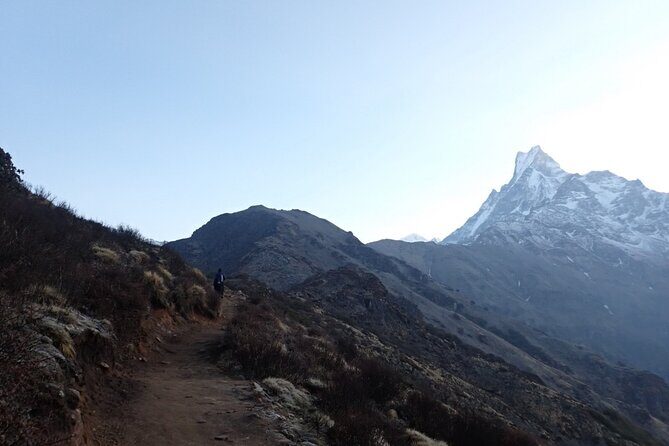
- Short duration, big altitude: climb quickly to high viewpoints without weeks on the trail
- Forest trekking most days: rhododendron and dense evergreen sections keep things interesting
- Sunrise timing matters: early start on the day you reach Mardi Himal Base Camp
- Badal Danda panorama stop: one of the route’s best peak-view moments
- English-speaking guide + first aid kit: practical safety support while you hike
- Tea house/guest house nights: cozy mountain lodging instead of camping gear
Four Days, Fewer Crowds, Real Mountain Time
If you’re craving the Annapurna region but you do not want the same busy trail patterns, Mardi Himal is the smarter play. In just four days, you’re moving from Pokhara-area access into the Annapurna Conservation Area world where the walking feels more local and more quiet. The trail design leans into gradual progress early on, then sharpens the focus toward viewpoint days.
And yes, the altitude goal is serious for such a short schedule. You’re going up to around 4,500 meters, which means thinner air and colder mornings even when the afternoon sun feels friendly. The good news is that the itinerary is paced around daily walking hours of roughly 5 to 7 hours. That’s enough to feel accomplished, but not so long that you’re crushed by time.
Another thing you’ll like: this trek is intimate by design. It runs as a private trip, meaning it’s only your group. No awkward group-speed matching, no staring at someone else’s pace problem for days. That matters a lot on shorter treks where you feel every hour.
Other Mardi Himal treks reviewed in Pokhara
Forest-to-Ridge Itinerary: What Each Day Feels Like

Here’s the practical version of what your walking days look like, and what to watch for.
Day 1: Forest Camp through farmlands and rhododendron
Day 1 starts with a hike that feels relatively effortless compared to what comes later: gradual inclines, terraced farmlands, and a rhododendron forest setting. This is a great day to get your legs used to the rhythm—short breaks, steady steps, and a slow climb that lets the views creep in instead of hit you all at once.
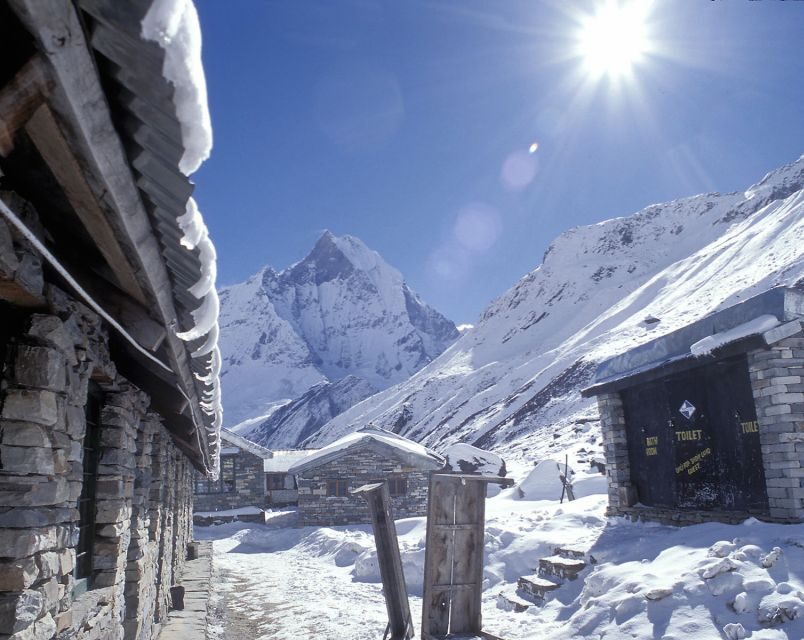
You’ll also pass Australian camp, a notable stop on the route. It’s the kind of place hikers remember because it’s a clean checkpoint and a mental marker that you’re moving deeper into the trek. If you’re the type who hates guessing where you are, these nameable stops are a relief.
What to consider: Day 1 can be deceptively “easy.” You’ll likely feel good after walking, but you’re still building fatigue. Don’t celebrate too early with a heavy dinner if you want a smooth Day 2.
Day 2: Mardi Himal forest day with evergreen jungle feel
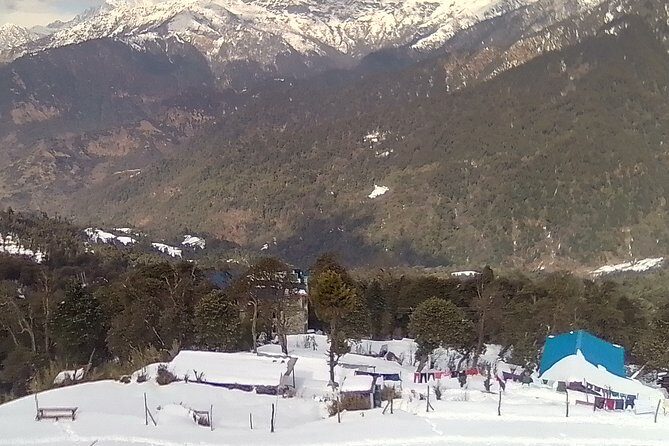
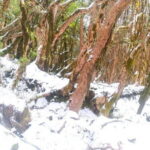
Day 2 is mostly about forests. Expect dense tree cover and lots of evergreen foliage. The walking environment stays shaded more often than you’d get on open ridge routes, so it can feel cooler and calmer—especially on cloudier mornings.
The itinerary frames this as a deep forest section with moderate plant life and a true sense of nature dominance. Translation: you’ll be looking up at branches and down at the trail far more than you’ll be scanning for distant peaks. That’s not bad. It’s a different way to experience the mountains.
What I’d do: keep an eye on footing and rhythm rather than chasing views today. If you focus on steady steps, Day 3 feels much more doable.
Day 3: Mardi Himal Base Camp sunrise day, then Badal Danda panorama
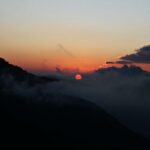
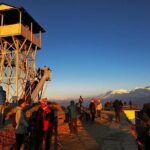
This is the day with the biggest “turn of gears.” The morning starts early with an awakening call, then your trek continues in the early hours so you can catch sunrise at Mardi Himal Base Camp. Sunrise days are always time-sensitive, so having a guide who keeps the group moving at the right pace is essential.
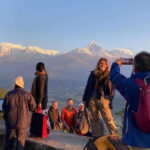
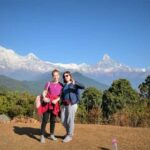
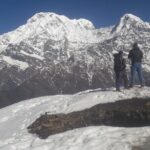
When you reach Mardi Himal Base Camp, you’re rewarded with the kind of view that makes the early wake-up feel fair. Then the route continues with Badal Danda, where the focus becomes panorama time—especially the Annapurna peaks. This is described as one of the unforgettable sunrise-view locations on the trek.
Practical tip: sunrise days often mean freezing air and a quick transition from cold to warming. Dress in layers so you can manage that swing without getting sweaty on the climb.
Other hiking tours in Pokhara
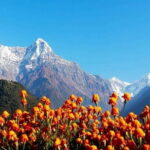
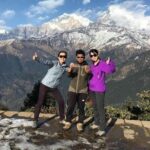
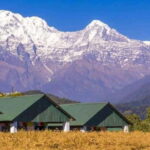
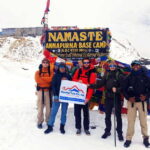
Day 4: Sidhing thick forests, steeper descent, back toward lakeside
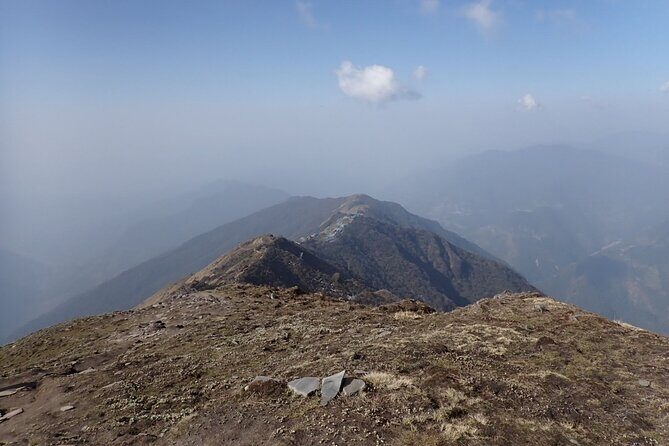
Day 4 shifts from peak energy to a more travel-focused reality: descent. After Badal Danda, the route diverges toward Sidhing and runs through thick forests at the base of Mt. Machhapuchhre. This part matters because it keeps you in mountain shade and gives you a strong sense of the Machhapuchhre area without requiring extra altitude games.
The itinerary notes that the descent becomes steeper and more arduous. That’s important. Even if your legs feel okay at first, your knees and ankles usually feel it later. Walk slower than you think you need to, especially in the later miles of the day.
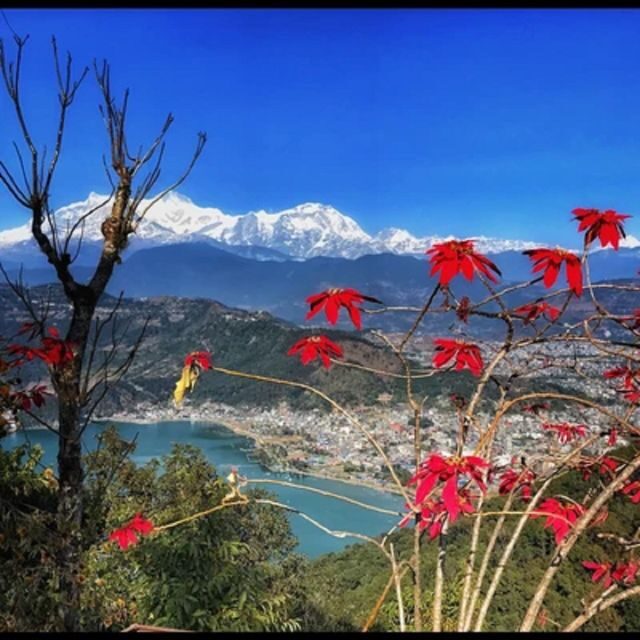
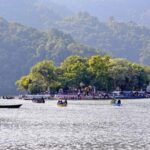
The day ends with the trail route heading toward lakeside. It’s a satisfying return arc: you start with icy-morning effort and end with the calmer energy of the Pokhara-region surroundings.
Machhapuchhre and Badal Danda: When the Views Hit Fast
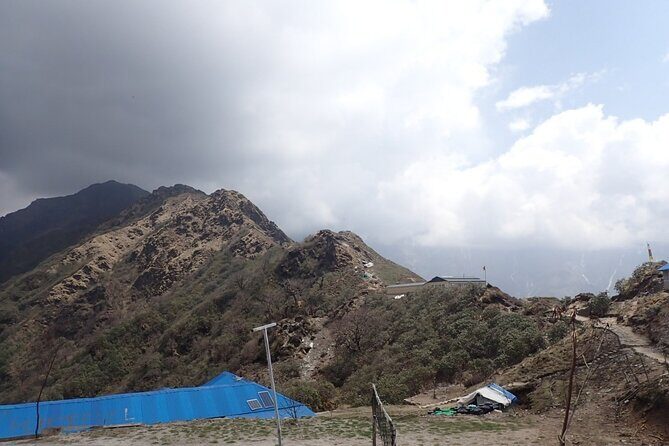
One of the smartest things about this trek is that the best scenery doesn’t arrive only at the end of a long multi-week journey. It hits at the right moments for a short itinerary.
You’ll feel the view build on Day 3 through Mardi Himal Base Camp at sunrise, then again with the panorama stop at Badal Danda. That combo is valuable because it gives you two kinds of payoff:
- the emotional payoff of sunrise at a high starting point
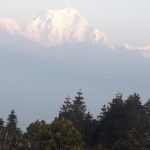
- the wide-angle payoff of ridge panorama over the Annapurna range
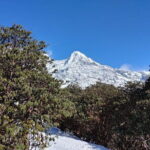
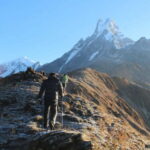
Then Day 4 quietly adds another highlight by placing you near Mt. Machhapuchhre through thick forest. You may not be staring at it every second, but being in its orbit changes how the trek feels. The mountain presence becomes part of your route story.
If you care about photos, you’ll want to plan for short bursts of viewing rather than long, frozen standstill sessions. Early mornings are cold. Smart layers and quick photo time beats marathon waiting.
Tea Houses, English Guides, and Real-World Logistics
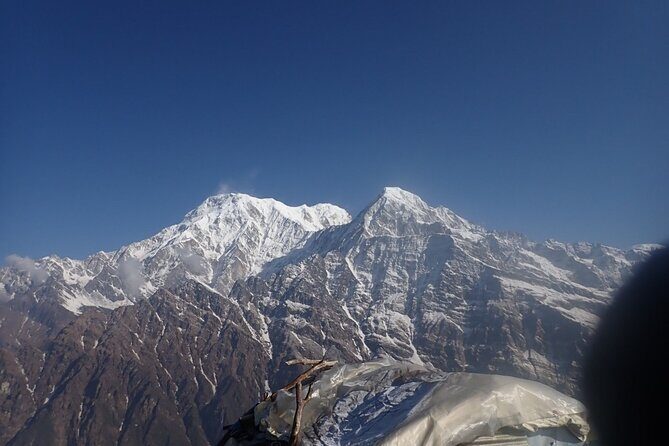
This trek runs on the tea house / guest house model, which is exactly what you want for a four-day program. No complicated gear lists beyond basic trekking needs. Nights are covered, and you’re able to focus on the daily walking.
Your day-to-day support comes from a professional English-speaking guide, plus a first aid kit carried by the guide. That doesn’t mean you ignore health basics, but it does mean your trek isn’t DIY. You also get a guide who shares stories and landscape knowledge tied to the region’s culture and mountain life.
About guide quality: within this operator, guides such as Amrit and Biru have been highlighted for being professional and supportive. If your guide is one of those names, expect a focus on the right pace, safety attention, and cultural explanation.
On the access side, you’ll get hotel pickup and drop off in Pokhara, plus sharing jeep transportation to and from the starting point. That’s a big deal on short treks. It keeps you from losing half a day to internal travel stress.
Permits are included too: Annapurna Conservation Area Permit and a TIMS card. One key detail: you need to provide your passport digital copy and a passport-size photo ahead of time so your permits can be issued.
Price and Value: What $299 Really Buys You
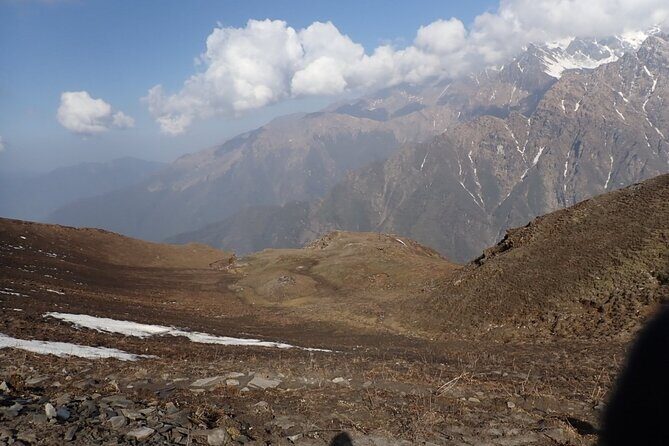
At $299 per person for a four-day trek, you’re not paying just for walking. You’re paying for the stuff that makes the trek smooth:
- pickup and drop-off from your hotel
- jeep transfer to the trail start and back
- tea house / guest house accommodation during the trek
- an English-speaking guide and a first aid kit
- permits through the Annapurna Conservation Area Permit and TIMS card
- insurance-adjacent safety planning through professional guided structure (not stated as insurance, but you are covered by guided support)
- a private trip setup where it’s only your group
Could you do parts of this cheaper by building it yourself? Maybe. But DIY trekking in Nepal can become a time tax—hunting guides, confirming permits, and managing route uncertainty. Here, the permit work and guide coordination are handled, and you only need to send your passport details.
Also, the trek’s short. That creates value if you’re on a tight schedule. You still get big elevation and multiple viewpoint moments without paying for two extra weeks of accommodation and guide time.
If you’re comparing to longer Annapurna options, the price feels fair because the operator is delivering a high-focus route: forests in the early days, then sunrise and panorama on Day 3, then descent through the Machhapuchhre area.
Who This Trek Suits (and Who Might Rethink It)
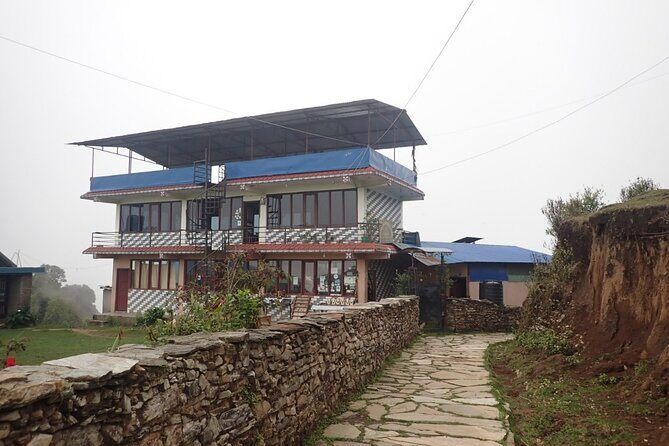
This trek is aimed at people with moderate physical fitness who are comfortable with daily walking ups and downs. It’s not presented as an easy stroll, even if Day 1 is relatively gentle.
I’d suggest it if:
- you want a short Himalayan adventure from Pokhara
- you like the idea of quieter trails compared with more popular Annapurna routes
- you can handle cold mornings and early starts
- you’re okay with steeper descents near the end
You might rethink it if:
- your knees or ankles struggle with steep downhill hiking
- you’re not ready for the altitude jump to around 4,500 meters in just four days
- you dislike submitting documents ahead of time (passport digital copy and passport-size photo are required for permits)
Should You Book This 4-Day Mardi Himal Base Camp Trek?
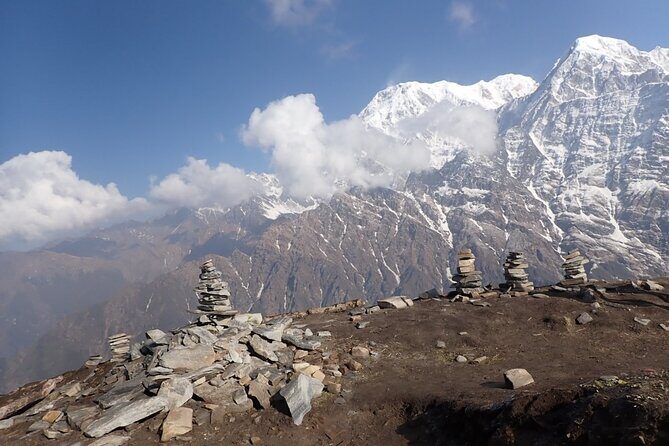
If your goal is a fast, meaningful trek with real mountain views—and you want fewer people on the path—this is a strong pick. The itinerary is built for momentum: forest walking to settle in, then a high payoff day with sunrise at Mardi Himal Base Camp and panorama stops like Badal Danda.
For most readers, the best reason to book is practical: you get a guided trek with permits organized, tea house lodging handled, and transportation included. That’s the kind of support that turns a potentially stressful planning job into a simple checklist.
If you love long treks for slow wandering, you might find four days a bit rushed. But if you want the highlights without the week-plus commitment, this is the right length.
FAQ
How long is the 4-day Mardi Himal Base Camp trek from Pokhara?
The trek runs for about 4 days.
What altitude does this trek reach?
The trek ascends to about 4,500 meters.
Is pickup and drop-off included in the price?
Yes. Hotel pickup and drop off are included.
What kind of accommodation do you use during the trek?
You stay in tea house or guest house accommodation during the trek.
Do you need permits for this trek?
Yes. The itinerary includes an Annapurna Conservation Area Permit and a TIMS card.
What documents are required to issue the trekking permits?
You need to provide a passport digital copy and a passport-size photo before your travel date.
Is there a guide, and do they speak English?
Yes. You’ll have a professional English-speaking guide.
How do you get to and from the starting point?
You use sharing jeep transportation to and from the starting point.
Is the tour private?
Yes. It’s listed as a private trip, so only your group participates.
What is the cancellation policy?
You can cancel for a full refund up to 24 hours in advance of the experience’s start time. If you cancel less than 24 hours before, the amount paid is not refunded.