REVIEW · POKHARA
4 Day Mardi Himal Base Camp Trek from Pokhara
Book on Viator →Operated by CAN Travels · Bookable on Viator
Four days to Mardi Himal’s big sky moments. This trek in Nepal’s Annapurna region delivers Mardi Himal views fast, with long stretches through rhododendron forests, villages, and alpine scenery—and plenty of chances to warm up in cozy tea houses. The main tradeoff is that some sections get steep and you’ll want solid moderate fitness for the long walking days.
I like how CAN Travels keeps things practical, with an experienced English-speaking guide and transportation so you’re not guessing what comes next. In the guide names that keep showing up—Krishna Adhikari, Krishna, Biru, and Birendra—you can see the pattern: friendly, helpful, and tuned to pacing so the trek feels challenging but manageable.
At about $290 per person, the value comes from getting the permits, documents, and return transfer sorted, plus tourist-standard guest-house stays. Still, food and drinks aren’t included, so plan on paying for meals along the way—your wallet will feel every day you buy snacks.
In This Review
- Key highlights to know before you go
- Why Mardi Himal in 4 Days Feels Like a Big Win From Pokhara
- Price and Logistics: What $290 Covers (and What It Doesn’t)
- Day 1: Kande to Forest Camp and the First Real Test
- Day 2: Gradual Ascent to Low Camp Guest House and High Camp
- Day 3: The Steeper Climb to Mardi Himal Base Camp Views
- Day 4: Descend Through Villages to Siding Village, Then Back to Pokhara
- What Your Guide Actually Does for You on This Trek
- Guest Houses and Tea Houses: Comfort Style on Mardi Himal
- Trekking Fitness: Moderate Means You Can Handle Steep Moments
- Who This Trek Suits Best (and Who Might Reconsider)
- Should You Book Mardi Himal Base Camp From Pokhara With CAN Travels?
- FAQ
- What’s the trek duration for Mardi Himal Base Camp from Pokhara?
- How much does the 4-day trek cost per person?
- Where does the trek start, and how long is the drive from Pokhara?
- How many hours do you walk on Day 1?
- What’s the walking time on Day 2?
- How long is the climb on Day 3?
- What’s the Day 4 route back to Pokhara?
- What’s included in the price?
- Is food included?
- What’s the start time listed for the experience?
- Is there free cancellation?
Key highlights to know before you go
- A short trek with a serious view payoff: Mardi Himal Base Camp is achievable in only four days.
- Steep-to-steady pacing: day 1 and day 3 feel tougher, while day 2 is more gradual.
- Tea-house comfort each night: you sleep in tourist-standard guest houses during the trek.
- Guides who manage your rhythm: many groups get led by guides like Krishna Adhikari or Biru.
- Permits and entrance fees are handled: official paperwork is included.
- You return to Pokhara by vehicle: after the descent, you don’t have to keep walking all the way.
Why Mardi Himal in 4 Days Feels Like a Big Win From Pokhara
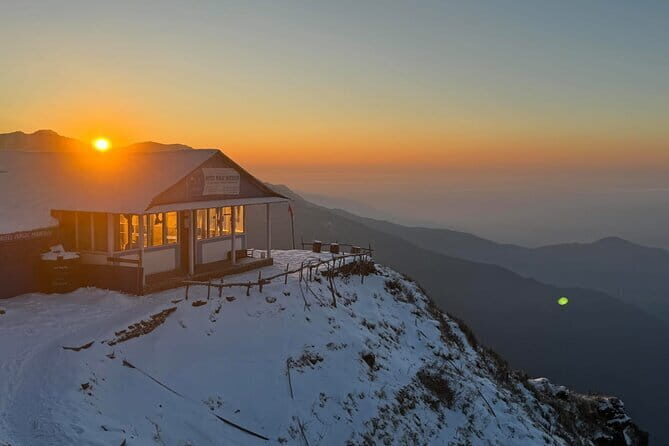
If you’ve got limited time in Nepal, this is one of those treks that makes sense. Mardi Himal is close enough to Pokhara that the whole trip feels efficient, but it still climbs into that classic high-mountain zone where the air changes and the views start doing the talking.
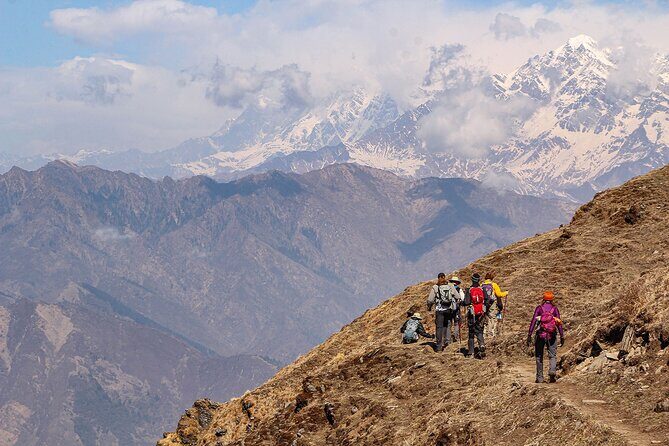
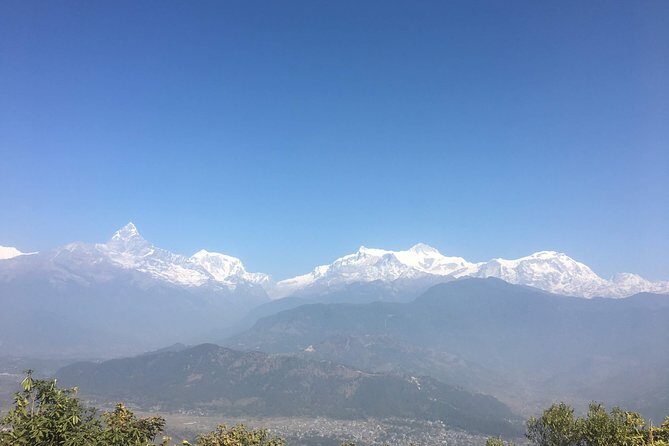
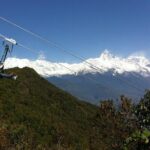
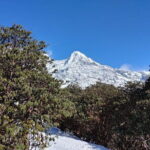
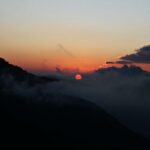
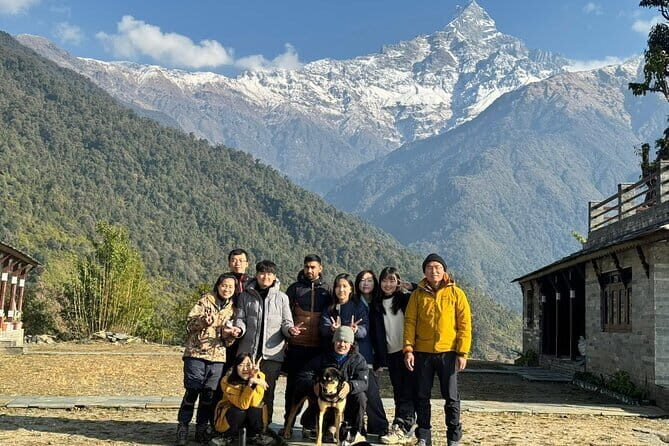
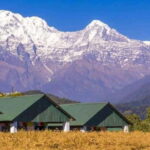
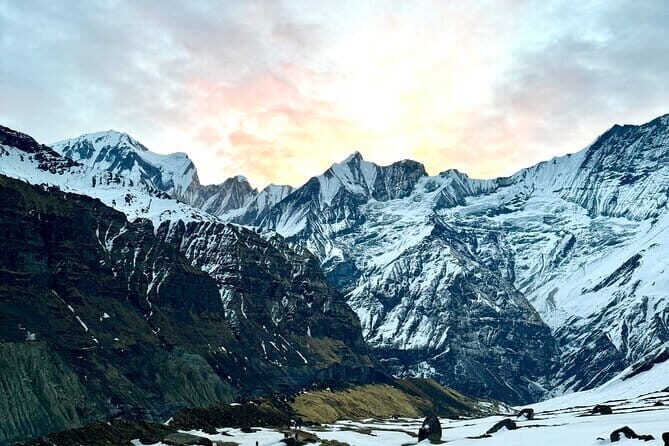
You’ll move through different “versions” of the Annapurna region in just a few days: green forest sections, small villages, then higher alpine terrain with open vistas. The payoff is the Himalayan backdrop—Machhapuchhre (the fishtail peak), Annapurna, and Hiunchuli are specifically part of what you’re aiming to see as you rise.
And yes, the trek is short by Himalayan standards. That’s a plus, not a compromise. You still get a real sense of effort and accomplishment, but without turning your whole week into one giant logistics problem.
Other Mardi Himal treks reviewed in Pokhara
Price and Logistics: What $290 Covers (and What It Doesn’t)
At $290 per person, you’re paying for more than “just walking.” What stands out is what’s included for you:
- trekking permit and all official documents
- experienced English-speaking guide
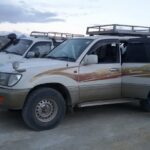
- round trip transfer by shared bus or jeep (timing depends on the route plan)
- tourist-standard guest house accommodation during the trek
- emergency normal first aid kit with your guide
- entrance fees
- hotel pick up and drop off
That combination is where the value shows. Permits and paperwork can be a headache when you’re organizing on your own, and mountain transport is often where plans go sideways. Here, you’re paying someone to keep it all in the right order.
What’s not included is also clear:
- food and drinks (you buy them as you go at the tea houses)
- gratuities (optional)
So budget for meals daily. Tea houses usually make it easy to eat and refill, but you should still plan financially for snacks, hot drinks, and full meals on the trail.
Day 1: Kande to Forest Camp and the First Real Test
You start with a drive from Pokhara to Kande that takes about an hour. Then the trek begins. Expect the trail to go through lush forests and village areas right away. The setting matters on day 1 because it helps you “wake up” into the hike without immediately feeling wrecked.
That said, day 1 isn’t a walk in the park. The trail is steep in places and takes about 5–6 hours to reach Forest Camp. This is the part where you’ll feel how steep looks in practice, not theory. If you tend to start too fast, day 1 is where you pay for it later.
The good news: forest walking can keep your temperature in a workable zone. And once you’re at Forest Camp, you’re set up for the rhythm of tea house nights—simple, practical lodging where you can refuel and get ready for the next climb.
Day 2: Gradual Ascent to Low Camp Guest House and High Camp
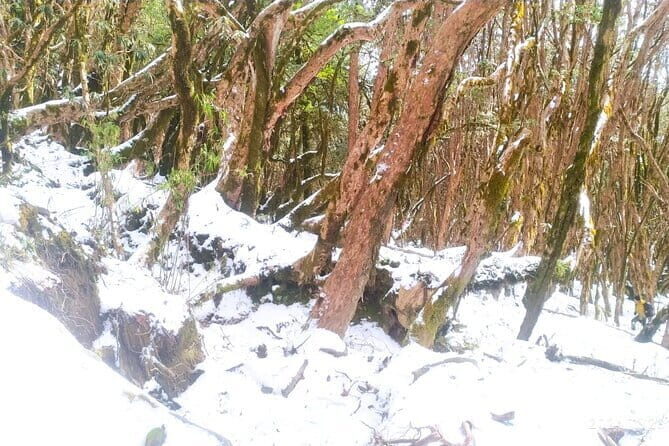
Day 2 shifts the mood. The climb is described as more gradual at the start, moving through forest before the trail angles higher. You’ll still be walking for around 6–7 hours, but the effort is spread out rather than concentrated into one brutal spike.
As you gain altitude, views become part of your reward system. The route description points to increasingly strong mountain sightlines as you go. This is a good day for pacing yourself with a steady, sustainable effort—less sprinting, more consistency.
You’ll reach High Camp after the day’s trek (with the Low Camp guest house and restaurant area involved along the way). Expect tourist-standard guest house comfort again: a bed, a hot drink if you’re lucky on timing, and the chance to recover properly before the steeper push on day 3.
If you’re the type who likes to “feel strong” midway through a trek, day 2 is often where that happens.
Day 3: The Steeper Climb to Mardi Himal Base Camp Views
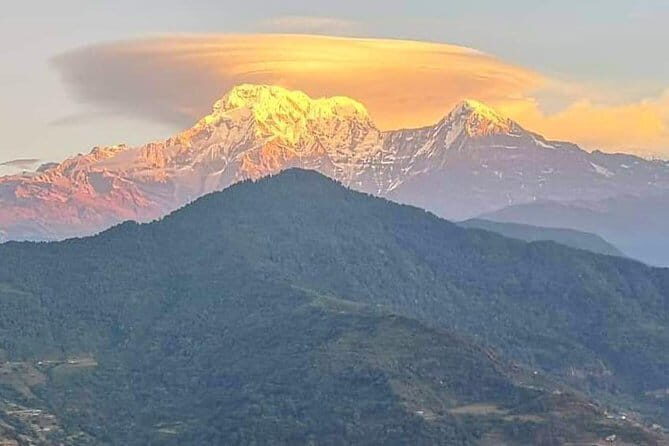
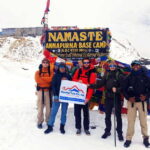
This is the day with the most “legs-on-fire” energy. The trail becomes steeper as you climb higher toward Mardi Himal Base Camp. The route timing given for this section is about 3–4 hours to reach the High Camp area and then push onward to the base camp area.
Shorter on paper than day 1 and day 2, yes. Easier? Usually no. Steep terrain can be more tiring than long, steady uphill, especially when the air feels a bit thinner.
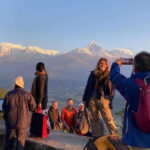
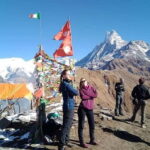
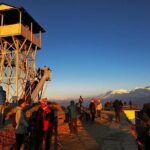
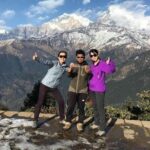
Here’s what makes day 3 worth the strain: once you’re up there, you’re looking at broad panoramic views down to the valley and out across the Himalayan peaks. Machhapuchhre, Annapurna, and Hiunchuli aren’t just names anymore—they’re part of your walking day.
What I’d do with this day: slow down your breathing before you slow down your pace. When the trail tightens and the slope increases, that small control helps you stay calm and enjoy the view when it finally opens.
Other hiking tours in Pokhara
Day 4: Descend Through Villages to Siding Village, Then Back to Pokhara
Day 4 is your release valve. The trail descends through forests and villages, which means your legs get a different kind of workout: less uphill burn, more careful footing.
You’ll walk about 5–6 hours down to Siding Village. After that, there’s another 2–3 hours of driving back to Pokhara. That vehicle ride is a real gift. It turns day 4 from a “keep trekking until you’re done” situation into a finish line day.
Along the way, you’ll pass traditional Nepalese houses and terraced fields. This part is about culture and context—seeing how people live in the hills, not just passing through scenery.
When you get back to Pokhara, the point isn’t to celebrate by running a marathon. It’s to enjoy the normal life contrast: warm food, a clean shower (if available), and sleep that doesn’t involve packing a layer-by-layer weather strategy.
What Your Guide Actually Does for You on This Trek
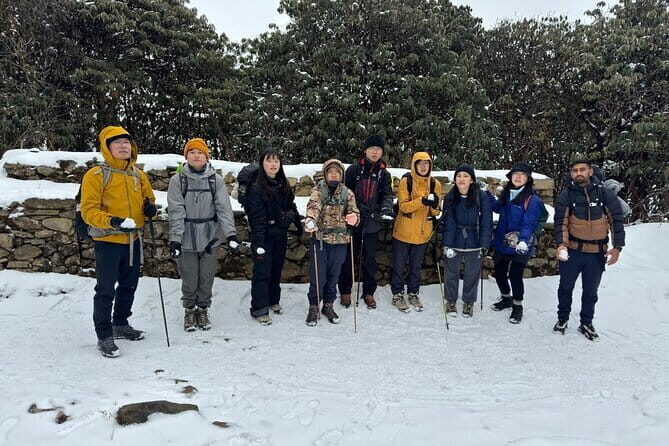
This trek works best when your pace and timing match the trail and altitude. That’s why the guide matters so much here.
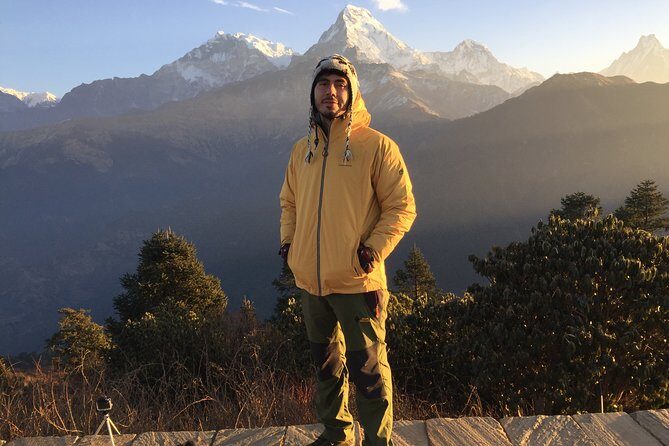
The program is built around an experienced English-speaking guide, and the names that repeatedly show up in guide credits—Krishna Adhikari, Krishna, Biru, and Birendra—fit the same theme: friendly and attentive, with enough local knowledge to keep you moving efficiently.
From what’s been shared about these guides, the real strengths are:
- helpful support when the trail gets steep
- pacing that aims to keep you comfortable without losing momentum
- calm guidance when conditions are changing or the hike feels longer than you expected
Also, the fact that there’s an emergency normal first aid kit with your guide is practical. You don’t want to think about problems on a trek, but it’s good to know help is part of the plan, not an afterthought.
Guest Houses and Tea Houses: Comfort Style on Mardi Himal
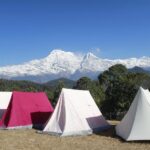
This trip doesn’t require camping gear or complicated lodging logistics. During the trek, you stay in tourist-standard guest houses. That usually means simple rooms, basic comfort, and a place to recharge.
Food and drinks are available on purchase. So you’ll eat at tea houses along the trail. This is where the trek stays honest: the mountains are the headline, and the guest house system keeps you fed without turning your trip into a food logistics project.
My advice: treat meals and hot drinks like part of your training. Eat enough to keep energy steady. Don’t wait until you’re starving before you order. On steep days, your body is working; feed it.
If you’re sensitive to cold at night or early morning, plan to bring layers. The data doesn’t spell out weather, but higher altitude nights often require more than you expect.
Trekking Fitness: Moderate Means You Can Handle Steep Moments

The trek is aimed at travelers with moderate physical fitness. That’s useful wording because it doesn’t mean you need to be an athlete—but it does mean you should be comfortable with long walking days and steep sections.
Here’s what “moderate” translates to on this route:
- day 1: steep parts, 5–6 hours
- day 2: gradual but 6–7 hours
- day 3: steeper climb to the base camp area
- day 4: 5–6 hours downhill plus a 2–3 hour drive
You’ll be fine if you can walk for hours at a steady pace without needing constant rest. You’ll struggle (or feel miserable) if you only do short walks or you’re expecting everything to be flat.
If you’ve got knee issues, long descents can be tough. Trekking poles can help a lot here, even if the route planning doesn’t mention them.
Who This Trek Suits Best (and Who Might Reconsider)
This trek is a strong match if you want:
- a short trek that still reaches Mardi Himal Base Camp
- a clear plan with permits, transfers, and guiding taken care of
- guest-house comfort rather than camping
It also works well for couples, small groups, and first-time trekkers who want structure. The private tour setup means you’re not getting swallowed into a large group dynamic.
Who should think twice?
- people who are truly looking for a light walk with minimal steep sections
- anyone who can’t handle 6–8 hour days with real climbs and descents
- travelers who need fully included meals and drinks (because here, you’ll buy food and drinks on the trail)
Should You Book Mardi Himal Base Camp From Pokhara With CAN Travels?
If you want a time-efficient trek that feels worthwhile, I think you’re in the right place. The included permits, experienced English-speaking guide, and round trip transfers reduce the most stressful unknowns. The route itself hits that sweet spot between doable and impressive: forests, villages, high views, and a base camp destination in about four days.
Book it if:
- you can handle steep sections and long walking hours
- you’re okay buying meals and drinks at tea houses
- you want a guided, well-organized experience instead of managing permits and transport yourself
Skip or ask more questions if:
- you’re unsure about your ability to manage steep uphill and long downhill
- you strongly prefer everything fully included, especially food
If your goal is big Himalayan views without a week-long commitment, this is the kind of trek that makes the calendar feel honest.
FAQ
What’s the trek duration for Mardi Himal Base Camp from Pokhara?
It’s listed as about 4 days.
How much does the 4-day trek cost per person?
The price is $290.00 per person.
Where does the trek start, and how long is the drive from Pokhara?
The drive from Pokhara to Kande takes about an hour, and the trek starts from Kande.
How many hours do you walk on Day 1?
Day 1 takes about 5–6 hours to reach Forest Camp, after a steep-in-places start.
What’s the walking time on Day 2?
Day 2 is about 6–7 hours to reach High Camp.
How long is the climb on Day 3?
Day 3 includes a steeper section, taking about 3–4 hours to reach the base camp area via the high camp region.
What’s the Day 4 route back to Pokhara?
Day 4 includes descending for about 5–6 hours to Siding Village, then another 2–3 hours by drive back to Pokhara.
What’s included in the price?
Included are the trekking permit and official documents, an experienced English-speaking guide, round trip transfers by shared bus or jeep as per the itinerary, tourist standard guest house accommodation during the trek, a private tour, an emergency normal first aid kit with the guide, entrance fees, and hotel pick up and drop off.
Is food included?
No. Food and drinks are available on purchase.
What’s the start time listed for the experience?
The start time is 7:15 pm.
Is there free cancellation?
Yes, you can cancel for a full refund if you do so up to 24 hours in advance.