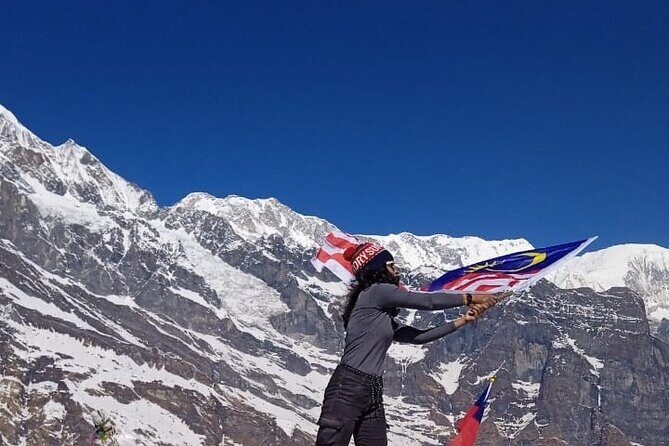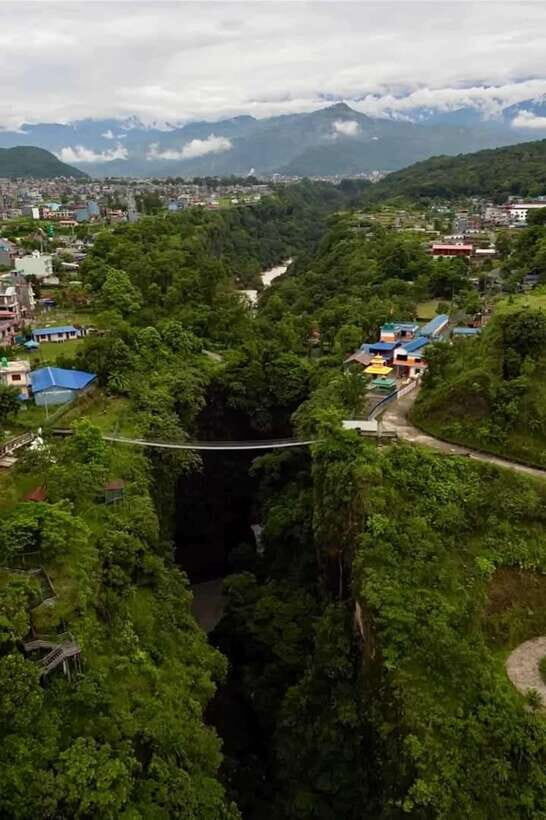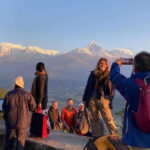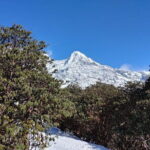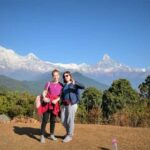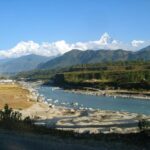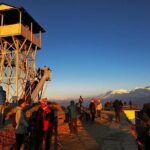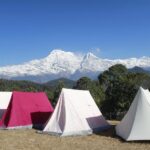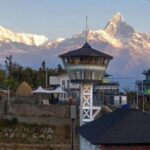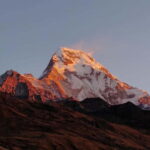
Mardi Himal feels like Nepal without the crush. This 5-day trek in the Annapurna region gives you big mountain views, including Machapuchare, while keeping the trail calmer than the more famous routes. I really liked the mix of rhododendron forests, rivers, and changing high-country scenery, and I also liked that it’s built for most people with average fitness. The main consideration is the climb (up to around 3300m), so you’ll want a steady pace and reasonable stamina.
You’ll base the experience out of Pokhara, and the trip is designed around practical trekking logistics: included transport (Pokhara to Kande and Siddhing back to Pokhara), tea house lodging, and full-day meals. The guide team you’re matched with may include experienced professionals like Shuhil Gurung and Phul Gurung, plus other guides such as Sobit or Robin, who have shown up in past trips I’ve seen.
This is a private activity, so it’s only your group, not a mixed scramble. You’ll also get a mobile ticket and pickup is offered, but the meeting time is listed as 8:15 pm, so plan your evening in Pokhara around that schedule.
In This Review
- Key highlights you’ll care about
- Why Mardi Himal fits a 5-day schedule (and still feels big)
- Pokhara logistics: the 8:15 pm start and your Kande-to-Siddhing flow
- Five days on the trail: rhododendron forest, streams, and climb to the high viewpoints
- Day 1: From the Kande area into the Annapurna foothills
- Day 2: Forest walking and the stream-and-river side of Annapurna
- Day 3: The climb toward higher country (and thinner air)
- Day 4: Wider views and the Machapuchare moment
- Day 5: Down to Siddhing, then back to Pokhara
- Tea houses and meals: what’s included, and how to make it work for you
- Permits and packing: ACAP/TIMS are handled, but you still need a smart kit
- Guides and porters: the human support that keeps the trek smooth
- Price and value: is $500 fair for Mardi Himal 5 days?
- Who should book this trek (and who should think twice)
- Should you book this Mardi Himal Trek 5 Days?
- FAQ
- How long is the Mardi Himal Trek 5 Days?
- Where is the trek based?
- What transport is included?
- What permits are included?
- Are meals and accommodation included?
- Is a porter included?
- When is the start time for the experience?
- Is free cancellation available?
Key highlights you’ll care about
- Machapuchare views on a shorter trek: you still get the iconic mountain feel without committing to a long expedition
- Forest-to-high-country trail: rhododendron paths and streams lead up toward rugged terrain
- Teahouse accommodation built into the package: you’re not left piecing together where you’ll sleep
- ACAP and TIMS permits included: less admin stress before you start climbing
- Porter support included (shared model): 1 porter for 2 people, but none for solo trekkers
- Calmer vibe than big-name routes: the goal is stunning scenery without the crowds
Why Mardi Himal fits a 5-day schedule (and still feels big)
Mardi Himal is one of those treks where time matters. In five days, you get the Annapurna region feel—forests, streams, villages and then harder, higher ground—without needing a week or more to chase the same dramatic mountain payoff.
The biggest draw for me is the view factor. This route is known for showing you the Himalaya in a way that feels close and personal, including Machapuchare. If you’re the kind of person who loves a viewpoint just as much as the hike itself, this shorter plan can feel like the sweet spot.
Another thing I like is the “in-between” experience. You’re not only walking high and rocky; you’re also moving through rhododendron forest and crossing the quieter parts of the Annapurna trail network. That mix tends to make the hike feel more like a journey than a single long grind.
Other Mardi Himal treks reviewed in Pokhara
Pokhara logistics: the 8:15 pm start and your Kande-to-Siddhing flow
Most of the trek’s comfort comes from how the transport is handled. Here, you get local transfer included from Pokhara to Kande at the start and from Siddhing back to Pokhara at the end. That means you’re not trying to figure out buses, jeeps, or random pickups right when you’re tired.
One detail to take seriously: the listed start time is 8:15 pm. That usually means there’s an evening meeting and some kind of first transfer planning in Pokhara. If you’re traveling from another city the same day, build in margin so you’re not rushing in just to meet the group.
The trip is private, so you’re not mixing schedules with strangers mid-trek. That can matter when you’re trying to keep your pace consistent, stop when your group needs it, and keep the day moving without extra waiting.
Five days on the trail: rhododendron forest, streams, and climb to the high viewpoints
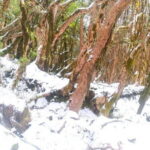
Even with limited “named stops,” the trek’s rhythm is easy to picture. You’ll spend the first part of the trek working upward through forested sections, then shift into higher and more rugged terrain. Along the way, the environment changes—trees give way to alpine feel, and the views become the main event.
Day 1: From the Kande area into the Annapurna foothills
Your day starts with travel from Pokhara to Kande, then the hiking portion begins. Early walking on this route is often about settling into altitude and rhythm rather than going all-out from the first steps.
Expect a mix of trail through green areas and glimpses of what’s coming. If you tend to be fast, this is a good day to slow down a notch. The higher you go later, the more you’ll appreciate pacing early.
Day 2: Forest walking and the stream-and-river side of Annapurna
As you continue, the trail’s character leans harder into nature. This is where rhododendron forest and water features—rivers and streams—become part of the hike’s soundtrack.
I like this day because it tends to feel varied. You’re not just staring at mountains all day; you’re moving through living scenery that makes each hour feel different, especially when you stop for breaks at tea houses along the way.
Other hiking tours in Pokhara
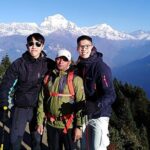
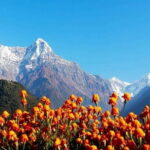
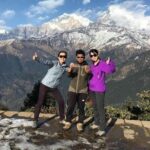
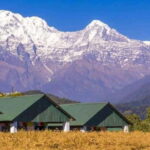
Day 3: The climb toward higher country (and thinner air)
Around this point, you’ll feel the trek shift. The trail climbs out to higher elevations, with around 3300m being the rough upper reach described for the route.
This is also where weather matters more. Even if conditions are fine at lower elevations, the higher sections can cool down quickly. Bring layers you can add without wrestling with your whole pack.
Day 4: Wider views and the Machapuchare moment
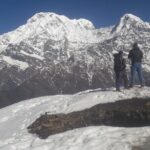
This is the day (or one of the days) where the mountains become more than background. You’re likely to spend more time looking up and checking the weather, because clear skies can turn a normal walking day into a highlight reel.
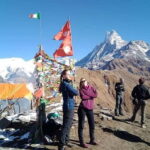
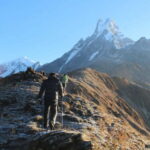
The Machapuchare view is the iconic payoff here. When it shows, it changes how the whole trek feels. Even people who are not “view people” usually end up slowing down and staying quiet for a while.
Day 5: Down to Siddhing, then back to Pokhara
The final day moves you back toward the exit point. The itinerary includes transport from Siddhing to Pokhara, so you’ll be finishing with the relief of a clear end point.
This is a good day for steady steps rather than big strides. Your legs will feel the trek by now, and a controlled descent helps you keep the last day enjoyable instead of punishing.
Tea houses and meals: what’s included, and how to make it work for you
This trek includes tea house accommodation and meals three times a day (breakfast, lunch, dinner) with tea or coffee. That’s important because it reduces the “what do we eat and where do we sleep” stress that can pop up on independent treks.
Tea houses are also social in a low-key way. You’ll likely share tables with other groups and swap small notes about trail conditions or weather. Keep it light and useful; your main job is still to hydrate and eat enough to support the climb.
Practical advice: plan your food strategy around consistency. You don’t need a perfect diet, but you do need energy. Lunch breaks are where you can top up, and dinner is where you’ll want to feel comfortably full before you sleep.
Also, tea or coffee is included with meals, but water is still on you. In higher areas, staying hydrated often feels harder than it should. Make water your default, not your exception.
Permits and packing: ACAP/TIMS are handled, but you still need a smart kit
The good news is the big paperwork items are included: ACAP and TIMS permits. For most people, that’s the part of trekking admin that turns a fun plan into a headache.
What you should think about instead is packing choices. Since you’re climbing into higher terrain (around 3300m), you’ll want layers for temperature swings. The trek’s description emphasizes forest to alpine-like terrain, which usually means mornings can be cool and afternoons can feel warmer until you gain elevation.
Your kit should also support comfort on uneven trails. Walking poles can be a big help if you have knee or ankle issues, but the real goal is simple: shoes and socks that you already trust.
One more packing reality: because this trek is short, there’s less room for “oops” mistakes. If you’re missing key items, you’ll still manage—but you might feel annoyed rather than impressed by how the day goes.
Guides and porters: the human support that keeps the trek smooth
The trek is built around a supported team. Porters are included, and the package specifies 1 porter for 2 people, with no porter provided for solo trekkers.
This matters because it changes what your day feels like. Even a few kilos off your back can make the difference between finishing the climb tired and finishing it stressed. If you’re traveling with a friend or partner, sharing porter support can be one of the best value levers in the whole trip.
I also like that the guide quality shows up clearly in past experiences. Names that appear in guidance teams include Shuhil Gurung and Phul Gurung, and you may also meet people like Sobit or Robin depending on group matching. The common thread is professionalism and attentiveness, not just “show up and point” guiding.
If you care about cultural respect, this route’s description and the types of guides involved usually support that. You’ll be moving through communities and forests where local knowledge helps you read the trail and the rhythm of the day.
Price and value: is $500 fair for Mardi Himal 5 days?
At $500 per person, this trek sits in a mid-range category for short Himalaya hikes. What makes it feel more reasonable is what’s included, not just the base number.
You’re getting:
- local transport (Pokhara to Kande, Siddhing to Pokhara)
- tea house accommodation
- meals 3 times a day
- ACAP and TIMS permits
- porter support (shared model)
What’s not included is also clear and mostly standard: hotels in Kathmandu and Pokhara, Kathmandu–Pokhara transport, domestic flight fare, personal expenses, and tips.
So the value question becomes: are you getting enough “operating costs” handled for you? In this package, yes. If you tried to recreate this same setup independently—permits, transport, lodging, and porter support—you’d spend real time and real money. That time cost is the hidden tax people forget when they’re tempted by cheaper options.
Tip reality: tips for guide, porters, and driver aren’t included. That’s normal, but you should still budget for it so you’re not making it up at the end when you’re tired.
Who should book this trek (and who should think twice)
This trek targets people with moderate physical fitness and is described as suitable for most people of average fitness. That’s a good fit if you can handle sustained walking and gradual climbs.
It’s also a solid choice if you want big Himalayan views in a short window. You’re not signing up for a long multi-week trek, so you can plan around time constraints without sacrificing the mountains.
On the other hand, if you get nervous about altitude climbs or struggle with steady uphill walking, you might find the higher sections demanding. The route includes a climb out to around 3300m, so go into it with realistic expectations and a slower pace than you think you need.
If you’re traveling solo, you’ll want to notice the porter note: there is no porter for solo trekkers in the included setup. You can still do the trek solo with a lighter load, but plan accordingly.
Should you book this Mardi Himal Trek 5 Days?
I’d book it if your goal is a short Himalayan trek with meaningful views and forest-to-high-country variety. The combination of tea house stays, meals included, and permits taken care of makes it a practical choice, not just a pretty one.
I’d also book it if you want the Mardi Himal experience without spending days in transit. The Pokhara-to-Kande and Siddhing-to-Pokhara transfers are part of what makes a five-day trek feel doable.
Hold off if you know you don’t like climbs to higher elevations, or if you’d be uncomfortable carrying your full pack (especially as a solo trekker). In that case, it may be smarter to look for a longer itinerary with different support options.
If you’re ready for a focused five-day adventure—good walking days, colder air near the top, and mountain views that make you slow down—this is a strong match.
FAQ
How long is the Mardi Himal Trek 5 Days?
The trek duration is about 5 days.
Where is the trek based?
It takes place in the Annapurna region, with the trip starting and ending in Pokhara.
What transport is included?
Local transport is included from Pokhara to Kande, and from Siddhing back to Pokhara.
What permits are included?
The tour includes ACAP and TIMS permits.
Are meals and accommodation included?
Yes. You get meals three times a day (breakfast, lunch, dinner) with tea or coffee, and you stay in tea houses.
Is a porter included?
Yes, a porter is included as 1 porter for 2 people. Solo trekkers do not get a porter in the included package.
When is the start time for the experience?
The start time is listed as 8:15 pm.
Is free cancellation available?
Yes, you can cancel up to 24 hours in advance for a full refund.