REVIEW · POKHARA
From Pokhara: 5-Day Mardi Himal Base Camp Trek
Book on GetYourGuide →Operated by Snow Peak Tours and Travels pvt. ltd. · Bookable on GetYourGuide
Mardi Himal rewards early starts. This 5-day guided trek from Pokhara targets unobstructed Annapurna views and that rare feeling of being close-up to Mardi Himal and Machapuchre, with rhododendron forests, small villages, and mountain sunrises as the main storyline. I also like that the trip runs as a private group with an English-speaking guide, so you’re not stuck guessing the trail or the timing.
The one thing to plan for is effort early on. The first two days can feel more challenging, and higher altitude means cold nights—so pack for real temperature swings and don’t assume it’ll feel easy just because it’s only five days.
In This Review
- Key things to know before you go
- Mardi Himal Base Camp: what makes this trek feel special
- Price and value: what your $181 covers (and what to budget for)
- What 5 private days feels like in real life (pace, comfort, and group size)
- Day 1: Pokhara → Kande → Australian Camp → Pothana → Pitam Deurali
- Day 2: rhododendron forests to Low Camp (the calm-building day)
- Day 3: Low Camp → High Camp (where the air gets serious)
- Day 4: High Camp → Mardi Himal Base Camp, then back to Low Camp
- Day 5: Low Camp → Sidding lunch pause → Lumre → drive back to Pokhara
- The guide team makes the difference you’ll feel on day two
- Packing and altitude reality checks (so you sleep better than you expect)
- Fitness level: what to expect from the effort curve
- Who should book this Mardi Himal trek (and who might want to adjust)
- Should you book this 5-day Mardi Himal Base Camp trek from Pokhara?
- FAQ
- How long is the Mardi Himal base camp trek?
- Where can you be picked up in Pokhara?
- Is a guide included?
- Are trekking permits included?
- Do meals come with the trek price?
- What kind of lodging is used during the trek?
- Can I hire a porter if I want one?
- What luggage support is provided in Pokhara?
- Is travel insurance required?
Key things to know before you go
- Rhododendron forests + village paths on the way up, not just rocky steps
- Sunrise moments built around the Base Camp day, with big visual payoffs
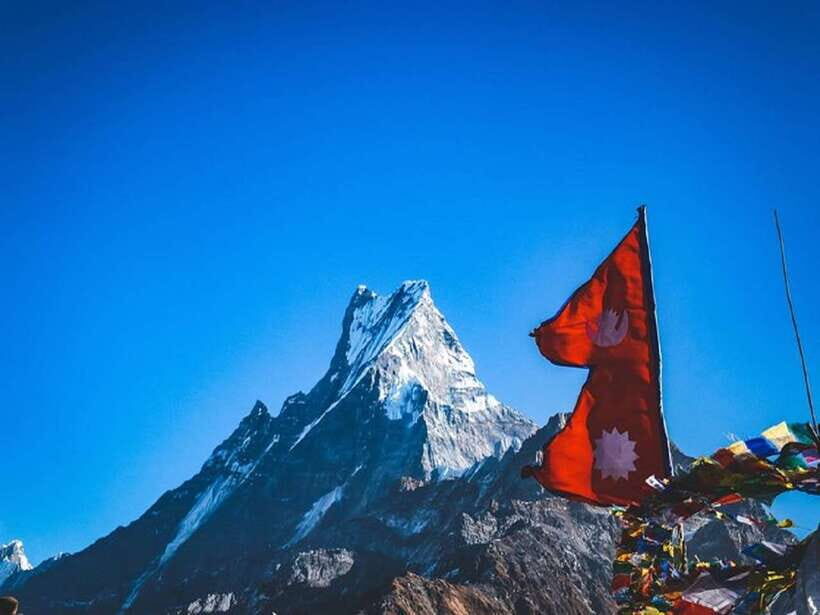
- Close proximity to Mardi Himal and Machapuchre that makes the route feel personal
- A pace that often eases after midday on the later days, giving you time to rest after lunch
- Guides with real people skills (some trips are led by Santosh, and local support has included Sun-Bahadur Nepali and Niva Nepali)
- Tea houses along the route plus luggage storage in Pokhara so you can trek with a manageable day pack
Mardi Himal Base Camp: what makes this trek feel special
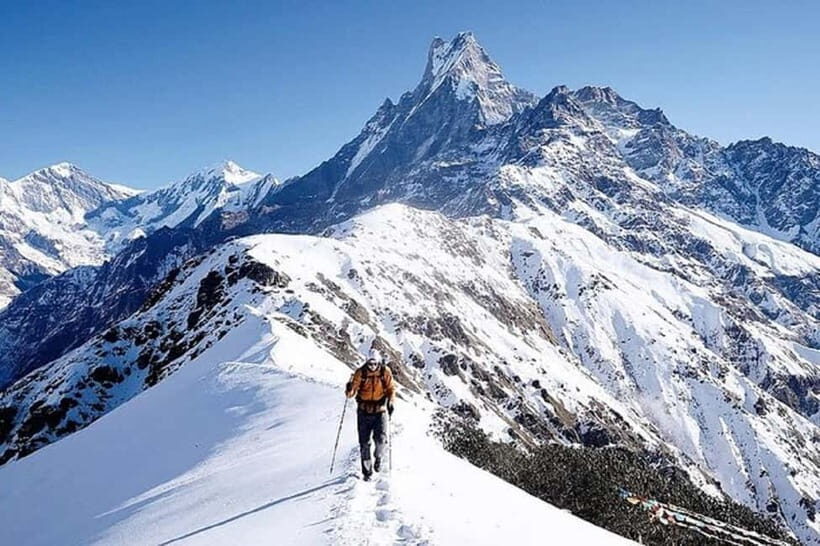
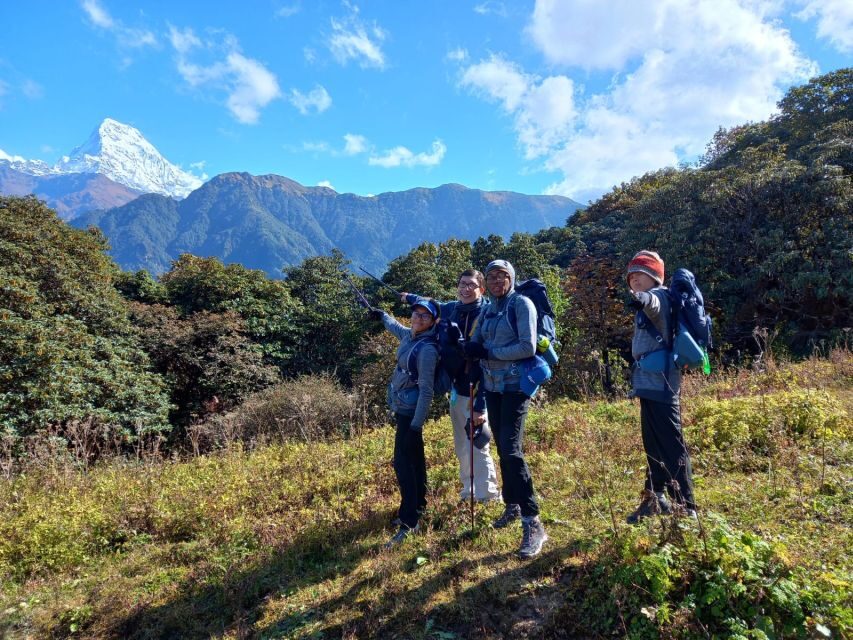
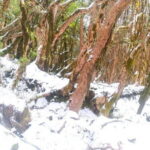
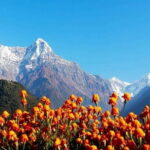
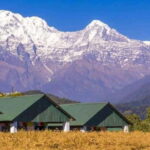
Mardi Himal sits in the Annapurna region, but the vibe is different from the classic, mega-traffic treks. You’re still in the Annapurna world—big peaks, clear ridgelines, and that steady “wait, that mountain is closer than yesterday” feeling—but the route gives you more calm. The trail weaves through rhododendron forests and quaint villages, so the trek is about more than just altitude. You hike, stop for views, eat simply, and keep meeting local life along the way.
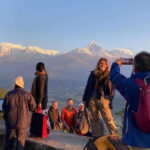
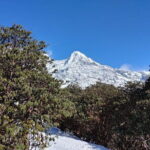
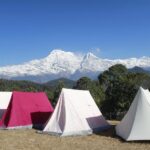
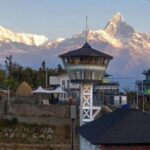
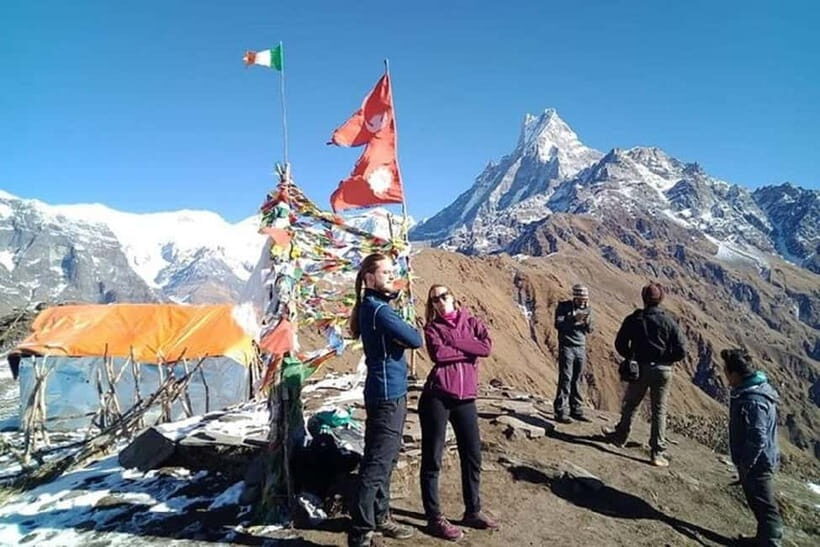
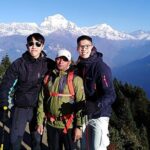
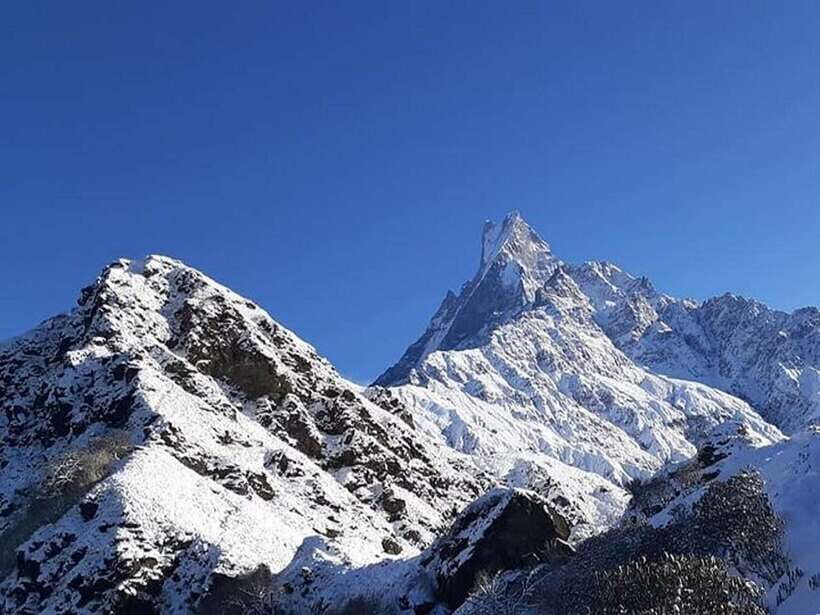
The big draw is how the scenery comes in layers. As you climb, the Annapurna range views become more open, and on the higher days you get that close sense of Mardi Himal and Machapuchre watching you from above. In other words: you’re not just looking at mountains—you’re moving into their neighborhood.
And because this trek is guided, you’re not on your own trying to figure out pacing, trail choices, or when to pause for the best light. That matters on short multi-day trips, where one wrong decision (too fast, too slow, or skipping rest) can make the whole week feel harsher than it needs to.
Other Mardi Himal treks reviewed in Pokhara
Price and value: what your $181 covers (and what to budget for)
At $181 per person, the value here is mostly in the “you don’t have to coordinate everything” side.
What’s included (based on the details you provided) tends to cover the stuff people usually underestimate:
- Round-trip transportation between your Pokhara hotel (or airport pickup) and the trek start/finish
- Trekking permits, TIMS fees, and required paperwork
- Simple tea house/lodge accommodation during the trek
- A certified English-speaking trekking guide (with insurance and trip expenses handled)
- First aid kit
- Government and local taxes
- Luggage storage in Pokhara
- Trekking stick / sleeping bag as needed (depending on the gear arrangement for your option)
The main “watch this” part is meals. Your info says meals during the trek are included depending on the option selected, and it also notes that meals aren’t automatically included unless you choose that add-on. In plain terms: if you don’t choose the meal-inclusive option, you’ll be buying food on the trail. Even with meals included, you’ll likely still want to pay for extra teas or snacks at tea houses.
A practical budget tip: carry some cash for flexible choices—hot drinks, extra snacks, and simple comfort upgrades. If you’re the type who always wants a second cup of tea or likes ordering dessert at altitude, plan for that early rather than being surprised later.
Optional cost: a porter can be hired for $20 per day. If you want to keep things light (especially with knee issues or if this is your first multi-day trek), that can be a smart, simple way to protect your energy.
What 5 private days feels like in real life (pace, comfort, and group size)
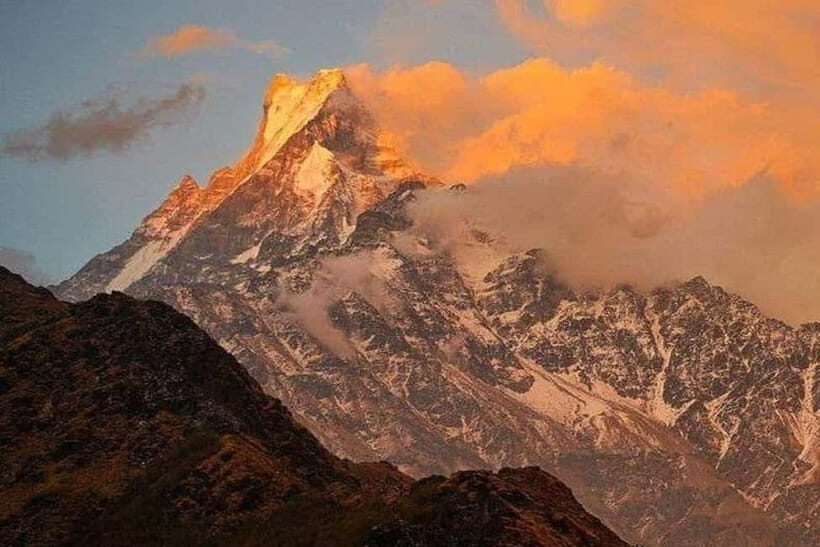
This is a private group trek with a guide. Private doesn’t just mean quieter. It usually means you get a pace that matches your group and more flexibility with rest stops and timing.
A pattern that fits the route well:
- Early days build the effort.
- Later days often feel shorter after lunch, which gives you time to slow down, dry off, and enjoy the views without always feeling behind schedule.
That’s a big deal on Mardi Himal because the scenery is worth stopping for. When you have breathing room after lunch, you can actually linger—watch the mountain shapes change with light, take photos without rushing, and let your legs reset before the final push.
One more comfort factor: luggage storage in Pokhara means you don’t drag extra bags to town and back. You trek with a manageable day pack, and the ground crew handles the rest.
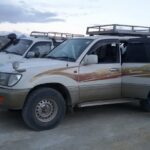
If the road at the end of the day feels rough (this came up in one shared experience), it can help to think ahead about transport comfort—an alternative vehicle type (like a jeep) can be smoother than a standard ride on bumpy sections.
Day 1: Pokhara → Kande → Australian Camp → Pothana → Pitam Deurali
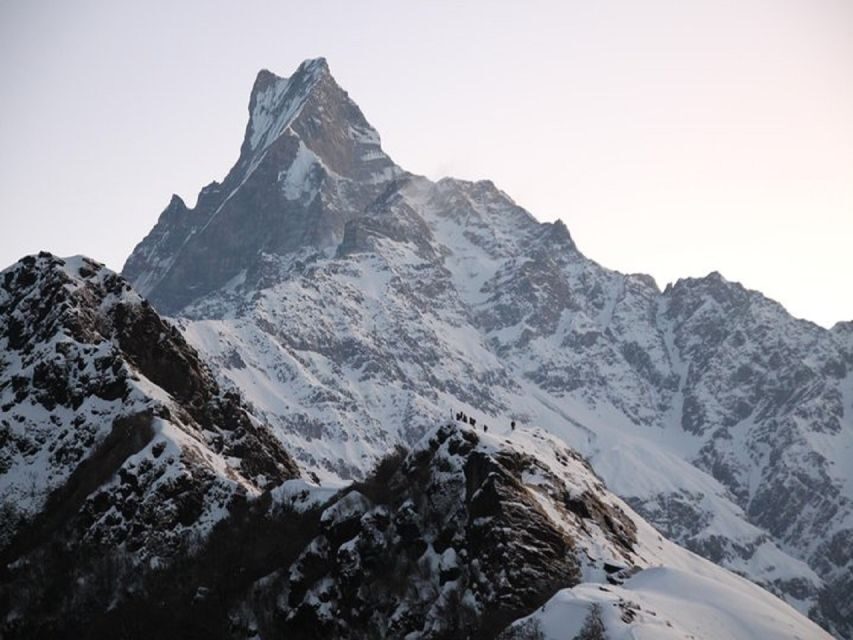
Your first day blends road time and a gentle start to trekking altitude.
You’ll drive from Pokhara to Kande, then start hiking through the scenic sequence that includes Australian Camp and Pothana. The route matters because it sets the tone. You don’t jump straight into steep climbing. Instead, you move through village-style paths and get your first proper look at how the mountains will frame your days ahead.
Lunch happens along the way, with time in rhododendron forests. Even if you’re mostly focused on getting your legs working, this forest segment is useful. It’s cooler than exposed slopes, and the shaded trail helps you avoid overheating early. Later in the week, you’ll appreciate having that first-day rhythm.
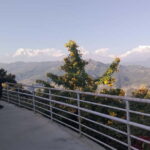
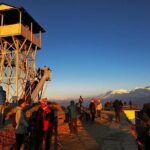
You end at Pitam Deurali viewpoint, with guided time and an overnight stay. Think of this stop as your orientation point: you’ll start recognizing which peaks you’ll be aiming toward in the days ahead, and you’ll also learn what your guide considers a smart pace for your group.
Day 2: rhododendron forests to Low Camp (the calm-building day)
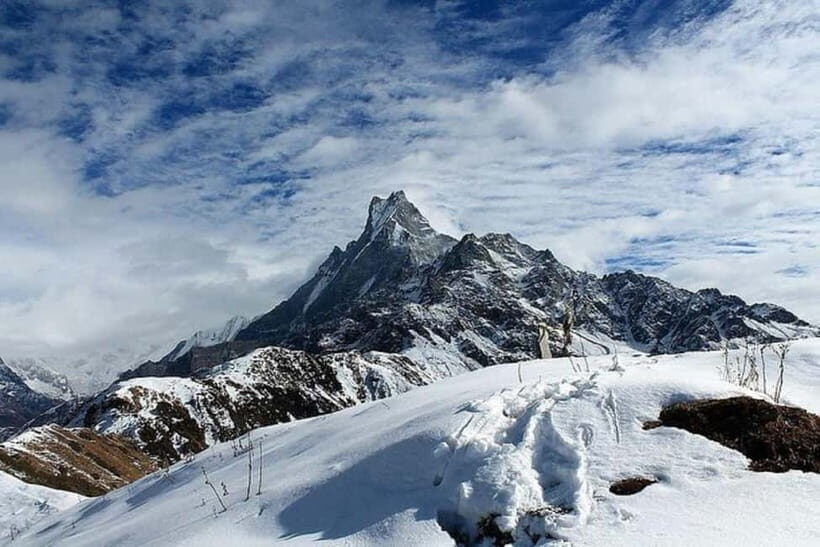
Day two turns the volume down a notch while still moving you higher.
You’ll trek through charming settlements and rhododendron forests to reach Low Camp. This is the day where you get the sense that you’re not just hiking through empty mountain space. Villages and trail life keep showing up, and that makes the trek feel more human.
Lunch comes during the hike, and then you settle in at Low Camp for the night. Low Camp is an important altitude step, but it’s also a mental one. After day two, you start to feel the change in air and the slowing pace your body wants. That’s normal. Use the evening at Low Camp to hydrate, eat well, and keep your warmth habits consistent—your clothing choices here will affect how you sleep.
Other hiking tours in Pokhara
Day 3: Low Camp → High Camp (where the air gets serious)
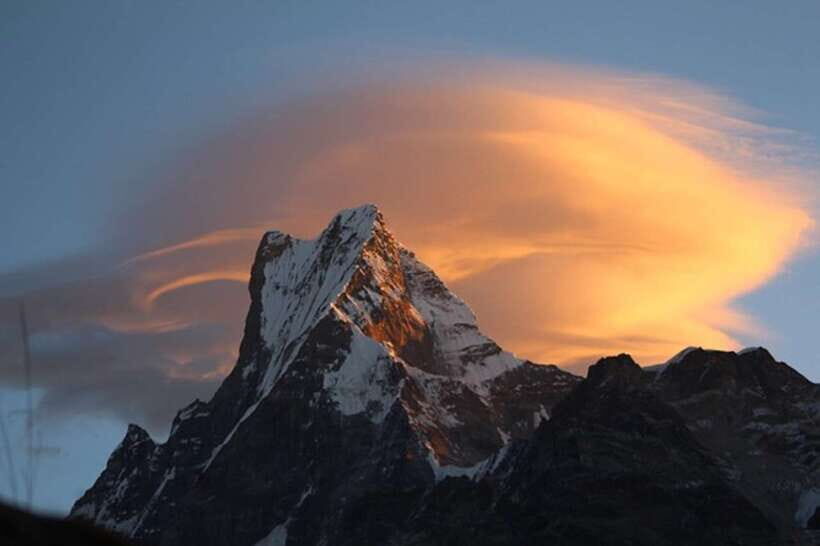
On day three, you start from Low Camp and climb to High Camp, with lunch en route.
High Camp is described as the final settlement area on this trail. That alone tells you the intent: the trek is building toward the big moment, and day three is the bridge between “walking in the region” and “being close to the base camp zone.”
Expect:
- More cold and wind exposure as you gain altitude
- A pace that feels slower than you think you should be doing
- Frequent “stop, breathe, look” moments as the view opens
This is also a good day to use the guide’s experience. One practical note from shared experience: people with knee problems have still been able to finish, but only when they pace carefully. If you feel strain, it’s better to slow down earlier than to force steps later.
If you’re considering altitude medication (like acetazolamide/diamox), do it with medical advice first. One shared experience mentioned diamox as recommended, but altitude decisions should be between you, your doctor, and your risk profile.
Day 4: High Camp → Mardi Himal Base Camp, then back to Low Camp
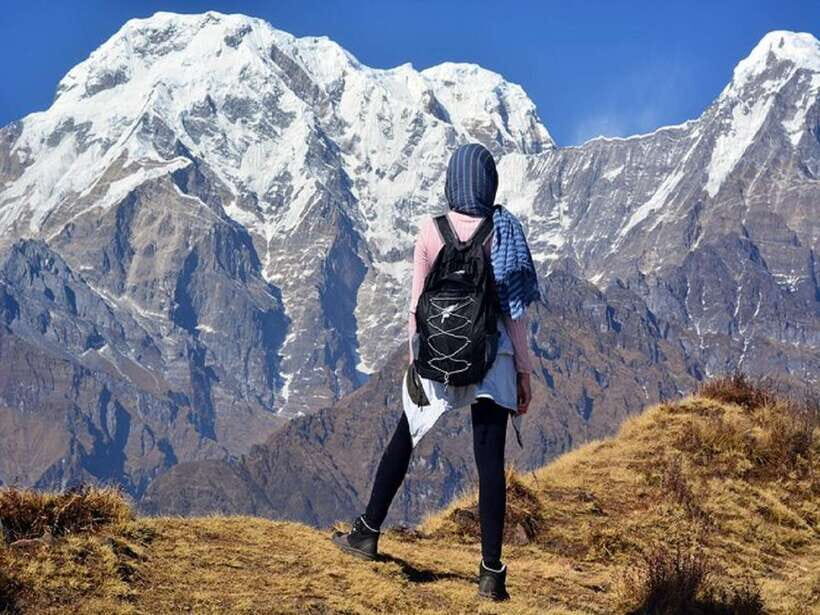
Day four is the heart of the trip.
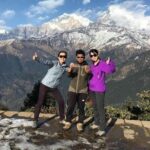
You trek from High Camp to Mardi Himal Base Camp, then you return to Low Camp. The big payoff is that you get time at Base Camp for views and for taking in the “we’re really here” feeling.
This is where you’ll appreciate the goal of the route: panoramic views of the Annapurna Himalayan range and that close closeness to Mardi Himal and Machapuchre from the base camp area. The mountain shapes aren’t just dramatic—they’re easier to understand when you can see them from multiple angles across the day.
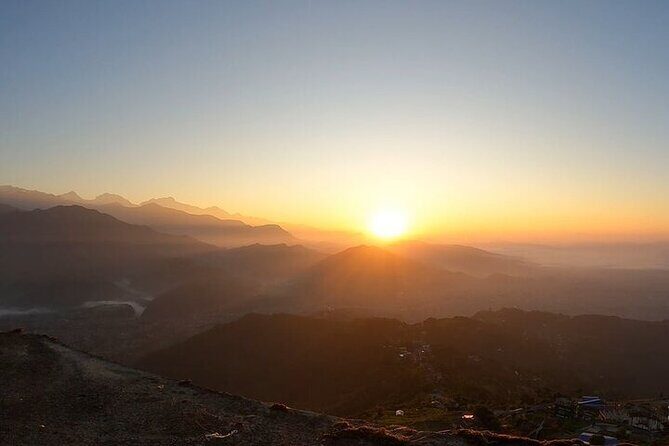
A sunrise moment is built into this day as well. Sunrise conditions vary (weather is weather), but when it’s clear, the early light can turn the whole ridge line into something you can’t recreate later.
Time matters here. Base Camp isn’t just a photo stop. With guided time on the ground, you can actually enjoy the views without feeling rushed and without losing the chance to take a break before the descent.
Then comes the return to Low Camp—another reminder that short treks still require a full travel rhythm: hike up, get your moment, then hike down while your legs are already tired.
Day 5: Low Camp → Sidding lunch pause → Lumre → drive back to Pokhara
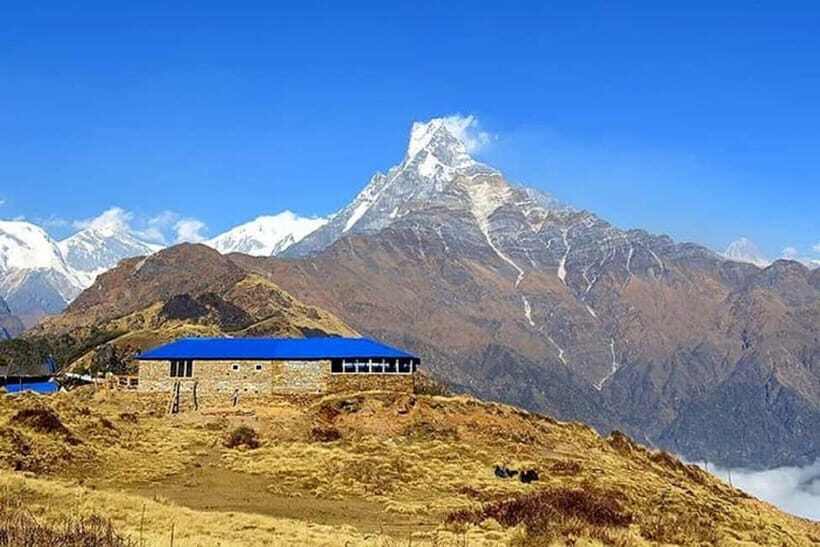
Your final day is a descent, but not a lazy one.
You start with breakfast, then descend to Sidding where there’s a lunch pause. After that, you hike to Lumre, where your vehicle is waiting to transport you back to Pokhara.
The final stretch through Lumre canyons and Lwang Ghalel adds variety, so the last day doesn’t feel like repeating the same trail. You’ll also likely feel the difference between days three and four effort versus day five legs: the descent can be tough on knees and ankles, so trekking poles (if you use them) can help your balance and reduce impact.
A bonus: one shared experience described a guide taking time to visit Lwang village for a volleyball tournament and a barbeque with locals when the schedule allowed. That kind of stop isn’t guaranteed from what you provided, but it fits the overall character of guided travel here—your guide tries to make the day feel like more than transportation between checkpoints.
When you’re back in Pokhara, you’ll have the satisfaction of a complete trek loop: climb, reach base camp, then come home while the memories stay fresh instead of fading into airport logistics.
The guide team makes the difference you’ll feel on day two
Guides here aren’t just route leaders. A good guide handles pace, safety, and the small things that keep morale high.
In shared experiences, Santosh stood out for being helpful and friendly, including thoughtful touches like bringing fruit during the trek. Others describe local support from a father–daughter team, Sun-Bahadur Nepali and Niva Nepali, who helped with food, backpacks, and trail options, plus encouragement for slower pace. Porters named Mayal and another Mayal were also mentioned as keeping people comfortable and supported during downhills.
Even if your specific guide team is different, use these examples as a checklist:
- Do they explain what’s coming next?
- Do they help you manage your pack so your legs stay fresh?
- Are they comfortable adjusting pacing for your group?
- Do they speak English well enough that you can ask real questions?
That’s what turns Mardi Himal from a hike into a trip with a story.
Packing and altitude reality checks (so you sleep better than you expect)
This trek is short, but conditions can change fast. Your info calls out significant temperature swings and cold at higher altitudes, so pack for cold mornings and evenings.
Bring:
- Comfortable shoes with good grip
- Jacket (for wind and cold)
- Hat
- Camera if you plan to chase sunrise and clear-view moments
- Comfortable clothes you can layer
- Cash for extra food, teas, and snacks if meals aren’t fully included
- Hair tie if you need it to keep warm clothing and breathing comfortable
Also plan to handle the practical basics:
- Travel insurance is mandatory for your safety and peace of mind.
- Emergency rescue services are available if required.
- You’ll want to keep your permit process on track by submitting a copy of your passport at least one day before the trek.
One more gear note: this trek can provide trekking stick or a sleeping bag as needed. Still, don’t assume every comfort item is covered. If you’re used to a specific sleeping setup, bring it. If you rely on hiking poles, bring them. Small comfort choices make a big difference when nights are cold and mornings start early.
Fitness level: what to expect from the effort curve
This is physically demanding for some people, but it’s not an extreme mountaineering program. It’s trail trekking. The main issue is that short treks compress effort into fewer days, and altitude hits differently even when the trail looks manageable on paper.
Here’s the practical way to judge it:
- The first two days are often the tougher stretch.
- Later days can feel shorter after lunch, with more time to rest and regroup.
- One shared experience noted they were able to finish with a knee problem, suggesting the route can be manageable with smart pacing.
If this is your first multi-day trek, that’s not a dealbreaker. It’s a good route to learn pacing, hydration, and altitude basics. But if you show up exhausted or underprepared, the first climb days will teach you quickly.
If you’re deciding between doing it faster versus taking it at a slower, steady rhythm, choose steady. On Mardi Himal, your goal isn’t only reaching the camps. Your goal is being healthy enough to enjoy the views when you get there.
Who should book this Mardi Himal trek (and who might want to adjust)
This trek fits you best if you:
- Want a guided short trek with a private group feel
- Care about sunrise views and clear panoramas of the Annapurna range
- Like forests and villages, not only ridgeline walking
- Appreciate close mountain moments near Mardi Himal and Machapuchre
- Prefer simple tea houses over camping logistics
You might think twice or plan extras if:
- Cold nights are a problem for you and you don’t pack layers
- You have knee or mobility concerns and don’t use poles or pacing strategies
- You can’t meet the passport timing needed for permits
- You don’t have travel insurance in place (it’s required)
Should you book this 5-day Mardi Himal Base Camp trek from Pokhara?
I’d book it if you want a short, guided trek that feels personal, with real mountain closeness and enough time to enjoy sunrise and base camp views. The combination of rhododendron forests, village life, and the payoff near Mardi Himal makes it a strong value for people who want memorable scenery without a longer commitment.
I wouldn’t book it if you’re hoping for a gentle stroll from day one. The first two days can feel tougher, and altitude adds cold, fatigue, and slower breathing. If you’re okay with that reality—and you pack for cold, bring cash for snacks/extra meals, and use a steady pace—this is a satisfying way to experience the Annapurna region.
FAQ
How long is the Mardi Himal base camp trek?
It runs for 5 days.
Where can you be picked up in Pokhara?
Pickup options include Pokhara Lakeside, Pokhara International Airport (PIA), and Lakeside Rd 6.
Is a guide included?
Yes. You’ll have a professional, friendly, experienced English-speaking trekking guide certified by the Nepal Government.
Are trekking permits included?
Yes. All required trekking permits, necessary paperwork, and TIMS fees are included.
Do meals come with the trek price?
Meals are included throughout the trek depending on the option selected. Some meals may need to be purchased on available days.
What kind of lodging is used during the trek?
You’ll stay in simple tea houses or lodges along the trekking route.
Can I hire a porter if I want one?
Yes. Porter hire is optional and costs $20 per day.
What luggage support is provided in Pokhara?
There is luggage storage facilities in Pokhara for safe and convenient storage during your trek.
Is travel insurance required?
Yes. Travel insurance is mandatory for your safety and peace of mind.