REVIEW · POKHARA
Trekking in Annapurna/Langtang/Everest/Upper Mustang regions
Book on Viator →Operated by Trekking Nepal with Raju - certified & professional guide · Bookable on Viator
Your trek starts and ends in Pokhara. That simple rhythm, plus a guide who builds your Annapurna or Upper Mustang route, makes this feel less like a packaged tour and more like a smart local plan.
I especially like how much ownership you get in choosing the hike length—everything from shorter day trips to longer trekking days—while still having someone handle the details. I also love that your fee covers the guide’s lunch/dinner and the guide’s accommodation, so you can budget more clearly for what you need.
The main drawback to plan for: your own meals, drinks, and any accommodation during the trek are not included (and private transport costs extra if you want it). If you show up with no budget idea at all, you’ll feel that surprise when you’re on the mountain.
In This Review
- Key things that make this trek plan work
- How This Pokhara Trek Gets You on the Trail Fast
- Annapurna Day Hikes and Upper Mustang Routes: How You Pick Your Trek
- What the Annapurna 8-Hour Mountain Day Feels Like
- Your Guide Does the Heavy Lifting (Including Raju’s Trail Planning)
- Price and Value: What $40 Per Group Really Means
- What You Pay For Besides the Trek Fee
- Timing, Weather, and Fitness: The Real Rules of Mountain Days
- Who This Trek With Raju Fits Best
- Should You Book This Trek in Pokhara?
- FAQ
- FAQ
- Where does this trekking experience start and end?
- How much does the experience cost?
- How long is the trek?
- What regions can the trek routes be in?
- Is pickup included?
- Is this a private tour?
- What is included in the fee?
- What is not included?
- Do I need a ticket or admission fee?
- What fitness level do I need?
- What happens if weather is bad?
Key things that make this trek plan work
- Pokhara start-and-finish means fewer logistics headaches and an easier return after your hike
- Route flexibility in the Annapurna or Upper Mustang areas, with your guide adjusting the day plan
- Raju’s planning support includes messaging and helping you decide using photos and options
- Guide meals and lodging included, which improves the value for a guided experience
- A small private group (up to 15) keeps the vibe more personal than big-tour chaos
How This Pokhara Trek Gets You on the Trail Fast
Pokhara is a great base for walking days because it’s geared for travelers. This experience is designed around that reality: your trek choices begin and end in Pokhara, and pickup is offered. You don’t need to wrestle with complex transfer routes before your legs even start warming up.
You’ll also get a mobile ticket. It’s one less thing to manage, especially if you’re bouncing between viewpoints, cafés, and early-morning departure times. And because it’s a private activity for your group, you’re not stuck timing your hike around strangers who decide they love or hate uphill.
One detail I appreciate is that the activity is described as near public transportation. That matters in Nepal, where plans can shift. If you’re staying somewhere flexible or you want an easy backup, being close to transit helps you feel in control.
The biggest practical win here is the planning support. You choose the trek style and route direction, and your guide helps arrange the pieces so you can focus on walking, scenery, and village life instead of sorting everything at the last minute.
Other Mustang, Jomsom and Muktinath tours in Pokhara
Annapurna Day Hikes and Upper Mustang Routes: How You Pick Your Trek
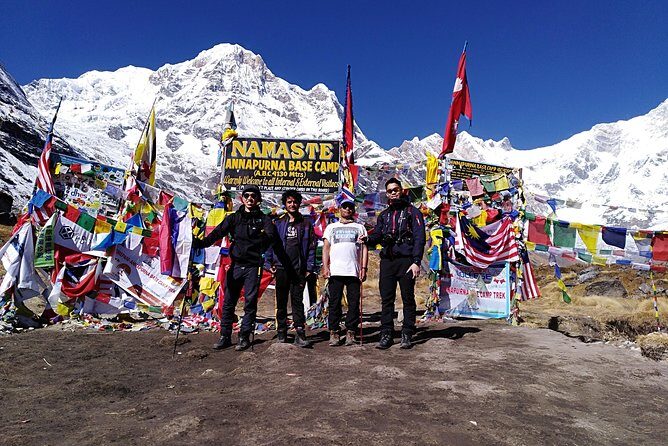
You get options, and your guide helps narrow them down. You can select day treks or multi-day treks, depending on how much time you have. The experience is specifically set up around routes in the Annapurna region or Upper Mustang, with your guide arranging an itinerary and going over it with your group (max 15).
This is the part where you should match the route to your comfort level. Day treks are nice when you want mountain views and cultural stops without committing to several trekking days. Multi-day trekking makes sense when you’re ready for slower pacing, more time outdoors, and the chance to see how mountain communities live beyond a single viewpoint stop.
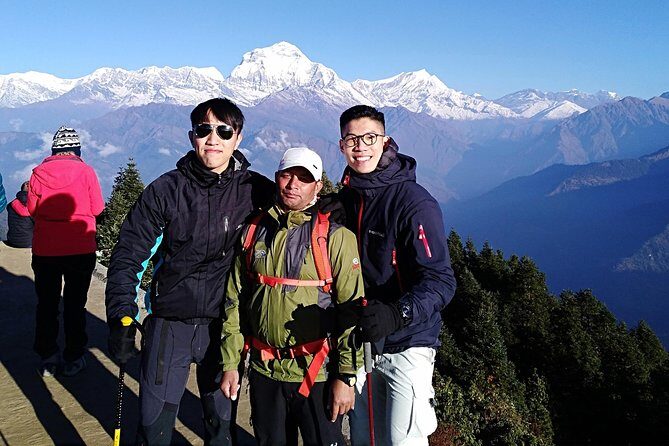
From the way the hiking days are described and how Raju leads full-day routes, you should expect a plan that balances views with human-scale stops. In other words: you’re not just hiking toward a single photo spot. You’ll also spend time around trails and communities long enough to understand what you’re seeing.
Also, don’t underestimate the value of seeing options before you decide. In real use, Raju has helped hikers choose by sharing trek ideas and photos via text. That’s smart if you’re unsure which direction to go—because walking is easier when you know what kind of day you’re signing up for.
What the Annapurna 8-Hour Mountain Day Feels Like
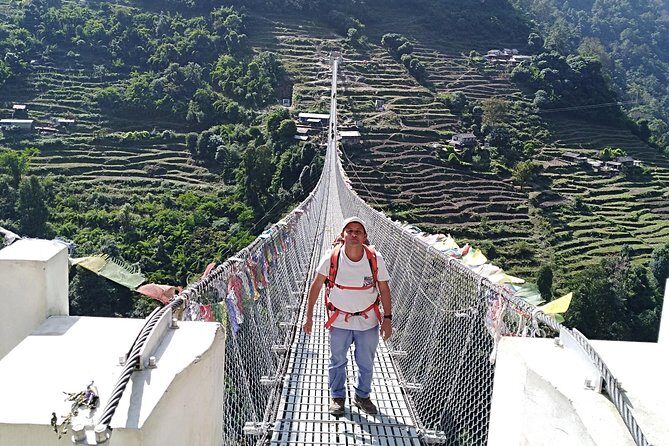
The most clearly defined part of the plan is a day option in the Annapurna region that runs about 8 hours, with admission listed as free. That time window often lines up with the kind of full-day hike people actually want in Pokhara: long enough to feel like a real hike, but not so long that you need a vacation after your vacation.
What you’re going for on this kind of day is two things at once:
1) mountain scenery, and
2) local mountain life.
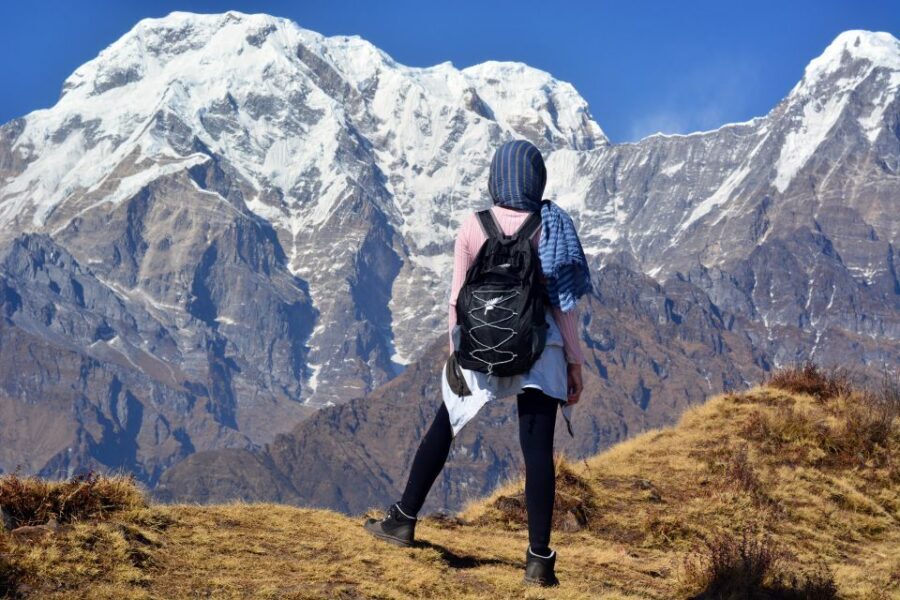
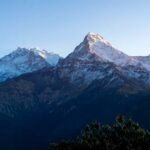
That combination matters. Views are the headline, sure. But the reason this works well is that you’re also moving through paths and community areas where you get context for what you’re seeing. If you’ve ever felt like you took a photo and then immediately forgot what it was connected to, this style of walking helps fix that.
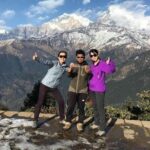
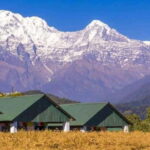
One popular full-day structure led by Raju includes an Annapurna-area hike around Australian Camp and Dhampus, described by hikers as roughly a 9-hour day. Even if your exact route differs, the pattern is useful: you’ll typically connect scenic viewpoints with village scenery and trail time that actually lets you notice details along the way.
Where this plan can be a drawback is simple: an 8-hour day is still an 8-hour day. You’ll want to pace yourself and be honest about your energy. The tour is meant for people with moderate physical fitness, not people who want a casual stroll.
Your Guide Does the Heavy Lifting (Including Raju’s Trail Planning)
This experience is run by Trekking Nepal with Raju, described as a certified and professional guide. In practice, the guide role is more than “walk in front, point, leave.” Your guide helps you arrange your route details, then goes over the itinerary with your group (up to 15 people).
I like that the planning includes real back-and-forth. In past hikers’ experiences, Raju communicated via text before the trek, offered multiple options, and even sent photos to help people decide. That matters because trekking days aren’t one-size-fits-all. You’re matching a route to your time, energy, and what kind of walking day you want.
Another meaningful detail: your fee includes the guide’s lunch & dinner and the guide’s accommodation. That doesn’t mean your food is covered, but it does mean the guide’s logistics are handled as part of running the experience. It usually results in fewer awkward gaps where you’re waiting while someone figures out their own day.
If you’re someone who likes to travel with intention—rather than just hoping for the best—this is a good fit. A guide who helps you plan your trek and transportation options ahead of time means you spend more time on the trail and less time negotiating on the fly.
Price and Value: What $40 Per Group Really Means
The listed price is $40 per group (up to 15). That structure is worth understanding. It’s not priced per person the way many tours are. For a small group, that can make the guided element feel very affordable, especially since your fee includes the guide’s meals and accommodation.
But the value only makes sense if you’re clear about what’s included versus what you’ll pay directly. Your own lunch/food and drinks are not included. Participant accommodation during the trek is not included. And if you want private transportation, that can be organized but is not part of the $40 rate.
So here’s how I’d think about it:
- The $40 buys you a guided trek plan and covers key costs for the guide.
- Your total trip cost also depends on your own meals, your own lodging during the trek (if multi-day), and any transport.
This is why it’s smart that your guide can help arrange details. If you’re unsure what to book or how to budget day-to-day in mountain areas, a guide can help steer you toward practical options.
Also, the fee model can be a plus if you’re traveling with friends. With up to 15 people max, the group size is small enough for a private experience, but big enough that the cost can stay reasonable for the group.
Other hiking tours in Pokhara
What You Pay For Besides the Trek Fee
Your guide’s lunch and dinner are included, but your meals are not. That means you should plan to cover your own lunch or any stops for food and drinks. If the hike includes a lunch/dinner stop with a local restaurant along the way, you’ll pay directly to the restaurant owner.
Accommodation is similar. The guide’s accommodation is included, but your accommodation during the trek is not. For day treks, that usually means you return to Pokhara the same day anyway. For multi-day trekking, you should expect lodging costs to be part of your overall budget.
Transport is another line item. Pickup is offered, but private transportation isn’t included in the mentioned rate. If you want a smoother door-to-trail transfer (especially if your hotel location makes pickup tricky), ask your guide about what you can arrange.
Finally, tips matter. Guide tip is listed as not included. In Nepal, tipping is a normal part of paid guiding. If you want to avoid any last-minute awkward math, set aside a tip amount before you go.
Timing, Weather, and Fitness: The Real Rules of Mountain Days
This experience is rated as requiring moderate physical fitness. That’s a helpful filter. It means you should be ready for sustained walking, uneven ground, and a hike day that asks more than just “take a few photos and stretch.”
Duration ranges from 2 hours to 1 day (approx.). In reality, a lot of people choose the full-day hike style, like the ~8-hour Annapurna option, or a similar day schedule. If you’re short on time, you might be able to do a shorter hike. If you want a full day outdoors, you can aim longer with the guide’s help.
One thing you should treat as non-negotiable: good weather. The experience notes that it requires good weather, and if it’s canceled due to poor conditions, you’ll be offered another date or a full refund. That’s not just legal language; it’s practical mountain sense. If visibility drops or trails are slippery, your trekking quality changes fast.
So plan your Pokhara schedule with a little breathing room. If you’ve got the whole week packed with zero flexibility, you’re taking a risk. If you can adjust, you’ll likely get a much better experience.
Who This Trek With Raju Fits Best
This trek plan is best for people who want guided help without giving up choice. If you like the idea of choosing between Annapurna and Upper Mustang routes, and you want a guide to build the itinerary around your preferences, you’ll probably feel comfortable quickly.
It’s also a strong option if you’re traveling in a group that wants privacy. The experience is described as private, with only your group participating, and up to 15 people max. That usually helps keep the day flexible. Your group’s pace and priorities can shape the plan.
I’d steer you toward this option if you:
- want to start and finish in Pokhara without messy transfers
- like the idea of a guide who communicates in advance and helps with trek decision-making
- enjoy trekking with cultural context, not just a single viewpoint stop
I’d think twice if you:
- expect food and lodging to be included for you (it’s not)
- want a zero-effort walk with no sustained hiking time
- have no backup date in case weather forces a change
Should You Book This Trek in Pokhara?
If your goal is a guided trek that’s practical, customizable, and grounded in mountain days—not just a checkbox tour—this is an easy yes. The biggest reason: the guide-centered setup. You get planning help, a private-group format, and a day that can run long enough to feel real, without you needing to master Nepal trekking logistics first.
Book it if you’re comfortable covering your own meals and any lodging for multi-day treks. It’s also a good fit if you value communication and decision support; Raju’s prior hikers talk about getting options and photos in advance, which makes choosing the right route less stressful.
Skip or reconsider if you’re hoping the $40 rate covers everything for everyone, including your food, drinks, and trek lodging. Here, that’s not how it’s structured. The $40 covers key parts for the guide, and you handle your own day-to-day mountain spending.
FAQ
FAQ
Where does this trekking experience start and end?
It starts and ends in Pokhara, Nepal.
How much does the experience cost?
The price is $40.00 per group, with up to 15 people per group.
How long is the trek?
Duration is listed as about 2 hours up to 1 day, depending on the trek you choose.
What regions can the trek routes be in?
The options include routes in the Annapurna region or Upper Mustang, with your guide arranging the itinerary.
Is pickup included?
Pickup is offered.
Is this a private tour?
Yes. It’s described as a private tour/activity, and only your group participates.
What is included in the fee?
Your fee includes the guide’s lunch & dinner and the guide’s accommodation.
What is not included?
Not included are participants’ lunch/food and drinks, participants’ accommodation during the trek, private transportation (if requested), and the guide’s tip.
Do I need a ticket or admission fee?
Admission is listed as free for the Annapurna day option.
What fitness level do I need?
The experience says travelers should have a moderate physical fitness level.
What happens if weather is bad?
If canceled due to poor weather, you’ll be offered a different date or a full refund.
If you want, tell me the month you’re going and whether you prefer a shorter 2–4 hour walk or a full-day trek, and I’ll help you choose the style that fits best.