REVIEW · POKHARA
5 Days Adventures Lower Mustang Trip by 4WD Jeep
Book on Viator →Operated by Couch Adventure Nepal (CAN) · Bookable on Viator
A 4WD jeep turns Mustang into a moving viewpoint. This 5-day Lower Mustang adventure feels like a fast lesson in Nepal’s high-country culture, with private 4WD jeep driving and major spiritual stops like Muktinath. I also like that you’re not stuck planning permits and logistics day to day because TIMS and conservation-area paperwork are handled. The main drawback is simple: you’ll spend long hours in the vehicle, and meals and drinks aren’t included—so budget for food and water stops.
What makes the experience work well is the human side. An English-speaking guide (I’ve seen names like Amrit, Biru, Krishna, and Prakash connected to this route) can explain what you’re seeing as you go, and the drive feels more personal since it’s set up as a private trip for your group.
One more thing to consider before you commit: this trip depends on good weather. If conditions are poor, your date may change (or you may get a full refund), which matters if your travel schedule is tight.
In This Review
- Key highlights you’ll care about
- Lower Mustang by jeep: why this route is such a good use of 5 days
- The first long day: Marpha and the road that climbs fast
- Kagbeni and Jomsom: desert-edge villages and the gateway feeling
- Muktinath: a temple visit you’ll remember longer than the photos
- Dhumba Lake: the stop that breaks up the driving
- Tatopani hot springs: the payoff after more descent driving
- Day five back to Pokhara: closing the loop cleanly
- Price and value: is $430 a fair deal for this kind of trip?
- Guide and driver quality: names you might get and why it matters
- What to expect day to day (without the confusion)
- Practical tips before you go
- Should you book the 5 Days Adventures Lower Mustang Trip by 4WD Jeep?
- FAQ
- FAQ
- Is this tour private?
- Does the tour include pickup and drop-off from Pokhara?
- What Lower Mustang places are included in the 5 days?
- Are permits included?
- Is there an English-speaking guide?
- Are meals and drinks included in the price?
- What’s the cancellation window for a full refund?
Key highlights you’ll care about
- Private 4WD jeep with hotel pickup and drop-off from Pokhara, so you don’t waste time figuring out transport.
- Marpha to Jomsom to Kagbeni to Muktinath, with a route that packs big sights into 5 days.
- TIMS and conservation-area permits included, saving you the paperwork headache.
- Dhumba Lake stop built into the day plan, not just a quick roadside pass.
- Tatopani hot springs as your “reward” day after more downhill driving.
- Guest house accommodation included for overnight, which keeps the trip simple.
Lower Mustang by jeep: why this route is such a good use of 5 days
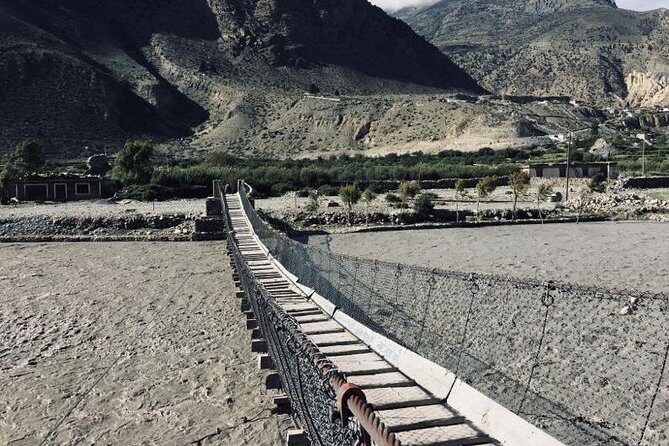
Lower Mustang is the kind of place where you don’t fully get it from photos. The best moments come from moving through valleys, villages, and monasteries while the mountains keep shifting behind the road. This trip is designed for that reality. You get a full 4WD schedule with a clear rhythm, which is important because the days are not short.
You’ll also appreciate that the core administrative stuff is included—TIMS and conservation-area permits—because in places like this, permits aren’t optional extras. They’re part of the system that keeps the area managed, and having them handled lets you focus on the experience itself.
Finally, you’re not doing this as a vague “someday” trip. The timing is structured around recognizable Lower Mustang anchors: Marpha, Jomsom, Kagbeni, Muktinath, Dhumba Lake, and Tatopani. That matters if you only have a week in the region and want a sensible plan.
Other Mustang, Jomsom and Muktinath tours in Pokhara
The first long day: Marpha and the road that climbs fast
You start early, around 7am, with pickup and the 4WD ride beginning toward the Lower Mustang valley. The route follows the Baglung highway for a while, then steadily pushes you higher with the Annapurna mountain views appearing along the way. The wording might sound simple, but the feeling is real: the road is gradually demanding, and the scenery changes by the hour.
Marpha is a standout first stop because it’s more than a fuel stop or a postcard village. It’s known as a beautiful mountain settlement tied to apple growing. That means you get a gentler introduction to Mustang life before the sharper desert-edge scenery later in the route.
Practical note: this is a day where comfort matters. Dress for temperature swings (cooler early, warmer later), and keep essentials easy to reach in the jeep.
Kagbeni and Jomsom: desert-edge villages and the gateway feeling
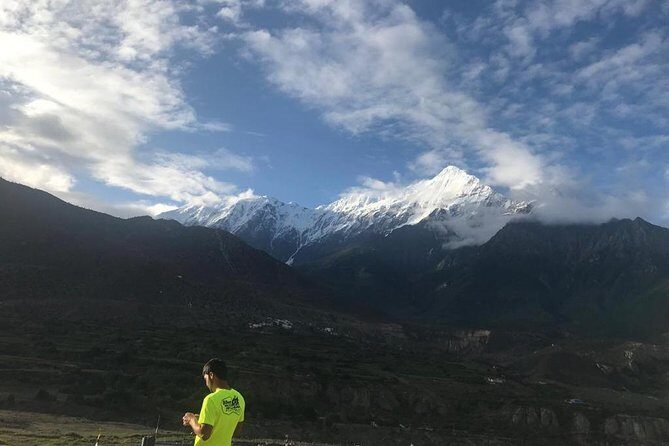
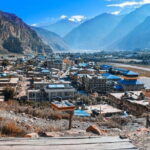
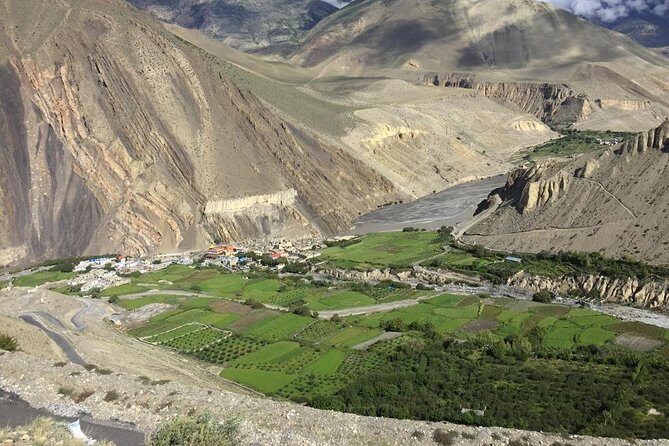
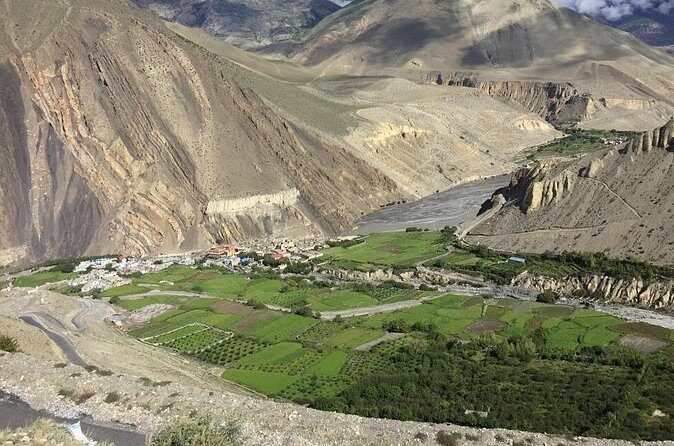
On day two, you’ll pass through Jomsom and stop at Kagbeni, a village described as a kind of green pocket in a desert setting. Even without going deep into theory, Kagbeni’s role as a gateway is easy to feel: it’s the sort of place where trade routes and travel routes overlap, so you tend to see movement and meeting points rather than just scenery.
Kagbeni is also a useful contrast stop. After Marpha’s apple-world vibe, Kagbeni’s environment shifts. You’ll notice how the village sits with the dry terrain around it, and you’ll start to understand why Mustang gets its own category of “different” in Nepal travel.
Then there’s Jomsom as the hub. It’s mentioned as a famous city in Lower Mustang, and for your trip it matters because it’s the operational center of the route—where driving decisions and overnight planning tend to line up.
Muktinath: a temple visit you’ll remember longer than the photos
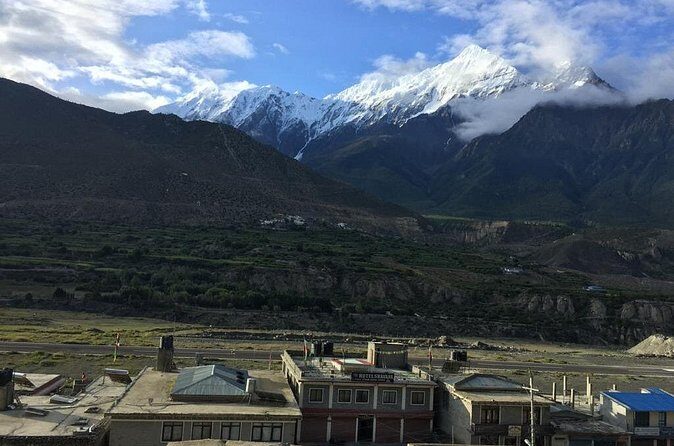
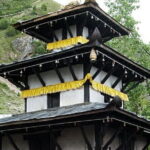
Muktinath is the spiritual centerpiece of this itinerary. You’ll get a couple of hours to visit the very famous Hindu temple located high in the Himalayan range, and the plan also includes a Buddhist temple visit in the same area.
Here’s why this stop works so well inside a 4WD schedule: it’s not only about “doing a sight.” It’s a place where your senses get engaged—people, ritual spaces, and the feeling of distance from everyday life. Even if you’re not there for religion specifically, the concentration of spiritual sites in one area makes it meaningful.
Timing tip: use your time well at Muktinath. If you want photos, do them early when you can. If you want a slower look, save that part for later. Either way, respect the spaces and people around you—this is active, not a museum set.
Dhumba Lake: the stop that breaks up the driving
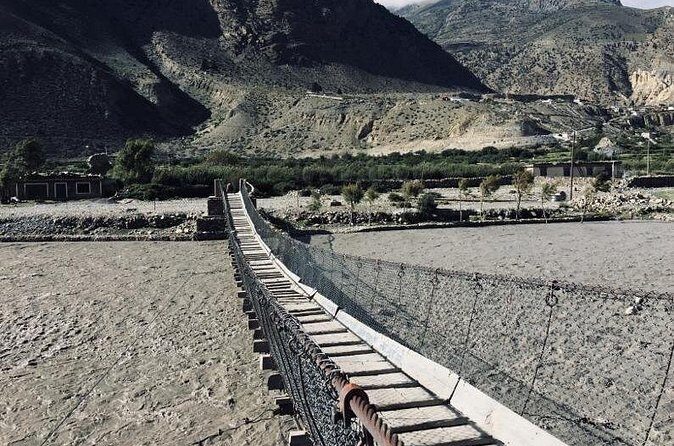
Day three shifts gears with a drive from the Kagbeni/Jomsom area toward Dhumba Lake. The plan includes a Dhumba Lake restaurant and ticket counter stop, which tells you two important things: you’ll likely handle entry logistics on site, and you’ll have a chance to sit and reset before continuing.
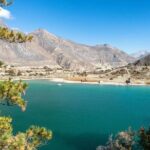
Dhumba Lake is described as a natural lake in Lower Mustang. That matters because you’re not just collecting a stop title; you’re getting a landscape moment with a different pace than the road. The route plan also includes driving back to Jomsom for overnight, so you end the day with a more settled base again.
My practical advice here: plan for a little waiting and give yourself buffer time. In remote high-country areas, the rhythm can be slower than you expect, and the lake stop is exactly where that can help—rather than rush past it.
Other ATV and 4WD off-road tours in Pokhara
Tatopani hot springs: the payoff after more descent driving
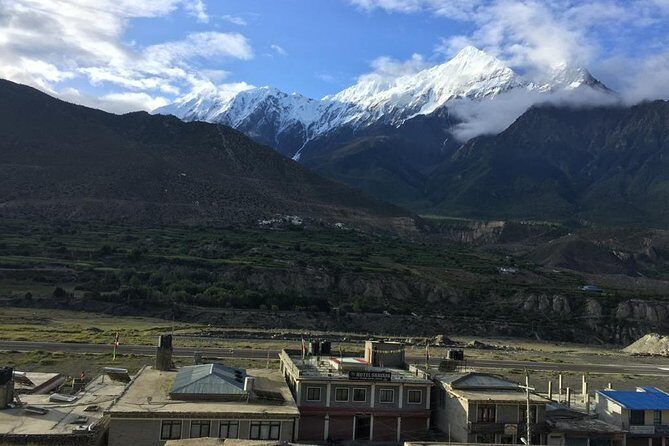
On day four, you descend to Tatopani, famous for natural hot springs. The driving is described as descending down, and that’s part of why Tatopani works so well. After days of bumpy road time, a hot-spring stop feels like the body gets a say in the trip, not just the itinerary.
Tatopani is also an opportunity to see the mountains and changing terrain from a different angle on the way back. You’ll get scenic moments on the drive without needing extra hiking plans.
What to bring (based on what you can control): pack swimwear or a spare layer if you plan to use the water, and bring a small towel if you don’t want to rely on whatever you can rent or buy locally. Not stated outright, but hot springs typically require at least some basic readiness.
Day five back to Pokhara: closing the loop cleanly
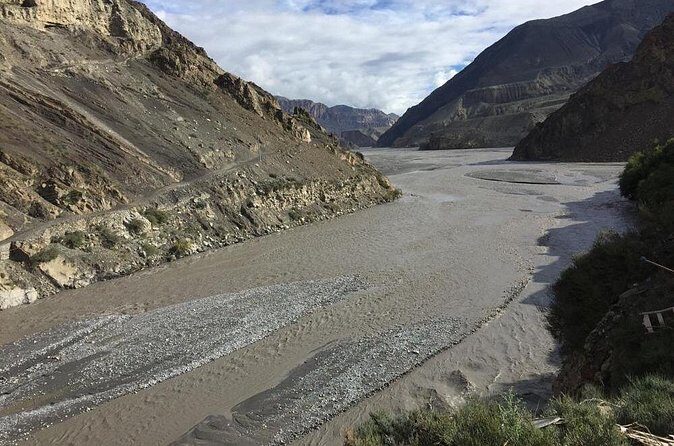
Your final day is a drive from Tatopani back to Pokhara, and when you reach Pokhara, you’ll be dropped at your hotel. It’s a simple finish, but it’s a good one because you don’t end the trip with uncertainty.
This return day is also a reality check. You’ll feel the contrast between the quiet high-country base towns and the more “normal” rhythm of Pokhara. If you have energy left, you can use the time in Pokhara to eat a proper meal and wash off the road dust—mentally and physically.
Price and value: is $430 a fair deal for this kind of trip?
At $430 for about 5 days, the value depends on what you want to avoid. This price includes:
- hotel pickup and drop-off
- an English-speaking guide
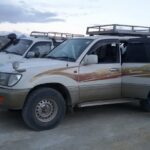
- round-trip private 4WD jeep
- TIMS and conservation area permits
- guest house accommodation for overnight
- private trip setup for your group
That package matters because it removes several common “hidden costs” that pop up on self-planned trips: transport coordination, permit sorting, and figuring out where you’ll sleep on a tight schedule.
What’s not included is equally important. Meals and drinks are on you. Also, there’s an optional gratitude component. So the real cost is $430 plus the daily food/water you choose. If you budget for straightforward meals and you don’t drink fancy stuff every stop, it stays in line with expectations for a remote 4WD route.
One more value factor: the trip is set up as private. Even if you don’t think of yourself as needing privacy, private jeep driving often means more flexible timing for your group’s pace, and it cuts down on the friction of managing multiple schedules.
Guide and driver quality: names you might get and why it matters
The guide can make the difference between seeing places and understanding them. In the past, this route has been led by guides including Amrit, Biru, Krishna, and Prakash. Even if you don’t get the exact same person, the pattern is what counts: the trip is designed around English explanations and on-the-road context.
It also helps that you’re not dealing with a faceless transport-only service. When the guide is doing real interpretation—temple meaning, village context, how the route fits the geography—you get a trip that feels tied together instead of a series of stops.
What to expect day to day (without the confusion)
Here’s the practical flow you can plan around:
- You’ll drive most of the time, with stops that are meant to feel like chapters, not rushed photo breaks.
- You’ll handle a permit-covered trip structure, but you’ll still need cash or card-ready options for meals and drinks.
- You’ll sleep in a guest house rather than a hotel chain, so think simple, local, and functional.
If you’re hoping for a walking-heavy adventure, this isn’t sold as a trek. It’s a road-and-sight experience, and that’s part of its strength.
Practical tips before you go
Good weather is required. If conditions are bad, your date may change or you may get a full refund. So if your travel schedule is strict, I’d treat this like a flexible window rather than a fixed commitment.
Pack for the reality of temperature swings and long driving days. Comfortable layers, sunscreen, and water help. Also, keep some snacks handy in case you get hungry between planned stop points, since meals and drinks aren’t included.
Finally, remember that this is a conservation-area context with active communities. Be respectful at religious sites, and keep your expectations grounded: guest house rooms, remote driving, and real local life are all part of the deal.
Should you book the 5 Days Adventures Lower Mustang Trip by 4WD Jeep?
If you want an efficient way to see the major Lower Mustang highlights—Marpha, Kagbeni, Muktinath, Dhumba Lake, and Tatopani—this booking fits your priorities. The value is strong because the jeep, guide, permits, and guest house overnight are included, which saves both money and time compared to cobbling together your own plan.
I’d skip it only if you’re sensitive to long vehicle hours or if you need a very flexible trip with lots of optional stops. Also, if your schedule can’t bend at all, watch for the good-weather requirement, since the trip can be moved or refunded if conditions aren’t workable.
FAQ
FAQ
Is this tour private?
Yes. It’s described as a private tour/activity, with only your group participating.
Does the tour include pickup and drop-off from Pokhara?
Yes. The tour offers hotel pickup and drop-off, and it starts and ends in Pokhara.
What Lower Mustang places are included in the 5 days?
The route includes Marpha, Jomsom, Kagbeni, Muktinath, Dhumba Lake, Tatopani (hot springs), and then the drive back to Pokhara.
Are permits included?
Yes. The package includes a conservation area permit and TIMS.
Is there an English-speaking guide?
Yes. An English speaking guide is included.
Are meals and drinks included in the price?
No. Meals and drinks are not included, and you can buy them during the trip.
What’s the cancellation window for a full refund?
You can cancel up to 3 days in advance of the experience for a full refund. If you cancel less than 3 days before, the amount paid isn’t refunded.