REVIEW · POKHARA
Pokhara: 3 Hour MoMo cooking class
Book on GetYourGuide →Operated by Adventure in Nepal · Bookable on GetYourGuide
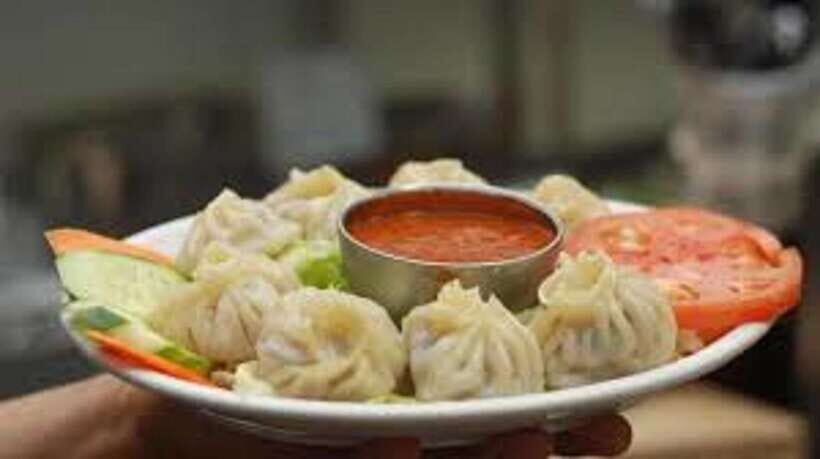
Momos taste better when you fold them. This Pokhara class is a hands-on dough-to-plate workshop with English and Hindi instruction, so you finish with dumplings you can recreate at home. One heads-up: the folding step takes practice, and early attempts may look a bit uneven before they start looking truly momo-shaped.
You’ll move step by step from making the filling to rolling the wrapper, shaping classic styles, steaming the dumplings, and pairing everything with dipping sauces. It’s rain or shine, held at a local café, and it’s paced to keep you working with your hands the whole time.
In This Review
- Key things that make this class work
- Entering Pokhara Momo Mode: what you’re actually learning
- How the 3-hour schedule moves (and why the timing is smart)
- Getting to the café: pickup and the short hop to cooking mode
- First big win: filling choices and how they change your dumplings
- The dough section: kneading and resting for wrapper control
- Rolling and folding: pleats, crescent moons, and the seal that matters
- Cooking: steaming (and sometimes frying) and getting the texture right
- Sauces are not optional: build your spicy, mild, and soy-style pairings
- Tasting, feedback, and the fastest way to fix your technique
- Who this momo class is best for (and who should skip it)
- Price and value: what $29 buys you in real terms
- Should you book this Pokhara 3-hour momo class?
- FAQ
- How long is the Pokhara 3 Hour MoMo cooking class?
- Where does the experience take place?
- Does it include hotel pickup and drop-off?
- What’s included in the price?
- What is not included?
- What languages are the instructors?
- Do I need to bring anything?
- Is it suitable for everyone?
Key things that make this class work
- Pickup from Lakeside keeps you from dealing with Pokhara transport mid-meal
- Choose your filling (vegetarian, chicken, or meat) so you can match your tastes
- Wrapper technique matters: rolling to the right thickness is a core lesson
- Shaping is taught, including traditional pleats and crescent-moon styles
- Sauce making is part of the class, not just an afterthought
- Small-group energy can mean more feedback on your folds
Entering Pokhara Momo Mode: what you’re actually learning
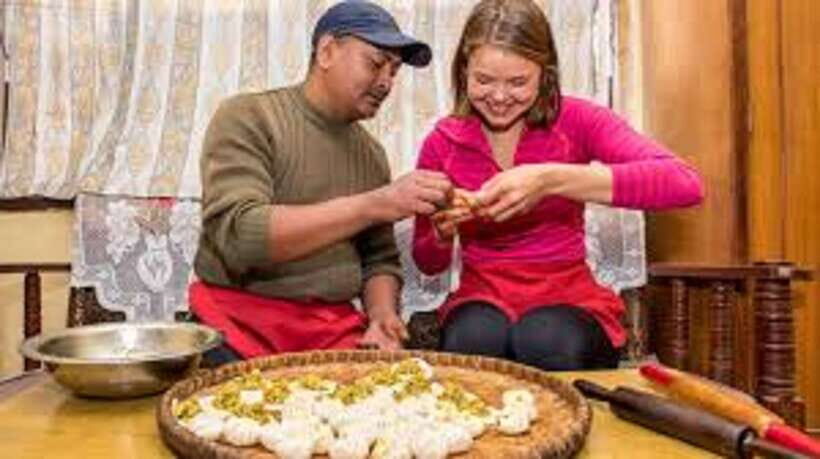
A momo cooking class can sound like a fun food stop. This one is more useful than that. The real value is that you learn the logic behind dumplings: dough feel, wrapper thickness, how much filling to use, and the fold that seals everything so it steams up tender instead of splitting.
You’re also learning a Nepalese comfort-food pattern you can repeat. Once you understand the wrapper and the sealing basics, you can swap fillings and sauce styles later without starting from scratch. That matters if you want more than a one-time meal.
The class is built around the classic momo flow:
1) understand the ingredient pieces
2) build your filling
3) make and rest the dough
4) roll and shape wrappers
5) cook (steaming, and you might also see frying in some sessions)
6) match with dipping sauces
7) taste, ask questions, and lock in what worked
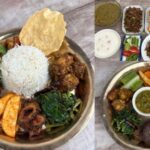
Other Nepalese cooking classes (momo, dal bhat) in Pokhara


How the 3-hour schedule moves (and why the timing is smart)

You’re in class for about three hours, and it’s structured so you don’t get stuck watching. The pacing is a big part of the experience.
- 10 minutes: intro and context
You get a quick explanation of what momos are and why they matter locally. This isn’t a long lecture. It’s there to give you a baseline before you touch ingredients.
- 40 minutes: make the filling
This is hands-on time where you learn how different fillings get prepared and portioned.
- 30 minutes: make the dough
You learn the dough ingredients, kneading steps, and the idea of letting it rest briefly so wrappers roll without springing back.
- 40 minutes: roll and shape
You practice rolling wrappers to a consistent thickness and then shaping your dumplings.
- 20 minutes: steam
You learn how steaming works, and why steam timing affects texture.
- 15 minutes: dipping sauces
You learn the sauce options (spicy, mild, soy-based) and make one or more to go with your momos.
- 15 minutes: tasting and feedback
You eat what you made, and the instructor answers questions and offers pointers.
- 10 minutes: wrap-up Q&A
This is where you can ask about what you should tweak if you try it at home.
That structure is practical. You’re not just collecting recipes. You’re building the skills in the order your dumplings actually need them.
Getting to the café: pickup and the short hop to cooking mode
This experience includes hotel pickup and drop-off, and they focus on picking you up within the Lakeside area. For many people, that’s the best part of Pokhara logistics: you’re not trying to coordinate rides while your stomach is already bargaining for dumplings.
Once you’re picked up, you head to a local café where the cooking happens. In some cases, the setup is at places like Cafe Nirvana, and the best detail is how close it can feel to where you’re staying. You might even walk part of the way, rather than dealing with a long transfer.
You’ll also get a glass of cold drinks per person. It’s a small thing, but it helps because you’re doing dough work and it gets warm in there.
First big win: filling choices and how they change your dumplings
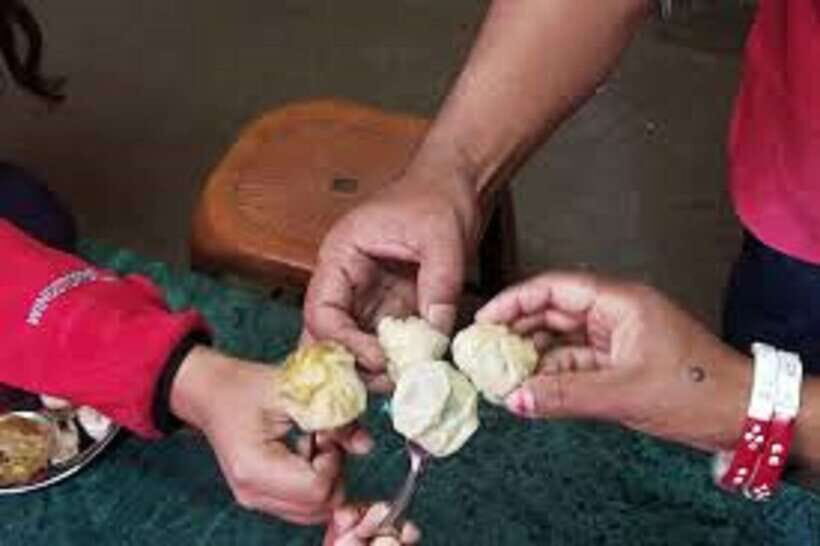
The class starts its real cooking work with the filling section. You’ll hear about the options—vegetarian, chicken, or meat—and you get hands-on time preparing your chosen filling.
Why this matters: a momo filling isn’t just flavor. It affects texture and sealing too. If the filling is too wet, it can leak. If it’s over-portioned, it makes folding harder. You’ll see the difference as you portion and shape.
You also learn how to work with ingredients so the filling is cohesive enough to stay in place. Even if you’re vegetarian, you’re not stuck with a vague veggie mix. You’re making a defined filling your dumplings can handle during steaming.
In a small-group situation, you may get extra attention while deciding what filling suits you. That’s useful because picking your filling early helps you focus through the rest of the steps.
The dough section: kneading and resting for wrapper control

Now you switch from filling to dough. You’ll get an explanation of the dough ingredients and why they matter, then you knead and prep your own dough.
The key concept here is rest time. Letting the dough sit for a few minutes makes it easier to roll wrappers without snapping back as you stretch. That turns shaping from frustrating to doable.
If you’ve ever tried making dumplings at home and ended up with thick, bumpy wrappers, this is where the class earns its keep. You don’t just learn ingredients. You learn the feel: knead, then rest, then roll.
And yes, rolling takes practice. That’s part of the point. You’ll get multiple shots at wrapper thickness during shaping practice, which is better than watching a demo and hoping it sticks.
Other cooking classes in Pokhara
Rolling and folding: pleats, crescent moons, and the seal that matters
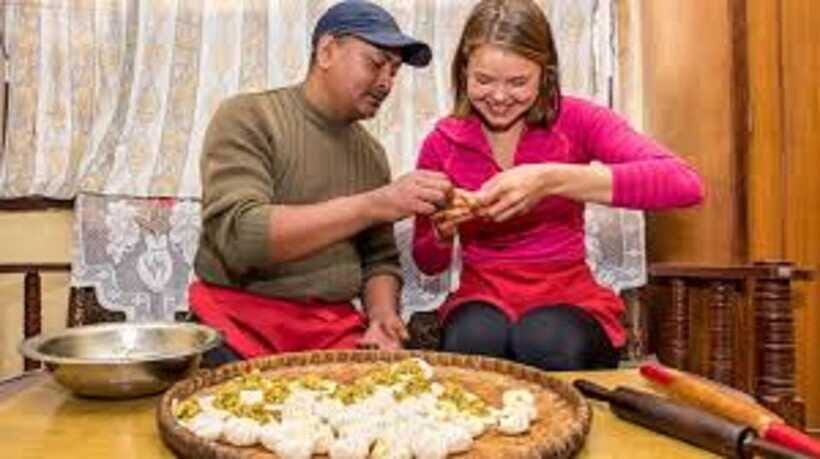
Rolling and shaping is the step most people underestimate. The class makes it teachable.
You’ll see a demonstration of rolling wrappers to the perfect thickness, then you practice. The goal isn’t perfection on the first try. It’s getting consistent enough that your dumplings cook evenly and stay sealed.
You’ll also learn techniques for different momo styles, including:
- traditional pleats
- a crescent-moon style
This is where the earlier heads-up comes in. Your first folds may look lopsided. That doesn’t mean you failed. It means you’re learning how to distribute filling, work with wrapper thickness, and create a seal that holds.
One practical tip you’ll appreciate: it’s easier to fix your technique when you’re not rushing. The class gives you time to reset and try again, instead of cutting you off right when you start getting the hang of it.
Cooking: steaming (and sometimes frying) and getting the texture right
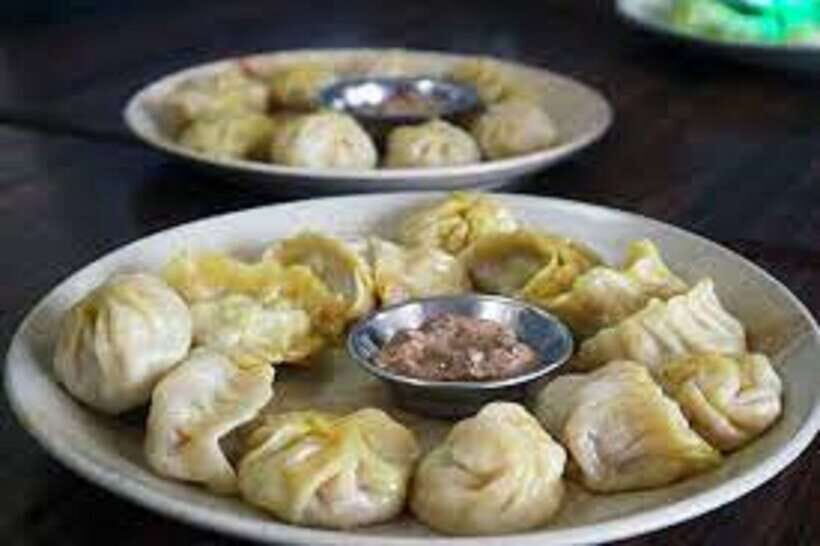
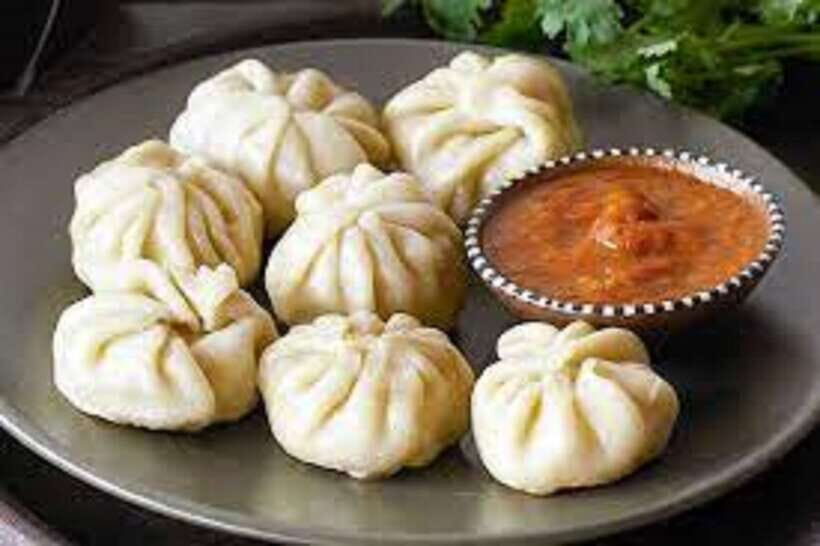
Steaming is the focus of the class. You’ll learn why steaming is important for momo texture and how to set up the steamer for cooking.
Steaming affects tenderness and that classic dumpling bite. If you steam too little, the center won’t feel right. Too long, and wrappers can go past their best.
In some sessions, you might also see frying alongside steaming. That gives you a comparison point for how heat changes the wrapper and overall feel. Even if your class emphasizes steaming, you’ll still come away with the timing logic.
Sauces are not optional: build your spicy, mild, and soy-style pairings
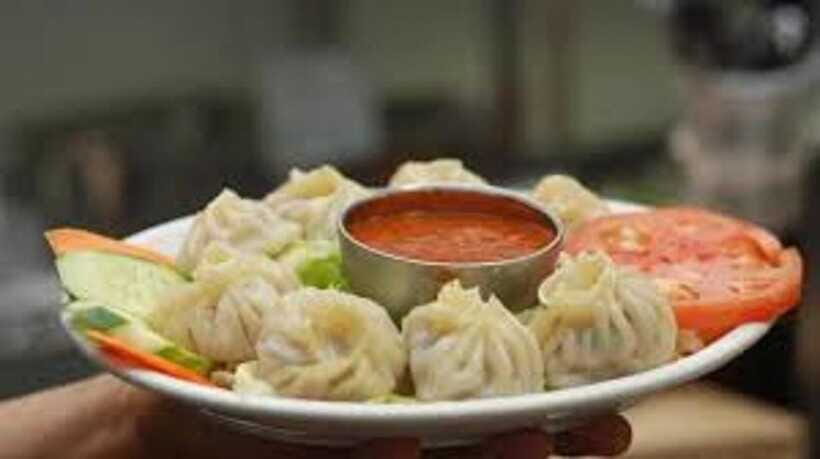
This class treats sauces like a real craft. You get an intro to various dipping sauces—spicy, mild, soy-based—and you’ll see how they’re prepared.
Then comes your turn. You create dipping sauce to match your momos. That’s a game changer if you’ve only had momos sold with a generic sauce. Nepalese dumplings usually shine when you match heat and salt with the filling and the steaming style.
What I like about this approach is that it teaches you the balancing idea. You can think of sauce as a dial: mild for filling-forward bites, spicy when you want the dumpling to wake up, and soy-based options when you want a deeper savory backbone.
You’ll taste everything together at the end. That’s when sauce choice stops being theory and becomes personal preference.
Tasting, feedback, and the fastest way to fix your technique
The tasting portion is built in so you can actually compare what you made. You gather together, eat your momos, and get instructor feedback.
This is where you ask the questions you’ve been saving:
- Why did one dumpling open?
- How do I keep wrappers from turning too thick?
- What filling texture works best for sealing?
You’ll also learn from seeing what others did. In a smaller group, feedback can feel more direct, and you’re more likely to get specific pointers on your folds.
Then, there’s a final Q&A and recap. It’s short, but it helps you leave with a clear sequence of what to do next time, rather than a scattered set of steps.
Who this momo class is best for (and who should skip it)
This works especially well if you:
- want a hands-on food lesson in Pokhara
- like structured cooking steps with time to practice
- enjoy dumplings and want the basics you can replicate at home
- prefer instruction in English or Hindi
You might also like it if you’re a solo traveler who wants pickup included and doesn’t want to figure out where to go.
The main skip case is mobility needs. This experience isn’t suitable for people with mobility impairments, and you should plan accordingly. Also, don’t bring luggage or large bags. The class environment is set up for cooking materials, not bulky travel gear.
Price and value: what $29 buys you in real terms
At $29 per person for about three hours, you’re paying for more than a meal. You’re paying for:
- hotel pickup and drop-off within the Lakeside area
- the materials for dough, filling, folding, steaming, and sauce prep
- instruction in English and Hindi
- a structured practice time, not just a walkthrough
- cold drinks during the session
If you compare it to paying for momos plus hoping you’ll learn technique on your own, the value is clear. Your cost is mostly tied to learning and materials. And because you leave with food you helped make, it’s not just a cooking demo.
Food and drinks beyond what’s included are available for purchase, so you’re not trapped if you want something extra. But the main experience is centered on the momos and sauces you make.
Should you book this Pokhara 3-hour momo class?
Book it if you want a true skill-based food experience. The best reason is the mix of practical steps: filling, dough, rolling, folding, steaming, and sauces, all within a short 3-hour window. If you like learning by doing, you’ll leave with dumpling confidence instead of just a full stomach.
Skip it if folding dumplings sounds stressful. The class can be a workout for your hands, and early shapes may not be perfect. Also, if you have mobility constraints, this one isn’t designed for that.
If you want an easy win in Pokhara—something local, interactive, and repeatable—this momo cooking class is a strong pick.
FAQ
How long is the Pokhara 3 Hour MoMo cooking class?
It lasts 3 hours.
Where does the experience take place?
It runs in Pokhara, Western Region, Nepal, at a local café.
Does it include hotel pickup and drop-off?
Yes. Pickup and drop-off are included, and they pick you up within the Lakeside area.
What’s included in the price?
Hotel pickup/drop-off, a glass of cold drinks per person, and all momo cooking materials.
What is not included?
Food and drinks beyond what’s part of the class are available for purchase.
What languages are the instructors?
The instructor provides instruction in English and Hindi.
Do I need to bring anything?
Bring your passport or an ID card.
Is it suitable for everyone?
It is not suitable for people with mobility impairments, and you should avoid bringing luggage or large bags. It also runs rain or shine.