REVIEW · POKHARA
Nepalese Kitchen in Pokhara: Momos or Dal Bhat Cooking Class
Book on GetYourGuide →Operated by Snow Peak Tours and Travels pvt. ltd. · Bookable on GetYourGuide
Hands-on cooking in a real Pokhara home. This Momos or Dal Bhat class is built around doing the work yourself, with step-by-step guidance from Sarita in a clean, family-style kitchen. I love the practical focus on ingredients and technique, and I also like that you finish by eating what you cooked, not just watching.
One thing to plan for: it can turn into a lot of food and a lot of hands-on chopping and shaping (especially with momos). If you have a light appetite or hate getting your hands sticky, you may want to set expectations or bring a small to-go container.
In This Review
- Key things I’d watch for before you book
- Momos vs Dal Bhat: what you’ll learn in 3 hours
- Getting from Lakeside Road to the kitchen (and back)
- Inside Sarita’s home kitchen: a calm, hands-on pace
- From chopping to cooking: what the process looks like
- If you pick Momos
- If you pick Dal Bhat
- The meal you make, plus the recipe you take home
- Price and value: $28 for skill, food, and transport
- Who should book this class (and who might not love it)
- Should you book Nepalese Kitchen: Momos or Dal Bhat in Pokhara?
- FAQ
- How long is the cooking class?
- Where do pickup and drop-off happen in Pokhara?
- What cooking options are available?
- Is transportation included in the price?
- What languages are used during the class?
- Is this a private group experience?
- What’s included with the class besides the cooking?
- What should I bring?
- Is there a way to cancel for a refund?
- Is pay later available?
Key things I’d watch for before you book
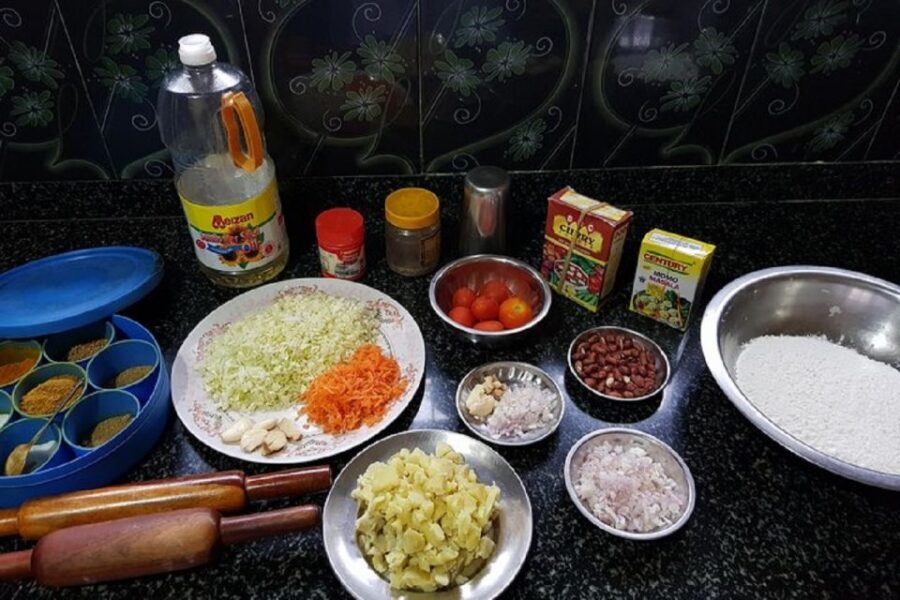
- A home-kitchen setup, not a showroom: You cook inside a real Nepalese kitchen where family life still feels close.
- English help is genuinely useful: The instruction is offered in English, Hindi, and Nepali, and Sarita’s English is repeatedly praised as clear.
- Momos can mean serious volume: Some classes lead to 70+ momos, so you should arrive ready to eat.
- Dal Bhat is multi-step by design: You’ll learn the different stages and timing that make the meal taste right.
- You take the instructions home: You get a printed or digital recipe for use later.
- Pickup from Lakeside area makes it easy: Round-trip transfer from Lakeside Road near Lakeside-6 in Pokhara is included, with strong transport ratings.
Momos vs Dal Bhat: what you’ll learn in 3 hours
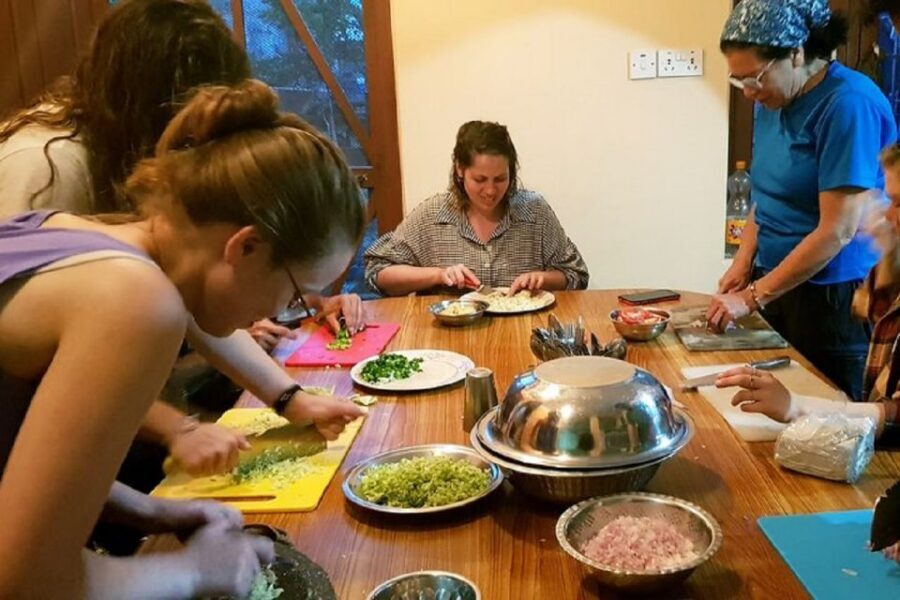
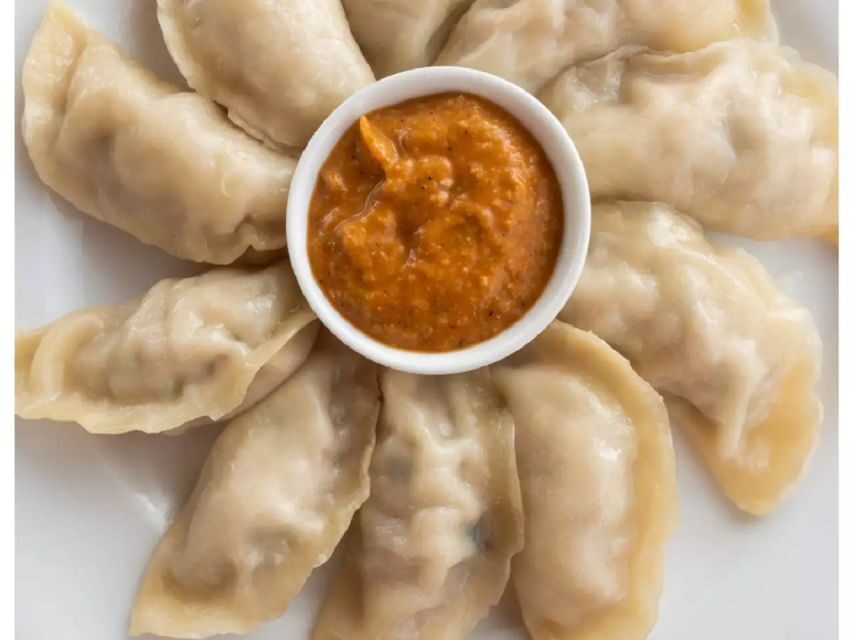
This is a cooking class where the goal is not just to taste Nepal, but to leave with a repeatable skill. You’ll choose either momos (typically steamed dumplings) or dal bhat (the classic everyday meal) and learn from scratch with fresh ingredients and traditional spice work.
In a lot of “food tours,” you get a plate and a story. Here, you get the steps: chopping, mixing, seasoning, and cooking with a local instructor. That matters because Nepalese flavors come from technique as much as ingredients—things like how spices are used, when components are combined, and how you build balance so the final dish tastes like it should, not like a generic recipe.
Timing is also part of the learning. The class is listed as 3 hours, so you’ll move at a steady pace—long enough to get comfortable with the process, but not so long that you’re exhausted and can’t remember what you did.
Other Nepalese cooking classes (momo, dal bhat) in Pokhara

Getting from Lakeside Road to the kitchen (and back)
The class starts and ends around Pokhara’s Lakeside area. Pickup and drop-off are listed at Lakeside Road, Lakeside-6, Pokhara, and round-trip transfer is included.
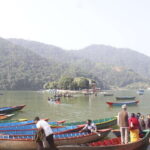
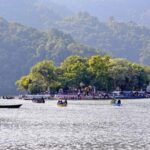
Your day includes a Pokhara stop with a photo stop plus guided time and free time before the cooking begins. The exact balance of photos vs. cooking time can vary by the day, but the structure is clear: you’re not dropped into a kitchen immediately. You get a short buffer to get your bearings first.
Transport is a strong point here. The activity reports that 98% of reviewers gave perfect transport scores, and in practice you can expect a simple transfer process from the Lakeside area. One small heads-up: taxis can sometimes lead to unnecessary back-and-forth, so it helps to confirm you’re using the included ride before you settle into the car.
Inside Sarita’s home kitchen: a calm, hands-on pace
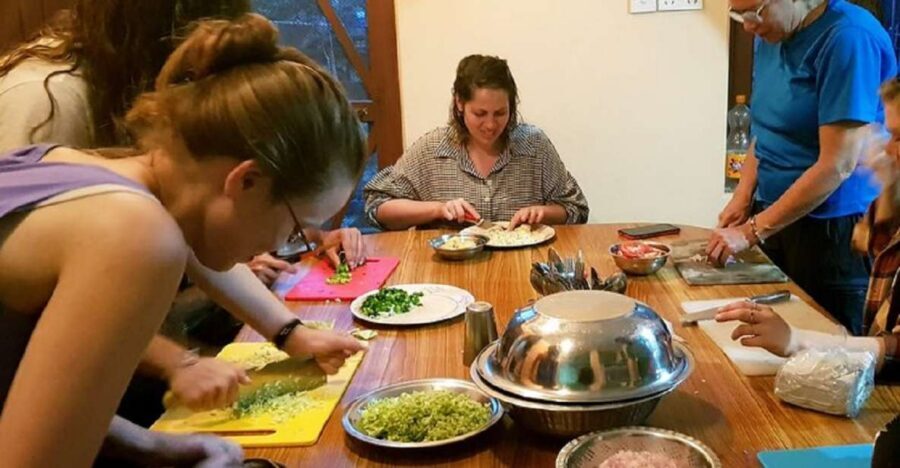
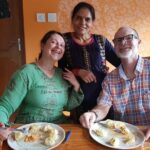
The biggest difference with this class is the setting. You’re not in a commercial cooking school with rows of uniforms. You’re in a real home kitchen, and that changes the whole vibe. People describe it as clean, organized, and welcoming, with the instruction delivered step-by-step while you actively work.
Sarita’s teaching style is a common reason for the five-star ratings: she’s described as friendly, patient, and very clear. If your Nepali is limited, you’re covered—live guide support is available in English, Hindi, and Nepali, and Sarita’s English is specifically mentioned as excellent for first-timers.
Another detail that matters for comfort: many participants say ingredients are already prepped to make the lesson flow. For example, at least one class started with lots of vegetables ready, so you’re not stuck waiting while things get organized. In short, you should feel busy, but not rushed.
This can also be an intimate experience. Even though the listing says private group, some participants have described it as very small—sometimes essentially just the host and one couple. That means more individual help when you’re learning tricky parts like sealing dumplings or managing dal bhat steps.
From chopping to cooking: what the process looks like
If you pick Momos
Momos are a hands-on project. You’ll chop, mix, and season, then shape and cook. One practical takeaway from the way the class runs: momos are surprisingly detailed, and shaping can take longer than you expect until you get the hang of it.
Also, plan for quantity. People have mentioned making dozens of momos—one class outcome was 70+—and the food can keep coming until you’re full. If you’re the type who likes to share later, bring a container if you have one. Even if you don’t, you’ll almost certainly leave satisfied and ready for a rest.
Finally, taste matters. The goal isn’t just to make dumplings; it’s to make them taste like Nepal. That’s why the class spends time on spice use and filling balance, not only the mechanics of folding.
Other cooking classes in Pokhara
If you pick Dal Bhat
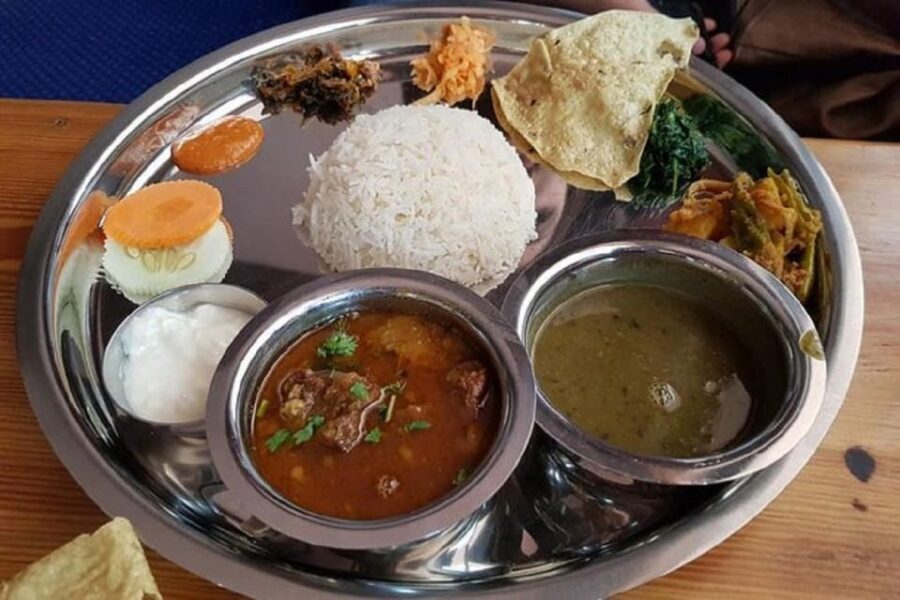
Dal bhat takes more stages than many people realize before they start. The class focuses on getting the flow right—how each component comes together and how seasoning gets balanced as you move through the process.
The nice part is how it’s taught. Participants describe being walked through each step clearly and being given enough support to succeed even if they don’t cook much. One reason this choice is so popular: you learn a meal concept you can actually recreate at home, not just a one-off “wow” dish.
No matter whether you choose momos or dal bhat, expect a kitchen rhythm built around your actions. You won’t just stand there; you’ll be doing the work and asking questions.
The meal you make, plus the recipe you take home
After you cook, you sit down and eat what you made. That is a big deal for learning: you can immediately compare what you intended to do with what the dish actually tastes like. If something feels off—salt level, spice intensity, filling flavor—you start to understand why technique matters.
Food quality gets mentioned often. People describe fresh ingredients and a kitchen that feels cared for, not improvised. Tea and small snacks have been part of some classes (not explicitly listed as included, but they do show up in the experience), so you might get a warm welcome before cooking starts.
Then you get the instructions to recreate it later. The listing says you’ll receive a printed or digital recipe, and multiple people talk about leaving with clear written guidance. If you’ve ever tried a recipe from memory, you know how quickly details vanish—these recipes help you keep your Nepalese comfort-food skills intact after the trip.
Price and value: $28 for skill, food, and transport
At $28 per person for a 3-hour class, the price is less about a restaurant meal and more about time, teaching, and ingredients. You’re getting several things bundled together:
- Round-trip transfer from the Lakeside area
- A local instructor and guided lesson
- Fresh ingredients and spices
- The meal you prepare during the class
- Drinking water
- A recipe you can use later (printed or digital)
For a place like Pokhara, this is good value if you want more than sightseeing. You’re paying for instruction and a skill you can repeat, not just calories. It also compares well to paying for multiple restaurant meals plus a cooking workshop elsewhere, because you get the “eat and learn” combination in one setting.
The main value trade-off is that you must actually enjoy doing things with your hands. If you hate cooking tasks, or if you’re only looking to sample Nepalese food with zero effort, a meal might suit you better.
Who should book this class (and who might not love it)
This is a strong fit if you:
- Want a real home-kitchen experience rather than a staged demo
- Like learning by doing—chopping, mixing, shaping, cooking
- Enjoy Nepalese comfort food and want to recreate it later
- Like small-group attention and patient teaching
- Prefer an experience where you get to eat what you made
It might be less ideal if you:
- Have a very limited time budget beyond the 3 hours
- Dislike hands-on cooking or shaping tasks
- Prefer a quick meal with minimal prep
- Get annoyed by taxi negotiation or unclear handoffs (the included transfer helps, but you should still pay attention when you enter a vehicle)
If you can handle a little mess and a full stomach, you’ll probably come away happy.
Should you book Nepalese Kitchen: Momos or Dal Bhat in Pokhara?
Yes, if you want a meaningful Pokhara food experience that actually teaches you something. The best reason to book is simple: you learn the steps in a clean, welcoming home kitchen, then eat right away, and you leave with a recipe you can follow.
Pick momos if you want a hands-on dumpling challenge and you’re ready for a serious quantity of food. Pick dal bhat if you want a classic Nepalese meal with multiple stages and you’d rather focus on timing and seasoning than folding dumplings.
If you’re short on time, this is still a tight window, but it’s long enough to make the learning stick. If you’re flexible, arrive hungry, wear comfortable clothes, and bring your curiosity about spices. That combination is where this class shines.
FAQ
How long is the cooking class?
The duration is 3 hours.
Where do pickup and drop-off happen in Pokhara?
Pickup and drop-off are listed at Lakeside Road, Lakeside-6, Pokhara.
What cooking options are available?
You can choose to cook either Nepali momos or classic dal bhat.
Is transportation included in the price?
Yes. Round-trip transfer from the Pokhara Lakeside area is included.
What languages are used during the class?
The live tour guide is available in English, Hindi, and Nepali.
Is this a private group experience?
Yes, it’s listed as a private group.
What’s included with the class besides the cooking?
Included items are fresh ingredients and spices, the guidance, the meal you prepare, drinking water, and a printed or digital recipe.
What should I bring?
Bring your passport or ID card (a copy is accepted).
Is there a way to cancel for a refund?
Free cancellation is available up to 24 hours in advance for a full refund.
Is pay later available?
Yes. The booking offers a reserve now & pay later option.