REVIEW · POKHARA
Nepalese Momos or Dal Bhat Cooking Class (Cook with Delight)
Book on Viator →Operated by Cook With Delight · Bookable on Viator
Steam, sauce, and dumpling skills in two hours. This Pokhara cooking class is built around one choice: dal bhat at lunchtime or momos in the evening, taught by a local family in a small group capped at five. It’s a friendly, practical way to learn flavors you’ll miss when you’re back home.
I like the hands-on instruction most, especially the careful shaping coaching for momos. You get real feedback on things like finger and thumb placement and grip pressure, so you understand the technique—not just the steps. I also love that you start with a printed recipe and finish by eating what you made, with soft drinks and water included.
One possible drawback: you’ll cook one dish option per session, so it’s not a “try everything” tasting class. In about two hours, you’ll learn the core method, but it won’t turn you into a dumpling machine overnight.
In This Review
- Key points to know before you go
- Choosing Dal Bhat or Momos: pick your comfort dish
- Hotel Diplomat as your Pokhara kitchen base by Phewa Lake
- Inside the class: recipe card first, chef-guided steps second
- Momo technique that actually improves your dumplings
- Dal bhat cooking: build the meal, not just the components
- The meal included: eat right away and drink something cold
- Price and logistics: $50 for skills, coaching, and food
- Who should book (and who might want a different option)
- Should you book Cook With Delight in Pokhara
- FAQ
- Where does the cooking class start in Pokhara?
- How long is the workshop?
- Can I choose between dal bhat and momos?
- What is the group size?
- Is the meal included?
- Will I receive a recipe?
- How much does it cost?
- Is free cancellation available?
Key points to know before you go
- Pick dal bhat or momos based on the time of day you want
- Small group (max 5) means you get hands-on attention, not just a demo
- Hotel Diplomat location puts you within easy walking distance of Phewa Lake
- Printed recipe on day one helps you recreate it later at home
- Technique coaching for momos covers fingers, thumb placement, and grip pressure
- Meal included with soft drinks and water, so you’re not paying twice
Choosing Dal Bhat or Momos: pick your comfort dish
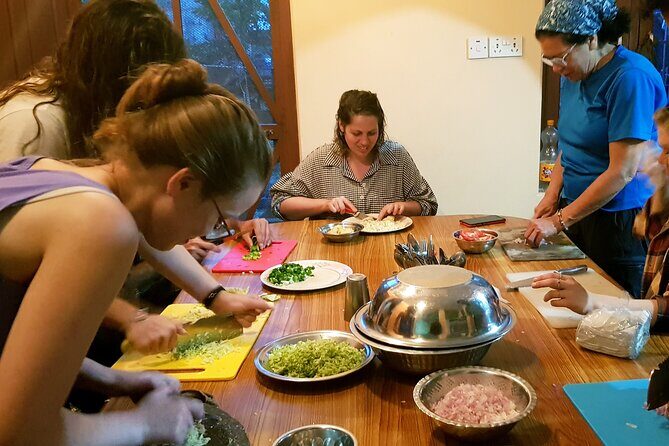
Your first decision is simple and actually useful: lunchtime is for dal bhat, and evenings focus on momos. Dal bhat is Nepal’s comfort-food rhythm—rice paired with lentils—so it tends to feel grounding if you’re tired from sightseeing or trekking. If you want a hands-on project that feels more playful, momos are the way to go: dumpling wrappers, filling, and the shaping steps are very tactile.
Think about what you want to remember after your trip. If you love the idea of cooking something you can recreate as an everyday meal at home, dal bhat is the practical choice. If you want a technique challenge and a food story you can share, momos are more memorable—especially once you see how much difference small grip and pinch adjustments make.
Either option works well because the teaching style is the same: a local cook guides you step by step, then you sit down and eat the results.
Other Nepalese cooking classes (momo, dal bhat) in Pokhara


Hotel Diplomat as your Pokhara kitchen base by Phewa Lake
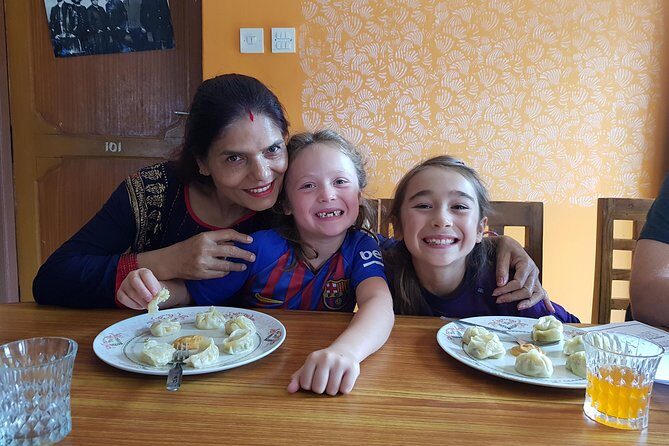
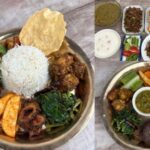
The class takes place at Hotel Diplomat, and you’ll start on the ground floor. It’s an easy setup for a first-time visitor because you can get there without complicated planning, and the hotel is less than a 10-minute walk from Phewa Lake.
I like this arrangement for two reasons. First, it’s convenient on a day when you’re already moving around Pokhara. Second, it lowers the “where do I go?” stress. If you’re staying nearby, it’s basically a natural add-on to your itinerary rather than a separate mission.
One small trade-off: since it’s hosted at a hotel location, it may feel a bit more structured than a private family kitchen. But that structure is also what makes it smooth—ingredients are ready, stations are set up, and you’re guided through the process without waiting around.
Some people also treat Hotel Diplomat as part of their trip base. Even if you’re not planning to stay there, it’s a calm, central reference point.
Inside the class: recipe card first, chef-guided steps second
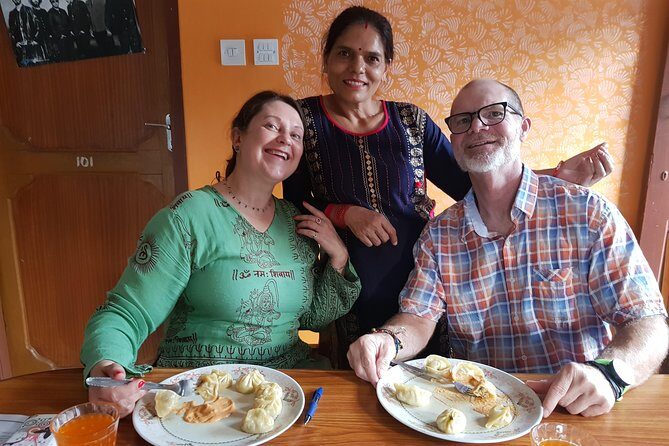
You arrive, get settled at the class area, and start with a printed recipe in your hand. That matters more than it sounds. When someone is coaching you through multiple steps, it’s easy to forget the sequence later. Having the recipe right away helps you follow along in the moment and review what you did afterward.
Then your chef (and the wider father-and-son team behind the experience) walks you through making the dish you chose. The pace is hands-on: you’re not just watching someone else cook. You do the work—mixing, preparing, shaping (for momos), or moving through the rice-and-lentil rhythm (for dal bhat)—with instruction that corrects what you’re doing as you go.
You’ll also have time to ask questions. One reason this class tends to feel warm is that the hosts are friendly and happy to talk while you cook and eat. If you enjoy learning how locals think about food and habits, you’ll find the conversation part of the fun. And if you like pairing food with a drink, you might find it a pleasant option to enjoy something like beer or wine during the class, depending on what’s available.
Momo technique that actually improves your dumplings
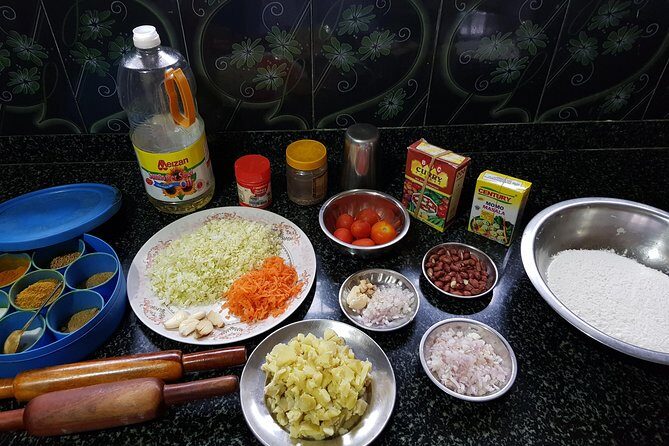
Momos have a reputation: they look simple, then you try to fold them and suddenly you’re wrestling dough. What makes this class useful is that it focuses on technique you can feel. The teaching includes very specific shaping guidance—things like finger and thumb placement, plus grip pressure—so your dumplings don’t tear or leak and your folds hold better.
Here’s what to pay attention to during your session:
- Your grip pressure: too light and the seam won’t seal; too firm and you can stretch the wrapper.
- Thumb and finger placement: small changes affect how quickly the wrapper folds and how neatly the edges meet.
- Consistency of your filling: if the filling is too loose, it behaves badly when you shape.
Also, aim for progress, not perfection. A dumpling class is a lot like learning any craft—your first few pieces will look a little strange, and that’s normal. The goal is to understand the method so you can do it again later, at home, without guesswork.
Once you’ve shaped your momos, you’ll be able to eat what you made while it’s fresh and hot. That timing matters: you’re tasting the result while the technique is still fresh in your mind.
Dal bhat cooking: build the meal, not just the components
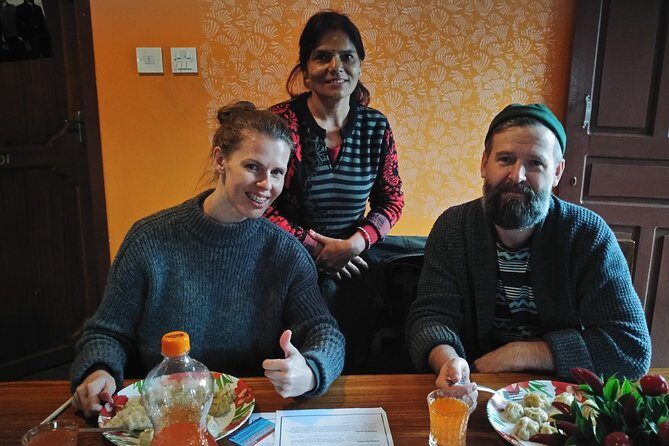
If you choose dal bhat, the class centers on the rice-and-lentils set, guided step by step by the chef. You learn how the meal comes together—not just one ingredient. That is the practical part you’ll carry home.
In a home-cooked style, the experience teaches you how to manage the flow of cooking for a complete plate. Rice and lentils don’t behave the same way, so you need a bit of coordination. The chef’s guidance helps you avoid the common beginner mistakes: rushing one element, undercooking, or not planning for timing.
Dal bhat also has a big advantage for travelers. Once you learn the structure of the meal, you can adapt it later based on what’s available where you live. You can keep the core concept (rice + lentils) and adjust seasonings and thickness to your preference.
Even if you’re not a big cook, dal bhat tends to be more forgiving than dumplings. It’s comforting food, and it’s built for real life—meaning you can actually use what you learned.
Other cooking classes in Pokhara
The meal included: eat right away and drink something cold
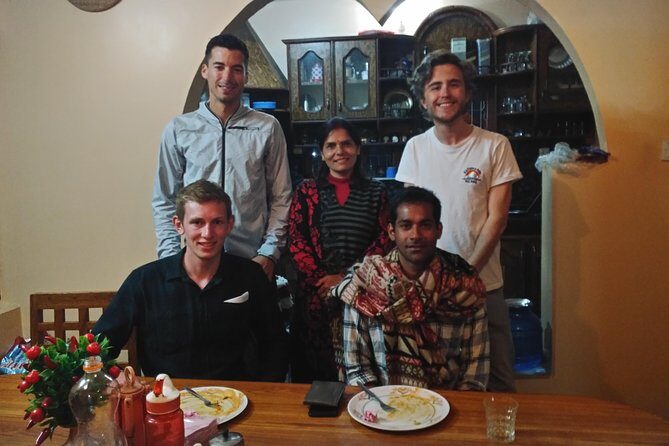
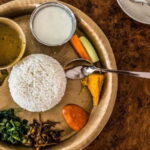
After cooking, you sit down to enjoy your own freshly prepared meal. This is one of the best parts of the deal because you don’t have to decide what to eat next or wonder if the class is “worth it.” The class includes a home-cooked meal, plus complimentary soft drinks and water.
That makes your $50 feel more like a full experience than a short demo. For many people, the meal is the part that locks the memory in place. You’re eating what you just learned, and the taste makes the technique make sense.
Also, the group size helps here. With a max of five people, it’s easier to keep things moving and still get personal attention. You’re not waiting in line while the instructor does everything.
If you’re hungry when you start, plan to bring that energy. You’ll be working with your hands, then enjoying the results soon after—perfect for a Pokhara day that already includes walking, lakeside time, and a bit of sunshine.
Price and logistics: $50 for skills, coaching, and food
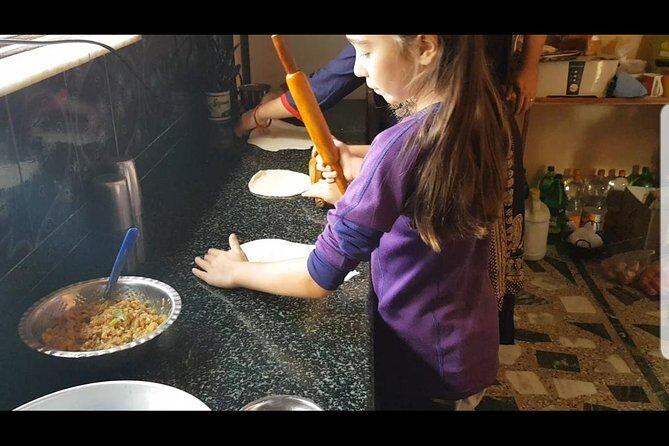
At $50 for about two hours, this class is priced like a true activity, not just a ticket to watch cooking. Here’s why it feels like value: you get small-group instruction, you cook from scratch, and you’re served your own meal with drinks included.
In other words, you’re paying for three things:
- Skill transfer (someone corrects what you’re doing)
- Time with a real local cook
- Food you didn’t have to plan or buy separately
You also get a mobile ticket, which is handy when you’re juggling day-to-day plans. Start and end back at the meeting point, so you can keep your schedule simple.
One practical consideration: because the class is about two hours, you should treat it as a focused block. It works best when you’re not trying to stack too many activities around it. Leave yourself a little buffer before or after so you can actually enjoy the food and questions.
And if you rely on a service animal, this experience allows service animals.
Who should book (and who might want a different option)
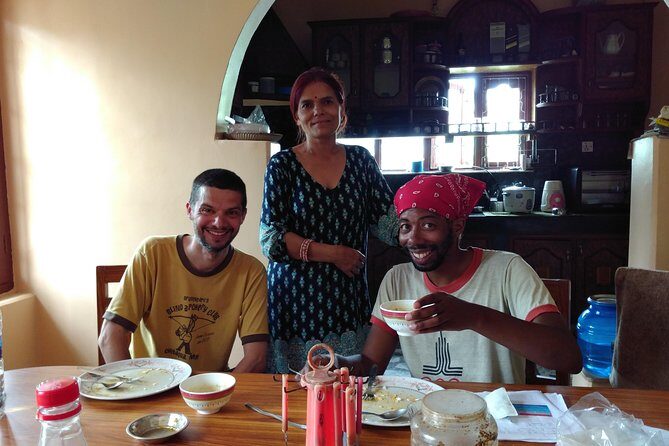
This cooking class is a great fit if you want an experience that’s hands-on, not just sightseeing with photos. The small group setup makes it especially good for:
- solo travelers who want a friendly table conversation
- couples or friends who don’t mind working side by side
- people who like learning technique, not memorizing recipes
It’s also ideal if you’re planning a Pokhara day near Phewa Lake and want something centered and easy to reach. Hotel Diplomat is a convenient base, so you’re not losing time in transit.
Who might consider something else? If you’re chasing variety above all and want to sample multiple Nepalese dishes in one sitting, this isn’t that kind of class. You’ll cook either dal bhat or momos, so you’ll need to choose what you care about most—or take a second session later if you’re staying longer.
Should you book Cook With Delight in Pokhara
If you’re even slightly curious about Nepalese dumplings or dal bhat, I’d book this. The combination of small group size, real coaching, and eating what you cooked hits the sweet spot for travel value. You’ll walk away with technique you can actually repeat, plus a printed recipe to guide you later.
Book it if you want:
- clear step-by-step instruction
- momos shaping help that focuses on fingers and pressure
- a complete meal without extra planning
Skip it only if you’re looking for a broad food tour with many different dishes in one go. Otherwise, this is one of those practical experiences that turns into real-life cooking memories, not just photos.
FAQ
Where does the cooking class start in Pokhara?
The class starts at the ground floor of Hotel Diplomat in Pokhara, located at Pragati Marga, Pokhara 33700, Nepal.
How long is the workshop?
The workshop runs about 2 hours.
Can I choose between dal bhat and momos?
Yes. You can choose either a lunchtime dal bhat workshop or an evening momos workshop.
What is the group size?
The class has a maximum of 5 travelers.
Is the meal included?
Yes. A home-cooked meal is included, along with complimentary soft drinks and water.
Will I receive a recipe?
Yes. You start with a printed recipe during the class.
How much does it cost?
The price is $50.
Is free cancellation available?
Yes. You can cancel for a full refund up to 24 hours in advance of the experience start time.