REVIEW · POKHARA
3-Day Poon Hill Trek from Pokhara.
Book on Viator →Operated by Eco Holidays Nepal · Bookable on Viator
Poon Hill sunrise is only three days away. This short Himalayan trek is built for real life on the trail: rhododendron forests, mountain villages, and rice-field scenery, all wrapped into a classic teahouse experience with big Poon Hill viewpoints. It starts from Pokhara, uses private transportation, and keeps the altitude “moderate” for hikers with some experience.
What I like most is how much you don’t have to manage. Meals and teahouse accommodation are included, and you’re provided with a sleeping bag plus a duffel bag, so your packing list stays sane. You also get a first aid kit as part of the package, which matters when you’re out there for multiple days.
The big drawback to plan around is weather. If clouds roll in, you can lose some of that crisp sunrise visibility at the lookout. The good news is the operator is clear about weather dependence and offers a different date or a full refund if conditions ruin the experience.
In This Review
- Key highlights worth caring about
- Poon Hill in 3 Days: Why This Short Schedule Works
- From Pokhara to the Start: Pickup, Private Transport, and Mobile Ticket Ease
- Day-by-Day Walking: Rhododendron Forests, Villages, and the Poon Hill Payoff
- Day 1: Settling into trail life from Pokhara
- Day 2: Sunrise push and the Poon Hill lookout
- Day 3: Downhill reality and one more look at village life
- Teahouses, Twin Rooms, and the Comfort Level You Can Expect
- The Guide Factor: Real Support Shows Up in Names Like BK, Shiva, Bikram, and Sagar
- Price and Logistics: Getting $410 Worth of Trek Time
- Weather and Cloud Cover: How to Protect Your Sunrise Chances
- Should You Book This Poon Hill Trek From Pokhara?
- FAQ
- How long is the Poon Hill trek?
- Where does the trek start?
- Is this a private trek?
- What difficulty level is this trek best for?
- What’s included in the price?
- What is not included?
- Is pickup offered and do I get a mobile ticket?
- Will I share a room?
- Are service animals allowed?
- What happens if weather is bad or I need to cancel?
Key highlights worth caring about
- Teahouses and meals included: you can focus on the hiking instead of logistics.
- Sleeping bag + duffel bag provided: lighter packing, less hassle.
- Private trek with customization: pacing can be adjusted to your needs.
- Classic Poon Hill views in a tight schedule: sunrise is the payoff.
- Pokhara-to-trail convenience: pickup and private transportation reduce stress.
- Strong guide support: names like BK, Shiva, Bikram, and Sagar show up for a reason.
Poon Hill in 3 Days: Why This Short Schedule Works
A three-day trek is short enough that you don’t feel like you’re signing up for a huge life project. It’s also long enough to give you that “real trek” feeling: steady walking, repeated tea-house stops, and the slow build toward the views everyone talks about.
This route is aimed at hikers who are moderately fit and have hiking experience. That usually means you’re comfortable with uphill walking and uneven ground, not that you need to be a mountain athlete. The altitude is described as not rising too high, which is a big reason this trek is popular for people who want Himalayan scenery without the grind of extreme elevation.
And the best part of the timeline? You’re not spending days just to reach the viewpoint. The emphasis is on the Poon Hill sunrise lookout and then moving through the surrounding villages and forests without rushing yourself into exhaustion.
What you’ll notice when you’re actually on this kind of trail is how the scenery changes with each stretch. You go from forested paths to village lanes to open views around rice fields. It’s not just a single wow moment; it’s a series of smaller ones that make the final sunrise feel earned.
Other Ghorepani and Poon Hill treks in Pokhara
From Pokhara to the Start: Pickup, Private Transport, and Mobile Ticket Ease
Starting from Pokhara is a huge advantage. It’s the most practical base town for this kind of trek, and it keeps your trip from turning into a travel marathon.
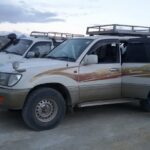
In this package, you get private transportation and pickup is offered. That matters because the walk to the trailhead is usually the part that can feel least fun on a tight schedule. You want the easy wins early: get to the start, get organized, then start walking.
You’ll also receive a mobile ticket. That’s a small detail, but on the ground in Nepal, less paperwork tends to mean less stress.
One more practical note: this is listed as a private tour/activity, meaning it’s just your group. That can be a relief if you prefer not to hike by someone else’s pace or if you want flexibility in timing during tea stops.
If you’re coming in from elsewhere, the operator’s support tends to be “wrap-around” in the sense that they help line up the essential pieces. People specifically mentioned help with Kathmandu to Pokhara movement and Pokhara lodging. So if you like the idea of arriving and already having a plan, this style of trip fits well.
Day-by-Day Walking: Rhododendron Forests, Villages, and the Poon Hill Payoff
Your trek is about walking your way into the Annapurna region’s daily rhythm, then topping it off with the Poon Hill viewpoint.
Day 1: Settling into trail life from Pokhara
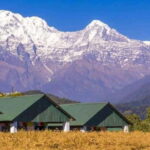
On your first hiking day, you’ll start moving along paths that cut through rhododendron forests, with mountain villages and rice fields showing up as you transition away from denser greenery. This is the “body warm-up” portion of the trek. It’s not described as a high-altitude grind, but it still gives you plenty to do: uphill sections, steady pacing, and time to acclimatize through movement rather than speed.
The teahouse rhythm begins early in the trip. You’ll stop for meals in between walking, so you’re not stuck trying to improvise food on the trail. That’s one reason the included meals feel like more than a perk—they help keep the days predictable.
A consideration for day one: with a sunrise-focused itinerary, expect that your schedule later in the trek will likely require early wake-ups. If you’re sensitive to early mornings, mentally prepare now.
Day 2: Sunrise push and the Poon Hill lookout
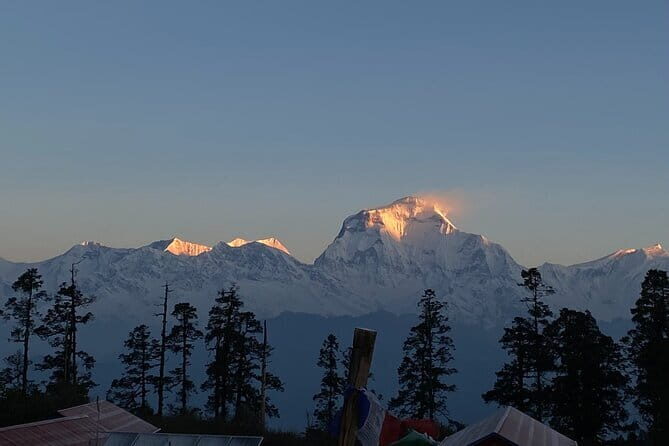
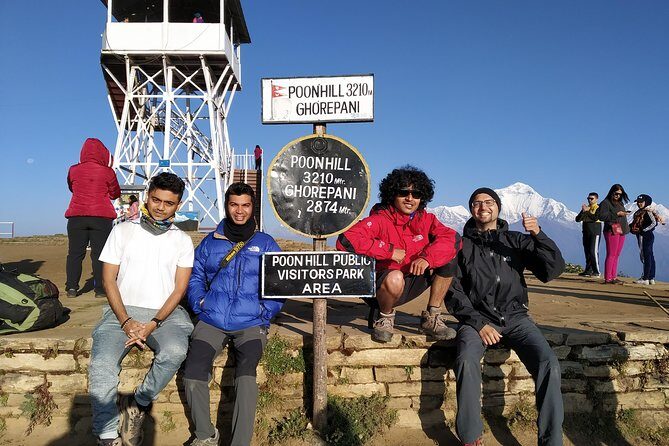
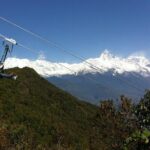
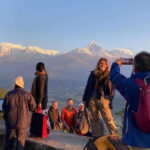
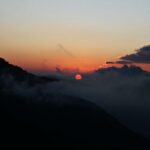
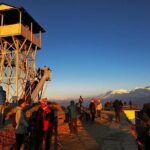
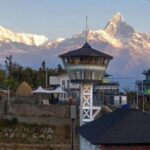
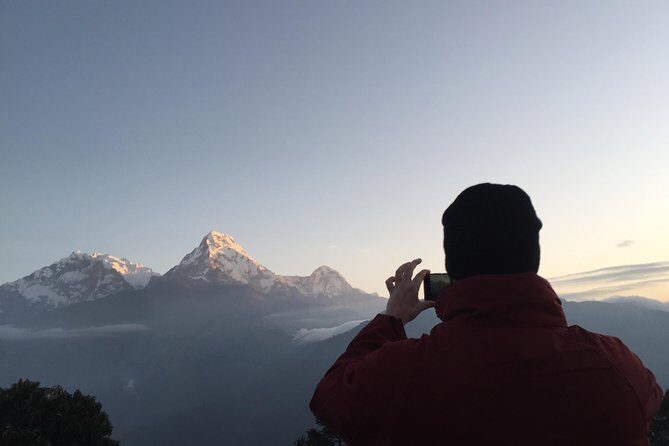
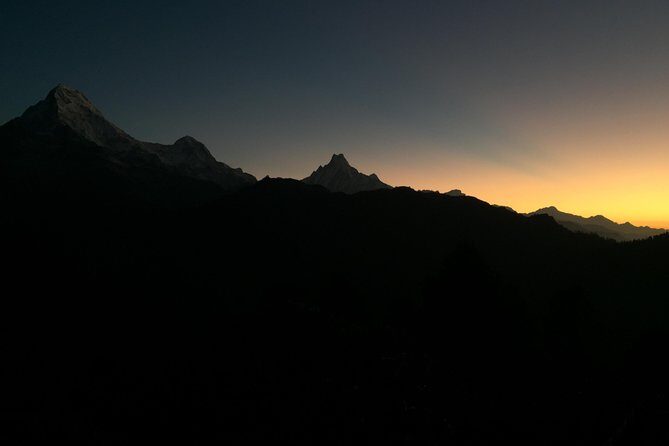
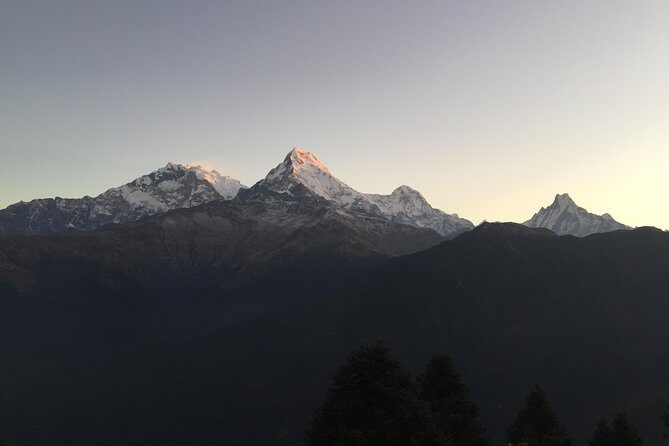
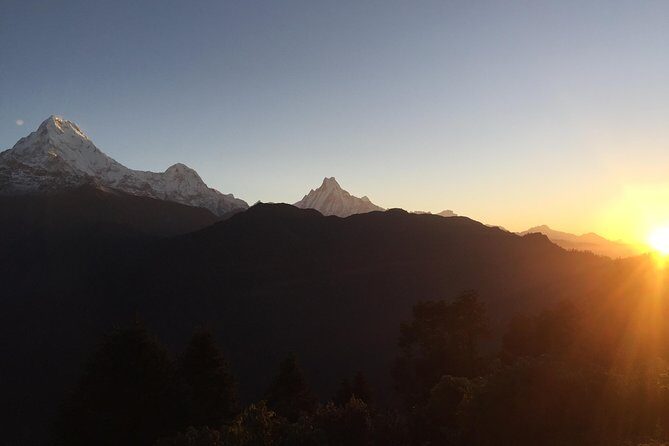
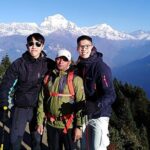
This is the headline day. The trek is built around the chance for Himalayan panoramic views from the sunrise lookout at Poon Hill. Even if you’ve seen mountains in photos before, it’s different when you’re watching light spill over ridgelines and peaks in real time.
The tradeoff is timing. Sunrise trips usually mean starting in the dark or near-dark, then hiking to the viewpoint with the temperature and footing under your control. The good news is the trek is described as moderately challenging, and the altitude is not pushed too high, so it’s more about steady effort than suffering.
Weather is the one thing you can’t fully control. Clouds can soften the view. But even in less-than-perfect conditions, the early morning atmosphere and the village-to-mountain transition are still part of the value.
If you’re a first-time trekker, day two is where you’ll decide whether you like this kind of travel: quiet early hikes, short breaks, and then the reward.
Other hiking tours in Pokhara
Day 3: Downhill reality and one more look at village life
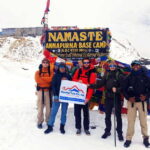
Your third day is about wrapping up the trek after the Poon Hill highlight. You’ll continue moving through the cultural landscape that defines this area—again mixing village scenery with stretches that pass rice fields and forest edges.
Downhill can feel easier than uphill, but it can be harder on knees. The included tea-house meals help you keep energy up, but you’ll still want good footwear and a steady pace. If you’re the kind of traveler who likes to linger, day three is often where you’ll feel more relaxed because the main “view pressure” is already done.
Teahouses, Twin Rooms, and the Comfort Level You Can Expect
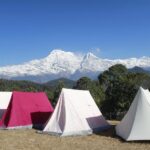
This trek leans hard into the classic teahouse style: accommodation and meals are included, and you sleep in basic but functional lodging. You’re not signing up for luxury. You are signing up for an experience where most of the day’s needs are handled.
You’ll have teahouse accommodation on twin sharing. That’s great for couples and friends who are comfortable sharing space, and it keeps costs down. If you want solo privacy, you’ll need to check what the operator can do, since the package description specifically says twin sharing.
Sleeping comfort is supported by two key included items:
- A sleeping bag (provided)
- A duffel bag (provided)
That’s a big help if you’re traveling light. It also means you don’t have to source trek gear before you arrive. Still, you’ll want to dress for chilly evenings and early starts. Even with a sleeping bag, nights can feel cold on a mountain circuit, and personal comfort varies.
Food is included as breakfast, lunch, and dinner. Bottled water is not included, and snacks are not included. So you’ll likely want a simple plan for hydration and small extras—especially if you prefer certain foods or have dietary habits.
Also note what’s not included: WiFi, battery charging, and tips. Those are common “pay as you go” items on the trail, so it helps to bring a simple cash plan and a power strategy.
The Guide Factor: Real Support Shows Up in Names Like BK, Shiva, Bikram, and Sagar
A good guide turns a trek from just walking into a trip with context. This private trek is structured to be customizable, and the guide support is clearly a major part of why people rate it so highly.
In the feedback you can see multiple guide names coming up again and again, including BK, Shiva, Bikram, and Sagar. The common thread is practical help: getting the route right, knowing where to stop for food, and making sure you have what you need before issues appear.
People also highlighted the human side—kindness, patience, and being attentive to needs at every step. One person described the experience for older hikers, emphasizing that the overall support and coordination made the trek feel manageable. Another mentioned needing help arranging necessary items, which is exactly what a strong guide-and-operator team can do when you’re new to trekking.
There’s also mention of porter support. Porters are not included in the listed package, but strong porter help was specifically praised in the experience feedback. If you don’t want to carry much, ask about porter options when you book so you can decide early.
Bottom line: you’ll feel the difference when your guide knows the trail flow and your pace, not just the route on paper.
Price and Logistics: Getting $410 Worth of Trek Time
Let’s talk value, not just cost.
At $410 per person, this trek includes a surprising amount of the core experience:
- Breakfast, lunch, and dinner
- Teahouse accommodation (twin sharing)
- Sleeping bag and duffel bag
- Private transportation and pickup offered
- All fees and taxes
- First aid kit
What you need to budget separately includes:
- Bottled water and snacks
- Alcoholic beverages
- Personal expenses
- WiFi and battery charging
- Tips
- Porter (not included)
So the price isn’t just paying for walking. It’s paying for the built-in structure that makes three days actually work without chaos. For many travelers, the hardest part of a short Himalayan trek is not the hiking—it’s arranging the right chain of details in the right order. Here, those basics are already bundled.
Is it expensive? For a 3-day private trek with meals, accommodation, gear, and private transport, it’s priced like a trip where you’re buying convenience and steadiness.
If you’re the type who enjoys planning your own tea-house schedule and carrying everything yourself, you might find cheaper options. But if you want a smooth, guided “do it for me” setup that still feels authentic, this pricing makes sense.
Weather and Cloud Cover: How to Protect Your Sunrise Chances
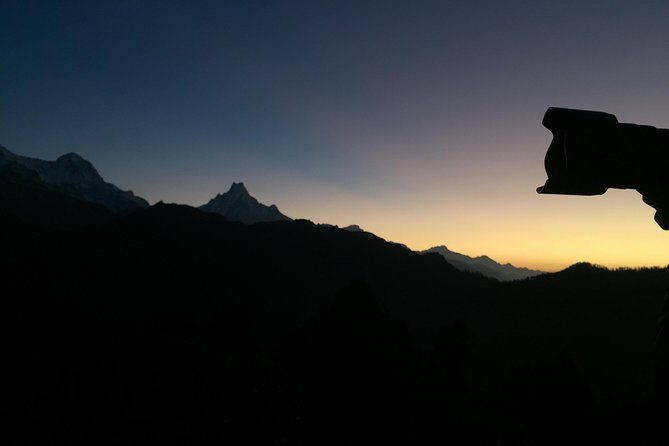
This experience depends on good weather for the best sunrise and visibility from Poon Hill. That’s not a gimmick—it’s physics and atmosphere. Clouds can turn a panoramic sunrise into a more limited view.
The operator includes a clear approach for bad weather: if it’s canceled due to poor weather, you’ll be offered a different date or a full refund. That’s the kind of policy you want for a viewpoint-based trek.
What you can do as a traveler:
- Keep your schedule flexible enough to accept a reschedule.
- Pack mentally for the possibility that you’ll get a less-clear view.
- Remember that the trail itself still includes rhododendron forests, villages, and rice fields. The day won’t be a total loss just because the sky is moody.
Should You Book This Poon Hill Trek From Pokhara?
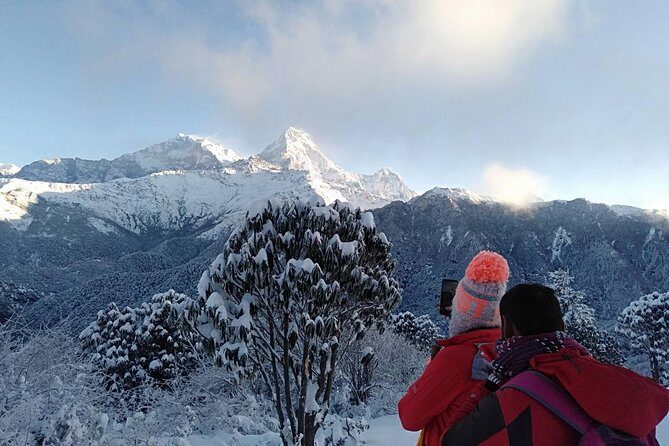
If you want a classic Himalayan teahouse trek but you don’t have a week to spare, I think this is a smart booking window. Three days is enough to experience the rhythm of mountain travel, reach the Poon Hill sunrise lookout, and still have time to recover without turning the trip into a marathon.
Book it if:
- You’re moderately fit with some hiking experience
- You want meals and lodging included
- You prefer a private setup with pickup and private transport
- You care about having strong guide support (people mention BK, Shiva, Bikram, and Sagar)
Consider a different option if:
- You’re counting on perfect sunrise views and can’t handle clouds
- You dislike sharing twin rooms
- You want a fully independent trek with no porter or guide support
If you’re on the fence, here’s the practical way to decide: ask yourself what you’d rather buy with your time. This trek buys you a well-run, short route that still feels like you’re living on a real trail.
FAQ
How long is the Poon Hill trek?
The trek is listed as 3 days (approx.).
Where does the trek start?
It starts in Pokhara, Nepal, and the route includes reaching the Poon Hill sunrise lookout.
Is this a private trek?
Yes. It’s described as a private tour/activity, so only your group will participate.
What difficulty level is this trek best for?
It’s best suited to travelers who are moderately fit and have hiking experience. The trek is described as moderately challenging and not rising too high in altitude.
What’s included in the price?
Included items are breakfast, lunch, and dinner; tea house accommodation on twin sharing; sleeping bag and duffel bag; private transportation; all fees and taxes; and a first aid kit.
What is not included?
Not included: alcoholic beverages, snacks, bottled water, personal expenses, WiFi, battery charging, tips, and a porter.
Is pickup offered and do I get a mobile ticket?
Pickup is offered, and you’ll receive a mobile ticket.
Will I share a room?
Yes. Accommodation is listed as twin sharing in tea houses.
Are service animals allowed?
Yes. Service animals are allowed.
What happens if weather is bad or I need to cancel?
You can cancel for a full refund up to 24 hours in advance. The experience requires good weather, and if it’s canceled due to poor weather, you’ll be offered a different date or a full refund.