REVIEW · POKHARA
ATV Adventure Tour in Pokhara, Nepal
Book on Viator →Operated by ZipFlyer Nepal · Bookable on Viator
The best part is the climb toward Fewa Lake. This ATV tour in Pokhara mixes off-road time with guided stops, so you get more than a quick loop around town. I love how the ride is built for beginners, with safety training before you start, and I also love that the schedule includes professional photos and a meal with lake views.
You’ll be heading up an intermediate trail along 4WD tracks, with an uphill push toward about 4500 ft and a 10 km route before you turn back. One thing to keep in mind: the listed duration is about 2 hours, but the actual time on the ATV can shrink when your group stops for photos, lessons, and pacing.
In This Review
- The small-group advantage (and what to watch)
- Key highlights you’ll feel on the ride
- ATV Adventure Tour in Pokhara: what you’re really paying for
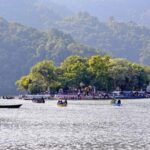
- Where the tour starts: lakeside energy and a clear plan
- The climb: Sarangkot hill, 10 km of 4WD tracks, and those lake views
- Photo stops that can make or break the experience
- Interpretive guiding: more than just “look at that”
- Lunch with a view: the payoff after the climb
- The descent: where beginners usually get confident
- Group size (max 7): why smaller can feel calmer
- What to bring and how to prepare (without overthinking)
- Price check: is $115 actually fair for this kind of experience?
- Who this ATV tour suits best
- Tips to make your ride smoother on the day
- Should you book this ATV adventure in Pokhara?
- FAQ
- How long is the ATV adventure tour in Pokhara?
- Do I need previous ATV experience?
- What do I need to bring or have before riding?
- Is pickup included?
- Does the tour include photos and a meal?
- How big is the group?
- What happens if weather is poor?
The small-group advantage (and what to watch)
The tour runs with a maximum of 7 travelers, which usually means you’re not lost in a crowd and your guide can give hands-on coaching. I also like the interpretive angle, where the guide talks about the area’s cultural, historical, and environmental context while you’re riding through forests and hills.
The main drawback is reliability of timing from the meet-up side. In practice, I’d be ready to double-check pickup timing the day of, and if you care about photos, ask your guide when you want extra pauses, because photo stops can be handled differently depending on the group pace.
Key highlights you’ll feel on the ride
- Beginner-friendly training before you hit the trail
- Intermediate, uphill route with real off-road challenge up Sarangkot hill
- Fewa Lake viewpoints from places you’d mostly reach on foot
- Professional photo stops at scenic points during the ride
- Lakeside meal (breakfast/lunch) overlooking the lake
- Small group size (max 7) for closer guide attention
Other ATV and 4WD off-road tours in Pokhara
ATV Adventure Tour in Pokhara: what you’re really paying for
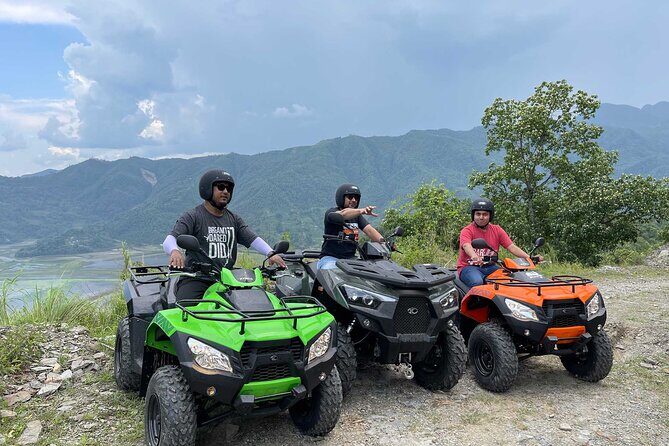
For $115, you’re not just buying a ride. You’re paying for three things that usually cost extra when you piece them together: coaching, a guided off-road route with planned stops, and a payoff at the end (photos plus a meal with views). With an about 2-hour total time, this works best when you want action without committing to a half-day or full-day tour.
This is also one of the better types of activities for Pokhara. The city itself is easy to navigate, so a tour like this earns its place by getting you out onto hills and tracks where regular sightseeing won’t take you. You’re riding through forests and hills, climbing toward Sarangkot hill, and using that elevation to see Fewa Lake from angles that are hard to replicate on foot quickly.
Where the tour starts: lakeside energy and a clear plan
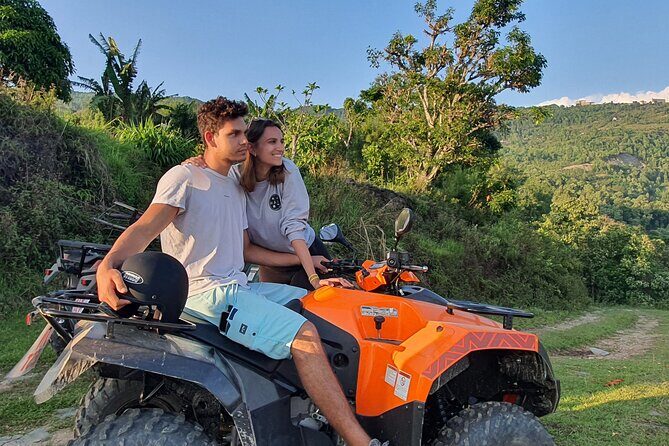
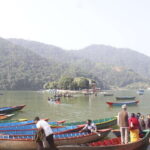
The adventure begins at a lakeside location in Pokhara. That matters because it keeps your day simple: you’re not crisscrossing the city for a long pickup route. Pickup is offered, and you’ll receive a mobile ticket, so you’re not juggling paper.
Once you arrive, you start with the basics: safe ATV handling and riding technique. This isn’t just a formality. It sets your expectations and helps you avoid the most common beginner problem—overcorrecting when the trail tilts or when you slow down for a turn. If you’ve never ridden an ATV, this first lesson period is what makes the rest of the ride feel doable.
The climb: Sarangkot hill, 10 km of 4WD tracks, and those lake views
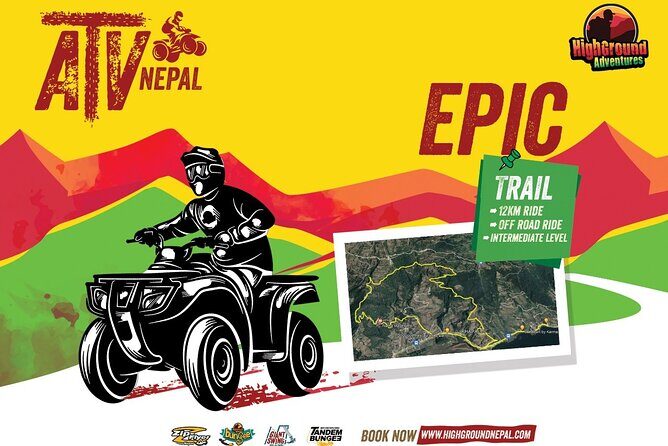
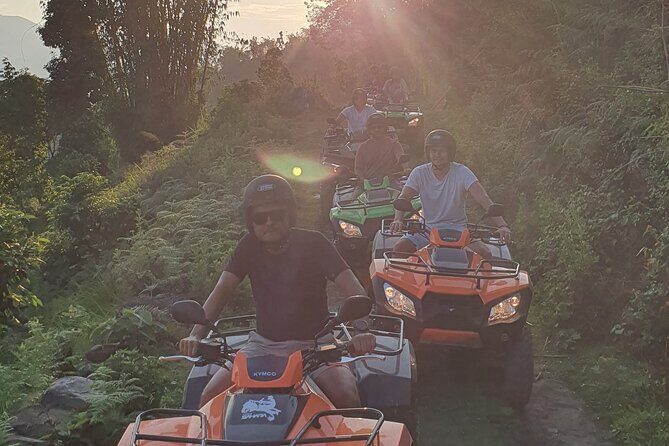
After training, your guide takes you onto the intermediate trail—up through forests and hills along 4WD tracks. You’ll be climbing toward about 4500 ft over roughly a 10 km route. In plain terms: this is the part where you’ll feel your heart rate rise, the ATV work a bit more, and your view slowly open up.
Here’s why this matters for value. Many ATV tours are mostly flat or mostly rushed. This one is designed around an uphill experience. That means your best moments are earned: you go higher, you get better sightlines, and you reach scenic spots that you can otherwise access only by foot.
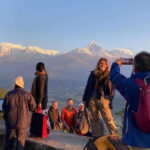
You’ll also get stops for pictures at scenic points. The tour description promises professional photos at these stops, so there’s a good chance you’ll come away with images that actually look like the effort you put in.
One consideration: uphill riding often leads to natural slowing, especially when beginners are learning control and timing. If you’re hoping for nonstop motion, just know that pauses are part of how the tour stays safe and how it produces photos.
Photo stops that can make or break the experience
This tour includes professional photos at scenic spots, which is a big plus if you want more than phone snapshots. But photos work only if the stops happen when you need them.
Based on real-world experiences, I’d treat photo timing like a planning item, not a passive bonus. If you want pictures from a specific angle—or you simply need a moment to frame your shots—tell your guide early. Ask clearly for an extra pause if that matters to you.
Also, the difference between total tour time and ATV time is real. One caution I’d put on your radar: the official 2-hour duration can include transfer and check-in, and the riding time can be less than you expect if the group is learning slowly or if stops run longer than planned. So if you’re only in Pokhara for a tight window, build in buffer time.
A few more Pokhara tours and experiences worth a look
Interpretive guiding: more than just “look at that”
A big part of why this tour feels worthwhile is the emphasis on interpretive guiding. Your guide is there to provide context—cultural, historical, and environmental—while you’re moving through the area.
This doesn’t mean you’re stuck listening the whole time. It’s more like short, useful moments that help you understand what you’re passing: the kind of terrain you’re on, the setting around the hills, and how people connect to the land near the lake. When it works, it turns a ride into a story you can repeat later.
Lunch with a view: the payoff after the climb
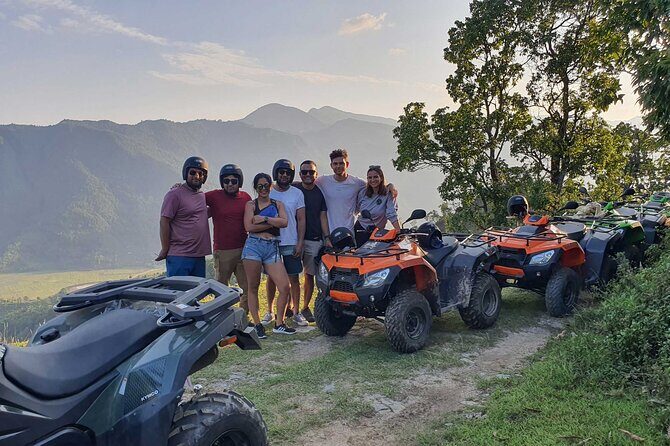
One of the best practical parts is the included meal. You’ll stop at a scenic spot for breakfast/lunch with a view over Fewa Lake. After the uphill effort, this is exactly the moment your body wants: a chance to sit, recover, and enjoy the scenery without the vibration of riding.
From a travel-value standpoint, this inclusion matters. If you had to add food on your own, you’d lose time and you’d be hunting for something nearby that fits your schedule. Here, your ride plan includes the pause.
The descent: where beginners usually get confident
After the scenic points and meal, you descend back toward Pokhara lakeside. Descents can feel easier on paper, but they’re where control really counts—managing speed, avoiding sudden braking, and staying steady on uneven ground.
The good news: by the time you start heading down, you’ve usually learned enough from the training and uphill experience to ride more smoothly. This is often when beginners start feeling confident and more relaxed about the ATV itself.
Group size (max 7): why smaller can feel calmer
The tour caps at 7 travelers. That’s not a random marketing number—it changes the tone. With a smaller group, guides can keep an eye on who’s struggling and who’s ready to move faster. It also makes photo stops more workable because there’s less juggling to get the whole group back into position.
If you’re traveling solo or as a pair, this is also a nice size for social comfort. You’re not squeezed into a large group dynamic where your needs get flattened.
What to bring and how to prepare (without overthinking)
The tour calls for moderate physical fitness. That’s enough to mean you should be comfortable with uphill walking or exertion, even though you’re on an ATV. The route includes real elevation change and a long track, so you may feel it in your legs and core from the riding posture.
Practical prep:
- Wear shoes you don’t mind getting dusty.
- Bring a light layer. Hill weather can shift quickly.
- If you get motion sickness, consider taking precautions ahead of time.
You’ll also need a valid driver’s license. The tour is positioned as beginner-friendly with training provided, but licensing is a hard requirement in the plan.
Price check: is $115 actually fair for this kind of experience?
At $115, the value comes from what’s bundled. You get:
- ATV training and guidance on technique and safe handling
- A guided off-road route (not just a short flat spin)
- Scenic stops for photos
- A meal with lake views
- Pickup offered (depending on your arrangement)
Compared with paying separately for transport, a guide, a scenic outing, and lunch, this price can look reasonable—especially if you’re the type of traveler who likes having a structured plan rather than improvising.
If you’re purely price-minimizing and you only want a quick thrill ride, you might find cheaper ATV options elsewhere. But if you want a guided day component in Pokhara that includes views, photos, and food, this one earns its place.
Who this ATV tour suits best
This is a strong fit for:
- First-time ATV riders who want instruction before the fun
- People who want real uphill riding, not a short “photo-and-go” loop
- Travelers who value a scenic meal and planned viewpoint stops
- Anyone who prefers small groups (max 7)
It may not be ideal if you:
- Need guaranteed timing down to the minute, regardless of group pace
- Are very sensitive to rides being shorter than the total tour window suggests
- Expect every moment to be nonstop ATV motion without pauses
Tips to make your ride smoother on the day
Here are my practical suggestions so you get the most out of it:
- Confirm your pickup timing ahead of time and arrive with a buffer.
- During the training, ask one or two specific questions about turning and braking on uneven ground.
- If photos matter to you, tell your guide what you want early, not after the best view has passed.
- Don’t treat the 2-hour duration as only ATV time; plan for transfers, instruction, and stops.
Should you book this ATV adventure in Pokhara?
I’d book it if you want an active, scenic Pokhara outing that combines off-road riding with real viewpoints over Fewa Lake, plus photo stops and a meal that doesn’t feel like an afterthought. The small group size and beginner training make it approachable, while the uphill intermediate trail gives you something more than a casual spin.
I’d think twice if you’re traveling on a strict schedule or if you absolutely need every minute to be riding time, because the total tour window includes more than just the ATV. If you’re flexible and you communicate your photo needs clearly, this is the kind of adventure that can turn into one of your best Pokhara stories.
FAQ
How long is the ATV adventure tour in Pokhara?
The tour is listed as about 2 hours total.
Do I need previous ATV experience?
No previous experience is required. Training is provided at the start of the tour.
What do I need to bring or have before riding?
You’ll need a valid driver’s license. You should also have moderate physical fitness, since the route includes an uphill ride.
Is pickup included?
Pickup is offered.
Does the tour include photos and a meal?
Yes. There are professional photo stops, and you’ll enjoy breakfast/lunch at a scenic spot overlooking Fewa Lake.
How big is the group?
The maximum group size is 7 travelers.
What happens if weather is poor?
The tour requires good weather. If it’s canceled due to poor weather, you’ll be offered a different date or a full refund.