REVIEW · POKHARA
Pokhara: Sarangkot Sunrise with Half or Full-Day City Tour
Book on GetYourGuide →Operated by MTA Trekking · Bookable on GetYourGuide
Early morning in Pokhara pays off. This Sarangkot Sunrise experience pairs big Himalayan viewpoints with real local stops, so the morning isn’t just a photo session—it turns into a smooth tour day with clear highlights like the Annapurna range and Machhapuchhre.
What I like most is the viewpoint set-up: you’re taken from Lakeside to the base, then walk up stairs for a short window that can reward you with pastel skies and golden peaks. I also like that the plan doesn’t stop at the ridge—you get temple time and a guided-style city loop (International Mountain Museum, Davis Falls, and Gupteshwor Cave).
One thing to consider: it’s weather-dependent and it starts early. If clouds roll in, your view may be less dramatic, and you’ll want to handle a bit of uphill walking at Sarangkot.
In This Review
- Key points at a glance
- Sarangkot Sunrise: Annapurna peaks in morning light
- Getting to the sunrise point: pickup, drive, and the small climb
- Sunrise viewing tips that actually help
- Bindabasini Temple: the cultural reset after the ridge
- The 10:30 AM city loop: museums, falls, and caves
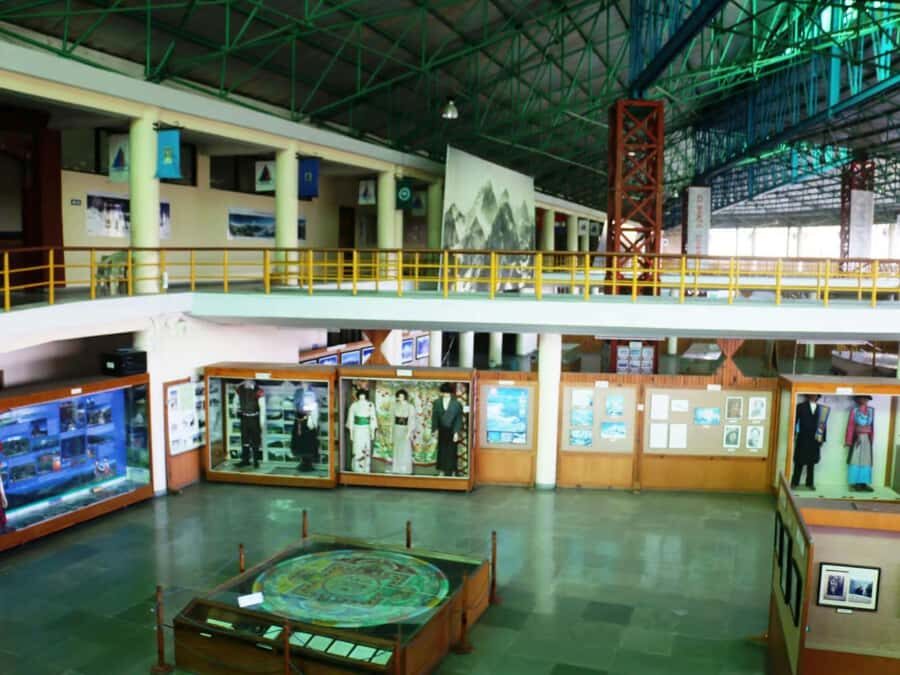
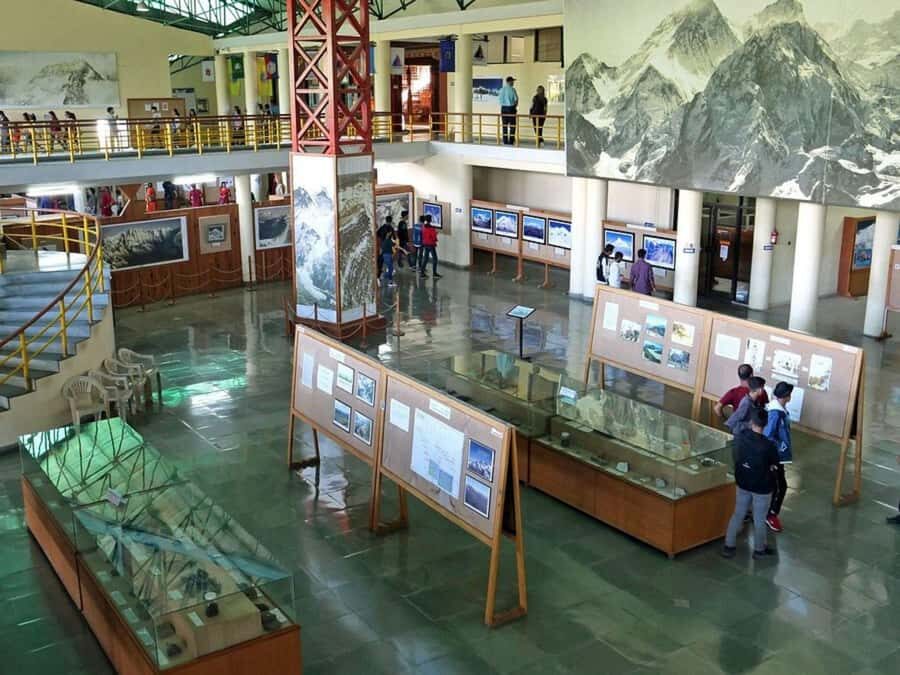
- International Mountain Museum: how Nepal tells the climbing story
- Davis Falls: the waterfall that vanishes underground
- Gupteshwor Cave: seeing the underground water again
- Price and value: how $8 makes sense here
- What to expect from the driving and timing
- Who should book this Sarangkot sunrise plus city stops
- Booking with your eyes open: small details that matter
- Should you book this Sarangkot Sunrise with city tour?
- FAQ
- What time is sunrise on Sarangkot?
- How long is the drive from Lakeside to Sarangkot?
- Is hotel pickup and drop-off included?
- What are the main sightseeing stops after sunrise?
- Are drinks included in the tour price?
- What languages are available for the experience?
Key points at a glance
- Sarangkot ridge views over Phewa Tal and the Annapurna peaks, on a clear day
- Short stair climb (about 15 minutes) after a roughly 30-minute drive from Lakeside
- International Mountain Museum: mountaineering history, tools used, and Himalayan cultures
- Davis Falls + Gupteshwor Cave: a waterfall that disappears underground, then reappears inside
- Bindabasini Temple stop after sunrise for a calm, cultural break
Sarangkot Sunrise: Annapurna peaks in morning light
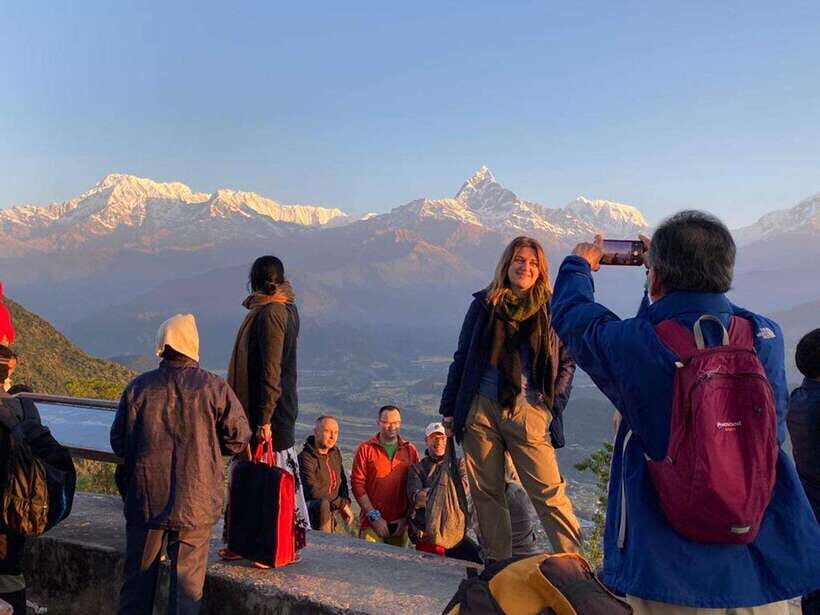
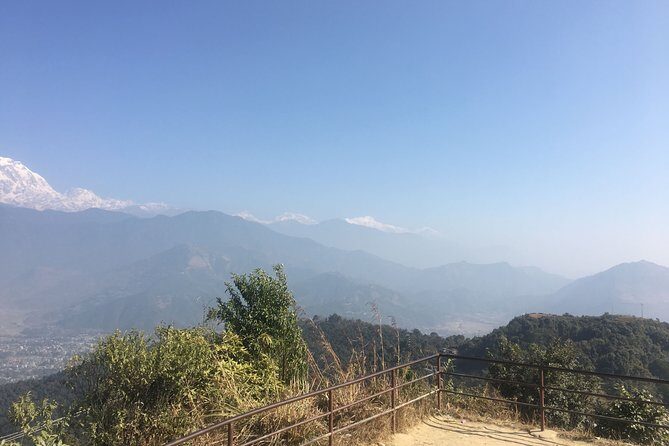
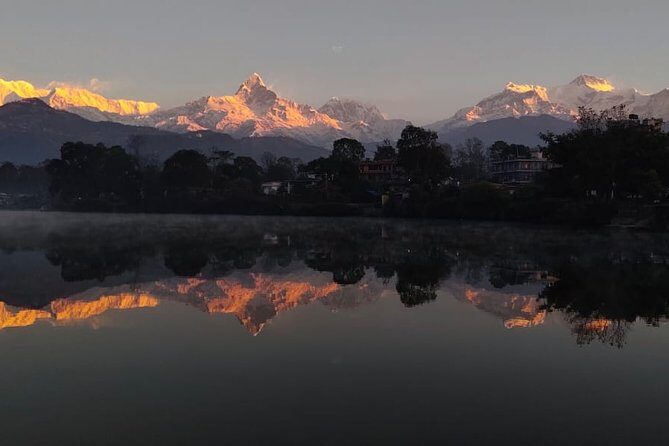
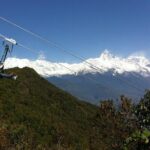
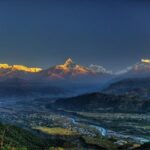
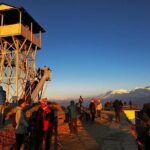
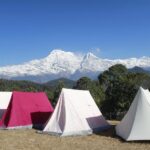
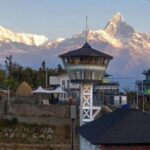
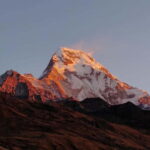
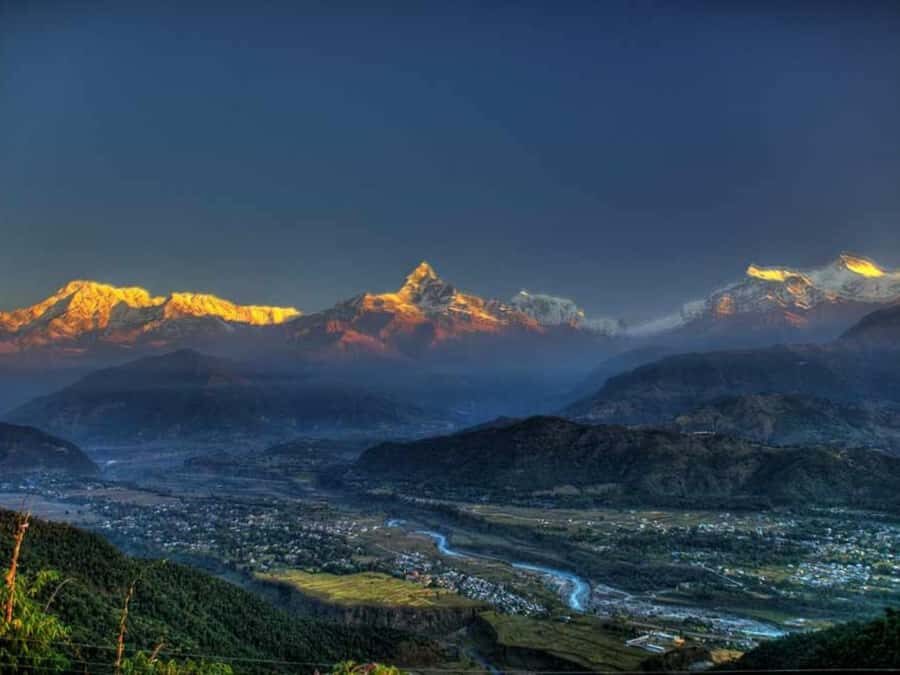
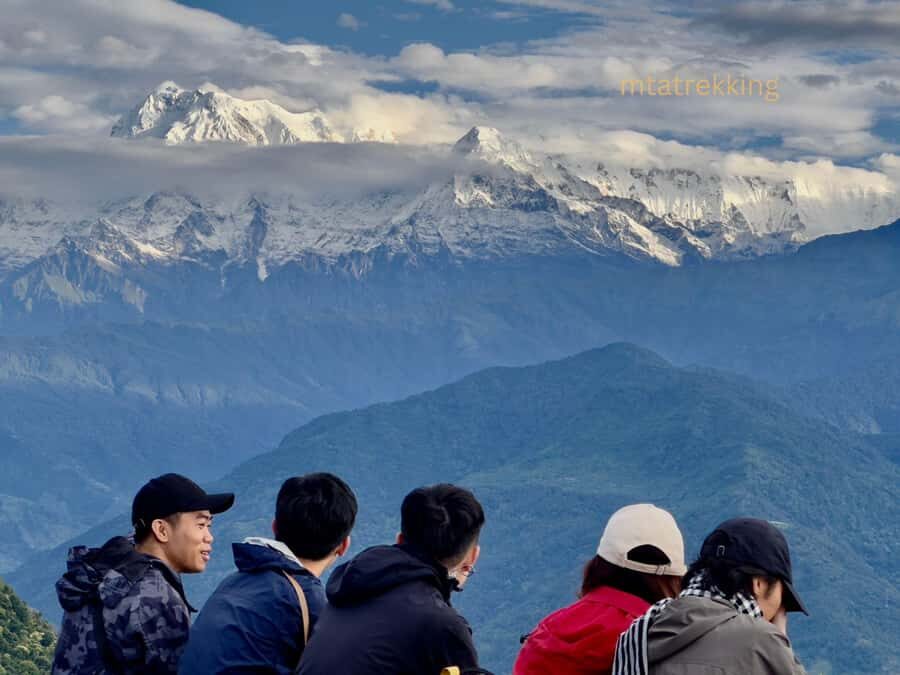
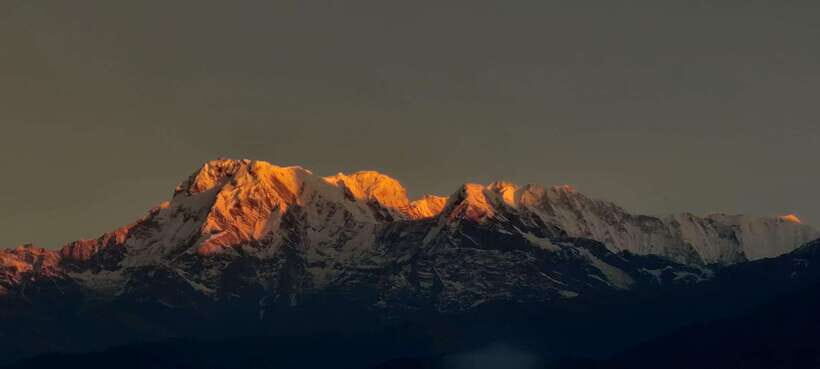
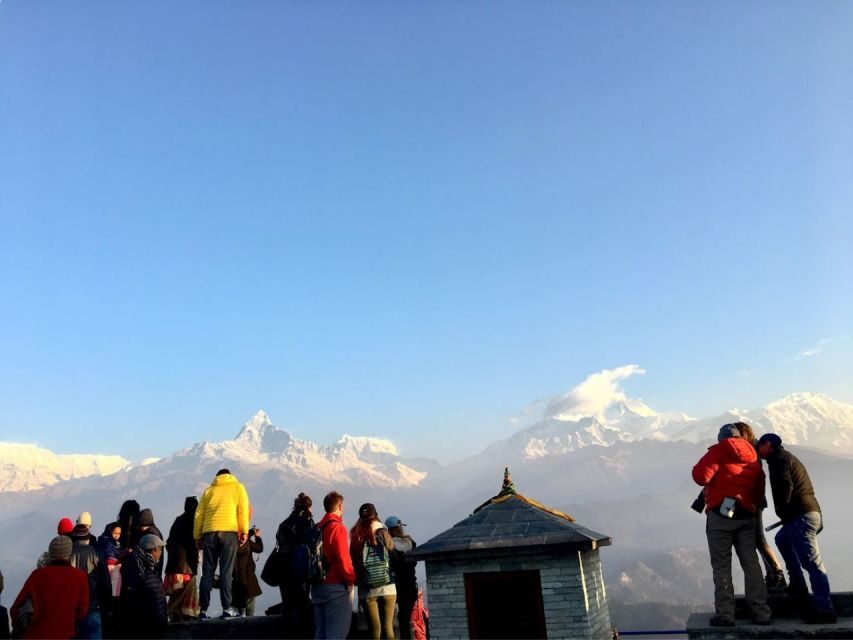
Sarangkot is the kind of place where the wait feels worth it. The ridge looks out toward Phewa Tal and a dramatic wall of mountains, and on clear mornings you can see a whole lineup of giants. The list you’re hoping for includes Dhaulagiri (8,167m), Machhapuchhre (6,997m), Annapurna I (8,091m), Annapurna II (7,937m), Annapurna III (7,219m), and Manaslu (8,163m), plus broad views across the Pokhara valley.
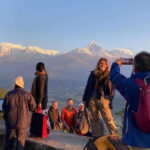
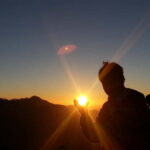
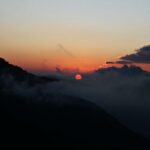
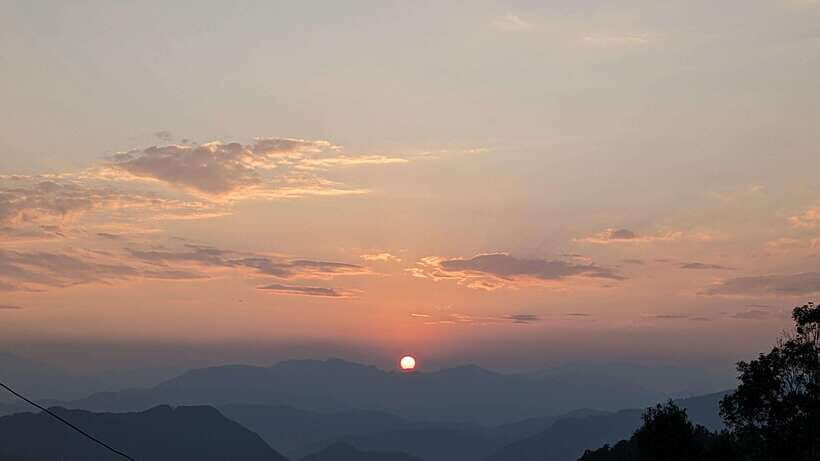
What makes this sunrise feel special isn’t only the height. It’s the pacing. You reach the best viewing zone before the sky turns bright, then you watch color build slowly—pinks and oranges first, then the peaks start catching that golden light. The effect is visual and emotional: you’re not just looking at mountains, you’re seeing them change.
Timing matters here. Sunrise is around 5:45, and the most useful tip I’d give is simple: try to be there around 5:30 so you’re not fighting for position while the sky starts to turn. You’ll also want a warm layer. Even in Pokhara, early ridges can feel chilly before the sun climbs.
Other Sarangkot sunrise tours in Pokhara

Getting to the sunrise point: pickup, drive, and the small climb
The tour is set up to be easy on your morning energy. You’ll be picked up from your hotel and driven to the base of Sarangkot Hill. From Lakeside it’s about a 30-minute drive, which is long enough to settle in and short enough that you’re not losing the day to traffic.
Then comes the one piece of exercise: about 15 minutes of stairs. That’s not a marathon, but it is real. If your knees don’t love stairs, you’ll feel it. Take it slow, and bring something grippy for your feet if it’s damp. The payoff is that the viewing area opens up after that short walk, and you get time to choose where you’ll stand.
One of the strongest practical details in the feedback is that drivers often wait while you watch the sunrise. That’s a big deal. You don’t want a rushed handoff where you’re looking at the clock instead of the horizon.
Sunrise viewing tips that actually help
If you want your photos to look like you planned them (even if you didn’t), treat the first minutes as setup time. Once you find your spot, give your eyes time to adjust. The sky often looks bland right up until it suddenly doesn’t.
I’d also plan for the most common problem: clouds. If the forecast is uncertain, don’t cancel your hopes, but do stay flexible. Even if the absolute mountain lineup isn’t perfect, the sky colors can still be beautiful.
A small but helpful detail: you’ll have plenty of time to take photos and enjoy the view after you arrive. That reduces stress and makes the experience feel less like a checklist.
Bindabasini Temple: the cultural reset after the ridge
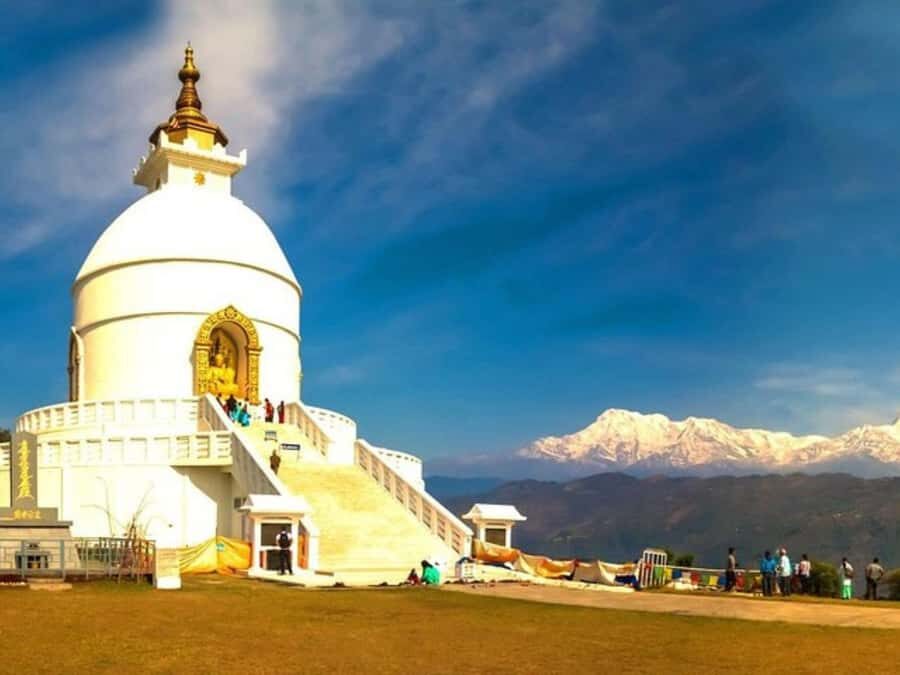
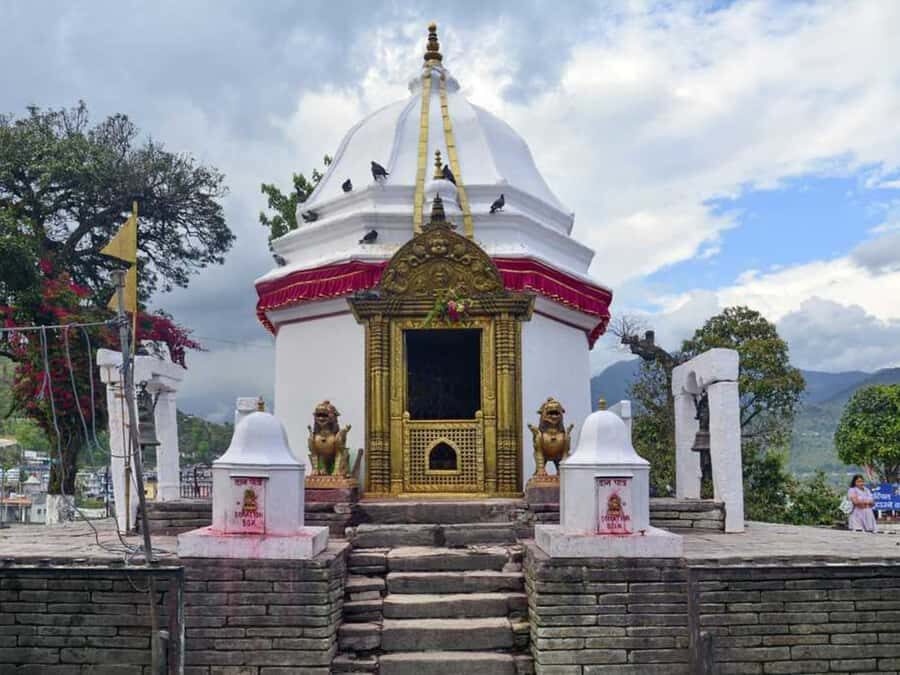
After sunrise, the tour adds a calmer stop: Bindabasini Temple. This isn’t just a random add-on. A temple visit helps you shift from dramatic, wide-open mountain viewing to a human-scale moment. You get a break from wind exposure and camera work, and you can regroup before the city sights later in the morning.
It also helps context. Pokhara isn’t only about viewpoints; it’s also a lived-in place with religious traditions right alongside the tourist route. That temple stop gives you a feel for how locals move through their day.
You’ll head back toward your hotel after this point, before the next pickup.
The 10:30 AM city loop: museums, falls, and caves
Your half-day sightseeing starts at 10:30 AM with another pickup from your hotel. This timing is smart. You’re not stretching the day into an all-nighter, and you’re not trying to cram culture stops when you’re still half-asleep.
The best part is the mix: one place for ideas (International Mountain Museum), one place for power (Davis Falls), and one place for the underground story (Gupteshwor Cave). Together they make a theme—how mountains shape life above ground and below.
One small note: the price info says a guide may not be included, but the sightseeing part is described as guided. That means you should confirm what’s covered when you book. Either way, the driver pickup/drop-off is included, and you’ll know what support you’re getting once you match it with your confirmation.
Other Pokhara city sightseeing tours reviewed

International Mountain Museum: how Nepal tells the climbing story
The International Mountain Museum is the stop I’d recommend even if you’re not a mountaineering fanatic. It’s designed to explain Nepal through the lens of climbing history, Himalayan cultures, and major expeditions.
You’ll see tools used by mountaineers and learn about famous journeys, but the museum’s real value is in how it connects technology to people. The material also covers Himalayan cultures and the ethnic castes/communities of Nepal, so it doesn’t feel like a cold display of gear. It gives you context for why the mountains mean so much to local identity.
If you like museums that make you think about place, this works well because it’s not only about summits. It’s about the human story around those summits.
Davis Falls: the waterfall that vanishes underground
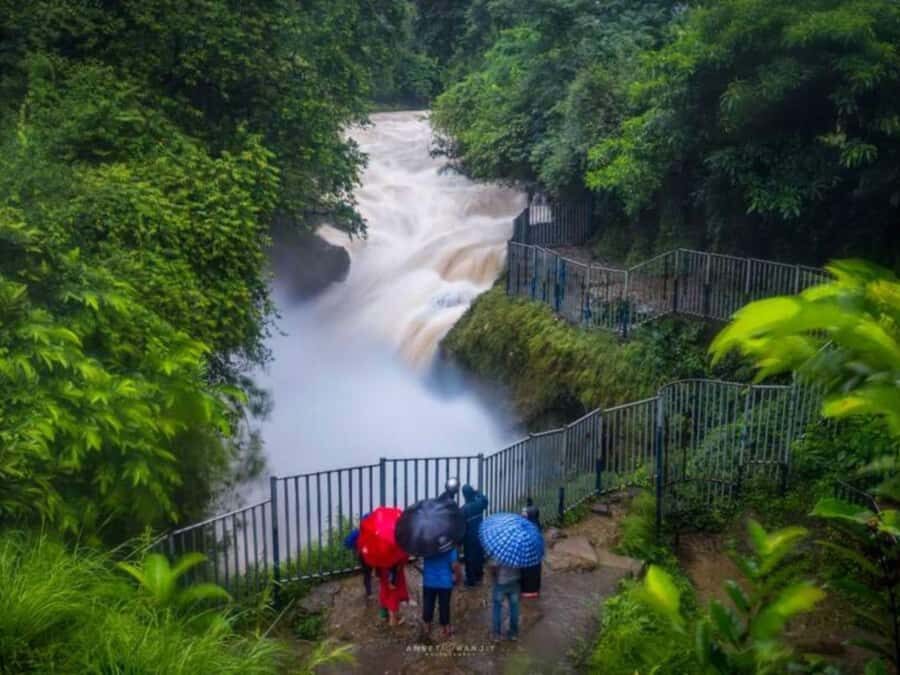
Next up is Davis Falls, known as a powerful waterfall that disappears into an underground tunnel. The effect is instant. You watch water move fast, then it drops into a hidden pathway and you stop seeing it the way you expect.
This is a great stop after the museum because it turns concept into a physical experience. The water goes somewhere you can’t see, and it reminds you that nature here is active and complex.
It’s also a strong photo stop. Even if you don’t aim for dramatic shots, it’s one of those scenes that makes you slow down and pay attention to motion and sound.
Gupteshwor Cave: seeing the underground water again
The final big nature stop is Gupteshwor Cave, where you can see a waterfall inside. The key detail is that this is the same waterfall that comes from Davis Falls. So the tour builds a satisfying loop: water disappears above, then reappears below.
That cause-and-effect is what makes this pair worth doing in one morning. You don’t just visit two random “water” attractions—you trace the story of water through the landscape.
If you like a little mystery, this is your moment. You get a tangible sense that the water system under Pokhara isn’t simple.
Also note: cave areas can mean damp conditions and uneven footing. Wear shoes you’re comfortable moving in, and take your time.
Price and value: how $8 makes sense here
At $8 per person, the value comes from logistics more than comfort. Hotel pickup and drop-off are included, and you’re getting a full morning plan that would be harder to assemble on your own early in the day.
Where the value gets real is that you’re combining three categories of sightseeing:
- a standout viewpoint (Sarangkot sunrise),
- a context stop (International Mountain Museum),
- and a nature story (Davis Falls + Gupteshwor Cave).
That mix prevents the day from feeling repetitive. You’re not just moving between scenic overlooks. You’re learning, then watching, then understanding again.
What to watch for is the small print on extras. Drinks aren’t included, and the info says a guide may not be included even though the city tour is described as guided. The safest approach: plan to cover your own water/snacks, and confirm what portion includes guiding support before you go.
What to expect from the driving and timing
Most of the success of this tour depends on early timing and smooth transport, and the experience seems to be set up for that. You’ll be picked up on schedule and transported comfortably to Sarangkot. Several experiences also note the driver being nice and calm, including people praising safety and comfort.
The schedule is also structured so you’re not waiting around for hours. Sunrise is the early anchor. Temple adds a short cultural pause. Then the 10:30 AM pickup keeps the day moving into the museum and falls.
This format is ideal if you want an efficient Pokhara plan without burning a full day.
Who should book this Sarangkot sunrise plus city stops
This tour fits best if you want a morning that feels iconic but doesn’t require marathon planning. It’s a solid pick for:
- couples who want romance in the mountains without a long trek,
- solo travelers who like a guided structure and simple transport,
- anyone who wants both views and local context in one day.
It may not fit as well if:
- you dislike early starts,
- you have difficulty with stairs at Sarangkot,
- you’re looking for luxury all day, since the price is low and extras like drinks and possibly guide service aren’t automatically covered.
Also, if you care about mountaineering topics, the museum stop is a real bonus. People with even a casual interest in Himalayan climbing usually end up enjoying it more than they expect.
Booking with your eyes open: small details that matter
Before you lock in, I’d double-check three practical points based on what’s provided:
- Whether a guide is included for the sightseeing segment (the info lists guide as not included, but the experience is described as guided).
- What’s expected for drinks (not included, so plan water).
- Confirmation on cave naming. The summary references Mahendra Cave, while the detailed stops highlight Gupteshwor Cave; your confirmation should clarify the cave name in your package.
For the guide angle, one name you’ll see repeatedly in feedback is Suresh (sometimes called Suresh dai). People talk about his timing, clear communication, and helpful explanations. Even if your guide is someone else, aiming for that style of support is worth it.
Should you book this Sarangkot Sunrise with city tour?
If your goal is a big Himalayan morning plus smart Pokhara stops without messy logistics, I think this is an easy yes. The sunrise viewpoint is the headline, and the rest of the itinerary makes sure the day earns its keep with cultural and nature highlights.
I’d only steer you away if you can’t handle early wake-ups or stairs, or if you want a fully inclusive package with every extra already handled. For most visitors, the combination of transport convenience, photo-ready mountain views, and a memorable water-and-cave pairing makes the price feel fair and the schedule feel worthwhile.
If you’re in Pokhara and you want one morning that feels like it belongs on your memory map, this is the kind of plan to choose.
FAQ
What time is sunrise on Sarangkot?
Sunrise is around 5:45, and it’s recommended to arrive closer to 5:30 to get a good spot.
How long is the drive from Lakeside to Sarangkot?
The drive to the base of Sarangkot is about 30 minutes from Lakeside.
Is hotel pickup and drop-off included?
Yes. Hotel pickup and drop-off service is included.
What are the main sightseeing stops after sunrise?
The tour includes a stop at Bindabasini Temple, then at 10:30 AM it goes to the International Mountain Museum, Davis Falls, and Gupteshwor Cave.
Are drinks included in the tour price?
No, drinks are not included.
What languages are available for the experience?
The experience is available in English and Hindi.