REVIEW · POKHARA
Pokhara: 7-Day Annapurna Base Camp Trek & Natural Hot Spring
Book on GetYourGuide →Operated by Snow Peak Tours and Travels pvt. ltd. · Bookable on GetYourGuide
Hiking to Annapurna Base Camp changes your breathing. In seven days you’ll walk from Pokhara’s lakeside energy into Gurung villages, rhododendron forests, and the Annapurna Sanctuary, then end with a soak at Jhinu Danda.
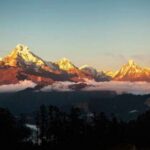
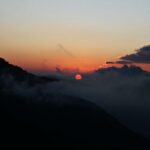
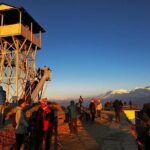
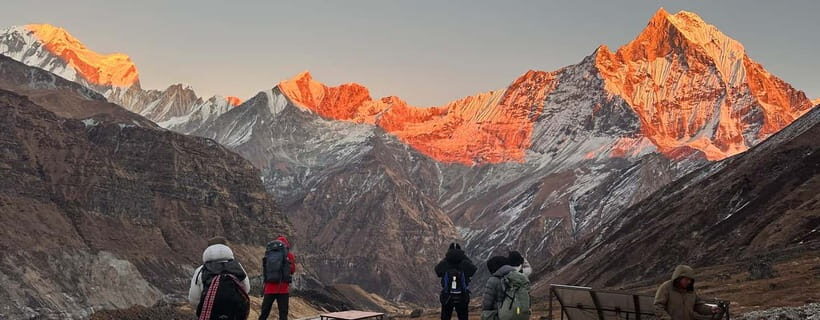
I love the village tea house stays—places like Ghandruk and Chomrong let you slow down, eat well, and watch mountain light change over the valley. I also love the walk into the Annapurna Base Camp amphitheater at 4,130m, where giant peaks feel close enough to touch.
One thing to plan for: this is real trekking. You’ll hit long hiking days (often 5–7 hours) and climb to serious altitude, so you’ll want a reasonable fitness level and to take the climb to 2,920m and beyond seriously.
In This Review
- Key highlights to look forward to
- Pokhara to Annapurna: why this 7-day route feels so well paced
- Day 1: Drive from Pokhara to Nayapool, then trek into Ghandruk
- Day 2: Chomrong’s stone steps, and the Machhapuchhre view factor
- Day 3: From Chomrong to Himalaya through bamboo and rhododendron
- Day 4: The big day—Machhapuchhre Base Camp to Annapurna Base Camp at 4,130m
- Day 5: Descend from base camp to Bamboo with those backward views
- Day 6: Bamboo to Jhinu Danda—then the natural hot spring soak
- Day 7: Final descent to Nayapool, then back to Pokhara
- Altitude, pace, and what “challenging” really means here
- Tea houses, food, and how comfortable are “simple lodges”?
- Guides in real life: why people keep praising the same traits
- Price and value: what $181 covers, and what you may still pay
- Best season and weather: quiet January vs. active spring
- Who should book this trek, and who should think twice
- Should you book this Pokhara to Annapurna Base Camp and Hot Spring trek?
- FAQ
- How long is the Annapurna Base Camp trek from Pokhara?
- What is the highest altitude you reach on this trek?
- Where does the trek start and how do you get there from Pokhara?
- Are permits included for the trek?
- What kind of accommodation do you get each night?
- Are meals included during the trek?
- Do you get a guide, and what languages do they speak?
- Is a porter included in the price?
- What is included at the end of the trek near Jhinu Danda?
Key highlights to look forward to
- Ghandruk and Chomrong: classic Gurung villages with big views and straightforward trail days
- Annapurna Sanctuary payoff: the moment you reach base camp at 4,130m/13,550 ft
- Machhapuchhre Base Camp stop: a dramatic alpine zone before you reach the main amphitheater
- Jhinu Danda hot spring: the earned reward after trekking downhill by the river
- English-speaking certified guide: safety-first care, plus helpful advice at altitude
- Private group pacing: your guide can adjust guesthouse choices based on how you’re moving
Pokhara to Annapurna: why this 7-day route feels so well paced
This trek starts with a simple reality check: you’re trading roads and traffic for trails that climb by degrees. The route is long enough to feel like a real adventure, but it’s built around a steady rhythm of trekking, eating, and sleeping at tea houses or lodges.
You’ll move through the places that make Annapurna famous: terraced fields, deep rhododendron forest, and mountain villages where life still runs on a local pace. Then you finish with a very Nepal-style payoff: a natural hot spring soak at Jhinu Danda that feels like you scheduled it after every ache.
The private-group setup also matters. With a guide and your own group, you’re not constantly negotiating with strangers for timing, food choices, or a calm moment to take photos.
Other Annapurna Base Camp treks reviewed in Pokhara
Day 1: Drive from Pokhara to Nayapool, then trek into Ghandruk
Day one is a nice on-ramp. You’ll start with a drive (about 1 hour) from Pokhara toward Nayapool, then begin trekking alongside the Modi Khola area through villages and forest.
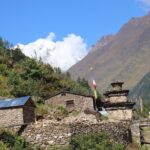
Your overnight is in Ghandruk at about 1,940m after roughly 5–6 hours of walking. Ghandruk is a great first stop because it gives you that “we’re in the mountains now” feeling without starting you off at altitude. Plus, it’s a village with enough energy that tea house meals and conversations feel normal, not like a survival mission.
A practical detail: you’ll want sunglasses and warm layers from the start. Even on the lower stretches, sun can be sharp once the sky clears, and the shade under trees can cool you down fast.
Day 2: Chomrong’s stone steps, and the Machhapuchhre view factor
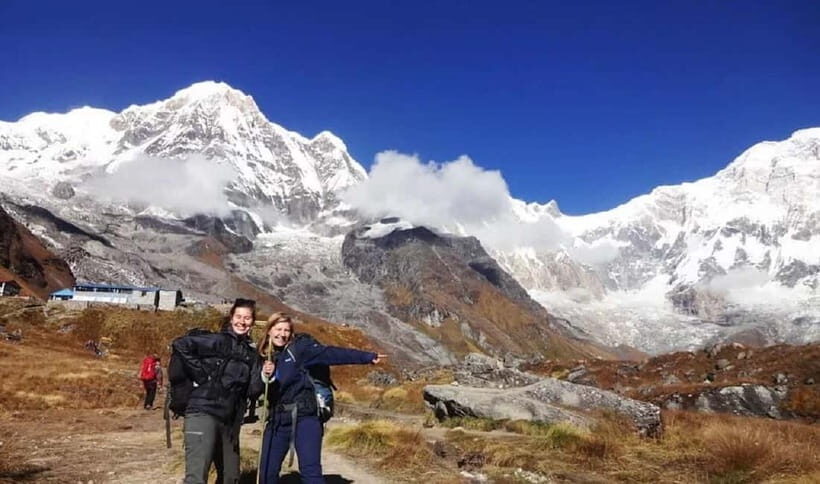
Day two is where the trail starts asking more of you. You trek from Ghandruk to Chomrong, again about 5–6 hours with an overnight around 2,170m.
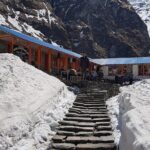
Chomrong is famous for its position. The path includes stone steps and forest trails, and the views of Annapurna and Machhapuchhre are often the kind you stop for even when you’re trying to keep a steady pace. If you’re the kind of person who takes photos and accidentally spends 15 minutes “just for a second,” you’ll understand why people love this day.
The potential drawback is simple: steps can be tough on knees. Bring trekking poles if you use them, and don’t feel pressured to “power up.” Your guide’s job is to keep you moving safely, especially as the air thins.
Day 3: From Chomrong to Himalaya through bamboo and rhododendron
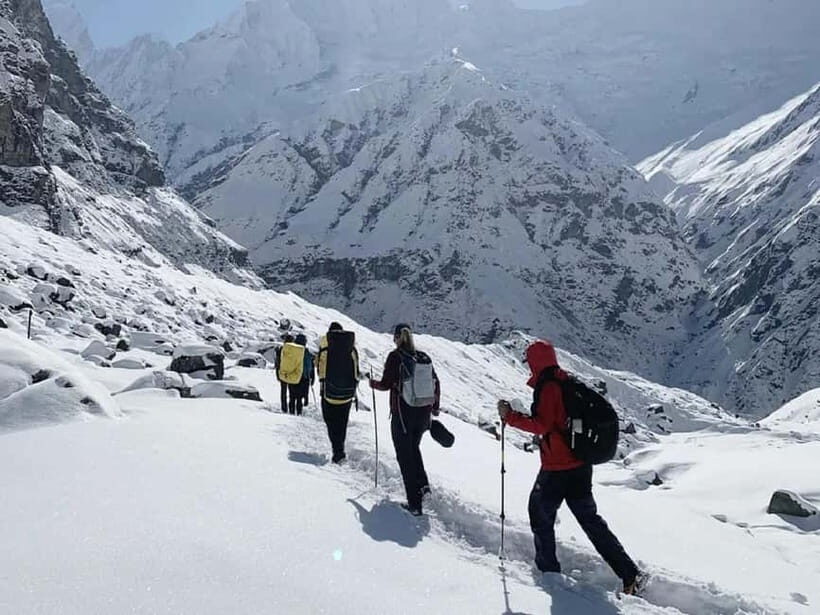
On day three you move to Himalaya (a place name that sounds cozy but sits up high). Expect about 6–7 hours of trekking with a night around 2,920m.
The trail pattern here is classic Annapurna: you descend toward the river, then climb again. What makes this day special is the plant life you’ll pass through—bamboo and rhododendron forest. It’s not just scenery. The forest gives your legs a break from constant sun while still keeping you in motion.
This is also your first big altitude milestone. Reaching roughly 2,920m means you should take your breaks seriously. Don’t sprint between tea houses. Sip water, eat something simple, and let your body catch up.
Day 4: The big day—Machhapuchhre Base Camp to Annapurna Base Camp at 4,130m
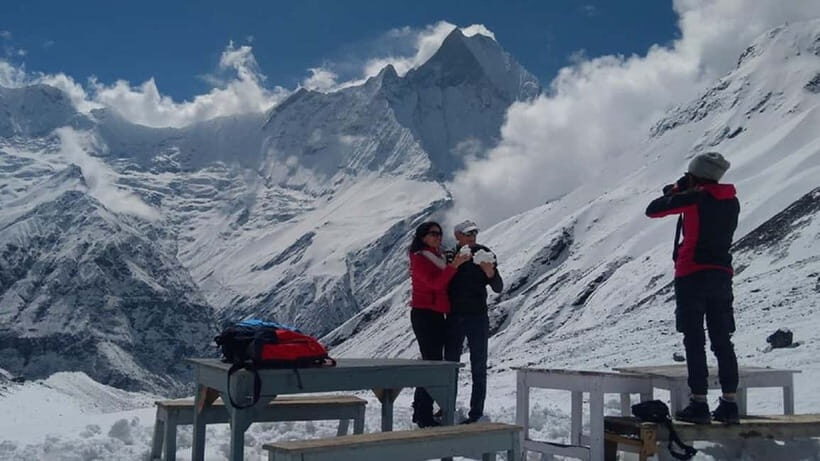
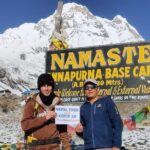
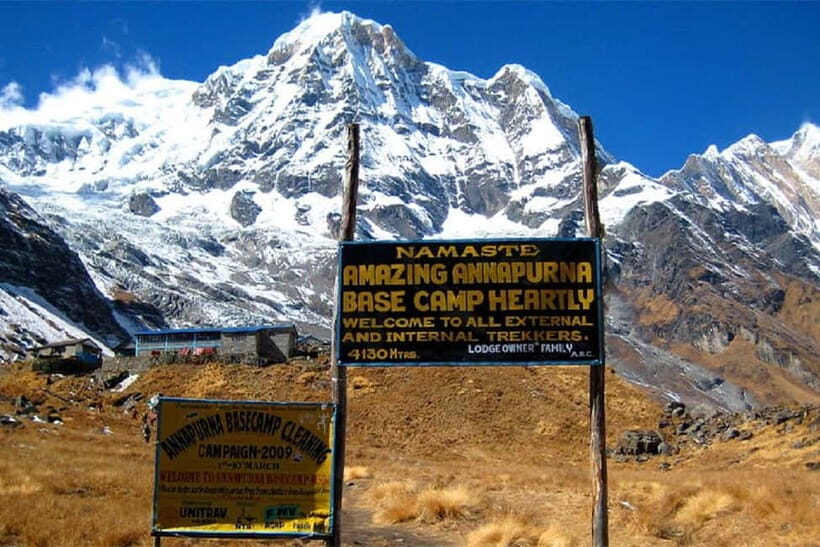
Day four is the day you came for. You trek from Himalaya to Machhapuchhre Base Camp, then continue on to Annapurna Base Camp, ending around 4,130m after about 6–7 hours.
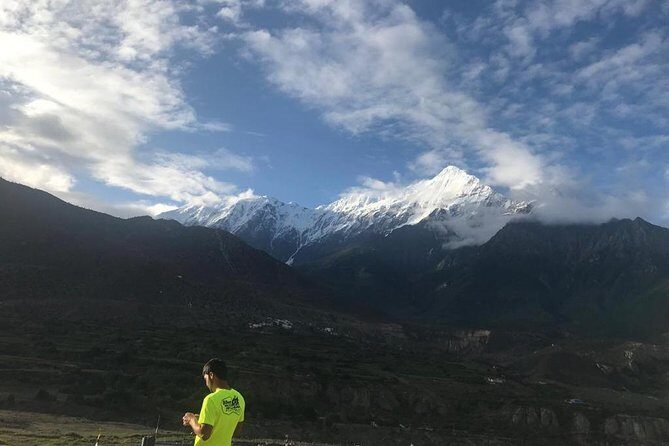
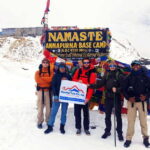
You’re walking through an alpine zone and into a glacier valley setting. When you reach base camp, it’s described as an amphitheater—think big, bowl-shaped space with giant peaks rising around you. Even if you’ve seen photos before, your brain takes a moment to adjust to the scale.
This is also where a good guide really shows up. In past trips, guides like Chaundra and Jeet Bhadur have been praised for being attentive and safety-first, and other guides (like Bishnu Giri and Sun) were noted for altitude advice and steady encouragement. In practical terms, that means they’ll help you keep a pace that doesn’t gas you out before the final approach.
One consideration: at 4,130m, you may not feel “sick,” but you might feel slower. That’s normal. The goal is to reach base camp with enough energy left to enjoy it, not to arrive totally wiped.
Other hiking tours in Pokhara
Day 5: Descend from base camp to Bamboo with those backward views
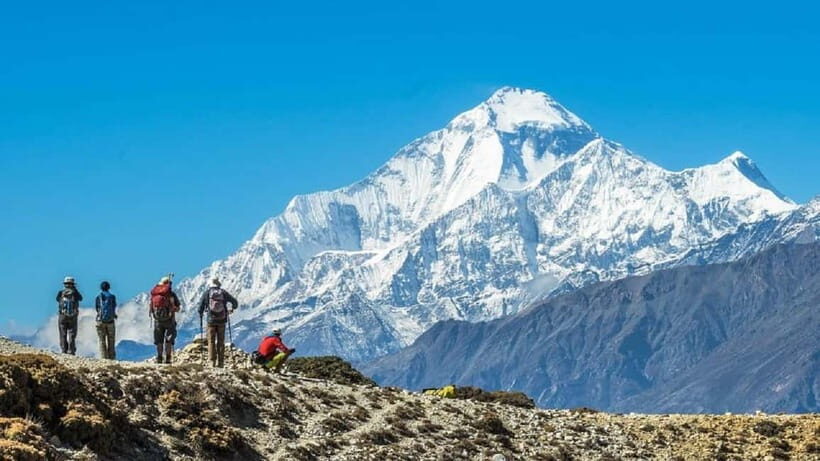
After base camp, day five turns into a controlled descent. You trek from Annapurna Base Camp to Bamboo, around 6–7 hours, with an overnight around 2,335m.
This day’s reward is the perspective. As you go down, you get incredible backward views of the Annapurna range, plus waterfalls you wouldn’t see the same way from higher up. It’s the kind of day where you’ll feel your muscles loosening slightly, but your focus stays high because the trail is all about footing.
The drawback is that descents can be just as hard as climbs for your knees and calves. If you have knee issues, be smart with pacing and take the slower line when the ground gets uneven.
Day 6: Bamboo to Jhinu Danda—then the natural hot spring soak
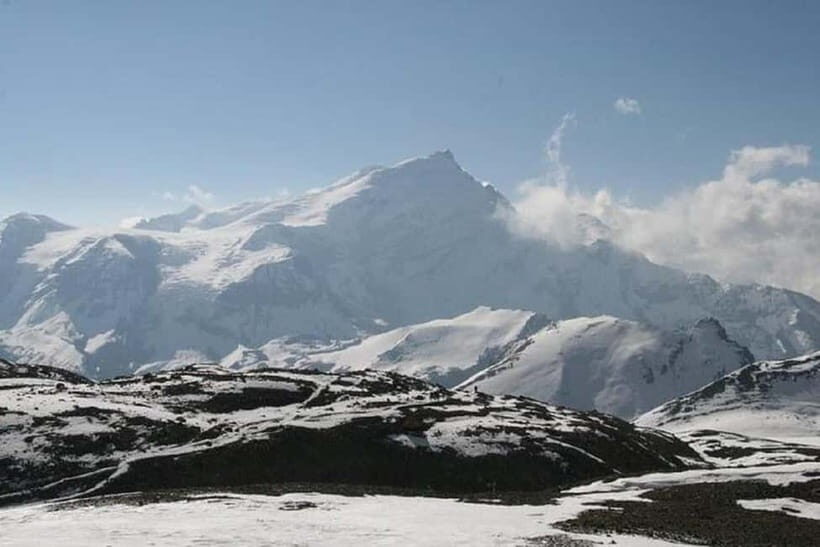
Day six is your reset day, and it ends in comfort. You trek from Bamboo to Jhinu Danda for about 5–6 hours, dropping to an overnight around 1,610m.
Then comes the highlight people talk about for a reason: a relaxing soak in the natural hot springs near Jhinu Danda. After days of uphill effort and downhill strain, warm water feels like someone hit a reset button. It also helps you sleep better, which matters because day seven still has walking and a drive back.
Tip: bring a towel and something quick-dry if your kit allows it. The trek’s included packing list even calls out a towel, which tells you they’ve planned for this exact moment.
Day 7: Final descent to Nayapool, then back to Pokhara
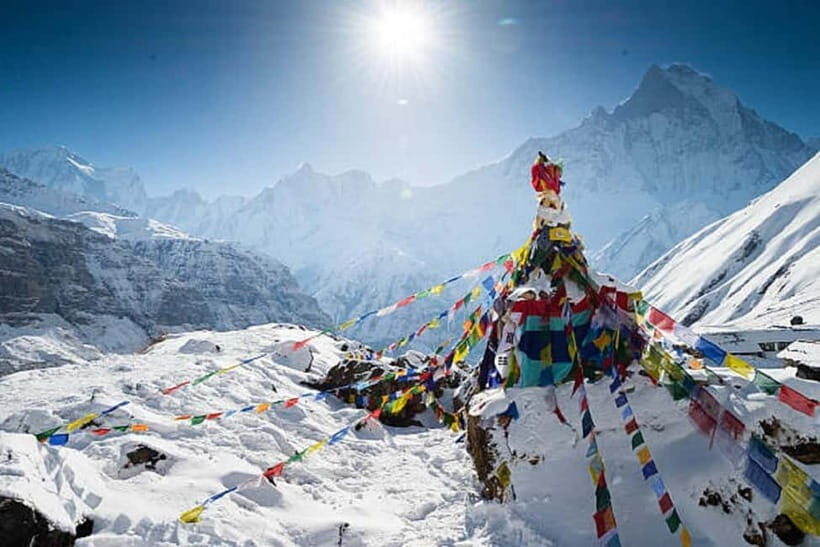
Day seven is shorter on trekking time, but don’t treat it like a free day. You’ll trek from Jhinu Danda to Nayapool for about 4–5 hours, then drive back to Pokhara (about 1 hour).
This is where you’ll feel the full arc of the trip. You started around Ghandruk at 1,940m, then climbed to base camp at 4,130m, and now you’re moving back toward lower altitude. Your legs may be tired, but your brain usually feels sharp because you can finally see the finish line.
If you’re sensitive to road dust, here’s a practical note from experience: one traveler suggested arranging more car/jeep time on the first and last travel segments instead of extra walking on dusty roads. In other words, if dust bugs you, ask your guide what the smoothest path is for the driving and early walking portions.
Altitude, pace, and what “challenging” really means here
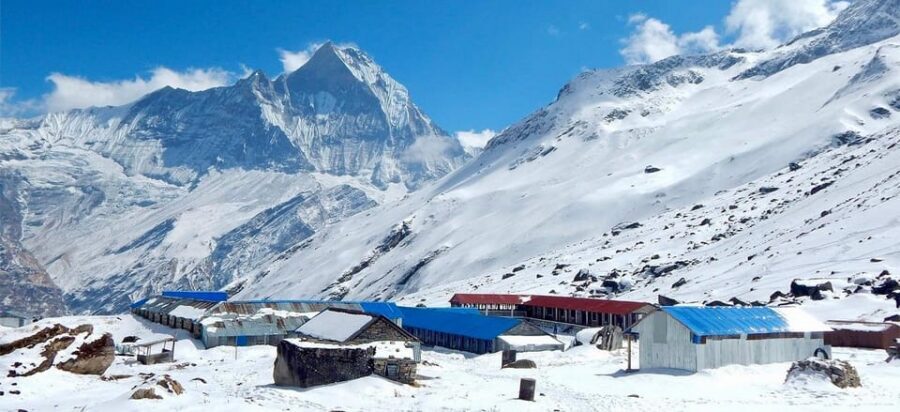
The trek’s highest point on this route is Annapurna Base Camp at 4,130m. On the way up you’ll spend nights around 2,170m (Chomrong) and 2,920m (Himalaya), so you’re not jumping straight from low altitude to peak height.
Still, you should take it seriously. Long days (often 5–7 hours) plus thin air means you’ll need to pace. A guide who’s good at this can make the difference between enjoying the scenery and counting minutes until the next tea house.
Your own job is simple:
- Go slower than you think you can.
- Drink and eat before you feel hungry.
- Keep warm layers handy, because cold at altitude can sneak up on you.
Also, confirm you have proper travel insurance. The tour data says it’s mandatory and not included, and emergency rescue services are available if needed.
Tea houses, food, and how comfortable are “simple lodges”?
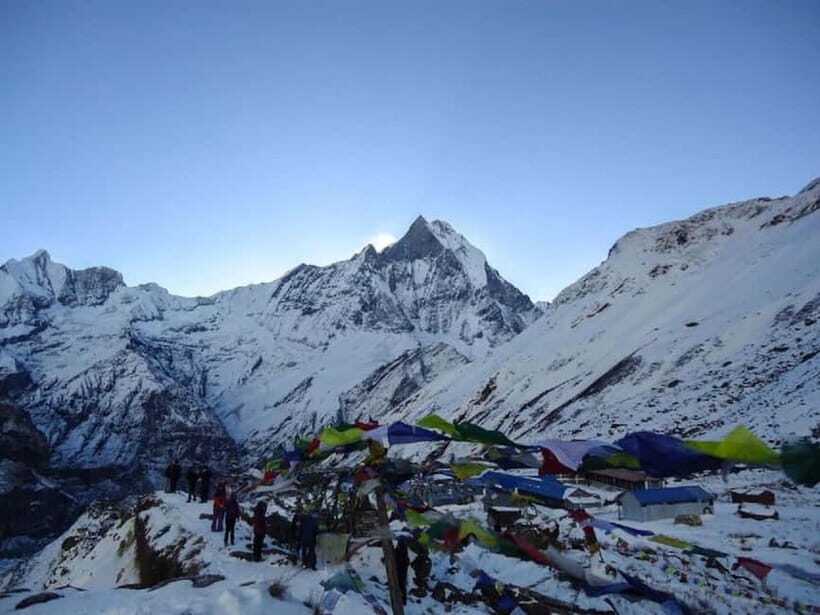
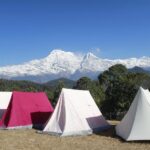
This trek uses tea houses or lodges along the route, with accommodation included. Meals are included throughout depending on the option you choose, while personal snacks and beverages are your responsibility.
In plain language: don’t expect luxury. Do expect a warm room, basic comfort, and a predictable routine. After you’ve been outside all day, that predictability is a gift.
One reason people rate this trek highly is the human side of those tea house nights. Several guide reviews mention help with food and care during the walk. That matters because choosing meals at higher altitude can feel confusing if you’re tired. A guide can point you toward simple, reliable options so you don’t waste energy making decisions.
Guides in real life: why people keep praising the same traits
This tour is guided by a professional, friendly, experienced English-speaking trekking guide certified by the Nepal Government. You may hear English, Hindi, and Nepali during the trip, depending on what your guide prefers and what your group needs.
The strongest praise in the feedback is not just about “good guiding.” It’s about safety and attention. People mention guides who stayed attentive to needs, encouraged them through tough moments, and adjusted pace so they could keep going. Names that came up include Chaundra, Anil, Jeet Bhadur, Bishnu Giri, Sun, Laxman, and Chandra.
There’s also a practical theme: flexibility. One traveler noted that the group stayed in guesthouses based on progress, which can reduce stress and keep you from arriving at tea houses too late.
If you’re booking, here’s a smart move: ask your provider how they handle pacing on days four and five. Those are the most altitude-and-effort heavy days.
Price and value: what $181 covers, and what you may still pay
At $181 per person for a 7-day Annapurna Base Camp trek, the value is all about what’s included. You get:
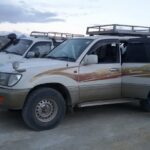
- Round-trip transportation between your Pokhara hotel or airport and the trek starting point
- Trekking permits paperwork plus TIMS fees
- Tea house/lodge accommodation along the way
- Meals throughout the trek depending on your option
- A certified guide, including guide insurance, expenses, and salary
- A first aid kit
- Luggage storage in Pokhara
- Trekking gear such as a trekking stick and/or sleeping bag as needed
What’s not included is also clear. Travel insurance is mandatory, personal expenses like snacks and extra drinks cost extra, and emergency rescue services are separate. If you want a porter, it’s optional at $20 per day.
So, is it a good deal? For Annapurna, yes—assuming your option includes meals you’ll actually eat. Before you commit, check what the “meals depending on option” means for your booking. Meals add up fast on the mountain, especially at higher elevations.
Best season and weather: quiet January vs. active spring
One of the most useful data points in the feedback is seasonal experience. In January, a traveler reported clear skies, good trekking conditions, and quieter trails and tea houses. That usually translates into more relaxed pacing and more space to enjoy the views without elbow-to-elbow crowds.
Spring months like April and May also got positive mentions for scenery and overall experience. The tradeoff is that popular months tend to feel busier than January, and temperatures can vary day to day.
If you can choose, aim for a month that matches your style: quieter trails and strong visibility in winter, or warmer days in spring with a bit more foot traffic.
Who should book this trek, and who should think twice
This trek fits you if you want a classic Annapurna route with a clear goal: reach base camp and then enjoy Jhinu Danda hot springs as a real reward. You’ll get village culture, forests, mountain valleys, and the big “wow” day when you step into the base camp setting.
You might want to reconsider if:
- you’re not comfortable with 5–7 hour trekking days
- you’re unsure about your altitude tolerance
- you have major knee issues for long descents (day five is downhill work)
If you do book, come prepared. The packing list they provide is practical: warm clothing, rain gear, gloves, sunglasses, a sun hat, good footwear, and power bank. Even a flashlight is listed, which hints that power can be limited in some tea houses.
Should you book this Pokhara to Annapurna Base Camp and Hot Spring trek?
Yes, if you want a real Annapurna Base Camp hike that still treats you like a human being at the end—with a natural hot spring soak. The strongest reasons to book are the combination of route variety and the guide quality people consistently praise for safety, kindness, and altitude help.
Book it with two expectations: you’ll earn the views with real effort, and you’ll need to manage altitude and pacing thoughtfully. If you want a smoother road experience to reduce dust, ask your guide/provider about minimizing road walking on the first and last segments.
FAQ
How long is the Annapurna Base Camp trek from Pokhara?
The trek lasts 7 days.
What is the highest altitude you reach on this trek?
You reach Annapurna Base Camp at about 4,130m (13,550 ft).
Where does the trek start and how do you get there from Pokhara?
There is transportation included between your hotel (or Pokhara International Airport) and the trek starting point. The route includes a drive from Pokhara to Nayapool at the start.
Are permits included for the trek?
Yes. Trekking permits, TIMS fees, and required paperwork are included.
What kind of accommodation do you get each night?
You stay in simple tea houses or lodges along the trekking route.
Are meals included during the trek?
Meals are included throughout the trek depending on the option you select. Personal snacks and beverages are not included.
Do you get a guide, and what languages do they speak?
Yes. You get a professional trekking guide who speaks English, and the activity lists Hindi and Nepali as well.
Is a porter included in the price?
Porters are not included. You can request one for $20 per day if needed.
What is included at the end of the trek near Jhinu Danda?
Near Jhinu Danda, you trek down to the riverside and enjoy a relaxing soak in natural hot springs. A towel is recommended.