REVIEW · POKHARA
2 Days Sikles Trek from Pokhara
Book on Viator →Operated by CAN Travels · Bookable on Viator
That first Himalayan sunrise hits different. In two days, this Sikles Trek pairs classic Annapurna views with Gurung village life, without dragging you into a long, exhausting trek. I love the simple pace (moderate, but doable) and the way the plan mixes culture with scenery, not just photos.
Two practical things I really like: you get hotel pickup and drop-off from Pokhara, and your guide is government-licensed and English speaking. One thing to consider: since food and drinks aren’t included, you’ll want a little cash ready for meals during the trip.
In This Review
- Key things to know before you go
- Why the Sikles Trek’s two days feel like more
- Pokhara to Tangting: the ride you’ll actually feel
- Day 1 in Sikles: Gurung village life and real mountain drama
- Day 2: sunrise light, a calmer return, and back to Pokhara
- Guesthouse stay: what’s included (and what you should plan for)
- The guide is the difference-maker here
- Price and value: is $200 fair for two days?
- Who should book this trek (and who might want a longer option)
- Packing and planning tips that make the trek smoother
- Should you book the 2 Days Sikles Trek?
- FAQ
- How long is the Sikles Trek from Pokhara?
- What’s the pickup and drop-off like?
- How long is the drive from Pokhara to Tangting?
- How long is the trek on Day 1?
- What altitude is Sikles?
- Is there sunrise viewing on the trek?
- Is the guide English speaking?
- Is accommodation included?
- Is food included?
- What is the cancellation policy?
Key things to know before you go
- Short drive + solid hike: Pokhara to Tangting takes about 3.5 hours, then you walk roughly 4–5 hours on Day 1.
- Sikles is at 1,981 m: high enough for real mountain views, but still a manageable altitude for a 2-day trek.
- Gurung village time is built in: you’ll have an afternoon to explore homes and a local museum.
- Sunrise is part of the plan: Day 2 starts early for mountain light and views.
- Meals are on you: food/drinks are available for purchase, so plan small spending.
- You go private: it’s a private tour for your group, with the option of group discounts.
Why the Sikles Trek’s two days feel like more
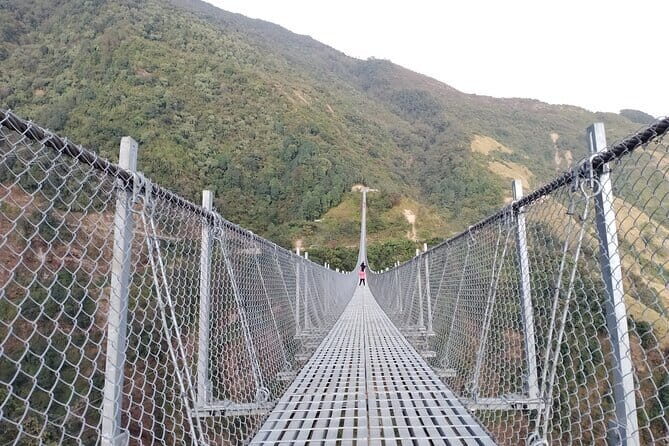
The Sikles Trek works because it respects your time. You’re not signing up for a week of switchbacks and sore legs. Instead, you get a quick hit of the Annapurna region: terraced fields, forest paths, and the warm rhythm of a Gurung village.
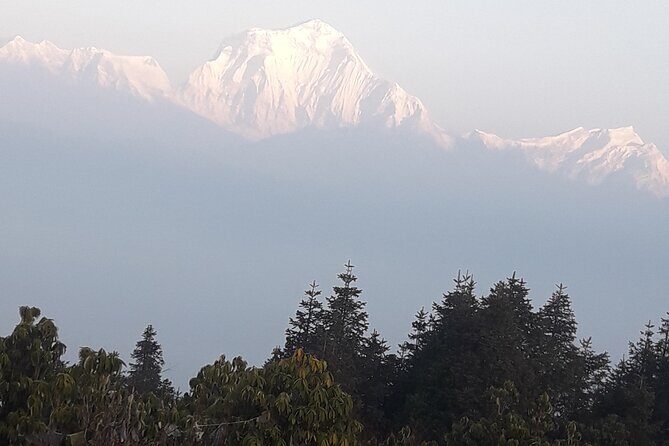
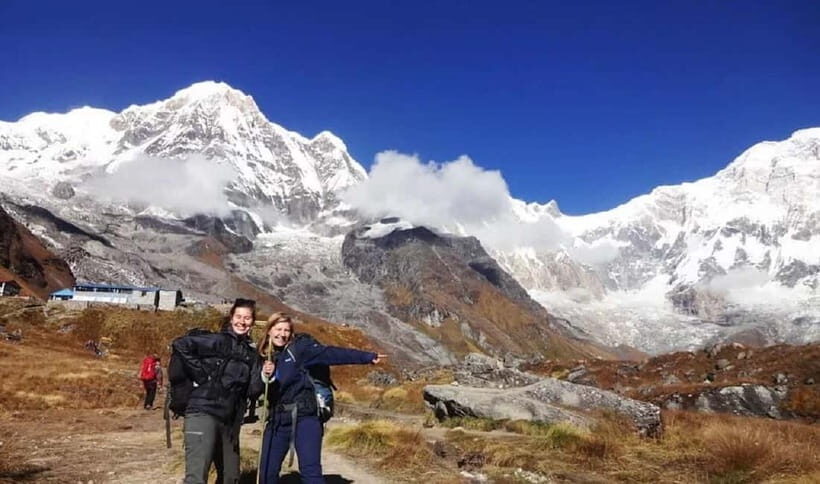
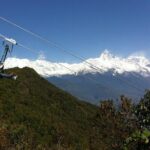
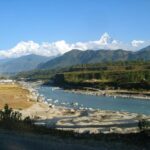
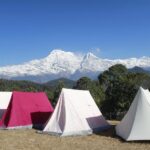
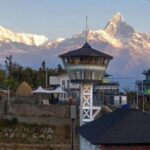
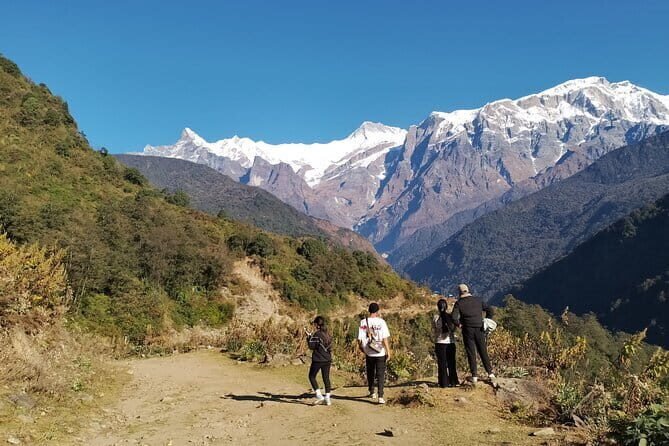
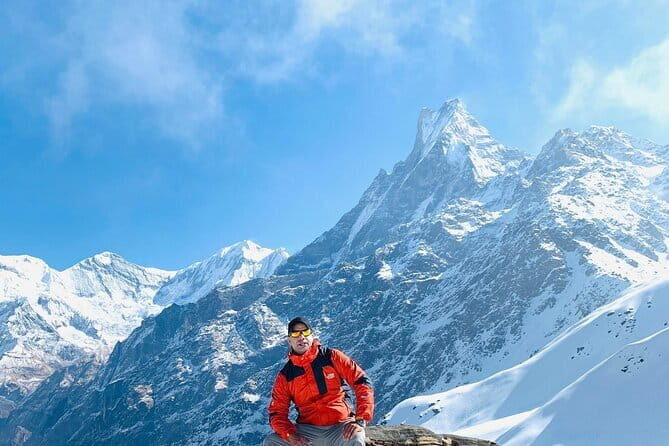
Sikles itself sits at 1,981 meters, and it’s famous for big views. You’re looking toward the Annapurna range, including Annapurna II and Lamjung Himal. That combination—real altitude + village culture + panoramic sightlines—is exactly why this short trek appeals to nature lovers and cultural explorers at the same time.
The best part is that the itinerary isn’t just about walking. You’re given room to slow down: check out the village, learn what you can from locals, and settle into a guesthouse rather than rushing through the night.
Other Sikles and Kapuche treks in Pokhara
Pokhara to Tangting: the ride you’ll actually feel
Your trek begins with a drive from Pokhara to Tangting. Expect around 3.5 hours in transit. Depending on road and conditions, you may feel it more than you’d guess—so treat this as the “warm-up day,” even though you’ll start walking the same day after you arrive.
Then comes the first hike: Tangting to Sikles typically takes about 4–5 hours and includes ascending through:
- terraced fields
- forest sections
- open stretches with frequent views
This day is longer than you might expect for a “2-day trek,” but the effort feels rewarding because the views start showing up early and keep improving as you climb.
Practical tip: if you’re prone to stiff joints after sitting in a vehicle, bring a pair of trekking poles (if you use them) or plan a slower start at the beginning of the hike so your legs wake up before the steady uphill.
Day 1 in Sikles: Gurung village life and real mountain drama
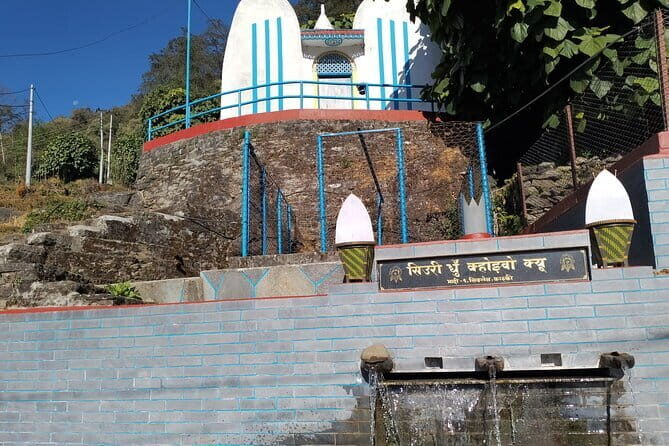
Once you reach Sikles, the vibe shifts quickly from trail to village. You arrive in one of the largest Gurung villages, and the afternoon is where the experience becomes memorable for more than scenery.
You can explore at your own pace, and the plan gives you specific options, including:
- visiting a local museum
- walking through traditional Gurung houses
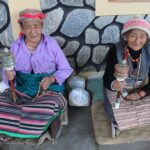
- chatting with locals and learning how they live
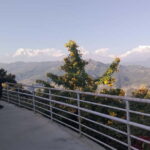
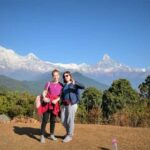
This is also your best chance to soak in the setting. Sikles has wide sightlines, and the Annapurna range—especially the Annapurna II area—can look startlingly close on clear days. Even if you’re not a hardcore photographer, it’s the kind of view that makes you pause a lot.
A small but important note: the trek finishes Day 1 at altitude (again, 1,981 m). That means evenings can feel cooler than you expect after the climb. If you’ve only packed for Pokhara weather, add a warm layer for night and early morning.
Day 2: sunrise light, a calmer return, and back to Pokhara
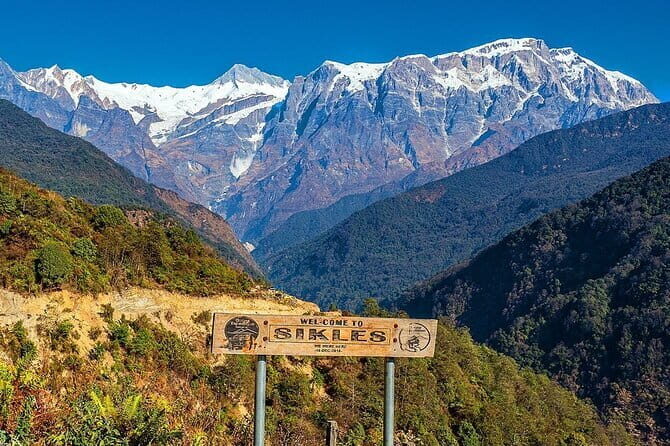
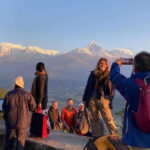
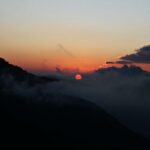
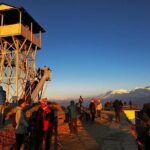
Day 2 is built around sunrise. You’ll wake up early to catch the Himalayas in early light, when the mountains look sharper and shadows make everything pop for photos. If you’re the type who likes a plan that starts early and delivers, this is the moment.
After breakfast, you begin the descent and retrace your route back toward Tangting. The return involves trekking back and then a drive of about 3–4 hours to get you back to Pokhara by late afternoon or early evening.
This is a nice pacing choice. The second day avoids adding a brand-new big climb. Instead, it focuses on recovery and scenery—so you can enjoy the views again without burning energy you’ll need for the drive back.
If you get even a little cloudy in the morning, you’ll still benefit from the early start because the village and mountain air are calmer and quieter at that hour. Either way, you’ll likely feel like you completed the trek more than just survived it.
Guesthouse stay: what’s included (and what you should plan for)
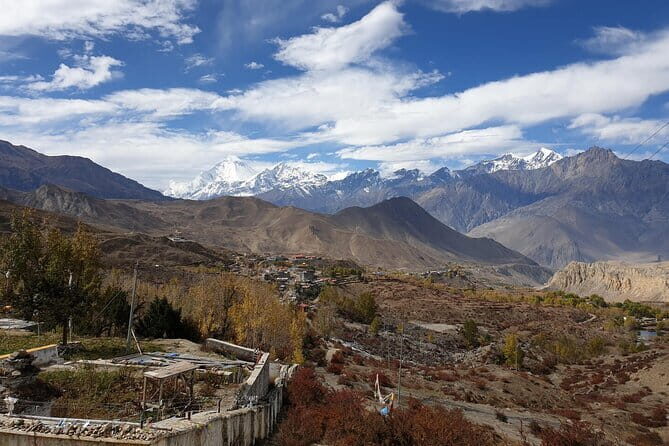
Accommodation is included as a guest house stay. For a short trek, this is a smart middle ground: you get the mountain “base camp” feel without needing to plan tents, extra gear, or multi-day logistics.
What’s not included is the big day-to-day cost: food and drinks. Meals are available to purchase, so you’ll want to budget for lunch on the trail day and snacks or drinks during both days. Gratuities are optional, too—useful to keep in mind if you want to reward good guidance.
I’d also suggest bringing a small daypack with basics you’ll want immediately: water, a light layer, and anything personal you don’t want to depend on being available on the spot. Since you’re only out for two days, you don’t need a huge kit—but you do want comfort to stay high.
Other hiking tours in Pokhara
The guide is the difference-maker here
This is a guided trek, and it’s not just for safety—it’s for meaning. You’ll travel with a government-licensed English-speaking trekking guide, and your guide adds context along the way: mountains, culture, and what you’re looking at.
One name stood out from the trek experience: Krishna. Multiple people praised him as professional and funny, with a knack for explaining what you’re seeing and making the trip feel human instead of robotic.
When a trek is short, the guide’s role matters even more. There isn’t time to “figure it out” by yourself. A good guide helps you read the scenery, understand the village rhythms, and keep the pace friendly.
Price and value: is $200 fair for two days?
At $200 per person, you’re paying for more than walking. Here’s what you get that usually costs extra when you piece things together yourself:
- hotel pickup and drop-off in Pokhara
- a licensed English-speaking trekking guide
- trekking permit and official documents
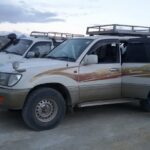
- Pokhara ↔ Tangting transfer by shearing bus or jeep
- guesthouse accommodation
- a private tour setup for your group
When you translate that into real logistics, the price starts to make sense. The permits and guiding alone can be a deciding factor, and the pickup/drop-off saves you time and stress in Pokhara. Also, because it’s private, you’re less likely to feel rushed by other group pacing.
Two-day treks can sometimes feel “basic” on paper. This one avoids that problem by covering the practical stuff (permits, transfers, guiding) and adding village time plus sunrise. That’s the value mix.
If you’re traveling solo, make sure you’re comfortable with the private tour format and that you can add food/drinks budget on top. If you’re traveling as a small group, group discounts can help, and private pacing is often worth it.
Who should book this trek (and who might want a longer option)
This trek fits best if you want:
- a moderate, short trek
- strong mountain views without a long commitment
- time in a Gurung village for culture and conversation
- an easy-to-manage return to Pokhara by the end of Day 2
It also suits people who love early mornings if sunrise views are your thing. Day 2 isn’t a lie-in day.
If you’re an experienced trekker chasing long endurance, you might find the trek short. In that case, you could prefer a longer Annapurna-area route where the days feel more “big trek” than “quick adventure.” But for most first-timers and time-crunched travelers, Sikles hits the sweet spot.
And because the trek requires moderate physical fitness, choose this if you can handle steady uphill for several hours and a return hike the next morning.
Packing and planning tips that make the trek smoother
Because the itinerary includes a vehicle ride, a multi-hour climb, a guesthouse night, and a sunrise wake-up, pack for comfort and small surprises.
A smart, simple approach:
- wear comfortable hiking shoes with grip for forest and field paths
- bring a warm layer for morning and evening (mountains cool fast)
- carry a small amount of cash since food and drinks are available for purchase
- keep a light daypack for essentials so you’re not juggling items mid-hike
Also, plan your evening the day before carefully. Sunrise means you’ll want a calm night and an early start—no late dinners that leave you rushing.
Should you book the 2 Days Sikles Trek?
I’d book this if you want a short trek that still feels full. The combination of Annapurna views, a Gurung village afternoon, and a sunrise morning is exactly the kind of trip that gives you memories for months, not just sore legs for a week.
It may not be perfect if you’re trying to maximize hiking distance or you hate early starts. But for the majority of people looking for an Annapurna taste—culture, nature, and mountains with practical logistics—this delivers real value at a clear price.
One more decision tip: if you care about how the guide explains what you’re seeing, ask your guide to talk you through the mountains and village details during the walk and at Sikles. This is where trips like this stop being “just hiking” and become a story you’ll remember.
FAQ
How long is the Sikles Trek from Pokhara?
It’s a 2-day trek, with the full experience running approximately two days.
What’s the pickup and drop-off like?
Your tour includes hotel pick up and drop off in Pokhara.
How long is the drive from Pokhara to Tangting?
The drive to Tangting takes about 3.5 hours, and the return drive from Tangting back to Pokhara takes around 3–4 hours.
How long is the trek on Day 1?
The hike from Tangting to Sikles typically takes about 4–5 hours.
What altitude is Sikles?
Sikles is at an altitude of 1,981 meters.
Is there sunrise viewing on the trek?
Yes. Day 2 includes a sunrise view, with an early morning start.
Is the guide English speaking?
Yes. The trek includes a government-licensed English speaking trekking guide.
Is accommodation included?
Yes. You stay in a guest house, and that accommodation is included.
Is food included?
No. Food and drinks are not included, but they are available for purchase.
What is the cancellation policy?
You can cancel for free up to 24 hours in advance for a full refund. If you cancel less than 24 hours before the start time, it’s not refundable.