REVIEW · POKHARA
3 Day Mardi Himal Base Camp Trek from Pokhara
Book on Viator →Operated by CAN Travels · Bookable on Viator
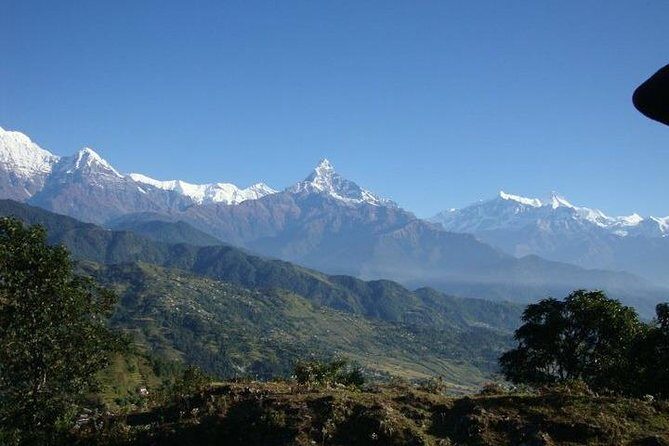
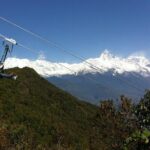
Some mountains feel close enough to touch; Mardi Himal is one of them. On this 3-day Mardi Himal Base Camp trek from Pokhara, you’ll trade Pokhara’s lakeside calm for steep forest trails, rhododendron color, and big views of Machhapuchhre and the Annapurna range.
I especially like how this trip keeps things organized without making it feel rushed: hotel pick up/drop off, private jeep transfers to the trail area, and an English-speaking guide who handles the official stuff. You also get guesthouse accommodation during the trek, so your time goes to walking and enjoying the high-mountain air.
One consideration: food is not included, and you’ll be moving all three days (with a long Day 3). Plan on buying meals at tea houses and bring a few snacks so you’re not stuck waiting for the next meal.
In This Review
- Key highlights to know before you go
- Why Mardi Himal Base Camp works so well in only 3 days
- Getting from Pokhara to the trail: Dhampus and Siding by private jeep
- Day 1: Pokhara to Dhampus, through forests to Forest Camp
- Day 2: Mardi High Camp and the rhododendron climb
- Day 3: Early start from High Camp to Mardi Himal Base Camp
- Tea houses, meals, and what you’re really paying for at $299
- Guides make the difference: Amrita, Krishna, and Prakash on this trek
- What to pack and how to think about the “moderate fitness” requirement
- Should you book this 3-day Mardi Himal Base Camp trek from Pokhara?
- FAQ
- How long is the Mardi Himal Base Camp trek?
- What’s included in the $299 price?
- Is food included?
- Do I need a porter?
- What fitness level do I need?
- What is the cancellation policy?
Key highlights to know before you go
- Short, focused itinerary for a base camp experience without a long time commitment
- Permits and official documents handled as part of the trek package
- English-speaking guide with an emergency normal first aid kit on hand
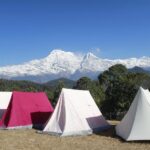
- Tea house nights on the route so you’re not carrying a camping setup
- Jeep transfers between Pokhara and Dhampus/Siding to save energy
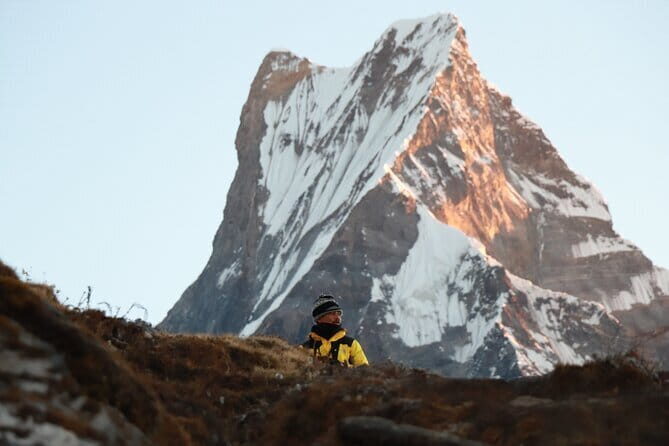
- Big viewpoint timing with an early start on Day 3 for the best mountain light
Why Mardi Himal Base Camp works so well in only 3 days

The main trick of Mardi Himal is that it delivers a base camp payoff without demanding weeks of trekking. Over three days, you climb from the lower forest belt into cooler alpine territory, then come out the other side with a panorama payoff aimed at the high point where the views start to feel “instant.” If you want mountains, but your calendar is tight, this is a smart option.
I also like that this route tends to feel quieter than the more famous Annapurna paths. You still get the classic Himalayan drama, but the trail doesn’t feel like a theme park. That matters on a trek—fewer bottlenecks means better pacing and more time for your own photos and breathing space.
Finally, this trek is built around a gradual climb with realistic stop points: Forest Camp, Mardi High Camp, then your Base Camp push. That kind of step-up plan helps you enjoy the day instead of only surviving it.
Other Mardi Himal treks reviewed in Pokhara
Getting from Pokhara to the trail: Dhampus and Siding by private jeep
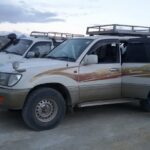
Your adventure starts in Pokhara, with hotel pick up and drop off. You’ll also have private jeep transfers for the key in-and-out legs—Pokhara to Dhampus, and Siding back to Pokhara—so you don’t waste your limited trek days on long local bus connections.
Why this matters: trekking works best when you save your legs for uphill. Those jeep sections help you start the walking days with energy, especially if you’re trying to fit this into a short holiday.
One more practical note: the listed start time is 10:15 pm, so I’d treat that as a scheduling placeholder and confirm the exact pickup time with CAN Travels. For a trek that includes morning hiking and early wake-ups, timing details really do matter.
Day 1: Pokhara to Dhampus, through forests to Forest Camp
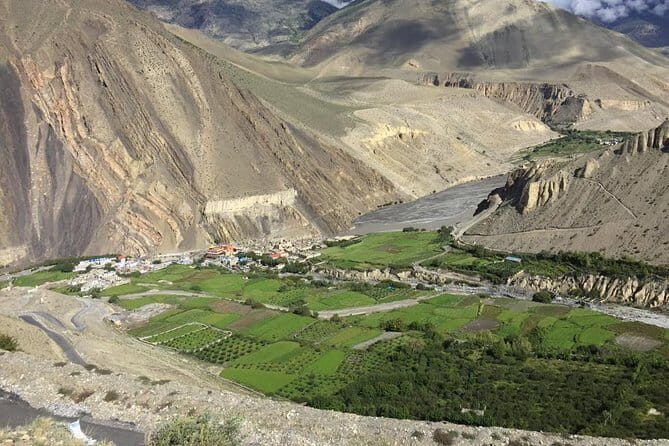
Day 1 is your “get moving” day. After breakfast, you’ll drive about an hour to Dhampus, a village that sits in the Annapurna region. You’ll stop at a checkpoint, then head onto the trail toward Pothana, where the walking is surrounded by green forest.
This first day is about rhythm. You’re not yet at the dramatic height zones, so you’ll feel the climb more than you’ll see the full wall of peaks. Still, it’s a useful trade: walking through forest keeps things interesting while your body adjusts to the altitude.
What I like here is the balance: a clear beginning, a real trail segment, then a guesthouse stop at Forest Camp. You get time to settle, eat (meals are for purchase), and prep for a higher camp tomorrow.
Potential drawback: Day 1’s total walking time is about 7 hours, so don’t assume this is a casual stroll. If you’re coming straight from a long flight, take it easy at the start and don’t speed up just because you can.
Day 2: Mardi High Camp and the rhododendron climb
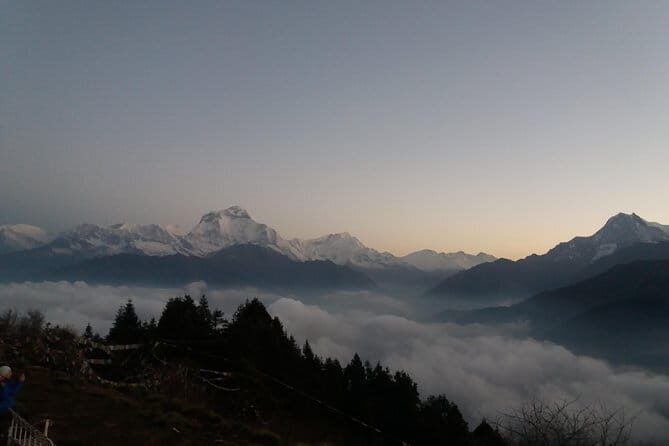
Day 2 begins with a wake-up-and-breakfast routine designed for mountain mornings. You’ll get breakfast with a Himalayan view, then start with a little uphill before your main forest climbing kicks in.
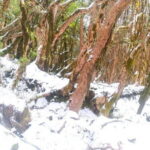
A key detail of this day is the rhododendron forests. Even when you’re not traveling in peak bloom season, rhododendron trails change the feel of the trek: the path often feels more enclosed, and the air can be cooler under the canopy. As you gain height, the vegetation gradually shifts, which is one of the best “silent signals” that you’re actually rising.
You’ll hike for about 7 hours total and end at Mardi High Camp. High camp is where the trek starts to feel like a real expedition day—colder air, more deliberate footing, and the knowledge that tomorrow is your big viewpoint and base camp effort.
What I find reassuring: you’re not doing this day alone. A guide is with you, and the included permits and documents mean you’re not spending energy on bureaucracy mid-trek.
Day 3: Early start from High Camp to Mardi Himal Base Camp
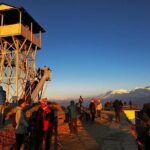
Day 3 is the payoff day. You’ll wake early, have hot tea, then start hiking with warm clothes, a bottle of water, and a headlamp. That headlamp detail is a big clue: the early start is designed for the best light and visibility as you move toward the Viewpoint.
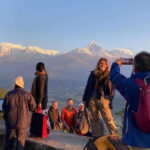
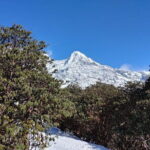
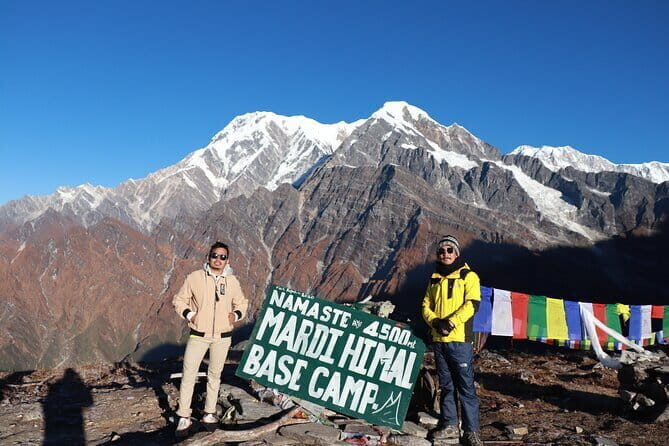
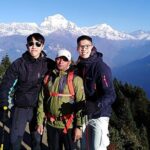
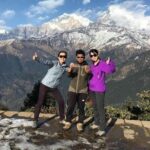
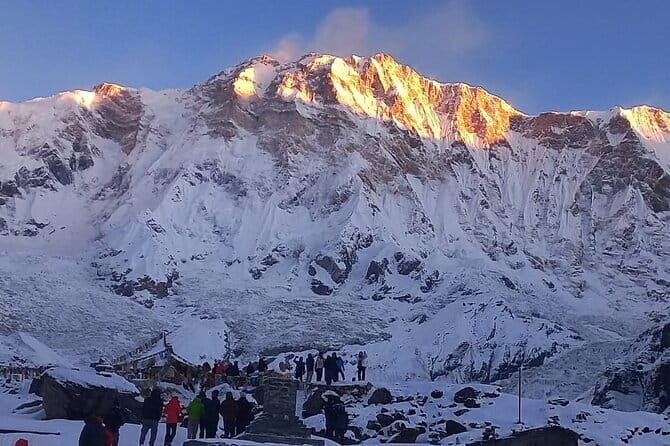
From High Camp, you’ll walk for about 2 hours to reach the viewpoint, then continue onward to Mardi Himal Base Camp for your main panoramic moment. This is where the peaks you’ve been hearing about start showing up in layers—Machhapuchhre and the Annapurna region come into focus as the trail angle and elevation give you better sightlines.
The total time on Day 3 is about 9 hours, which is long for a “short trek.” The reason it’s worth it is simple: you’re climbing to a viewpoint and then pushing to base camp, so the day feels like it has two missions instead of one.
Practical tip: bring a bit of patience and accept that the last stretch can feel slow. Altitude plus early morning plus cold air can make you feel like you’re working harder than expected. That’s normal. Pace yourself, keep your steps steady, and you’ll get your view.
Other hiking tours in Pokhara

Tea houses, meals, and what you’re really paying for at $299
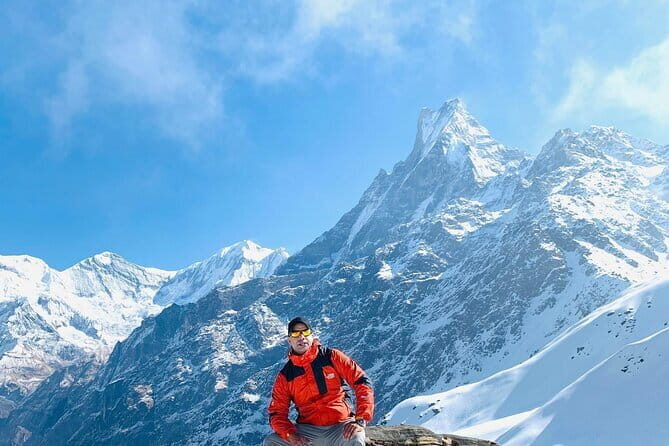
The price is $299 per person for a 3-day trek, and the best value signals are what’s included versus what’s left for you to manage.
Included:
- Hotel pick up/drop off
- English-speaking trekking guide
- Trekking permit and official documents
- Pokhara to Dhampus and Siding to Pokhara by private jeep
- Guesthouse accommodation during the trek
- A private tour
- An emergency normal first aid kit with the guide
Not included:
- Food and drinks (available on purchase)
- Gratuities (optional)
- Porter service: $25 per day (not included), listed as one porter for two people
So where’s the value? It’s in the “friction you don’t want” being handled for you: permits, transfers, and guiding. For many trekkers, those are the parts that turn a good idea into a stressful plan. Here, those pieces are already assembled, and you’re left with the core activity—walking and enjoying the high-mountain route.
Food is the only real variable you’ll need to plan for. Since meals are for purchase at tea houses, your best move is to carry a few snacks you can trust (energy bars, biscuits, nuts). Then when you arrive hungry, you can eat right away instead of waiting for whatever the tea house happens to have.
Also: pack layers. Tea houses get warm after you sit down, but mornings can be chilly—Day 3 explicitly includes warm clothes and a headlamp for a reason.
Guides make the difference: Amrita, Krishna, and Prakash on this trek
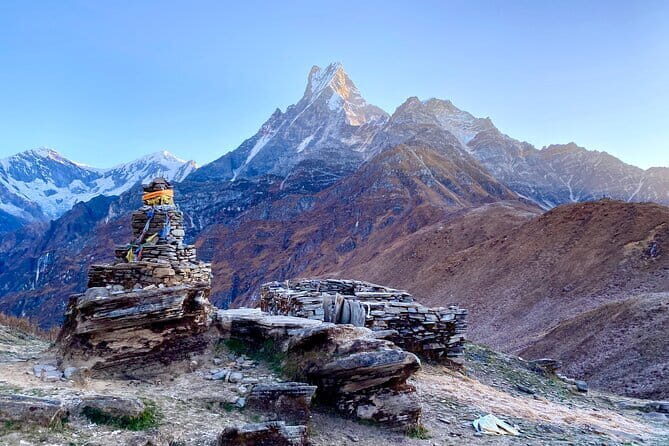
This is one of those treks where the guide quality changes your day. The included guide isn’t just there to lead the way; they manage pacing, timing, and the practical flow of the route.
In the experiences I’ve seen, guides connected with this trek include Amrita, Krishna, and Prakash. Each of them is described as friendly and professional, and that matters when you’re climbing for hours. A good guide helps you keep your energy steady, explains what to expect, and keeps the trip moving at a pace that lets you still enjoy the scenery.
If you’re booking with CAN Travels, pay attention to the guide you get and ask simple questions before you start walking—how the day pace will feel, where to slow down, and what to keep in your daypack.
What to pack and how to think about the “moderate fitness” requirement
The trek is listed for travelers with moderate physical fitness. Translation: you should be comfortable walking for 7 to 9 hours, handling some uphill stretches, and not needing to stop every few minutes.
You’ll do:
- Day 1: about 7 hours
- Day 2: about 7 hours
- Day 3: about 9 hours (with an early start and cold-weather setup)
So, train for sustained walking more than for technical climbing. If you can do steady hikes close to home, you’ll be in good shape. If you’re only used to short walks, you might still manage it, but your experience will feel more stressful than it needs to.
Packing focus (based on what’s included and what’s listed for Day 3):
- Warm layers and a hat
- Headlamp (explicitly planned)
- Water bottle (explicit)
- Simple trekking shoes with grip
- Snacks for meals-on-purchase days
If you’re worried about fatigue, consider the porter option: $25 per day, with one porter for two people. That’s not about comfort alone—it’s about keeping your energy for the viewpoint and base camp effort.
Should you book this 3-day Mardi Himal Base Camp trek from Pokhara?
Book it if you want:
- A fast base camp style trek from Pokhara without a huge time commitment
- A plan with permits, guide, and transfers handled
- Guesthouse lodging on the way and a calm-feeling trail compared to busier routes
Skip it (or choose a different plan) if:
- You want fully catered meals and drinks included
- You’re not ready for a long Day 3 at about 9 hours
- Your schedule can’t handle early mountain starts
In my view, this is best for couples, small groups, and anyone who wants the Annapurna region’s big views with a straightforward structure. With the guide support and the included transport, the trek feels like a clean, well-run adventure—you just need to bring the stamina.
FAQ
How long is the Mardi Himal Base Camp trek?
The trek runs for about 3 days, with hiking days totaling roughly 7 hours on Day 1 and Day 2, and about 9 hours on Day 3.
What’s included in the $299 price?
It includes hotel pick up and drop off, an English-speaking trekking guide, trekking permits and official documents, private jeep transfers (Pokhara to Dhampus and Siding back to Pokhara), guesthouse accommodation during the trek, a private tour, and an emergency normal first aid kit with the guide.
Is food included?
No. Food and drinks are not included, but they are available for purchase along the route in tea houses.
Do I need a porter?
A porter is not included. You can add one for $25 per day, and it’s listed as one porter for two people.
What fitness level do I need?
You should have moderate physical fitness. The trek includes multiple long hiking days, including an about 9-hour Day 3.
What is the cancellation policy?
You can cancel for a full refund if you cancel at least 24 hours before the experience’s start time. If you cancel within 24 hours of the start time, the amount paid isn’t refunded.