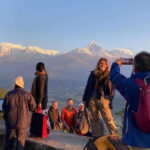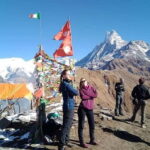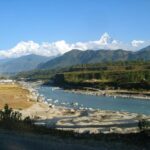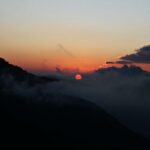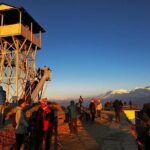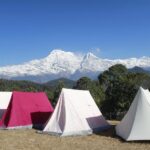
Short trek, big Himalayan payoff. This Mardi Himal Trek runs close to Pokhara and gives you serious views of the Annapurna Range in just about 5 days. I like the fact that you’re not just walking for mileage: you get a real choice on day three to push toward Mardi Himal Base Camp or aim for the nearer View Point, depending on your energy.
Two things I really like: first, the trip starts with a smooth handoff from Lakeside Pokhara to Dhampus, so you spend less time figuring things out. Second, the on-trail team matters. In particular, guides like Lama and Navaraj Nepal (and the company’s founder Jayaram) show up in the experience as calm, responsive support, not just check-the-box logistics.
One consideration: this is a weather-driven hike. The mountain views can be stunning or muted depending on conditions, and the provider notes that the trek requires good weather—so pack for clouds and be ready to flex your expectations.
In This Review
- Key highlights you’ll care about
- Mardi Himal near Pokhara: why this trek fits tight schedules
- Day 1 from Pokhara to Dhampus: starting with momentum, not stress
- Day 2: Forest Camp to High Camp, with Low Camp viewpoints
- Day 3: Choosing Mardi Himal Base Camp vs View Point
- Day 4: Landruk descent and village life with Annapurna South views
- Day 5: Landruk to Siwai—finish with a short final walk
- Price and value: what $399 includes (and what it doesn’t)
- Your guide team matters more than you think
- What to expect day-by-day: how the trail will feel
- Who this trek suits best
- Should you book the Mardi Himal Trek?
- FAQ
- What is the meeting point and end point?
- What time does the trek start?
- How long is the Mardi Himal Trek?
- Is this a private tour?
- What’s included in the trek meals?
- Is porter support included?
- What equipment do I need to bring?
- Are tips included in the price?
- What if weather affects the trek?
Key highlights you’ll care about
- Day 3 choice: Mardi Himal Base Camp or Mardi Himal View Point, based on what you want to spend effort on
- Staged climbs: Forest Camp → Low Camp → High Camp on day two keeps the day-by-day rhythm manageable
- Private group setup: it’s a private tour for your group, not a big mixed crowd
- Guide + porter ratio: 2 guests = 1 porter, so you’re not hauling everything yourself
- Small comforts included: seasonal fruits after dinner each trekking day
- Real named support: Jayaram (planning/response) plus guides like Lama and Navaraj Nepal in the field
Mardi Himal near Pokhara: why this trek fits tight schedules
The Mardi Himal Trek is one of those Nepal options that makes sense if you want the mountains without committing to a long expedition. You’re based out of Pokhara, and the trail stays in the Annapurna region’s orbit—close enough that the whole plan feels efficient.
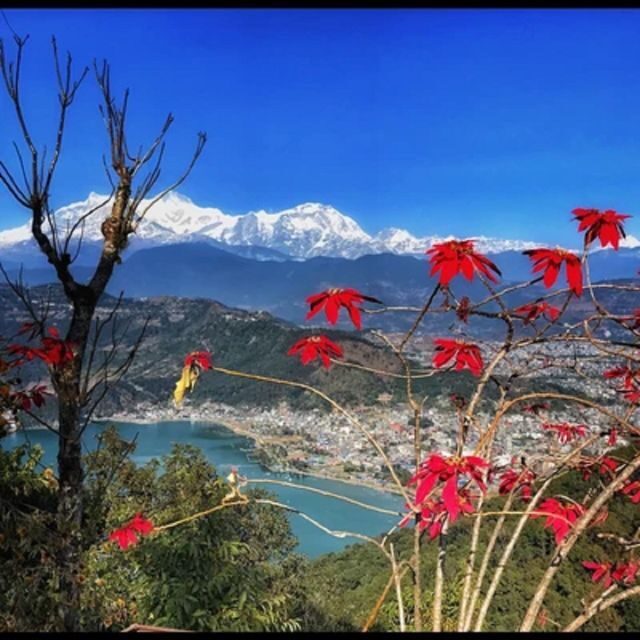
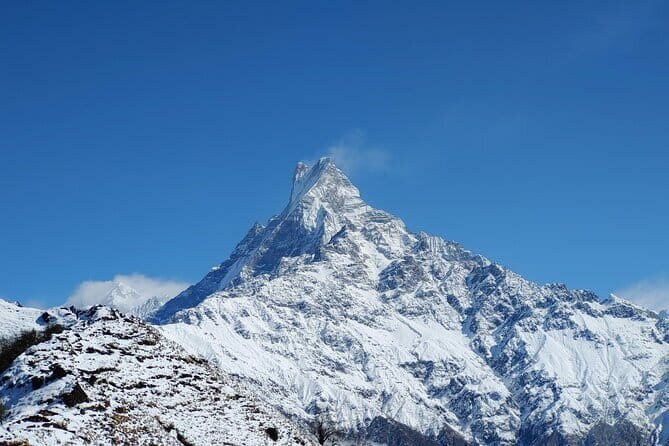
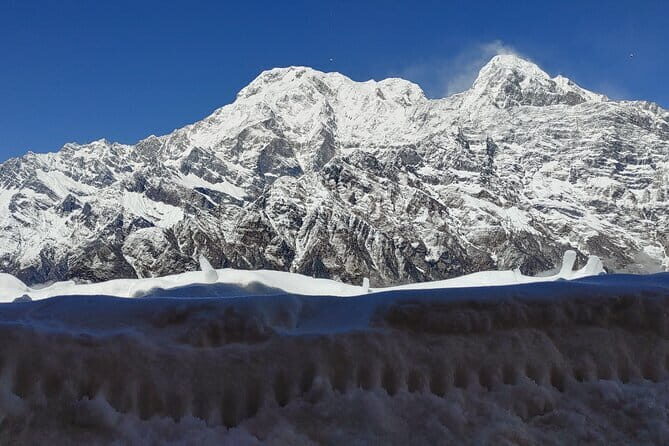
What you’ll actually feel on this trek is the blend of “easy enough to fit” and “hard enough to matter.” Over five days, you’ll move through forest sections, higher camps, and small villages, with your reward being big, clear sightlines toward the Annapurnas—including views tied to Fishtail (Machhapuchhre) and Hiunchuli.
Also, this is not a bare-bones plan. For the price point, you get a real structure: private transportation, licensed experienced guidance, trekking meals, and double-occupancy accommodation during the trek. That means you’re paying for fewer unknowns, which is worth a lot if you’re not trekking all the time.
Other Mardi Himal treks reviewed in Pokhara
Day 1 from Pokhara to Dhampus: starting with momentum, not stress
Your day begins at Lakeside Pokhara (33700), with a pickup from your hotel. The start time is 10:45 am. You’ll then drive roughly an hour to Dhampus, which is an intentional warm-up: you’re not spending the morning wrestling with local transport, and you’re stepping onto the trail with daylight and energy.
Once in Dhampus, you begin trekking. The itinerary lists about 7 hours for the day, so think of it as a solid introduction day—long enough to settle into trekking rhythm, but not so long that you’re wrecked before you even reach the camp sequence.
Practical value: this kind of start helps you enjoy day one instead of treating it like a logistics chore. If you’re the type who wants to get moving quickly, this is built for you.
What to watch: after a drive, your first climbing stretches can feel steeper than they look. Warm up gradually and don’t sprint just because the trail begins gently.
Day 2: Forest Camp to High Camp, with Low Camp viewpoints
Day two is where Mardi Himal starts to feel “trek-shaped.” You trek from Forest Camp to High Camp, and you stop at Low Camp along the way. The plan calls for about 7 hours, which is a steady, not-too-chaotic day.
Why this day is important: staged camps like Forest Camp, Low Camp, and High Camp are the difference between a trek that feels controlled versus one that feels like nonstop climbing. Even without specific altitude numbers in your package details, the camp progression tells you the pace is managed.
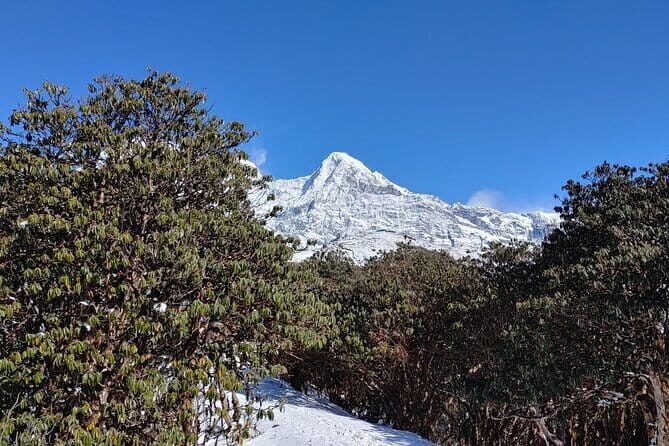
Low Camp is also where you’ll get the kind of reward that keeps people motivated—views described as breathtaking on the way up. This is a day to slow down at the viewpoints. If you keep moving too fast, you’ll miss the best moments, and then the rest of the day becomes pure effort.
Small comfort detail I appreciate: the included meals include dinner on the trekking days, and you get seasonal fruits after dinner. That kind of included treat isn’t life-changing, but it is a real morale booster after a long walking day.
Day 3: Choosing Mardi Himal Base Camp vs View Point
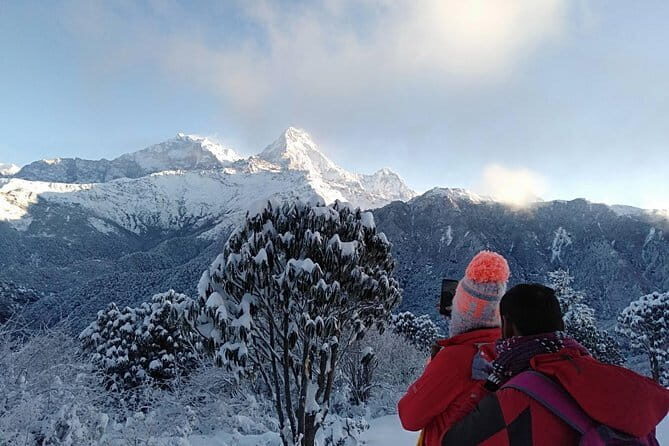
Day three is the fun decision point. You hike toward either Mardi Himal Base Camp or Mardi Himal View Point, depending on what you prefer that day. The itinerary frames it as a preference choice, which is exactly what you want on a trek like this.
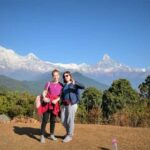
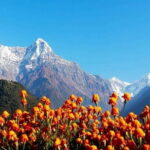
This is also where the views matter most. Along the way, you’ll get dramatic sightlines including Fishtail (Machhapuchhre), Annapurna, and Hiunchuli. In the feedback for this trek style, people describe getting a close-up feel for Machhapuchhre—meaning you’re not just seeing it in the distance; it tends to pop into your line of sight as conditions allow.
Here’s the practical tradeoff:
- If you want the bigger sense of achievement, go for Base Camp.
- If you want more time to enjoy views and keep energy for the later descent day, choose the View Point.
This decision is worth taking seriously, because “I’ll just see how I feel” can turn into stress if weather or fatigue hits. A good guide can help you pick a route that matches your day.
Who this suits: if you’re the kind of hiker who likes options (and doesn’t want a one-size-fits-all route), day three is one of the best parts of this itinerary.
Day 4: Landruk descent and village life with Annapurna South views
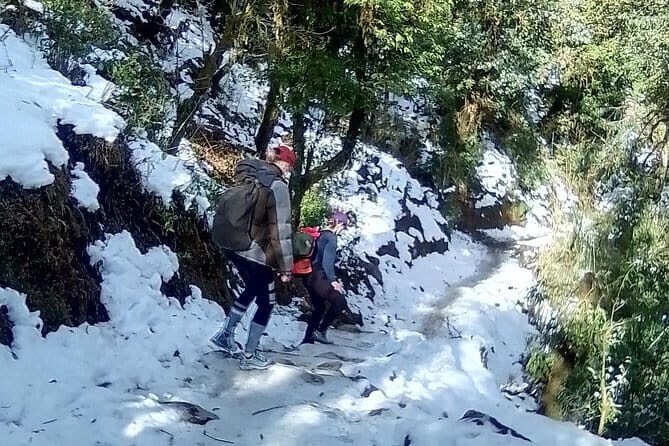
After the higher section on day three, day four shifts gears. You descend to Landruk, described as a picturesque mountain village. The day is about 7 hours.
This is a key “balance” day. You’re not just chasing views; you’re also seeing how people actually live in the Annapurna region. The package description highlights local houses, farmlands, and everyday lifestyle—stuff you feel when the trail passes through a real settlement rather than just camps.
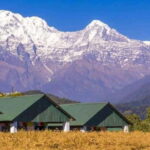
The mountain payoff continues too. From the Landruk area, you can enjoy views of Annapurna South and Hiunchuli.
What to keep in mind: descent days can feel deceptively hard. Your legs may be tired, and rocky sections (not detailed in the package, but common on Himalayan trails) can be rough on knees. Take short steps, keep your footing careful, and don’t rush because the village looks close.
Why you’ll enjoy this day even if you’re not a “village person”: the change of scenery gives your body a different kind of break. Climbing taxes you in one way; descending taxes you in another.
Other hiking tours in Pokhara
Day 5: Landruk to Siwai—finish with a short final walk
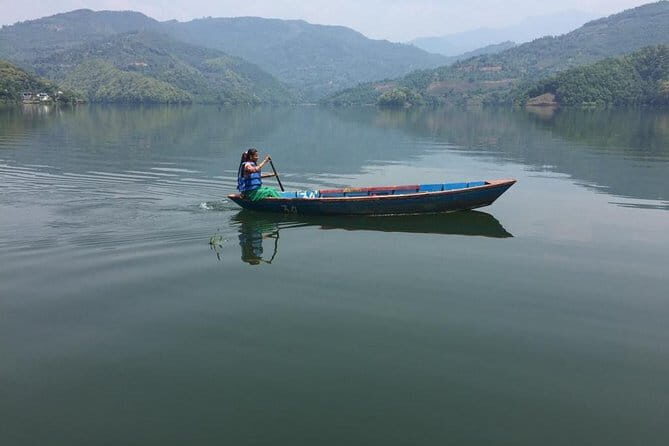
Your final day wraps the trek from Landruk to Siwai, listed as about an hour and a half. After reaching Siwai, the itinerary ends and you’re taken back to Pokhara.
This short final walk is a smart design. After four nights of trekking (the itinerary calls it 4-night, 5-day), you don’t want a “long send-off” day that forces you into a last-day slog. You want to arrive with enough energy to feel satisfied, not spent.
What you get from a shorter final segment: better recovery for the rest of your travel plans in Pokhara. If you’re squeezing this trek into a wider Nepal itinerary, you’ll appreciate the breathing room.
Price and value: what $399 includes (and what it doesn’t)
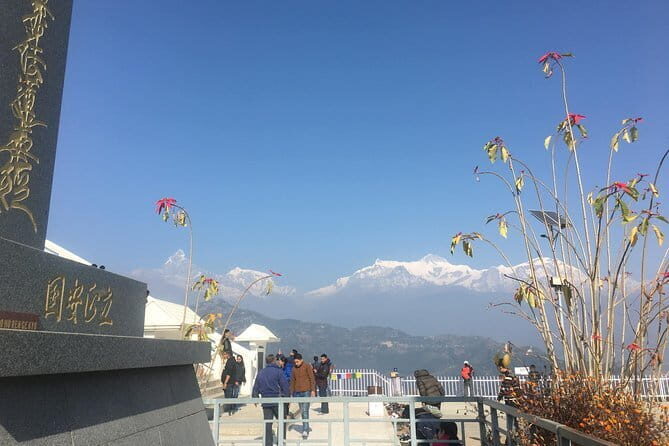
At $399 for a roughly 5-day trek, you’re not paying for “just a walk.” The included package covers a lot of the expensive, hard-to-coordinate parts:
Included that changes the experience
- Government licensed experienced guide
- Porter support at 2 guests = 1 porter
- Private transportation (Pokhara to Dhampus and back)
- All fees and taxes
- Trekking meals: 5 breakfasts, 4 lunches, 4 dinners
- Double occupancy accommodation during the trek
- Seasonal fruits after dinner each trekking day
That’s a value mix that tends to matter most for people who want a stress-free experience. You’re paying for coordination, not only for days on the trail.
Not included (plan for this)
- Personal trekking equipment
- Meals and accommodation in Kathmandu and Pokhara
- Battery charges, laundry, phone calls, showers
- Tips for guide and porter (expected)
So the real question is: does $399 cover your needs? If you already own decent boots and pack, you’re in good shape. If you need to buy or rent equipment, that extra cost could nudge the budget.
Your guide team matters more than you think
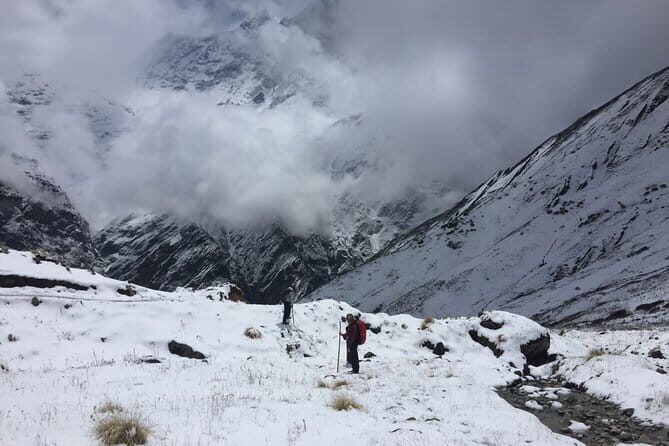
The best part of a short trek is that every day counts. In a 5-day plan, a guide isn’t just “nice to have.” They shape your pace, your safety, and how much you enjoy the walk versus how much you fight it.
In the experience details you provided, guides named in connection with this trek include Lama and Navaraj Nepal, both described as professional and supportive. People also speak highly of Jayaram, the founder of Base Camp Hike, for fast, helpful communication before the trip. That matters a lot when you’re trying to plan equipment, timing, and your own expectations.
One specific kind of support that comes up: flexibility based on needs. For example, a guide described as adjusting the route to help guests get to where they wanted to go. On a trek near mountains, that kind of flexibility is how you protect the experience when weather or trail conditions change.
Also, you’ll see the porter role treated seriously: not just “carry stuff,” but being part of the trip’s calm rhythm. With 2 guests per porter, you’re less likely to feel overloaded, and that helps you keep your attention on views instead of straps cutting into you.
What to expect day-by-day: how the trail will feel
Here’s the general rhythm you can expect from the itinerary structure:
- Day 1: drive + start trekking (a true first effort day)
- Day 2: camp progression from Forest Camp to High Camp with a viewpoint stop at Low Camp
- Day 3: the longest-feeling “option day” where you choose Base Camp or View Point
- Day 4: descent into Landruk for village atmosphere plus mountain views
- Day 5: short finish from Landruk to Siwai, then back to Pokhara
The days are listed around 7 hours most of the time, with the final day shorter. That schedule is built for moderate fitness—enough challenge to feel like a real trek, but not so intense that you’re out of the game after day two.
Who this trek suits best
This trek is best for you if:
- you want a short Mardi Himal experience without sacrificing key viewpoints
- you like structured support (licensed guide, porter included, meals planned)
- you want the option to tailor day three to your energy level
- you’re traveling with a partner or small group and want privacy
It may be a rough fit if:
- you’re expecting a totally easy walk every day
- you hate any uncertainty from weather (mountain views can be affected)
- you’re not willing to do basic trekking prep (equipment matters, and tips are expected)
The package specifically notes moderate physical fitness. If you can handle daily hiking with some climb and descent, you’re in the right zone.
Should you book the Mardi Himal Trek?
I’d book this trek if you want a high value, guided Annapurna experience that doesn’t swallow your whole vacation. The private setup, meals, camp lodging, and guide/porter ratio make it feel like a complete package rather than a DIY scramble.
Skip it or at least think twice if you’re trying to travel super light and don’t have trekking gear handled yet, or if you’re the type who needs perfect visibility no matter the weather. The trek depends on conditions, and the best views come when the skies cooperate.
If your goal is a quick, meaningful look at the Mardi Himal area—with real mountains like Machhapuchhre/Fishtail and Hiunchuli in view—this plan is a strong choice.
FAQ
What is the meeting point and end point?
The start and end point is Lakeside Pokhara (33700, Nepal). The trek ends back at your hotel in Pokhara.
What time does the trek start?
The start time is 10:45 am.
How long is the Mardi Himal Trek?
It’s listed as about 5 days (4 nights), with daily trek segments and a shorter final day.
Is this a private tour?
Yes. It’s described as a private tour/activity, so only your group participates.
What’s included in the trek meals?
You get meals during trekking: 5 breakfasts, 4 lunches, and 4 dinners.
Is porter support included?
Yes. The package includes 2 guests = 1 porter.
What equipment do I need to bring?
Personal trekking equipment is not included, so you’ll need to bring or arrange your own.
Are tips included in the price?
No. Tips for the guide and porter are expected.
What if weather affects the trek?
The experience requires good weather. If it’s canceled due to poor weather, you’ll be offered a different date or a full refund.