REVIEW · POKHARA
Kathmandu/Pokhara: 5-Day Annapurna Base Camp (ABC) Trek
Book on GetYourGuide →Operated by Cordial Trek Pvt. Ltd. · Bookable on GetYourGuide
First time you’ll see ABC, it hits fast. This 5-day trek takes you from the foothills into the Annapurna Sanctuary, walking past waterfalls, dense forest, terraced villages, and big mountain viewpoints—then finishing with a soak at Jhinu Danda hot springs.
What I like most is how practical the pacing is for a short trip, with day after day of clear targets and overnight stops in mountain guesthouses. Second, I like the human side: a licensed English/Hindi guide (people are often paired with guides such as Raju, Pratip, Om, Smile, and Anil Sherpa) who focuses on safety, steady progress, and food choices at the tea houses.
One thing to consider: this is still a real hike. You’re looking at long uphill days (often 5–8 hours of walking) and a high point at 4,130 m, so you’ll want solid footwear, patience, and a “slow and steady” mindset.
In This Review
- Key Points You’ll Care About
- Where Your Trek Starts: Kathmandu vs Pokhara and the Trailhead Drive
- Day 1: Simrung to Sinuwa (10–11 km, 5–6 hours, up to 2,340 m)
- Day 2: Sinuwa to Deurali via Himalaya Tea Houses (10–11 km, 5–6 hours, up to 3,230 m)
- Day 3: Deurali to Annapurna Base Camp via Machhapuchhre Base Camp (10–11 km, 5–6 hours, up to 4,130 m)
- Day 4: Sunrise at ABC, then 12–14 km back to Bamboo/Sinuwa (7–8 hours, down to 2,340 m)
- Day 5: Jhinu Danda Hot Springs and Back to Pokhara (7–8 km, 4–5 hours, min 830 m)
- Annapurna Sanctuary: Why the Ecosystems Shift So Much on a Short Trek
- Guesthouses, Meals, and the Comfort Trade-Offs
- Price and Value: Is $96 a Good Deal for ABC?
- Gear List That Actually Helps at 4,130 m
- Who Should Book This Trek (and Who Should Rethink It)?
- Should You Book This Annapurna Base Camp Trek?
- FAQ
- What is the highest altitude on this trek?
- Do I start from Kathmandu or Pokhara?
- How long is the trek each day?
- What’s included in the tour price?
- Is a porter included?
- Are hot showers and Wi-Fi included?
- Do I need flights?
- What’s the cancellation policy?
Key Points You’ll Care About
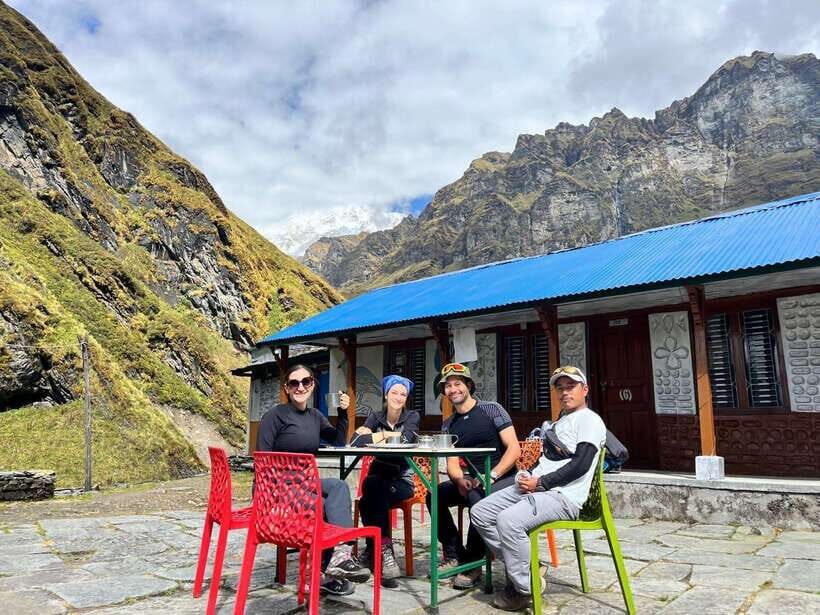
- Annapurna Base Camp at 4,130 m in just five days, with a sunrise moment at the top
- Machhapuchhre Base Camp valley route on Day 3 for extra scenery payoff
- Jhinu Danda hot springs on the way back, a welcome end-of-trek reset
- Equipment support: you can borrow a down jacket, trekking poles, and a sleeping bag
- Guesthouses are basic, and comforts like hot showers and Wi-Fi usually cost extra
Where Your Trek Starts: Kathmandu vs Pokhara and the Trailhead Drive
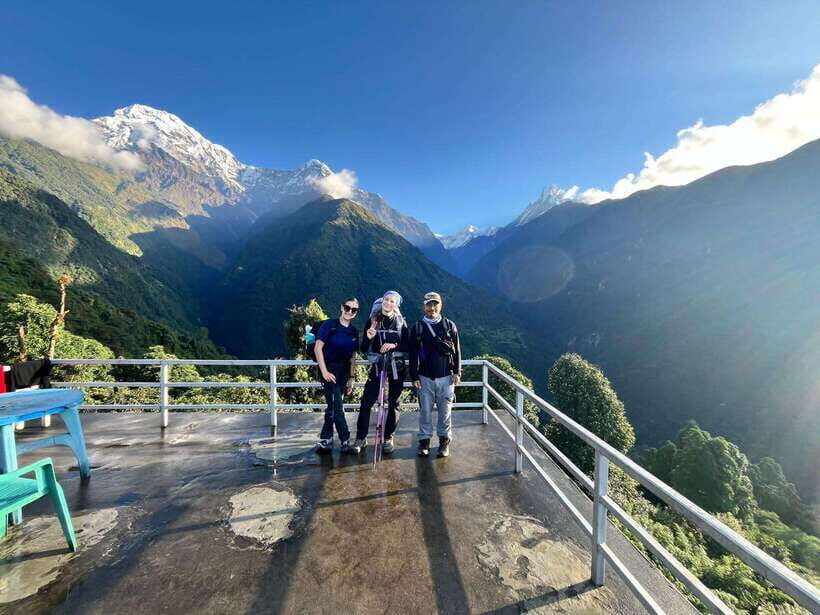
This trek is set up around the Pokhara side, even if you start in Kathmandu. If you choose the Kathmandu option, you’ll take a short 30-minute flight to Pokhara, then continue overland to the trekking start.
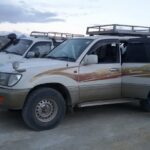
From Pokhara, plan for a 2–3 hour drive to Simrung (via Nayapul). That ride matters because it gets you into the real “hiking zone” without wasting a half day. The smoother the morning, the easier your first walking day feels when your legs are still waking up.
Other Annapurna Base Camp treks reviewed in Pokhara
Day 1: Simrung to Sinuwa (10–11 km, 5–6 hours, up to 2,340 m)
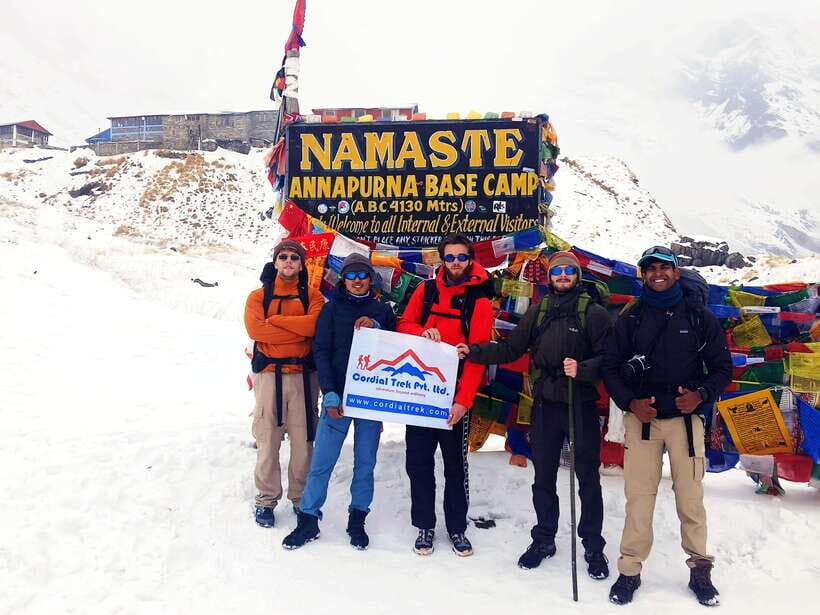
Day 1 is about transition—turning from road life into mountain life. You’ll start trekking from Simrung and work your way to Sinuwa, a route that typically feels like a warm-up that still earns its stripes.
Along the way, expect the classic Annapurna mix: forest paths, rivers, and the kind of small waterfalls that show up without warning when the trail bends. Sinuwa is your first guesthouse night at a maximum altitude of 2,340 m, which is high enough to feel like a climb but not so high that it punishes you on day one.
A practical tip: since you’ll likely be sharing or cycling through simple rooms at guesthouses, keep your day’s gear easy to access. You’ll be tired. You want a setup where you can grab water, a warm layer, and sleep basics quickly.
Day 2: Sinuwa to Deurali via Himalaya Tea Houses (10–11 km, 5–6 hours, up to 3,230 m)
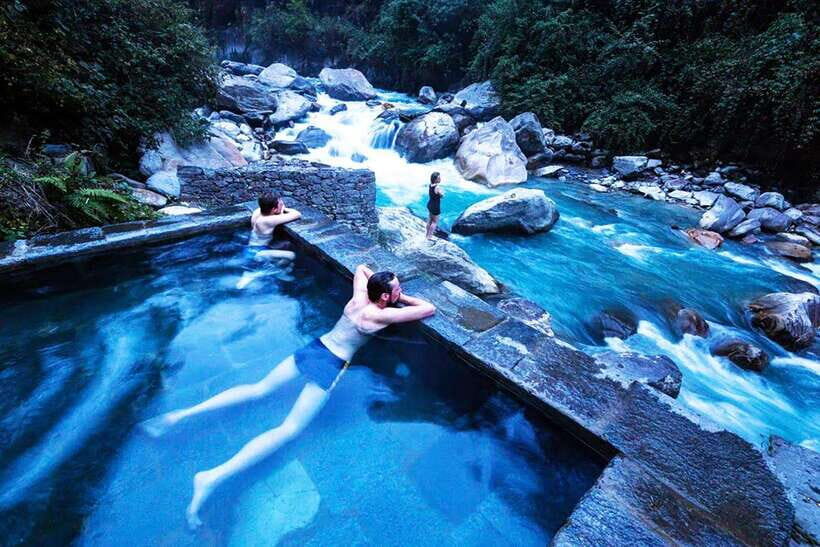
Today’s walk climbs more seriously. You go from Sinuwa to Deurali via Himalaya, a small settlement known for tea houses, which helps break up the day when the trail gets steep or muddy.
This is also a day for waterfalls and dense forest. The trail often feels cooler under the canopy, then snaps back to open views when you crest into a new section. At the end of the day, you’ll sleep in Deurali guesthouse with a maximum altitude of 3,230 m.
Why this day matters: it builds your trekking rhythm for the higher altitude jump on Day 3. If you push hard just because you’re feeling good, you’ll pay for it later. The “secret” of short ABC treks is restraint on days 1–2 so you can enjoy the big day without gasping through it.
Day 3: Deurali to Annapurna Base Camp via Machhapuchhre Base Camp (10–11 km, 5–6 hours, up to 4,130 m)
This is the money day. You trek from Deurali to Annapurna Base Camp (ABC), passing through Machhapuchhre Base Camp (MBC) along the way. It’s not just a route change—it’s a scenery upgrade.
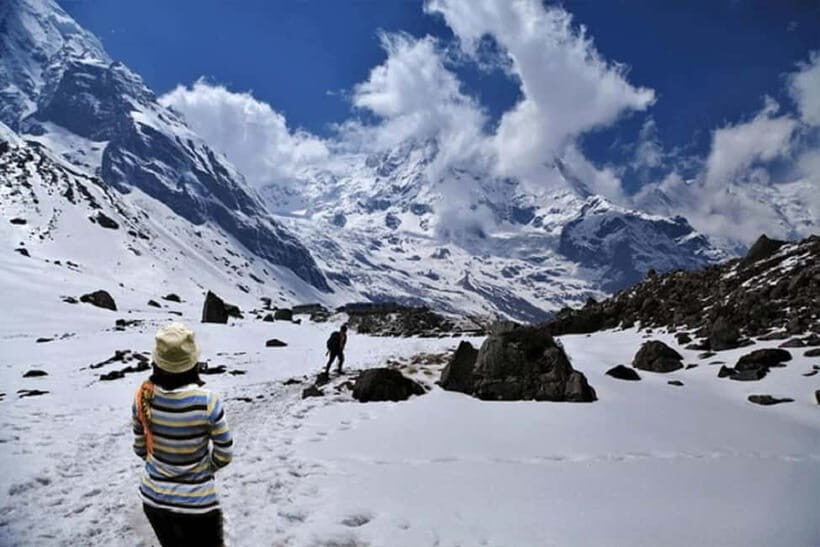
As you move toward higher ground, the vegetation and temperature shift. Day 3 often feels like a transition from lush valley trekking to colder ridgeline air, with the Annapurna Sanctuary tightening around you. When you hit the ABC area, it’s the kind of payoff that makes you stop and forget your pace for a minute.
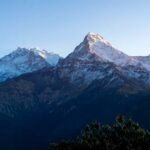
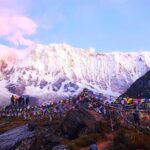
And yes, there’s a reason Annapurna-I (8,091 m) inside the sanctuary pulls people in. Reaching its base camp gives you a much more physical sense of the scale than a photo ever can. You’re not “seeing mountains.” You’re standing near the machinery of the Himalayas.
You sleep at ABC in tea-house accommodation. That part is important: you’re at 4,130 m, so the cold can be real, even if the day felt manageable. Bring the warm layer you’re tempted to save for later. Don’t save it.
Day 4: Sunrise at ABC, then 12–14 km back to Bamboo/Sinuwa (7–8 hours, down to 2,340 m)
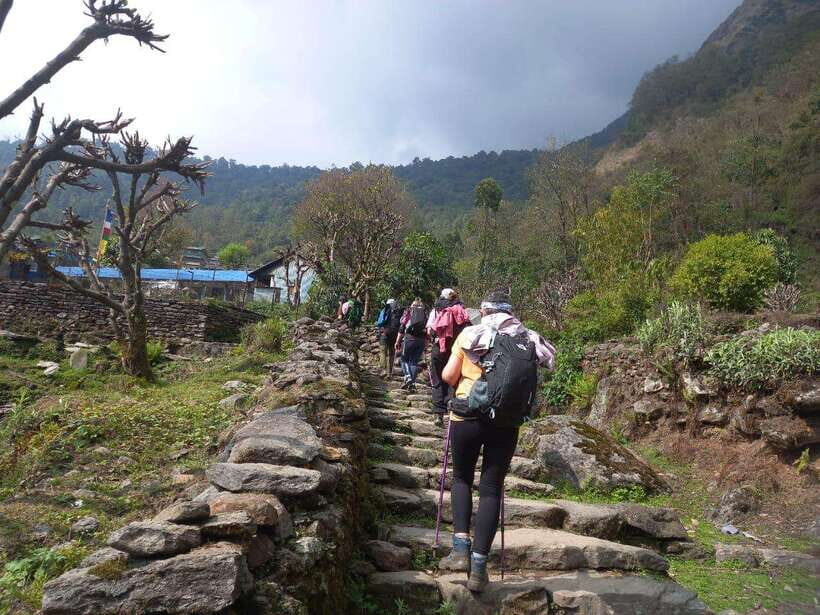
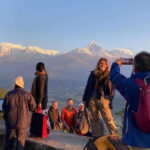
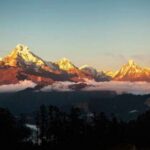
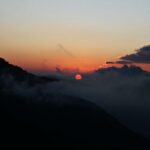
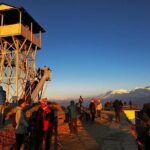
Start early for the sunrise. The program is built around a morning view from ABC—this is one of those moments where the effort from earlier days becomes obvious.
After sunrise, the day turns into the long one: you hike back toward Bamboo/Sinuwa via Deurali, Himalaya, and Dobhan, covering 12–14 km and walking 7–8 hours. This is a total leg test: downhill can still be hard on knees, and the constant steps can make your feet feel cooked.
Why this day is harder than it looks: altitude plus fatigue. Even when you drop to a minimum altitude of 2,340 m, you’re still moving after two big days. I’d treat Day 4 like a careful transfer of energy: steady steps, frequent water, and a quick snack routine instead of long stretches with nothing.
One more practical note. Lodges can be very simple, and if you’re solo, you might occasionally end up sharing a room. If you’re sensitive to sleep issues, pack earplugs just in case.
Other hiking tours in Pokhara
Day 5: Jhinu Danda Hot Springs and Back to Pokhara (7–8 km, 4–5 hours, min 830 m)
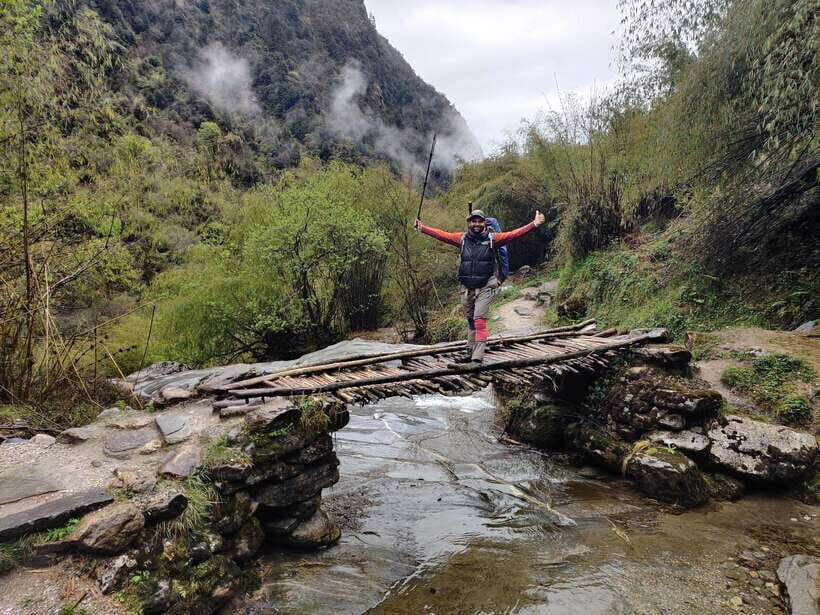
You end with a mix of trekking and relaxation. You hike from the ABC-area back toward Simrung through Jhinu Danda, famous for its natural hot springs, then you drive back to Pokhara.
The trekking segment is 7–8 km and usually 4–5 hours, then there’s a 2–3 hour drive to Pokhara. You’ll be dropped at your hotel in Pokhara no later than 17:00, and if you have a return flight from Pokhara, the transfer is timed for that too.
The hot springs stop is the reward you can feel in your body. After walking days with cold air and possibly wet trails, the warm water becomes your “reset button.” If your pace runs behind, this stop might be shorter than expected—so keep Day 4 energy for finishing strong on Day 5.
Annapurna Sanctuary: Why the Ecosystems Shift So Much on a Short Trek
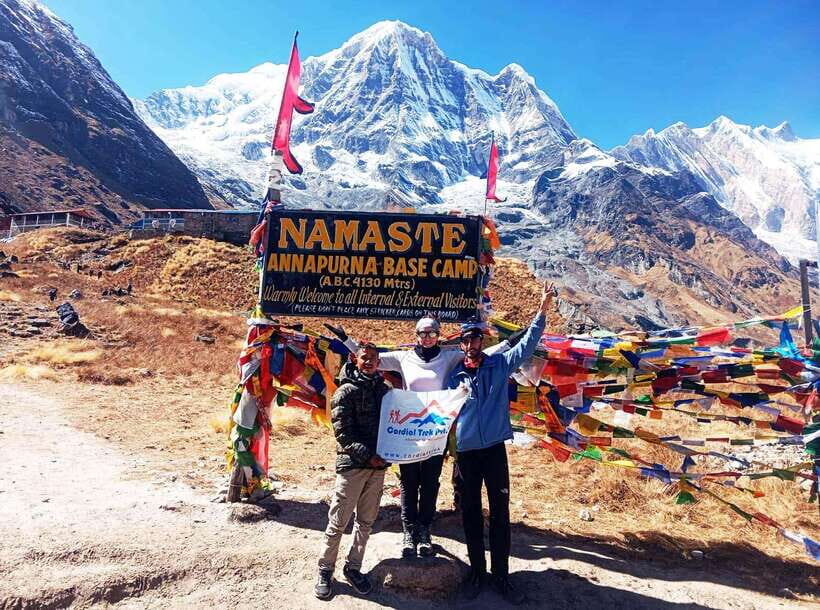
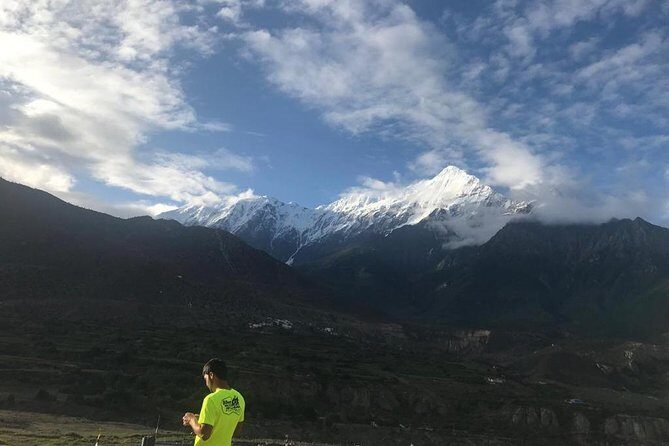
Even in five days, you cross multiple “worlds” in the sanctuary. The route is known for dense forests, river valleys, and waterfall sections, then transitions into colder, rockier terrain as you gain height.
Expect variety like bamboo valleys, tea-house clearings, and views that start as glimpses and become full-on mountain walls as you near the base camp zone. The shift isn’t just visual—it changes how the trail feels. Forest days can be damp and cool; higher days can feel thin-air cold and require real layers.
If you like nature but also like predictability, this trek gives you both. You get enough structure—guesthouse nights at known spots—that you can focus on walking and absorbing the scenery without constantly worrying about logistics.
Guesthouses, Meals, and the Comfort Trade-Offs
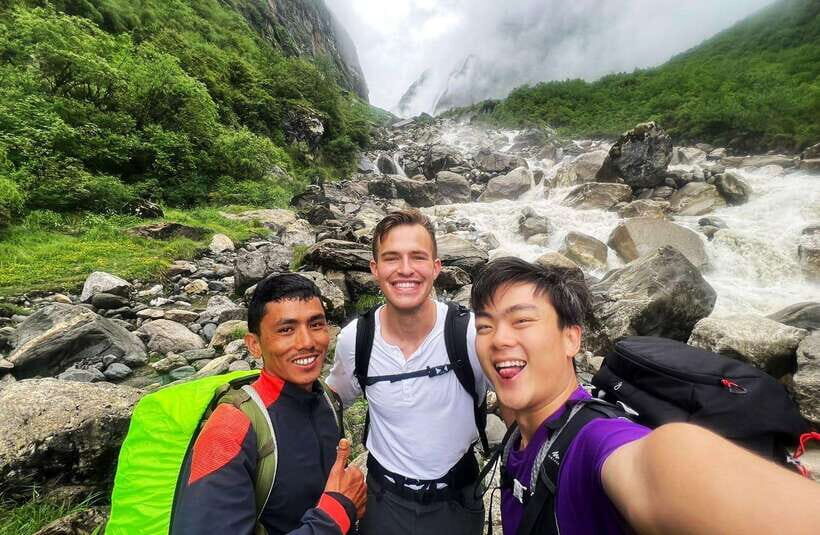
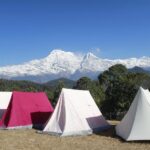
This trek is run through mountain guesthouses. They do the job—warm rooms, basic beds, and a place to eat—just don’t expect modern amenities. Hot showers, Wi-Fi, and charging are not included, so you may pay extra depending on the lodge.
Meals are included depending on the option you choose, and the core idea is simple: you’ll eat enough to keep hiking. Guides also help you pick dishes that make sense for the day and altitude. In past trekkers’ experiences, guides like Raju and Om have been praised for recommending specific tea-house meals at each stop—exactly the kind of small advice that prevents stomach issues when you’re tired.
Also: tea house food is priced for the altitude. If you’re tight on budget, you’ll want to treat snacks as a “maybe” rather than a guarantee.
Price and Value: Is $96 a Good Deal for ABC?
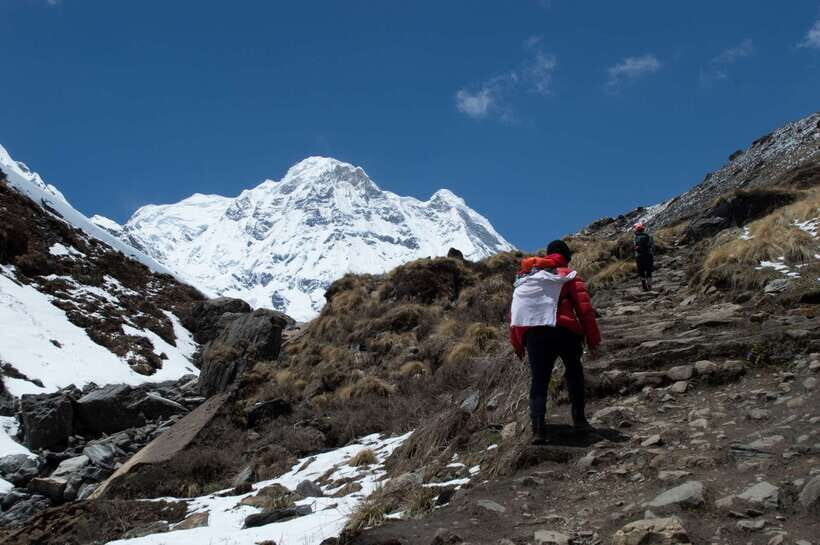
At $96 per person, this trip can be excellent value—mainly because it bundles the hard-to-organize parts. You’re getting transport from Pokhara (shared jeep), four-night guesthouse accommodation, permits, a licensed guide, and the practical gear support like loaner sleeping bag, trekking poles, and a warm jacket.
Here’s the honest part: extras depend on your selected option. Porter services are included only in certain cases, and meals may be included only if you choose the all-inclusive setup. If you’re starting from Kathmandu, flights may also be an add-on unless your package includes the flight legs.
So my way to think about it:
- You’re paying for coordination + support + baseline supplies.
- You’re still paying separately for optional comfort items (hot showers, Wi-Fi, charging) and personal expenses.
If you want a low-stress ABC trek where your biggest job is walking, that’s where this price starts to make sense.
Gear List That Actually Helps at 4,130 m
Bring warm layers, and bring them early. Even when you’re moving, the altitude cold can creep in during breaks and at night.
Your essential kit from the program includes:
- Down jacket or puffer
- Thermal base layers
- Trekking pants
- Warm hat (beanie) and gloves
- Neck gaiter
- High-ankle waterproof trekking boots (recommended) + warm socks
- Sunglasses + sunscreen
- Towel
- Trekking poles (helpful even if you borrow them)
- Daypack or backpack
- Water bottle or CamelBak
- Passport copy and passport-sized photo for permits
If conditions are snowy, you’ll need crampons. The program also offers borrowing of trekking poles and a sleeping bag at no extra cost, which is a big deal if you’re traveling light.
And don’t ignore the small stuff: cash, basic toiletries, and a calm attitude. The mountains don’t care about your luggage system, but you’ll.
Who Should Book This Trek (and Who Should Rethink It)?
This is a good fit if:
- You can handle 5 days of hiking, mostly 5–8 hours a day
- You’re okay with mountain guesthouses and limited extras
- You want ABC without a long multi-week commitment
- You appreciate a guide who helps with pacing, safety, and food choices
It’s not a match if you need mobility support. The trip isn’t suitable for people with mobility impairments, and it isn’t set up for those over 95 years.
If you’re a first-time trekker, you can still do it—just be honest about your fitness. The trek is tough, but plenty of people have managed it with the right pace and help from their guide and porter.
Should You Book This Annapurna Base Camp Trek?
I’d book it if you want the ABC experience with a guided, structured route in just five days—and you’re comfortable trading luxury for authenticity. The hot springs finish is a smart touch, and the guesthouse-based plan makes it easier to focus on the hiking rather than logistics.
I’d pause before booking if you:
- Hate long walking days and downhill pressure on knees
- Don’t have warm layers or decent boots
- Are hoping for reliable hot showers and Wi-Fi every night
If you show up prepared and walk smart, this trek gives you a lot of mountain for the money—and the sunrise at ABC is exactly the kind of moment you remember.
FAQ
What is the highest altitude on this trek?
The highest point is Annapurna Base Camp at 4,130 m. Day-by-day max altitudes include 2,340 m (Sinuwa), 3,230 m (Deurali), then up to 4,130 m at ABC.
Do I start from Kathmandu or Pokhara?
You can start from either Kathmandu or Pokhara. If you start in Kathmandu, you take a 30-minute flight to Pokhara.
How long is the trek each day?
Typical daily hiking time is 5–6 hours on Days 1–3, about 7–8 hours on Day 4, and 4–5 hours on Day 5. Each day’s distance is also listed as roughly 10–11 km for Days 1–3 and 12–14 km for Day 4, with 7–8 km on Day 5.
What’s included in the tour price?
Included basics are hotel pickup/drop-off in Pokhara (and in Kathmandu if flight option is selected), trekking guide (English/Hindi), trekking permits, 4-night mountain guesthouse accommodation, meals if the all-inclusive option is selected, and borrowing gear such as a down jacket, sleeping bag, and trekking poles.
Is a porter included?
Porter inclusion depends on the option you choose. Porter service is included only if the all-inclusive option is selected; otherwise it’s an add-on.
Are hot showers and Wi-Fi included?
No. Hot showers, Wi-Fi, and battery charging are not included.
Do I need flights?
Flights are included only if you choose a flight option. The tour offers one-way Kathmandu–Pokhara flight tickets or all-inclusive Kathmandu–Pokhara–Kathmandu flight tickets depending on your selection.
What’s the cancellation policy?
You can cancel up to 24 hours in advance for a full refund.