REVIEW · POKHARA
From Pokhara: 5-Day Annapurna Basecamp Trek with Hot Springs
Book on GetYourGuide →Operated by Snow Peak Tours and Travels pvt. ltd. · Bookable on GetYourGuide
Five days, big Himalayan payoff.
This trek is interesting because it strings together three things most routes only do separately: Annapurna Base Camp at 4,130m, culture-rich village walking, and a real soak at Jhinu hot springs to end the effort. I especially like that it’s built around a practical rhythm for a first big trek: enough time to enjoy the climb and views, without trying to cram in a summit push.
The other standout is the way guides keep you moving with patience, not panic. Guides like Anil and Santosh get singled out for motivation during cold stretches, and Uttam is praised for steady care with food, lodging, and pace. One consideration: expect a demanding day at higher altitude, plus cold tea-house nights where warmth becomes your real priority.
In This Review
- Quick take: what makes this trek worth your time
- The Annapurna Base Camp route in 5 days: how the timing really feels
- Day 1: Pokhara to Jhinudanda, then Chomrong/Sinuwa (around 2,170–2,340m)
- Day 2: Deurali day through rhododendron, oak, and bamboo (to ~2,900m)
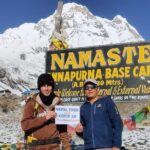
- Day 3: The push to Annapurna Base Camp (4,130m)
- Day 4: ABC down to Bamboo (around 2,340m)
- Day 5: Bamboo to Jhinu Danda, then drive back to Pokhara + hot springs
- Tea houses and nights: what “basic” really means
- Culture on the trail: Gurung, Magar, and Tibetan influences you can actually notice
- Guides, safety, and pace: why the human part matters here
- Price and value: is $155 really enough for a 5-day ABC trek?
- What to pack for Annapurna Base Camp (and the cold days you can’t ignore)
- Who this trek suits best (and who should think twice)
- Should you book this 5-day Annapurna Base Camp with Jhinu hot springs?
- FAQ
- How long is the Annapurna Base Camp trek?
- What altitude does Annapurna Base Camp reach on this trek?
- Do I need an Annapurna Conservation Area permit?
- What kind of accommodation is provided on the trek?
- Are meals included?
- What language will the guide speak?
- Is travel insurance included in the price?
- Is the Jhinu hot springs visit included?
- Do I need to submit my passport information before the trek?
- Can I hire a porter?
Quick take: what makes this trek worth your time
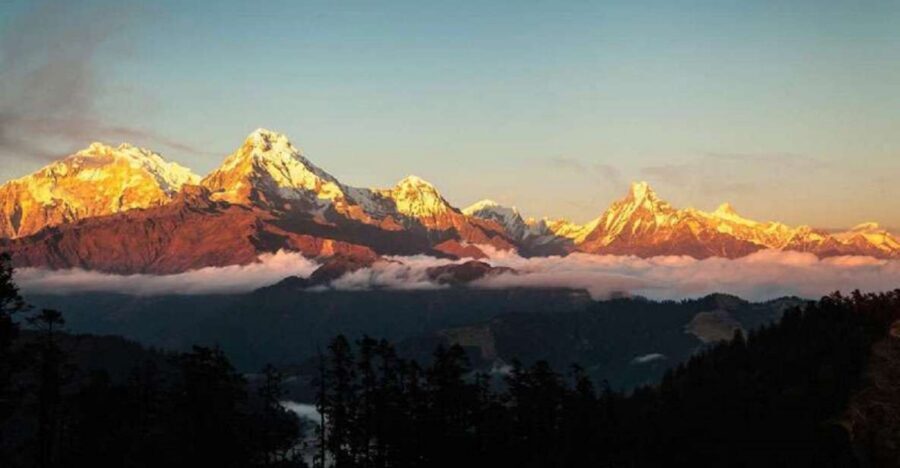
- Annapurna Base Camp (4,130m) reached in a tight, photo-friendly 5-day plan
- Jhinu Danda hot springs built into the final descent from Bamboo
- Village walking through Gurung, Magar, and Tibetan-influenced areas
- Peak views tied to key points like Machhapuchhre (Fishtail) and Hiunchuli
- Logistics handled with hotel pickup, guide support, and luggage storage in Pokhara
- Cold-weather reality: you’ll earn the warm soak, and you should dress for it
The Annapurna Base Camp route in 5 days: how the timing really feels
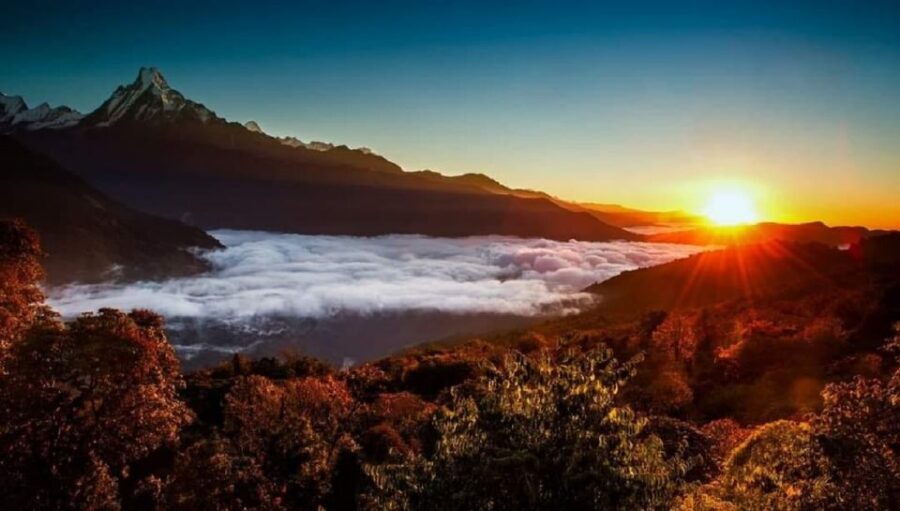
This is a classic Annapurna Base Camp journey, but the five-day format changes the feel. You’re not doing a slow, gradual acclimatization trek. Instead, you’re moving with intention: start mid-morning-to-afternoon style, walk several hours each day, sleep in simple tea houses or lodges, then hit the highest point area on Day 3.
That matters for two reasons. First, your body will notice altitude at ABC (4,130m). Second, your reward arrives fast: snow-capped views and the Annapurna massif payoff come right when your effort is still fresh.
From Pokhara, you begin with a scenic drive and then jump into the trek with your first overnight in the Chomrong/Sinuwa zone. After that, the route climbs through forested sections, then pushes upward toward Deurali before the main push to Annapurna Base Camp.
Other Annapurna Base Camp treks reviewed in Pokhara
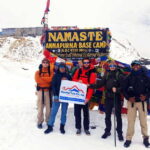
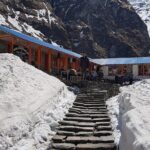
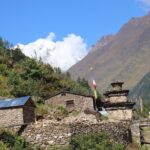
Day 1: Pokhara to Jhinudanda, then Chomrong/Sinuwa (around 2,170–2,340m)
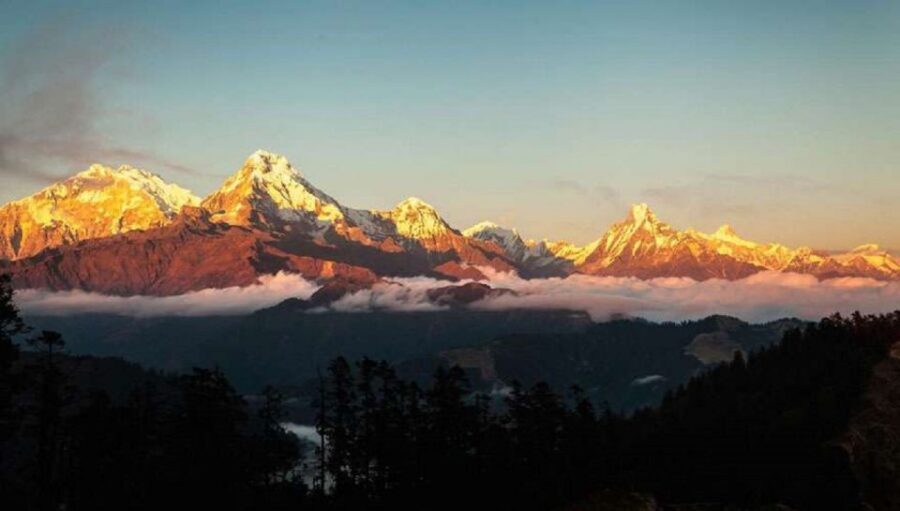
Day 1 is the “get your bearings” day, and it’s more important than it looks. You’ll drive from Pokhara to Matque/Jhinudanda, then trek toward Chomrong (about 2,170m) or Sinuwa (about 2,340m). The walking time is roughly 4–5 hours, with some steep descents early on.
Two things make this day useful:
- You ease into trail rhythm instead of starting with a brutal climb from zero.
- You build confidence on uneven footing before the higher-altitude game starts.
The main drawback is that you’re already working while your body is still adjusting from the drive. Wear footwear you trust and keep your first day pacing steady, not fast.
A nice touch: Jhinu Danda includes a photo stop and a guided visit, so you get a taste of the area before walking deeper into the route.
Day 2: Deurali day through rhododendron, oak, and bamboo (to ~2,900m)
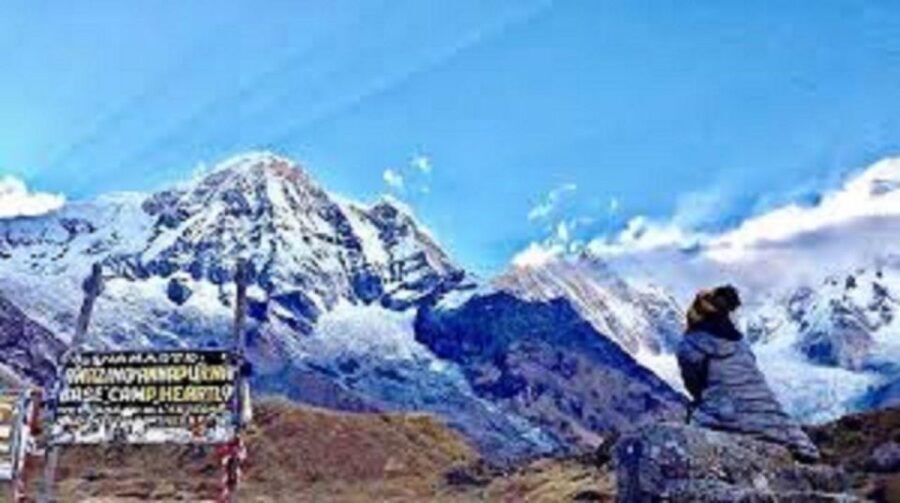
Day 2 is where the trek starts to feel properly “trekking.” You walk from Chomrong toward Deurali (around 2,900m), spending time in dense forest sections that can include rhododendron, oak, and bamboo.
Expect 6–7 hours of walking with steep ascents and descents. That combination is classic Annapurna: short hard efforts, then a breather, then another pull.
What I like about this day is that it’s not just climbing; it’s variety. Forest air, changing light, and village glimpses break up the monotony that some hikes suffer from.
Potential issue: steep sections can be more tiring on your knees than the altitude itself, especially on the descent side of the day. Trek poles help a lot if your operator provides them or if you bring your own.
Day 3: The push to Annapurna Base Camp (4,130m)
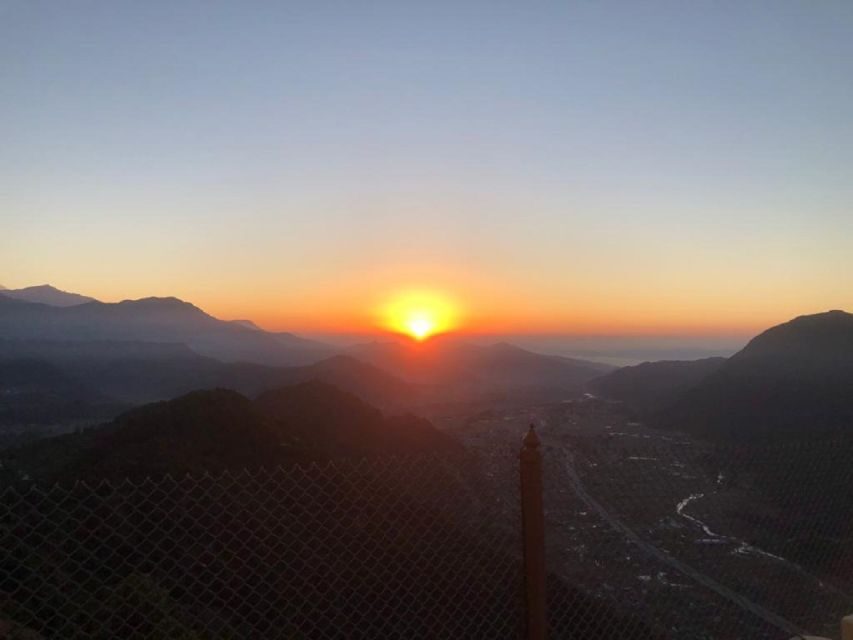
This is the headline day: Deurali to Annapurna Base Camp, with a stop along the way near Machhapuchhre Base Camp. The walking time is about 5–6 hours, and the effort level jumps because of both steep climbs and the altitude.
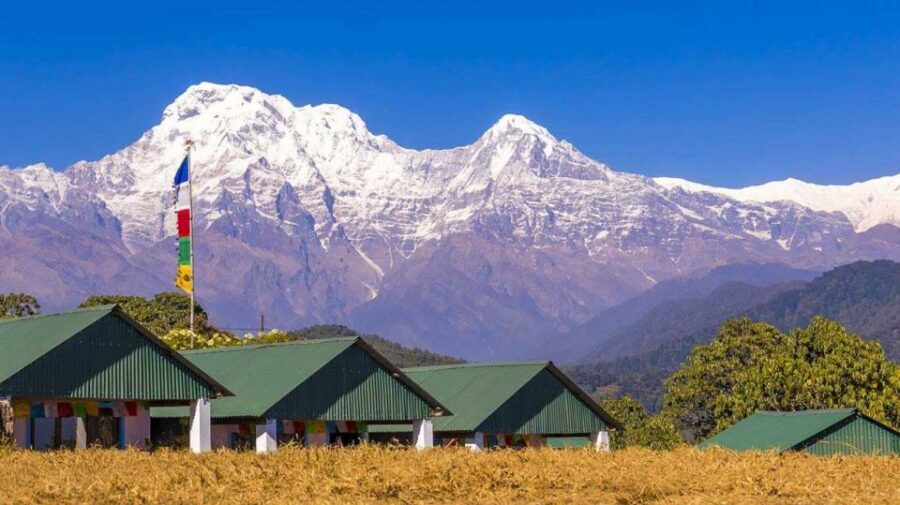
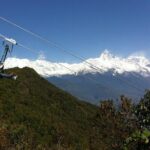
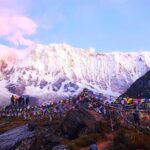
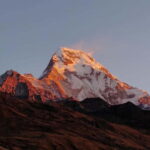
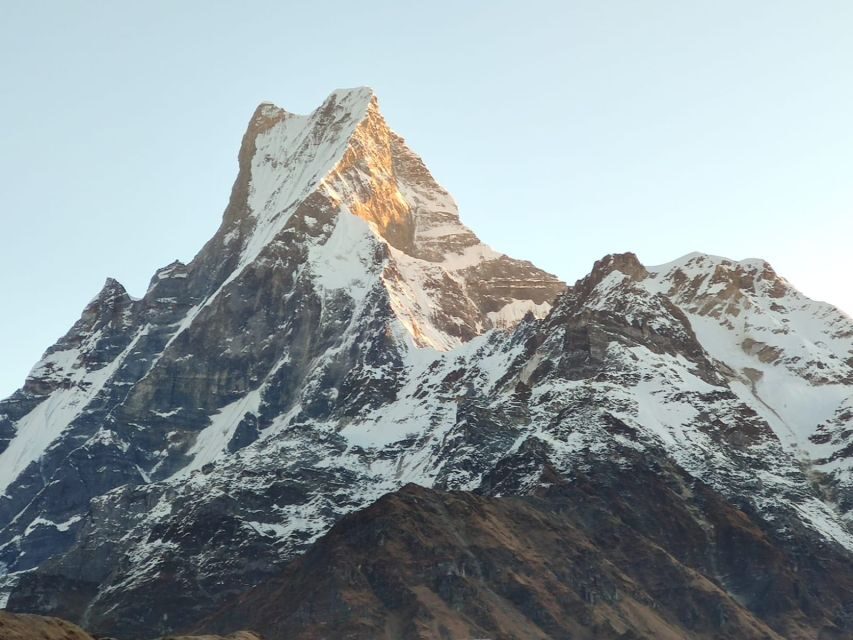
Annapurna Base Camp sits at 4,130m, and that’s the point where you’ll feel the thinner air. The payoff is dramatic: you’re in the Annapurna region’s big-view zone, with sights toward Annapurna South, Annapurna I, Hiunchuli, and Machhapuchhre (Fishtail).
Here’s the practical truth: your summit isn’t a summit in the technical sense, but it’s still a high-altitude achievement. Your goal should be to reach ABC without turning it into a race. If you notice a faster heartbeat, take it as a signal to slow down, breathe, and drink water.
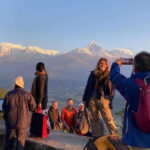
This is also a great day for the “sit and take it in” behavior. The itinerary includes free time at ABC, plus guided time and the chance for sunrise-style views, depending on the day’s schedule and conditions.
Day 4: ABC down to Bamboo (around 2,340m)
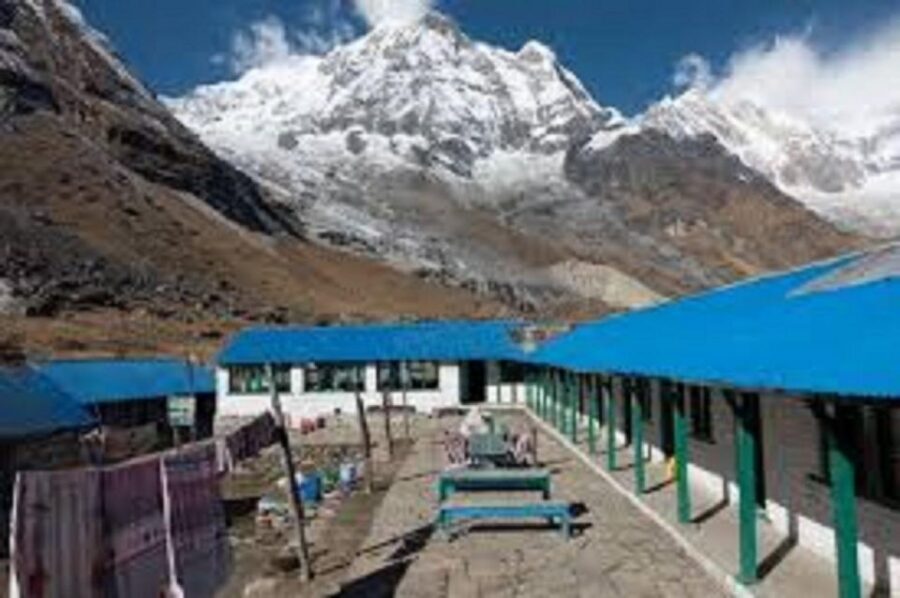
Day 4 is mostly downhill, but don’t let that fool you. Even when you’re going down, your legs still work. Expect around 6–7 hours, with some steep sections back through the same general route you took to get up.
Why Day 4 matters: it’s your recovery day in disguise. You’ll drop from ABC to Bamboo (about 2,340m), giving your body a break on altitude pressure while still working through long trekking time.
What you’ll likely notice: how quickly your pace can change when you’re tired. It’s easy to feel “mechanically strong” but be mentally done. Keep your steps controlled. Going too fast downhill can wreck your knees for the final day.
Other hiking tours in Pokhara
Day 5: Bamboo to Jhinu Danda, then drive back to Pokhara + hot springs
This is the endgame day: Bamboo to Jhinu Danda (about 1,780m) takes roughly 5–6 hours, followed by a drive back to Pokhara of about 2–3 hours.
And yes, the hot springs are part of the plan. Jhinu Danda includes the reason many people choose this exact route: after days of walking, you can soak sore legs in natural hot water. The hot springs entry fee is included, which saves you from last-minute ticket scrambling.
Two practical tips for this final day:
- Don’t treat the hot springs like a magic cure. Hydrate and eat well first.
- Bring a plan for warmth after the soak. Even if the water feels perfect, the mountain air doesn’t.
By the time you arrive back near Pokhara, you’ll feel the trek settle in: the kind of fatigue that makes you sleep fast and wake up with sore but satisfied legs.
Tea houses and nights: what “basic” really means
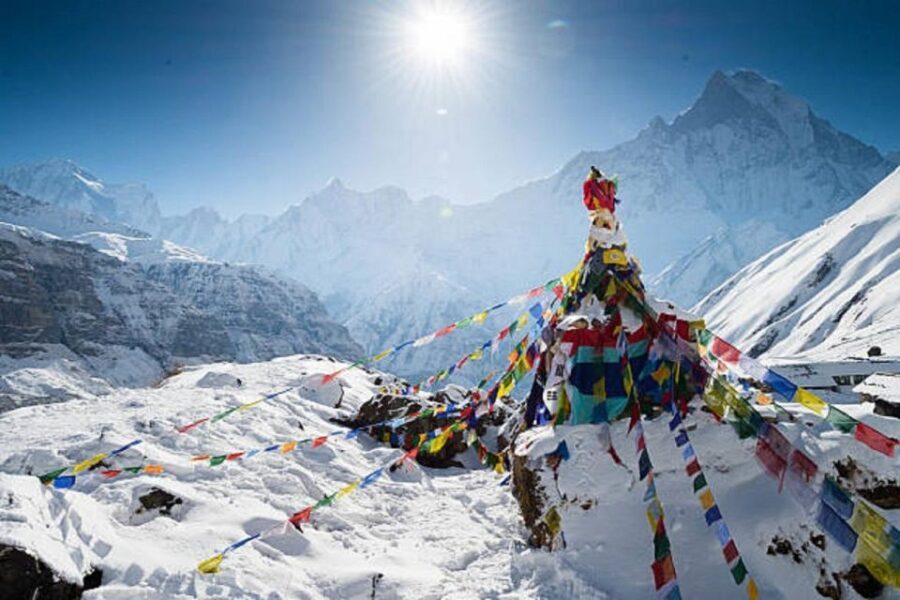
You’ll sleep in basic tea houses or lodges along the way. That’s part of the trek’s charm, but it also shapes what you should pack.
Expect simpler rooms, shared dining spaces, and meals that are convenient for trekkers. Because meals are included depending on the option you choose, confirm what’s covered in your package before you go. Even on included plans, snacks and personal drinks aren’t.
Where this matters most is temperature. At higher altitude, cold can be serious. You’ll want layers you can adjust during the day, plus something warm enough for tea-house nights. The trek’s info flags temperature swings as a real factor, and it shows in how guides prepare trekkers for cold stretches.
Culture on the trail: Gurung, Magar, and Tibetan influences you can actually notice
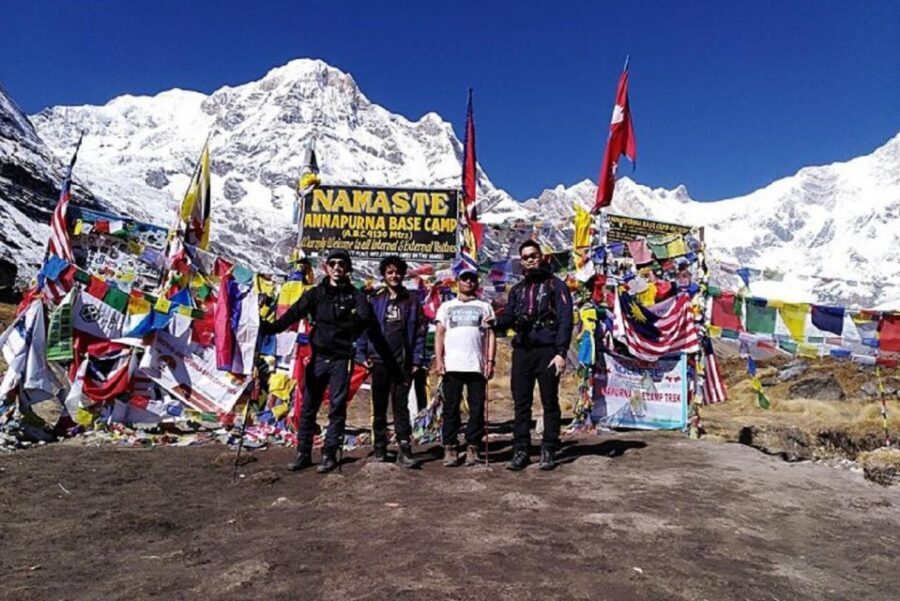
This is not just a mountain hike. You’ll pass through traditional Nepali villages and terraced fields, with an experience shaped by Gurung, Magar, and Tibetan communities.
You’ll see it in the daily rhythm: where people farm, how villages are laid out, and how the trail connects neighbors rather than just tourists. Tea houses also make cultural contact more natural. You’re not only walking past culture; you’re eating and resting in local infrastructure built for trekkers and locals alike.
If you like human-scale travel, this route delivers. If you want a totally silent nature-only trek, you’ll still get views, but you’ll also get conversation, small routines, and local detail.
Guides, safety, and pace: why the human part matters here
This trek is led by an English-speaking government-registered trekking guide, with English/Hindi/Nepali support as needed. That’s not just a comfort feature. On Annapurna routes, it can determine how well you handle altitude days and how efficiently you move through guesthouses and meal plans.
The standout theme from guide praise (including names like Anil, Santosh, Uttam, and Sun Bahadur) is patience. People describe guides who don’t rush and who keep checking in during colder parts and longer stretches.
You should still own your pace. The tour team can guide and encourage, but you’re the one controlling your breathing. Use the guide’s advice on rest when needed. The route info makes it clear the trek can be physically demanding, so treat encouragement as permission to move at a sustainable speed.
Also, emergency rescue services are described as available if required. That’s important for peace of mind, but it’s not a substitute for having the right travel insurance.
Price and value: is $155 really enough for a 5-day ABC trek?
At $155 per person, the main question is what you’re getting for that number. This package includes:
- round-trip transportation between your Pokhara lodging, the trek starting point, and the return drive
- ACAP permit (Annapurna Conservation Area)
- meals during the trek depending on option
- basic tea house/lodge accommodation
- an English-speaking government-registered trekking guide
- hot springs entry fee
- first aid kit
- luggage storage in Pokhara
What’s not included:
- travel insurance (mandatory)
- personal snacks and beverages
- emergency rescue services
- porter (optional, listed as $20 per day)
So yes, it can be good value if meals and accommodation are actually covered in the option you pick. Where value can slip for some people is when they arrive assuming insurance or meals are included and then realize they’re not.
If you’re comparing to other operators, don’t only compare the headline price. Compare what’s included for permits, guide coverage, and hot springs.
What to pack for Annapurna Base Camp (and the cold days you can’t ignore)
You’ll want to pack for changing temperatures across altitude. The trek’s info specifically warns that higher altitudes can be very cold.
Bring:
- comfortable shoes (broken-in matters more than brand)
- hiking shoes
- rain gear
- hat
- change of clothes
- cash
- camera
- passport (or a copy is accepted, with the note that you submit it at least one day before the trek)
- hair tie
- hiking pants
- trekking gear
A small but smart move: pack your “warm layer” where you can grab it without unpacking your whole bag. Cold tends to appear suddenly when you stop moving.
Who this trek suits best (and who should think twice)
This 5-day Annapurna Base Camp trek fits best if:
- you want the famous ABC views without a longer, slow acclimatization plan
- you’re comfortable walking multiple hours per day on steep sections
- you want culture plus mountains, plus a hot springs finale
- you prefer an organized guide and handled logistics from Pokhara
Consider thinking twice if you:
- get uncomfortable with altitude or have health limits that make high elevation risky
- expect a laid-back hike with minimal effort
- dislike cold conditions and long days on uneven trails
For most people, the key is realistic fitness and a steady pace on the higher days.
Should you book this 5-day Annapurna Base Camp with Jhinu hot springs?
If you want a well-organized way to reach Annapurna Base Camp (4,130m) from Pokhara and end with the very practical reward of Jhinu hot springs, this is a strong option. The value is helped by what’s included: permits, guide, meals (depending on option), accommodation, and the soak.
Book it if you’re ready for a moderately challenging trek where cold is part of the deal and pacing is everything. Skip it if you’re not prepared for higher-altitude effort or you don’t plan to get travel insurance before you go.
FAQ
How long is the Annapurna Base Camp trek?
The trek duration is 5 days.
What altitude does Annapurna Base Camp reach on this trek?
Annapurna Base Camp is listed at 4,130m (13,550).
Do I need an Annapurna Conservation Area permit?
Yes. The ACAP permit is included.
What kind of accommodation is provided on the trek?
You’ll stay in basic tea houses or lodges during the trek.
Are meals included?
Meals are included depending on the option you select.
What language will the guide speak?
The tour includes a live tour guide with English, Hindi, and Nepali.
Is travel insurance included in the price?
No. Travel insurance is not included and is mandatory for safety.
Is the Jhinu hot springs visit included?
Yes. The hot springs entry fee is included.
Do I need to submit my passport information before the trek?
Yes. You’ll need to submit a copy of your passport at least one day before the trek to arrange the necessary permits.
Can I hire a porter?
Yes, a porter can be arranged if needed for $20 per day.