REVIEW · POKHARA
Ghorepani – Poon Hill Trek 3N-4D
Book on Viator →Operated by Sisne Rover Trekking · Bookable on Viator
A few hours of effort can pay back big views. This 3N-4D Ghorepani–Poon Hill trek is built around warm teahouse rooms each night (no tents), plus an early push for sunrise over the Annapurna range. I like that the package handles the permits and paperwork (ACAP, TIMS) and keeps things practical with an English-speaking, government-licensed guide. One thing to weigh: Poon Hill is weather-dependent, so visibility is not guaranteed even if you do everything right.
Another win is the pacing options through the days, especially on the notorious step sections—your guide should be able to keep you moving without turning it into a sprint. I also like the “comfort logistics” side: drive from Pokhara to Nayapul and back, plus meals listed across the trek days. The possible drawback is cost versus expectations—one past booking flagged that the itinerary and inclusions didn’t feel as advertised, so it’s smart to confirm what meal counts and transfer details look like for your exact dates.
Key takeaways before you decide
- Teahouse trekking without tents: you sleep in comfortable rooms each night
- Poon Hill at 3,210m for sunrise: steep early climb, huge pay-off when skies cooperate
- All key paperwork included: ACAP and TIMS permits handled for you
- Ground transfers from Pokhara: usually a smoother start and finish
- Guide support shows up on hard climbs: steps can feel endless, but pace can be managed
In This Review
- What You’re Really Buying on the Ghorepani–Poon Hill Trek
- Day 1: Nayapul to Tikhedhunga and Ulleri’s Step Climb
- Day 2: Climbing Into Ghorepani Village and Teahouse Life
- Day 3: The Steep Pre-Dawn Push to Poon Hill (3,210m) for Sunrise
- Day 4: Tadapani Rhododendron Forest Descent and the Return to Pokhara
- Guide Quality and Permits: The Stuff That Makes or Breaks Comfort
- Price and Value: Is $321.34 Fair for This 3N–4D Trek?
- What to Expect From Teahouses (Comfort vs. Real Nepal Basics)
- Fitness Level and Who This Trek Suits Best
- Should You Book This Ghorepani–Poon Hill Trek?
- FAQ
- How long is the Ghorepani–Poon Hill trek in this package?
- Do I need to bring a tent?
- What meals are included?
- Are permits included?
- Will I be picked up and transported from Pokhara?
- Is this trek private or shared?
- What is not included in the price?
What You’re Really Buying on the Ghorepani–Poon Hill Trek
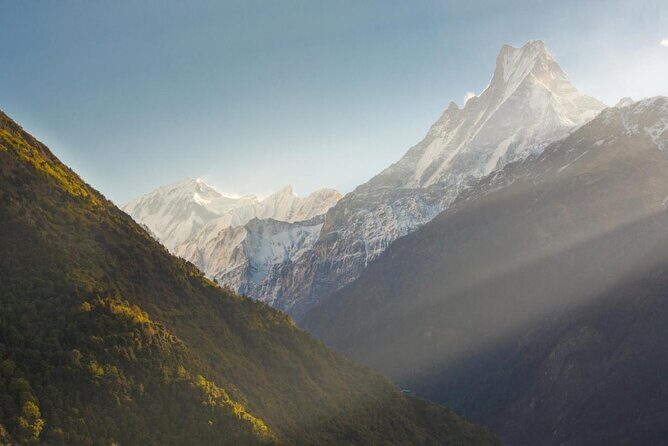
This is the classic Annapurna “starter trek” that doesn’t pretend you’ll stroll the whole way. Yes, it’s short—about 4 days—but it still hits a lot of Nepal mountain travel reality: steep climbs, stone steps, and trails that go from forests to viewpoints fast.
What makes this specific package worth a closer look is how many essentials it bundles together. You get teahouse accommodation for the trek nights, three meals a day (with meal counts spelled out in the package: breakfast 3 times, lunch 4 times, dinner 3 times), and the guide and permits taken care of. You also get a souvenir that’s surprisingly common for Nepal trekking: the included Hike More, Worry Less t-shirt.
For you, that means less time planning and more time actually trekking—especially if this is your first multiday hike. And if you’re traveling as a private group, you’re not sharing the experience with strangers you didn’t choose.
The main thing to understand is that Poon Hill is a sunrise viewpoint, not a fixed guarantee. Weather can steal the skyline. When that happens, the trek can still be meaningful (mist, rain, forest trails, and that early-morning effort), but you should go in with eyes open.
Day 1: Nayapul to Tikhedhunga and Ulleri’s Step Climb
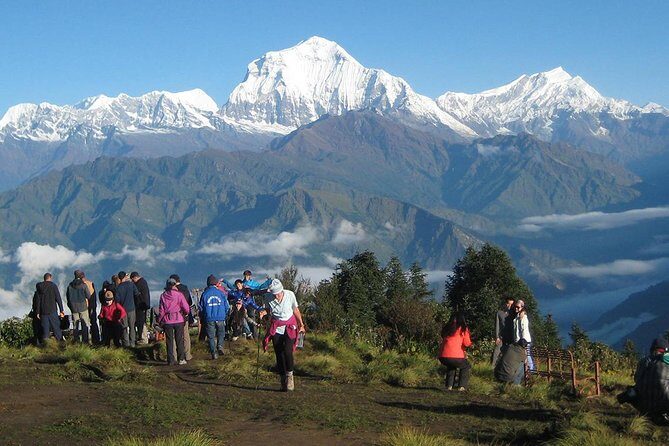
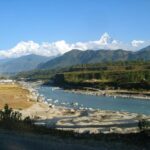
Your day starts with a drive from Pokhara to Nayapul—about an hour—then you begin the trail through sub-tropical valley forests. The early miles are the “warm-up” phase: you’re moving through greener lower terrain and crossing rivers before the big stair segments show up.
One early highlight is the bridge crossing over the Bhurungdi Khola. It’s small, but it’s the kind of moment that makes Nepal trails feel real—your route is shaped by rivers, ridgelines, and practical crossings.
Then comes Tikhedhunga and the route up toward Ulleri. This is where the trek turns into a leg workout. The big draw is the famed stair climb to Ulleri Hill, with some outings reaching 3,500+ steps by the time you’ve finished the day’s main ascent. Even if you’re fit, you’ll feel it—so plan your effort like a climb, not like a race.
Practical advice for Day 1
- Start slow on steps. Your knees will thank you later.
- Keep an eye on hydration. Cold hands and tired lungs tempt you to forget water.
- Expect sun early in the day. Day 1 starts in a way that can feel dusty and exposed before the trail settles.
By the time you reach where you’re sleeping that night, you’ll be ready for the teahouse routine: dinner, a warm room, and a chance to reset for the next ascent.
Other Ghorepani and Poon Hill treks in Pokhara
Day 2: Climbing Into Ghorepani Village and Teahouse Life
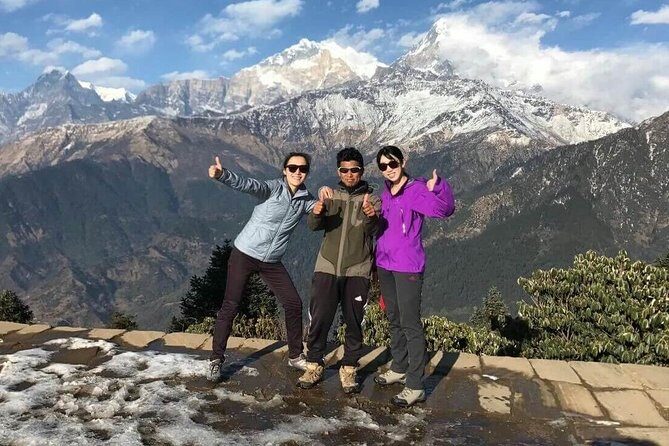
After breakfast, the trek moves uphill toward Ghorepani. This day is less about a single jaw-dropping stunt and more about settling into the rhythm: walk, pause, breathe, repeat.
Ghorepani itself is one of the reasons this trek stays popular. It’s not a silent backcountry hamlet. You’ll find small shops and stalls selling local products and crafts. It also has a split layout—one area in a saddle and another a few hundred feet away—which can make the village feel like it’s built around the terrain rather than the other way around.
For you, this matters. Ghorepani is where you stop being “just a hiker” and start seeing how trekking income works in Nepal: teahouses, supplies, and practical services for people passing through. You get to rest without feeling cut off.
What to watch for
- The village can be busy compared with deeper trail sections. That’s not a problem, just a difference in vibe.
- Your pace and energy will decide how much time you have for wandering around and enjoying the view gaps between clouds or buildings.
- Teahouse rooms are part of the bargain here, but electricity, hot water, and extras (like charging) are usually not something you should assume are included in a base package.
That night, you’re positioned well for the big early morning plan on Day 3.
Day 3: The Steep Pre-Dawn Push to Poon Hill (3,210m) for Sunrise
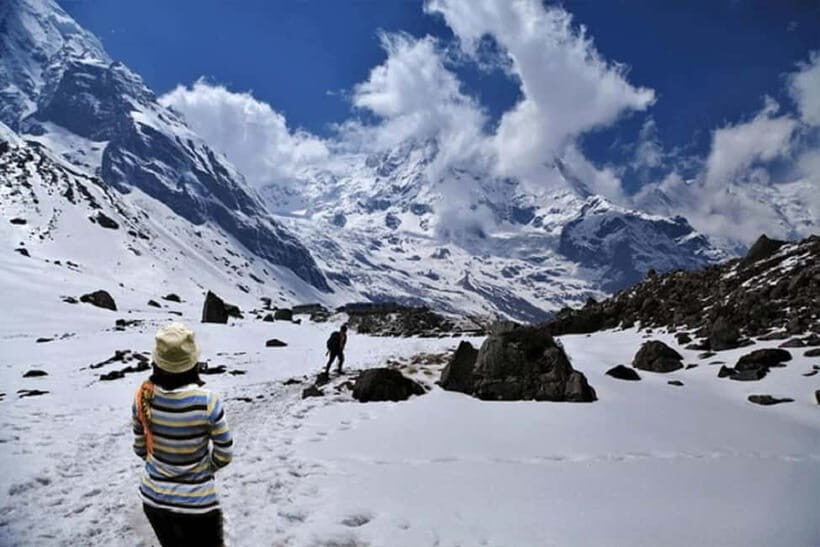
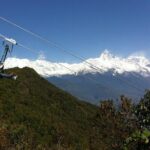
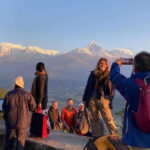
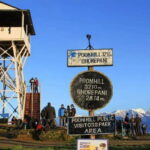
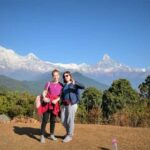
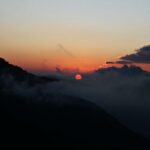
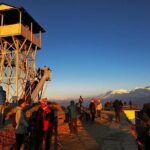
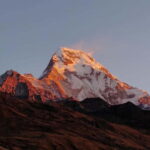
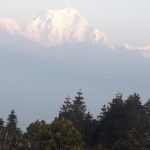
Day 3 is the star. The plan centers on Poon Hill at 3,210m, with an early start to catch sunrise views over the Annapurna Mountain Range. This is why most people do this trek: you’re climbing for that first light hitting the peaks.
The route includes a steep section toward the viewpoint. It’s not just altitude; it’s also the commitment of early hours plus uphill effort. Your guide’s job here is more than narration—it’s pacing, route-finding, and making the group feel steady when you’re cold, tired, and still waiting for the horizon to open.
Some routes from Poon Hill can show views stretching toward Mustang when visibility is clear. But here’s the honest part: clouds and rain can wipe the skyline. One past outing still described the experience as wonderful even when the mountains didn’t show, because the trek itself carries the day—fog, weather texture, and the satisfaction of getting there anyway.
If sunrise is the reason you booked
- Wear layers you can handle in the dark and as the sun rises.
- Bring a way to keep your hands and ears warm.
- Be ready to adjust expectations. Even a gray sunrise is still a mountain moment.
On this day, you typically move from the viewpoint back into the trekking flow, heading toward the next overnight area (commonly Tadapani, since Day 4 starts there).
Day 4: Tadapani Rhododendron Forest Descent and the Return to Pokhara
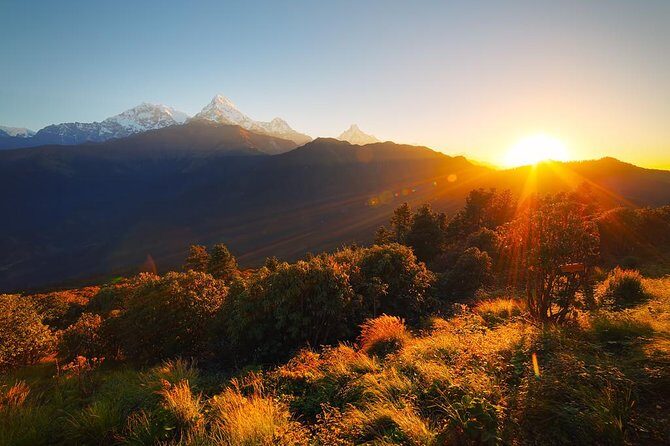
The final day shifts the vibe. Instead of another big ascent, you’re usually working with a steep descent through forest terrain.
This section is known for dense, dark rhododendron forest, often described as old trees and thick trail shade. When rhododendrons are blooming, the forest can change character visually. Even outside peak bloom, the woodland feel is part of the magic of this trek: after sunrise drama, you get a quieter walk through living plant life.
Descending in forests can be easier mentally but harder physically in a different way. Your quads get the work. Keep your footing careful—trail conditions in monsoon or after rain can turn slick.
When you finish the descent down toward the access route, you connect back to the ground transport and return toward Pokhara. The end of a short trek like this can feel almost too smooth after days of effort. Enjoy that: you earned the easy part.
Guide Quality and Permits: The Stuff That Makes or Breaks Comfort
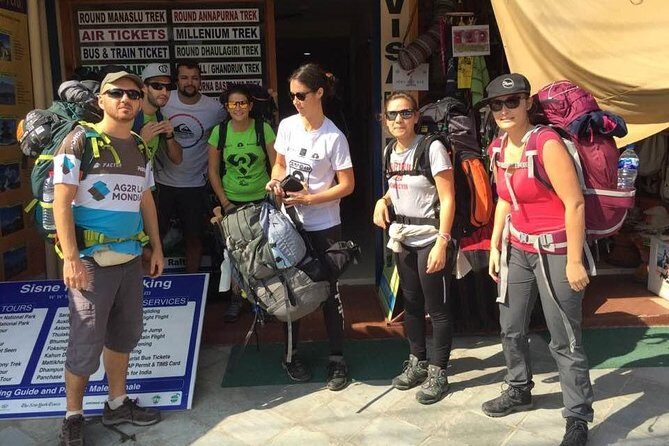
This trek includes an English-speaking, government-licensed trekking guide and handles the paperwork with ACAP and TIMS permits. That’s not a small detail. In Nepal, getting the permits right matters for safety and for avoiding paperwork headaches. It also means your guide can keep your route aligned with the approved trekking corridors.
The guide is also where you’ll feel the real difference on hard terrain. In past experiences with named guides, people described guides as friendly and patient when someone needed to take it slower on the step-heavy Day 1 climb. Another guide, Anil (called Pai), was praised for mixing trekking knowledge with teaching Nepali culture and even sharing phrases—exactly the kind of interaction that turns the trek from physical effort into understanding the place.
If your group includes slower walkers or first-timers, this part becomes extra important. A good guide doesn’t just push the strongest pace; they keep the group together and manage stops in a way that prevents people from overheating, then freezing later.
Also included is a medical kit carried by the guide, plus the staff costs (insurance, equipment, food, accommodation). This is “invisible” value. You don’t notice it until something goes wrong or until you realize you’re not doing extra admin work yourself.
Other hiking tours in Pokhara
Price and Value: Is $321.34 Fair for This 3N–4D Trek?
At $321.34 per person, this is not the cheapest way to do Poon Hill. But it’s also not trying to be a bare-bones self-guided DIY trek. Here’s what you’re paying for, based on what’s included:
Included value drivers:
- Private trek for your group
- Guide (English-speaking, government-licensed)
- Teahouse accommodation (3 nights)
- All key meals across the trek days (breakfast 3, lunch 4, dinner 3)
- Permits: ACAP and TIMS
- Ground transfers from Pokhara to Nayapul and back (plus transportation coverage)
- Medical kit on the trail
- Certificate of trekking completion
- T-shirt souvenir
Not included (items that can add cost):
- Nepalese visa fee
- Travel and rescue insurance
- Tips for guide/porter/driver
- Personal expenses like laundry, charging, showers, extra water, and anything bar-related
So is it good value? It tends to be, if you want someone else to manage permits, meal rhythm, and logistics. If you’re comfortable doing the admin yourself and planning your own teahouse nights, self-arranged options might be cheaper. But for many first-time trekkers, paying for the structure is worth it—especially when the trail includes steep steps and early starts.
One caution from the overall pattern: the experience has had at least one lower rating tied to feeling overpriced and that inclusions or the day-by-day flow didn’t match what was expected. My advice is simple: before you go, double-check what your date includes for transfers and meal counts, and confirm what type of teahouse room standard you should expect.
What to Expect From Teahouses (Comfort vs. Real Nepal Basics)
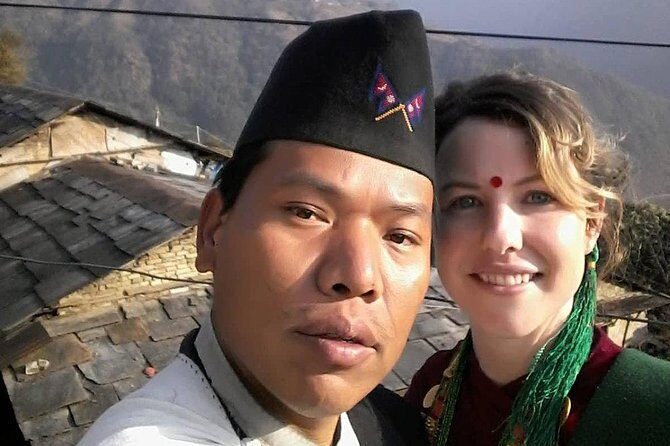
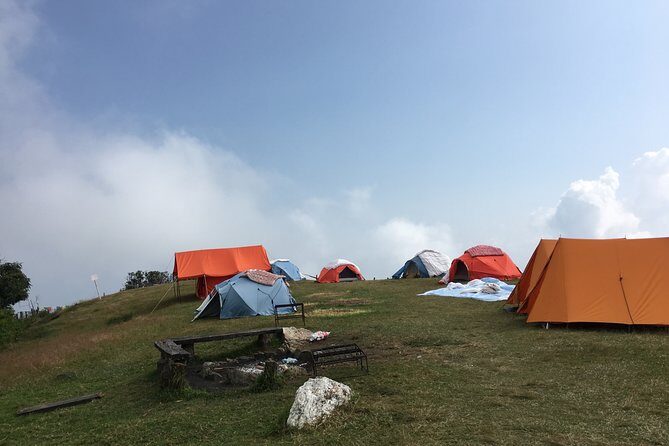
Teahouses are the backbone of this trek. You’re told there are no tents needed, and that you’ll sleep in comfortable teahouse rooms each night. That’s the headline.
In practice, teahouse comfort usually comes down to two things:
1) a private or basic room setup with a bed and blanket,
2) meals that keep you fueled for the next climb.
Because your package includes meals, you’re not scrambling at each stop for food options. That reduces stress when you’re tired.
Still, personal add-ons (like charging or shower expectations) aren’t automatically included, and those costs can vary. If you’re used to carrying fewer items, you’ll appreciate the simple schedule: breakfast, then walking, then lunch, then dinner back in the rhythm.
Fitness Level and Who This Trek Suits Best
This is listed for moderate physical fitness. That’s accurate for most people who can handle a few steep sections and won’t collapse after steps.
You should be especially comfortable with:
- repeated stair climbing (Ulleri segment is the big one),
- an early morning ascent for sunrise,
- a steep descent through forest terrain on Day 4.
This trek is a great fit if:
- you want a short Annapurna trek without tents,
- you prefer guided logistics and permits handled,
- you want the Poon Hill sunrise experience even if weather might be tricky.
It might be less ideal if:
- your ankles or knees struggle with steep steps and descents,
- you need fully predictable sunrise conditions (those peaks sometimes hide in cloud).
Should You Book This Ghorepani–Poon Hill Trek?
I’d book it if you want a structured, teahouse-based trek with a real guide, permits handled, and a practical schedule that doesn’t leave you guessing. The strongest reasons are the teahouse convenience, the Poon Hill sunrise focus, and the fact that the package covers the administrative side that can trip up first-timers.
I’d think twice or at least verify details if you’re cost-sensitive and expect everything to match a very specific itinerary description down to the tiniest inclusion. One booking highlighted a mismatch around advertised elements, so do your homework before paying.
Finally, decide with a weather-minded mindset. If you go chasing clear skies only, you’ll be disappointed when clouds roll in. If you go chasing the effort, the early-morning atmosphere, and the day-by-day change from steps to villages to rhododendron forest, you’re much more likely to feel satisfied.
FAQ
How long is the Ghorepani–Poon Hill trek in this package?
It runs for about 4 days (3 nights), following a multi-day route through Pokhara, Nayapul, Tikhedhunga/Ulleri, Ghorepani, Poon Hill, and onward toward the forest descent back to the finish.
Do I need to bring a tent?
No. This trek is set up as a teahouse trek, so you don’t need tents. You stay in teahouse rooms each night.
What meals are included?
The package includes breakfast (3 times), lunch (4 times), and dinner (3 times) during the trek days.
Are permits included?
Yes. The trek includes necessary paperwork and permits, specifically ACAP and TIMS.
Will I be picked up and transported from Pokhara?
Yes. Transportations are included, and the trek starts in Pokhara with a drive to Nayapul (about an hour) and returns you back to your Pokhara hotel or guesthouse area.
Is this trek private or shared?
It’s listed as a private tour/activity, meaning only your group participates.
What is not included in the price?
Not included are the Nepalese visa fee, travel and rescue insurance, tips for guide/porter/driver, and personal expenses (like laundry, charging, bottle/boiled water, shower items, and bar bills).