REVIEW · POKHARA
Pokhara: 2-Day Ghorephani and Poon Hill Private Trek
Book on GetYourGuide →Operated by Travel Guides · Bookable on GetYourGuide
Two days is enough for a real mountain wow. This quick Poon Hill private trek from Pokhara delivers two things I like a lot: the sunrise over the Annapurna and Dhaulagiri ranges, and a route that feels friendly even when it’s steep. One thing to consider up front: you’ll spend a chunk of the day riding bumpy roads and walking lots of steps.
You start with a drive out of Pokhara to the Annapurna foothills, then you trade wheels for forest trails, rhododendron shade, and Gurung/Magar village life. On the second morning, you’re up early and moving fast enough to catch that early light, then you’re back down before your legs complain too much.
The trade-off with the short format is that it packs in big effort for two days. If you’re hoping for an easy stroll with no climbing, this won’t match your expectations. But if you can handle stairs and an early wake-up, it’s a smart way to taste Nepal’s trekking world without committing to a longer trek.
In This Review
- Key things to know before you go
- Getting out of Pokhara: the drive sets the tone
- Day 1 to Ghorepani: Ulleri climb, rhododendron shade, and ridge-town reality
- Ghorepani overnight: cozy lodge life, mostly practical comfort
- Poon Hill sunrise: the fast hike that earns the postcard
- From viewpoints to villages: breakfast, descent, and step fatigue
- Price and value: does $104 make sense for this 2-day private trek?
- Guides, pacing, and the real meaning of private
- Fitness, altitude, and who should skip this trek
- What to bring (and what to plan for on the trail)
- Should you book this 2-day Poon Hill private trek?
- FAQ
- How long is the Pokhara 2-day Ghorephani and Poon Hill private trek?
- What’s included in the $104 per person?
- Do I need permits for this trek?
- What food is included, and what should I budget for?
- What language is the guide?
- What should I bring for the trek?
Key things to know before you go
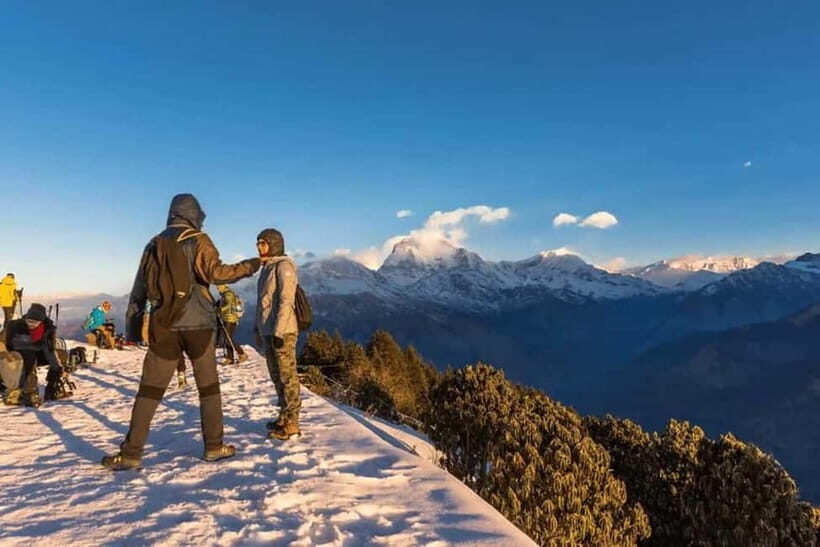
- Sunrise is the main event: you’re hiking up early on day two to catch the best views.
- Rhododendron forest and village stops: shade, stone steps, and local culture along the way.
- Private trek, real flexibility: guides like Rajesh, Sagar, and Shiva often adjust pacing when conditions shift.
- Transport can be rough: expect long rides and at least some bumpy segments on the road.
- Teahouse comfort is basic: you’ll likely sleep well, but don’t expect hotel-style heating.
- Route changes can happen: landslides have delayed vehicles, which can add extra trekking.
Getting out of Pokhara: the drive sets the tone
This is a 2-day trek, but it begins long before your boots hit dirt. Your guide meets you at your Pokhara lakeside hotel (a quick lobby wait is the norm), then you head toward the trailhead via Nayapul and surrounding villages. The total transfer time can feel like a full travel day because you’re not just doing a short hop outside the city.
On the bright side, that long ride helps you save time compared to longer trekking itineraries. You’re getting a fast “sample pack” of the Annapurna foothills without spending days settling into trekking rhythm.
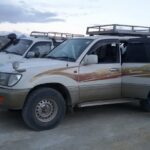
On the realistic side, roads up toward Ulleri and the trail access points can be noticeably rough. One traveler described the last part as incredibly bumpy and another pointed out the bus ride taking around 5 to 6 hours from Pokhara to the start area. If you’re the type who gets annoyed by shaky seats, bring a little patience. Also, pack snacks and water for the ride, since you’re moving for hours before the first proper climb.
Other Ghorepani and Poon Hill treks in Pokhara
Day 1 to Ghorepani: Ulleri climb, rhododendron shade, and ridge-town reality
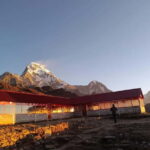
Day one is where you start earning that sunrise. You drive up to Ulleri (about 1,960 m) and then begin hiking toward Ghorepani (about 2,880 m). Expect roughly 4 to 5 hours of walking after your transfer, plus the drive time from Pokhara.
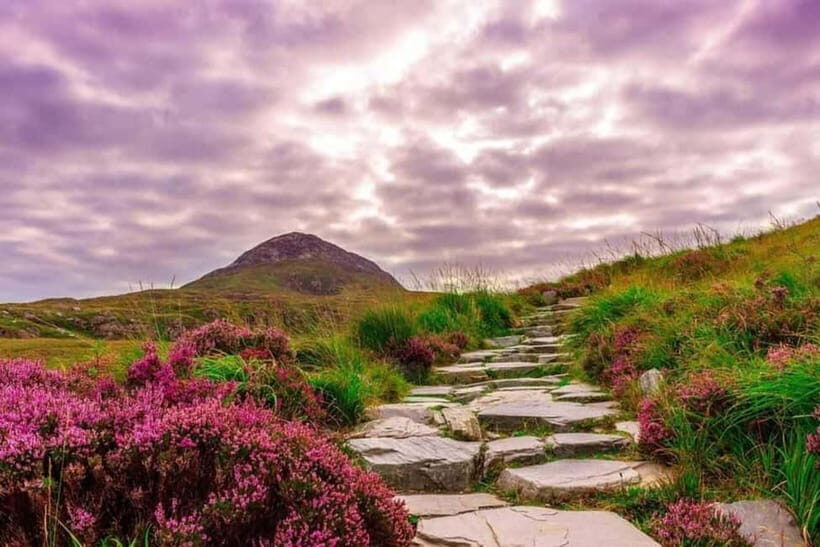
What I like about this day is how varied it feels. You begin near villages and then the trail transitions into forest cover: rhododendron mixed with magnolia, oaks, pines, and fir trees. That matters. Forest shade makes the uphill feel less brutal, and you get a break from constant open-sky exposure.
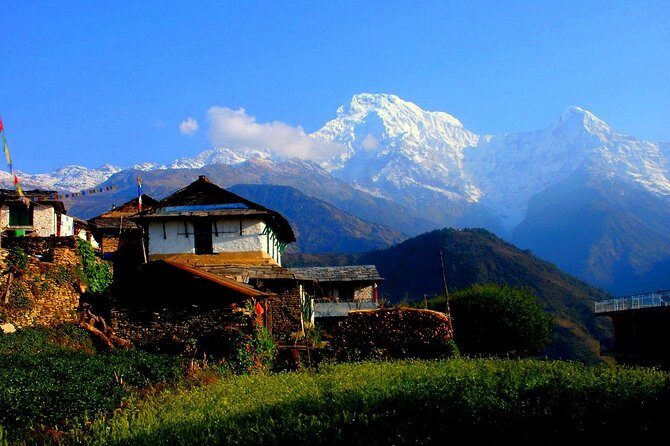
You’ll also pass through local communities. The route description includes Gurung and Magar villages such as Tadapani and Ghandruk, and you’ll likely encounter the terraced fields and everyday rhythm that make the Annapurna region feel lived-in rather than staged. These aren’t museum stops. It’s just real village life, the kind you remember because it stays ordinary while the mountains get dramatic.
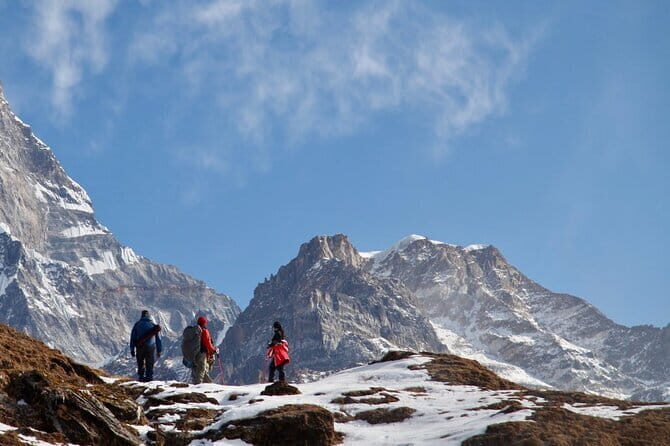
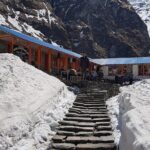
One thing to plan for: the trail is full of steps. Multiple people mention it directly. It’s not a technical climb, but it’s very “ankle and calf” work. If you show up with decent fitness, you’ll be fine. If you’re coming off zero walking recently, take it slowly. The guide pacing you can make the difference between arriving tired and arriving wrecked.
Ghorepani overnight: cozy lodge life, mostly practical comfort
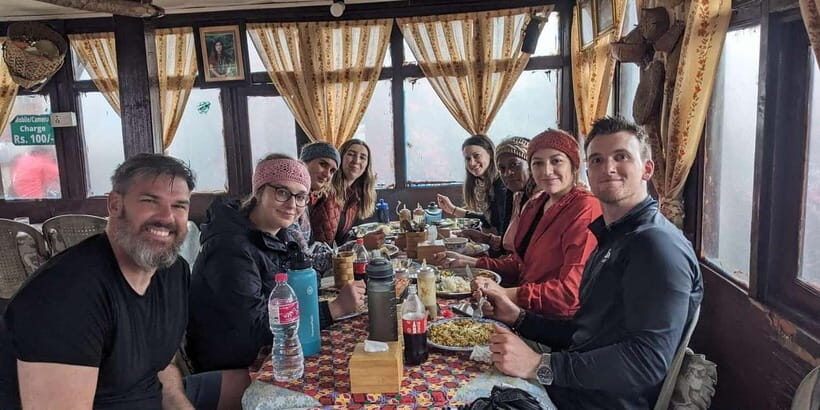
At the end of day one, you reach Ghorepani for the overnight stay. The experience is described as a good lodge (with attached bathroom mentioned in the plan), and guides handle food and lodging for themselves. That takes pressure off you.
Comfort here is mostly practical rather than fancy. One review noted that rooms weren’t heated and that warm showers can be for pay in some lodge setups. Another traveler mentioned electric blankets, which is the kind of detail that makes winter-minded hikers breathe easier. Translation for you: bring warm layers no matter what you think the forecast says.
The good news is that Ghorepani is a trekking base, so you’re not stuck. You can typically grab tea and food at the teahouses along the trek, but only breakfast is included. Everything else is available for purchase.
If you’re sensitive to cold mornings, this is where your sleep quality matters. Don’t go out late chasing views. Get into your warm clothes, charge your camera, and try to rest. You’ll need energy for the short but intense push to Poon Hill.
Poon Hill sunrise: the fast hike that earns the postcard
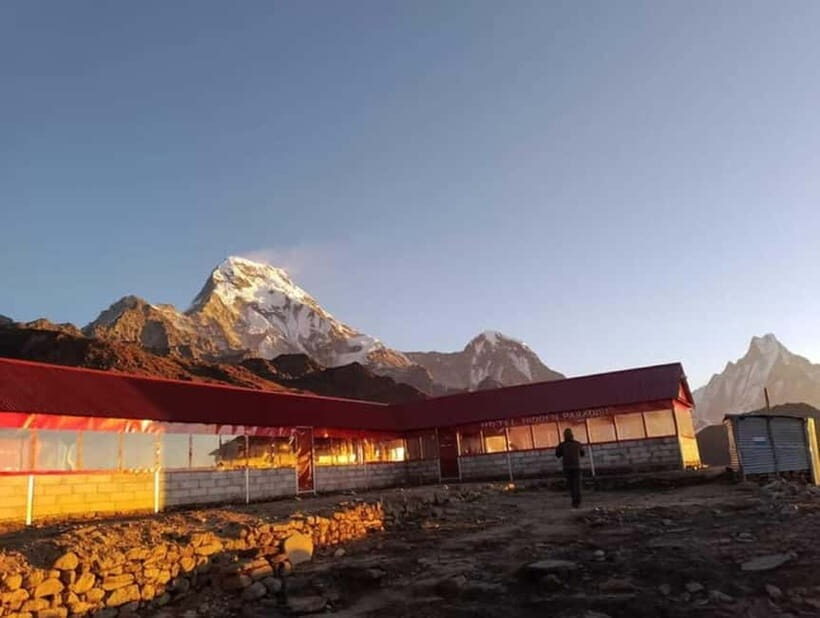
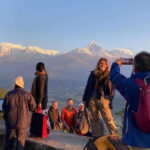
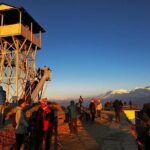
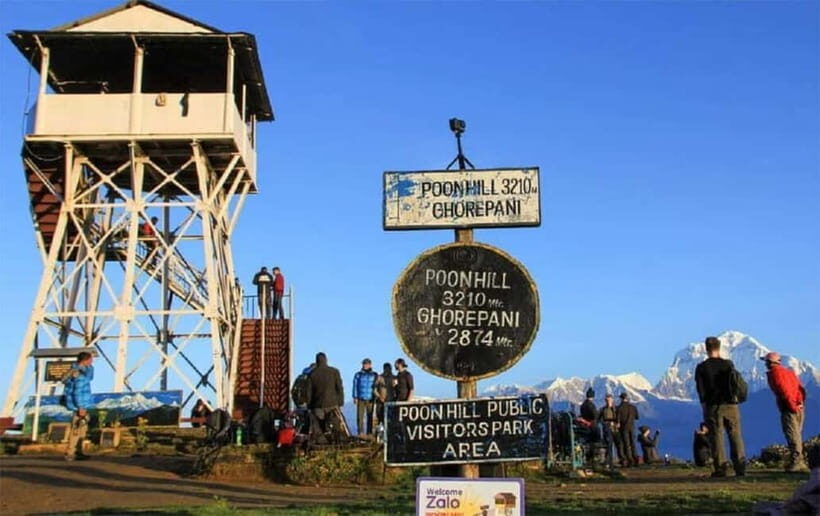
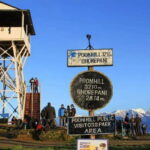
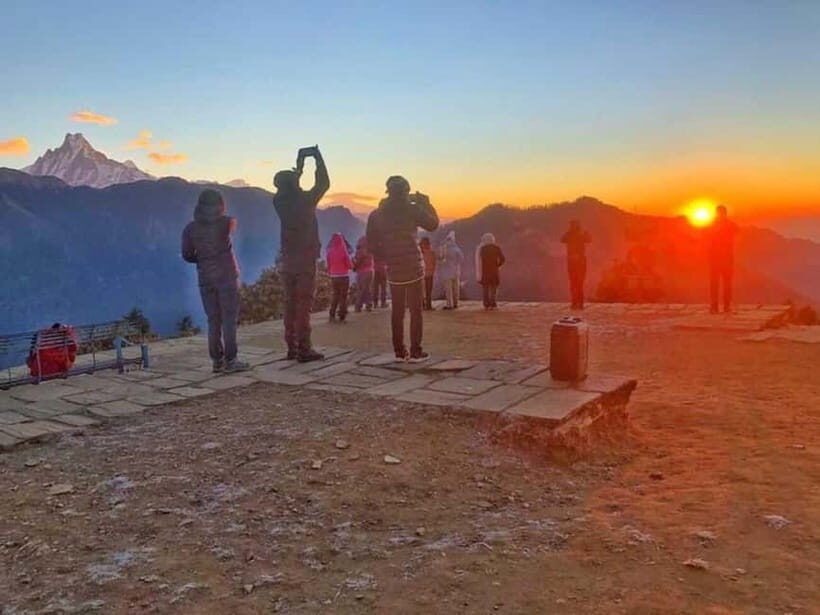
Day two is about timing, not distance. You wake early and hike to Poon Hill (about 3,210 m). The plan describes an around one-hour hike to the viewpoint from Ghorepani, then you settle in for sunrise.
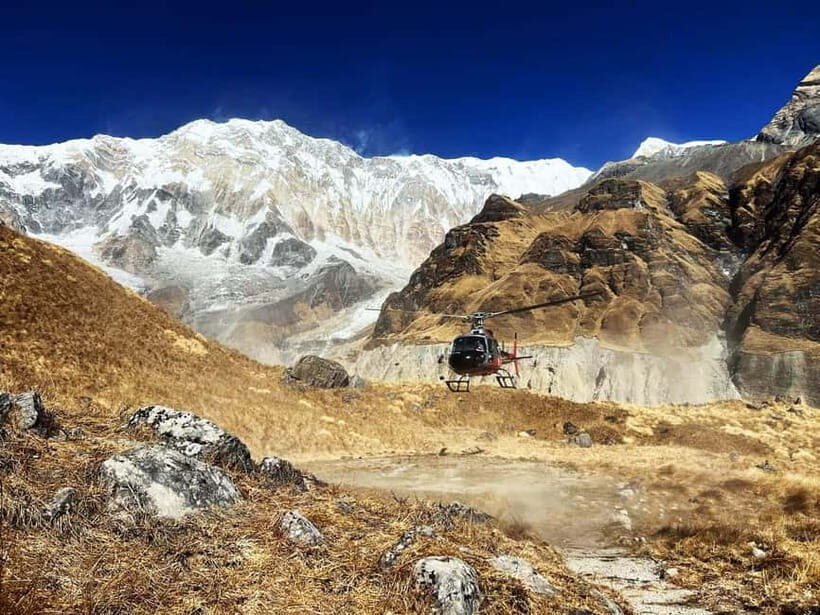
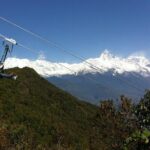
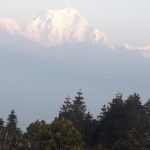
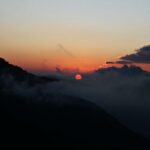
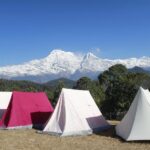
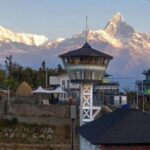
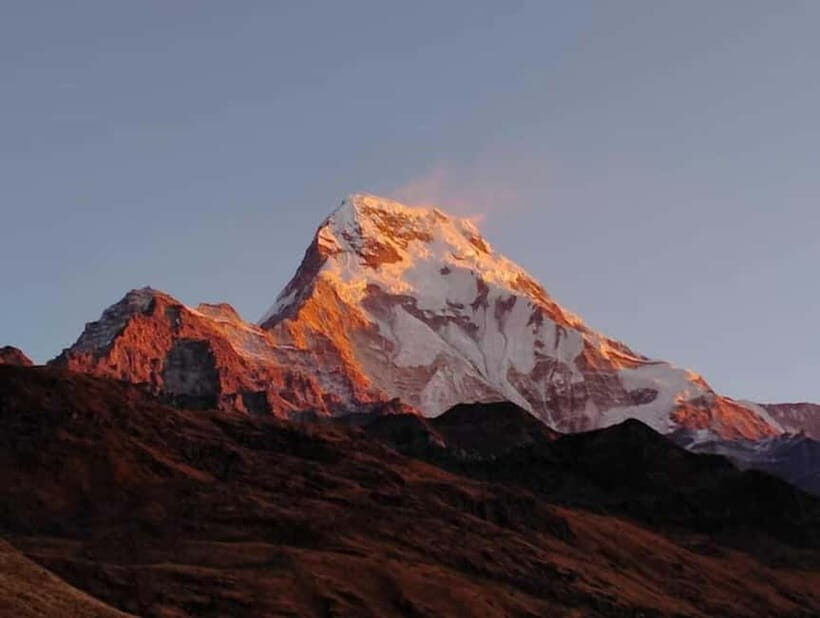
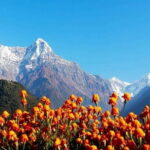
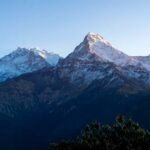
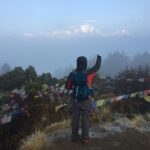
This is why the trek exists. From Poon Hill, you look out over a chain of peaks: Dhaulagiri, Annapurna, and other surrounding ranges including Machhapuchare (the famous Fish Tail), plus the Lamjung and Manaslu area. The early light changes quickly, so you want to be there before the show starts.
What I like is that the sunrise setup is intense but manageable. People who call this trek beginner-friendly still describe it as challenging in the moment. It’s a short push with steady stairs and a cold start. But if you have a reasonable fitness base, the payoff can feel unreal.
Guides matter here. More than one traveler highlighted guides like Sagar, Rajesh, Shiva, and Roshan for being patient, encouraging, and willing to go slow. That’s important because the hardest part for many first-timers is not the altitude math, it’s the mental rhythm. When your guide keeps the pace steady and makes lots of short breaks feel normal, you arrive at the viewpoint feeling human instead of cooked.
Weather is the final judge. A foggy or rainy morning can blur the views. One traveler also warned that clear views are more likely in the non-rainy season. You can’t control the sky, but you can control your preparation: bring a warm hat, gloves if you run cold, and expect that the mountain air can be sharp.
From viewpoints to villages: breakfast, descent, and step fatigue
After sunrise, you descend back toward Ghorepani and have breakfast. Then you continue downhill through forested areas and past villages such as Bhanthati on the way to Ulleri (the plan mentions Ulleri again as the turnaround point for the transfer home).
This is where most people feel the “short trek” catch. Descents can be easier mentally, but they can be rough on knees and feet after a steep first day and an early second day. Hiking poles help (and trekking poles are included in the plan), especially if you lengthen your stride too much on the way down.
The trail is also full of places to stop for tea, water, and snacks. Since food and drinks beyond breakfast are not included, you’ll want small cash-ready breaks so you’re not stuck when energy dips. If you tend to get hungry quickly, carry snacks from Pokhara and keep a bottle of water topped up.
By the time you reach Ulleri, you’re done hiking for the trip. Then it’s back on a shared jeep or bus toward Pokhara. Several reviews mention that the ride home still takes hours, and you’ll probably feel it in your body even if your mind is floating on sunrise memories.
Other private tours in Pokhara
Price and value: does $104 make sense for this 2-day private trek?
At $104 per person, this trek can be good value if your priorities match what’s included. Your price covers a long list of real costs: hotel pick-up/drop-off in the lakeside area, an English-speaking licensed trekking guide, trekking permit and official documents, round-trip transfer by shared jeep or bus, and the overnight accommodation in the Ghorepani lodge. You also get guide food and expenses covered, plus a basic emergency first-aid kit with the guide and a trekking pole.
Breakfast is included, which helps on day two when you’re moving early.
Where costs can creep in: food and drinks aside from breakfast. The plan makes it clear that you’ll purchase meals and drinks along the way. Also, personal expenses are not included, and ATMs can be scarce. So if you’re budget-minded, carry Nepalese rupees before you leave Pokhara, and plan to spend a little on snacks, tea, and extra meals.
One more “value” point: this is a private tour. A private guide often improves the experience for short treks because you can slow down for steep bits, take extra breaks, and handle route adjustments without worrying about group pace.
Guides, pacing, and the real meaning of private
The best part of this trek is how adjustable it becomes with a good guide. In the stories shared, guides like Rajesh and Sagar are repeatedly praised for patience and pacing. When someone is new to trekking, their job is not just pointing uphill. It’s managing effort so you can keep going.
Private means the guide can:
- go slow without feeling like you’re holding anyone back
- give context while you walk (plants, culture, local details)
- adapt when paths change due to trail conditions
One scenario that shows up is transport trouble from a landslide. In at least one case, the bus couldn’t reach as far as planned, and the group did extra trekking to get to Ghorepani before dark. You can’t prevent that kind of change, but you can benefit from a guide who adjusts timing and pacing. That’s the practical advantage of having someone who’s on the ground and planning around what locals report.
Fitness, altitude, and who should skip this trek
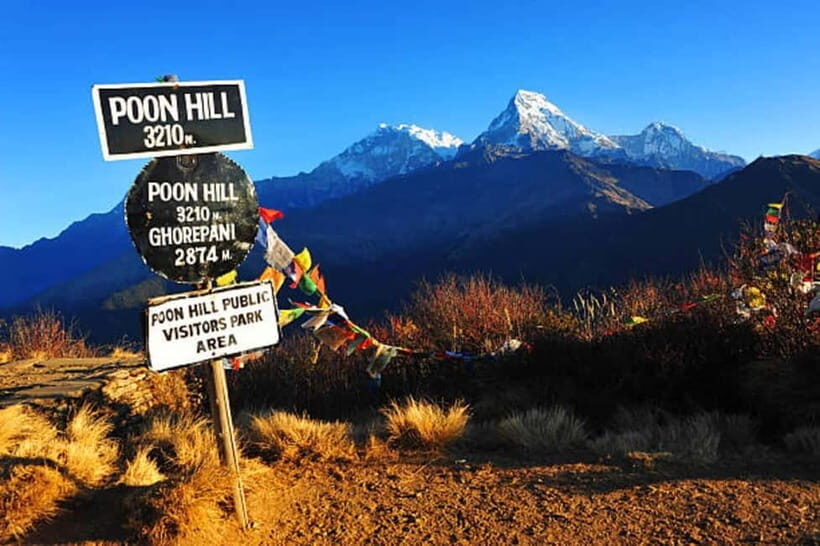
This is short, but not weightless. You’re hiking up to about 3,210 m at Poon Hill and spending multiple hours walking each day. That’s enough altitude to take acclimatization seriously. The plan explicitly urges acclimatizing properly to avoid altitude sickness.
From a suitability standpoint, the experience isn’t recommended for:
- children under 8
- pregnant women
- people with back problems
- people with heart problems
If you’re generally healthy but not currently walking a lot, you can still do it, as long as you pace yourself and accept that steps and early mornings are part of the deal. For first-timers, choosing a guide who will patiently manage your speed is the smartest “training plan” you can make in advance.
What to bring (and what to plan for on the trail)
Here’s what you should bring based on the plan, plus what the trek format demands:
- Comfortable shoes with good grip (you’ll be on stairs and uneven paths)
- Warm clothing (cold mornings at elevation are common)
- A camera (sunrise deserves it)
- Snacks and water (breaks happen, and energy matters)
- Nepalese rupees for tea, extra meals, and personal items
Also plan for limited heating at lodges. Since rooms may not be heated, pack something warm enough for sleeping and a layer for dawn.
One more practical tip: carry your trash responsibly. The trek runs through forests and village areas with teahouses, and littering ruins the experience for everyone. Use bins where they exist and take what you can’t drop.
Should you book this 2-day Poon Hill private trek?
Book it if you want a short trek with a big view payoff and you’re okay with stairs and an early start. It’s a smart option if you’d rather spend your time in Pokhara, but still want an authentic taste of the Annapurna region on your own schedule.
Skip it if you hate bumpy long rides, you can’t handle repeated uphill and downhill steps, or you fall into the health or mobility restrictions listed by the tour (especially back or heart conditions). And if you’re extremely weather-dependent on perfect visibility, understand that sunrise depends on the sky.
If your goal is sunrise over the Himalayas in two days, with a guide who can slow down and adapt, this is one of the most efficient ways to get there from Pokhara.
FAQ
How long is the Pokhara 2-day Ghorephani and Poon Hill private trek?
The experience runs for 2 days, with a drive out from Pokhara on day one and a morning hike to Poon Hill on day two.
What’s included in the $104 per person?
Your price includes hotel pick-up and drop-off within the Pokhara lakeside area, an English-speaking licensed trekking guide, trekking permits and official documents, round-trip transfer by shared jeep or bus, accommodation for the overnight in Ghorepani, guide food and expenses, an emergency first-aid kit, a private tour setup, a trekking pole, and breakfast.
Do I need permits for this trek?
Yes. The trekking permit and all official documents are included.
What food is included, and what should I budget for?
Breakfast is included, while food and drinks during the trek are available to purchase.
What language is the guide?
The live tour guide is listed as Japanese and English.
What should I bring for the trek?
Bring comfortable shoes, warm clothing, a camera, snacks, and water. Also be ready for an early morning start and limited ATM access for personal expenses.