REVIEW · POKHARA
Kathmandu: 10-Day Annapurna Circuit Trek via Thorong La Pass
Book on GetYourGuide →Operated by MTA Trekking Pvt. Ltd. · Bookable on GetYourGuide
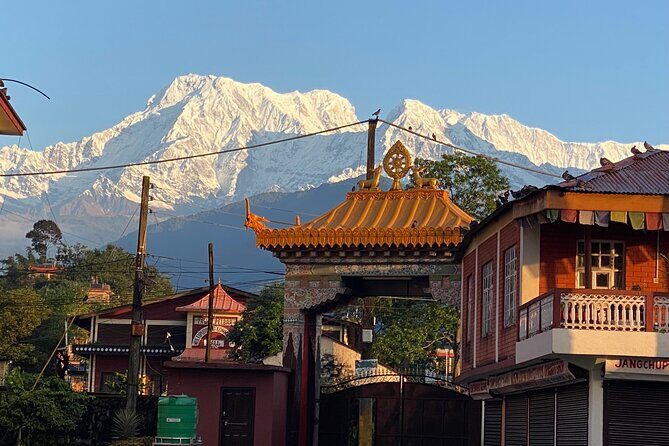
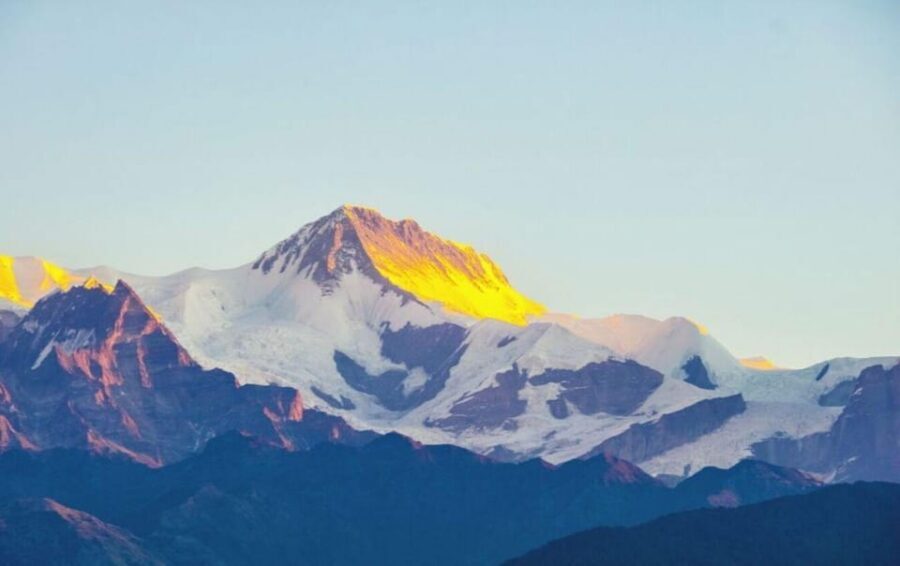
Thorong La turns your legs into altitude training. This 10-day Annapurna Circuit trek is built around the big crossing of Thorong La (5,416m) and the changing scenery between lush valleys, Tibetan-style villages, and high-altitude terrain. You’ll also get wide views of Annapurna, Dhaulagiri, and Machapuchare as the route climbs higher and the air gets thinner.
What I really like is the way the itinerary supports you, not just the way the mountains look. The plan includes a serious acclimatization day in Manang, plus shorter “work up the altitude” days before the pass, and the guide team is consistently praised for staying focused on safe pacing, hydration, and meals. One possible drawback: this is still a high-altitude trek with real AMS risk, and the operator lists clear limits (like respiratory issues, pregnancy, age over 70) for a reason.
In This Review
- Key Things That Make This Trek Worth Your Money
- The Big Picture: Why the Annapurna Circuit Still Works
- Day-by-Day: What You’ll Actually Do on the Trek
- Day 1: Kathmandu to Besisahar, then Dharapani
- Day 2: Dharapani to Chame (up to about 2,670m)
- Day 3: Chame to Upper Pisang (up to about 3,200m)
- Day 4: Upper Pisang to Manang (up to about 3,540m)
- Day 5: Acclimatization in Manang (up to about 4,050m)
- Day 6: Manang to Yak Kharka (up to about 4,050m)
- Day 7: Yak Kharka to Thorong Phedi (up to about 4,450m)
- Day 8: Thorong Phedi to Muktinath via Thorong La Pass (up to 5,416m)
- Day 9: Muktinath to Jomsom via Kagbeni (7–8 hours)
- Day 10: Jomsom to Pokhara by public bus (about 8 hours)
- Guides, Food, and the Tiny Details That Make a Difference
- Permits, Planning, and What’s Actually Included
- Altitude Safety: What to Respect Before You Go
- What You Should Pack (So You’re Comfortable, Not Miserable)
- Should You Book This 10-Day Annapurna Circuit Trek?
- FAQ
- What is the highest point on this Annapurna Circuit trek?
- How long is the trek, and what does the route include?
- How do I get to the trekking starting area from Kathmandu?
- What’s included in the price?
- What is not included?
- Do I need any specific permits or cards?
- What kind of guide support should I expect?
- Are there health or age restrictions?
- What should I bring for the trek?
Key Things That Make This Trek Worth Your Money
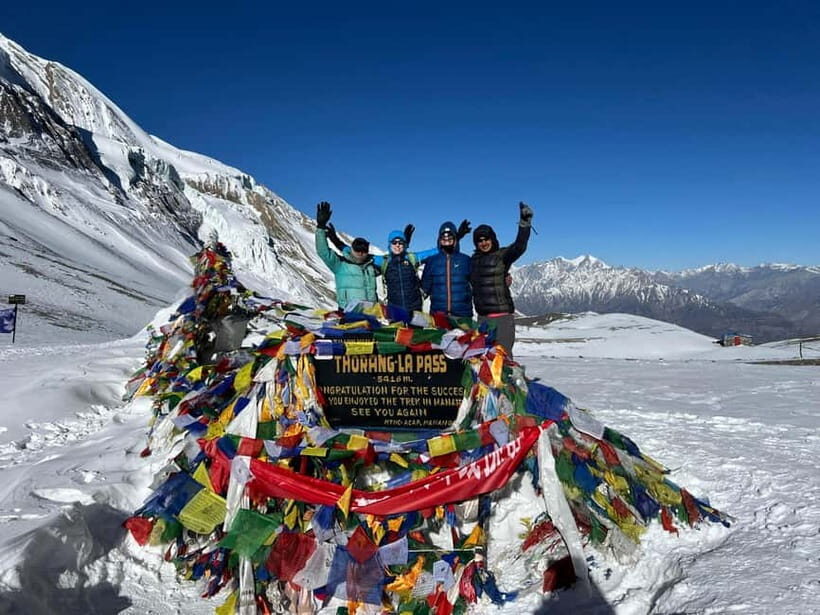
- Thorong La crossing at 5,416m: the main event, with an 7–8 hour long day that rewards an early, careful start.
- Manang acclimatization that actually matters: you’re not just “passing through” at high elevation.
- Guide support people highlight again and again: names like Ganesh, Prakash, Chakra, and Ghanshyam come up for pacing and safety habits.
- Village-to-village trekking: Chame, Upper Pisang, Manang, Kagbeni, and Muktinath give you culture alongside the climbs.
- All meals included during the trek: tea-house food is part of the plan, not an extra expense you have to manage daily.
- Tea houses and lodges during the trek: you’ll trade luxury for warmth, simplicity, and a smooth flow through the route.
The Big Picture: Why the Annapurna Circuit Still Works
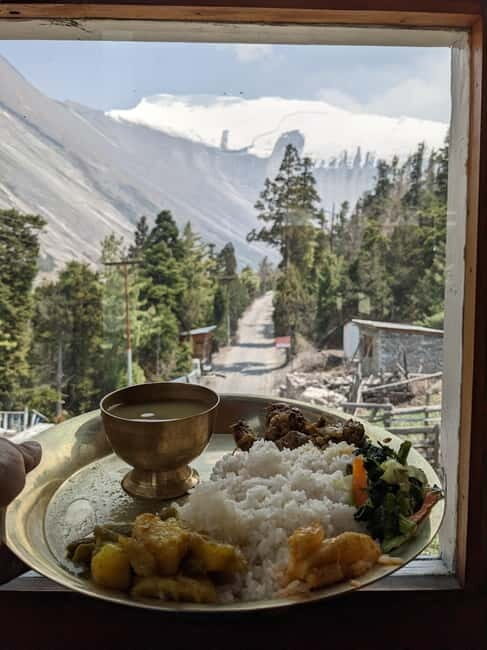
The Annapurna Circuit is famous for a reason. You get the drama of high passes, but also the “in-between” Nepal that most people don’t see when they only do short treks. In 10 days, this route keeps moving, yet it gives you a realistic chance to adjust—especially with the Manang stop at around 4,050m.
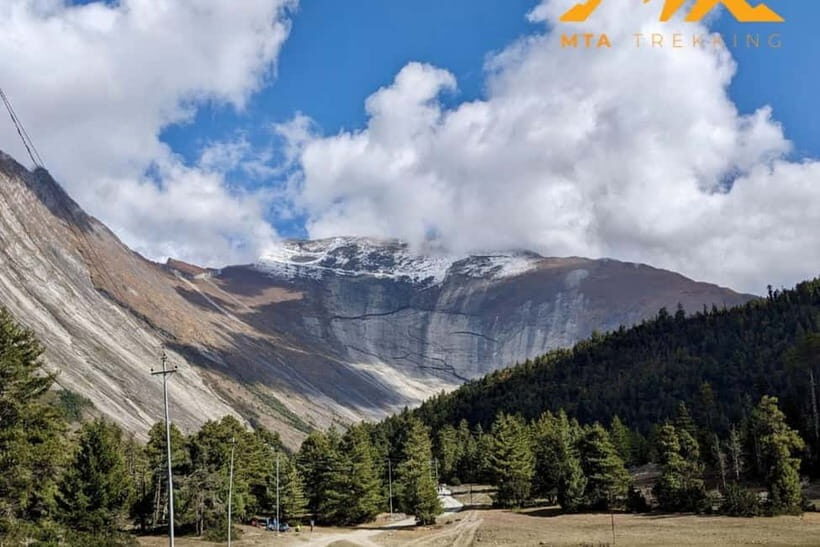
You’ll also travel through a patchwork of cultures and terrain. Lower down, the trail feels more like a green, river-valley walk through forests and farm fields. Then the scenery shifts: you start seeing Tibetan-influenced villages and more barren, high-altitude “desert” edges as elevation rises. That change is part of why the circuit feels like a journey rather than a single viewpoint hike.
One practical note: the route includes a lot of time “on the move,” which is great for people who want progress each day. It’s not ideal if you’re hoping for lots of free afternoons or slow sightseeing with no effort at all.
Other Annapurna Circuit treks reviewed in Pokhara
Day-by-Day: What You’ll Actually Do on the Trek
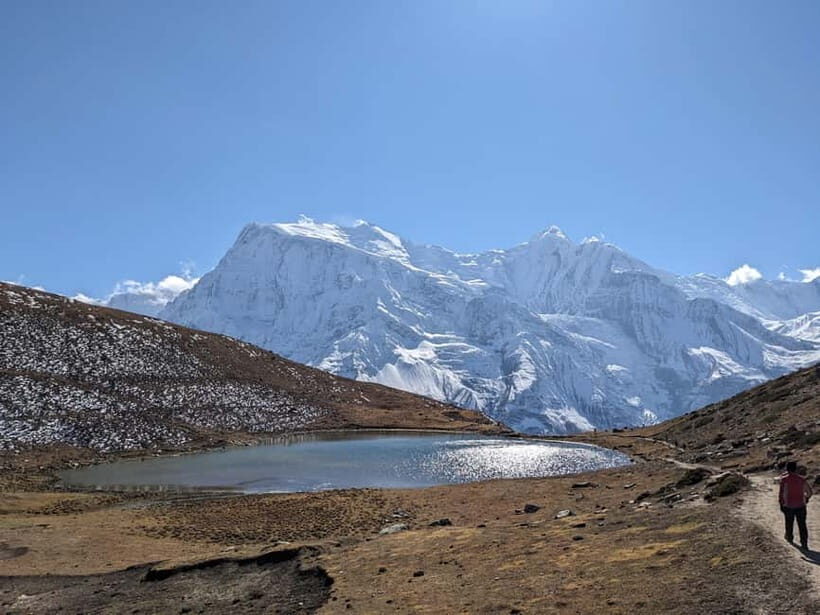
Below is how the rhythm of the trek tends to work—what each section gives you, and what to watch for.
Day 1: Kathmandu to Besisahar, then Dharapani
You start with a bus ride from Kathmandu to Besisahar (about 7–8 hours). It’s a long first day, but it’s also a chance to watch Nepal unfold—forests, hills, and countryside patterns that make the later trek feel real.
From Besisahar, you transfer to Dharapani by shared jeep. The switch from bus to jeep matters: it’s bumpy and slower, and that’s normal. Plan to keep your gear secure and your expectations low for comfort.
You finish the day in Dharapani, where you’ll likely sleep in a tea-house setup and get ready for the first real climb.
Day 2: Dharapani to Chame (up to about 2,670m)
This is one of the classic “warm-up ascents.” The trek takes around 6 hours, with a top point around 2,670m. You’ll pass a grassy field with views of Annapurna II, which is your first reminder that this trek is about more than just altitude.
A nice cultural touch comes early in the walk. You’ll go through Bagarchhap, including a Bhote village and a Buddhist temple. Then the trail runs through oak and pine forests toward Timang before leveling out to Chame.
Chame is a good base because the village sits along the climb toward higher country. You’ll eat in a tea house and start building a routine for warm layers and early rest.
Day 3: Chame to Upper Pisang (up to about 3,200m)
Today takes about 5–6 hours. You climb to roughly 3,200m, and the views expand: Lamjung Himal appears, and you’ll also notice how orchards and farm life hang on in places that feel surprisingly high.
You’ll pass an apple orchard and then head toward the Bhratang Valley area before descending toward Pisang or continuing to Upper Pisang. That “choose your landing spot” detail matters. Upper Pisang often feels more exposed and higher-feeling, which can be great for views but can also feel a bit colder.
Overnight stays continue in lodge/tea-house style, so the “comfort” is basic—but it’s part of the value. You’re paying for time on the trail, not hotel amenities.
Other hiking tours in Pokhara
Day 4: Upper Pisang to Manang (up to about 3,540m)
This day runs about 5–6 hours and tops out around 3,540m. It’s a strong scenery day: you’ll see Manang Valley, plus spots associated with Tilicho Peak and the Annapurna III and Annapurna IV region.
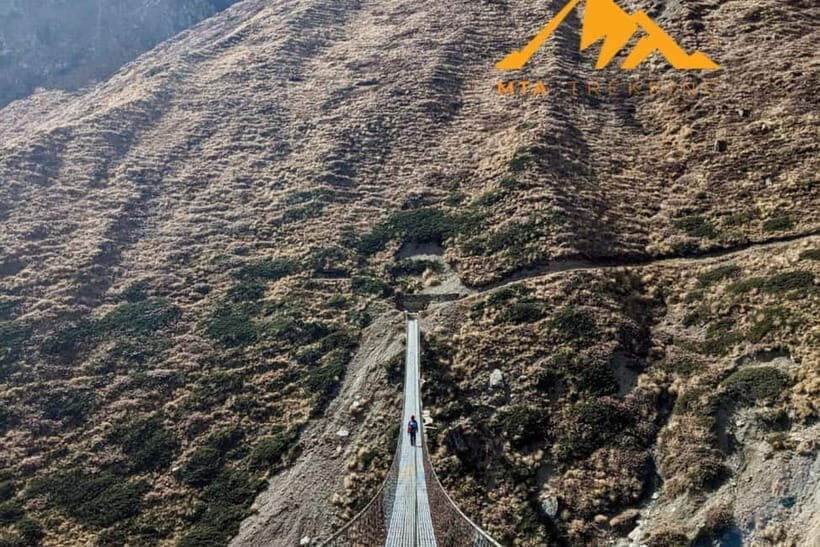
You’ll cross the Marsyangdi River on a wooden bridge, which is the kind of moment you remember later: simple, real, and surrounded by steep terrain. You also pass through villages including Mungji and Braga before reaching Manang.
Manang is a turning point in the trek. It’s high enough to make you pay attention to breathing, but still welcoming enough that you can settle in and adjust.
Day 5: Acclimatization in Manang (up to about 4,050m)
This is one of the best choices in the whole itinerary. You spend a full day in Manang with a max altitude around 4,050m. The trek includes both exploration and optional hikes.
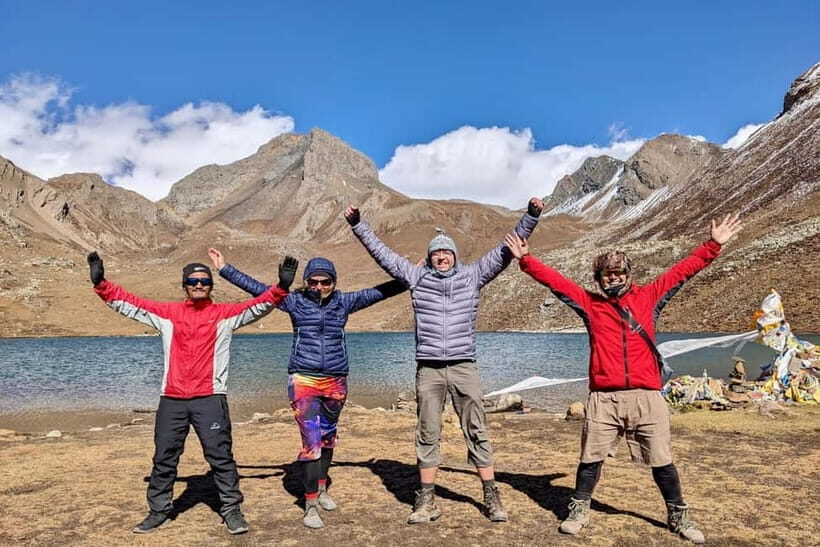
You can take short day treks depending on conditions. One option mentioned is walking toward areas like an icefall viewpoint or heading to places such as Gangapurna Glacier Lake. You also get time to explore Manang village and even hike to a stupa, which is a welcome contrast to constant walking.
Why this matters for you: if the plan only handed you altitude without a buffer day, you’d be rolling the dice. Here, you’re giving your body time to adapt. Still, listen to your guide and don’t treat acclimatization day as a “go hard and win” day.
Day 6: Manang to Yak Kharka (up to about 4,050m)
Today is shorter on paper—around 4 hours—and capped around 4,050m. That sounds easy until you feel what altitude does to effort. The trail may not be long, but breathing can become the main job.
The reward is big, clean mountain panorama time. This is also a day where your pace habits matter. Going too fast can catch up to you later on the pass day.
You’ll sleep at Yak Kharka, a staging area that helps position you for the final approach.
Day 7: Yak Kharka to Thorong Phedi (up to about 4,450m)
You’ll hike 4–5 hours, with a max altitude around 4,450m. The day starts with a gradual ascent to a hilltop, then descends toward the Marsyangdi’s headwaters.
There’s a quieter, satisfying rhythm here: a hidden wooden bridge and then continued ascent along the right bank of the Marsyangdi River. As you move closer to Thorong La, the area changes. Everything becomes more “high and spare,” and it’s easier to focus on putting one foot in front of the other.
Thorong Phedi is essentially your launchpad for the big day.
Day 8: Thorong Phedi to Muktinath via Thorong La Pass (up to 5,416m)
This is the main event. The trek runs 7–8 hours and peaks at 5,416m. Crossing Thorong La is both physically tough and mentally energizing—especially because the descent after the pass feels like you finally exhale.
The view payoff is also the whole reason people sign up: you get dramatic angles into regions like the Mustang Valley and Dhaulagiri while you descend toward Muktinath.
This day demands respect. The best “strategy” isn’t hero mode. It’s steady movement, warm layers, and following the guide’s pace instructions.
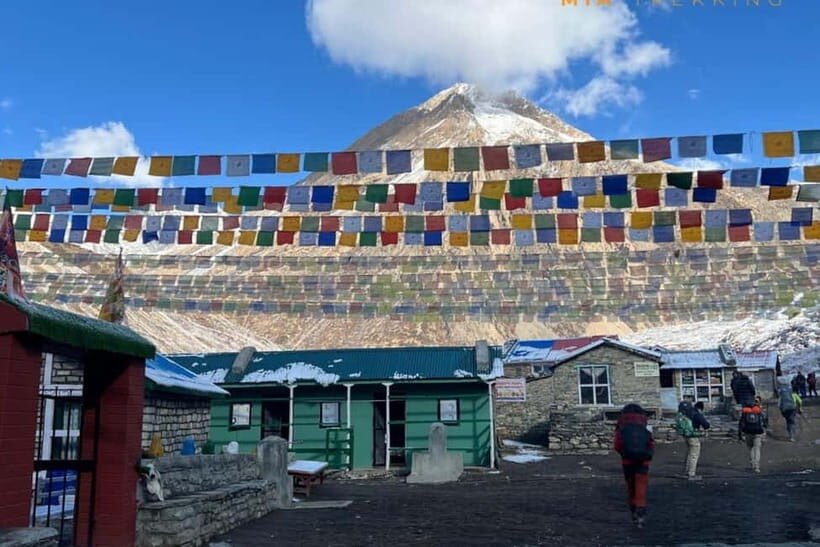
You’ll reach Muktinath, a village with a different feel than the trekking towns earlier in the week.
Day 9: Muktinath to Jomsom via Kagbeni (7–8 hours)
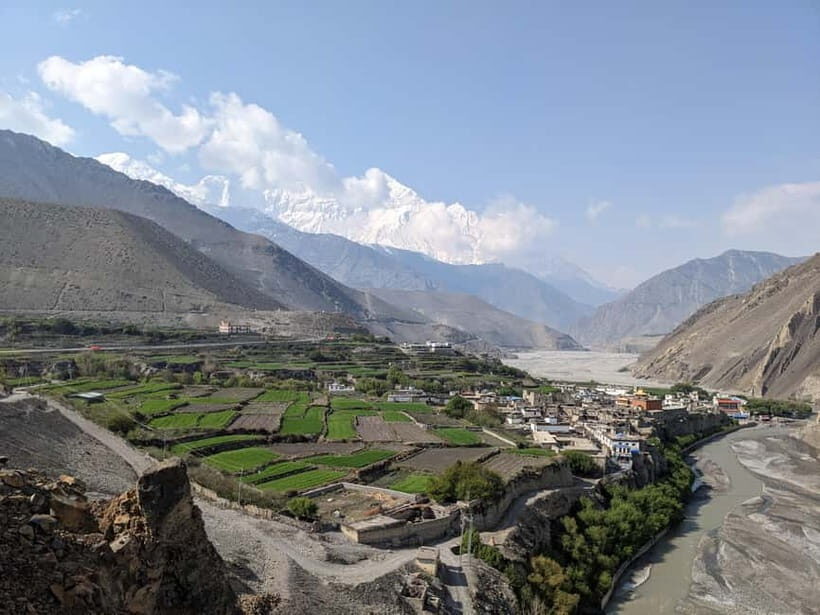
This is another long day: 7–8 hours trekking. You’ll go through Kagbeni, a village that’s part of why the Annapurna Circuit feels like it crosses cultures, not just elevations.
The path continues with mountain views and high-country atmosphere until you reach Jomsom. Expect a day where your legs feel the whole week, but the scenery keeps paying you back.
Day 10: Jomsom to Pokhara by public bus (about 8 hours)
After the trekking, you shift gears. You take a public bus from Jomsom to Pokhara for about 8 hours. It’s not glamorous, but it’s effective.
Once in Pokhara, you’ll have that post-trek reset: you’ll stay at Hotel Orchid for one night, and there’s also a farewell dinner included. It’s a nice way to make the ending feel like more than just “we got off the bus.”
Guides, Food, and the Tiny Details That Make a Difference
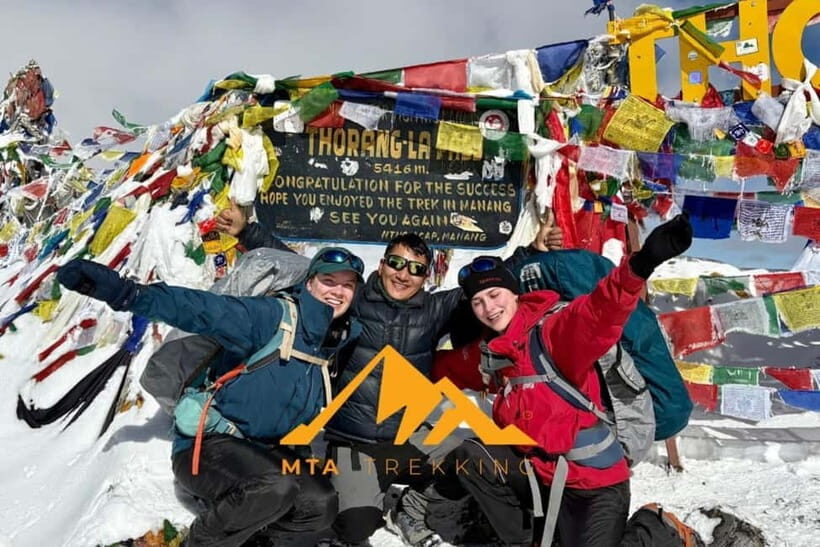
A trek like this is usually won or lost on the boring stuff: pace, water handling, meals, warmth, and basic decision-making at altitude.
From the guide patterns you’ll see with this operator, the big emphasis is on acclimatization and steady support. In past trips, guides such as Ganesh and Prakash are praised for keeping people hydrated and fed, and for making sure the acclimatization plan is followed. Other guide names that show up include Chakra and Ghanshyam, with notes about adjusting routes to match breathing levels and helping guests avoid common altitude mistakes.
One practical example from those experiences: advice around food choices at elevation comes up repeatedly—keeping meals simple and avoiding heavy or “junk” foods higher up. You don’t need to turn into a monk, but you do need to eat enough to keep your body functioning.
On water: the trek includes all meals, but soft/hard drinks aren’t included, and bottled water can become an ongoing expense. Guides sometimes help with water purification approaches, and you’ll want to make sure you have a plan before you reach the pass area.
Also: this is a private group. That matters. You’re not constantly stuck negotiating pace with a big mix of fitness levels.
Permits, Planning, and What’s Actually Included
Here’s where the value gets real. This trek includes:
- Hotel pickup and drop-off in Kathmandu (Thamel area) and Pokhara (Lakeside area)
- Permits and TIMS card
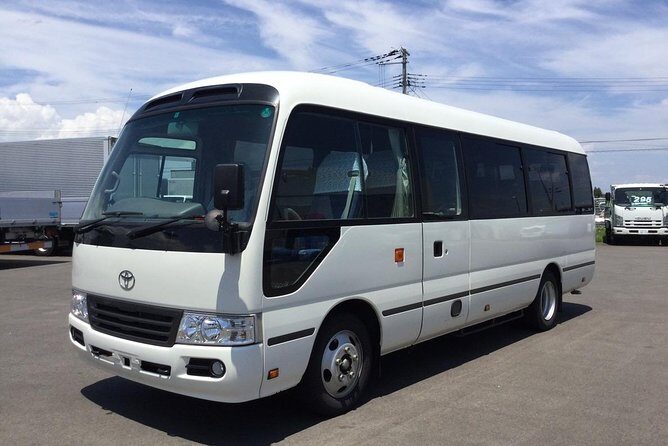
- All transport between destinations and to/from activities
- A government registered local guide
- Tea house and lodge accommodations during the trek
- All meals (breakfast, lunch, dinner) during the trek
- Explore Manang village and a hike to a stupa
- One-night accommodation at Hotel Orchid in Pokhara after the trek
- Farewell dinner in Pokhara
- Emergency rescue assistance in case of emergency
What’s not included (and you should plan for):
- Soft and hard drinks
- Travel/rescue insurance
- International flights and Nepal visa fee
- Personal expenses (phone, laundry, showers, battery recharge, bar bills, extra porter costs, etc.)
- Bottle or boiled water
- Trekking gear
So what does the price mean in plain terms? At $447 per person, you’re paying for a structured high-altitude package: guide, permits, daily meals, lodging logistics, and the transport chain from Kathmandu to the trekking start and back to Pokhara. If you’ve ever tried to “DIY” the Annapurna Circuit on a schedule, you’ll feel how much work goes into coordinating transport, paperwork, and daily decisions. This package is for people who want that friction removed.
Altitude Safety: What to Respect Before You Go
This trek crosses 5,416m, and the operator specifically flags risk of Acute Mountain Sickness (AMS). They also recommend comprehensive travel insurance that covers medical care and helicopter evacuation up to 5,400 meters.
For you, that means two things:
1) Don’t treat the altitude guide day as optional. The acclimatization in Manang is part of the safety plan.
2) If you know you’re prone to altitude problems, don’t try to “tough it out.” The trek isn’t suitable for people listed with altitude sickness history, respiratory issues, pregnancy, children under 15, and age over 70.
During the pass approach and crossing day, the air gets thin fast. Going too quickly is the easiest way to increase trouble. Your best move is to follow your guide’s pacing and keep your breathing calm.
Also note the simple rules: no alcohol and no drugs.
What You Should Pack (So You’re Comfortable, Not Miserable)
The operator’s suggested packing list is practical:
- Warm clothing
- A change of clothes
- Long pants
- Waterproof bag
- Sunscreen
- Sunglasses
- Passport or ID card
- Trekking gear
- Hiking shoes
- Sunglasses (again, because you’ll want them)
You’ll also be smart to bring a plan for layers, because tea-house temperatures can swing once you’re higher up and especially at night.
Should You Book This 10-Day Annapurna Circuit Trek?
Book it if you want:
- A well-timed circuit with a real acclimatization day in Manang
- A guide-led approach that focuses on pacing, hydration, and safe altitude habits
- Included logistics (permits, meals, accommodations, and transport) so you can focus on walking and enjoying the route
Skip it (or talk to a medical professional first) if:
- You’re sensitive to altitude or have any of the listed limitations (respiratory issues, pregnancy, age over 70, prior altitude sickness)
- You want a fully luxury trip. This is tea house and lodge trekking, not spa travel.
If you do book, treat the itinerary like a safety plan, not a checklist. The Thorong La crossing is spectacular, but the best way to earn it is staying calm, warm, fed, and slow when the air gets thin.
FAQ
What is the highest point on this Annapurna Circuit trek?
The trek crosses Thorong La Pass at about 5,416 meters above sea level.
How long is the trek, and what does the route include?
It’s a 10-day trek starting in Kathmandu, walking through the Annapurna Circuit area, and finishing in Jomsom with a public bus ride to Pokhara.
How do I get to the trekking starting area from Kathmandu?
You take a bus from Kathmandu to Besisahar (about 7–8 hours), then a shared jeep to Dharapani.
What’s included in the price?
Included are hotel pickup and drop-off, permits and a TIMS card, a government registered local guide, all transport between destinations, accommodations in tea houses/lodges during the trek, and all meals during the trek. You also get one night at Hotel Orchid in Pokhara and a farewell dinner.
What is not included?
Not included are soft and hard drinks, travel and rescue insurance, international flights and Nepal visa fee, personal expenses, and trekking gear. Bottle or boiled water and shower-related costs are also personal expenses.
Do I need any specific permits or cards?
Yes. The trip includes the required permit and the TIMS card.
What kind of guide support should I expect?
The trip includes an experienced government registered local guide, and the trek is run as a private group. The guide also supports acclimatization, hydration, and safe pacing.
Are there health or age restrictions?
Yes. The operator lists it as not suitable for children under 15, people with altitude sickness, people over 70, people with respiratory issues, and pregnant women.
What should I bring for the trek?
Bring warm clothing, long pants, waterproof protection for your bag, sunscreen, sunglasses, hiking shoes, trekking gear, and your passport or ID card.