REVIEW · POKHARA
Pokhara: 4 Day Poon Hill Trek
Book on Viator →Operated by Crystal Holidays Nepal · Bookable on Viator
Poon Hill hits hard, even on a short trek. This 4-day walk out of Pokhara mixes big-mountain sunrise moments with real village life in the Annapurna region, without demanding weeks away. I like that the walk is structured for steady progress, starting with a drive to Nayapul and ending with an easy return to Pokhara.
What I like most are two things: you get the famous early-morning sunrise hike to Poon Hill and then you can actually enjoy your day after, not just rush onward. I also like the human side here—Gurung and Magar communities show up in everyday ways, and in past trips the guides have included people like Mr. Bharat, Dadhi Ram, Gobinda, and Som Tripathi, which tells me the operator takes guiding seriously.
One consideration: you’ll climb the Ulleri Stairs (about 3,000 steps) and you’ll be up early (around 4:30 AM), so this is best if you’re okay with effort and early starts. If you want a totally low-effort walk, you might feel the stairs more than you expect.
In This Review
- Key Things I’d Highlight Before You Go
- Why Poon Hill from Pokhara Works So Well
- The Route: Tikhedhunga → Ghorepani → Poon Hill → Ghandruk
- Where people sometimes get surprised
- Sunrise at Poon Hill: Timing, Weather, and How to Enjoy It
- Ulleri Stairs and Rhododendron Walks: What You’ll Actually Feel
- Ghandruk Village: Gurung Life and a Museum Stop
- Guest House Nights: Simple, Real, and Part of the Fun
- Guides, Permits, and Private-Group Care
- Price and Logistics: Is $235 Good Value?
- Weather Reality and Refund Options (Without the Fine Print Headache)
- Who Should Book This Trek—and Who Should Think Twice
- Should You Book This Poon Hill Trek?
- FAQ
- How long is the Poon Hill Trek from Pokhara?
- What does the trek include?
- Are meals included in the price?
- What time do I need to start for sunrise at Poon Hill?
- How much walking is on each day?
- Is there a steep climb on this route?
- Where do you overnight during the trek?
- Do you visit Ghandruk village?
- Is this a private tour?
- What happens if weather is bad?
Key Things I’d Highlight Before You Go
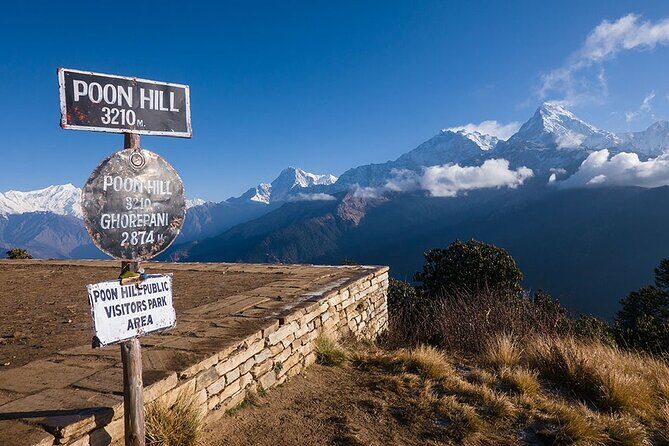
- Sunrise timing around 4:30 AM makes the day feel like a reward, not a slog
- Ulleri Stairs add a real workout, especially on Day 2
- Ghandruk culture stop includes time in the Gurung village and a local museum visit
- Guest house nights keep things simple and comfortable after long walking days
- English-speaking guides are a core part of the value, with named guide examples in feedback
Why Poon Hill from Pokhara Works So Well
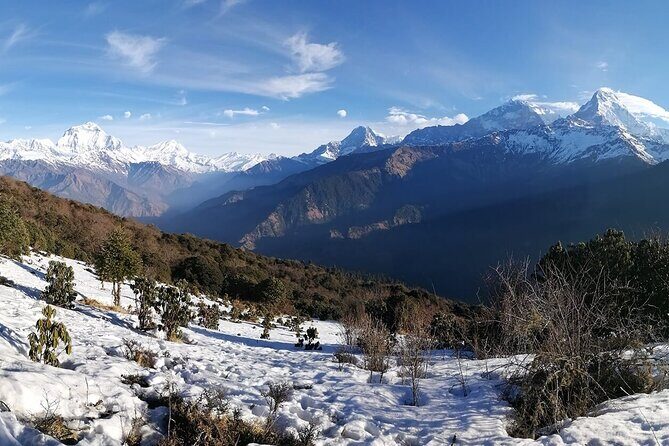
If you only have a few days, Poon Hill is one of the smartest ways to experience the Annapurna region without turning it into a marathon. You’re based out of Pokhara, then you do concentrated days of walking, with guest house stays that feel doable for most people with moderate fitness.
The best part is that your hardest effort has a clear payoff. You’re walking toward a sunrise viewpoint, and the program is built around getting you there early enough to enjoy it—then giving you time to eat and keep moving.
And because this is a private trip for your group, the plan tends to feel less like a cattle-line trek and more like a paced route with a guide who knows how to keep things running smoothly.
Other Ghorepani and Poon Hill treks in Pokhara
The Route: Tikhedhunga → Ghorepani → Poon Hill → Ghandruk
You’ll start with an easy setup day. Day 1 is driven from Pokhara to Nayapul (about 1.5 to 2 hours), then you begin trekking toward Tikhedhunga and stay overnight there. The walking time is around 7 hours, so you’ll want to treat Day 1 as your warm-up-to-real-trek transition.
Day 2 takes you to Ghorepani (around 6 hours). This is the day with the big step climb—Ulleri Stairs with roughly 3,000 stone steps—then rhododendron forest paths and village walking until you reach Ghorepani for the night.
Day 3 is the classic payoff day. You wake up early (around 4:30 AM), hike up to Poon Hill for sunrise, then return to Ghorepani for breakfast and continue trekking onward (around 6 hours total).
Day 4 shifts into descent and culture. You trek down to Ghandruk (about 3 hours), spend time in the Gurung village (including a local museum visit), then descend back to Nayapul and drive to Pokhara (about 1.5 hours). The full day is about 5 hours on the move, with hotel transfer included so you’re not left scrambling.
Where people sometimes get surprised
The route is short, but it isn’t flat. You’ll feel stairs on Day 2, and you’ll have a steady rhythm of uphill/downhill across days. It’s designed for moderate fitness, but comfort comes more from pacing and footwear than from expecting an easy stroll.
Sunrise at Poon Hill: Timing, Weather, and How to Enjoy It
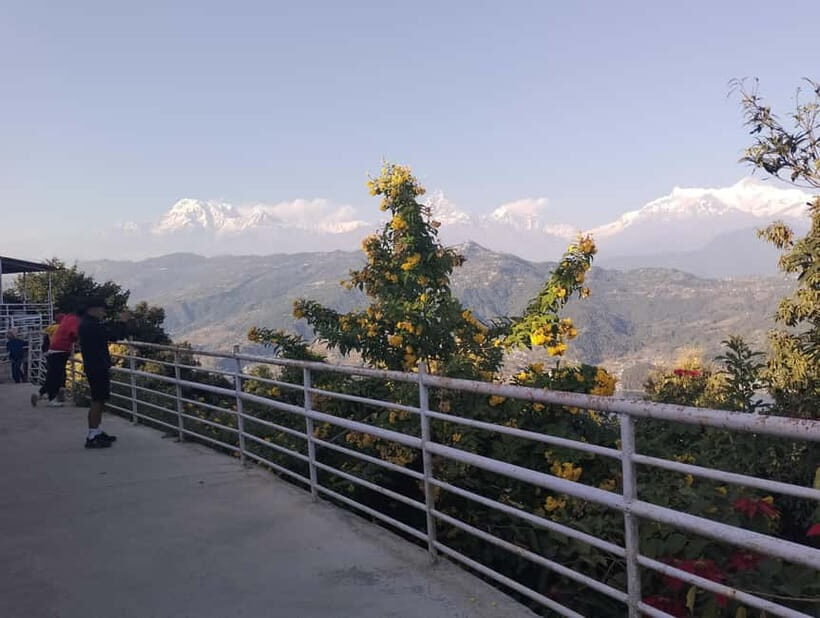
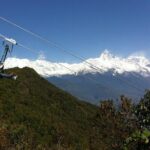
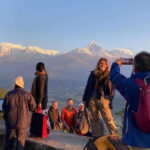
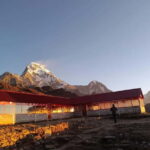
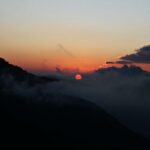
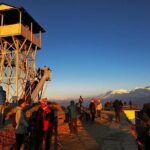
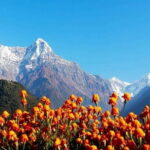
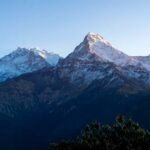
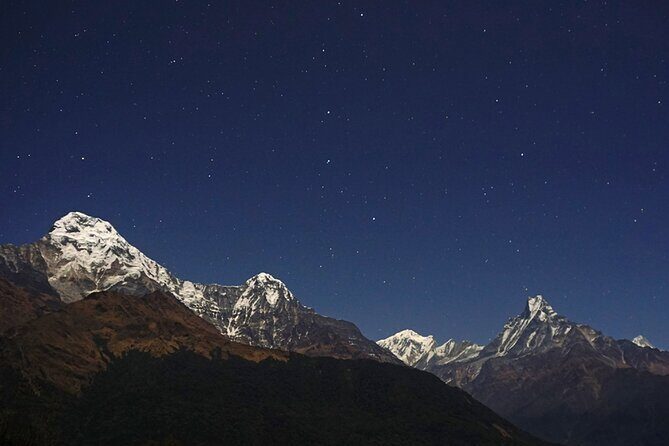
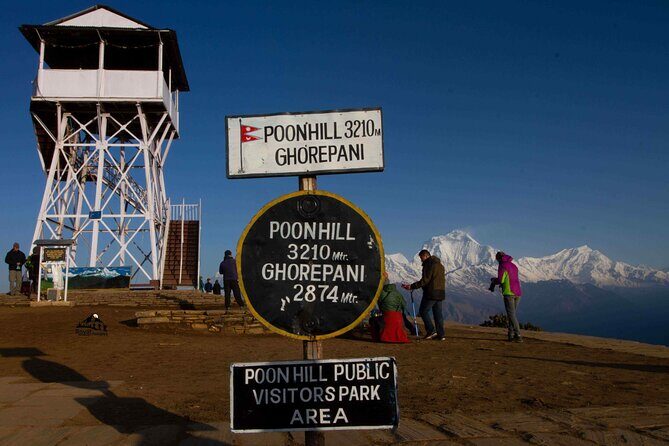
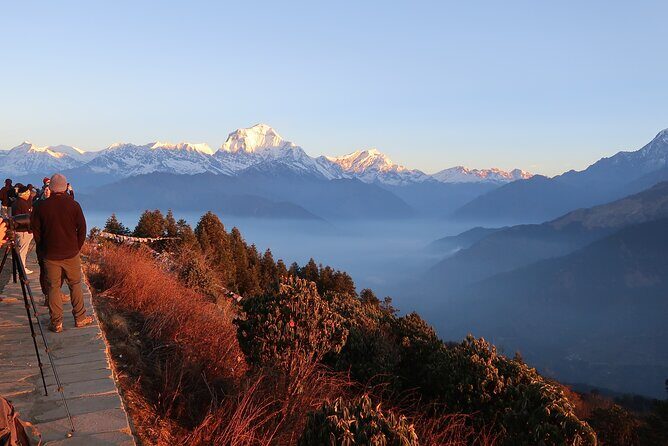
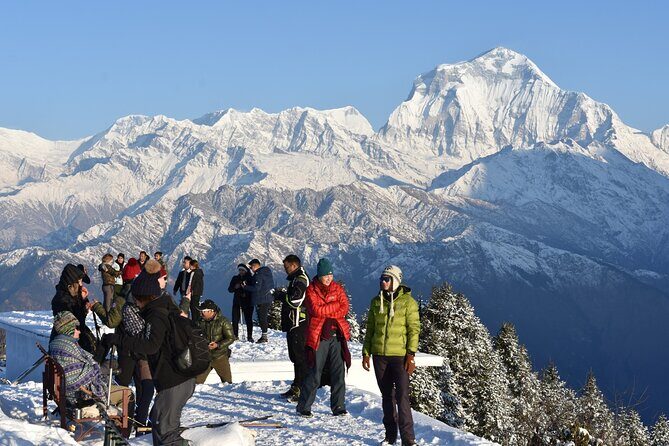
The heart of this trek is sunrise from Poon Hill. Your day begins around 4:30 AM for the hike up, which means you’ll want to be ready earlier than your usual vacation schedule. The payoff is sunrise over the Annapurna and Dhaulagiri ranges, and that specific combination of views is why this trek is so popular.
Here’s the practical part: sunrise treks live or die by weather. If conditions are poor, the experience may be adjusted or canceled, and you’ll be offered another date or a full refund if it’s canceled due to weather. So don’t plan other tight activities right behind this trek—build in a little breathing room.
Once sunrise is done, you don’t just disappear off to the next thing. You return to Ghorepani for breakfast, then continue trekking. That matters because it keeps the morning from feeling like pure effort with no recovery.
Ulleri Stairs and Rhododendron Walks: What You’ll Actually Feel
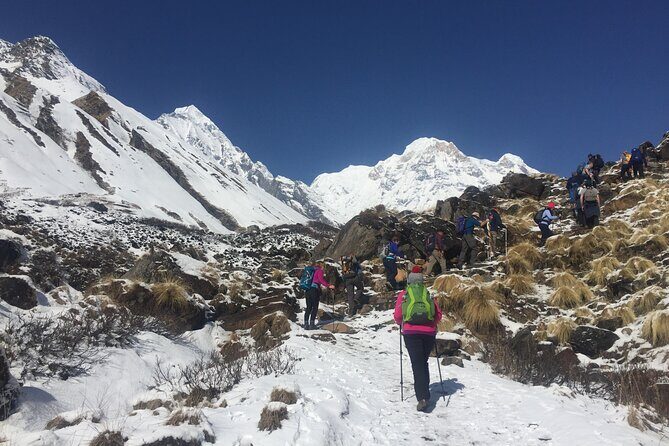
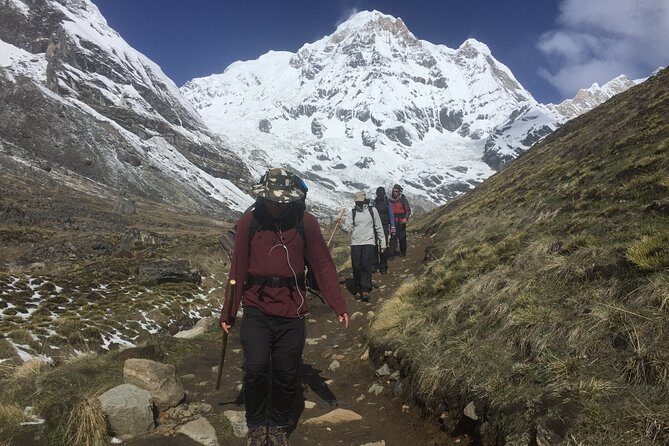
Day 2 is where your legs get a say in the itinerary. The Ulleri Stairs are about 3,000 steps, and they’re steep enough that even people who hike a lot sometimes slow down more than they expect. The good news: once you commit to the pace, the stone stairs are straightforward to follow.
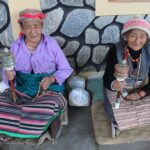
After the climb, the trail transitions into rhododendron forests and village routes. This is the portion of the trek that often feels scenic in a human way, not just mountain-only views—locals, small settlements, and everyday routines appear along the way.
If you’re planning gear, aim for comfort on stairs. Good traction on your shoes matters more than fancy gear, because footing in mountain paths can change quickly.
Other hiking tours in Pokhara
Ghandruk Village: Gurung Life and a Museum Stop
After sunrise and the downhill rhythm, Day 4 brings you into Ghandruk, a Gurung village known for its traditional culture. You spend about 3 hours exploring, including a visit to the local museum.
This is a meaningful contrast to the “viewpoint focus” of earlier days. Instead of racing toward the next panorama, you slow down enough to look at how people live here—language, homes, and community life. It’s also one of the reasons this trek feels more balanced than a pure summit-chase.
Then you descend back toward Nayapul and drive to Pokhara. That ending is the other big practical win: you don’t end the trek in some distant outpost—you get back to the lakeside area and can decompress like a normal person.
Guest House Nights: Simple, Real, and Part of the Fun
You’ll stay in guest houses on the trek, which keeps the trip grounded in how most people actually do short Annapurna walks. These aren’t luxury lodges, so your expectation should be comfortable enough for sleep and warm enough for mountain nights, not full-service hotel comfort.
What you can plan around is consistency. The trek’s structure—walk, rest, walk—pairs well with guest house stays because meals and downtime are available where you’re sleeping. If you’re sensitive to cold, plan your clothing layers carefully, because mountain mornings can be very different from afternoon walking.
One more practical note: meals aren’t included. Budget about 3,500 NPR per person per day for food if you’re eating locally. You’ll have flexibility, but you should plan for it so the trek price doesn’t surprise you later.
Guides, Permits, and Private-Group Care
This trip includes an English-speaking trekking guide plus the required trekking paperwork: a trekking permit and a TIMS card. That’s not glamorous, but it’s the difference between a smooth trek and one where you’re scrambling. It also supports responsible trekking in the region.
You also get hotel pickup and drop-off, plus a private car transfer round trip between Pokhara and Nayapul. That removes a common headache for short treks: getting to the start point and actually returning after you’re tired.
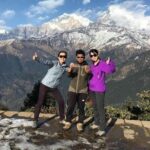
In feedback, named guides show up—Mr. Bharat, Dadhi Ram, Gobinda, and Som Tripathi. I can’t guarantee which guide you’ll get, but I do like that the operator’s guiding roster appears strong and consistent.
Because the tour is private for your group, your pace can be more adjustable than a large mixed group. You’ll still follow the route, but there’s less pressure to match strangers’ shoe-speed.
Price and Logistics: Is $235 Good Value?
At $235 per person, the value depends on two things: what’s included and how many extra decisions you avoid. Here’s what you’re getting for that price: hotel pickup and drop-off, trekking permit and TIMS card, an English-speaking guide, guest house accommodation, and round-trip private car transfers to and from Nayapul. The trip is also private for your group.
The biggest item not included is meals. With an estimate of about 3,500 NPR per person per day, you’ll want to add that to your budget so you can compare this trek fairly against other options that bundle meals.
You also get a few convenience perks like pickup offered, group discounts, and a mobile ticket. Those things may sound small, but on a trek they reduce friction, especially when you’re coordinating early mornings and transport.
One small signal of demand: this trek is often booked well in advance (around 134 days on average). If you’re traveling in a busy season or on a tight schedule, booking earlier is a smart move.
Weather Reality and Refund Options (Without the Fine Print Headache)
This experience requires good weather. If conditions are poor and the trek can’t run as planned, you’ll be offered a different date or a full refund. That’s about as fair as it gets for mountain travel—no one controls clouds.
Also, cancellation is free up to 24 hours in advance for a full refund. The practical takeaway: don’t lock your whole itinerary too tightly until you know weather looks workable. If you can be flexible within a day, you’re in a better position to protect your trip.
Who Should Book This Trek—and Who Should Think Twice
This trek is a great match if you want a short Poon Hill experience that still includes cultural time in Ghandruk. It suits people with moderate fitness, and it’s especially friendly for those who want classic Annapurna views without a long commitment.
It also works well if you like structure. The days are paced, the overnight stays make sense, and the sunrise is clearly built in rather than left to luck.
Think twice if you hate early starts or you’re worried about stairs. The Ulleri Stairs are the main physical hurdle, and sunrise requires waking up before the sun—not at the point of inspiration, but at the point of practicality.
Should You Book This Poon Hill Trek?
If you want a compact trek that still delivers the sunrise magic and real village culture, I think you’ll be happy with this plan. The combination of guide support, permits handled for you, guest house lodging, and private transfers is what keeps the experience from turning into logistics work.
Book it if:
- You’re okay with early mornings and a stair-heavy Day 2
- You want a guided, structured route with guest house comfort
- You want Pokhara convenience instead of remote add-ons
Hold off or compare other options if:
- You want a very easy walk with minimal climbing
- You don’t want to budget for meals separately
- You need the plan to be fully weather-proof (mountain treks never promise that)
If you line up your expectations and pack for stairs and chilly mornings, this is a strong value way to experience Poon Hill from Pokhara.
FAQ
How long is the Poon Hill Trek from Pokhara?
It’s about 4 days.
What does the trek include?
Hotel pickup and drop-off, trekking permit and TIMS card, an English-speaking trekking guide, guest house accommodation, and round-trip private car transfer to and from Nayapul. It’s also listed as a private trip.
Are meals included in the price?
No. Meals are not included. The approximate cost is about 3,500 NPR per person per day.
What time do I need to start for sunrise at Poon Hill?
You’ll hike to Poon Hill early in the morning, around 4:30 AM.
How much walking is on each day?
Day 1 is about 7 hours, Day 2 about 6 hours, Day 3 about 6 hours, and Day 4 about 5 hours total including trekking and the drive back.
Is there a steep climb on this route?
Yes. Day 2 includes the Ulleri Stairs with around 3,000 steps.
Where do you overnight during the trek?
You overnight in guest houses, including an overnight in Tikhedhunga and a night in Ghorepani.
Do you visit Ghandruk village?
Yes. On the final trek day, you descend to Ghandruk and have time to explore, including a local museum visit.
Is this a private tour?
Yes. It’s a private tour/activity, so only your group participates.
What happens if weather is bad?
If the experience is canceled due to poor weather, you’ll be offered a different date or a full refund. Cancellation is free up to 24 hours in advance for a full refund.