REVIEW · POKHARA
Pokhara Day Bus Sightseeing 8 points
Book on GetYourGuide →Operated by Holyland Adventure Tours and Travels Pvt Ltd · Bookable on GetYourGuide
Eight stops, one short day. This budget Pokhara bus tour strings together big views from Pumdikot Mahadev and the calm, lake-and-mountain perspective you get from the World Peace Pagoda. You also cover several of Pokhara’s most photographed natural sights without spending a whole day on the road.
For the price, you’re basically buying convenient transport plus guided time at a packed set of landmarks. Still, one thing to keep in mind: the experience can be uneven in comfort and language support depending on your specific day and group.
In This Review
- Key takeaways before you go
- Getting your bearings at Lakeside
- Pumdikot Mahadev View Point: where the valley opens up
- World Peace Pagoda: Annapurna views with a spiritual mood
- Davis Falls: a powerful cascade and an underground tunnel
- Mahendra Cave (and the Gupteshwor Mahadev cave)
- Seti River Gorge: limestone carved into a dramatic cut
- Bindabasini Temple: a spiritual stop that keeps you grounded
- Phewa Lake finish: ease into the end of the day
- Price and value: what $19 really buys you
- The group, the bus, and the language reality check
- A stop-by-stop pacing guide (so you’re not rushed)
- Who should book this bus tour (and who should skip)
- What to bring and how to behave on the route
- Should you book this Pokhara Day Bus Sightseeing route?
- FAQ
- What time does the Pokhara Day Bus Sightseeing tour start?
- Where is pickup and drop-off?
- How long is the tour?
- Are entry fees included?
- Is food included?
- What languages are available for the host or greeter?
- Is this tour refundable if plans change?
Key takeaways before you go
- Eight major Pokhara stops in about 4 hours, starting around 9:00 am
- Panoramic viewpoints from Pumdikot and the World Peace Pagoda area
- Davis Falls + Seti River Gorge give you two different kinds of geologic drama
- Cave time at Mahendra Cave includes the Gupteshwor Mahadev cave area
- Phewa Lake is your finish, with an easygoing hour to slow down
- What you pay for vs. what you don’t: transport included, but entry fees and food are not
Getting your bearings at Lakeside
Your day starts with pickup from the Lakeside area in Pokhara, with the tour running on a tight schedule. The pickup window is around 8:40 am (about 20 minutes early), and you’ll head out close to 9:00 am. Expect a simple morning flow: you’ll spend a short 30-minute stop at Pokhara Lakeside, then settle in on the bus/coach for the first leg.
This opening matters more than it sounds. Lakeside is where most visitors base themselves, so it’s an easy place to meet your group and get your phone charged, water sorted, and shoes ready for viewpoint paths. Since the tour includes pick-up and drop, you don’t need to wrestle with local transport for the first chunk of the route.
Quick practical note: the operator asks you to confirm your exact pickup address (hotel name and street details). If you’re staying slightly away from Lakeside, message them ahead of time so the bus doesn’t waste time circling.
If you're still narrowing it down, here are other tours in Pokhara we've reviewed.
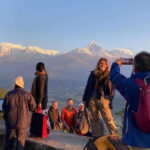
Pumdikot Mahadev View Point: where the valley opens up
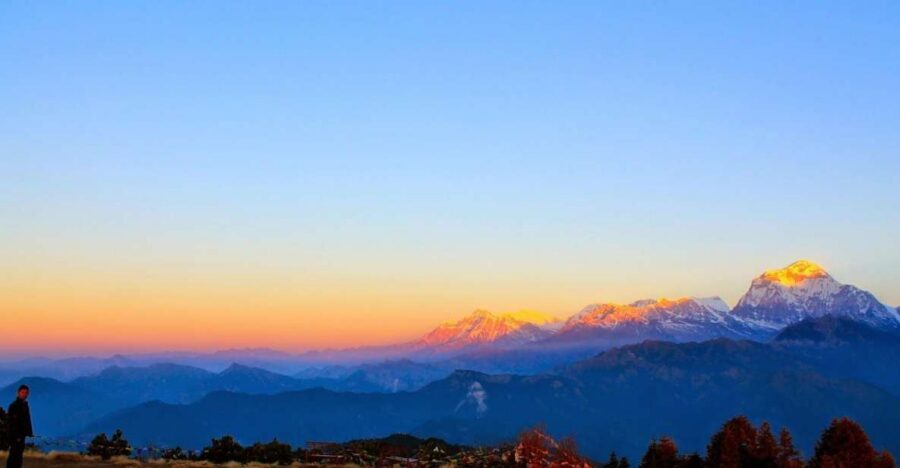
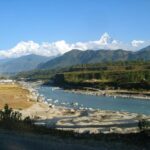
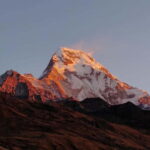
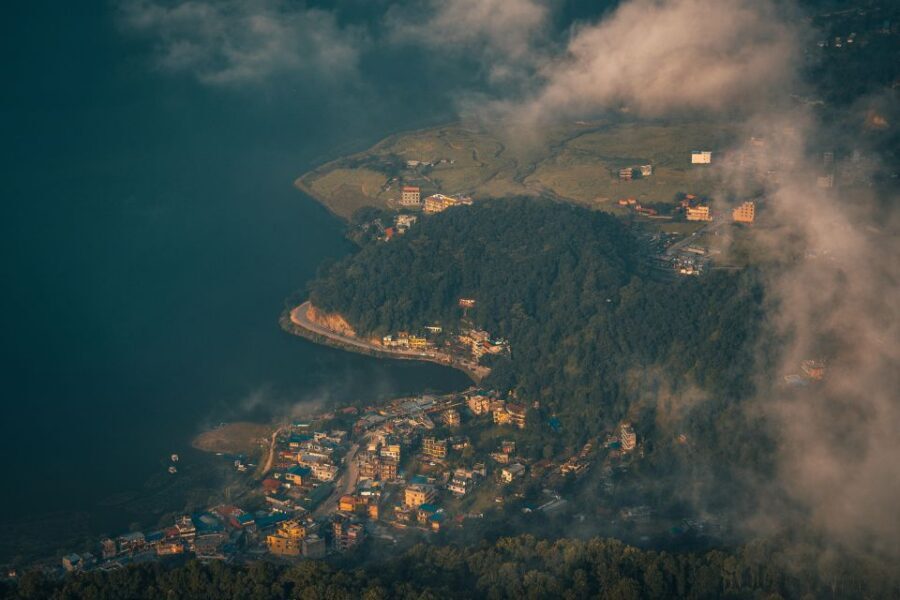
The first big “wow” moment is Pumdikot Mahadev View Point. This stop is about 1 hour and is designed for one thing: mountain-and-valley photos. From an elevated viewpoint, you’ll get a sweeping look over the Pokhara Valley area and the surrounding ridgelines.
What I like about this kind of first stop is that it sets expectations early. Pokhara’s views are everything, and Pumdikot gives you a strong anchor point before the day turns more into waterfalls, caves, and temples. Wear shoes with grip—viewpoint areas can be uneven or dusty, and you’ll be moving at your own pace while the group funnels through the best angles.
If you want photos, do a quick loop: one side for the widest view, then another angle for the mountain lines closer to frame.
World Peace Pagoda: Annapurna views with a spiritual mood
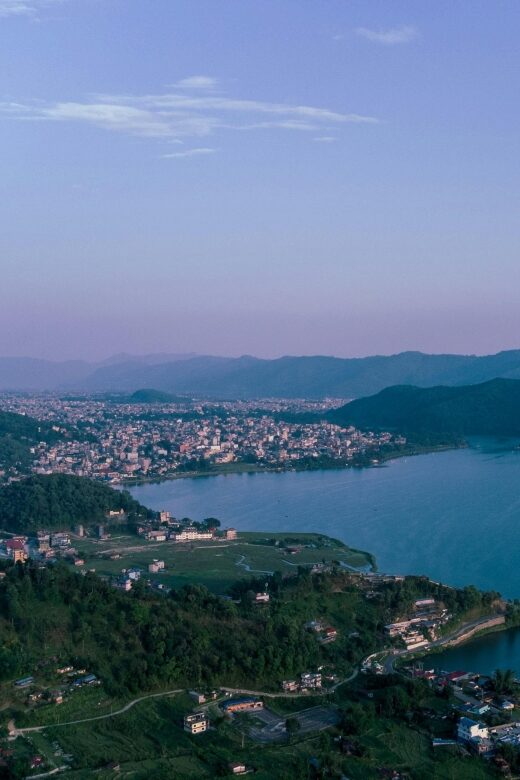
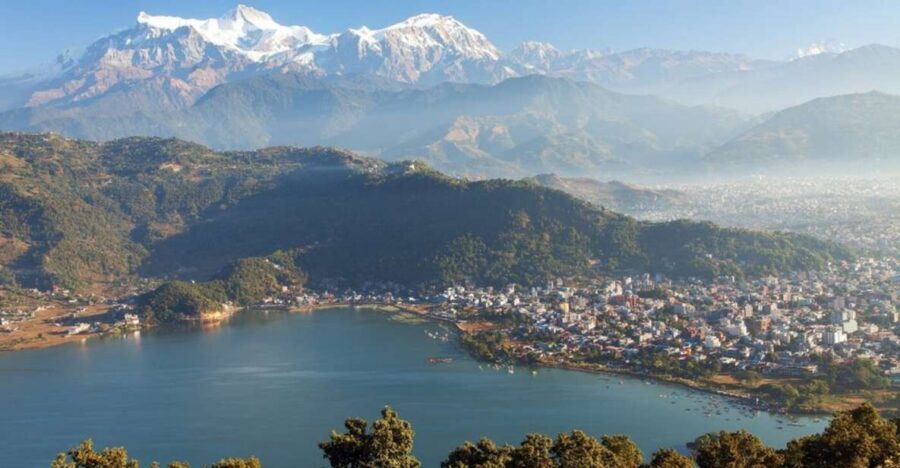
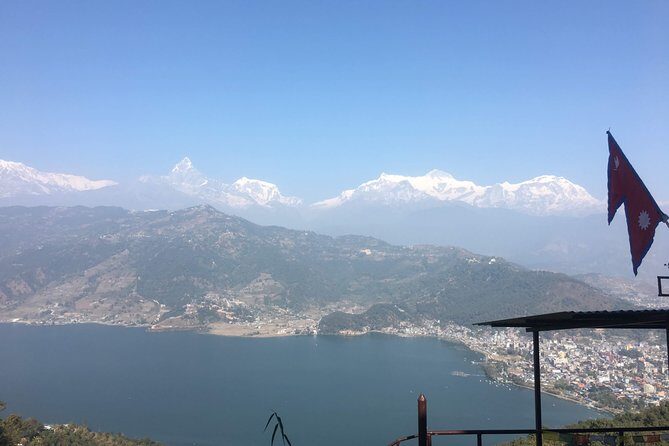
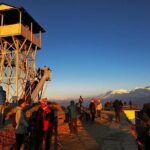
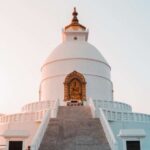
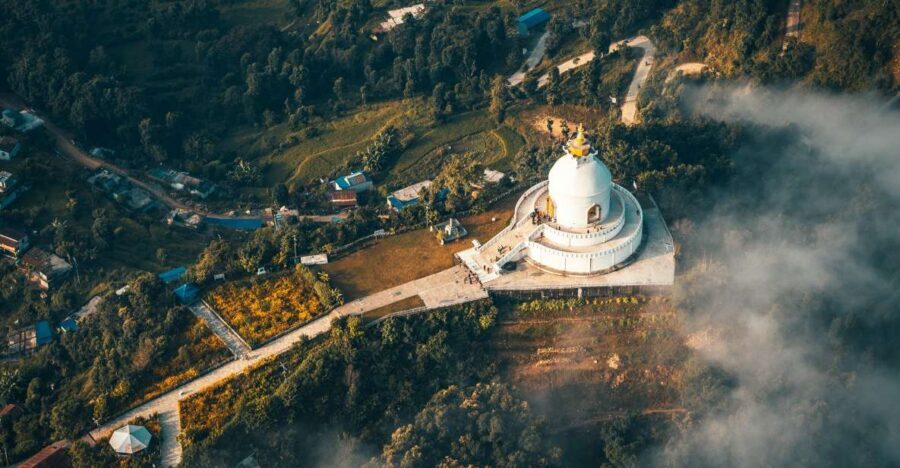
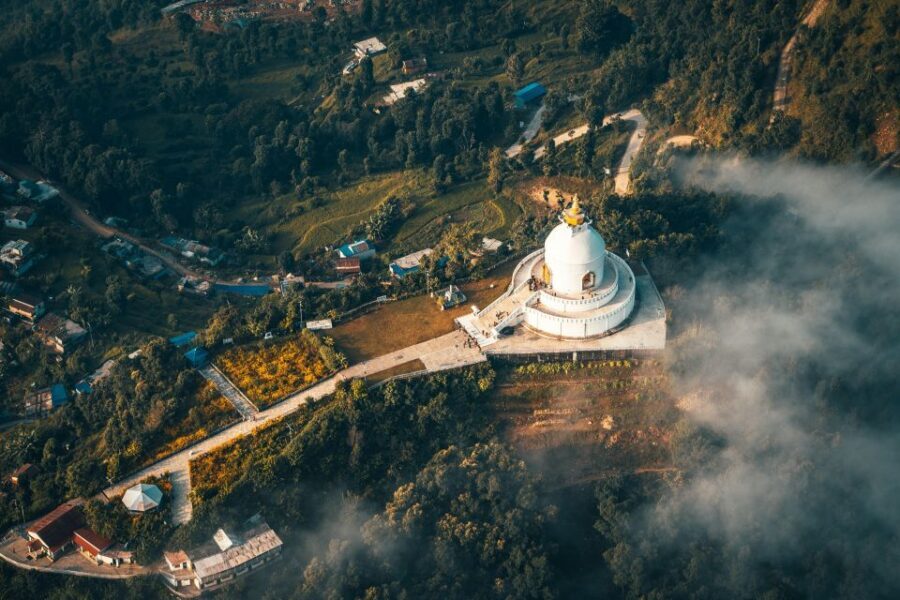
Next up is the World Peace Pagoda, also with about 1 hour on the schedule. It’s perched above Phewa Lake, and the big promise here is panoramic sight lines toward the Annapurna mountain range.
This stop hits a nice balance: it’s not just scenery, it’s also a place with a clear spiritual tone. You’ll likely find people pausing quietly, and that changes the feel from a pure sightseeing stop into something more reflective. It’s also a good time to rest your legs for a moment before the day gets more physical (cave steps and gorge viewpoints).
From a practical standpoint, plan on slow walking and short pauses. If you’re heat-sensitive, this is also one of the places where the shade and pacing matter.
Davis Falls: a powerful cascade and an underground tunnel
Davis Fall is next, with about 30 minutes allotted. This is where Pokhara shows off its water power. You’ll see the waterfall forcing its way over rock and into a unique underground tunnel system.
I think Davis Fall is a good stop even if you’ve seen waterfalls elsewhere, because the engineering/geography here makes it feel different. You’re not just watching water drop; you’re watching it disappear in a way that makes you look twice.
Photo tip: keep your phone protected from mist. Also, give yourself a few seconds to look around from different spots—sometimes the best view is a half-step to the left or right, not directly in front.
Mahendra Cave (and the Gupteshwor Mahadev cave)
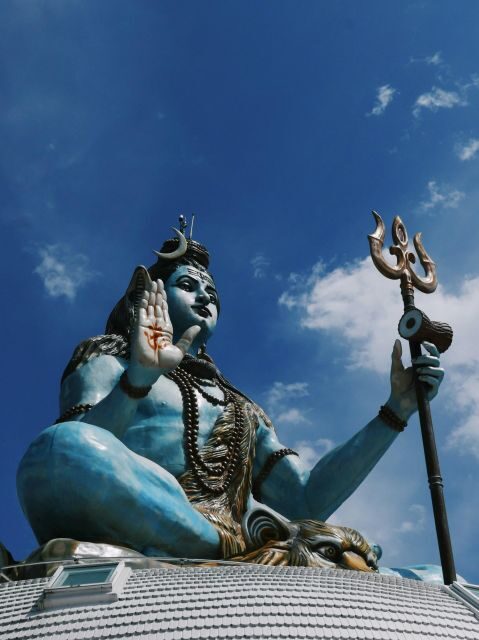
The itinerary includes Mahendra Cave for about 1 hour, and it also shows Mahendra Cave again later in the route. So you may get a second window near the cave complex during the day. If that’s the case, treat it as a chance to return for photos or a slower look if your first pass felt rushed.
Mahendra Cave is known for stalactites and stalagmites—classic cave formations you don’t see on the surface. The tour description also highlights the sacred Gupteshwor Mahadev Cave within the complex. So this isn’t just geology; it’s also a spiritual stop.
A couple of heads-up based on the nature of caves:
- Bring comfortable shoes (you’ll want traction).
- If you have claustrophobia or dislike enclosed spaces, you should probably skip this route. The operator’s “not suitable” list specifically calls it out.
Also, caves can mess with your timing. Even if you’re with a group, you might find yourself moving slower than expected while you look up at formations.

Seti River Gorge: limestone carved into a dramatic cut
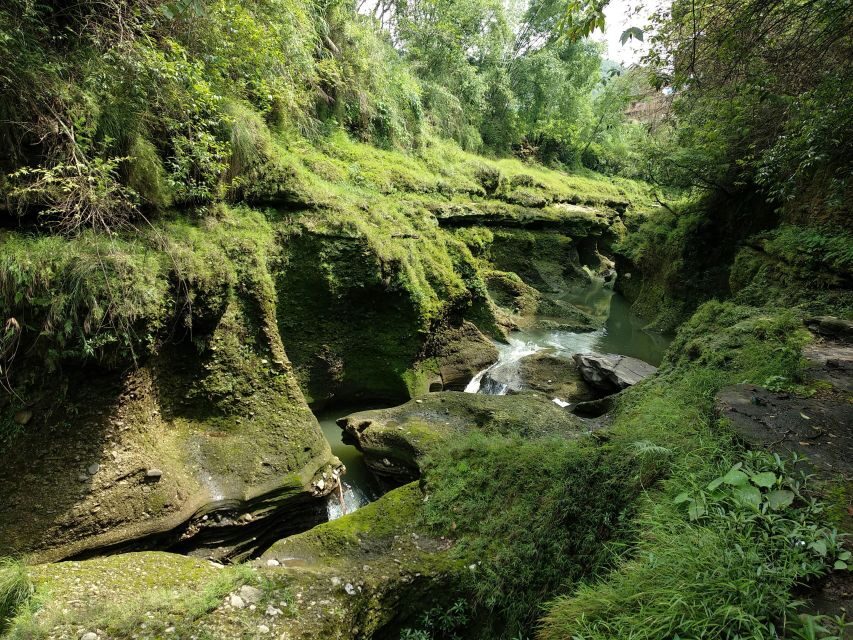
After the cave, you’ll head to Seti River Gorge for about 30 minutes. The focus here is the gorge’s deep channel carved through limestone rocks.
This is one of those “quick stop that still feels meaningful” places. You don’t need a long hike, but you do want to spend a minute looking from the bridge viewpoint and taking in how the rock layers and the cut create scale.
It’s also a good contrast after the cave. Caves are enclosed and quiet; the gorge is more open, and the whole scene feels different even if you’re still in a similar Pokhara-side travel zone.
Bindabasini Temple: a spiritual stop that keeps you grounded
Bindabasini Temple comes with about 45 minutes on the schedule. This is a major religious site, and the atmosphere is part of the experience—more than just a quick photo for a checklist.
I like temple stops when they’re treated as a pause, not a sprint. A guided window like this gives you a chance to slow down, observe how worship happens, and step back from the more physical sights (falls, gorge, caves).
One thing to note: the tour description also lists Mahadev Temple as part of the spiritual sequence, but the timed itinerary you’ll see on the day emphasizes Bindabasini Temple and other stops. If Mahadev Temple is important to you, ask the operator or your pickup point contact what portion of time is allotted to it on your specific day.
Phewa Lake finish: ease into the end of the day
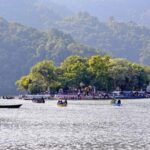
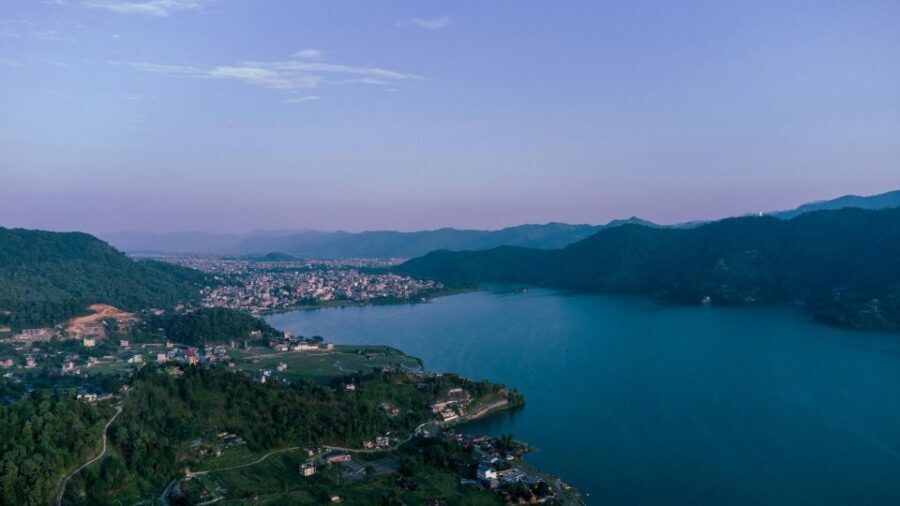
Your last big scenic stop is Phewa Lake, with about 1 hour. This is the perfect closer. The earlier stops push your attention toward mountains, water, and sacred spaces; Phewa Lake lets you exhale.
The tour gives you time for either a leisure boat ride (if you choose) or just relaxing along the shore. Since food isn’t included, you’ll likely use this window to grab a snack or plan an easy dinner back near Lakeside.
If you’re the type who wants photos at sunset, this hour might not be “perfect light,” but it’s still a great chance to get your lake shots and end on a calm note.
Price and value: what $19 really buys you
At $19 per person for roughly 4 hours, the value is mostly about logistics: transportation, fuel/taxes/service, and an experienced driver, plus scheduled time at major stops.
What’s not included matters:
- Entry fees are not included
- Food is not included
So think of this as a transport-and-time package, not a full “everything paid” day. If you’re comfortable paying a few entry fees and buying your own snacks, this can be a solid deal.
Also, the route is tight enough that you’re unlikely to use independent transit much during these hours. That alone can save you stress in a city where traffic and distances can surprise you.
The group, the bus, and the language reality check
The host or greeter language options are Nepali, Hindi, and English. That’s good on paper, but real-world delivery can vary. From the feedback I reviewed, two practical issues show up:
1) English may be limited at times.
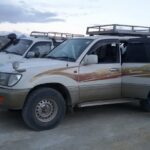
2) The bus can feel older/basic, with some comments about cleanliness.
Here’s what you can do with that information:
- If you care about a strong English-speaking guide, message ahead and ask what language support you can expect on your departure.
- Pack patience. Even when the guiding is minimal, the route still hits the core landmarks.
- Bring a small towel or wet wipes in case you get dusty during viewpoints and transitions.
It’s also worth knowing the vibe: this tends to be a local-friendly format, and the group mix may not feel international. If you want lots of conversation and English storytelling, you might find the pace more functional than chatty.
A stop-by-stop pacing guide (so you’re not rushed)
Because the total day is short, the pacing is “see it, photograph it, move on.” Here’s the general feel:
- Lakeside orientation: short
- Viewpoint stops: longer, photo-friendly
- Waterfall/gorge: quick but scenic
- Cave/temples: time for walking and pauses
If you want the smoothest experience, show up with:
- Comfortable shoes
- Charged smartphone
- A garbage bag (useful in many Nepal travel settings)
- An ID/passport copy (they accept copies)
And plan for small walks at multiple stops. This is not a sit-and-watch-only trip.
Who should book this bus tour (and who should skip)
This tour works best for:
- You want Pokhara highlights in a short window
- You’re okay with limited free time at each stop
- You can handle stairs or uneven paths around viewpoints and caves
It’s not suitable for people with:
- Back problems
- Mobility impairments or wheelchair users
- Claustrophobia
- Heart problems
- Motion sickness (and the route includes enclosed cave time)
- People with low fitness levels or high blood pressure
- Vegans, per the operator’s not-suitable list
- People over 331 lbs (150 kg)
If any of those apply to you, you’ll likely have a rough day—especially with cave and temple walking plus the overall schedule pressure.
What to bring and how to behave on the route
The essentials are straightforward: comfortable clothes, comfortable shoes, a charged smartphone, and your ID/passport copy. The tour also asks for a garbage bag, which is a good habit in Pokhara no matter what you do.
On behavior rules, the operator lists:
- No smoking in the vehicle
- No intoxication, alcohol, or drugs
- No littering
- No making excessive noise
- No baby carriages
- No explosives, and no nudity
It’s worth respecting these. Temples and cave complexes are active places, and being loud or disruptive can spoil the vibe for everyone.
Should you book this Pokhara Day Bus Sightseeing route?
Book it if you want an efficient, budget-friendly way to hit the big Pokhara names—Pumdikot, World Peace Pagoda, Davis Falls, Seti River Gorge, Mahendra Cave, Bindabasini Temple, and Phewa Lake—in one half-day plan.
Skip it (or choose a different format) if:
- You need strong English explanations the whole time
- You’re sensitive to enclosed spaces (cave time is a key part)
- You expect a brand-new, spotless bus experience
- You want long, unhurried time at each location
If you do book, I’d do one simple thing: message the pickup details clearly and ask what language support you’ll get. Then come with flexible expectations, good shoes, and a camera ready for viewpoints. For $19, the payoff is mostly in convenience—and in seeing how many famous Pokhara sights you can fit into a single morning-to-afternoon loop.
FAQ
What time does the Pokhara Day Bus Sightseeing tour start?
It starts around 9:00 am local time. Pickup is requested about 20 minutes early, around 8:40 am.
Where is pickup and drop-off?
Pickup and drop-off are included, and the tour starts from the Lakeside area. The operator asks you to contact them to confirm your exact hotel pickup address.
How long is the tour?
The duration is listed as 4 hours.
Are entry fees included?
No. Entry fees are not included in the tour price.
Is food included?
No. Food is not included.
What languages are available for the host or greeter?
The host or greeter is listed as Nepali, Hindi, and English.
Is this tour refundable if plans change?
Yes. Free cancellation is offered up to 24 hours in advance for a full refund.