REVIEW · POKHARA
Explore Pokhara City in Sharing Bus
Book on Viator →Operated by Arpan Nepal · Bookable on Viator
A day of Pokhara, minus the stress. This sharing-bus circuit strings together the city’s most talked-about sights in a way that’s easy to follow and simple to pay for. I like that the tour includes lakeside pickup and drop-off in Pokhara, so you’re not hunting transport before you even start.
I also like the people factor: the guides linked to this service tend to run friendly and organized, with a pace that feels relaxed instead of frantic. You’ll spend your time at the sights, not stuck in logistics, and the minibus setup keeps the group small enough to feel personal.
One heads-up before you go: the tour price covers the seat and logistics, but entrance fees for caves and Devi’s Fall aren’t included, and some stops involve uneven ground and steps. If you’re expecting a completely ticket-free day, plan for a little extra cash.
In This Review
- Key highlights at a glance
- Pokhara in 6–7 Hours: how this sharing bus day works
- Price, seats, and where the value really shows
- Bindhya Basini Temple: hilltop Hindu landmark with free admission
- Mahendra Cave: a cool break with extra ticket planning
- Begnas Lake: free entry and real time to breathe
- Devi’s Fall: the waterfall stop where you should watch the water
- Gupteswar Gupha: another cave experience, longer time to enjoy it
- The big natural lake moment: make it about your senses, not just photos
- What the guide and service style gets right
- Who should book this tour, and who should skip it
- Should you book this Pokhara sharing bus circuit?
- FAQ
- What time does the Pokhara Explore City tour start?
- How long is the tour?
- What’s included in the $12 price?
- Are entrance fees included?
- What are the main stops during the tour?
- Where does pickup and drop-off happen?
- How big is the group?
- Do I need a printed ticket?
Key highlights at a glance
- Lakeside pickup and drop-off keeps the start smooth
- Small-group sharing minibus (max 22) for a more manageable day
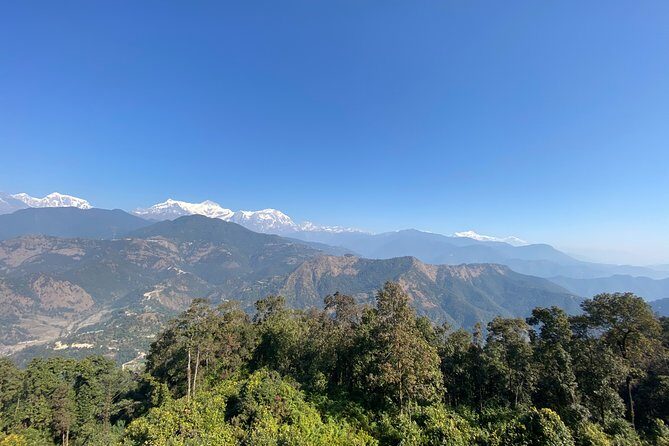
- Temple, caves, waterfall, and lakes in one half-day sweep
- Free stops at Bindhya Basini Temple and Begnas Lake help your budget
- Time for photos at big viewpoints without rushing everyone
Pokhara in 6–7 Hours: how this sharing bus day works
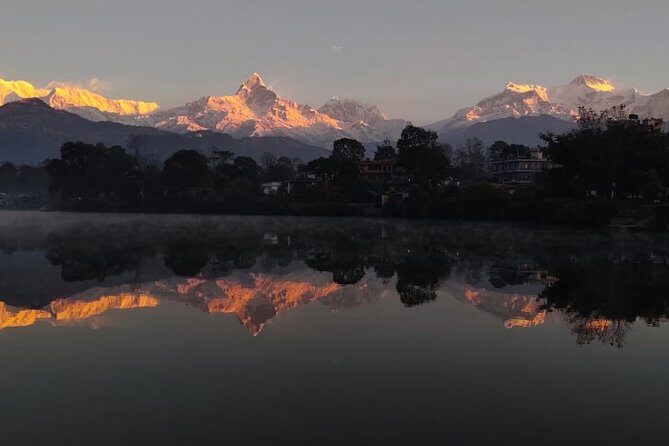
This is the kind of Pokhara tour you book when you want highlights, but you don’t want to plan a mini scavenger hunt. You meet at 9:40 am, then the bus works like a loop through hilltop views, underground caves, and water features—finished with a broader lake-side stop.
The big value is pacing. You don’t spend all day in transit, but you also get enough time at each place to actually experience it. Expect about 6 to 7 hours, depending on the day’s flow and how quickly the group moves between stops.
Because it’s a sharing bus, you’ll be grouped with other guests. The tour caps the group size at 22 travelers, which matters more than it sounds. Smaller numbers mean fewer long waits and a more comfortable vibe in the vehicle—especially important when you’re moving between spots that get crowded.
If you’re staying in or near the lakeside area of Pokhara, this format fits perfectly. Pickup and drop-off are included there, and that saves a lot of hassle compared with arranging separate rides for each stop.
Other Pokhara city sightseeing tours reviewed
Price, seats, and where the value really shows
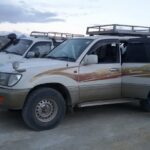
At $12 per person, the tour price is budget-friendly in a very practical way: you’re paying for the transportation and the schedule, not just for standing at a few famous points. The included items are straightforward—hotel pickup and drop-off (within lakeside) plus a seat in a basic minibus.
That “basic” detail matters. This isn’t a private car with extra comfort, so if you’re sensitive to vehicle comfort, you might prefer a private option. But if you’re focused on seeing a lot without spending much, this is a smart trade.
The other value lever is free entry at some stops. Bindhya Basini Temple and Begnas Lake are listed with free entry, while cave and waterfall entrances are not included. In other words, your final cost isn’t just $12—it’ll be “$12 plus a bit more,” depending on the fees at the non-free sites and any personal expenses.
Also note the tour uses a mobile ticket, and there are mentions of group discounts. That’s helpful when you’re traveling with friends or if you want to avoid last-minute paperwork.
Bindhya Basini Temple: hilltop Hindu landmark with free admission
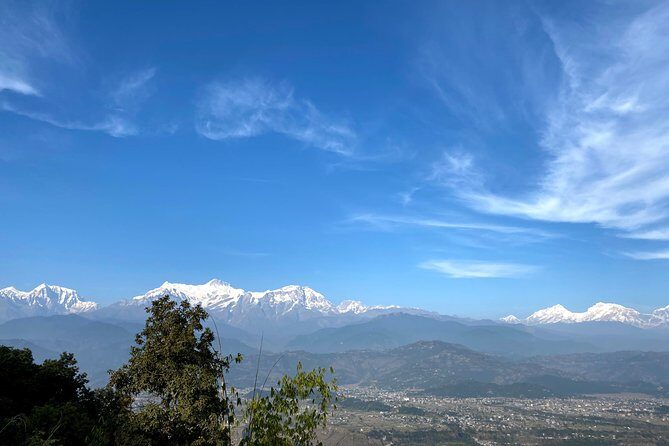
The day starts with Bindhya Basini Temple, sitting high on a hill and known as one of Pokhara’s most famous Hindu temples. This is the kind of stop that gives you a quick reset: you climb a bit, you look out over the town, and you get oriented to the city’s layout.
You’ll have about 25 minutes here, and the key detail is that admission is free. That makes this a great first stop for a budget day—no surprise ticket costs right away, and you still get a meaningful temple experience instead of a quick photo-only drive-by.
The temple visit also sets context. Pokhara isn’t only about water views and caves; it’s also a living religious place where local life continues around the tourist rhythm. Take a moment to watch how people move through the space, then enjoy your view.
Possible drawback: because it’s a hilltop temple, footwear and comfort matter. If the steps feel challenging for you, pace yourself and consider going slower rather than forcing speed for the group schedule.
Mahendra Cave: a cool break with extra ticket planning
Next up is Mahendra Cave, a beautiful natural cave in Pokhara. You’ll get around 30 minutes at this stop, which is enough time to walk in, see the cave formations, and come out with a real sense of what makes it special.
Admission for Mahendra Cave is not included, so this is one of the likely “add-on” costs of the tour. The good news is that you can plan for it early: have a bit of cash ready, and don’t assume every site will match the free temple start.
Caves are also a practical setting. Even if the day is warm outside, inside can feel cooler and damp. Wear shoes you trust on uneven cave floors, and keep your phone secure if you’re worried about moisture.
This is the kind of stop where the biggest mistake is rushing. If you only take a single hallway-like photo, you miss the best part: the way the cave shifts from darkness to small shafts of light and the texture of the rock as you move deeper.
Begnas Lake: free entry and real time to breathe
Then you shift from underground to open-air with Begnas Lake. This is listed as a natural, clean lake area, and the visit time is about 1 hour—the longest stop in the itinerary besides the final lake moment.
Entrance is free here, which is a smart budget win. But the bigger reason Begnas Lake works on this tour is the pause it creates. After temples and caves, you get a more relaxed stretch where you can slow your pace, enjoy the water, and take photos without the intensity of a ticket line or a tight cave interior.
What to do with your hour? You don’t need to over-plan it. Spend a bit just watching the water and the shoreline, then decide whether you want a longer walk or a calmer sit-and-enjoy moment.
Consideration: lake areas can be affected by weather and wind. If you go on a misty or breezy day, your experience will still be pleasant, but the photo lighting and comfort level might change.
Other sharing-bus sightseeing tours in Pokhara

Devi’s Fall: the waterfall stop where you should watch the water
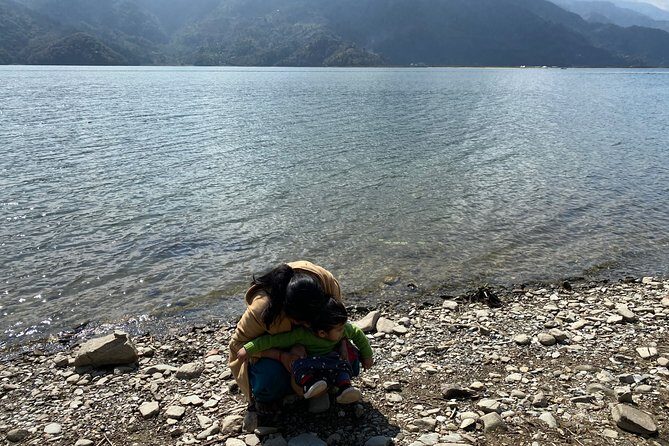
Devi’s Fall is a unique waterfall attraction in Pokhara, and your time here is about 25 minutes. Entrance is not included, so again, budget for an added ticket cost.
What makes this stop memorable isn’t just that it’s a waterfall—it’s that it feels like a story you can observe. Water moves in a way that looks ordinary at first glance, then turns strange and unexpected. That mix of familiarity and surprise is exactly why people talk about it.
Because your time is limited, think “watch first, then shoot.” Take 2 minutes to understand the flow, then start photographing. If you jump straight to photos, you often miss the visual sequence that explains what’s going on.
Practical tip: keep your footing careful around wet stone areas. Even if the route is well-used, slick surfaces can still be slippery.
Gupteswar Gupha: another cave experience, longer time to enjoy it
Next comes Gupteswar Gupha, another cave experience. You’ll have about 40 minutes, which is generous compared with many quick cave stops.
As with Mahendra Cave and Devi’s Fall, admission is not included. So this is the second obvious ticket add-on site in the itinerary. If you like to keep things simple, you might do best by carrying small denominations so you’re not scrambling at the last minute.
The time here is important. When you’re inside a cave, you need a little room to adjust—eyes to darkness, steps to the terrain, and your sense of distance. Forty minutes gives you the chance to slow down and enjoy the space rather than simply “getting through.”
Possible drawback: caves can be tiring if you’re not used to stairs and uneven floors. If you know you get fatigued easily, take short breaks and plan for a slower pace rather than trying to match the quickest walkers in the group.
The big natural lake moment: make it about your senses, not just photos
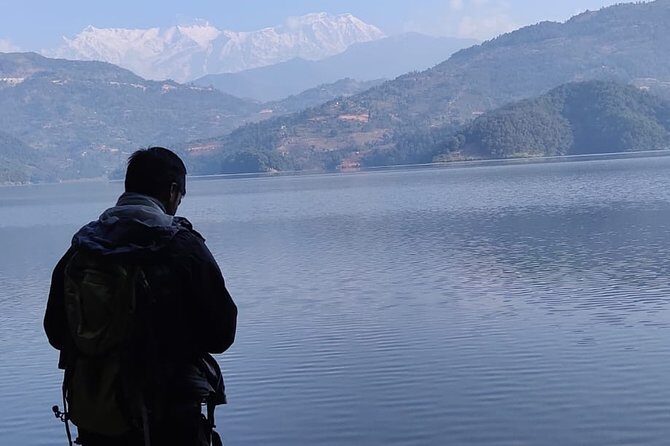
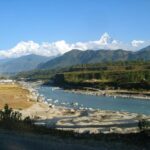
The final segment is listed as a stop at a big beautiful natural lake of Pokhara. The itinerary doesn’t name a specific island or landmark in the way some tours do, but the intent is clear: you end with water views, open space, and that classic Pokhara feeling.
This matters because it changes the emotional tone of the day. If you’ve been in caves and temple spaces, finishing near a lake helps your brain “land” again. You get calmer air and fewer constraints—perfect for a last set of photos or a relaxed walk before your return.
If you want a simple strategy: do one short walk for variety, then pick one spot and just watch the water. You’ll remember the moment more than you’ll remember the exact angle of every photo.
What the guide and service style gets right
The service approach attached to Arpan Nepal comes through in the way guests describe their experience: guides are friendly, humble, and good at keeping things organized. That’s not a minor detail in Pokhara, where it can be easy to feel lost without context.
A good guide also helps you move efficiently between very different environments—temple hilltops, cave interiors, and waterfall areas—without turning it into a rushed checklist. You’ll notice that especially in how the stops are timed, with a mix of quick hits (like Devi’s Fall) and slower, longer pauses (like Begnas Lake and Gupteswar Gupha).
Another point guests tend to appreciate is transportation quality for the price. A basic minibus won’t feel luxurious, but it can still be well-managed and comfortable enough for a half-day. If you’ve ever been stuck in a cramped vehicle on a long day, you’ll appreciate that this is limited to one compact circuit.
If you’re the type who likes to learn while you travel, the structure helps. Even without deep technical history, you’ll leave with a clearer sense of what each site represents—religious, natural, or both—and why they’re significant to Pokhara.
Who should book this tour, and who should skip it
This tour is a great match if:
- you want a high hit-rate day in Pokhara without private transport costs
- you like a group format with a reasonable size (max 22)
- you’re okay paying a little extra for sites that have separate entrance fees
- you’re staying in the lakeside area, where pickup and drop-off are included
You might skip or consider a different option if:
- you hate cave steps or uneven ground
- you’re planning a tightly cost-controlled trip where you want everything included
- you want total flexibility to linger longer at a single attraction
For most people, though, this is a practical way to get oriented and see the “must-see” mix: temple, caves, waterfall, and lake.
Should you book this Pokhara sharing bus circuit?
I’d book it if you want an organized Pokhara highlights day at a sensible price and you’re staying near the lakeside. The mix of free entry stops (Bindhya Basini Temple and Begnas Lake) helps your budget, and the timing is set up so you can actually enjoy the sights instead of sprinting between them.
If you do book, set yourself up for success with two simple moves: bring some small cash for the non-included entrances, and wear shoes you can trust on wet or uneven surfaces. Then let the day be what it is—a well-paced tour circuit that shows you what Pokhara feels like across land and water.
If you want a calm day with lots of downtime, this isn’t the slowest option. But if you want a smart sampler that covers the city’s big natural and cultural stops, this one is a solid choice.
FAQ
What time does the Pokhara Explore City tour start?
The tour starts at 9:40 am.
How long is the tour?
It typically runs about 6 to 7 hours.
What’s included in the $12 price?
You get hotel pickup and drop-off within the lakeside area of Pokhara, plus a seat in a basic minibus.
Are entrance fees included?
No. Entrance fees and personal expenses are not included in the tour price. Some stops list free admission, but cave and waterfall sites do not.
What are the main stops during the tour?
The tour includes Bindhya Basini Temple, Mahendra Cave, Begnas Lake, Devi’s Fall, and Gupteswar Gupha, with a final stop at a big natural lake.
Where does pickup and drop-off happen?
Pickup and drop-off are included within the lakeside area of Pokhara.
How big is the group?
The maximum group size is 22 travelers.
Do I need a printed ticket?
No. A mobile ticket is part of the tour features, and you’ll receive confirmation at booking time.