REVIEW · POKHARA
Pokhara: 4-Day Ghorepani, Poonhill & Ghandruk Village Trek
Book on GetYourGuide →Operated by Linkage Tour & Travel · Bookable on GetYourGuide
A perfect sunrise hunt starts here. This 4-day trek from Pokhara up to Ghorepani and Poonhill hits the sweet spot of effort and payoff, with big Annapurna and Dhaulagiri views and a stop in the classic Gurung village of Ghandruk. I also like the rhythm of the trip: a gradual build on day 1, a strong viewpoint day 3, then a calmer descent. The one consideration is early mornings and real uphill walking, so it helps to be comfortable with stairs and steep trail sections.
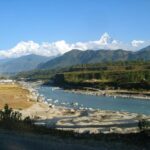
What makes this route work so well is how the scenery changes day to day, especially when you’re moving through terraced fields and rhododendron forests before you reach the viewpoint country around Poonhill. In the villages, you get everyday Nepal moments—tea, guesthouse life, and conversations with locals who know these paths better than any map. As a bonus, guides you may get—like Bidur, Krishna, and Paras—are described as very attentive and tuned into your pace and needs.
The overall price of $172 per person can feel like a bargain for what’s included, but it depends on the meal option you choose. On the premium full-board option, meals and a porter are included; on the standard option, meals are available for purchase and a porter is optional.
In This Review
- Key highlights worth packing for
- Why this Ghorepani–Poonhill–Ghandruk trek fits a tight itinerary
- The real value is the guide support (English, pace, and local context)
- Day 1: Pokhara to Nayapool, then Ulleri via terraces and rhododendron
- Day 2: Ulleri to Ghorepani, waterfalls and the forest-to-village transition
- Day 3: Poonhill sunrise at 3,210m, then down to Ghandruk’s Gurung culture
- Day 4: Ghorepani back to Nayapool and the drive home to Pokhara
- What the trek feels like on the body: effort, pace, and altitude checkpoints
- Lodges, sleep quality, and how meals actually work on this trek
- Gear and small choices that can make or break a sunrise morning
- Price and value: what $172 really means for a 4-day guided trek
- Who should book this trek, and who should rethink it
- Should you book the Pokhara Ghorepani, Poonhill & Ghandruk trek?
- FAQ
- How long is the Ghorepani, Poonhill & Ghandruk trek?
- Where does the trek start and end?
- What is the highest point on the route?
- Is pickup included?
- Is the trek guided?
- Are meals included?
- Do I need a porter?
- Are permits included?
- Can I cancel for a refund?
Key highlights worth packing for
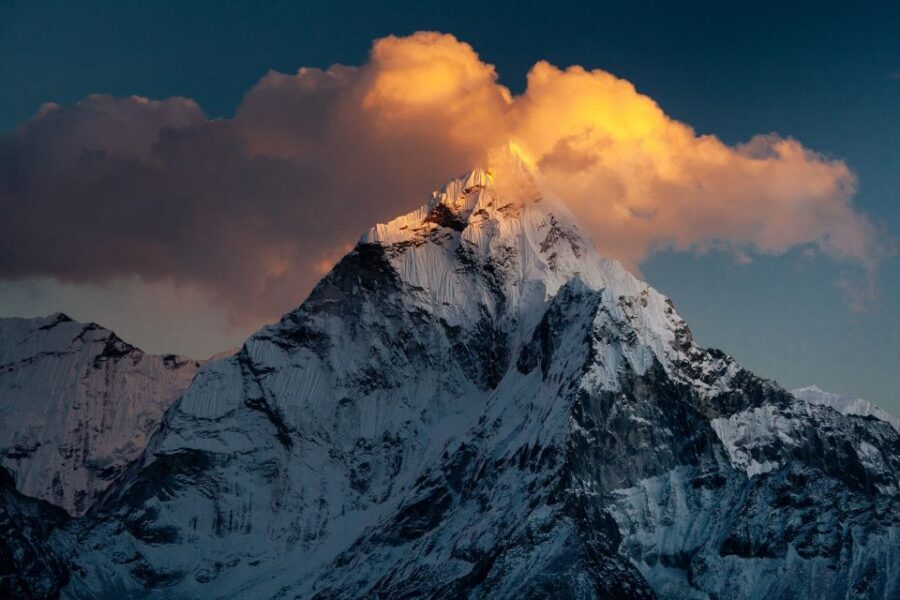
- Poonhill sunrise with a golden glow over Annapurna and Dhaulagiri
- Ghandruk village culture and panoramic mountain vistas
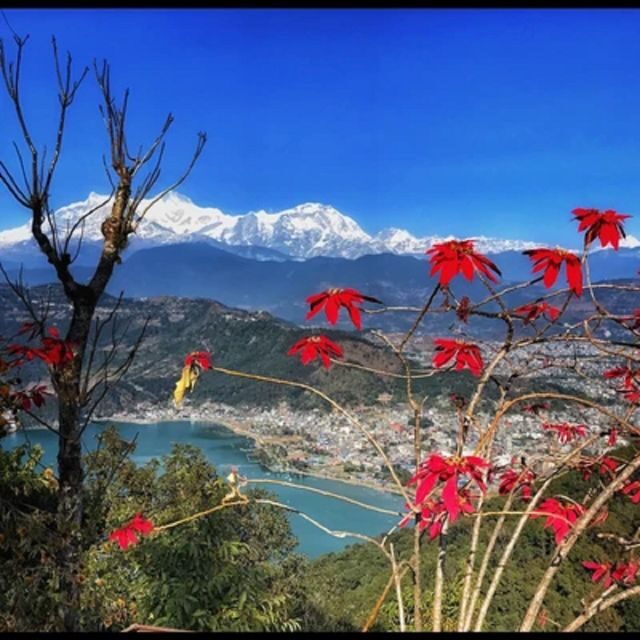
- Rhododendron forests and terraced farms early in the trek
- A strong, practical guide team (examples include Bidur, Krishna, and Paras)
- A round-trip format that fits neatly into a short Nepal visit
- Private group trekking with English-speaking guidance
Why this Ghorepani–Poonhill–Ghandruk trek fits a tight itinerary
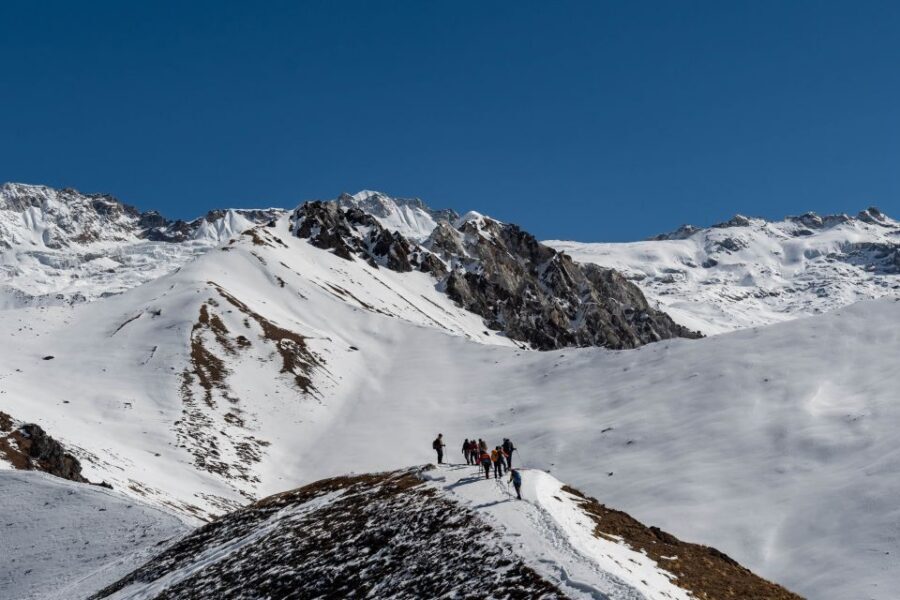
This is a 4-day trek that stays in the Annapurna region without turning your whole trip into a long expedition. You start in Pokhara, transition to trekking near Nayapool, and end by driving back to Pokhara—so you’re not stuck sleeping out in the hills for an extra week just to get one great view.
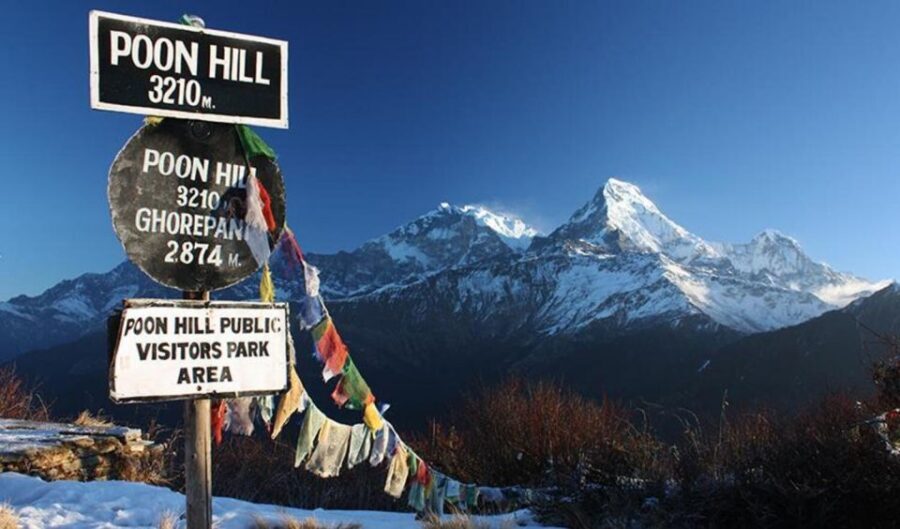
The “shape” of the trek is also smart. Day 1 begins at a lower elevation (Ulleri at 1,960m) and keeps you moving upward through familiar farmland and forest paths. Day 2 continues that climb toward Ghorepani (2,850m), and day 3 is the big payoff: an early hike to Poonhill (3,210m) for sunrise, followed by a descent down to Ghandruk (1,940m). Then day 4 is the release valve—back to Nayapool and into a vehicle again.
If you want big mountain moments but you do not want to commit to a longer trek, this is one of the best ways to do it. You’ll still work for your views, but the schedule stays realistic.
Other Ghorepani and Poon Hill treks in Pokhara
The real value is the guide support (English, pace, and local context)
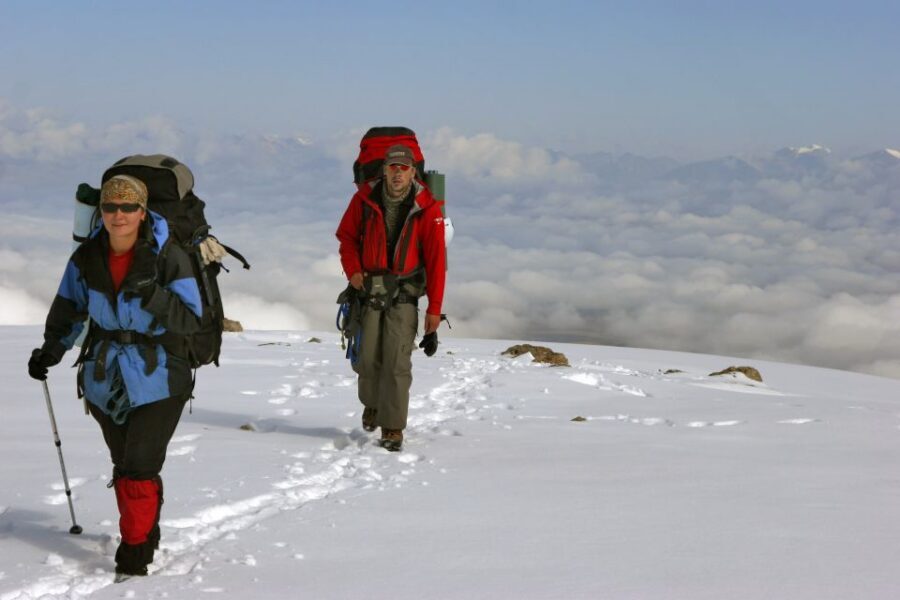
For a trek like this, the guide isn’t just there to lead the way. You want someone who can keep you moving at the right speed, handle the small questions that pop up, and translate the area beyond simple geography.
This trip is offered as a private group with an English-speaking guide. In practice, guides mentioned for this route—such as Bidur, Krishna, and Paras—are described as courteous, pleasant, and very attentive. The useful part is not only friendliness; it’s that they help manage your pace. One review notes the guide adapted to the group’s pace and needs and consistently chose good accommodation and resting places along the way. Another highlights a guide giving helpful info about peaks and Nepalese culture and religions.
You should also appreciate that trekking is run with a professional setup: government-registered guides, and porter support on the premium option. That matters for comfort and safety when weather shifts, trail conditions change, or you just need a little extra help carrying gear.
Day 1: Pokhara to Nayapool, then Ulleri via terraces and rhododendron
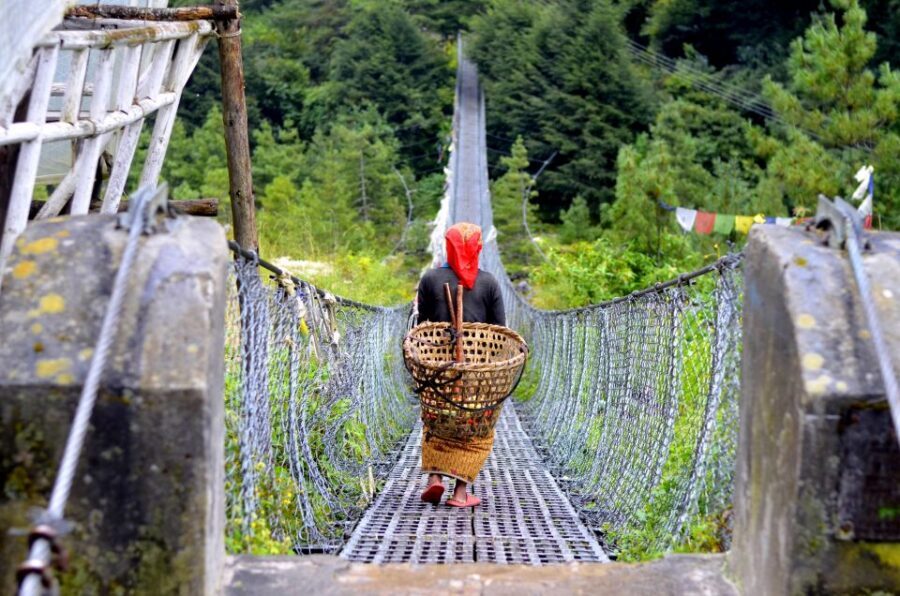
Day 1 starts with a drive from Pokhara to Nayapool (about 1.5 hours). Then you begin trekking to Ulleri (1,960m). This is your “getting into the swing” day.
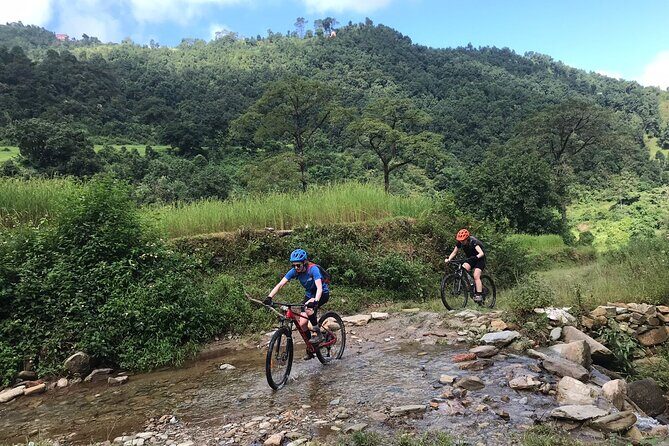
What I like about day 1 is the mix of walking styles. You begin with terraced fields—more open, slower rhythm—and then you work upward through rhododendron forests. That change helps your body and your mood. If you feel stiff, the earlier farmland sections can be a warm-up. When you enter the forest, the walking becomes more shaded and steady.
Ulleri is also the kind of village you want to arrive at on day 1: lively enough to feel lived-in, but not so high or remote that you’re immediately fighting for survival. It’s a good base to sleep and wake up ready for the next climb.
Possible drawback to consider: even on day 1, the trail is uphill. You won’t be crawling, but you will be working. Going slow early helps you enjoy day 2 and still have energy for Poonhill sunrise later.
Day 2: Ulleri to Ghorepani, waterfalls and the forest-to-village transition
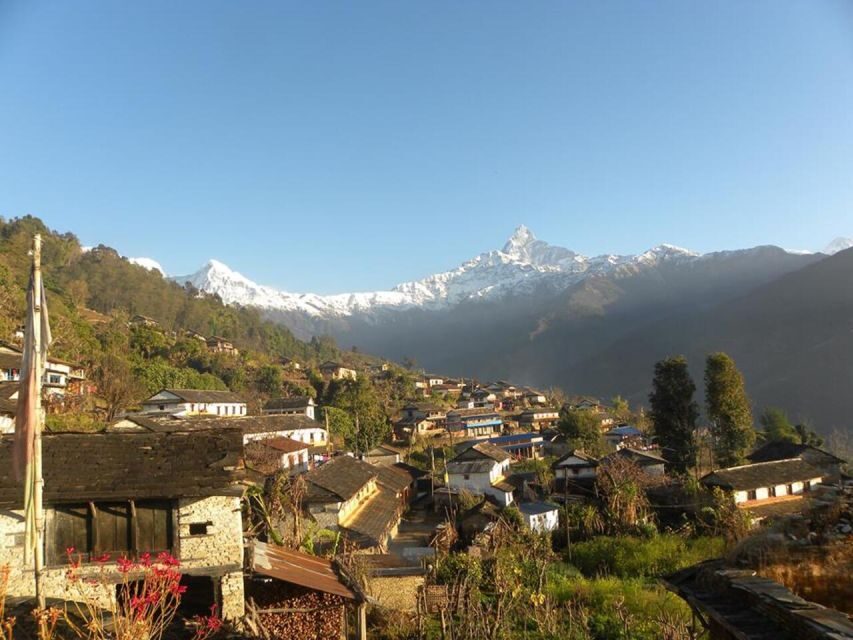
Day 2 runs from Ulleri to Ghorepani (2,850m). The big theme here is continuing uphill while moving through forests and occasional standout trail moments, including waterfalls.
Ghorepani is where the trek starts to feel like it’s closing in on the main viewpoints. You’re climbing into a zone where the mountain views are closer and the daily routine becomes more “trekker focused.” The village itself gives you what you need: guesthouse stays, tea stops, and the chance to settle into your altitude rhythm.
What you can watch for on day 2:
- Forest walking that can hide steep sections until you reach them
- Short breaks that become more frequent as altitude climbs
- The gradual feeling of being closer to the snowy peaks you came for
The best part of day 2 is that you’re not just trudging uphill. You’re moving through a trail with personality—forest shade, waterfall crossings or views (depending on conditions), and village life that makes the climb feel connected instead of lonely.
Day 3: Poonhill sunrise at 3,210m, then down to Ghandruk’s Gurung culture
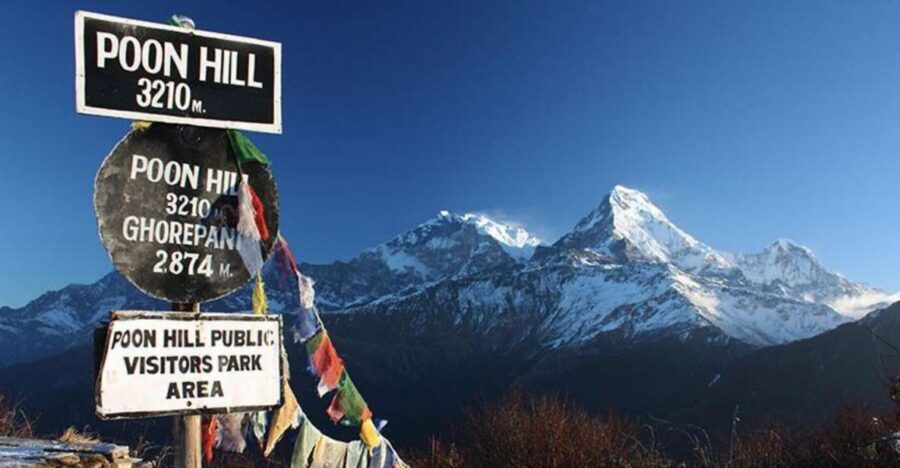
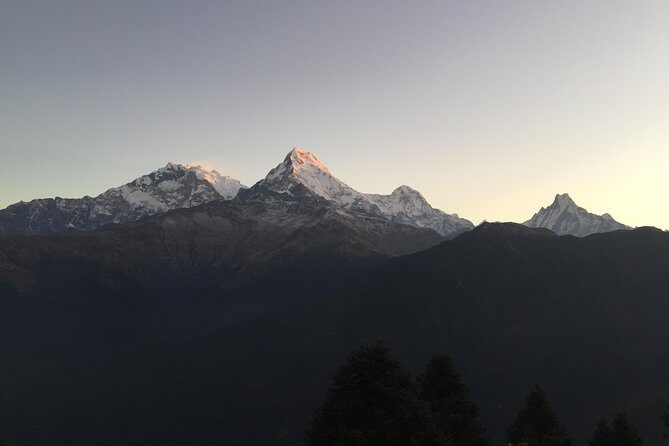
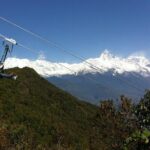
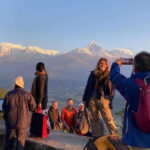
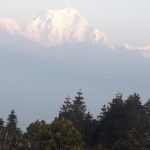
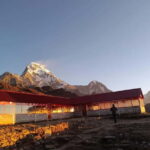
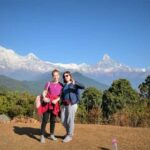
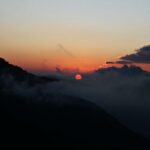
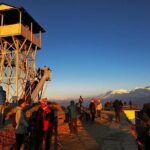
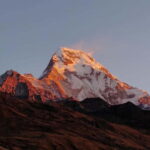
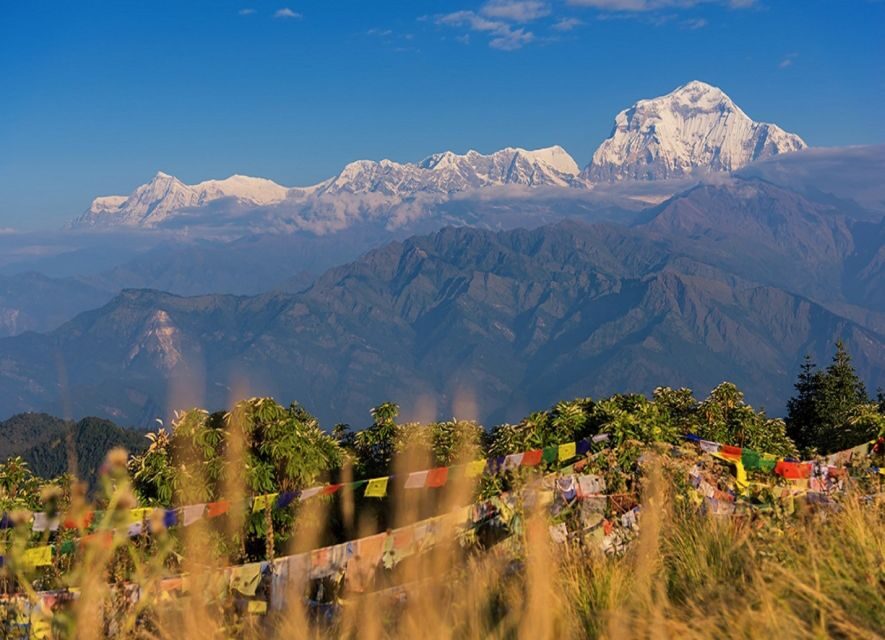
Day 3 starts early with a hike up to Poonhill (3,210m). This is the signature moment: sunrise views across the Annapurna and Dhaulagiri ranges, with a golden glow over the snow-covered peaks.
Be realistic about the logistics of a sunrise trek. You’ll likely feel cold at first, then warm quickly once the sun rises. Your clothing and your pace matter. If you want the view without suffering, take the climb steadily—no sprinting. The people who enjoy sunrise most are the ones who arrive calm enough to actually watch it happen.
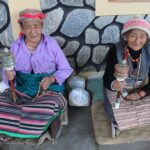
Then comes the second half of day 3: descending to Ghandruk (1,940m), a traditional Gurung village known for cultural heritage and panoramic vistas. This is a great contrast day. You get the dramatic, wide mountain moment at Poonhill, then you drop into a place where you can slow down and take in village life.
Why this pairing works: sunrise gives you the “wow” feeling. Ghandruk gives you the “I understand this place” feeling. You’re not just passing through altitude zones; you’re landing in a community with identity.
A practical consideration: the descent is still tiring. Even though it’s down, your knees feel the work. Trekking poles can help.
Other Ghandruk village treks in Pokhara

Day 4: Ghorepani back to Nayapool and the drive home to Pokhara
Day 4 is your wrap-up day. You trek from Ghandruk to Nayapool, then drive back to Pokhara. This is where you feel the satisfaction of finishing, because the hard part is behind you.
Even on a shorter trek, the last day can still be a little emotional. You’ve watched the same mountains in different light, you’ve walked through villages and forests, and you’ve built a routine with your guide. The return drive is when it all clicks into a single memory: you traded city life for mountain time and you’re coming back with legs that feel stronger than before.
If you have energy, use it to enjoy the transition. Stretch after the trek, hydrate, and take a relaxed evening in Lakeside Pokhara so the experience doesn’t vanish into travel stress.
What the trek feels like on the body: effort, pace, and altitude checkpoints
You should expect a mix of steep climbs and uneven trail. Even though this is “only” four days, you still gain and lose a meaningful amount of elevation across the route. The altitude points you’ll move through are clear on the plan: Ulleri (1,960m), Ghorepani (2,850m), Poonhill (3,210m), and down to Ghandruk (1,940m).
Here’s the practical takeaway: this trek is best for people who can hike for hours and handle stairs and sloped trail without needing constant breaks. If you’re very new to trekking, you might find it challenging, especially on day 2 and on the early-morning push to Poonhill.
The upside is that you’re not doing extreme, multi-day acclimatization at high elevation. You’re building gradually and returning to a lower village after sunrise.
Lodges, sleep quality, and how meals actually work on this trek
Accommodation is described as private accommodation on tourist standard lodge. Expect basic trekking comfort: a simple room, a bed to sleep in, and a warm-ish space to sit before and after walking.
Meals are where you need to pay attention to the option you select:
- On the premium full-board option, you get all meals (breakfast, lunch, dinner).
- On the standard option, meals are available for purchase, and porter support is optional.
In real terms, the full-board style can make the day easier. You don’t have to think about where you’ll eat or what you’ll pay for lunch. The tradeoff is that you are committing to the package meal plan. If you like flexibility and prefer choosing food as you go, the standard option may feel more comfortable.
Either way, you’ll want cash for small purchases on the standard plan, since meals aren’t included in that case.
Gear and small choices that can make or break a sunrise morning
This trek includes trekking support like a guide and, on the premium option, a porter. It also mentions help with gear like a duffel bag / trekking pole / trekking bag if required. That’s good for planning light, but you should still think through the basics.
Bring the items you’ll feel most:
- Layers for sunrise cold and morning-to-day warmth changes
- Good footwear with grip for dirt and stone steps
- A simple system for water (bottles or a hydration method you trust)
- Trekking poles if you have them, especially for day 3 descent
And one more practical note: on sunrise mornings, your brain wants to rush. Your body doesn’t. Keep your effort controlled and you’ll enjoy the view more.
Price and value: what $172 really means for a 4-day guided trek
At $172 per person for 4 days, the value depends on the meal plan you choose. The trek includes several key items:
- Hotel pick-up and drop-off from any hotel in Lakeside Pokhara / Airport
- Round-trip transportation
- Government permits, TIMS, and taxes
- Professional trekking guide (government registered)
- Guide and porter support details (with meals and insurance, plus transport and equipment—on the premium option)
- First-aid kit
So you’re not just paying for walking. You’re paying for logistics, permits, a guide team, and support that can reduce planning stress.
If you choose the premium full-board option, it also reduces spending during the trek because breakfast, lunch, and dinner are included. If you choose standard, you may pay more for meals and you can add a porter at $15 per day.
As a rule of thumb: if you want the smoothest experience and fewer decisions each day, full-board tends to feel worth it. If you’re traveling on a tighter budget and don’t mind managing meals, standard can work—just plan your budget for food.
Who should book this trek, and who should rethink it
This trek is a great fit for:
- People who want a strong first Nepal trek without committing to weeks
- Anyone who loves sunrise viewpoints and wants the Annapurna and Dhaulagiri view without long travel days
- Travelers who prefer a private group and an English guide who can adapt to their pace
You might rethink it if:
- You dislike early starts or steep, stepped trails
- You want a fully relaxed walk with minimal effort
- Your hiking experience is very limited and you’re expecting mostly flat walking
Should you book the Pokhara Ghorepani, Poonhill & Ghandruk trek?
I think you should book this if your goal is clear: sunrise at Poonhill, a village stay with real cultural texture in Ghandruk, and a guided, organized trek that doesn’t swallow your whole schedule. The strongest reason to choose it is the payoff-to-time ratio: you’re doing hard-earned altitude for a few days, then coming back to Pokhara while you still feel proud instead of exhausted.
If you can, read your expectations like a checklist: be ready for early morning hiking, confirm whether you’re on the premium full-board vs standard option, and pack for cold-to-warm shifts. Do that, and this trek is the kind of Nepal experience that sticks.
FAQ
How long is the Ghorepani, Poonhill & Ghandruk trek?
It runs for 4 days.
Where does the trek start and end?
It starts with transport from Pokhara (to Nayapool) and ends with trekking back to Nayapool followed by a drive back to Pokhara.
What is the highest point on the route?
Poonhill is the highest listed point at 3,210m.
Is pickup included?
Yes. Pick-up is included from any hotel in Lakeside Pokhara or from Pokhara Airport.
Is the trek guided?
Yes. The tour includes a professional trekking guide, and the trek is offered with a live English-speaking guide.
Are meals included?
Meals are included only on the premium full-board option (breakfast, lunch, dinner). On the standard option, meals are available for purchase.
Do I need a porter?
A porter is included on the premium full-board option. On the standard option, a porter is optional at $15 per day.
Are permits included?
Yes. Government permits, TIMS, and taxes are covered.
Can I cancel for a refund?
Yes. Free cancellation is offered up to 24 hours in advance for a full refund.