REVIEW · POKHARA
Pokhara: 3-Day Ghorephani and Poon Hill Private Trek
Book on GetYourGuide →Operated by Snow Peak Tours and Travels pvt. ltd. · Bookable on GetYourGuide
Golden sunrises start with a steep climb. This 3-day Ghorepani and Poon Hill private trek is one of the fastest ways to get real Himalayan drama, with huge views across the Annapurna and Dhaulagiri ranges and a classic sunrise payoff. I especially love the Poon Hill sunrise viewpoint and the cultural stop at Ghandruk Gurung village, which makes the hike feel like more than just scenery.
You also get a well-supported route with an experienced local guide (many groups hike with guides like Santosh, Jeet, Candra, Laxman, and others), so you’re not guessing at timing, tea houses, or what to look for when the mountains change by the hour. And since it’s private, your pace matters more than keeping up with a big group.
The main consideration is physical: this short itinerary still includes steep stairs and hard uphill segments, and it can feel tougher than you expect if you’re fairly new to hiking. Add in cold guesthouse nights at altitude and you’ll want to dress smart, not optimistic.
In This Review
- Key things to know before you go
- Why this Ghorepani and Poon Hill trek fits Pokhara so well
- Day 1: Pokhara to Ulleri, with Nayapul and a first taste of steep effort
- Day 2: Ulleri to Ghorepani for panoramic mountain time
- Day 3: The Poon Hill sunrise mission and the downhill return to Pokhara
- Ghandruk and Gurung culture: more than a photo stop
- Views of Annapurna and Dhaulagiri: what you’ll actually experience
- Tea houses, guesthouses, and the food rhythm
- Guide support in a private trek: why it matters here
- Price and value: what $126 really covers for 3 days
- What to pack (and what to wear first thing)
- Should you book the 3-Day Ghorepani and Poon Hill private trek?
- FAQ
- How long is the trek?
- Where does the trek start from Pokhara?
- Is this a private trek?
- What’s included in the price?
- What is not included?
- Do I need permits?
- What language is the guide?
- What should I bring for the trek?
- What about cold weather and sunrise?
- What is the cancellation policy?
Key things to know before you go
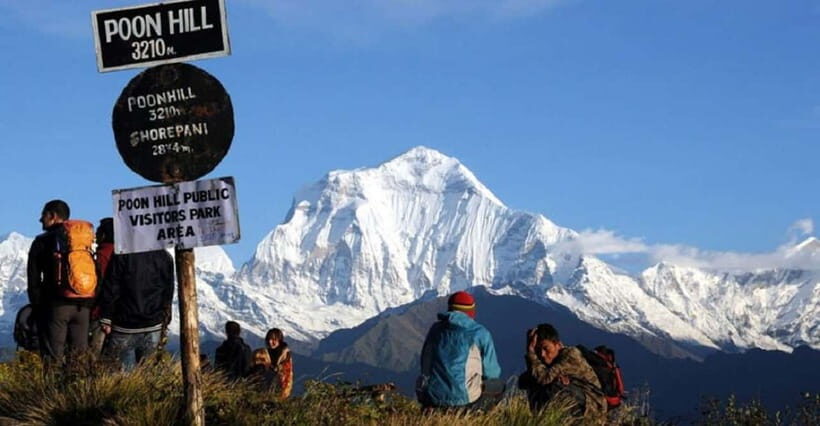
- Poon Hill sunrise is the headline with big Annapurna and Dhaulagiri views right before you start the day.
- Ghandruk village brings real Gurung culture to balance the effort of the trail.
- Day 1 can be step-heavy so plan for legs that feel worked, not just walked.
- Rhododendron forests add color when conditions are right, especially around the mid-elevation stretches.
- Guesthouses are simple but welcoming with chances to warm up in cold weather.
- Guides often tailor the pace and help with stops, food choices, and timing.
Why this Ghorepani and Poon Hill trek fits Pokhara so well
Pokhara is the natural launch point for a lot of Annapurna-area treks, but not everyone has a week to give. This itinerary is built for people who want the mountains without the long grind: a 3-day loop-style rhythm that still gets you up high enough for meaningful views.
What I like most for your decision-making is the balance. You’ll hike through countryside and villages during the day, but you’re also aiming at a specific wow moment—the early morning climb to Poon Hill—so the trip feels goal-driven. It’s short, but not sloppy. You’re not rushing to say you did it. You’re hiking to see something real.
If you want a compact taste of the Annapurna region, this is a strong match. If you want a slow, low-stress walk with zero steep sections, you might feel disappointed.
Other Ghorepani and Poon Hill treks in Pokhara
Day 1: Pokhara to Ulleri, with Nayapul and a first taste of steep effort
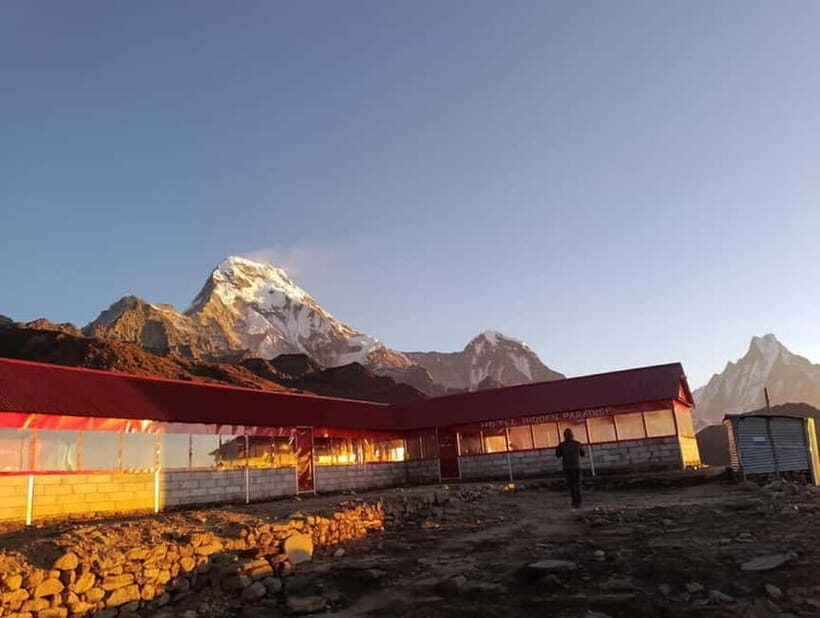
Your day starts with ground transfer from your Pokhara-area pickup points to the trek access area near Naya Pul. Along the way, there are short breaks and photo stops, which helps you settle in before your legs start doing real work.
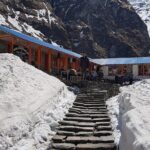
From Naya Pul, you begin trekking to Tikhedhunga and then up to Ulleri. This is the day where you feel the vertical gain. In most versions of this route, Tikhedhunga is where the trail turns into a stair-and-step workout, and that matches what many hikers say: the stairs are the part you notice later, not the part you forget.
Ulleri is where you sleep for the night. It’s not a destination for luxury—it’s a staging point that sets you up for the bigger view day. What to expect practically: you’ll likely get a basic guesthouse setup and a chance to refuel with a hot meal, but it may be cool at higher altitude. If you run cold easily, you’ll feel it more here than in Pokhara.
What makes this first day worth it: you’re warming up to the trail while gradually moving into the higher Annapurna-zone air. By the time you’re in Ulleri, the landscape starts to feel more Himalayan and less like a village walk.
Day 2: Ulleri to Ghorepani for panoramic mountain time
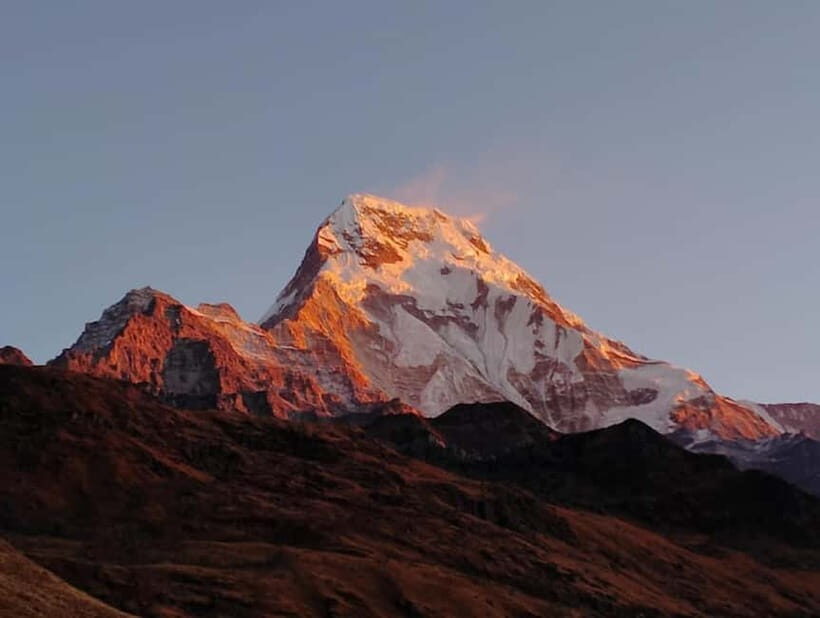
Day 2 is your main ascent day in terms of altitude. You trek from Ulleri to Ghorepani (the climb is a solid chunk of the total effort), and that’s why Ghorepani matters: it’s the base for your Poon Hill morning and also a real viewing area on clear days.
This is also the day when the scenery can shift in a satisfying way. You’ll pass through sections known for rhododendron forests, and that matters because rhododendron adds texture and color to a trek that could otherwise feel like just rock-and-grass. Depending on season and weather, you’ll also pick up that sense of wildlife and high-country life—some hikers report seeing mountain trail animals and hearing the forest change as you go.
Ghorepani is where you spend the night. From here, you’re set up for an early wake-up and a short-but-intense push toward Poon Hill. Your guide plays a big role tonight: they’ll help you plan your morning timing, choose where to eat, and often nudge you toward practical choices like warming up with a hot drink before you climb.
The best part of Day 2: you’re not only hiking uphill—you’re earning the chance to stand in a place where Annapurna and Dhaulagiri panoramas are the main event.
Day 3: The Poon Hill sunrise mission and the downhill return to Pokhara
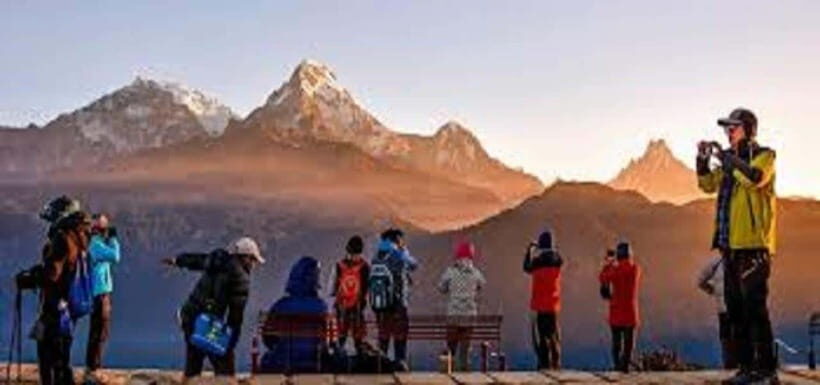
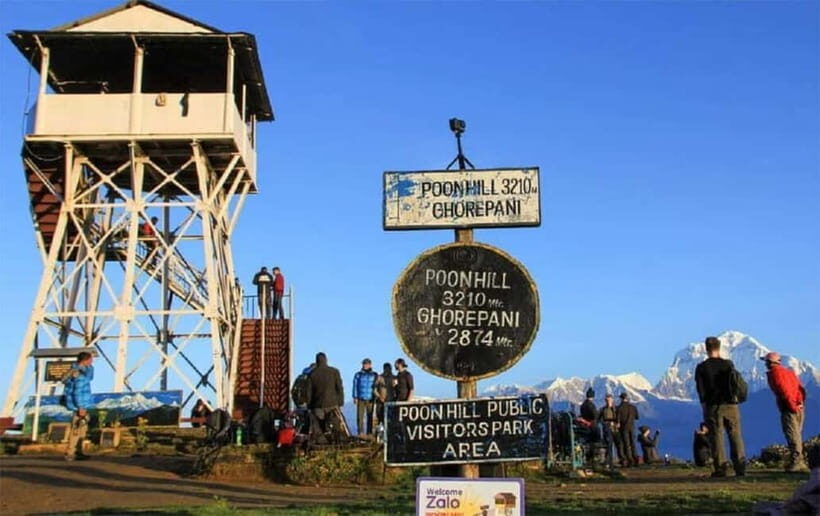
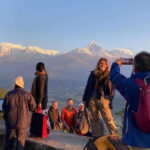
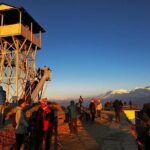
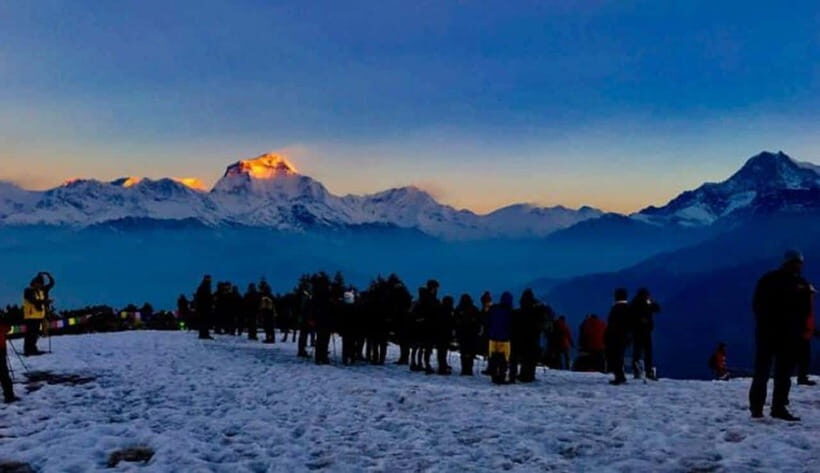
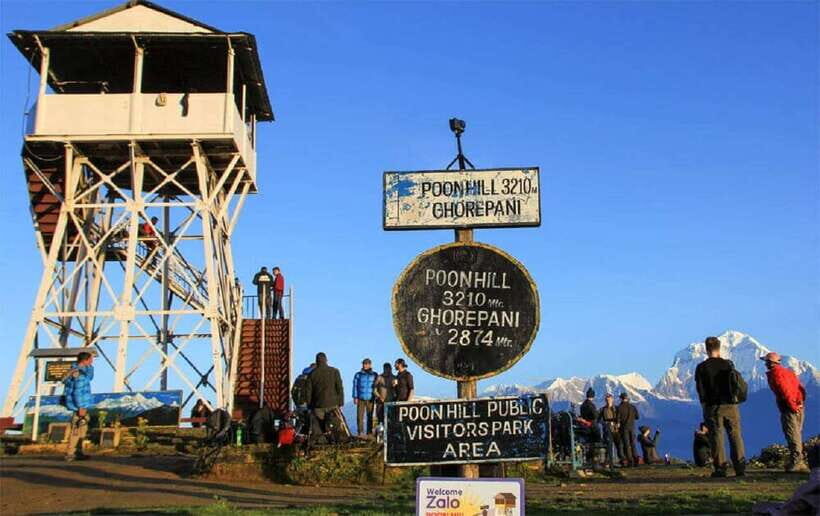
This is the iconic day. You’ll start early from Ghorepani, hike up to Poon Hill (a manageable distance, but you’re going early and the air can feel sharp), and aim for sunrise.
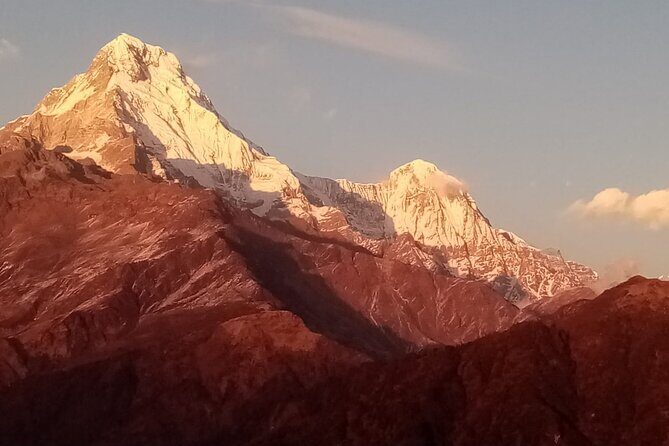
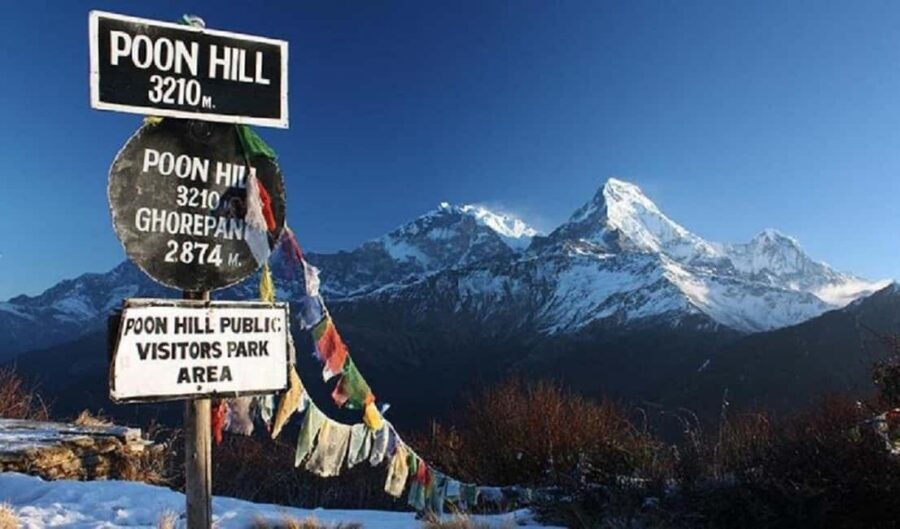
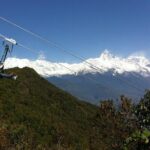
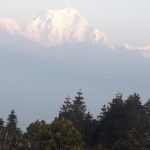
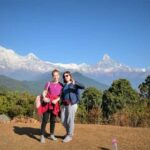
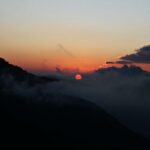
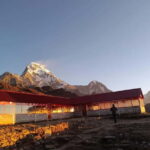
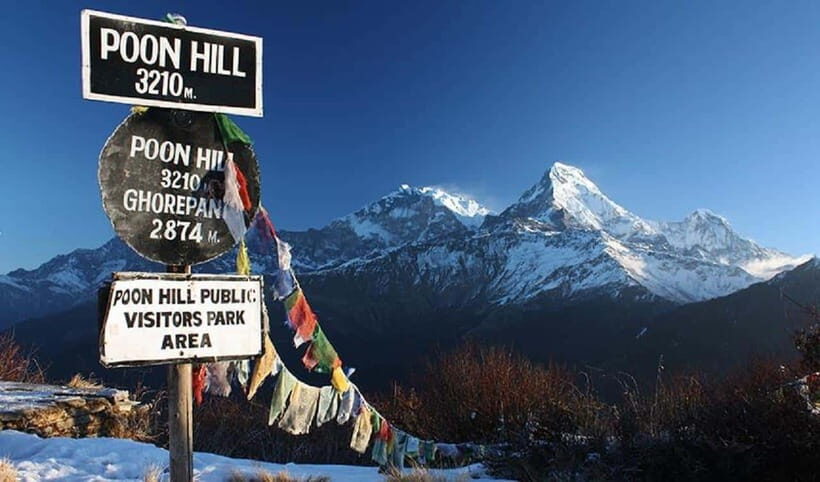
The payoff people talk about is straightforward: sunrise over the Himalayas can turn cold air into a golden show, with major peaks glowing as the light hits them. You’re not just getting a single peak view, either. From Poon Hill, you typically frame out a wider spread, with views that can include parts of Annapurna, Dhaulagiri, and nearby peaks when visibility is good.
One thing I’d stress for you: sunrise success depends on clouds. If the sky is hazy, you’ll still get mountain presence, but the color show can be muted. This is why guides often focus on getting you moving early and staying flexible rather than treating sunrise as guaranteed perfection.
After the sunrise climb, you hike back to Ghorepani for breakfast, then continue downhill through Ghorepani to Nayapul and return to Pokhara. The final day is mostly about controlling your descent—your knees will thank you if you take it slowly and use good footwear.
Ghandruk and Gurung culture: more than a photo stop
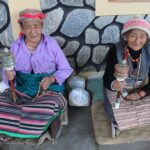
This trek isn’t only about views. It’s also about rhythm with people. The route is designed to connect trekkers with Ghandruk village, a place known for Gurung culture and everyday life in the Annapurna region.
In practical terms, that means you’re more likely to notice how a mountain community lives: how tea houses function, how walking trails connect neighborhoods, and how local hospitality shows up when you stop. It also gives you a human anchor so you’re not just marching from viewpoint to viewpoint.
If you care about cultural understanding, this is the element that keeps the trek feeling grounded. It turns a short trek into a real Nepal experience, where the mountains are the star, but the people make the story.
Other private tours in Pokhara
Views of Annapurna and Dhaulagiri: what you’ll actually experience
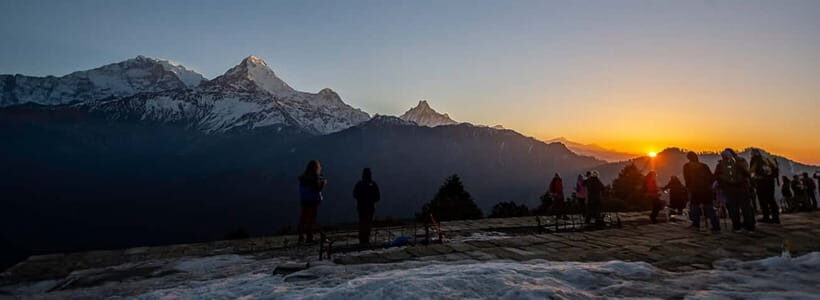
People come for the peaks. They leave talking about the changing light.
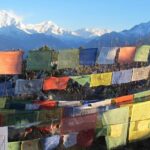
On Day 2, you start seeing the range with a more gradual reveal. It’s less like one dramatic poster view and more like a slow opening of angles—peaks become clearer as you gain altitude and as weather lets up. Then, on Day 3, you get the high-impact moment: the Poon Hill sunrise scene that can make the mountains look freshly lit from within.
Also, don’t treat the trek as one-size-fits-all “clear weather” promise. Even in short treks, conditions vary. Some hikers report perfect visibility, others talk about fog or haze days. The good news: the trail itself, the villages, and the day-to-day mountain atmosphere still make the hike worthwhile even when visibility isn’t perfect.
My practical advice: when the views are good, take your time. When they’re not, focus on the village stops, the forest sections, and your own pacing. You’ll still get a satisfying experience because the trek has more than one layer.
Tea houses, guesthouses, and the food rhythm
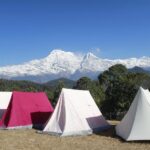
Because this is a short trekking circuit, you’ll spend most of your “comfort time” in guesthouses and tea houses along the way. The good part: you don’t have to carry the weight of a full camping setup. The included structure helps you concentrate on hiking and enjoying the trail.
Most hikers describe the lodgings as simple but clean and welcoming, with meals that are hearty enough for high-energy days. If you choose the option with meals included, you’ll get food throughout the trek, which helps a lot when you don’t want to manage every meal decision while you’re tired.
What to expect from the food pattern:
- You’ll likely eat a familiar Nepalese rhythm such as dal bhat styles when it’s available.
- You’ll stop for hot drinks while you’re on the move, which matters in cold weather.
- Tea house menus can be varied, but your safest plan is to order what the kitchen can do reliably and what you’ll digest well before uphill segments.
One small but real tip: your guide often helps you choose places to stop for meals and ensures you have hot water on hand. That sounds minor until you’re cold and walking in thin air.
Guide support in a private trek: why it matters here
This trek is private, which changes the entire feel of a mountain walk. Instead of being pulled along, you get more control over pacing and rest stops—useful on Day 1, when the stairs can make even fit legs feel heavy.
Based on the guide names frequently associated with this trek (Santosh, Santosh Tiwaree, Jeet Bhadur Nepali, Candra, Laxman, Dhanapati, and others), you can expect a strong focus on practical support:
- keeping the group on the right path
- managing timing for food and breaks
- helping with tea house choices
- adjusting when someone feels unwell or wants a slower pace
If you’re hiking with a tight schedule (or you’re nervous about timing), a guide who can keep things moving without rushing you is a big value add. Several hikers also mention how guides brought walking sticks or organized tools that make the steep parts more manageable.
Price and value: what $126 really covers for 3 days
$126 per person for a 3-day private trek is only “cheap” if you compare it to the real costs of permits, lodging, and local staffing. Here, the value comes from what’s bundled.
You’re typically getting:
- permits and required fees
- private accommodation in standard lodging
- an experienced trekking guide
- support for guide and porter expenses (including meals, accommodation, insurance, salary, and equipment)
- trekking gear like trekking sticks and sleeping bags as needed
- a first aid kit and duffel bag, plus luggage storage in Pokhara
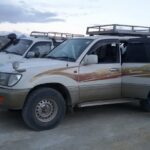
- round-trip transport between your Pokhara hotel area and the trek start
Personal expenses aren’t included, so you’ll still budget for things like extra drinks, snacks, or souvenirs. But the big “hassle items” are handled, which is what makes this price feel fair.
For your decision: if you compare this to paying for a guide, permits, and coordinating transport separately, this package often saves you stress as much as it saves money.
What to pack (and what to wear first thing)
At Poon Hill altitude, you’ll feel cold more than you expect. Many hikers stress warm layers, and it makes sense. You don’t need to dress like you’re climbing Everest, but you do need layers you can adjust.
Bring:
- warm clothing
- proper hiking shoes
- hiking pants
- a waterproof bag (weather can shift fast)
- an ID or passport copy
Also, submit a copy of your passport at least a day before you trek so permits can be arranged. And remember: travel insurance is mandatory for your safety and peace of mind, especially in case of medical issues or emergencies.
Should you book the 3-Day Ghorepani and Poon Hill private trek?
Book it if you want:
- the classic Poon Hill sunrise in a short time window
- an Annapurna and Dhaulagiri view-focused itinerary
- a cultural stop at Ghandruk for Gurung village life
- private pacing with a local guide who handles tea house timing and route support
Think twice if you:
- dislike steep stair sections (Day 1 is often the hardest day)
- expect a low-effort walk with minimal exertion
- run very cold and hate early mornings, unless you pack layers and show up prepared
My bottom line: this is one of the best “3-day Himalayan hits” from Pokhara. It’s compact, structured, and scenic, and the sunrise plan gives the whole trek a clear, memorable climax.
FAQ
How long is the trek?
It runs for 3 days.
Where does the trek start from Pokhara?
Your trek starts after pickup in Pokhara Valley and transfer to the starting area near Naya Pul.
Is this a private trek?
Yes. It’s a private group, with a live trekking guide.
What’s included in the price?
Permits and fees, private standard lodging, meals throughout the trek if you choose the meals option, a certified trekking guide, and expenses for the guide and porter (including meals, accommodation, insurance, salary, and equipment). Transport between your hotel area and the trek start is also included, along with trekking gear like sticks and sleeping bags as needed, plus first aid kits and luggage storage in Pokhara.
What is not included?
Personal expenses.
Do I need permits?
Yes, and the required permits and fees are included. You should submit a passport copy at least one day before the trek so permits can be arranged.
What language is the guide?
The live guide can speak English, Hindi, and Nepali.
What should I bring for the trek?
Warm clothing, hiking shoes, hiking pants, a waterproof bag, and an ID/passport (a copy is accepted).
What about cold weather and sunrise?
Temperatures can vary a lot, especially higher up. Expect it to be cold at altitude, and plan for warm layers for early sunrise timing.
What is the cancellation policy?
Free cancellation is available up to 24 hours in advance for a full refund.
If you tell me your fitness level and travel month, I can suggest how aggressively to pack layers and what pacing strategy fits best for Day 1 and the sunrise climb.