REVIEW · POKHARA
Pokhara: 4-Day Private Trek Tour
Book on GetYourGuide →Operated by Nepal Mountain Club Pvt. Ltd. · Bookable on GetYourGuide
Sunrise over the Annapurnas starts at 4:00 a.m. This 4-day private trekking trip is built for quick access to the mountain villages around Pokhara, with Poon Hill as the big early-morning payoff. You’ll hike from Nayapul up through Ulleri and Ghorepani, then down through Tadapani toward Ghandruk, staying in simple guest houses along the way.
What I like most is the pacing that works for beginners: you get a full day of trail on Day 1 (about 4.5 hours) and a longer Day 2 (about 5 hours) through the rhododendron belt, with time to rest in friendly lodge settings. I also really value how much the route delivers without feeling like a huge expedition, especially the Gurung-focused stop in Ghandruk (with the Gurung Museum) after you earn your sunrise. One consideration: the Day 3–4 walking includes a lot of going up and down, and descent can feel tough on knees, so bring supportive footwear and consider trekking poles.
In This Review
- Key moments you’ll remember
- From Lakeside Pokhara to Nayapul: how the trek gets real fast
- Day 1: Ulleri at a steady beginner-friendly pace
- Day 2: Rhododendron forest to Ghorepani
- Day 3 sunrise at Poon Hill: the short climb that feels huge
- Day 4: Ghandruk, the Gurung Museum, and the way back to Pokhara
- Price and logistics: what $243 really buys you
- Your guide: why the human factor shows up on this route
- What to bring (and what people forget): a short packing reality check
- Who this trek is for (and who should skip it)
- Should you book the Pokhara 4-Day Private Trek Tour?
Key moments you’ll remember
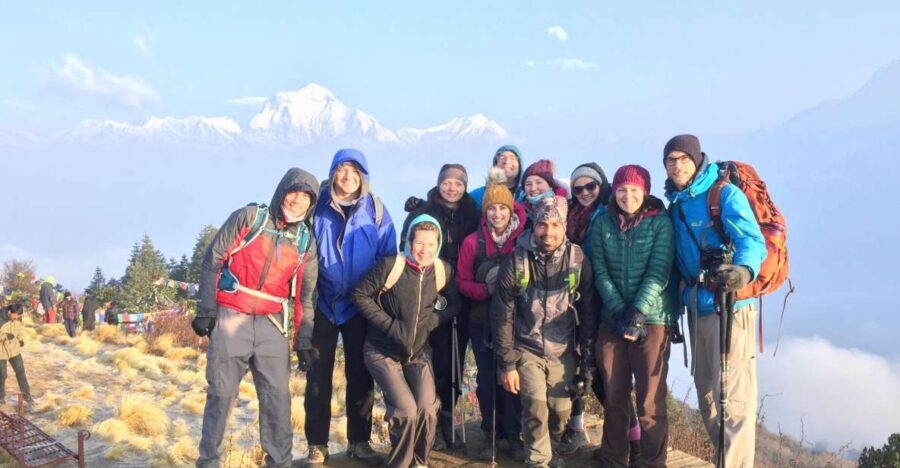
- Poon Hill sunrise: an early start (4:00 a.m.) and a short climb to the viewpoint at 3,210 meters
- Rhododendron forest day: Day 2’s walk through dense rhododendron covers roughly 5 hours
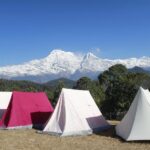
- Village nights, not tents: three overnights in guest houses keep this trek practical and low-stress
- Ghandruk culture stop: you’ll have time to check out the Gurung Museum and talk with locals
- Flexible support from the guide: guides like Krishna and Milan are praised for staying calm and helping solve problems on the trail
From Lakeside Pokhara to Nayapul: how the trek gets real fast
This trek starts in Lakeside, Pokhara, meeting your guide at your hotel around 8:30 a.m. From there, you take a 1.5-hour scenic drive to Nayapul, then step onto the walking route as your altitude climbs gradually. This is one reason the tour feels like good value: you’re not burning an entire day just to reach a trailhead.
Nayapul is your launch point for the first climb day. If you’re the type who likes to understand what you’re walking into, pay attention during the drive—Pokhara’s lakeside world drops away and the hills start to look more serious. You’ll also notice how quickly temperatures can shift once you’re on the trail, even before you hit the higher viewpoints.
Why this matters: a short trek still needs good “reality check” energy. This one gives it to you early, so by the time sunrise day arrives, you’re already in rhythm.
Other private tours in Pokhara
Day 1: Ulleri at a steady beginner-friendly pace
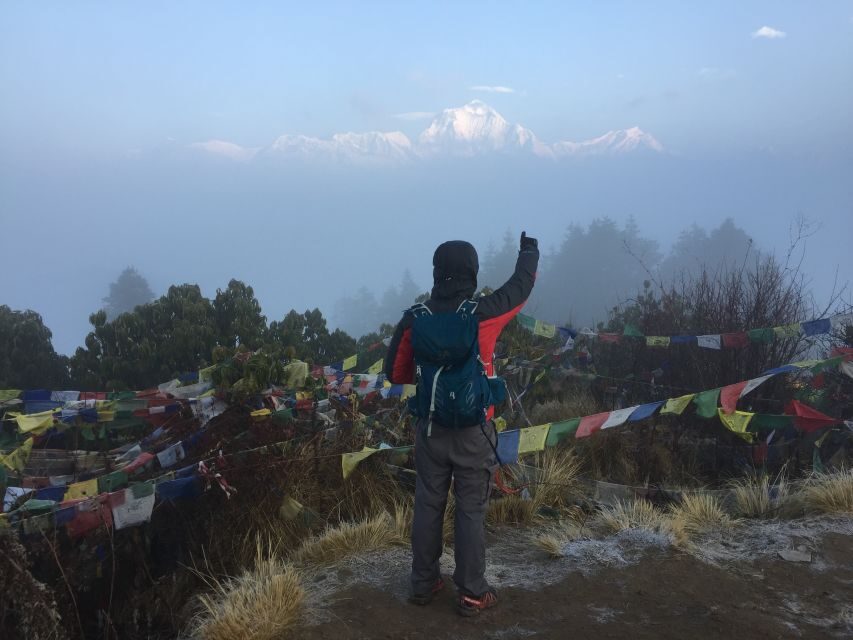
Day 1 is all about getting your legs working without turning it into a suffering contest. After arriving at Nayapul, you’ll hike to Ulleri, a trek of roughly 4.5 hours, then sleep overnight in a guest house.
Ulleri is part of the classic set-up for the Poon Hill area—so you’re walking through village trails rather than remote wilderness. That’s a big deal for comfort on a short itinerary. You’re not guessing where you’ll end up at night; you’re building your day around the guest-house rhythm.
Practical tips I’d follow on Day 1:
- Start a bit slower than you think you need. You’ll feel better on Day 2 and especially on the morning climb.
- Keep your water and snacks organized so you’re not fishing through a pack mid-slope.
- Wear what you’re willing to sweat in. The first day often warms up faster than people expect.
Day 2: Rhododendron forest to Ghorepani
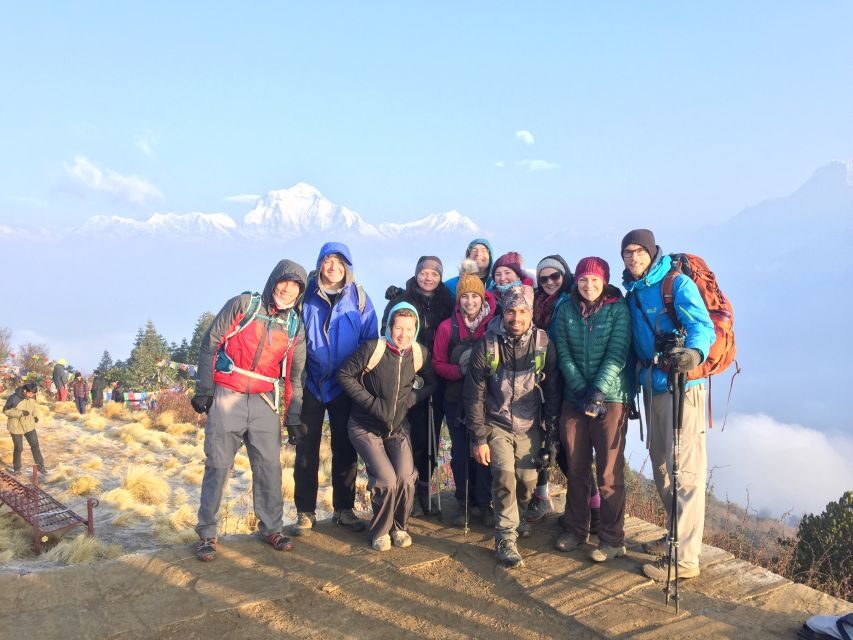
You’ll wake up at 8:00 a.m., then start the trail through the dense rhododendron forest. The hike to Ghorepani takes about 5 hours, and you’ll spend another night in a guest house.
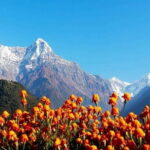
This is one of the best days for people who want the trek to feel like more than just “walking uphill to a view.” Rhododendron season can mean color and fragrance, and even when the flowers aren’t at peak, the canopy and greenery make the route feel shaded and cooler than exposed trail sections.
What to watch:
- Forest hikes can be damp underfoot. Comfortable shoes matter more than fashion here.
- Your pace should depend on how you feel, not the group pressure. This tour is private, so the guide can help you set a pace you can maintain.
Why Ghorepani is important: it positions you for an efficient sunrise morning. You’re not making Day 3 harder than it needs to be.
Day 3 sunrise at Poon Hill: the short climb that feels huge
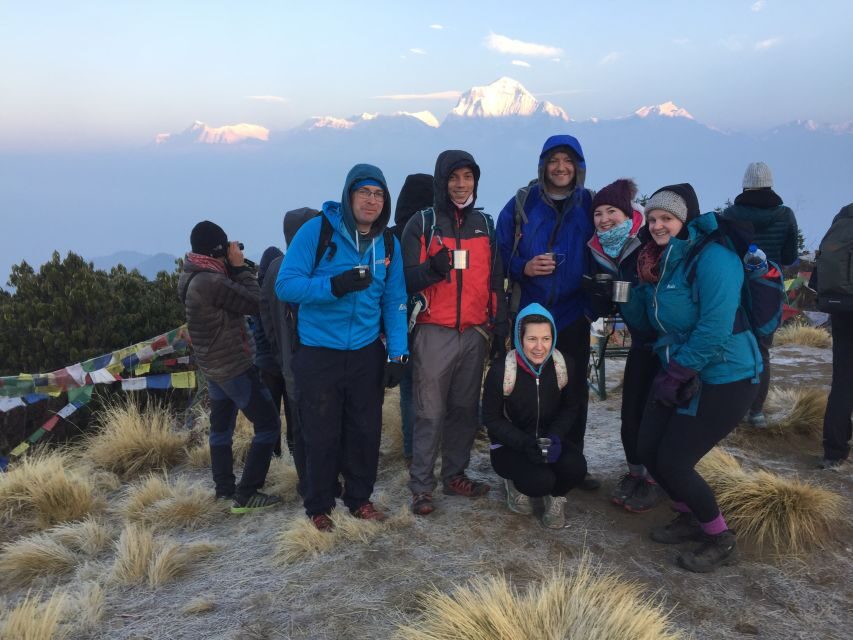
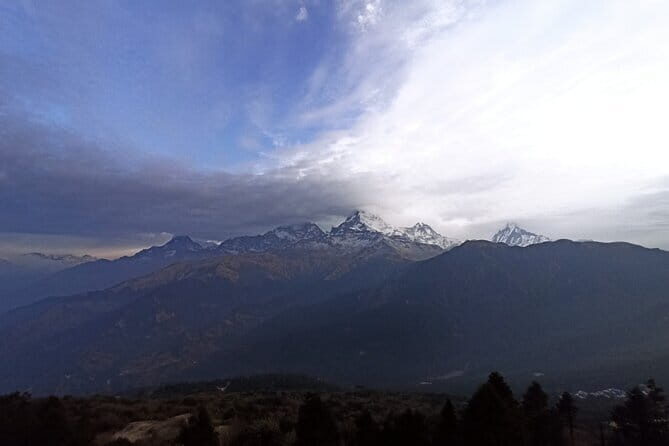
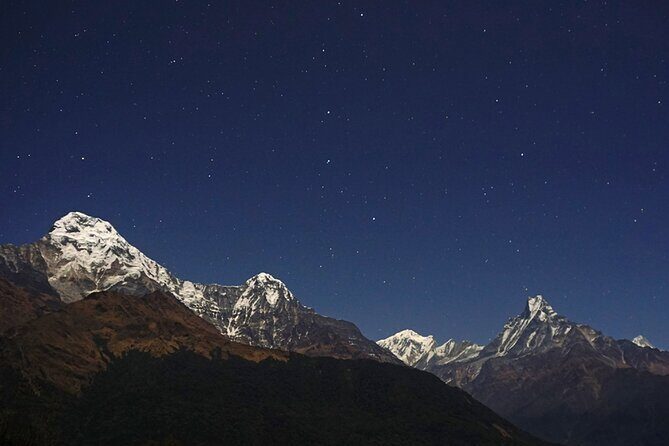
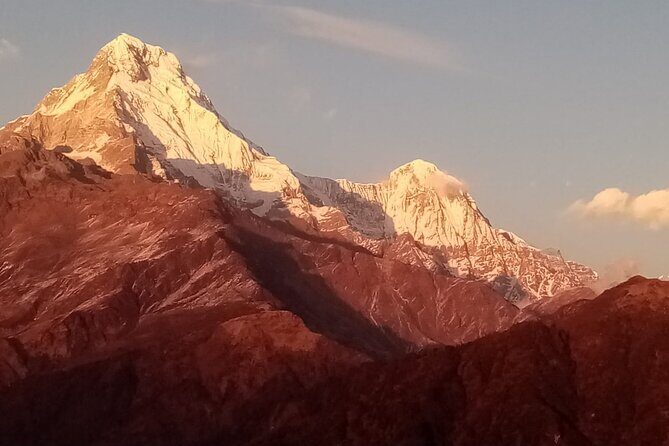
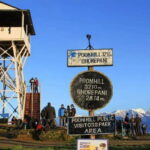
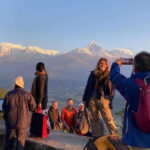
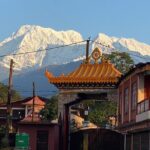
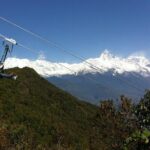
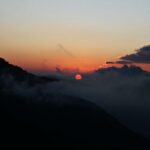
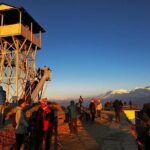
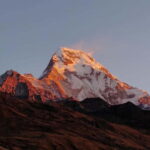
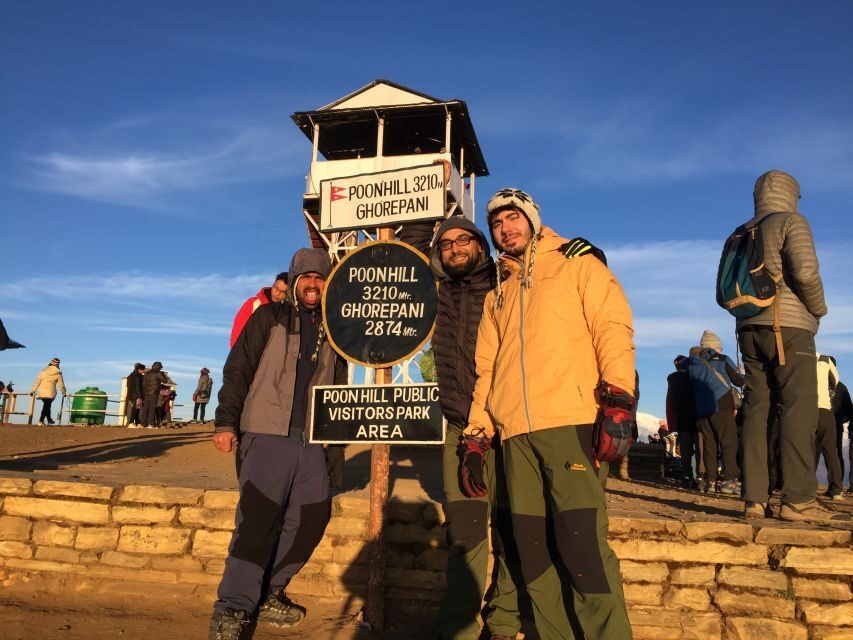
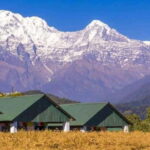
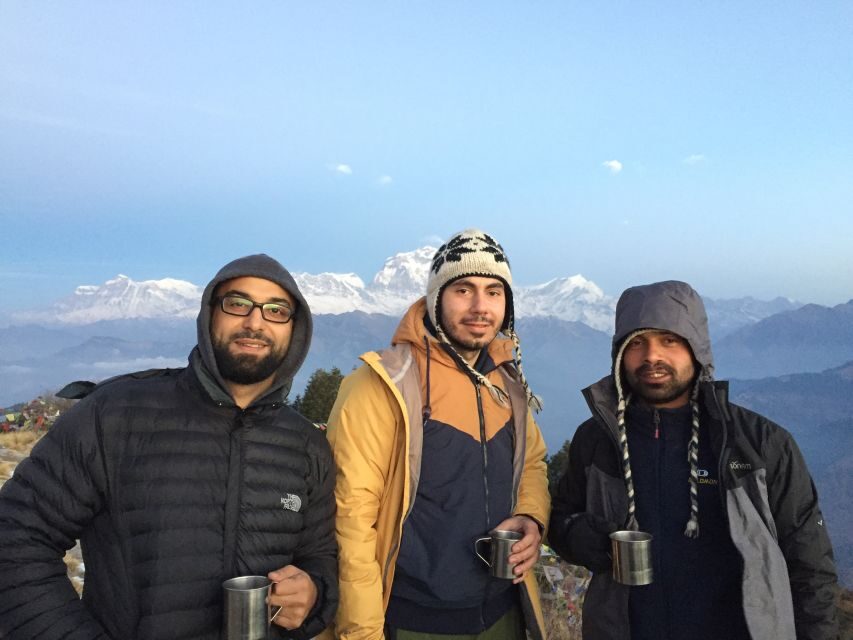
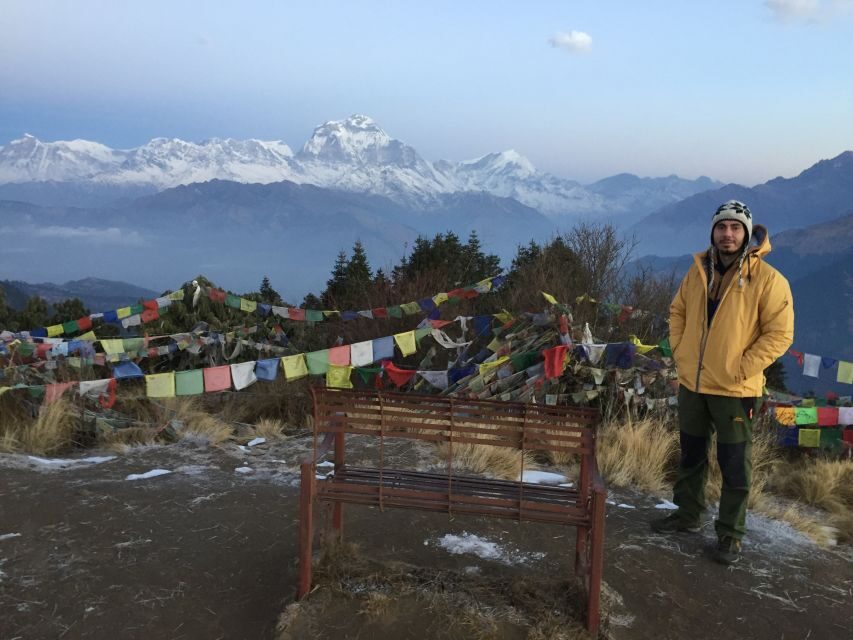
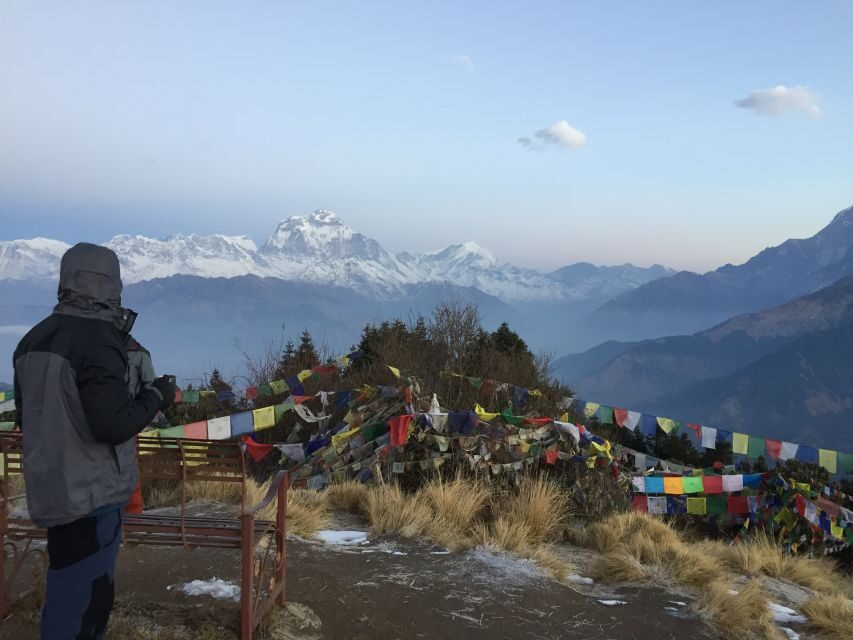
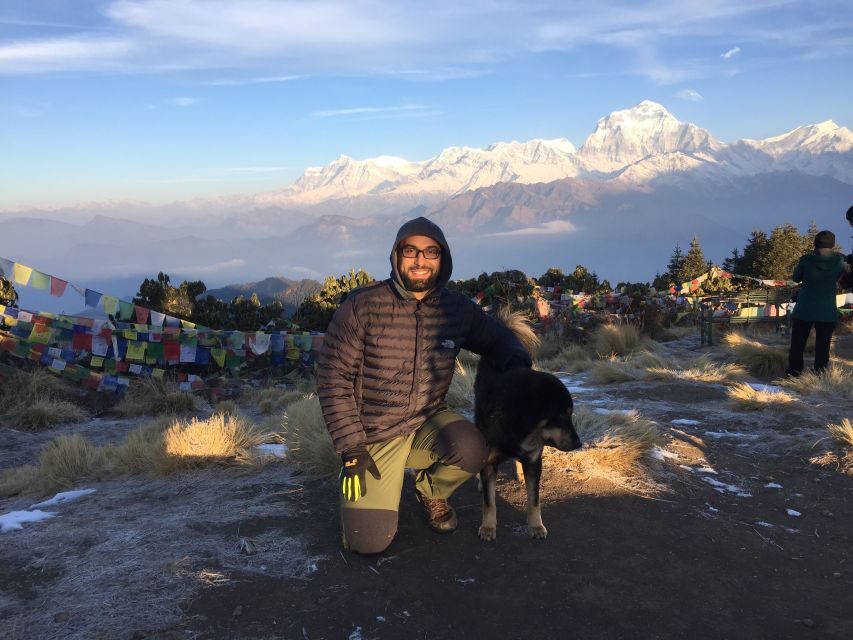
Day 3 is the headline. You’ll begin at 4:00 a.m. and take a 45-minute early trek to Poon Hill (3,210 meters). The goal is simple: see the sunrise over the Annapurna mountain range.
Even if you’ve watched sunrise videos online, the real thing hits differently because you’re doing it at altitude with mountain air in your lungs. This is also where the private-guided approach helps: a good guide can keep you moving without rushing you, and can help you time your viewpoint moments with the dawn light.
After spending time at the top, you’ll continue trekking for about 5 hours to Tadapani, where you’ll sleep for the night.
A realistic note: Day 3 usually feels like a two-part emotional roller coaster—excitement at dawn, then fatigue when you transition into the long descent/walking portion. Plan on tightening your focus after sunrise so you don’t burn energy celebrating and then feel wrecked on the way down.
What I recommend for the viewpoint:
- Bring something for warmth. The early morning can be colder than you think.
- Keep your camera ready, but keep your hands warm too. Gloves or a warm layer can make the sunrise session more comfortable.
Day 4: Ghandruk, the Gurung Museum, and the way back to Pokhara
On Day 4 you start at 8:00 a.m. and trek to Ghandruk. You’ll have time to explore the Gurung Museum, familiarize yourself with the town, and interact with locals. Then you continue trekking to Nayapul, and take a private car (1.5 hours) back to Pokhara to finish the tour with hotel drop-off.
This is a smart ending structure. Many short treks deliver views but ignore culture. Here, you get a cultural stop that fits the route, not a rushed add-on.
Ghandruk is where you shift from “hike mode” to “community mode.” You can slow down and look at how people live in these mountain settlements. The museum stop also gives context—so when you hear about the Gurung way of life, it’s not just a random fact dump.
The final stretch matters too. Because you’re going from Ghandruk back down toward Nayapul, the day can feel long on the legs. If your knees are sensitive, plan for careful footing and shorter steps on the descent. Trekking poles can be a lifesaver here, especially if you’re not used to that kind of down-walking.
Other hiking tours in Pokhara
Price and logistics: what $243 really buys you
At $243 per person, this trek can be a strong deal if you value convenience and a competent guide. Here’s what you’re paying for that usually costs extra when you self-organize:
Included:
- English-speaking experienced trekking guide
- Round-trip transportation
- 3 nights in guest houses
- TIMS and permits (entrance fees handled for you)
- All taxes and service charges
Not included:
- Meals (you purchase them along the way)
- Rescue costs in an emergency
That meals-not-included part is the only consistent “hidden budget” item on short treks. Bring enough cash and plan for warm drinks too. Guest-house food is practical, but you’ll want flexibility in what you order, especially if you’re cold early in the morning.
Also remember: rescue is not included. That doesn’t mean the trek is unsafe—it just means you should consider travel insurance that covers trekking-style activities.
One more logistics note that matters: pick-up is included for the Lakeside area of Pokhara, using a name card. If you’re staying outside that zone, you may need an extra arrangement.
Your guide: why the human factor shows up on this route
On a short trek like this, the guide isn’t just a route checker. They manage timing, explain what you’re seeing, and keep the day from turning into chaos when weather or health throws a curveball.
The names you’ll hear again and again from past groups include Krishna and Milan (plus others like Gobinda, Dadhi, Raj, and Dhanraj Gurung). The common theme in their stories is practical help:
- guiding with calm decision-making when someone gets sick
- arranging extra support like additional help when needed (including porters, and in one case an alternate animal option when itinerary changes were desired)
- keeping conversations going so the trail feels lighter, even when conditions are less than perfect
You’ll also notice how much they help with comfort details: finding suitable lunch stops, choosing good guest-house options, and offering guidance on what to do if you’re feeling altitude effects.
In plain terms: with a private guide, you’re more likely to stay comfortable and adjust when the mountain demands it.
What to bring (and what people forget): a short packing reality check
The tour gives a baseline list, but I’d treat it as minimums and add a few “experience” items that often save the day.
Minimum essentials from the tour info:
- Comfortable shoes
- Clothing layers (you’ll want long pants, t-shirts, shorts, and a jacket)
- Sunscreen, sunglasses, a hat
- Mosquito repellent
- Toilet paper
- Trekking shoes and socks
- A light day bag and camera
- Personal hygiene utensils
Passport requirement (important):
- You need a scanned copy of your passport and a digital passport-sized photo before the tour.
Extra items I strongly suggest based on on-the-trail experience:
- A headlamp for the early morning start to Poon Hill
- A towel and slippers for guest-house downtime
- Hiking poles if your knees complain on descents
- If you’re hiking in colder months and expect possible ice or heavy snow conditions, consider traction like crampons (only if conditions warrant it)
And one “don’t underestimate it” item: warm layers. Nights can get cold in the higher sections, and the sunrise morning is cold by default.
Who this trek is for (and who should skip it)
This 4-day Poon Hill trek with guest houses is ideal if:
- you want Annapurna views without committing to a long expedition
- you’d like mountain village life (Ulleri, Ghorepani, Tadapani, Ghandruk)
- you prefer early sunrise payoff over all-day summit grinding
- you value a private group and an English-speaking guide
It’s not a match if:
- you’re pregnant
- you have heart problems
Also, be honest about your knee situation. Days 3–4 can feel brutal because you’re constantly adjusting your step on changes in grade. If your knees aren’t great, poles and careful pacing are key.
Should you book the Pokhara 4-Day Private Trek Tour?
If you want a short trek that still feels real—village guest houses, forest walking, and a genuine Annapurna sunrise—this is a solid booking choice. The value comes from the way it’s structured: you’re not just buying a viewpoint, you’re buying the whole set of trail days (Ulleri through Ghorepani, then Tadapani to Ghandruk) with permits, guide, and transport handled.
Book it if:
- you’re okay with early starts and cold morning air
- you can walk 4–5 hours on most days
- you want culture time in Ghandruk, not just scenery
Think twice if:
- you know you struggle with long descents and don’t have supportive gear
- your schedule doesn’t allow the 4:00 a.m. sunrise push
If you match that profile, you’ll likely love how much this trek packs into a few days—and how quickly it turns Pokhara from a base city into the start of your mountain story.