REVIEW · POKHARA
Private 7 – Day Annapurna Base Camp Trekking
Book on Viator →Operated by Nepal Alternative Treks & Expeditions Pvt. Ltd. · Bookable on Viator
Private Annapurna Base Camp cuts the usual stress. This trek is private for your group, so you set the pace with a government-registered guide and porter who handle the moving parts. I also like that meals, lodge sleep, and permits are built in, which keeps the trip from turning into a spreadsheet. The main consideration: the trail is stair-heavy and high-altitude, so you’ll want moderate fitness and a slow-and-steady mindset.
Starting from Pokhara Lakeside at 8:15am, you get a mix of road transport and walking, with jeep rides saving some time where it counts. On the trek, you sleep in lodge/tea-house style places and eat regular meals (with breakfast, lunch, and dinner planned across the days). Practical bonuses include a trekking map plus water purification and oxygen-saturation support tools, which makes the whole thing feel more managed and less guesswork.
In This Review
- Key things that make this trek worth considering
- Pokhara to Chhomrong: terrace breakfasts and the first mountain frames
- Day 2’s stair descent: Chhomrong steps, a river bridge, then Bamboo
- Weeping Wall to Deurali: the slow grind through forests and shrines
- The Modi River climb to Annapurna Base Camp: icy caves and rock-stack moments
- Base Camp exploration: the day for 360-degree mountain time
- Jhinu Danda hot spring day: bamboo forests, ridge walking, and sore-leg relief
- Back to Pokhara: Samrung walk, then jeep driving and mountain last looks
- What’s included—and why the value is more than the sticker price
- Guide and porter support: how this trek stays calm under pressure
- Fitness, pace, and altitude: how to make the 7 days feel possible
- Tea houses and meals: comfort that isn’t luxury, but is reliable
- Price and logistics: starting at 8:15am, ending back by Pokhara Lakeside
- Who this private ABC trek suits best
- Should you book this Annapurna Base Camp private trek?
- FAQ
- Where does the trek start and what time?
- Is this trek private for only my group?
- How long is the trek?
- What’s included in the price?
- Are meals and accommodation included during the trek?
- Do I need travel insurance?
- Are permits included for the Annapurna region?
- What fitness level is recommended?
- What happens if the weather is poor?
Key things that make this trek worth considering
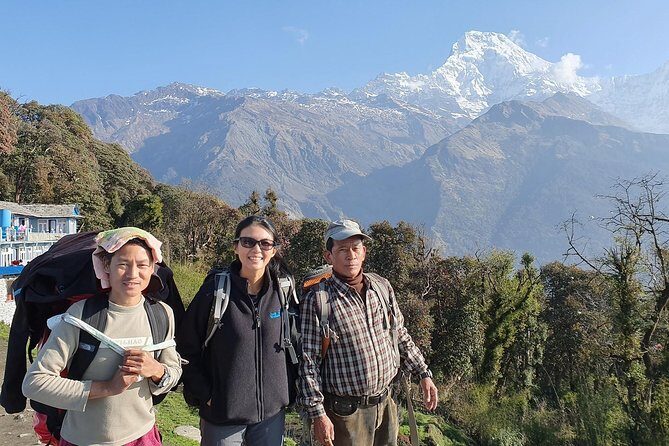
- Private group trekking with your own guide and porter, so logistics don’t eat your energy
- Meals and lodge accommodation included during the trek, plus permits for the Annapurna region
- Water purification and oxygen-saturation support tools to help you stay on top of the basics
- Tea-house style overnight stops that let you recover night after night without carrying all the food and gear
- A real recovery day at Jhinu Danda hot spring, not just a plain walk-down
Pokhara to Chhomrong: terrace breakfasts and the first mountain frames
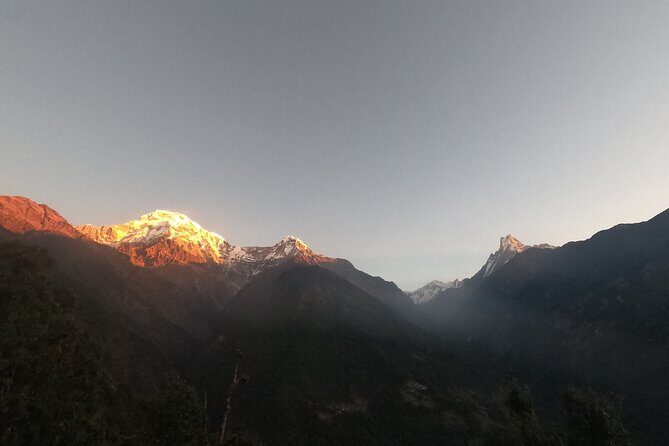
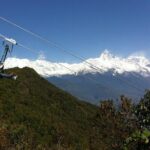
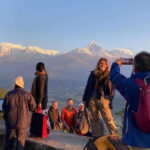
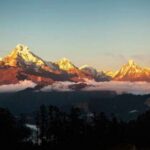
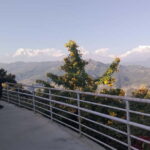
Day 1 starts with a breakfast that’s timed for mountain viewing. Think Annapurna I (8091m) and Machhapuchhre (6997m) showing up from the terrace, before you pack up and move on. Then you take a jeep for about 2.5 hours to get you into the trekking rhythm without burning a full day on roads.
Chhomrong is your first big “this is real” moment. It’s also where a lot of people feel the change from city time to mountain time. Even if you’re not rushing, you’ll notice the pace shifts fast: you’re climbing, you’re breathing a little harder, and you’re soaking in views that don’t feel staged.
The biggest advantage on day one is psychological: you arrive ready. You don’t start the trek hungry for planning, because the guide and porter are part of the package, and lodge sleep is handled. The flip side is that you’re still going to feel road bumps and big weather swings—mountains have a way of changing plans fast if clouds move in.
Other Annapurna Base Camp treks reviewed in Pokhara
Day 2’s stair descent: Chhomrong steps, a river bridge, then Bamboo
Day 2 is all about changing altitude and resetting your legs. You’ll descend about 2,500 stone steps and cross a bridge above Chhomrong Khola, then it’s uphill again toward Sinuwa. The mix matters: going down can be rough on knees, while going up after the steps tests your legs in a different way.
You’ll stop for lunch in Sinuwa, then continue onward to Bamboo for the night. Bamboo is a classic trekking halt because it’s a practical middle point: far enough along to feel like you’re progressing, close enough to keep the days from feeling extreme back-to-back.
What I like here is the realistic pacing. This route doesn’t pretend every day is gentle. It gives you a day that’s physically demanding, then an evening where you can recover properly with lodge accommodation and included dinner.
Possible drawback: if stairs make you nervous, day 2 can feel like a warning sign. Bring trekking poles if you have them, and use them early, not after your legs revolt.
Weeping Wall to Deurali: the slow grind through forests and shrines
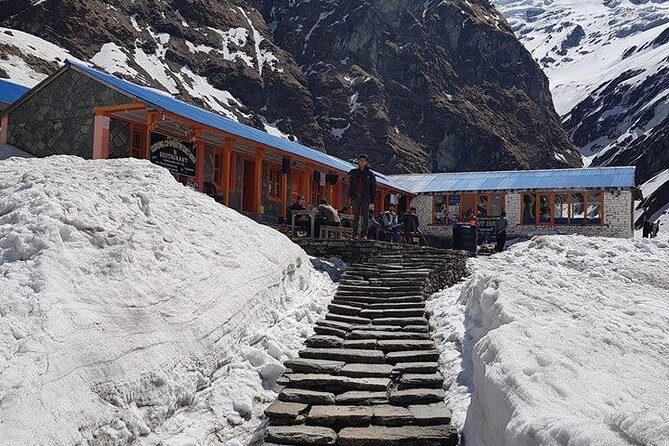
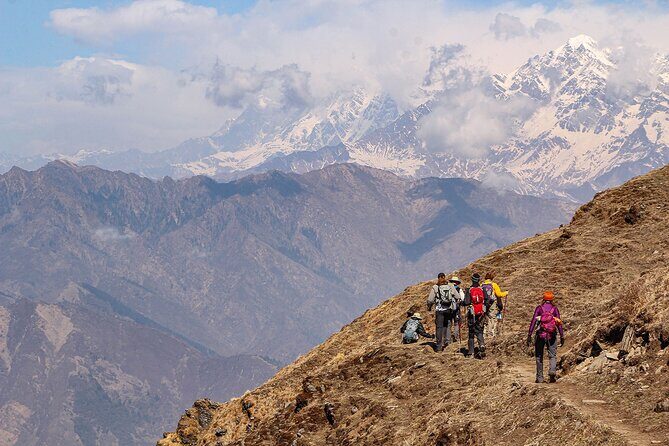
Day 3 begins in Bamboo and heads toward Deurali via a climb that’s scenic but serious. You’ll pass Dovan, and then you’ll hit sections known for the weeping wall—plus a trek that includes a local shrine stop as you work your way uphill toward the Himalaya Hotel area.
This is the kind of day that rewards staying calm. A private guide helps because you can keep moving at your own pace instead of getting stuck behind faster walkers or feeling rushed by the pace of the group. With a porter carrying the heavy items, you’re more likely to save energy for the final push rather than spending mental bandwidth on gear.
You’ll also see why this is such a well-used route: you go from village life to forest rhythms, and you’ll feel the air cooling as elevation increases. That shift is part of the thrill, but it also means your body may need a steadier pace and more frequent water breaks.
Consideration: day 3 isn’t described as flat, and the route includes repeated climbing. If you’re prone to breathlessness, it’s smart to start slow right away and let your body catch up.
The Modi River climb to Annapurna Base Camp: icy caves and rock-stack moments
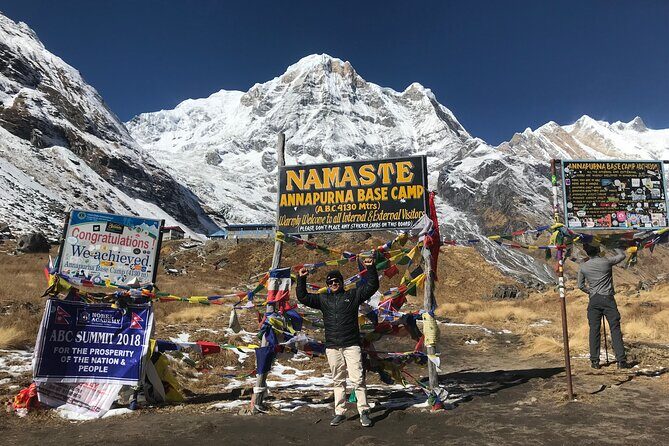
Day 4 is your push toward Annapurna Base Camp, and the route leans into mountain drama. Leaving Deurali, you climb alongside the Modi River. You’ll pass alpine forests, and you’ll see those neatly stacked rocks that feel like trail markers and local tradition at the same time.
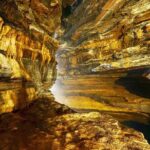
Then comes the harder section: an arduous climb that includes an icy cave, moving you deeper into the high-altitude zone. This is where the trek starts to feel like a real expedition goal rather than just a hike with views.
The plus? You’re not doing it alone in a logistical sense. This trek includes your guide and porter fees, lodge accommodation on trek, and the necessary permits. You can focus on one thing: walking well and watching the terrain change under your feet.
A balanced note: base-camp days can be physically intense even when the schedule says 5 hours. That’s because the last portion often feels steeper than your brain expects. Go slow on the icy-cave approach, and don’t treat it like a sprint to the viewpoint.
Base Camp exploration: the day for 360-degree mountain time
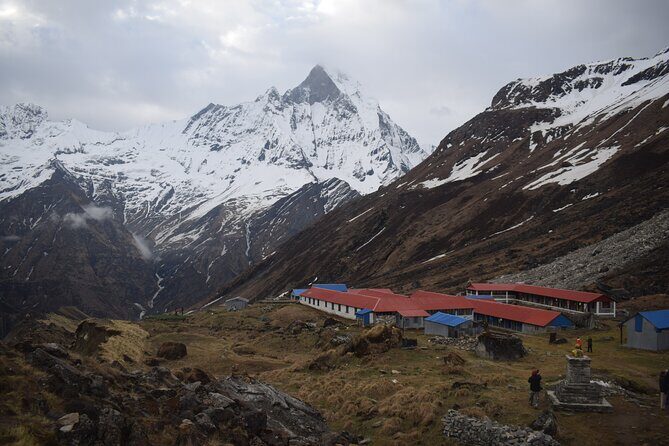
Day 5 is longer and built for soaking in the payoff. You start by exploring Annapurna Base Camp itself. This area is known for panoramic views, including a 360-degree perspective of mountains. If you love wide-angle moments—peaks in every direction—this is the day for it.
You’ll get a sense of the Annapurna massif and the larger mountain system around it, and it’s also the time when the trek’s emotional payoff lands. The earlier days are about getting higher; this one is about seeing the whole picture at once.
One thing I appreciate about this schedule: it doesn’t rush you away immediately. You get a full day to explore rather than a quick stop-and-go photo session. You’ll likely want to move slowly, take breaks, and let your breathing settle before you spend time just staring upward.
Possible drawback: base camp and its surrounding altitude can be tiring even when you’re standing still. If you start feeling unusually exhausted, you’ll want to speak up right away so your guide can adjust your pace.
Other private tours in Pokhara
Jhinu Danda hot spring day: bamboo forests, ridge walking, and sore-leg relief
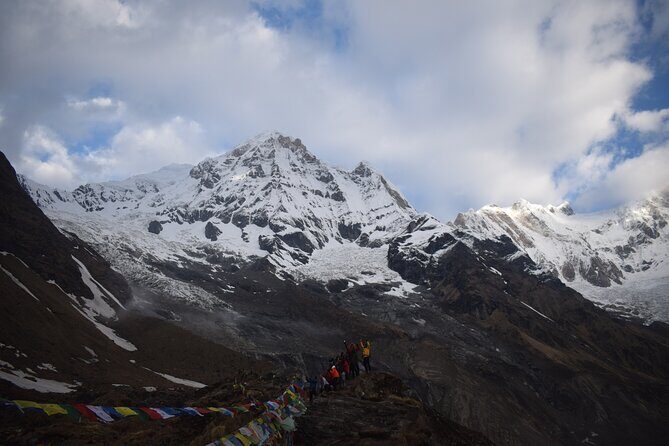
Day 6 brings a much-needed emotional and physical reset. Leaving the Bamboo area, you climb through lush bamboo forests and walk along a narrow ridge toward Sinuwa village. Then the route shifts into downhill travel toward Chhomrong River.
This is where you trade high-effort climbing for gravity work. Downhill can still be hard—just in a different way. Your quads and knees get the workout, and you’ll want to keep your steps controlled.
Then you reach Jhinu Danda hot spring, which is exactly the kind of reward that makes sense. After multiple long days, warm water can turn soreness into something manageable. It’s not just relaxing; it helps you show up better for your final day.
Suggestion: plan your hot spring time as part of your recovery, not as an afterthought. If you relax too long and then get cold, it can mess with your body temperature.
Back to Pokhara: Samrung walk, then jeep driving and mountain last looks
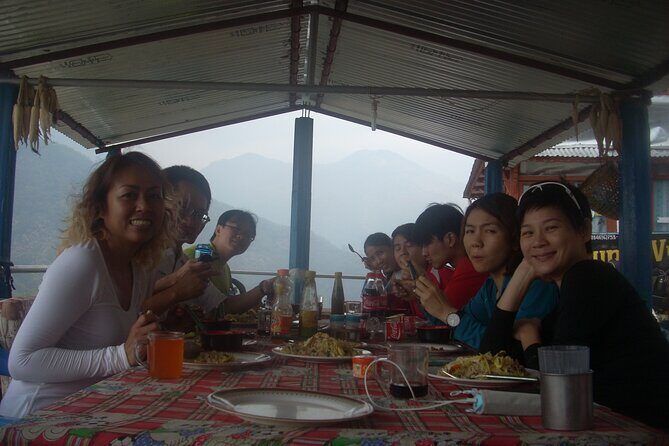
Day 7 is lighter on the timeline but still gives you a proper send-off. You’ll start with breakfast that again frames Annapurna I and Machhapuchhre from a terrace. Then you take a short walk to Samrung and transfer by private jeep for about 3 hours.
The drive back is part of why this works as a 7-day trek. You don’t have to finish with one more long day of stepping downhill. You’ll ride back along the route through the Baglung area and end back at the meeting point near Pokhara Lakeside.
I like how the ending is practical. Instead of stretching the trek into an exhausting marathon, you wrap it with transport that gets you back to normal life faster—food choices, rest, and a shower that feels like a luxury item again.
One thing to keep in mind: once you’re back in Pokhara, the altitude headache isn’t always instantly gone. Hydrate and take it easy for the rest of the evening.
What’s included—and why the value is more than the sticker price
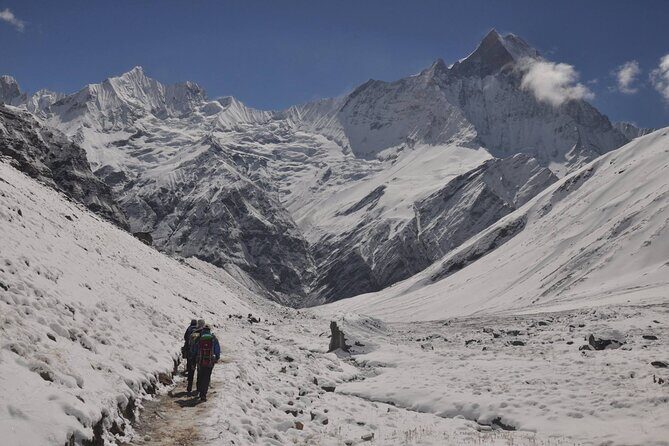
The price is $625 per person, and the main way this becomes good value is that the usual trekking cost items are bundled. You’re not only buying the walking route. You’re also paying for the staff, permits, and day-to-day logistics.
Included in the trek:
- Government-registered guide and porters, with their expenses covered
- Lodge accommodation on trek
- ACAP and necessary permits
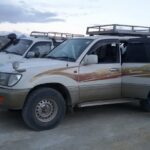
- Overland transportation segments as per the route days
- A trekking map, oxygen saturation support, and water purification
- A duffle bag
- Assistance for emergency rescue evacuation
- Public liability insurance
- Meals: breakfast (7), lunch (6), dinner (6)
Value check: since guide and porter fees, permits, and most meals are already handled, you avoid the common scenario where you think you booked a trek and then spend extra to make it work. You still need travel insurance and you still need to budget tips, but the big moving parts are in place.
Also included: pickup is offered, and there’s a mobile ticket. That matters in Pokhara, where finding the right starting spot can be the difference between a smooth morning and a slightly stressful one.
Guide and porter support: how this trek stays calm under pressure
If you care about support, this is a big reason the trek earns strong recommendations. Multiple guides and porters are named through past experiences, and the consistent theme is care: help with pacing, help with logistics, and help when you feel off.
You might be guided by someone like Sanjay, Amar, Andrea, Laxman, Tej as a management lead, or Kumar, depending on the dates. Porters named include Surya, Ramesh, and others. Even when plans need slight changes, the team’s approach is described as flexible and attentive.
What this means for you in real life: the private format reduces friction. If you’re slower, you don’t get dragged. If you’re faster, you don’t feel trapped. If you’re trying to handle breath and fatigue, your guide can nudge you toward steady pacing rather than pushing.
A little practical humor: stairs don’t care about your plans. But a good guide helps you keep your plans from collapsing when your legs start negotiating.
Fitness, pace, and altitude: how to make the 7 days feel possible
The trek is listed for travelers with moderate physical fitness. That’s fair. The route includes climbing and descending, including the steep 2,500-step descent on day 2. You also go from village trails to alpine forests and then into a high-altitude base-camp area.
Here’s how I’d approach it if you want this to feel manageable:
- Start slower than you think you need, especially on climbs
- Use the private nature of the trek to control pace, not to rush
- Hydrate regularly and use the provided water purification
- If you’re using the oxygen saturation support tools, treat them as feedback, not as a reason to panic
Altitude can make your body feel weird even when you’re moving steadily. The safest approach is to communicate early if you feel unusually unwell, instead of trying to “tough it out.”
Tea houses and meals: comfort that isn’t luxury, but is reliable
This trek includes lodge accommodation along the way, plus meals planned for your days on the trail. In practice, that means you’re not spending each evening searching for food options or wondering whether you missed a necessary permit stop.
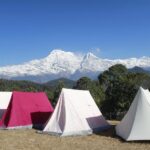
Tea-house style lodging typically means basic rooms, shared dining spaces, and a rhythm that centers on warm meals and rest. The included dinners and breakfasts are the key. They reduce decision fatigue and make it easier to eat enough for the next day’s hiking.
One small reality check: because it’s tea-house style, you can’t expect luxury-level comfort. If you sleep poorly when it’s crowded or noisy, bring earplugs. And pack warm layers for evenings, since temperature drops can be noticeable.
Price and logistics: starting at 8:15am, ending back by Pokhara Lakeside
You start at Pokhara Lakeside at 8:15am, and the trek ends back at the same meeting point. There’s pickup offered, and the transportation is overland as described for the route days, including jeep segments on day 1 and day 7.
That structure is helpful for planning. You avoid the mystery of when and where you need to meet for each stage. For a 7-day trek, the ability to go day-to-day without constantly re-checking transport is a big deal.
Two costs you should plan for that aren’t listed as included:
- Travel insurance
- Tips for your guide and porter
Also note: hotel accommodation in Kathmandu and Pokhara isn’t included, so you’ll want to book those separately if you’re coming in from abroad or adding pre/post days.
Who this private ABC trek suits best
This is a great fit if you want:
- A private trek with your own guide and porter
- To keep logistics handled: permits, meals, lodge sleep, transport segments
- To reach Annapurna Base Camp at your own pace
- To appreciate strong mountain viewing days, including the 360-degree base-camp exploration
It’s less ideal if you want an ultra-low-effort hike. The route includes steep stair sections and repeated climbing. It’s also not a luxury tour—tea houses are practical and functional, not spa-style.
Should you book this Annapurna Base Camp private trek?
If your goal is Annapurna Base Camp with the least hassle possible, this booking makes sense. The inclusion list is the reason: guide and porter support, permits, lodge stays, meals, and practical tools like water purification and oxygen-saturation support. That turns the trek from a self-managed project into a guided experience where you can focus on walking and recovery.
I’d say book it if you’re comfortable with moderate fitness, you understand the trail will include stairs and uphill grind, and you’re ready to move at a pace that protects your altitude comfort. Also, plan for weather: this experience requires good weather, and if it gets canceled due to poor conditions, you’ll be offered a different date or a full refund.
FAQ
Where does the trek start and what time?
The trek starts at Pokhara Lakeside (Pokhara Lakeside meeting point) and begins at 8:15am.
Is this trek private for only my group?
Yes. It’s a private tour/activity, and only your group participates.
How long is the trek?
It’s listed as a 7-day trek (approx.).
What’s included in the price?
The price includes a government-registered guide and porter (with their expenses), lodge accommodation along the trek, ACAP and necessary permits, overland transportation as per the itinerary, and a trekking map, oxygen saturation support, water purification, and a duffle bag. Meals on the trek are also included (7 breakfasts, 6 lunches, and 6 dinners).
Are meals and accommodation included during the trek?
Yes. Meals and lodge accommodation are provided along the trek.
Do I need travel insurance?
Yes. Travel insurance is not included, and you should get it before you go.
Are permits included for the Annapurna region?
Yes. ACAP and necessary permits are included.
What fitness level is recommended?
The trek is described as suitable for travelers with moderate physical fitness.
What happens if the weather is poor?
The experience requires good weather. If it’s canceled due to poor weather, you’ll be offered a different date or a full refund.