REVIEW · POKHARA
7-Day Trek to Annapurna Base Camp from Pokhara
Book on Viator →Operated by CAN Travels · Bookable on Viator
You’re close to the Himalaya in just a week.
This Annapurna Base Camp trek from Pokhara blends classic village trails with big mountain moments, plus cultural stops along the way through Gurung and Magar communities. It’s the kind of trek where each day feels like a new chapter, yet the route stays focused on getting you safely to the base camp zone.
I love that you’re not left to sort the logistics. You get an English-speaking trekking guide, trekking permits and official documents handled, guesthouse accommodation on the trek, and even trekking poles included. In the guide team, names like Biru, Amrit, and Shiva show up often, which tells me the operator puts effort into staffing and real-world leadership.
One consideration: you still need to budget for meals and drinks, since food isn’t included, and you may want a porter for comfort on the uphill days. Also, this trek is rated for strong fitness—altitude and long hiking days are not a casual stroll.
In This Review
- Key highlights that matter
- From Pokhara to Siwai: Why the start feels practical
- Day 1 to Ghandruk: Modi River villages and the first real climb
- Day 2 to Upper Sinuwa: hilltop lodges and a tougher rhythm
- Day 3 to Deurali: cooler air and the move toward Annapurna Sanctuary
- Day 4 to Annapurna Base Camp: 3900 m, a big climb, and Machhapuchhre Base Camp
- Day 5 down to Bamboo: decent trails, but don’t get careless
- Day 6 to Jhinu Danda area: forests, KhuldiGhar, and suspension-bridge country
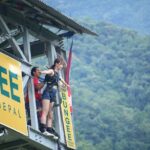
- Day 7 back to Pokhara: Samrung Khola and the suspension bridge moment
- Guides, permits, and guesthouses: where the value shows
- Price and what you should budget around ($345)
- Pace, altitude, and fitness: the honest checkpoint
- Practical packing tips (based on what this itinerary asks for)
- Should you book this Annapurna Base Camp trek with CAN Travels?
- FAQ
- How much does the 7-Day Annapurna Base Camp trek cost?
- Where does the trek start and end?
- How long is the trek?
- What time does the experience start?
- What’s included in the price?
- Are meals included?
- Do I need a porter?
- Are trekking poles provided?
- Is this a private trek?
- What is the cancellation policy?
Key highlights that matter
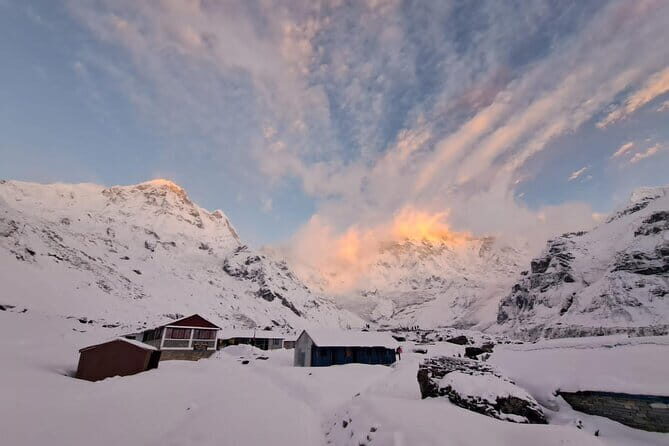
- Pokhara Lakeside pickup and drop-off keeps your travel days simpler
- Guesthouse nights remove the hassle of finding beds at each stop
- Permits + official documents included so you don’t scramble at the last minute
- Trekking poles provided helps your knees on descents
- Guides like Biru, Amrit, and Shiva offer steady, on-trail leadership
- A classic downhill arc that brings you back through forests, rivers, and villages
From Pokhara to Siwai: Why the start feels practical
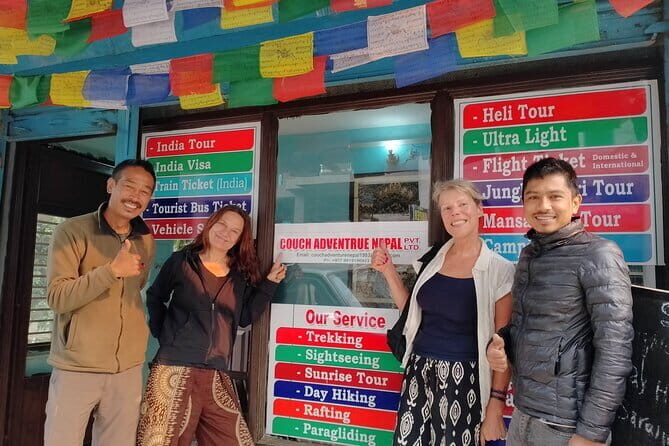
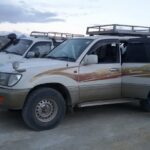
Pokhara is a smart base for Annapurna trips, and this one makes that even easier. You get hotel pickup and drop-off within the Lakeside area, so you’re not hunting for transport or dragging your bags across town. Then you’re driven out toward the trailhead at Siwai, which sets the tone: you begin the trekking days without wasting time.
This matters more than it sounds. On a trek like Annapurna Base Camp, the biggest friction is often time and paperwork. Here, trekking permits and official documents are included, and you’re also covered for an emergency normal first aid kit with the guide. That reduces the mental load, so you can focus on pace, footing, and taking in the mountains as the trail rises.
There’s also a private setup on paper: it’s listed as a private tour where only your group participates. In real life, that often means fewer people-pressure issues and a more flexible rhythm—though you’ll still be following the practical timing of the trail each day.
Other Annapurna Base Camp treks reviewed in Pokhara
Day 1 to Ghandruk: Modi River villages and the first real climb
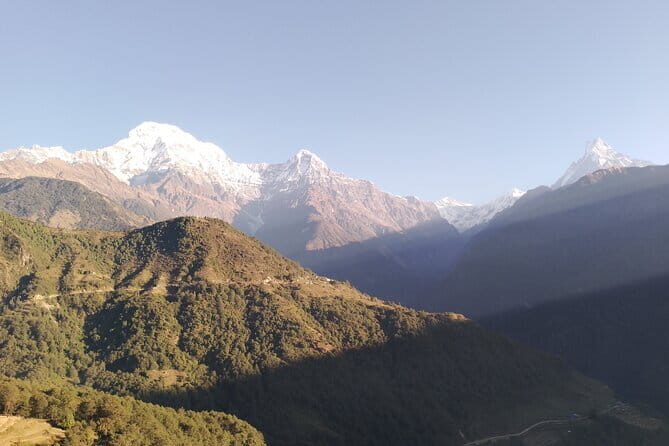
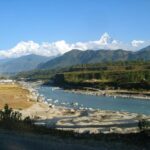
Your Day 1 begins with a drive from Pokhara to Siwai, followed by a trek toward Ghandruk. Expect a classic downhill-then-up feel, with the trail running along the Modi River for a while and then turning into authentic village passages and hillside walking. Ghandruk is one of the places where the Annapurna story becomes human-scale: you’re surrounded by working villages, not just viewpoints.
This day is about getting your legs working. Even when it feels manageable, it’s the first day where you learn how your body handles Nepali trail grades—short bursts of effort, uneven surfaces, and the constant need to watch your steps.
What to like: you end the day in a well-known trekking town where it’s easier to settle, eat, and reset. That matters because Annapurna Base Camp treks work best when you keep sleeping and energy routines steady.
What to watch: after the drive, you can feel like you can power through. Don’t. Start controlled. Save your energy for the middle days when the route really starts to climb toward the sanctuary area.
Day 2 to Upper Sinuwa: hilltop lodges and a tougher rhythm
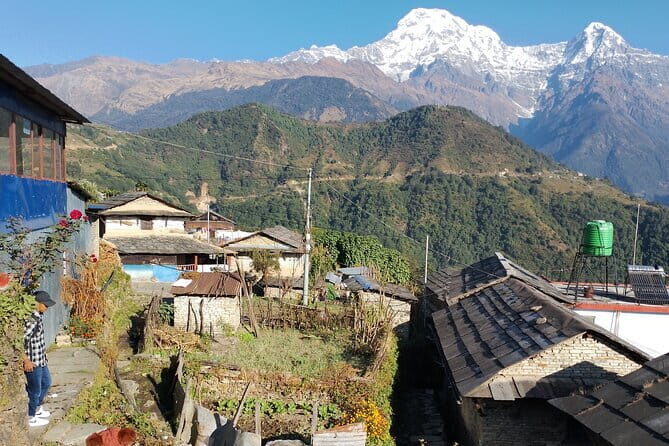
Day 2 targets Upper Sinuwa from Ghandruk. The hike is listed at about 7 hours, and the description points to a trail that fluctuates—up, down, and then up again—with a strenuous feel as you work toward the hilltop lodge area.
This is a key “training day” on the overall trek. The Annapurna Base Camp route doesn’t just jump from village walking to high-altitude weather. It gradually changes the air and the trail intensity, and Sinuwa is where you start feeling that shift.
Upper Sinuwa is also where you’ll appreciate why lodges matter on long treks. Having a predictable place to eat and sleep reduces stress, and it keeps your hydration and warm-layer routine consistent. You’re not guessing where you’ll land.
Possible drawback: the day’s effort can sneak up on you. Fluctuating trails often feel easier than steady climbs, but your legs still rack up fatigue. If you tend to rush early, this is the day to rein it in.
Day 3 to Deurali: cooler air and the move toward Annapurna Sanctuary
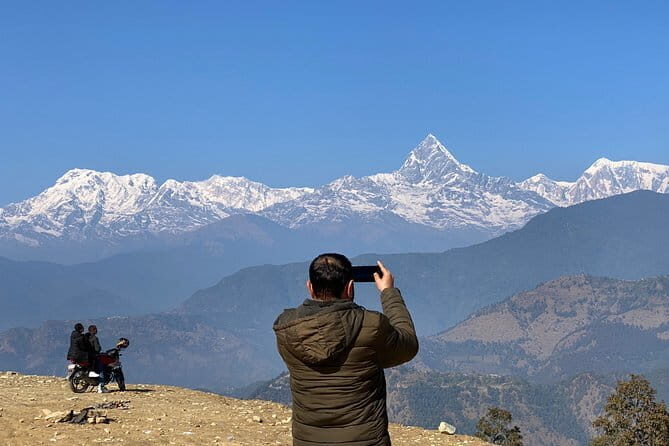
On Day 3, you overnight in the Upper Sinuwa area and then move up toward Deurali. The walk is about 6 hours, and the route is described as uphill with cooler, fresher air as you get closer to Annapurna Sanctuary.
This is where the trekking becomes more alpine. The vegetation and light change, and the air often feels thinner. Even if you don’t fully feel altitude effects yet, your breathing and your pace will likely start to change. That’s normal. This is the day I’d treat as a steady-effort day rather than a “push day.”
Why Deurali is important: it helps you transition. Your body adapts better when you don’t skip too far too fast, and you need that on the approach to base camp where the last push requires both endurance and focus.
What to watch: when the air gets cooler, you might stop noticing sweat. Keep hydrating anyway. Cold air can trick you into under-drinking.
Day 4 to Annapurna Base Camp: 3900 m, a big climb, and Machhapuchhre Base Camp
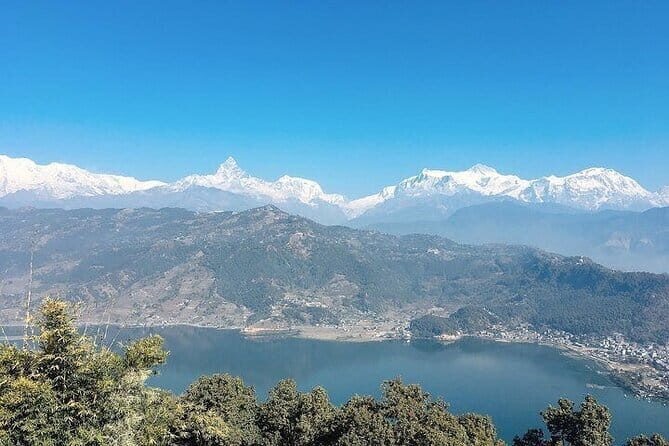
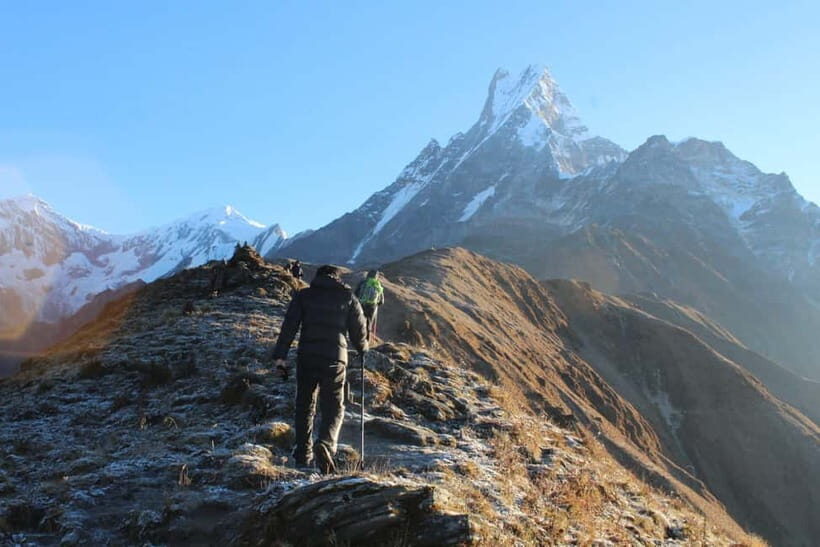
Day 4 is the headline day. After breakfast, you trek toward Machhapuchhre Base Camp and then continue up to Annapurna Base Camp. The route notes Annapurna Base Camp at around 3900m, and it also specifies a climb of about 730 meters to reach base camp.
This is where trekking poles turn from comfort to strategy. The climb and then the later steps require good balance, and poles help you keep your rhythm when the trail gets uneven or crowded.
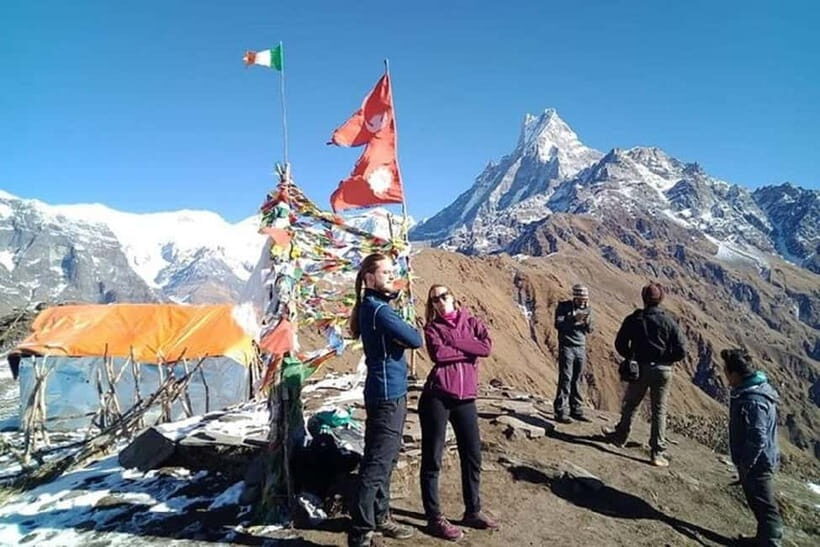
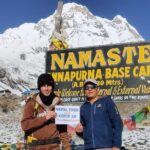
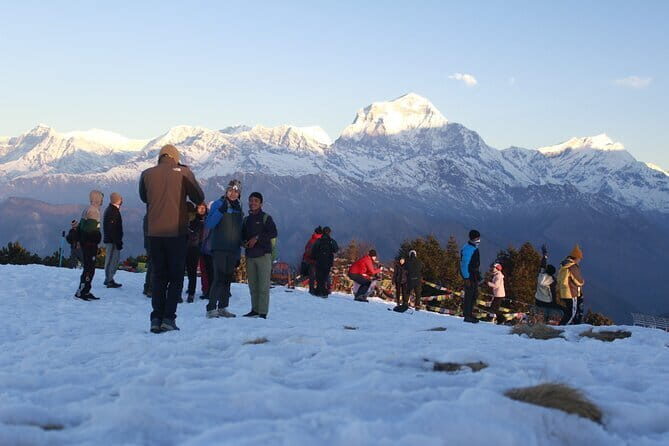
What you’re aiming for is more than a dot on a map. You’ll arrive at a high, open base-camp zone surrounded by the scale of the Annapurna massif. The day is long—about 7 hours—so you’ll want to manage effort from the first uphill section.
A small but important note: Machhapuchhre Base Camp is on the way. That means you’re not just trudging straight to one destination—you’re walking a corridor of viewpoints and changing terrain. It’s a bonus, not an extra detour.
Possible drawback: altitude day. Even if you feel fine, keep your pace slow and steady, and plan for a longer feeling return than you expected if you get too energized. Treat the mountain with respect.
Other hiking tours in Pokhara
Day 5 down to Bamboo: decent trails, but don’t get careless
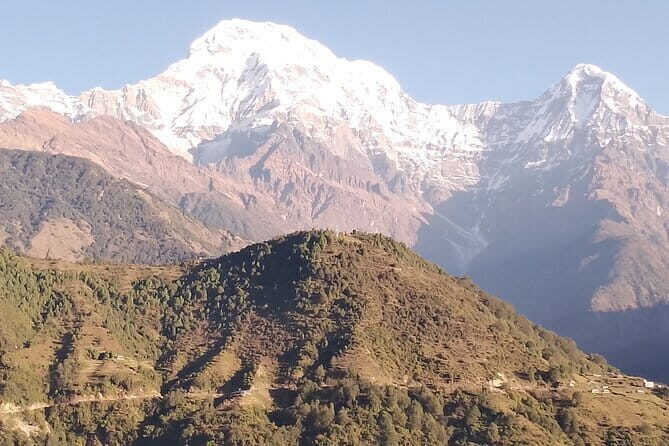
After time at Annapurna Base Camp, Day 5 brings the descent toward Bamboo, listed at about 6 hours. The description highlights that the trail is decent, but you should walk carefully coming down.
That warning is worth taking seriously. Descents on Annapurna can be harder on your knees than the climbs are on your lungs. Your quads will feel the work, and fatigue can make you step less deliberately.
The route also includes passing through places like Deurali, Himalaya, and Dovan. Even without naming every detail, you’ll feel the trail shift back toward greener lower elevations.
What I like about this structure: the base camp day gets its spotlight, and then the itinerary balances it with a controlled descent day rather than another immediate big push.
What to watch: if you’re feeling great on Day 5, you might try to walk fast to recover time. That’s when slips happen. Keep a steady pace.
Day 6 to Jhinu Danda area: forests, KhuldiGhar, and suspension-bridge country
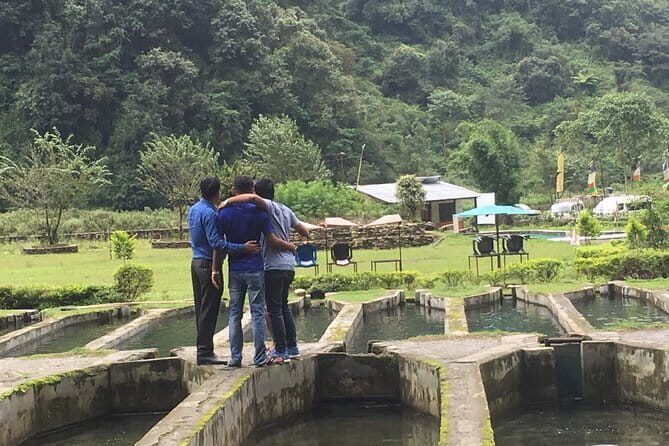
Day 6 is built around a mix of steep up and forest descent. The route notes a short steep up to KhuldiGhar, then downhill through forest to reach a lonely spot called Sinuwa-Danda, and then descent toward Chomrong Khola. There’s also mention of a bridge climb for a short while and then continuing toward Chomrong village.
This is a day where the trail feels less dramatic in the moment, but the experience becomes more varied. You’ll go from high-stone trekking vibes into wooded stretches that change the sound of your walking and the feel of temperature.
This matters if you’re trying to keep your mind fresh. Long treks can get monotonous if every day is “same view, same grade.” Day 6 breaks that up.
Possible drawback: the mix of steep and uneven footing can be tiring, even when the distance isn’t the longest. Take your time on downhills and keep your pack balanced.
Day 7 back to Pokhara: Samrung Khola and the suspension bridge moment
Your final day includes a shorter downhill walk and a crossing of a long suspension bridge to reach Samrung Khola. From there, the itinerary switches modes: you catch a local jeep back to Pokhara, and the overall transfer is described as shared jeep or bus for that leg.
This day often feels like a reward: you’re still walking, still moving through real trail terrain, but the hard work is behind you. And that suspension bridge crossing is the kind of simple thrill that makes the last hours feel lighter.
It ends with Pokhara Lakeside again—so you can reset with a hot shower, a proper meal, and a full night’s sleep.
What to like: the ending isn’t abrupt. You get a final taste of trail, then an organized return. That’s a good match for people who want adventure without a complicated wrap-up.
Guides, permits, and guesthouses: where the value shows
The best part of this trek setup is that the “admin layer” is handled. You get trekking permits and official documents included, plus a guide who speaks English and brings a basic first aid kit. You also get guesthouse accommodation throughout the trek.
That bundle turns your planning into simple choices: how much you want to spend on food, whether you want porter help, and how you want to manage your pace. On a trek, those are the decisions that actually matter.
And the guide factor is real. Names like Biru, Amrit, Amrit, Shiva, and others show up as guides connected to this operator, and the consistent theme in the provided feedback is that guides keep things safe and comfortable. I’d treat that as a sign that the company hires with the actual trail in mind, not just paperwork.
Small practical upside: trekking poles are included per person. It’s one less rental cost, and if you’ve never used poles on steep descents, you’ll feel the benefit quickly.
Price and what you should budget around ($345)
At $345 per person, this trek can feel like a bargain when you remember what’s included: pickup/drop-off in Lakeside, trekking guide, permits/documents, guesthouse nights, key transfers (Pokhara to Siwai and Samrung Khola to Pokhara by shared jeep/bus), trekking poles, and emergency first aid coverage with the guide.
What’s not included is equally important: food and drinks, personal expenses, and optional porter support. The porter note says $25 per day, and it also states one porter for two people. That pricing matters because it can double your comfort if the uphill days feel too heavy.
So here’s the real budgeting advice: assume the base price covers the backbone of the trek, then plan extra for meals and the possibility of a porter. If you’re a strong hiker, you might skip porter. If you want to protect your energy for the base camp climb, porter can be money well spent.
Also keep gratuities in mind. They’re listed as optional, but it’s standard to leave something if your guide helps you through tough spots.
Pace, altitude, and fitness: the honest checkpoint
This is rated for travelers with a strong physical fitness level. That doesn’t mean you need to be a mountain athlete. It does mean you should be ready for long days on uneven trails and for altitude effects around 3900m at base camp.
The itinerary has a classic rhythm:
- Start with village walking (Day 1 and 2)
- Climb and cool down as you approach the sanctuary (Day 3)
- Hit the big summit effort toward base camp (Day 4)
- Descend and keep moving (Day 5 and 6)
- Finish with a lighter day and transport home (Day 7)
If you tend to get winded easily, train with hills before you go. If you’ve never hiked for hours with a pack, try a local hike that lasts 2–3 hours and practice your pace. Your goal is not speed. Your goal is steady movement without burning out.
Practical packing tips (based on what this itinerary asks for)
Since you’re doing a week of climbing and descending, pack for comfort and control:
- Layers for cooler air as you move toward Deurali and the sanctuary area
- A rain layer, since mountain weather can change quickly
- Footwear with grip for descents (you’ll do a lot of downhill steps)
- A small daypack for water and essentials
- Sunscreen and sunglasses for higher exposure near base camp
And use what’s included. Trekking poles are provided, so plan to bring them with you daily rather than storing them away.
You’ll buy food along the way, so carry a simple cash plan and a hydration plan. If you can, eat early when you reach lodges. Starting “food late” can make you feel weaker at the next trail push.
Should you book this Annapurna Base Camp trek with CAN Travels?
If you want a classic Annapurna Base Camp trek that’s set up to handle permits, guide support, guesthouses, and the big transportation legs, this is a strong choice. The value is in the essentials being included, and the route itself is built for a gradual climb with a memorable base camp day.
I’d book it if:
- you want English-speaking guidance
- you like structured days with predictable lodge stops
- you’re ready for a fitness challenge and the altitude day (around 3900m)
I’d think twice or plan for extra support if:
- food costs matter for your budget
- you might need a porter to protect your legs and keep your pace steady
- you don’t have a strong fitness base for long hiking hours
In short: it’s a well-organized trek route for people who want real mountain walking and don’t want to micromanage the logistics. Get your pace right, protect your knees on the descents, and treat the base camp day like the main event it is.
FAQ
How much does the 7-Day Annapurna Base Camp trek cost?
The price is $345.00 per person.
Where does the trek start and end?
It starts in Pokhara and includes pickup and drop-off within the Lakeside area, with the trek ending back at Pokhara Lakeside.
How long is the trek?
The duration is approximately 7 days.
What time does the experience start?
The listed start time is 2:15 pm.
What’s included in the price?
Included items are hotel pick up and drop off in Lakeside area, an English-speaking trekking guide, trekking permits and official documents, guesthouse accommodation during the trek, transfers by shared jeep or bus (Pokhara to Siwai and Samrung Khola to Pokhara), trekking poles, and an emergency normal first aid kit with the guide.
Are meals included?
No. Food and drinks are not included, though they are available for purchase.
Do I need a porter?
A porter is not included. A porter can be arranged at $25 per day, and the note says one porter for two people.
Are trekking poles provided?
Yes. Trekking poles are provided per person.
Is this a private trek?
Yes. It’s listed as private, meaning only your group participates.
What is the cancellation policy?
Free cancellation is available up to 24 hours in advance for a full refund. If you cancel less than 24 hours before the start time, the amount paid is not refunded.