REVIEW · POKHARA
Annapurna Base Camp Trek (8 days)
Book on Viator →Operated by Nepal_first · Bookable on Viator
A mountain trek can’t be faked. This one mixes Himalayan scenery with real village life around Annapurna. You’ll trek through the forests and the Annapurna Sanctuary, sleep in tea houses, eat local meals, and then go for that unforgettable sunrise moment at Annapurna Base Camp.
What I like most is how much gets handled for you: permits (TIMS and the Annapurna Conservation Area Project), private transportation, tea house lodging, and all trek meals. I also like the human touch—trekking with Madu, a local guide from Pokhara with 10+ years of experience, plus time to learn about Gurung lifestyle, food, and culture.
One thing to think about: the trek length can be shorter than what you book. In one ABC case, someone booked 8 days but finished in about 5 days and noted there was no compensation for ending early—so bring flexibility, not a rigid schedule.
In This Review
- Key highlights you’ll actually feel on the trek
- Annapurna Base Camp: why this trek hits harder than the photos
- Madu as your guide: the difference between a trek and a hassle
- What your 8 days usually feel like (without pretending it’s a clock)
- Annapurna Base Camp itself: tea houses, big views, and sunrise pressure (in a good way)
- Machapuchare stop: Fishtail’s shape and why it’s worth the effort
- Food and tea house lodging: how included meals change your trek mindset
- Permits and private transportation: what’s included, and why it’s good value
- Fitness and cold-weather reality: what you should prepare for
- Customizing ABC (or adding more): how to choose your version
- Porter services and the gear question: manage the load early
- Should you book this Annapurna Base Camp trek?
- FAQ
- Where is this Annapurna Base Camp trek based?
- How long is the Annapurna Base Camp trek?
- What is included in the price?
- What is not included?
- Do I need my own trekking gear?
- Is the tour private?
- Can the trek be customized?
- Are porters included?
- What if the weather is bad?
Key highlights you’ll actually feel on the trek
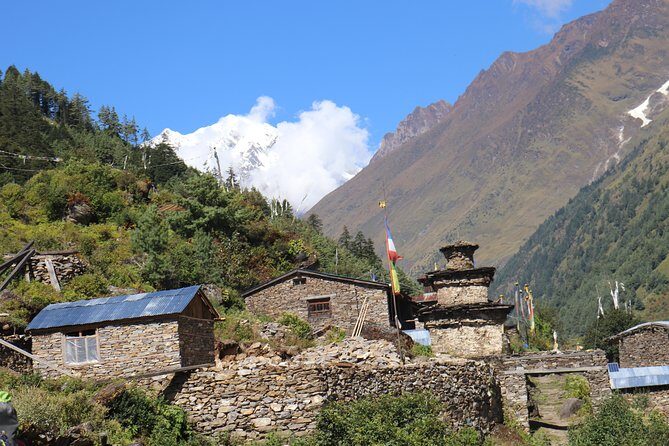
- Sunrise at Annapurna Base Camp: you’re trekking for that moment when the peaks light up.
- Tea house trekking that’s already organized: lodging and meals are included during the trek.
- Madu’s local guide style: calm logistics and a pace that won’t feel like a race.
- Machapuchare stop: you get time connected to the famous Fishtail shape.
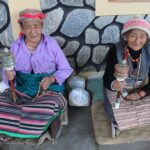
- Gurung culture learning built in: not just a pass-through—there’s room to learn about local life.
- Fully customizable options: shorten, lengthen, or add places like Poon Hill, Annapurna Circuit, or Mardi Himal.
Annapurna Base Camp: why this trek hits harder than the photos
Annapurna Base Camp (ABC) isn’t just about checking off a viewpoint. The trek funnels you through the Annapurna Sanctuary, which is where the mountains start feeling “close”—like the rocks are watching you back. You’re walking through forests and mountain trails, then gradually stepping into the higher, thinner air world.
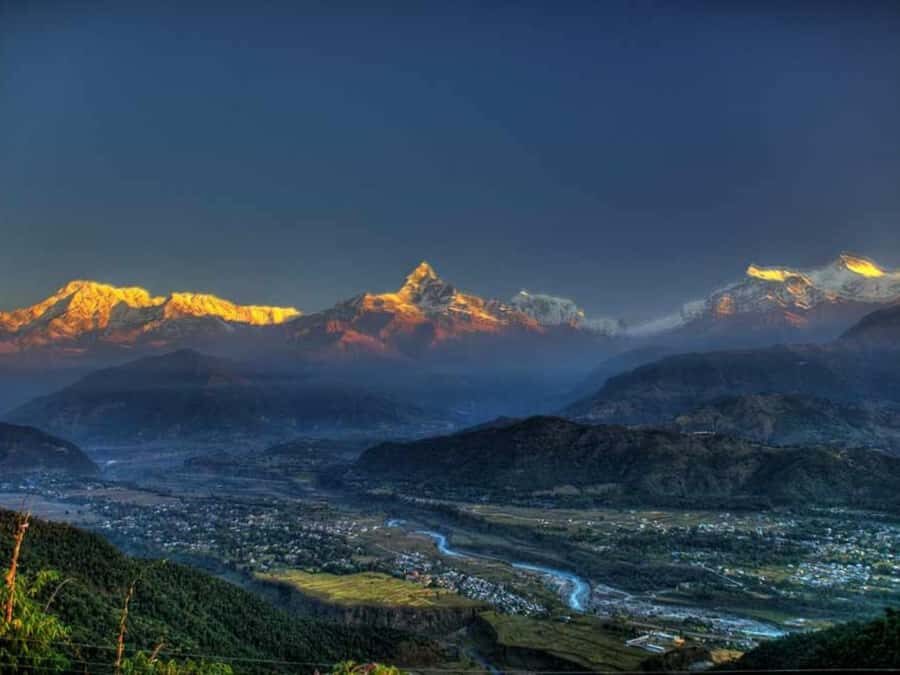
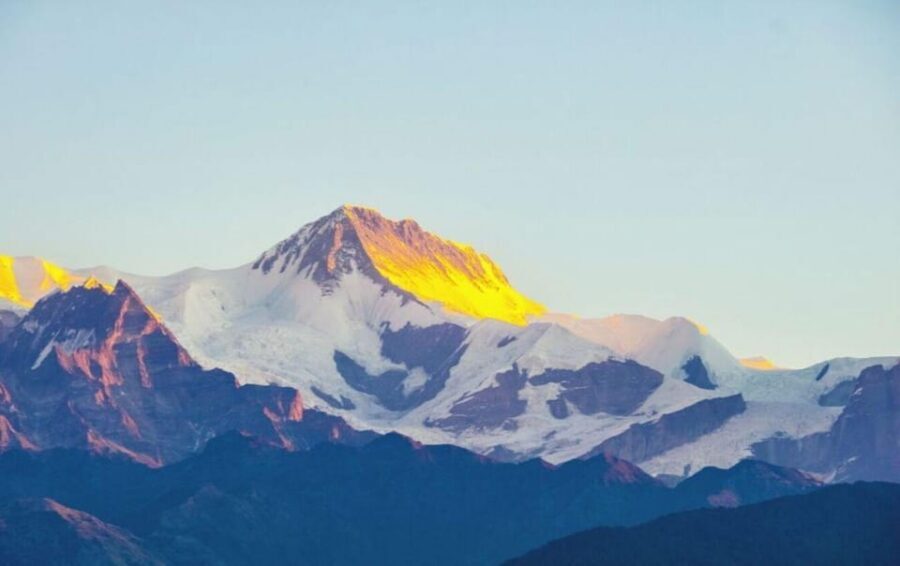
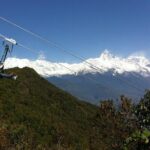
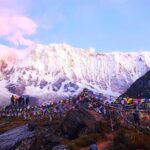
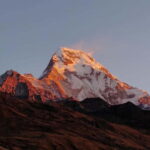
The best part is how the experience keeps changing. You’ll go from trail shade to exposed walking, from quiet bends in the path to suddenly opening views of the Annapurna range. And at ABC, you’re rewarded with sightlines that include Annapurna South and Machapuchare (Fishtail), plus other peaks around the area.
Other Annapurna Base Camp treks reviewed in Pokhara
Madu as your guide: the difference between a trek and a hassle
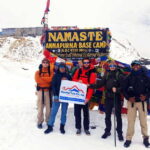
The biggest quality of this trek is the guide set-up. You’re trekking with Madu, a professional local guide from Pokhara with over 10 years of experience, and that matters because ABC is the kind of place where logistics can get annoying fast. Permits and logistics are taken care of, and that leaves you free to focus on walking, altitude rhythm, and staying warm.
I also like the way the guide approach shows up in real feedback. One ABC trek in December mentioned guide Shreedhar as very helpful, and another trekkers’ experience highlighted a guide who did not rush or push to reach camp. The theme is consistent: you get support without the stress of constantly managing the next step.
A small practical note: you’ll still want your own trekking gear, since gear isn’t included. So your planning matters, but once you’re on the route, the day-to-day is less chaotic than doing it fully on your own.
What your 8 days usually feel like (without pretending it’s a clock)
The trek is described as an 8-day Annapurna Base Camp experience, but think of that as an average framework, not a strict timetable. What you can count on is the overall shape: multiple walking days through forested trails and into the Annapurna Sanctuary, with tea house lodging and all meals during the trek.
Because it’s fully customizable, your route can be adjusted if you want a shorter or longer option. You can also add other trekking areas like Poon Hill, the Annapurna Circuit, and/or Mardi Himal if you want to stretch the trip and widen the scenery.
This matters for your expectations. If you’re hoping for a perfectly even pace each day, you might get surprised by weather and trail conditions. One reviewer’s note that their 8-day booking ended faster than expected is a good reminder: on mountain routes, the mountains get the final vote.
Annapurna Base Camp itself: tea houses, big views, and sunrise pressure (in a good way)
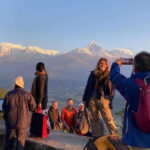
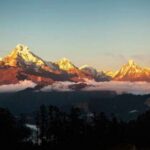
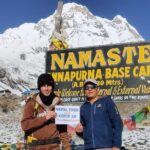
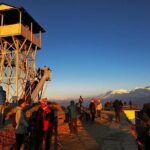
ABC is the destination, but it’s also the feeling of arriving. You’ll spend time in the Annapurna Base Camp area with standout views of Annapurna South and Machapuchare (Fishtail), plus a broader view of the Annapurna range. And the “main event” is the sunrise crest over the Himalayas.
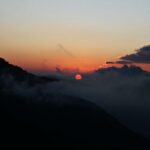
Sunrise at ABC is a timing challenge, but that’s why it’s so special. Early starts mean you’re walking in colder conditions and working with changing light. Still, the payoff is that you’re not just looking at mountains—you’re watching them turn on.
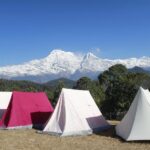
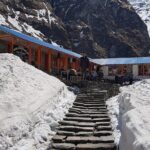
Life around ABC is also about the tea house rhythm. Since tea house lodging and meals are included during the trek, you won’t need to keep negotiating for food and beds at each stop. Expect mountain comfort to be simple and functional, which is part of the charm.
Machapuchare stop: Fishtail’s shape and why it’s worth the effort
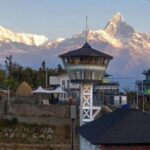
The experience includes a stop connected to Machapuchare. Even if you’ve only seen Fishtail in pictures, being in the region makes it feel more dramatic. Machapuchare is famous for that distinct look, and the trek gives you a chance to connect your day’s walking to a peak people talk about for a reason.
One practical consideration: depending on weather and cloud cover, the view quality can change. One review mentioned the views weren’t as clear due to fog (for another trek, but it highlights the reality of Nepal mountain visibility). So if sunrise or peak views are your top priority, build in flexibility—and pack for cold even when forecasts sound friendly.
Other hiking tours in Pokhara
Food and tea house lodging: how included meals change your trek mindset
Included meals during the trek sound straightforward, but they change your behavior. When meals are handled, you’re less tempted to “wing it” when you’re tired. That helps you keep a steady energy level, which is the real secret for enjoying ABC instead of just surviving it.
Tea houses also keep things human-scale. You’re not just sleeping in a random bed each night; you’re part of a shared rhythm with other trekkers. The overview specifically mentions local tea houses and meeting fellow trekkers, and in practice that often means you’ll share advice, warm conversations, and sometimes even compare notes on weather.
One more note: personal expenses aren’t included. That’s mostly the little stuff—snacks, hot drinks beyond what’s covered, extra items you decide you absolutely need. If you tend to snack constantly when nervous, plan for that.
Permits and private transportation: what’s included, and why it’s good value
Let’s talk value, because $650 can look either cheap or pricey depending on what’s included. Here, the included items are the big ones that usually cost time and stress:
- Permits included: TIMS and Annapurna Conservation Area Project permits.
- Private transportation included.
- Tea house lodging and all meals included during the trek.
Those pieces matter because they remove the usual “admin tax” on a trek. You’re not spending your first days in Nepal chasing paperwork, sorting logistics, or recalculating routes based on what you can book last-minute. That makes the trek feel smoother from the start.
Also, it’s a private tour/activity, meaning only your group participates. If you’re traveling with friends or want a custom pace, that private feel can be a big quality-of-life upgrade.
Fitness and cold-weather reality: what you should prepare for
The experience is described for people with moderate physical fitness. That doesn’t mean it’s easy. It means it’s meant for trekkers who can handle several hours of walking on mountain trails and don’t need “elite training plan” energy.
Temperature is the other big reality. One review specifically called out that December is cold in the mountains, but the weather was very sunny. Translation: cold is part of the package, and sunny weather is a gift you should try not to waste.
Since trekking gear isn’t included, plan your pack around staying warm. Even if conditions look mild at lower elevation, you can get hit with colder air higher up and at dawn.
Customizing ABC (or adding more): how to choose your version
The trek is described as fully customizable. If you want shorter or longer, you can adjust. If you want extra scenery variety, you can add Poon Hill, the Annapurna Circuit, and/or Mardi Himal.
This is a smart way to tailor your trip if you have a time limit or if ABC alone feels too concentrated. Poon Hill, for example, is often chosen for sunrise-style views in the broader region, and adding the Circuit can stretch the experience into a bigger variety of landscapes and village routines.
Just keep your expectations honest: adding days can mean more cold nights, more time on trails, and more chances for weather to change your plan. If you’re the type who likes a fixed routine, ask for a route that keeps the schedule predictable.
Porter services and the gear question: manage the load early
Porter services are not included. The good news is that if you want help finding porter services, the operator says you can contact them for support.
Since trekkers should have their own gear, this is the moment to think practically:
- Do you want a lighter pack so you enjoy the trail more?
- Are you carrying camera gear that adds weight?
- Do you already own boots and layers you trust on cold mornings?
If you’re unsure, consider using a porter for comfort rather than treating it like a luxury. On ABC-style trekking, saving your legs often matters more than bragging rights.
Should you book this Annapurna Base Camp trek?
I’d book it if you want ABC without the headaches. The mix of included permits, private transportation, tea house lodging, and all trek meals is a strong setup for value and peace of mind. I also think it’s a great fit if you enjoy learning about local culture along the way—Gurung lifestyle, food, and how people live in the region are part of the experience design.
I’d pause or plan carefully if you’re the type who needs a rigid number of days. One ABC trek case finished faster than the 8-day booking, and there’s no guarantee of an exact day count in mountain trekking. Also, gear isn’t included, so factor that cost and shopping time into your overall plan.
If you want a calm, guided ABC with real local flavor and less admin work, this looks like a solid choice.
FAQ
Where is this Annapurna Base Camp trek based?
The trip is associated with Pokhara, Nepal. Pick-up is offered.
How long is the Annapurna Base Camp trek?
It’s listed as 8 days (approx.).
What is included in the price?
Included items are private transportation, permits (TIMS and Annapurna Conservation Area Project), tea house lodging during the trek, and all meals during the trek.
What is not included?
Not included are all fees and taxes, personal expenses, trekking gear, and porter services.
Do I need my own trekking gear?
Yes. Trekkers should have their own gear.
Is the tour private?
Yes. It’s a private tour/activity, so only your group participates.
Can the trek be customized?
Yes. It’s described as fully customizable. You can trek shorter or longer, and you can add places such as Poon Hill, the Annapurna Circuit, and/or Mardi Himal.
Are porters included?
No. Porter services are not included, but you can contact the operator if you need help finding porter services.
What if the weather is bad?
This experience requires good weather. If it’s canceled due to poor weather, you’ll be offered a different date or a full refund.