REVIEW · POKHARA
Pokhara: Annapurna Foothills Day Hike with Transfers
Book on GetYourGuide →Operated by Snow Peak Tours and Travels pvt. ltd. · Bookable on GetYourGuide
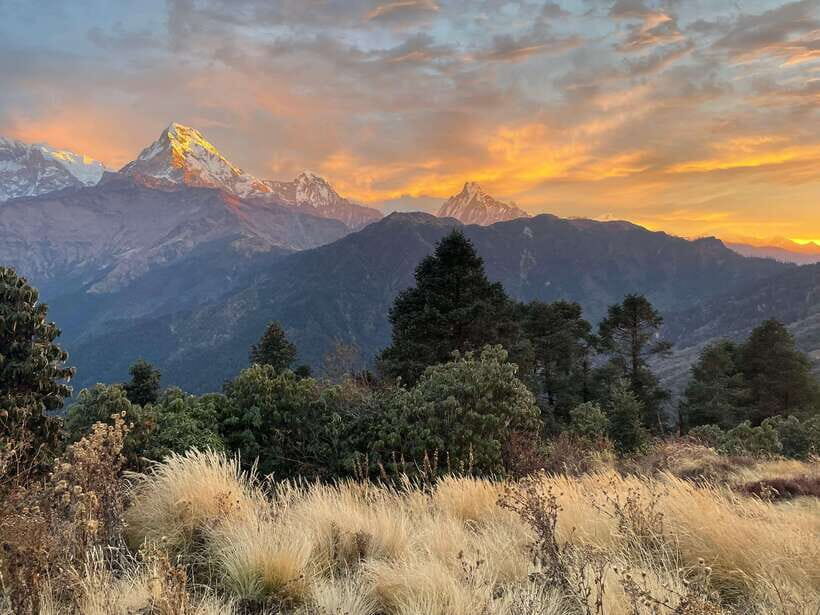
Annapurna views in a single day. This Pokhara day hike strings together a drive to Kande, a hike up to Australian Basecamp, then a descent through Dhampus and down toward Phedi/Ghattekhola, all led by a government-certified English-speaking guide.
What I like most is how smoothly the day mixes mountain viewpoints with real village stops, and how the route is built for an easy win: you get big scenery without needing a multi-day trek. One thing to keep in mind is weather. If clouds roll in, peak views can turn into moody mountain silhouettes instead of crisp photo moments.
In This Review
- Key highlights worth getting excited about
- Kande to Australian Basecamp: the best kind of big-view day
- Transfers in Pokhara: how the day stays low-stress
- Australian Basecamp viewpoint: where the climb feels worth it
- Dhampus village stop: more than a photo break
- Descent to Phedi/Ghattekhola: forests, terraces, and a steady rhythm
- Trail style and who should book this hike
- Guides: where the day becomes personal (Moti, Purushottam, and others)
- Price and value: what $42 buys on this full-day plan
- Practical packing: the small stuff that saves your day
- Should you book this Kande to Australian Basecamp day hike?
- FAQ
- How long is the hike?
- Where does the hike start and end?
- Is hotel pickup and drop-off included?
- Do I need a permit for this tour?
- What language will the guide speak?
- Is food included?
- What should I bring?
- Is this tour suitable for wheelchair users or mobility impairments?
- What is the cancellation window?
Key highlights worth getting excited about
- Kande to Australian Basecamp: a scenic drive plus a walk through forested slopes and farmland edges
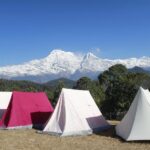
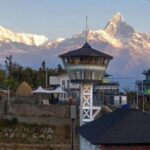
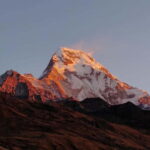
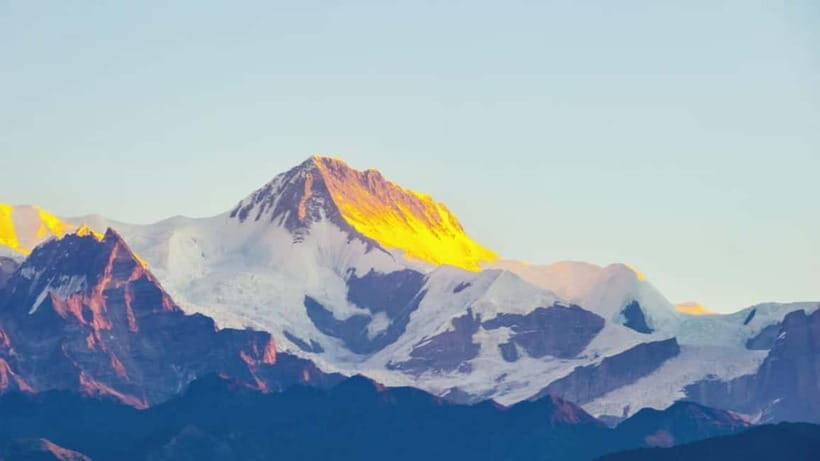
- Annapurna and Fishtail views: you’ll stop for time to look, rest, and photograph
- Dhampus village time: Gurung culture, local life, and a meal break when the option is chosen
- A downhill that feels like Nepal: forests, terraces, and changing views all the way to Phedi/Ghattekhola
- Guide-led pacing: many guides on this route adjust the rhythm and wait for photos and questions
Kande to Australian Basecamp: the best kind of big-view day
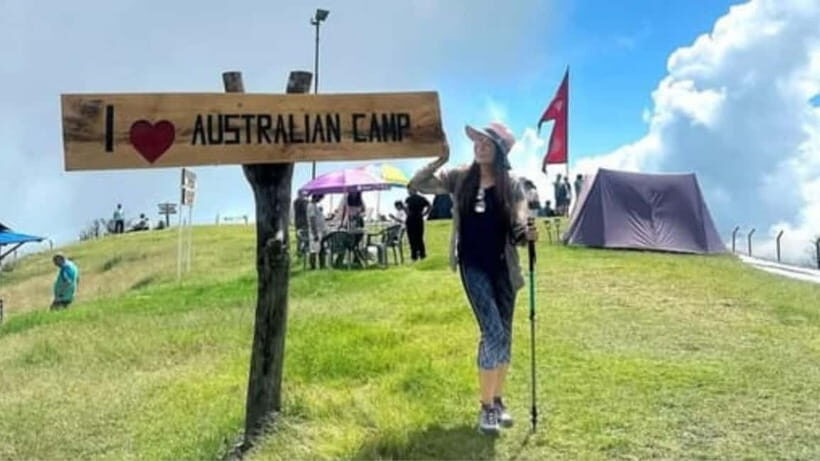
This is a day hike that makes sense for real travel schedules. You’re based in Pokhara, and the experience quickly gets you out of town and into the Annapurna foothills world. The hike starts with a short vehicle run from Pokhara to Kande, which is a smart move because it saves your legs for the actual trekking.
The hike itself is designed to feel approachable. You’re not thrown into a technical climb or a remote, hours-long trek with no breaks. Instead, you work your way upward through a mix of forest paths, terraced fields, and village lanes, then arrive at the Australian Basecamp viewpoint area where the day really pays off.
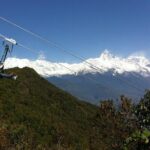
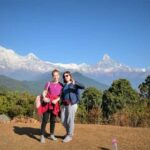
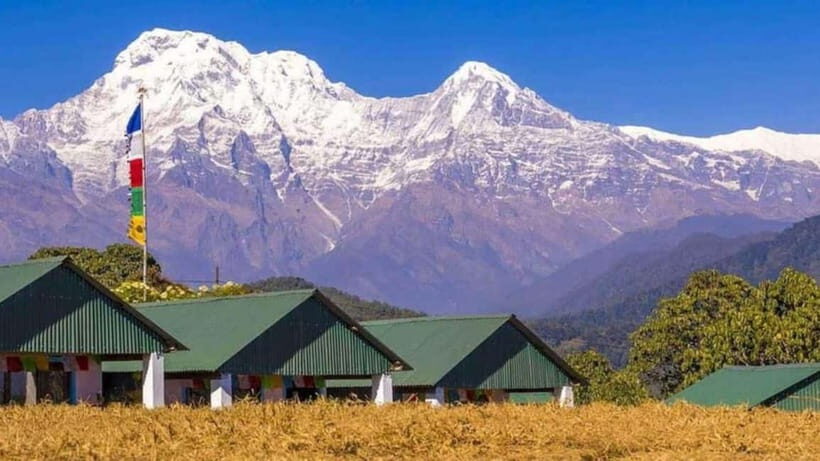
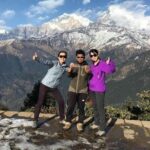
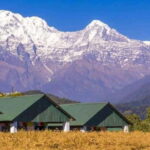
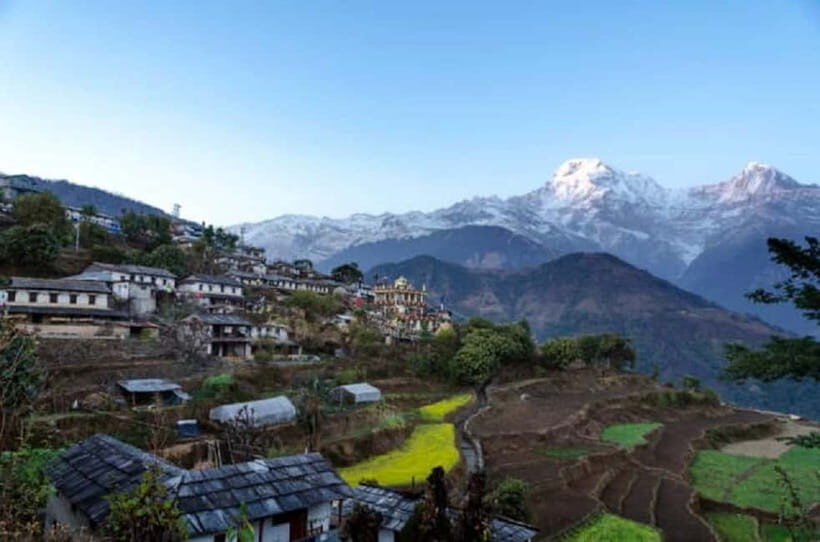
Why this route works: Australian Basecamp is the kind of stop that turns a “walk” into an experience. You’re there long enough to enjoy the view, not just snap one photo and keep going. If the weather is cooperating, you get sweeping sightlines toward Annapurna and Machhapuchhre (Fishtail)—and if it isn’t, you’ll still be walking through a very scenic part of Nepal.
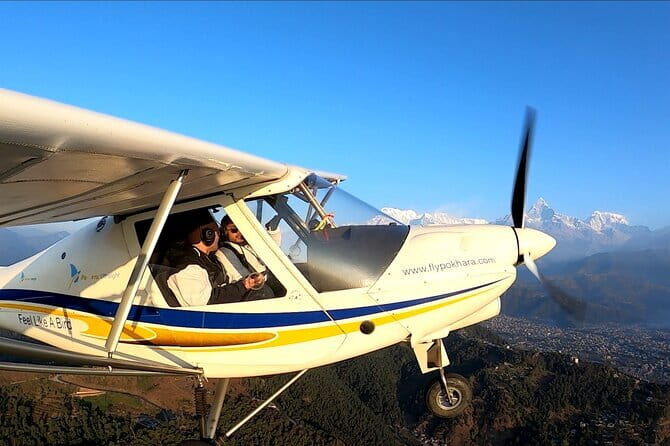
Other Annapurna foothills day hikes in Pokhara
Transfers in Pokhara: how the day stays low-stress
Logistics matter on day trips. The tour is set up around hotel pickup and drop-off, with multiple options across the Pokhara Lakeside and Sarangkot areas. After booking, you confirm your pickup time preference, and the guide and car arrive a few minutes early with a sign.
This might sound minor, but it changes the whole day. You don’t waste time tracking transport, negotiating prices, or trying to get everyone moving at the same moment. With an 8-hour overall duration, that “time discipline” helps you actually enjoy the hike.
Also, the plan includes private vehicle transfers from Pokhara to Kande and again from Phedi/Ghattekhola back to Pokhara. That means the hardest part of your day is the walking itself—not the waiting.
Australian Basecamp viewpoint: where the climb feels worth it
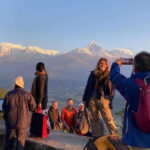
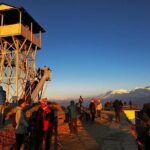
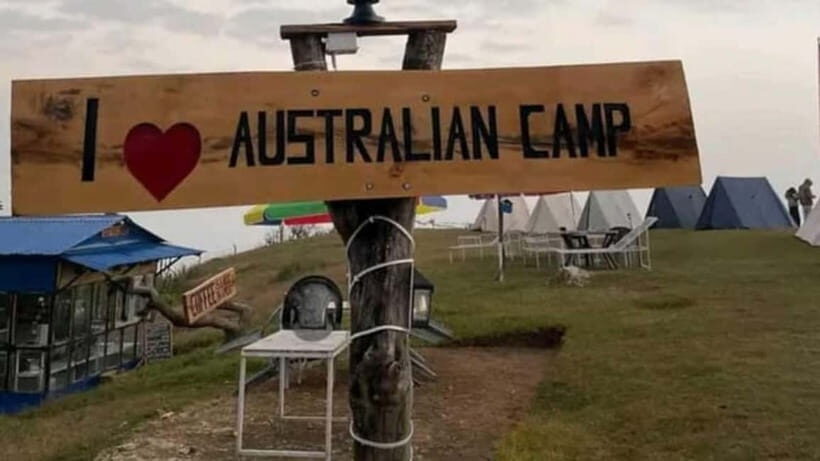
Australian Basecamp is the star of this route, and the schedule reflects that. You’ll spend a guided portion at the viewpoint area, then you’ll also have time for additional visiting and viewing. In plain terms: you get both a structured moment to orient yourself and a looser moment to take in the scenery.
The reason this stop is so loved is simple. You’re high enough to feel the mountains in front of you, and close enough to still experience the local trail world right beneath your feet. Many guides on this route also use that time to explain what you’re seeing, which helps you understand why the peaks dominate your view.
A practical tip from the route reality: start early if you can. One traveler specifically recommended an early start to reduce the chance that clouds build up and soften the view. Even when visibility isn’t perfect, an early start usually gives you more time to enjoy whatever the sky decides to offer.
Dhampus village stop: more than a photo break
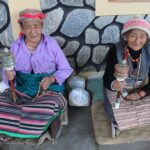
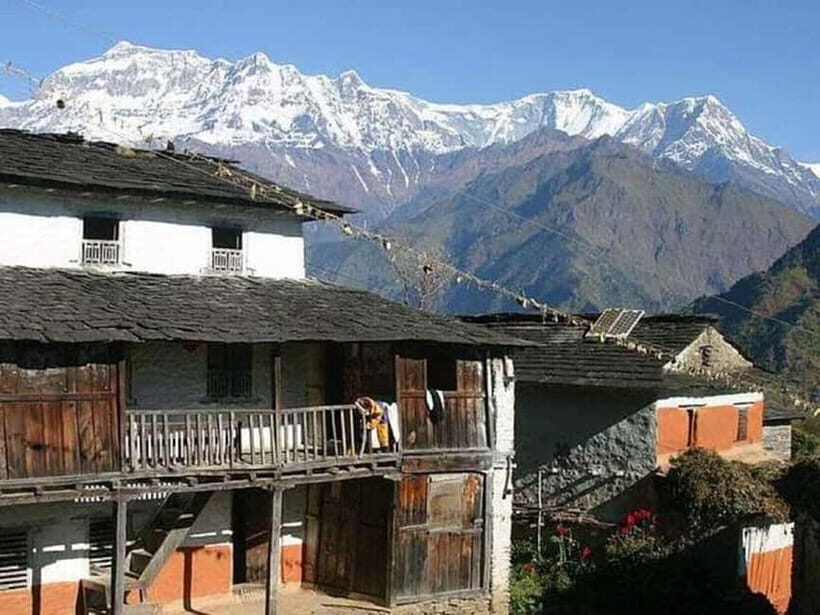
After Australian Basecamp, the route continues toward Dhampus, a village known for traditional Gurung culture and strong mountain views. This section is often less about a big “climb to a summit” feeling and more about moving through lived-in countryside.
What makes the Dhampus part valuable is how it slows the day down. You get a break time and guided time in the village, plus the chance to interact with locals. If you choose the option that includes meals, this is typically where the day’s food happens—often a hot meal that gives you energy for the descent.
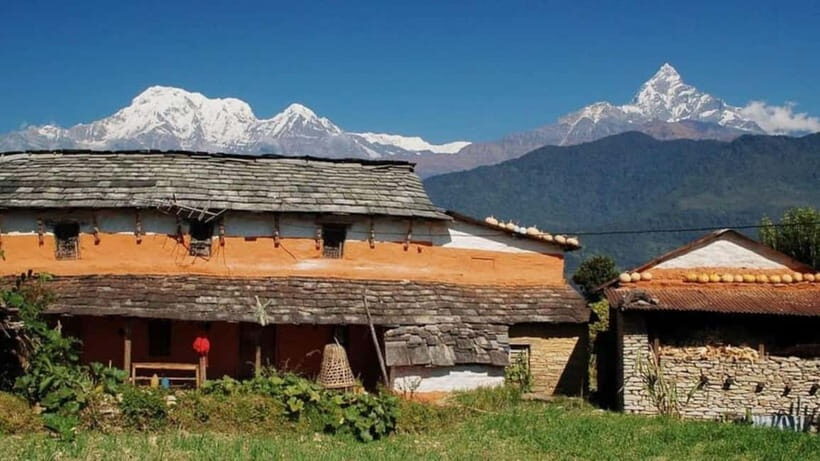
You’ll also notice the trail’s mood shift here. Going from a viewpoint area back into village life makes the hike feel grounded. Instead of only chasing mountain scenery, you’re also seeing how people farm, build, and live with the Himalayas in their background.
Descent to Phedi/Ghattekhola: forests, terraces, and a steady rhythm
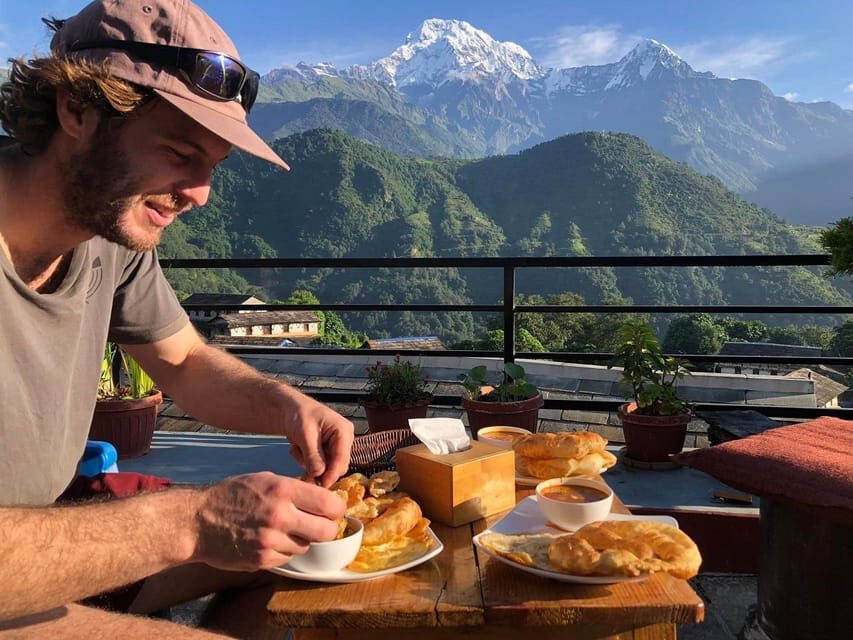
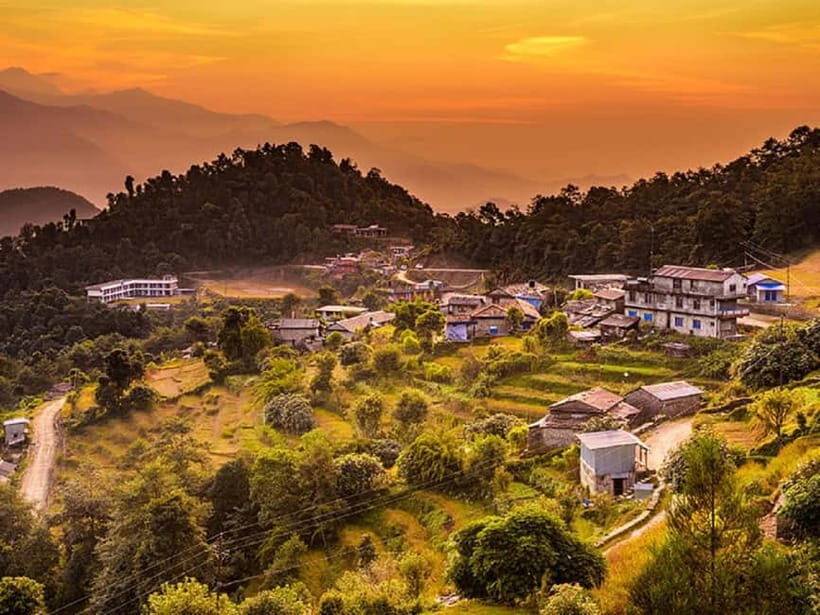
The final phase is the downhill. That sounds easy on paper, but it’s where a well-paced guide makes a difference. Your descent route winds through lush forest trails and terraced farmlands, so it stays interesting even when your legs start asking for mercy.
This part also does something smart for first-time hikers: it gives you variety without turning the day into a physical punishment. You keep changing your view—trees to open slopes, village edges to farm plots—so you’re not stuck staring at the same kind of scenery for hours.
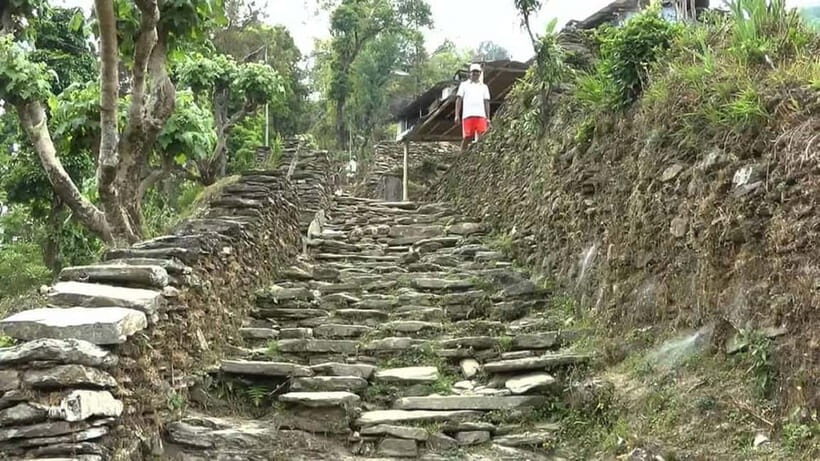
One practical detail: plan for uneven footing. Even on an “easy day hike,” you’ll likely encounter roots, stones, and step sections. Sturdy shoes help a lot here. Comfortable shoes are not a suggestion; they’re how you keep the descent from feeling like a sore-knee contest.
When you reach Phedi/Ghattekhola, your vehicle is waiting for the return to Pokhara. That means you end the day without the annoying “walk for another hour just to get back” feeling.
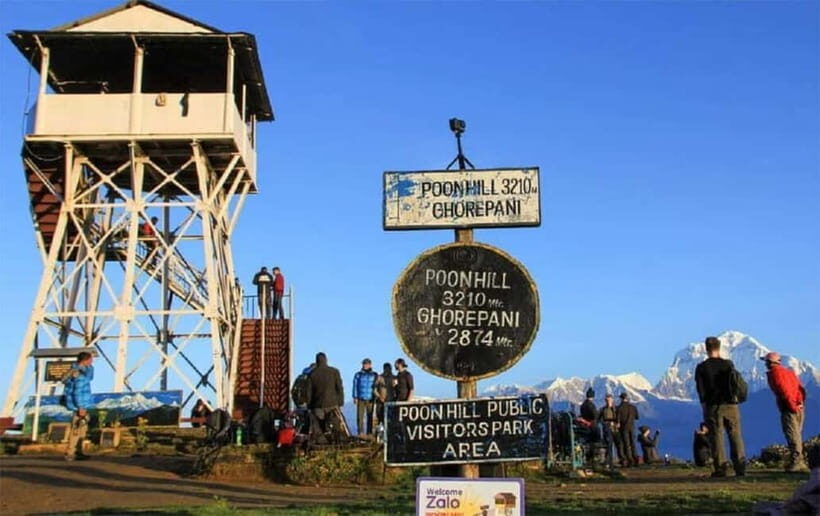
Other hiking tours in Pokhara
Trail style and who should book this hike
This is described as an easy day hike, and the feedback matches that vibe—especially for people who want a taste of trekking without a multi-day commitment. That said, it’s not flat. The first portion toward Australian Basecamp includes a chunk of uphill climbing. One traveler noted that the first 1.5 hours can feel taxing because it involves climbing steps, though it’s doable with breaks.
So who is it best for?
- You want a one-day taste of the Annapurna foothills from Pokhara
- You’re okay with an uphill early and a downhill later
- You like village culture stops, not only viewpoints
- You’re traveling with mixed fitness levels and want pacing that can flex
If you have mobility limitations or use a wheelchair, this is not suitable. The route involves walking and uneven terrain, and the tour specifically lists it as not for mobility impairments or wheelchair users.
For fitness context, one participant measured the hike around 9 km with about 400 meters of elevation gain. Treat that as a helpful estimate, not a promise, but it gives you a sense of effort: more like a solid hike day than a stroll.
Guides: where the day becomes personal (Moti, Purushottam, and others)
A big reason this tour works is the guide quality and the way pacing is handled. Many people singled out guides by name—most often Moti Thapa—for being patient, informative, and attentive to the group. You also might see other guides like Purushottam, Santosh/Santos, Jeet Bhadur, Kiran, Chandra, and Krishna, depending on scheduling.
What you should look for in a guide here is exactly what shows up repeatedly:
- Adjusting pace so people can finish comfortably
- Explaining terrain so you’re not guessing what’s coming next
- Waiting for photos and not rushing everyone through viewpoints
- Sharing facts about local culture, forests, and wildlife you pass along the way
One traveler even described the day as feeling like hiking with a friend, with frequent stops and conversation that made the walking feel easier. That matters because day hikes can get monotonous if someone just counts steps and moves on.
In short: a good guide turns “a route” into “a story you remember.”
Price and value: what $42 buys on this full-day plan
At $42 per person for an 8-hour experience, you’re paying for more than just a trail. You’re paying for:
- Private round-trip transfers (Pokhara to Kande, and Phedi/Ghattekhola back)
- A government-certified English-speaking guide
- All required permits and fees
- Bottled water for each participant
- A first aid kit
That’s why the price can feel fair. If you tried to recreate this on your own, you’d need a vehicle plan, permits, and a guide to keep the day smooth and safe. Here, those moving parts are handled for you.
Meals are a bit different. The tour includes meals when you select that option. People talk a lot about lunch quality and meal breaks during the day, which is one of those “small” comforts that makes a hike feel like a real outing rather than a workout session.
Bottom line: if you want a guided, organized day with transportation handled, this is strong value.
Practical packing: the small stuff that saves your day
This hike is not the place to go underprepared. Bring:
- Comfortable shoes (and ideally hiking shoes with grip)
- A hat
- A camera (you’ll want it at the viewpoints)
- Comfortable clothes and hiking pants
- Cash (useful for personal snacks and beverages)
You’ll also get bottled water during the tour, but you’ll still want your own essentials ready. If you’re the kind of traveler who loves to snack between tea stops, cash is useful.
And if weather changes fast, dress in layers. Day hikes in the hills can shift between warm sun and cooler shade under trees, especially on the way up.
Should you book this Kande to Australian Basecamp day hike?
I’d book it if you want a clear, manageable plan that delivers mountain views and village culture in one day. It’s especially good if:
- You’re short on time in Pokhara
- You want an easy day hike with real scenery goals
- You care about guide-led pacing and explanations (Moti Thapa is repeatedly singled out)
- You like mixing viewpoints with stops in places like Dhampus
Skip it if you’re dealing with mobility limits, wheelchair use, or if your main goal is guaranteed peak visibility. Weather is the wildcard. Still, even when the views aren’t crystal clear, you’re walking through forests, terraces, and Gurung village life—so the day usually stays worthwhile.
FAQ
How long is the hike?
The full experience runs about 8 hours.
Where does the hike start and end?
It starts from the Kande area and includes hiking to Australian Basecamp and Dhampus, then descending to Phedi/Ghattekhola before returning to Pokhara.
Is hotel pickup and drop-off included?
Pickup and drop-off are included in the Pokhara Lakeside and Sarangkot areas, with multiple hotel locations available. The guide and car arrive a few minutes early.
Do I need a permit for this tour?
Permits and fees are included.
What language will the guide speak?
The live guide speaks English, Hindi, and Nepali.
Is food included?
Meals are included only if you choose the meal option. The day includes breaks, and a hot lunch is part of the plan when meals are selected.
What should I bring?
Bring comfortable shoes (or hiking shoes), a hat, a camera, comfortable clothes, cash, and hiking pants.
Is this tour suitable for wheelchair users or mobility impairments?
No. It is not suitable for people with mobility impairments or wheelchair users.
What is the cancellation window?
You can cancel up to 24 hours in advance for a full refund.