REVIEW · POKHARA
Private Full-Day Hike in the Annapurna Foothills in Pokhara
Book on Viator →Operated by Nepal Tour & Trekking Services · Bookable on Viator
Hike stair-stepped trails above Pokhara for big views. This private guided Annapurna foothills hike takes you from lakeside pickup to Phedi and up toward Australian Camp, with chances to walk through traditional Gurung villages along the way.
You get the kind of attention that helps when you want the scenery and the culture, not just a track on your phone. One thing I especially like is the way the route connects viewpoints with village life, so the day feels like more than calories and clouds.
One possible drawback: it’s steady uphill and downhill on carved-rock stairs, and in wetter months you may not see as far. If you’re hoping for crystal-clear mountain panoramas every minute, you’ll want to go in with weather flexibility.
In This Review
- Key points at a glance
- Why This Annapurna Foothills Hike Feels Safer Than DIY
- Meeting at 8:45 and Getting to Phedi From Lakeside Pokhara
- Walking Up Through Forest to Dhampus Gurung Village
- Australian Camp: Where the Views Actually Land
- The Mountain Names You’ll Hear (and Why They Matter)
- How Hard Is It, Really? The Truth About Stairs and Weather
- Private Guide Dipak and What Good Guiding Actually Does
- Price and Value: What $125 Gets You in Pokhara
- Who This Tour Is Best For (and Who Might Want a Different Plan)
- Should You Book This Annapurna Foothills Hike?
- FAQ
- What time does the hike start?
- Where will I be picked up?
- How long is the hike?
- Is this a private tour?
- Do I get a guide?
- Is the hike technical climbing?
- Are food and drinks included?
- What mountains will I see?
- What’s included in the price?
- Is there free cancellation?
Key points at a glance
- Private local guide keeps you moving at the right pace and explains what you’re seeing
- Lakeside hotel pickup and drop-off saves time and stress in Pokhara
- Dhampus Gurung village walk means stone lanes and rural life, not just viewpoints
- Australian Camp viewpoint is where the payoff hits for mountain views
- Non-technical route with lots of walking, so bring solid footwear and expect effort
Why This Annapurna Foothills Hike Feels Safer Than DIY
Pokhara is full of easy “how hard can it be?” trail plans that quickly turn into wrong turns and wasted time. This private hike is built to avoid that. You start with a direct drive to the trailhead area (Phedi), then you hike with a guide who knows the route and what to notice as you go.
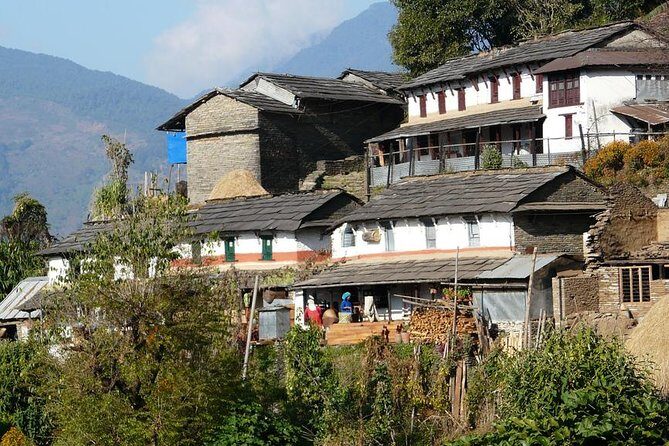
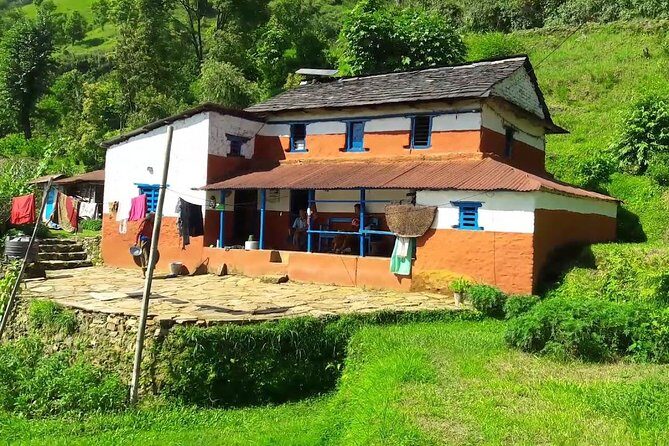
The second big reason I like this style of day hike is the mix of nature and people. You’re not only climbing for views. You pass through traditional villages where the scenery includes rooftops, stone-paved lanes, and day-to-day rural rhythm. When a guide points out Gurung traditions as you walk, the whole route makes more sense.
Finally, you’re not stuck with a huge group pace. This is a private tour, so your timing can match your energy level as long as you stay within the day’s plan.
Other Annapurna foothills day hikes in Pokhara
Meeting at 8:45 and Getting to Phedi From Lakeside Pokhara
Your day starts around 8:45 am. You meet your guide in the hotel lobby, then climb into a private vehicle for the scenic drive out of Lakeside Pokhara.
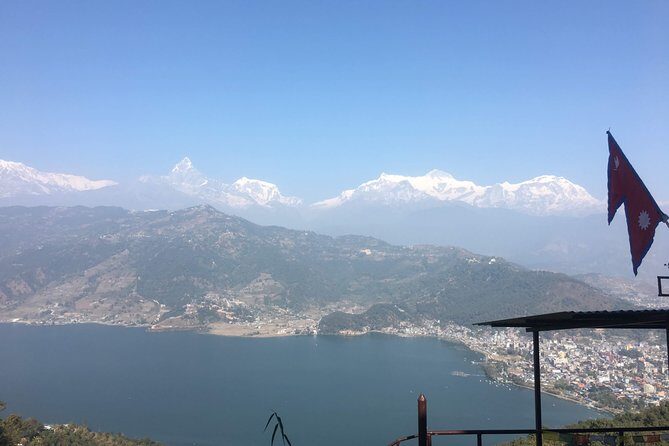
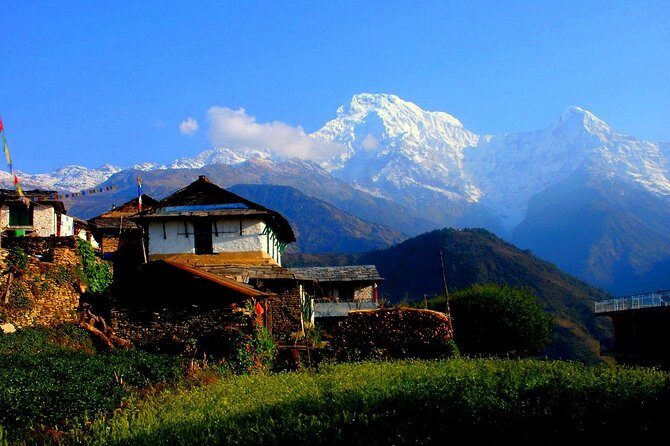
The road run toward Phedi is part of the experience. You’ll get sweeping views over the Pokhara valley and the Himalayan range lines as the drive unfolds. It’s a good warm-up, mentally and physically, because you’re already starting to “see” the mountains before you ever hit the stairs.
Phedi matters because it’s on the way to longer Annapurna trekking routes. You’re not doing a multi-day trek, but you’re starting on the same kind of landscape that bigger adventures use. That gives the hike a real sense of place instead of feeling like an isolated walk.
Walking Up Through Forest to Dhampus Gurung Village
Once you start, you’re on a trekking route carved through forest. This is a nice change from a purely open hillside track. Forest walking can feel cooler, and it also breaks the day into segments so the climb doesn’t hit all at once.
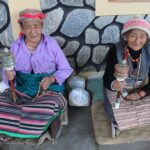
From there, you reach Dhampus, one of the most popular villages in the Annapurna foothills. It’s described as a typical Gurung village, and you’ll see that quickly in the layout—stone paved lanes and a settlement that faces toward the mountain mass.
Dhampus is also one of those places where a guide’s role really pays off. You’ll learn about Gurung traditions as you move through the village, which turns a “pretty stop” into something you can actually connect to. And because the village is well photographed in this region, it helps to have someone tell you where the best angles and safest walking paths are.
A practical note: village lanes still mean real walking. Even when you’re taking in views, your day is set up as a full-on hike, not a stroll.
Australian Camp: Where the Views Actually Land
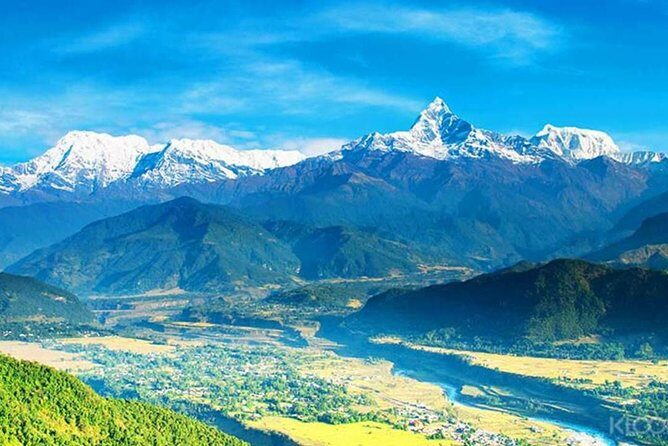
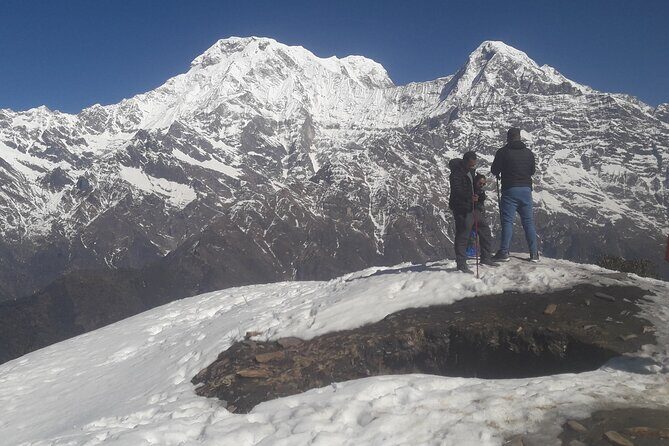
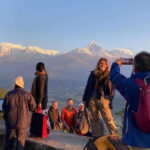
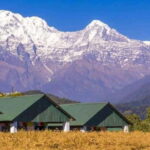
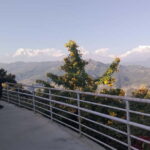
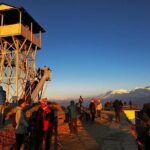
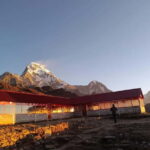
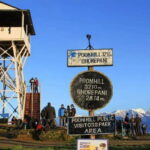
As you continue, the goal becomes the kind of viewpoint that people travel to Nepal for. Australian Camp is where you’ll typically feel the mountain payoff most clearly.
What I like about this part of the day is that it’s not just one lookout photo moment. It’s a place you reach through effort, so it feels earned. And it’s also a location where you can reset before heading back down.
Even though food and drinks aren’t included, you can plan on buying lunch there. One traveler specifically called out chicken momo as a tasty lunch option in Australian Camp. That’s the kind of meal that works well mid-hike—comfort food that doesn’t require you to carry a heavy lunch load.
If the weather is wet (more on that below), Australian Camp can still be rewarding, just with less distance visibility. In clearer conditions, the viewpoint tends to feel wide open.
The Mountain Names You’ll Hear (and Why They Matter)
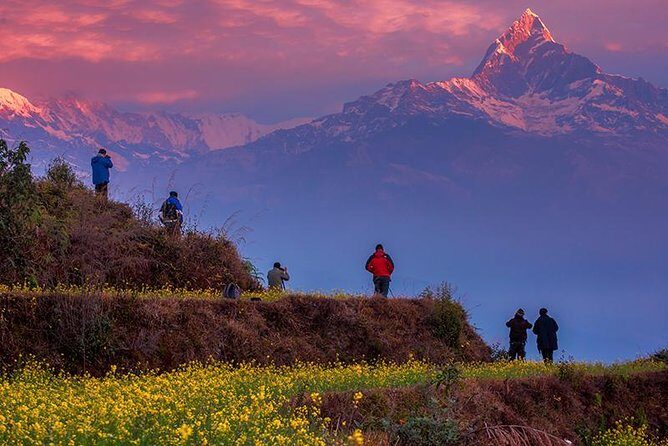
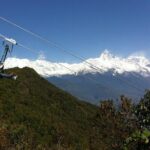
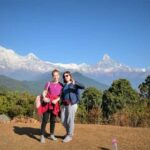
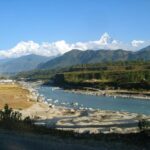
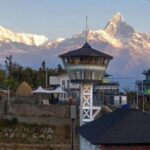
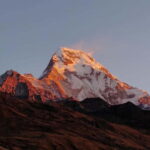
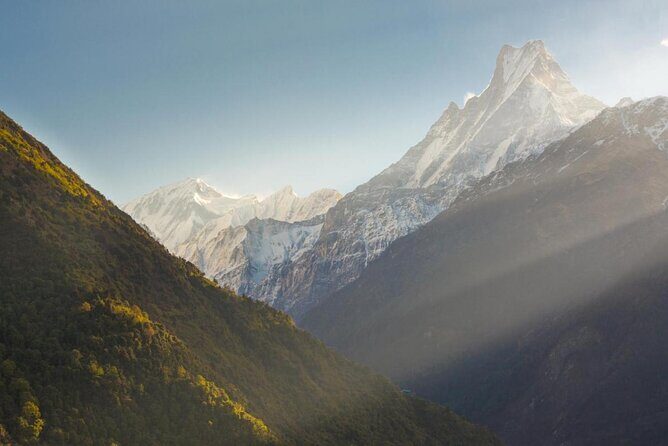
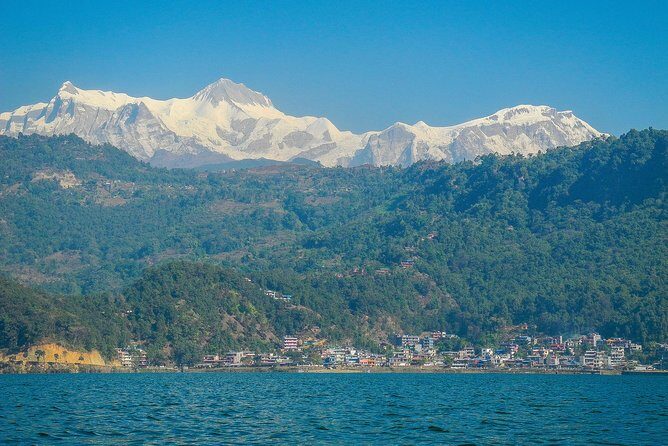
You’re not just hiking in a generic “Annapurna area.” You’ll get focused mountain references during the walk, including Mt. Dhaulagiri, Mt. Manaslu, and Mt. Fishtail (also known as Machhapuchhre), plus more.
Why does that matter for you? Because mountain spotting is much easier when someone teaches you how to look. A guide can help you connect the silhouettes you see from the trail to the names you’re hearing. That turns random peaks into a mental map.
Also, these names are a clue about the route’s alignment. The hike is positioned so you get multiple angles on major Himalaya massifs rather than only one straight-on view. That’s what makes a day hike feel bigger than it is.
Other private tours in Pokhara
How Hard Is It, Really? The Truth About Stairs and Weather
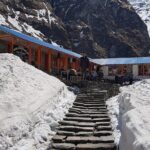
This isn’t a technical climb. The path is mainly carved rocks and stairs—up and down, with an obvious “workout” feeling. Translation: you’re going to use your legs. But you’re not dealing with scrambling gear or rope climbing.
You should still treat the day as a moderate-to-active hike. The experience involves a significant amount of walking, and it’s recommended for most people, but it’s not the right fit if you want minimal elevation effort.
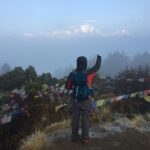
Here’s the weather reality I’d plan around. In early July, you might encounter wet conditions and limited mountain visibility. That doesn’t automatically ruin the day, but it changes the experience. You’ll likely spend more time enjoying the forest, village textures, and close-range views than distant panoramas. If you’re going for maximum clarity, pick a calmer weather window when possible.
What to bring (practical basics): supportive shoes with good grip for stair-rock sections, a rain layer, and water. Even if you’re not carrying a full day of food, your body will want hydration.
Private Guide Dipak and What Good Guiding Actually Does
Your guide isn’t just a safety net. A good guide makes the hike feel faster and easier mentally because you understand the terrain and the story as you go.
In this experience, one guide name that comes up is Dipak. He’s described as experienced and very fun to talk with, and he’s also the kind of person who can read your pace and energy. That matters because on a private hike, you’re free to ask questions and adjust timing in a way that group tours usually can’t.
Dipak also offered additional help beyond the hike itself—suggesting and arranging other activities. That’s not a guarantee you’ll get the same exact recommendations, but it’s a good sign of a provider that understands you might want to use your time efficiently in Pokhara.
If you like learning on the move, this format delivers. You’re not stuck waiting around at viewpoints while the group gathers—you’re walking, then stopping with purpose.
Price and Value: What $125 Gets You in Pokhara
At $125 per person, the value comes from what’s included, not just the length of time.
You’re getting:
- Hotel pickup and drop-off from lakeside Pokhara hotels
- A private local guide
- Transport by private vehicle to and from your pickup point
- An organized route with mountain-focused stops and village walking
Food isn’t included, which is normal for day hikes in Nepal. But you do have options along the way—especially around Australian Camp—so you can keep your pack lighter.
Is it expensive? Compared to a basic group trek option, yes. Compared to what you’d spend coordinating a driver, guide time, and getting yourself to the correct trailhead, it often ends up feeling fair. The private part is the key: you’re not paying extra for “less than a group,” you’re paying for better pacing, clearer interpretation, and easier logistics.
Who This Tour Is Best For (and Who Might Want a Different Plan)
This hike is a strong match if you:
- Want scenery plus real village life in one day
- Prefer a guide who explains Gurung culture as you walk
- Like a private format where you can set your own rhythm
- Are happy with walking hours and a stair-heavy path
It’s likely not ideal if you:
- Have limited tolerance for uphill/downhill stair sections
- Need guaranteed clear mountain visibility every day
- Want a short stroll instead of a meaningful hike
Minimum age is 10, which suggests it can work for older kids who can handle steady walking.
Should You Book This Annapurna Foothills Hike?
If you want an Annapurna foothills day that feels organized, safe, and grounded in the local landscape, I’d book it. The private guide approach is the big win, especially when you care about understanding what you’re seeing in Dhampus and learning about Gurung traditions instead of just snapping photos and moving on.
I’d also book it if you’re the type who appreciates the work that leads to the viewpoint. Australian Camp is a highlight, and reaching it on foot makes the payoff land harder.
The only time I’d pause is if you’re traveling during a period you know will be consistently wet and you’re only interested in long-distance peak views. In that case, you’ll still have a good day—but you’ll be leaning more on forest, villages, and close-range experience than on maximum mountain clarity.
FAQ
What time does the hike start?
The start time is 8:45 am.
Where will I be picked up?
Pickup is offered from lakeside Pokhara hotels, typically meeting your guide in the hotel lobby.
How long is the hike?
Expect about 6 to 7 hours total.
Is this a private tour?
Yes. It’s a private tour, so only your group participates.
Do I get a guide?
You’ll have a private local guide.
Is the hike technical climbing?
No. It’s not described as a technical climb; the path is mainly carved rocks and stairs.
Are food and drinks included?
No. Food and drinks are not included.
What mountains will I see?
You’ll admire views of Mt. Dhaulagiri, Mt. Manaslu, Mt. Fishtail, and more.
What’s included in the price?
Included is hotel pickup and drop-off, a private local guide, and transport by private vehicle to and from your lakeside Pokhara hotel. A mountain-area entry/admission ticket is included as part of the experience.
Is there free cancellation?
Yes. You can cancel for a full refund up to 24 hours before the experience starts.