REVIEW · POKHARA
The Best of Pokhara: Full-Day Private Tour with Sarangkot Sunrise
Book on Viator →Operated by Linkage Tours & Travels · Bookable on Viator
Sunrise in Sarangkot wakes up the whole Pokhara valley. This full-day private tour strings together the big sights in a smart order: mountain views first, then caves, temples, and a calm break by Phewa Lake. You also get the comfort of private transport, plus an English-speaking local guide.
I love the hotel pickup and door-to-door convenience. I also like that the day is planned to let you linger at each stop, instead of speed-running Pokhara.
One thing to consider: the early sunrise depends on weather, and the day includes places where entry fees may not be included.
In This Review
- Key things I’d plan for
- Sarangkot sunrise first for the best odds of mountain views
- Private pickup, AC car, and hotel drop-offs that save energy
- Mahendra Cave and Chamere Gufa: the bat caves you actually feel
- Seti River Gorge and Devi’s Falls: short looks, big opinions
- Bindhyabasini Temple and Gupteshwor Cave: old Pokhara with meaning
- Phewa Lake timing: where you can finally exhale
- Price and value: what you get for $68 and what can cost extra
- Who this private day fits best (and what to adjust)
- Should you book this Sarangkot sunrise Pokhara day tour?
- FAQ
- What is the duration of the tour?
- Is this a private tour?
- Do you get pickup and drop-off from your hotel?
- Is transportation provided?
- Are entrance fees included?
- Do I need to pay for the Sarangkot sunrise admission?
- Do I need cash for cave or attraction entry?
- Is there a guide, and what language do they speak?
- Is a mobile ticket provided?
- Are service animals allowed?
Key things I’d plan for
- Sarangkot is first for a reason: you start early so you have a real shot at clear mountain views
- AC private vehicle makes the schedule doable after caves and temples
- Bat caves mean real cave conditions: slippery steps and tight spaces call for grippy shoes
- Several stops may have extra costs: some caves list admission as not included
- Not everyone loves the gorge/waterfall timing: go in expecting quick looks, not long hikes
- Your guide can shape the day: many guides are praised for photos, pace, and helpful context
Sarangkot sunrise first for the best odds of mountain views
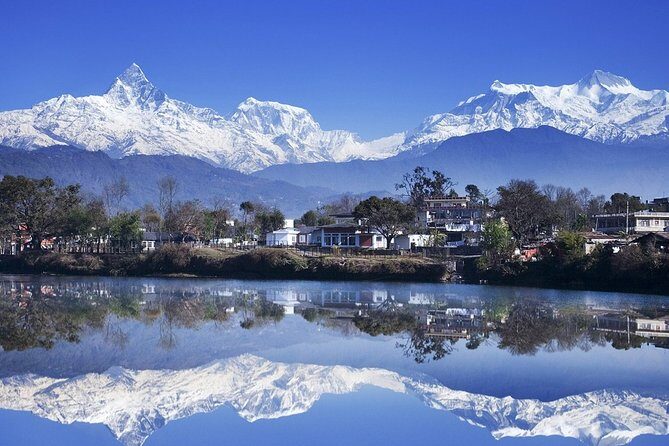
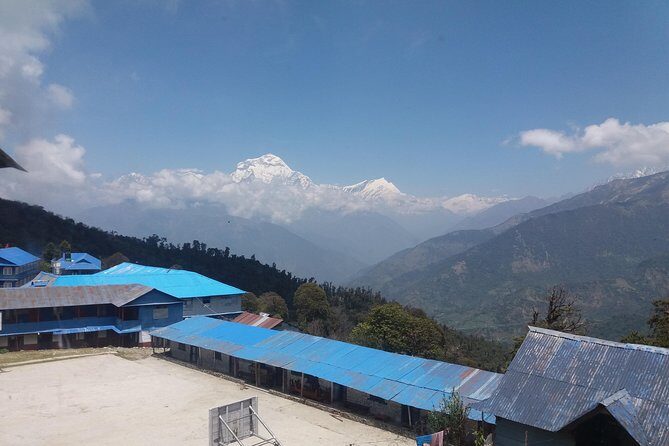
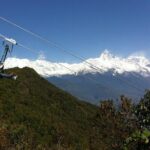
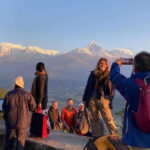
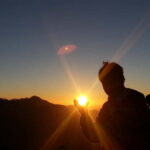
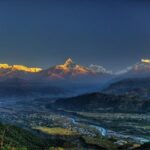
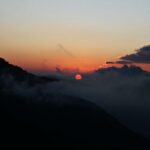
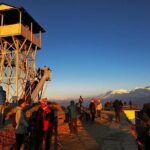
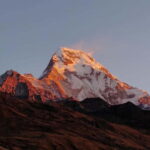
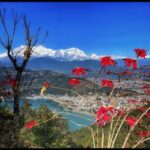
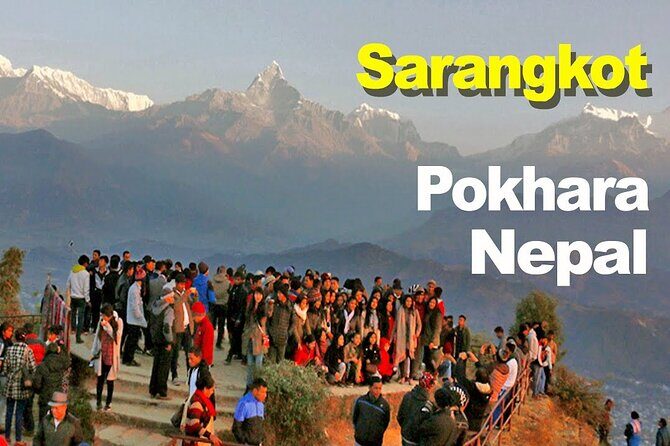
Sarangkot is where Pokhara turns dramatic. The whole point of this tour is that you head there early, before the valley warms up and clouds build. Even when visibility is limited, the morning still has a special feel—cool air, quiet roads, and that slow shift as locals and visitors line up for views.
This is also where you’ll understand the “why” of Pokhara. Guides often point out the mountains you’re seeing (or hoping to see), and you get tips on where to stand for better angles. One review specifically called out a guide explaining which peaks to look for and even helping with photos—exactly the kind of practical help that makes sunrise more than just waiting around.
The catch is simple: sunrise views are weather-dependent. If clouds roll in or rain hangs around, you might still get a pleasant morning but fewer big peaks. That’s not a failure of the tour—it’s Nepal in the mountains. Still, the sunrise-first routing gives you the best chance to see something spectacular.
Tip for you: pack a light layer even if Pokhara feels warm later. Mornings at Sarangkot can be chilly, and you’ll be standing around for the view.
Other Sarangkot sunrise tours in Pokhara
Private pickup, AC car, and hotel drop-offs that save energy
Pokhara is easy to navigate, but doing eight stops in one day is less about distance and more about timing. The private vehicle here matters because it keeps the day from feeling chaotic. You’re picked up from your hotel, taken to each location, and returned afterward.
The tour lists an air-conditioned vehicle and private transportation, which is a big deal if you’re doing caves plus sightseeing in a single push. Even on a “not so hot” day, cave humidity and morning-to-midday driving add up. AC makes the transitions easier, especially if you’re traveling solo or you just want the smoothest logistics possible.
You’ll also see that the tour is genuinely set up for a small group: it’s private, meaning it’s only your group in the vehicle. That can affect pacing. Some guides are praised for keeping things unhurried and letting people set the pace, which is exactly what you want when you’re switching between temples, caves, and viewpoints.
Tip for you: ask your guide at pickup what time you’ll return for the next segment (the schedule depends on the season). And if you have a must-see—like a specific temple angle or a photo spot—tell the guide early so they can plan around your interests.
Mahendra Cave and Chamere Gufa: the bat caves you actually feel
Most people picture Pokhara as lakes and trekking trails. Then this tour takes you into cave systems where bats are the main characters.
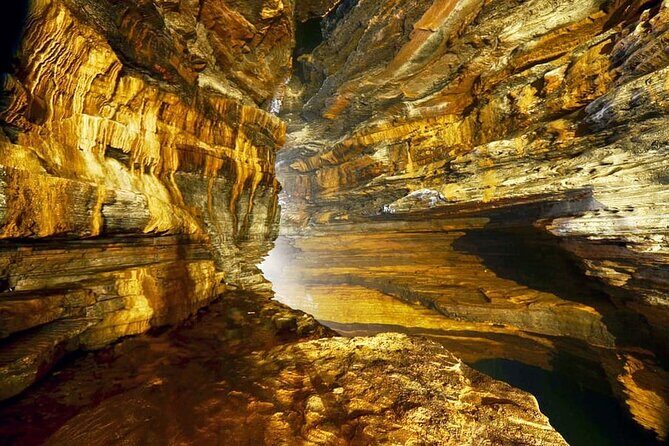
Mahendra Cave is described as a large limestone cave with stalagmites and stalactites. That’s a clue for what to expect: more than a quick photo stop, it’s a real cave interior. The tour lists admission for this stop as not included, so budget for entry when you arrive.
Chamere Gufa is where the bat factor ramps up. You won’t see a movie set—what you’ll see is thousands of horseshoe bats clinging to the ceiling. It can feel eerie in a good way: the place is damp, and the ground is slick.
What to wear matters here. If you want this stop to be fun instead of stressful, wear grippy shoes and take your time on the slick sections. Bring a small bag for essentials so you’re not juggling items while you move through the cave.
Guides are also praised for context and pacing during these stops. One of the standout mentions included a guide helping with photos during the day, which makes sense: inside caves, good timing and positioning can be hard. A guide who knows the angles can save you from frustration.
Tip for you: if you’re claustrophobic or have mobility limits, check the cave difficulty early. Some past experiences have included surprises about whether visitors could fully enter certain caves.
Seti River Gorge and Devi’s Falls: short looks, big opinions
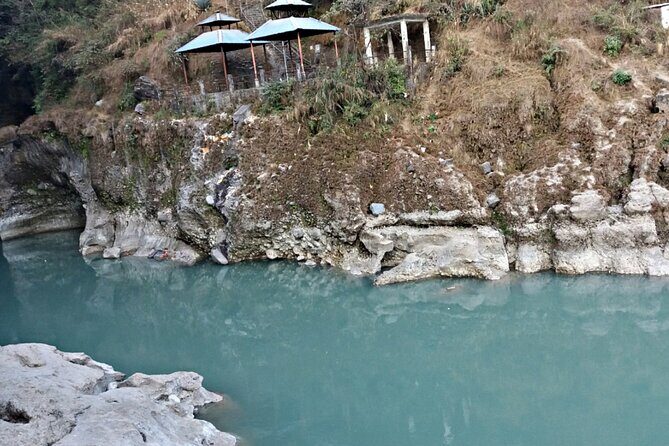
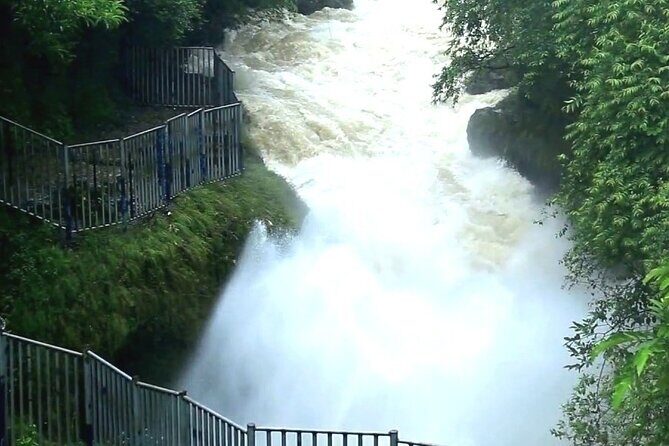
After caves, the tour shifts to natural highlights: Seti River Gorge and Devi’s Falls. These spots are famous, and they can be stunning—yet they’re also easy to feel rushed at, because the day keeps moving and each stop is relatively short.
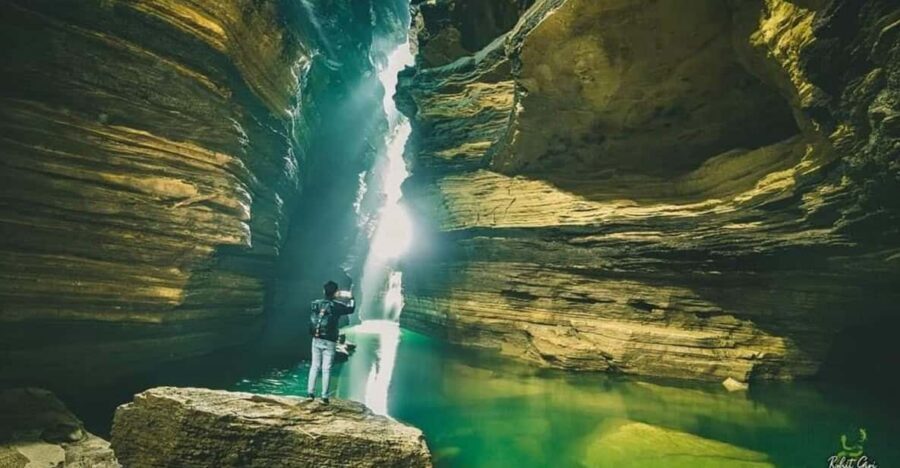
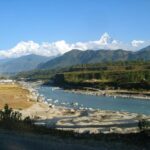
Seti River Gorge is about a river cutting through remote valleys. Devi’s Falls is known for the way water forms a tunnel after reaching the bottom and flows beneath the ground.
Here’s the realistic expectation setting for you: this itinerary treats them as “see it, appreciate it, move on.” In practice, people who want long viewing platforms or time to explore nearby areas might wish the schedule gave more breathing room. Some visitors also felt these two stops didn’t deliver for them compared with what they expected to see.
Still, if you like quick, high-impact sightseeing and you want to stack multiple Pokhara highlights in one day, these stops can fit your style. They also work well after the caves because you get a change of pace—from dim indoor spaces to open-air sightlines.
Tip for you: if either Seti Gorge or Devi’s Falls is a top priority, ask the guide for the best viewpoints and photo angles so you get maximum value from the short time.
Bindhyabasini Temple and Gupteshwor Cave: old Pokhara with meaning
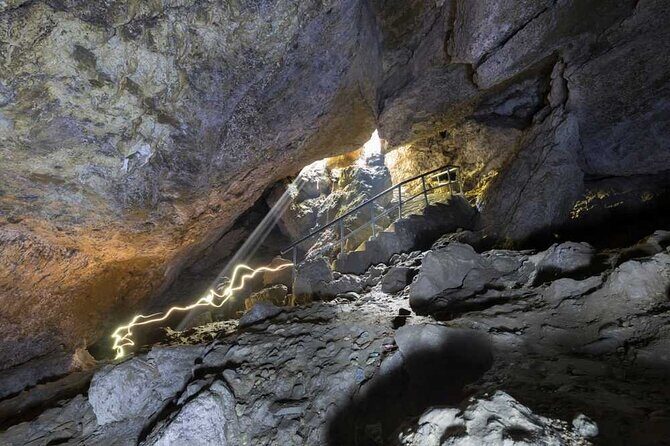
This is where the day shifts from “scenery” to “sense of place.”
Bindhyabasini Temple is described as the oldest temple in Pokhara. That matters because you’re not just ticking off tourist sights—you’re stepping into a place locals keep using. Admission is listed as free for this stop, so you can spend your money on the other paid attractions and keep this segment budget-friendly.
Gupteswar Gupha (Gupteshwor Mahadev Cave) has a neat local water story. The tour notes that water connected to Davis Fall passes through this cave. So even if you’ve only heard of Davis Fall, you’ll get a cause-and-effect connection: the water has a route, and the cave is part of that cycle.
These temple-and-cave segments also tend to be where guides shine. Many guides are praised for explaining how to respond and behave appropriately in temples, including small rituals like receiving a tika from a priest. That kind of guidance isn’t just polite—it helps you avoid awkwardness and shows respect in a way that actually feels good.
Tip for you: go slow in temple areas and follow your guide’s lead on where to stand and how to act. It’s the kind of cultural detail that makes these stops feel real, not staged.
Other Pokhara highlights and iconic-destination tours
Phewa Lake timing: where you can finally exhale
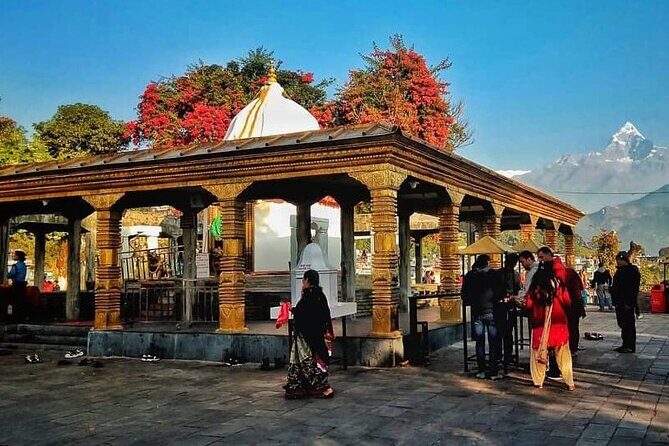
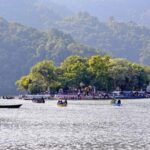
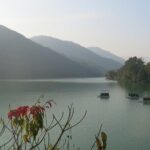
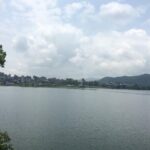
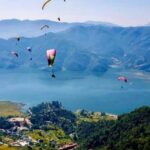
Phewa Tal (Phewa Lake) is the calm break in the middle or toward the end of the day. The tour includes a stop here with free admission and a set time block.
Phewa Lake is central to Pokhara’s identity. It’s also a flexible place in your brain: after caves and temples, your eyes need something open. Even if you don’t go far beyond viewpoints and walking edges, the lake gives you that reset—wind, reflections, and a slower rhythm than the morning.
The time matters. Because the day is packed with multiple stops, you’ll feel the difference if your schedule includes even one unhurried lakeside segment. People often enjoy Phewa Lake most when they treat it as a break, not another “checklist item.”
If you want the most satisfying version of this stop, use your guide’s suggestion on where to stand for the best views and where to take photos. Multiple reviews highlight guides helping with photos throughout the day, which is extra valuable near water where lighting changes fast.
Tip for you: bring a little patience here. If your morning visibility was bad, this is often where the day still feels rewarding—because the lake is constant even when the peaks hide.
Price and value: what you get for $68 and what can cost extra
At $68 per person, this tour is designed as a one-day best-of route. You’re paying for the big three: a local guide, private vehicle transport, and a schedule that covers multiple Pokhara highlights without you arranging every hop yourself.
Included items listed are:
- bottled water
- air-conditioned vehicle
- private transportation
- English-speaking tour guide
Also, you get a mobile ticket and pickup/drop-off from your hotel.
What’s not included is the umbrella “entry fee” bucket. Specific stops show different admission rules:
- Sarangkot stop includes an admission ticket (listed as included)
- Mahendra Cave, Chamere Gufa, Seti Gorge, Gupteswar Cave, and Devi’s Falls list admission as not included
- Bindhyabasini Temple is free
- Phewa Lake is free
So the extra cost you might pay depends on how the operator handles admissions on the day, and which exact fees apply. To avoid surprises, assume you’ll have some cash set aside for the cave admissions.
Is it good value? Usually, yes—especially if you care about doing a lot in one day and you want a guide to help with context, pace, and photos. But if you’re picky about where time is spent, you’ll want to check your expectations for the gorge and waterfall segments and your comfort with cave stops.
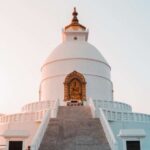
Tip for you: before you go, decide what you’d feel sad about skipping. If Shanti Stupa is a must on your Pokhara list, verify whether your day plan includes it. The itinerary focus here is temples, caves, gorge/waterfall viewpoints, and Phewa Lake.
Who this private day fits best (and what to adjust)
This is a strong pick if:
- you have one day in Pokhara and want the major highlights in a logical order
- you prefer private transport with hotel pickup and drop-off
- you want a guide to explain temple behavior and local connections (like the water route from Davis Fall to Gupteswar Cave)
- you appreciate photo help and a guide who can point out viewpoints during sunrise
It may be a weaker fit if:
- you hate early mornings and can’t handle the uncertainty of mountain visibility
- you want long, slow time at waterfalls or gorge viewpoints
- you have mobility limitations and you’re sensitive to caves that may be harder to enter
- you expect every stop to include deep guiding at every second of the visit (some experiences have shown that the balance between guiding and driving can vary)
The experience also seems to depend on the guide. Names that have come up include Samundra, Bidur, Roshan Pokhret, Dipchandra, Pujan, Santosh, Ram, and drivers like Yamu, Danel, and others. When the guide does well, the day can feel personal: explaining what to look for at sunrise, helping with photos, adjusting pacing, and adding small interest-driven stops when there’s time.
My practical advice: treat this as a flexible, guided day—then set expectations up front. Ask what’s included, which stops require cash for entry, and how the guide will handle pacing if the sunrise weather is poor.
Should you book this Sarangkot sunrise Pokhara day tour?
Book it if you want a structured day that hits Pokhara’s big natural and cultural highlights without forcing you to plan transport between sites. The private AC vehicle plus hotel pickup is the part you’ll feel most on the ground, especially in a day that mixes caves and viewpoints.
Skip or adjust your expectations if your travel style needs lots of time at fewer sites, or if you’re worried about cave entry difficulty and slick conditions. Also remember: sunrise views are weather-dependent. This tour gives you the best timing for sunrise, but it can’t control clouds.
One more reason to book with confidence: you have free cancellation up to 24 hours before start time for a full refund, so you can manage timing if your Pokhara weather looks uncertain.
If you do book, pack grippy shoes, a light layer for the morning, and a little cash for admissions at the cave/waterfall stops. Then go in with a simple goal: get sunrise, see the caves and temples, and finish with lakeside calm.
FAQ
What is the duration of the tour?
It runs for about 7 hours.
Is this a private tour?
Yes. It’s private, so only your group participates.
Do you get pickup and drop-off from your hotel?
Yes, pickup and drop-off from your hotel in Pokhara are included.
Is transportation provided?
Yes. You travel in a private air-conditioned vehicle.
Are entrance fees included?
The tour states that entry fees are not included overall. Some stops list admission as included (Sarangkot) or free (Bindhyabasini Temple and Phewa Lake), while other cave and waterfall stops list admission as not included.
Do I need to pay for the Sarangkot sunrise admission?
The Sarangkot stop lists an admission ticket as included.
Do I need cash for cave or attraction entry?
Because the tour notes that entry fees are not included, it’s smart to expect to pay some admission amounts for stops where admission is listed as not included.
Is there a guide, and what language do they speak?
Yes. An English-speaking tour guide is included.
Is a mobile ticket provided?
Yes, the tour includes a mobile ticket.
Are service animals allowed?
Yes, service animals are allowed.