REVIEW · POKHARA
Pokhara: Pokhara Highlights Tour by Bus
Book on GetYourGuide →Operated by Snow Peak Tours and Travels pvt. ltd. · Bookable on GetYourGuide
A cave-and-temple day for $12?
This Pokhara highlights loop is built around self-guided stops and classic sights, with hotel pickup and drop-off so you spend less time figuring out transport. The day mixes nature (water and caves) with spiritual viewpoints, and you’ll get an English/Hindi driver to keep the timing moving.
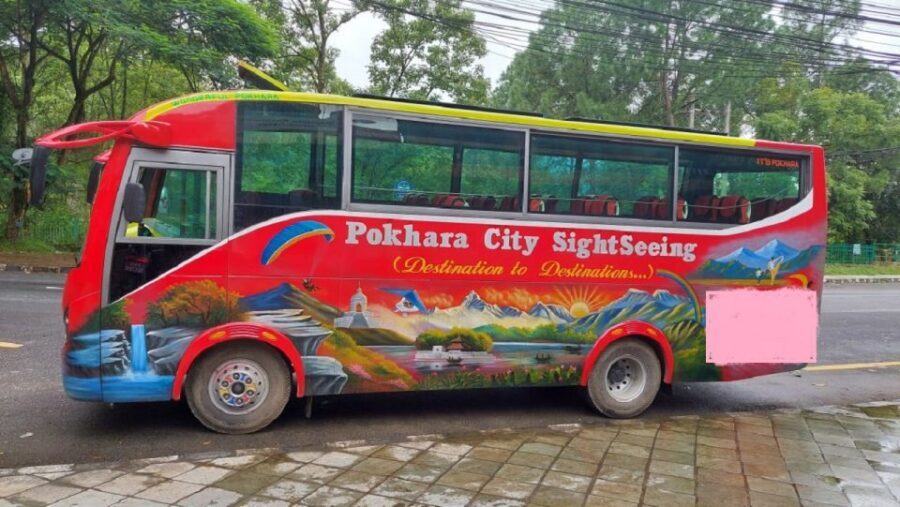
Two things I really like: you get the kind of “see a lot” day that still lets you control your pace, and you’re not skipping the headliners like Devi’s Falls and the World Peace Pagoda. I also like that several stops are spiritual spaces, so you get a feel for how Pokhara works beyond the lake photos. One thing to consider: the bus experience can be hit-or-miss. Some departures feel cramped or older, and cleanliness and passenger behavior may vary, so I’d keep expectations realistic.
In This Review
- Key Highlights You’ll Actually Feel
- Pokhara in One Day: What the Bus Route Really Gives You
- Pace and Timing: Short Rides, Real Stop Time
- Lakeside Rd 6 Pickup: Start Easy, Then Choose Your Own Speed
- Devi’s Falls: The Waterfall That Feels Like a Story
- Practical tip
- Gupteshwor Mahadev Cave: Stalactites, Stalagmites, and Shiva Vibes
- The Shiva Statue Photo Stop and the World Peace Pagoda Calm
- Why this stop is worth your time
- Pumdikot Mahadev Temple: Spiritual Atmosphere Plus Panoramic Views
- Who will enjoy this most
- K.I. Singh Pul Lunch Break: A Real Reset Button
- Mahendra Cave: Limestone Chambers Under King Mahendra’s Name
- Cave etiquette tip
- Bat Cave: An Exciting Stop With Possible Access Limits
- Bindabasini Temple: Goddess Durga Devotion in the Heart of Pokhara
- Price and Logistics: Is $12 Worth Your Day
- What you’re really paying for
- Who Should Book This Tour, and Who Should Skip It
- Should You Book This Pokhara Highlights Tour by Bus?
- FAQ
- Where is pickup for this tour?
- How long does the tour last?
- What sights are included in the day?
- Is there hotel pickup and drop-off included?
- What languages will the driver use?
- What should I bring with me?
- Is the bat cave definitely accessible?
- Can I cancel for a refund?
Key Highlights You’ll Actually Feel
- Self-paced photo stops: You’re not rushed through everything; you can linger where you care.
- Cave variety in one day: Limestone chambers, Shiva caves, and even bat caves (access can be regulated).
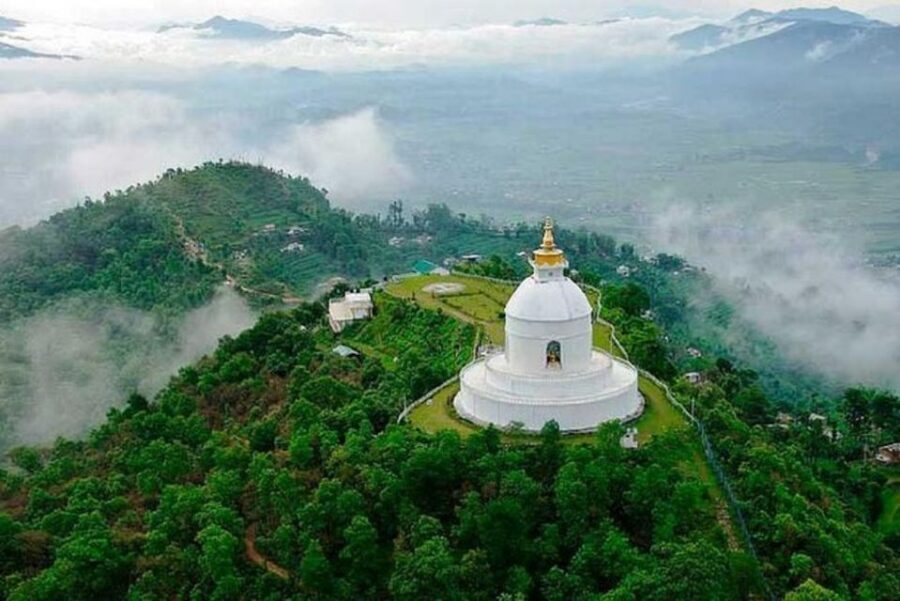
- World Peace Pagoda viewpoint: You’re aiming for wide mountain-and-city views with a quieter mood.
- Temple stops with real devotion: Bindabasini and Pumdikot Mahadev Temple are Hindu sites where prayer is part of the scene.
- Lunch and a break built in: There’s a dedicated lunch window at K.I. Singh Pul to reset.
Pokhara in One Day: What the Bus Route Really Gives You
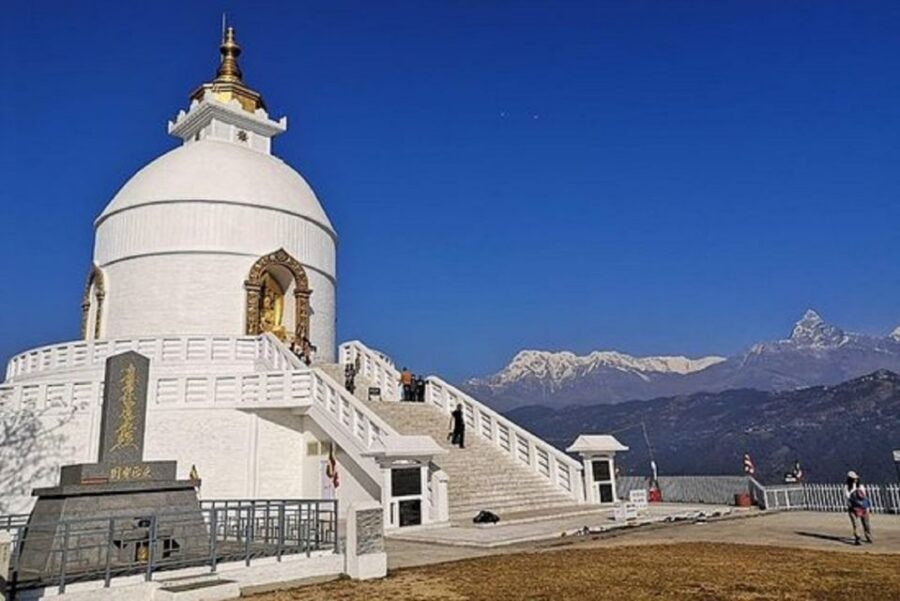
Pokhara rewards slow travel, but not everyone has that luxury. This is a one-day bus loop designed for people who want a strong snapshot: waterfalls, caves, temples, and a big hilltop view—without spending the day bargaining for rides.
The big value is the structure. You’re taken from stop to stop with short transfers, and once you arrive, you choose how long to stay. That matters in Pokhara, where roads can eat up time and where some attractions feel better when you can pause for photos or just stand quietly.
You’ll also notice the tour has a “Pokhara spirit” mix. Yes, you’ll hit famous viewpoints, but you’ll also spend time at active religious sites, which tends to feel more like local life and less like a theme-park day.
Other Pokhara highlights and iconic-destination tours
Pace and Timing: Short Rides, Real Stop Time
The day is organized with multiple breaks between attractions. Expect lots of short bus segments—often around the 20–40 minute range—so the route keeps moving, but you’re not trapped on the bus for the whole day.
At several stops, the time is explicitly self-guided, meaning you’re expected to explore on your own once you’re dropped off. Translation: you can slow down for photos at Devi’s Falls or Gupteshwor Mahadev Cave, then pick up speed at the temple viewpoints if you want.
If you like a schedule but hate being herded, this kind of plan usually fits you well.
Lakeside Rd 6 Pickup: Start Easy, Then Choose Your Own Speed
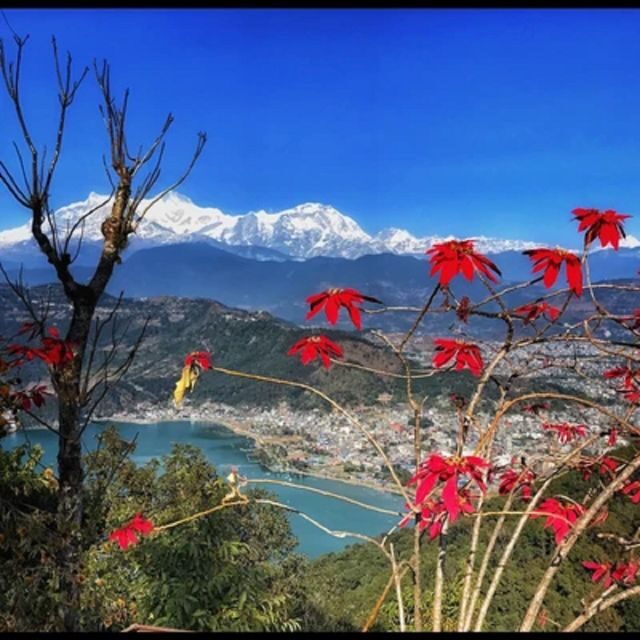
Pickup is at Lakeside Rd 6, and you’ll be dropped back at the same central point at the end. That simplicity is a real advantage if you’re staying near the lake area and don’t want to coordinate separate transport for each sight.
Because the tour runs with an English/Hindi-speaking driver, you’re not left guessing about what’s happening next. Still, I recommend you show up ready to go: travel days in Nepal can be flexible, and it’s easier when you’re not scrambling.
What makes the pacing work is that many stops give you time to do your own thing:
- photo stops (you can frame quickly or linger)
- sightseeing time (you can explore at your comfort level)
- self-guided exploration (no scripted “march” through everything)
So while it’s a group day, your feet control the pace at each stop.
Devi’s Falls: The Waterfall That Feels Like a Story
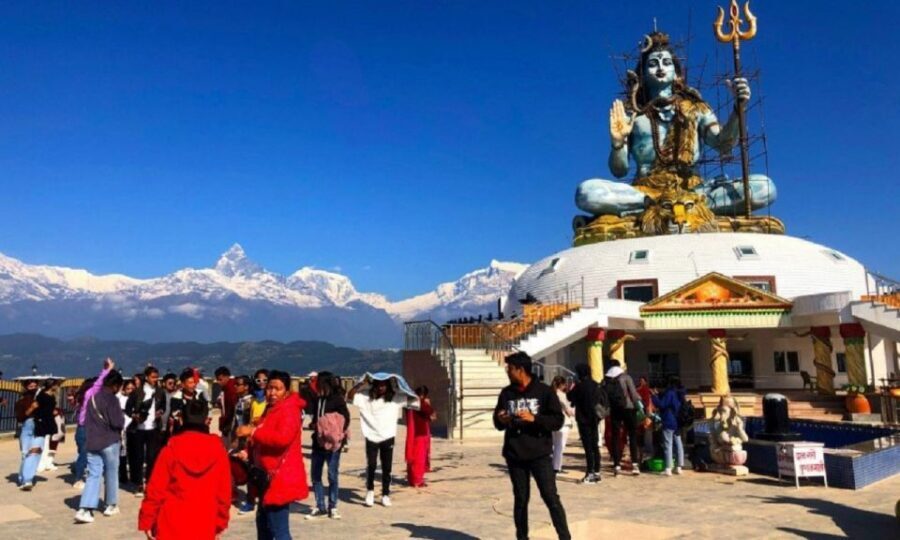
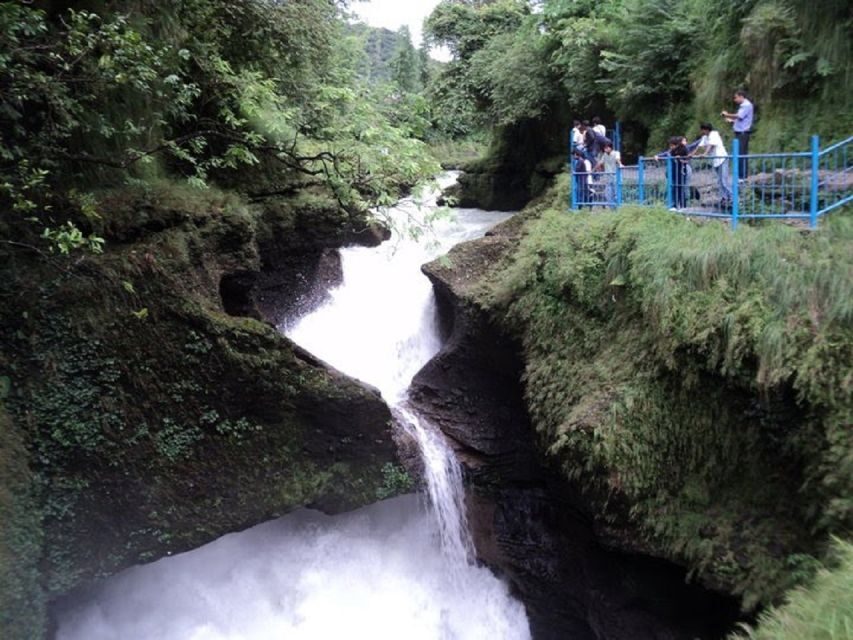
Your first big nature stop is Devi’s Falls. It’s famous for a powerful cascade and for the legend people share around it, which gives the whole place an extra layer beyond the basic wow factor.
What you can do there:
- Find a viewing spot and watch how the water behaves close up
- Take photos from a couple angles (the waterfall’s perspective changes quickly)
- Enjoy the walk leading toward the falls, since the approach is part of the scenery
Bring patience for timing and crowds. This is one of Pokhara’s best-known stops, so you’ll probably see more people than at the caves. The upside is that the energy is easy: you don’t need special knowledge to enjoy it.
Practical tip
If you want photos without stress, go a few minutes earlier than the main crowd. You’ll still have time, and you’ll get calmer angles.


Gupteshwor Mahadev Cave: Stalactites, Stalagmites, and Shiva Vibes
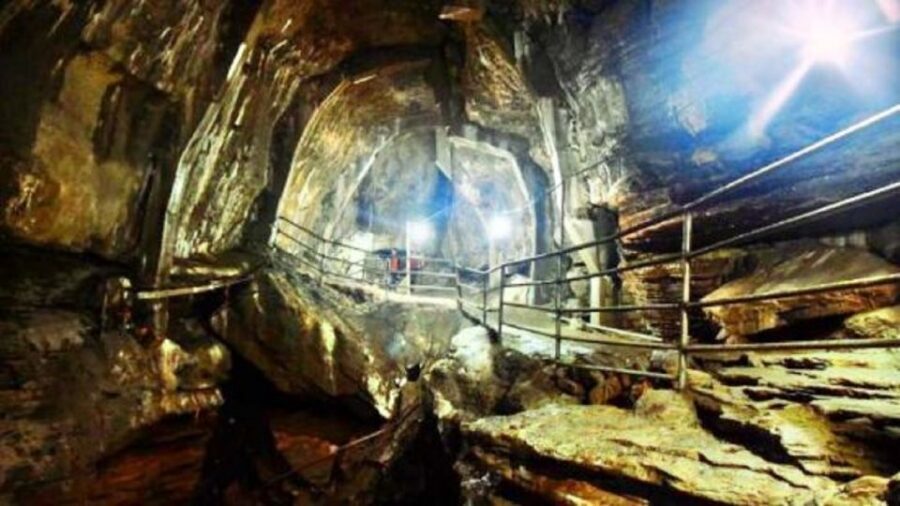
Next you head to Gupteshwor Mahadev Cave, described as an interconnected cave complex near Devi’s Falls and dedicated to Lord Shiva. This is one of those places where you feel the shift from outdoors noise to cool, enclosed space.
Inside, the highlights are the natural rock formations: stalactites and stalagmites. Even without a guide explaining every formation, the shapes create their own “map” for your eyes. If you enjoy caves, you’ll like the sense that the cave isn’t just one chamber—it’s a network.
Because it’s a religious cave, you’ll likely see people treating it like more than a sightseeing stop. That matters because it changes how you should behave: keep your voice down, respect prayer spaces, and don’t rush.
The Shiva Statue Photo Stop and the World Peace Pagoda Calm
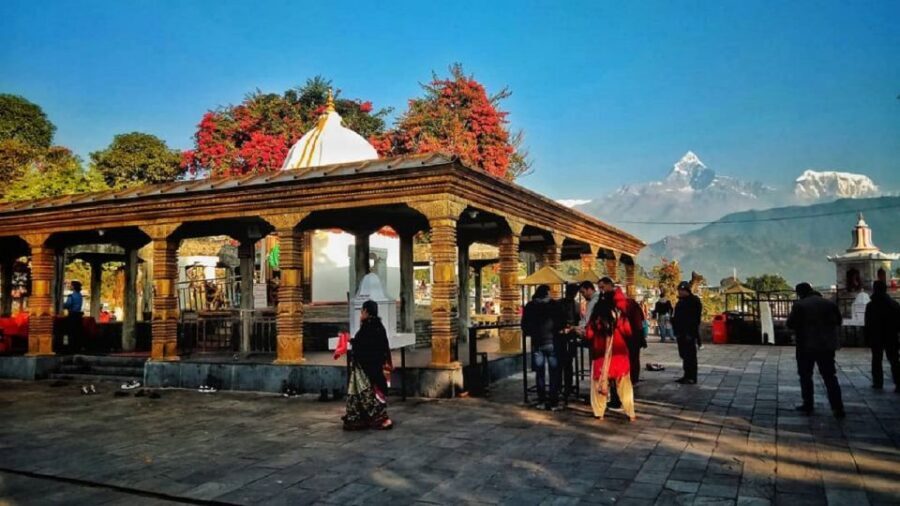
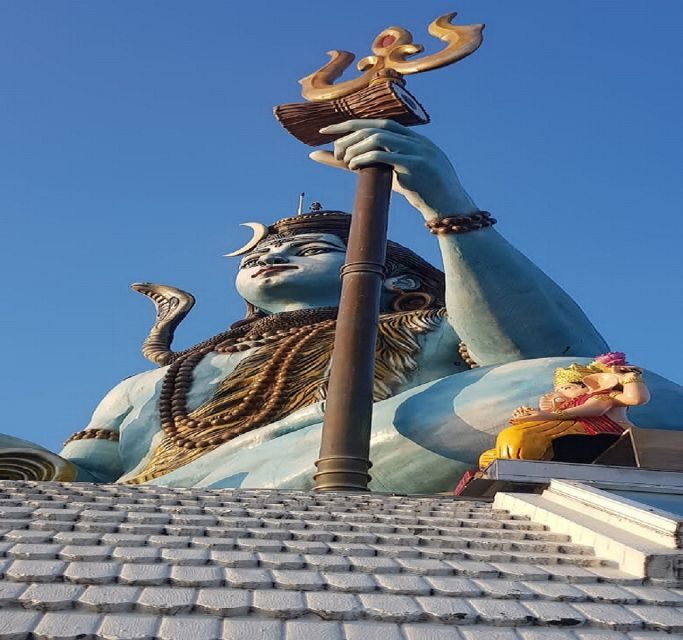
After the caves, the tour includes a stop at a Statue of Lord Shiva for about an hour. This is mainly a viewpoint/photo type stop, and the goal is simple: get a moment of higher ground and a spiritual scene before you move on.
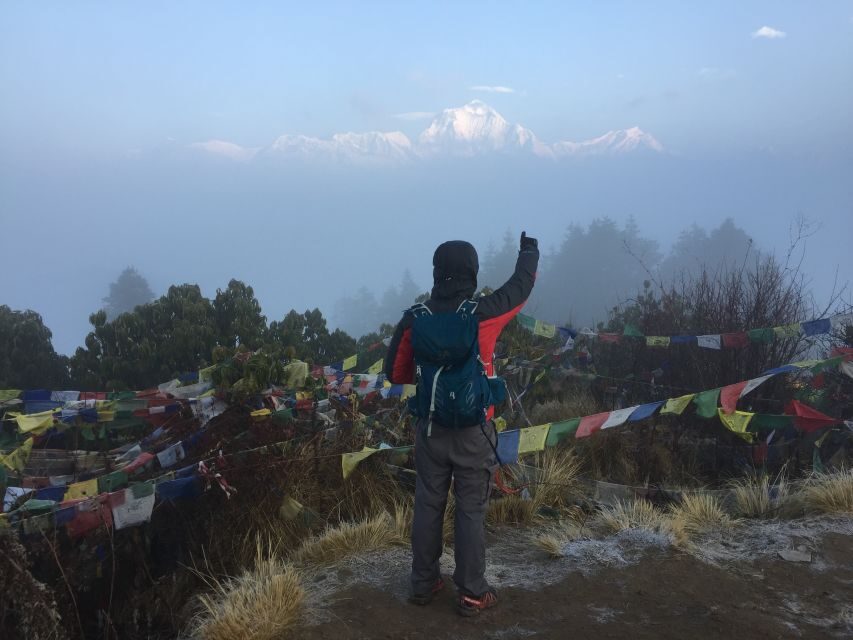
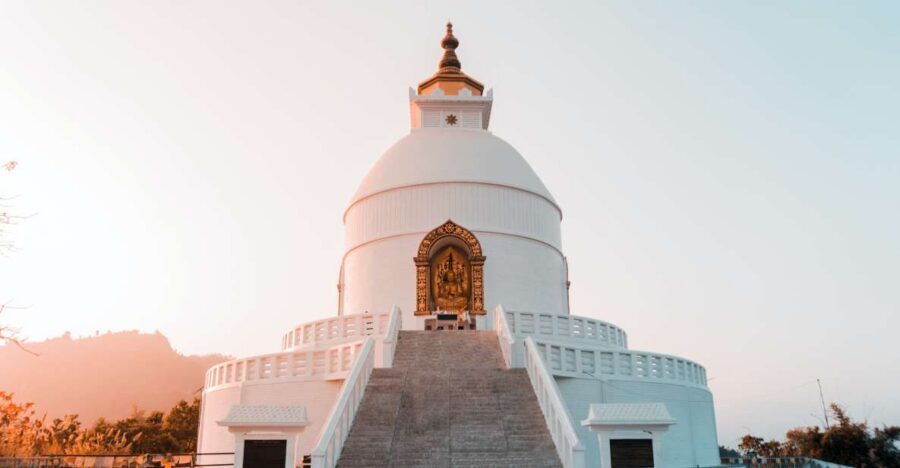
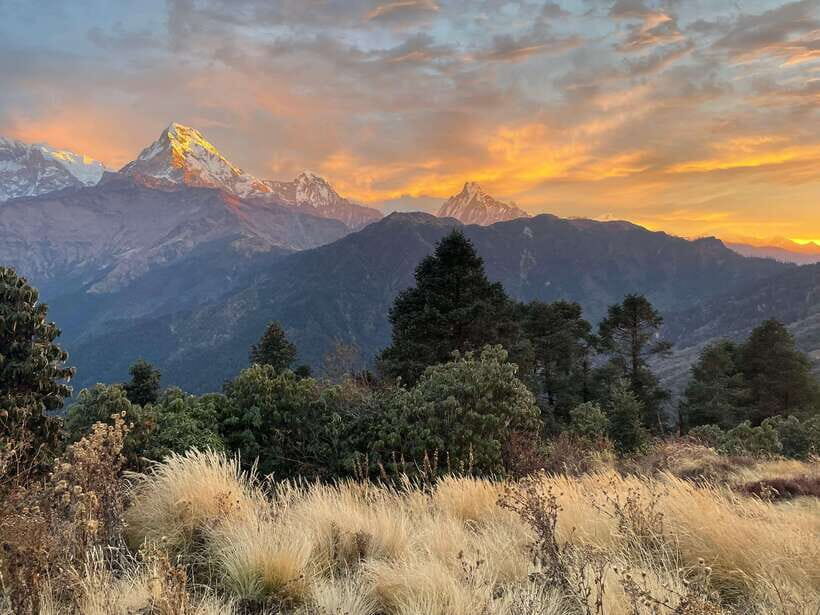
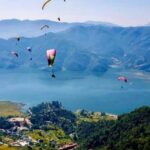
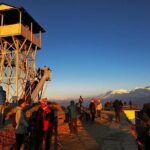
Then you go to one of Pokhara’s most recognizable quiet-hill experiences: the World Peace Pagoda. It sits on a hill with panoramic views of Pokhara and the Annapurna Mountain Range. Even if the weather is changeable, the whole setup encourages a slower mood than the waterfall and caves.
Why this stop is worth your time
- You get altitude views without needing a long hike
- The pagoda atmosphere is calmer than you’d expect from a major tourist site
- You can pause and take in the mountains even if you don’t catch a perfect skyline
I’d use this stop to do something practical: step back from the day, reset your mind, and check whether you’ve got the right photos. This is also a good time to decide if you want to spend extra minutes at the later temple stops.
Pumdikot Mahadev Temple: Spiritual Atmosphere Plus Panoramic Views
Another spiritual stop is Pumdikot Mahadev Temple, located in Pumdikot, a village near Pokhara. The tone here is described as serene and spiritual, with panoramic views over the surrounding landscape.
This is the kind of stop that works best when you don’t treat it like a checklist. Stand where the views open up, then look around at how people move through the space. You’ll get a better sense of the area than if you only rush for photos.
Who will enjoy this most
If you like temples that feel lived-in and not only photographed, you’ll probably enjoy Pumdikot more than the big-ticket sites. It’s also a nice emotional break mid-day, especially after caves where you’ve been dealing with small spaces.
K.I. Singh Pul Lunch Break: A Real Reset Button
There’s a longer break at K.I. Singh Pul, including lunch time (about 45 minutes). That’s not just a schedule detail—it’s what keeps a long sightseeing day from turning into a miserable slog.
Use this window for:
- eating something filling (so the afternoon doesn’t drag)
- drinking water (caves and walking can make you forget you’re thirsty)
- quick bathroom stop planning
Even if you’re not a big food person, this break matters because it gives you control. You can eat fast and get back to the day, or slow down if you’re tired.
Mahendra Cave: Limestone Chambers Under King Mahendra’s Name
Next up is Mahendra Cave, named after late King Mahendra. It’s located in the Batulechaur area, and the route involves a short approach—taking a bus to Mahendrapul and then walking a short distance to reach the cave.
Inside, the focus is on limestone features and underground chambers. This is a different cave vibe than Gupteshwor Mahadev because it’s more about the geological experience and the feel of the caves as spaces. If you like natural rock, you’ll probably enjoy how the chambers open and how the darkness changes your sense of scale.
Wear shoes you’re comfortable walking in. Cave entrances and paths can be uneven, and you’ll be glad you didn’t wear something slick.
Cave etiquette tip
If other visitors are praying or moving through areas quietly, follow that energy. Just keep your pace and be respectful—most people are there to see and feel something.
Bat Cave: An Exciting Stop With Possible Access Limits
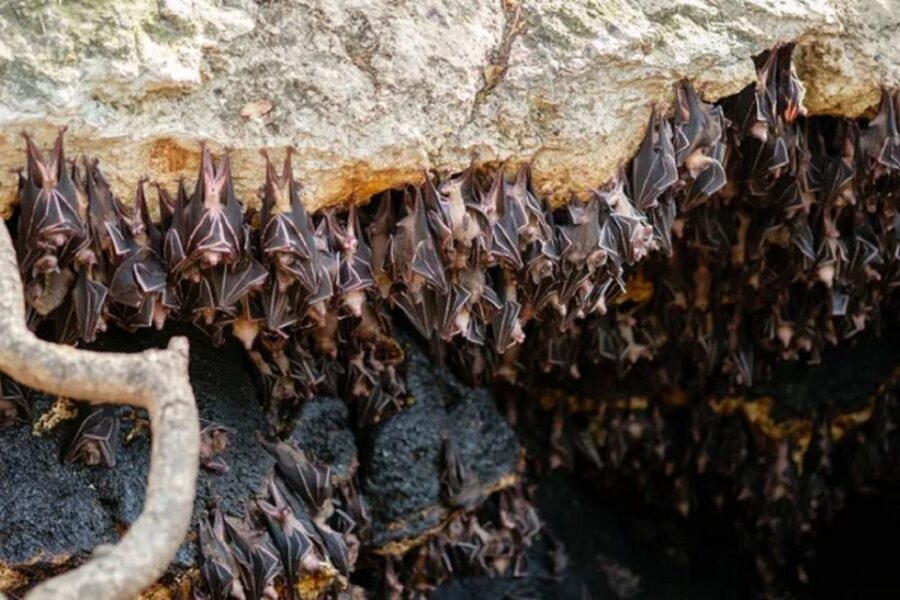
The day also includes a Bat Cave stop. The description is clear about the main appeal: bat caves can offer cool temperatures and roosting spots, making them fascinating even for people who aren’t “cave people.”
There’s one important caution: access might be regulated to protect bats and their habitats. That means you may find that you can’t go everywhere, or that routes can change depending on conditions.
So if seeing bats is a priority, don’t plan your whole emotional experience around it. I’d treat it as a bonus. If you do get access, keep noise low and watch your footing.
Bindabasini Temple: Goddess Durga Devotion in the Heart of Pokhara
Finally, you head to Bindabasini Temple, located in the heart of Pokhara. It’s a Hindu shrine dedicated to Goddess Durga, and the scene is described as devotion in action—people offering prayers while you take in the atmosphere.
This stop often feels more “Pokhara city” than the caves do. You’re not traveling into the hills; you’re stepping into a spiritual center where locals come to do what they do.
A few things to look for:
- how devotees move through the space (it gives you context for what you’re seeing)
- the feel of the temple courtyard
- any view angles that open up from the temple premises
It’s a nice ending because it ties the day’s theme together: nature and geology are one side, faith and daily life are the other.
Price and Logistics: Is $12 Worth Your Day
At $12 per person for a one-day, multi-stop tour, the value is straightforward: you’re buying a lot of transportation and a full sightseeing day without needing to organize each leg yourself.
The included parts that matter most:
- Hotel pickup and drop-off
- Roundtrip transportation
Those two items are what usually cost you extra on your own—especially if you’re staying near Lakeside and want to reach places across town and out toward hills.
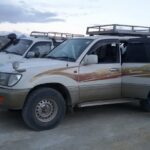
Where the cost can feel less “cheap” is quality of the ride. Some people describe comfortable travel despite the long day. Others flag issues like an older, crowded bus and even cleanliness problems. That doesn’t mean every day is bad, but it does mean you should pack for the possibility of discomfort: bring patience, keep your expectations flexible, and keep your own space tidy.
What you’re really paying for
You’re paying for efficiency. This tour is best when you want a condensed overview of Pokhara’s famous sights in one go. If you’d rather wander slowly, this isn’t the slow style.
Who Should Book This Tour, and Who Should Skip It
This tour is a good fit if:
- you want a one-day highlights sampler of Pokhara
- you like the mix of caves, temples, and viewpoints
- you’re okay with a bus day and want the transport handled
- you enjoy self-guided exploration where you can choose your own pace
You might skip it if:
- bus comfort and cleanliness are dealbreakers for you
- you hate crowded transport and want a calmer, more private day
- you’re only interested in one or two sites and would rather spend time deeply on those
Should You Book This Pokhara Highlights Tour by Bus?
If you have just one day and you want to rack up the major experiences—Devi’s Falls, caves, hilltop views, and Bindabasini Temple—this is a smart-value choice. The included pickup/drop-off and roundtrip transport make it especially attractive when you don’t want the hassle of chaining rides yourself.
My advice: go in ready for a long but structured day. Wear comfortable shoes, bring a valid ID, and treat the bus as the trade-off for seeing a lot. If you want serenity every minute, you may prefer a smaller, more customized outing. But if you want an efficient Pokhara snapshot, this tour can deliver.
FAQ
Where is pickup for this tour?
Pickup is from Lakeside Rd 6.
How long does the tour last?
The duration is 1 day.
What sights are included in the day?
The tour includes multiple Pokhara highlights such as Devi’s Falls, Gupteshwor Mahadev Cave, World Peace Pagoda, Pumdikot Mahadev Temple, Mahendra Cave, Bat Cave, and Bindabasini Temple, plus additional photo stops.
Is there hotel pickup and drop-off included?
Yes. Hotel pickup and drop-off are included, along with roundtrip transportation.
What languages will the driver use?
The driver speaks English and Hindi.
What should I bring with me?
You should bring a passport or ID card.
Is the bat cave definitely accessible?
Access to bat caves can be regulated to protect bats and their habitats, so availability may vary.
Can I cancel for a refund?
Free cancellation is available up to 24 hours in advance for a full refund.