REVIEW · POKHARA
Afternoon Tibetan Cultural Tour to Tibetan Settlements Pokhara
Book on Viator →Operated by The Tibetan Encounter Day Tours P. Ltd · Bookable on Viator
Tibet comes to Pokhara for a half-day. This is an easy way to get real, on-the-ground perspective from a Tibetan guide like Mr. Thupten Gyatso, plus you get to taste traditional food with a Tibetan family, not just look at buildings. I love how the tour connects religion with everyday refugee life, and I love that the story comes with firsthand context. The main drawback is you will do some walking between stops for about four hours, so plan on comfortable shoes.
Hotel pickup and drop-off make the 2 pm start feel effortless, and the route moves through Pokhara Tibetan settlements at a calm pace. You’ll visit Pema Ts’al Sakya Monastic Institute, then Jangchub Choeling Tibetan Monastery for afternoon chanting, and finish at Tashi Palkhel Tibetan Settlement with tea, snacks, and a family home visit.
In This Review
- Key Things I’d Highlight Before You Go
- Why This 2–6 pm Tibetan Culture Tour Fits Pokhara Days
- Stop 1: Pema Ts’al Sakya Monastic Institute (Your First Context Set)
- Stop 2: Jangchub Choeling Tibetan Monastery and Afternoon Prayer Soundtrack
- Stop 3: Tashi Palkhel Tibetan Settlement Home Visit and Tibetan Food
- Price and Value: Is $60 a Good Deal in Pokhara?
- What You Learn from a Tibetan Guide Like Mr. Thupten Gyatso
- How to Prepare (So You Can Focus on the Right Things)
- Who Should Book This Tour (and Who Might Skip It)
- Should You Book It?
- FAQ
- What time does the tour start and end?
- How long is the tour?
- Is hotel pickup and drop-off included?
- What stops are included in the itinerary?
- Is the tour’s food included?
- Are there vegetarian or gluten free options?
- Are admission tickets included?
- How big is the group?
- Is cancellation free if plans change?
Key Things I’d Highlight Before You Go
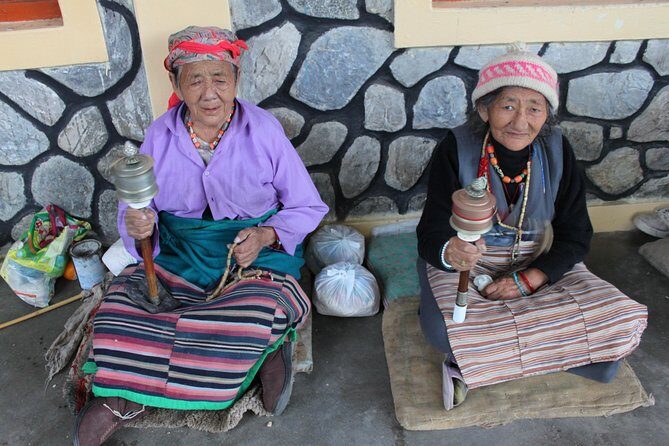
- Mr. Thupten Gyatso leads the tour and shares stories from the Tibetan settlement experience in everyday terms.
- Three structured stops in 4 hours keeps it doable even if your Pokhara day is packed.
- Jangchub Choeling monastery chanting includes horns, drums, and conch shell sounds during prayer.
- A Tibetan family home meal gives you a practical look at daily life, not just sightseeing.
- Up to 15 people means you’re more likely to ask questions and get personal attention.
Why This 2–6 pm Tibetan Culture Tour Fits Pokhara Days

Pokhara can be a “pick-your-own-adventure” kind of place. One day you’re hiking, the next you’re relaxing by the lake. This tour is built for the in-between time: it runs from 2 pm to around 6 pm, with hotel transfers included, so you don’t waste your afternoon sorting out timing and directions.
What makes this one work is the balance between sacred space and normal life. You’re not only visiting monasteries. You’re also getting a look at how Tibetan communities live, eat, and preserve culture while building a new home in Nepal. That contrast is the point, and it’s why the afternoon format feels natural rather than rushed.
Also, the group stays small (maximum 15). I like that, because it makes it easier to hear your guide and feel less like you’re floating around in a crowd. One more practical win: the tour includes bottled water, snacks, and coffee and/or tea, plus afternoon tea, so you’re less likely to feel dragged by hunger when you’re between stops.
Other Tibetan settlement and cultural tours in Pokhara
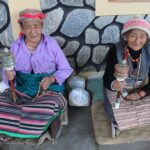
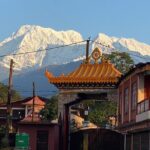
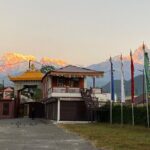
Stop 1: Pema Ts’al Sakya Monastic Institute (Your First Context Set)
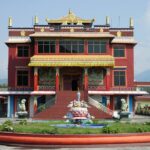
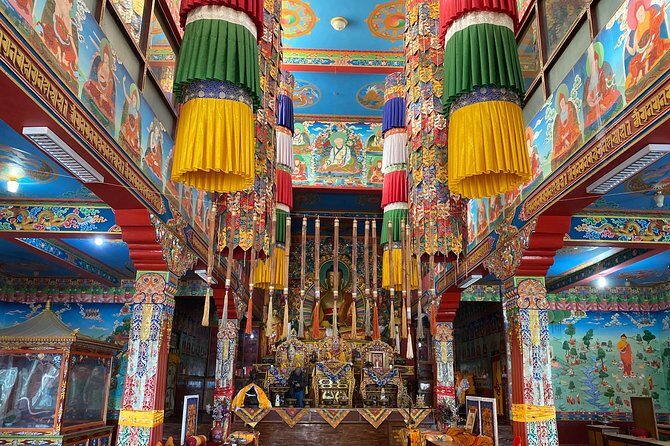
Your afternoon begins at Pema Ts’al Sakya Monastic Institute for about an hour, with admission ticket included. This stop is your orientation point. It’s where your Tibetan guide can frame what you’re about to see next: the role of monasteries in community life, how religious practice is lived, and how Tibetan culture continues in Nepal.
Because the tour is designed as a cultural walkthrough, you can expect more than photos and architecture. The value here is the “why.” A place like this isn’t just a place to pass through. It’s part of a system that shapes daily routines, community events, and how people interpret their world.
What to watch for at this first stop:
- Keep your volume down and move at a respectful pace. Monastic spaces usually function as living places, not museum sets.
- Pay attention to what your guide connects to later. If they mention themes like tradition, refuge, or preservation, those ideas often show up again at the monastery chanting and the family home visit.
The potential downside? If you’re expecting a long, drawn-out deep learning session, one hour can feel short. But for most people in Pokhara, that short-but-focused start is exactly what makes the whole afternoon flow well.
Stop 2: Jangchub Choeling Tibetan Monastery and Afternoon Prayer Soundtrack
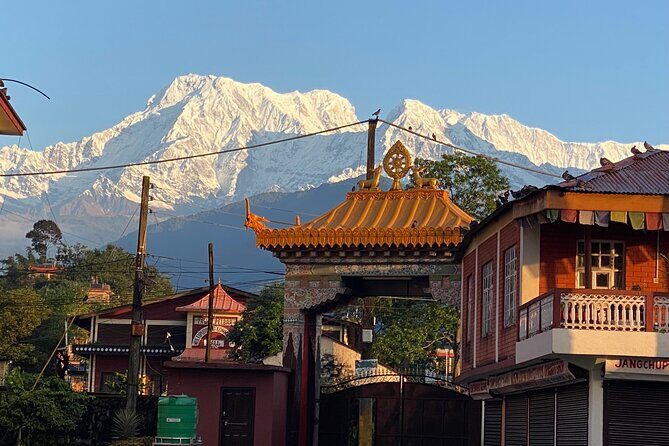
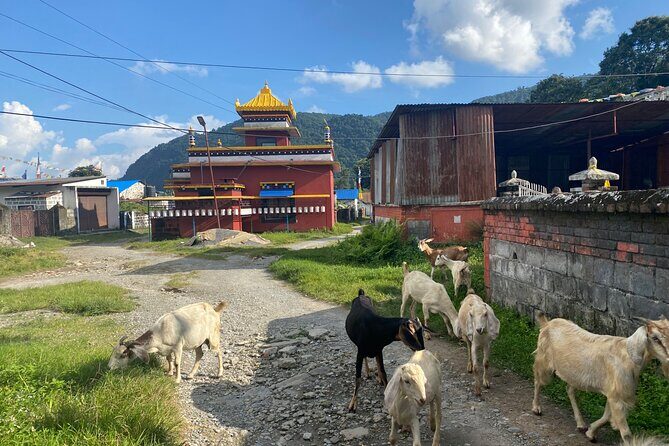
After the institute, you head to Jangchub Choeling Tibetan Monastery, again for about an hour. This monastery is located inside the Tibetan village, and the tour includes the afternoon prayer chanting with the monks.
Here’s what makes this stop memorable: you can hear the horns, drums, and conch shell during the chanting. Those sounds turn prayer from something abstract into something physical. Even if you don’t know every term, you feel the rhythm and structure of the service.
Practical expectations:
- This part of the tour is time-sensitive. If you arrive late, you may miss the best moments of the chanting.
- Expect a crowd of locals, depending on the day. This is not a staged show for tourists, so your job is to fit in quietly.
One note that matters for your experience: the tour includes admission ticket free and aims to skip long lines. That helps, because you can arrive without feeling squeezed by queues. More time inside means less stress, and stress is the enemy of cultural attention.
If you’re the type who likes learning through observation, this is your highlight. You’ll come away with a stronger sense of how Tibetan Buddhism is experienced through sound, repetition, and community practice.
Stop 3: Tashi Palkhel Tibetan Settlement Home Visit and Tibetan Food
The tour’s third stop is Tashi Palkhel Tibetan Settlement, and this is where the afternoon turns from “religious sites” into “living culture.” You’ll visit one Tibetan family’s home for about an hour.
The big value here is that you get traditional Tibetan food in a home setting. In past groups, people have been served butter tea and Tibetan bread, and that fits with the tour’s promise of an introduction to Tibetan food as part of daily life and refugee experience. It’s not about eating quickly for a checklist. It’s about understanding what food means in the culture.
What you should know before you go:
- Food is part of the lesson. Your guide explains what you’re tasting and connects it to background stories.
- Vegetarian option is available, and if you need gluten free, they also offer gluten free choices such as plain rice with veg or non veg curries. (Tell them your preference when booking.)
From a comfort standpoint, a home visit can vary from family to family, but the tour format helps because you’re not doing it alone. You have a guide to set the tone and help you understand what’s appropriate.
The only real consideration is timing and pace. Since the tour is built around multiple stops, plan to take your time at the table but also expect it to stay structured. That keeps the overall 2 pm to 6 pm timing realistic.
Price and Value: Is $60 a Good Deal in Pokhara?
At $60 per person for roughly four hours, this tour isn’t trying to be the cheapest option in town. Instead, it prices for the things that add cost and value: hotel pickup and drop-off, a professional guide (with a Tibetan perspective), entrance to the stops (admission tickets are free for the listed sites), and included food and drinks.
Here’s where the value really shows:
- Transportation is handled for you. You’re not paying separately for a driver or wasting time negotiating.
- The guide is part of the product. A Tibetan guide like Mr. Thupten Gyatso is central to the storytelling, especially when the focus is refugee life and cultural preservation.
- You’re fed in a practical way. Afternoon tea, snacks, bottled water, and coffee and/or tea mean you’re less likely to scramble for food afterward.
- Small-group size matters. Maximum 15 people keeps it easier to hear explanations and ask questions.
If you enjoy learning through real-life examples rather than only viewing monuments, this is the kind of tour that can feel worth the price quickly. You’re not paying just for entry fees; you’re paying for context, translation, and guided access to spaces that aren’t always simple to navigate on your own.
Other historical tours in Pokhara
What You Learn from a Tibetan Guide Like Mr. Thupten Gyatso
A good cultural guide does two things at once: they translate language, and they translate meaning. With Mr. Thupten Gyatso, the emphasis stays on stories that help you see Tibetan culture as something people live daily.
In the reviews, people consistently highlight his passion and his ability to connect religion, culture, history, and community. They also mention his English is very good, which matters when you want the details, not just the basics.
Here’s the kind of learning you’ll likely get on this tour:
- How religion ties to everyday routines. Monastic practice isn’t separate from family life in these settlements.
- What refugee life looks like in daily terms. You hear stories that help you understand what preservation means when a community rebuilds in a new country.
- How food acts like a cultural anchor. When you try butter tea and other local items, you get a feel for what’s shared at home, not just what’s sold in shops.
One underrated benefit of a small-group tour is the confidence it gives you to ask questions. People who joined alone have said it felt close to a private experience because the group stays small and the attention remains personal.
How to Prepare (So You Can Focus on the Right Things)
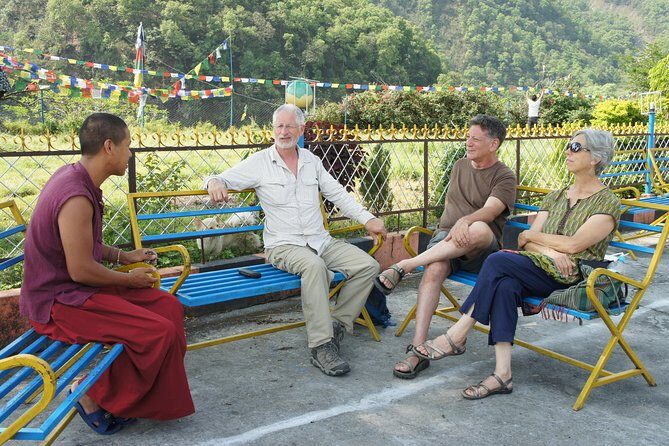
This is a respectful cultural tour. You don’t need special gear, but you do need a mindset that matches the setting.
A few practical prep tips:
- Wear shoes you can walk in for a few hours. It’s a walking tour, and you’ll move between monasteries and a settlement home.
- Bring a small layer. Pokhara afternoons can shift, and you’ll be outside part of the time.
- Think about what you want to ask. If you’re curious about religion, community, or Tibetan refugee life in Nepal, jot down questions so they don’t disappear mid-tour.
- Be ready for sensory moments at the monastery chanting. The horns, drums, and conch shell are part of the experience, not background noise.
When you show up with calm attention, you’ll get more out of every stop. That’s the real secret sauce.
Who Should Book This Tour (and Who Might Skip It)
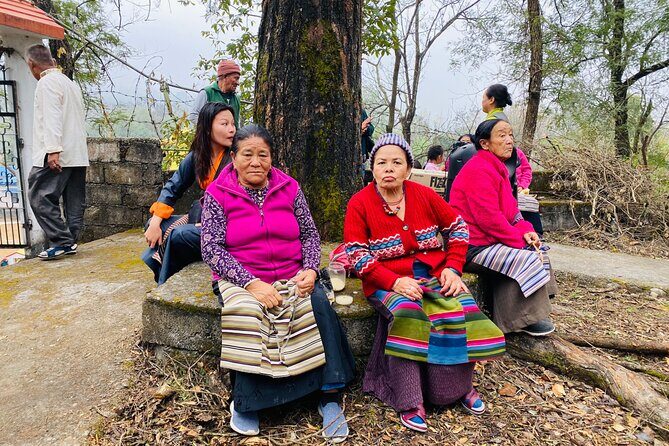
This tour fits best if you want:
- a half-day cultural experience without a full-day commitment
- access to Tibetan settlements with a guide who shares stories firsthand
- monastery chanting, plus a home meal experience
- a small group format (maximum 15)
It may not be the best match if you want big-ticket attractions or long stays at each site. This is a focused route. You’ll feel like you sampled three meaningful places rather than “camping” in one.
Most people can participate, and vegetarian and gluten-free options are available if you ask ahead. If you’re going solo, don’t worry. The small-group format tends to keep the experience personal.
Should You Book It?
Yes, if your goal is to understand Tibetan culture as something lived in Pokhara’s Tibetan settlements. This tour makes that easy by combining monastery practice (including afternoon chanting with horns, drums, and conch shell) with a real home-cooked food moment and a Tibetan guide who connects it all to refugee life.
I’d book it when you have an afternoon with a clear window and you want context, not just sightseeing. If you’re okay with some walking and you value respectful, story-led cultural time, you’ll likely find it one of the more meaningful half-days you can add in Pokhara.
FAQ
What time does the tour start and end?
The tour starts at 2:00 pm and returns around 6:00 pm.
How long is the tour?
The duration is approximately 4 hours.
Is hotel pickup and drop-off included?
Yes. Hotel pickup and drop-off (hotel transfers) are included.
What stops are included in the itinerary?
You’ll visit Pema Ts’al Sakya Monastic Institute, Jangchub Choeling Tibetan Monastery, and Tashi Palkhel Tibetan Settlement.
Is the tour’s food included?
Yes. The tour includes afternoon tea, snacks, bottled water, and coffee and/or tea. Lunch is not included.
Are there vegetarian or gluten free options?
Yes. A vegetarian option is available. Gluten free food is also offered, such as plain rice with veg or non veg curries.
Are admission tickets included?
Admission tickets for the listed stops are free, and the tour is described as guaranteed to skip long lines.
How big is the group?
The maximum group size is 15 travelers.
Is cancellation free if plans change?
Yes. Free cancellation is available, and you can cancel up to 24 hours in advance for a full refund.